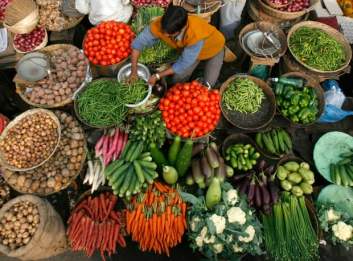
In the 1960s, the Green Revolution placed a premium on high crop yields over factors such as crop diversity and soil preservation. Photograph: Rupak de Chowdhuri/Reuters
2010-2017, from our base in Kerala, India one of our primary activities was food heritage preservation. And it is a constant theme in these pages. Along the way it became clear that both foodstuffs, the tangible things that are used to make food, and foodways, the intangible knowhow for using foodstuffs to make food, are equally worthy of our attention. Thanks to the Guardian for sharing this:
‘Mind-boggling variety’: the food crusaders preserving India’s heritage
A rich range of native crops and seeds is being nurtured in an effort to halt the country’s rapidly vanishing food diversity
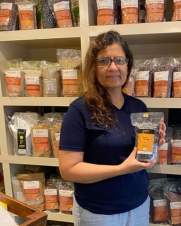
Babita Bhatt left a career in software to launch her own business in natural products grown in the Himalayas. Photograph: Handout
A small army of botanical heritage enthusiasts is spearheading a movement in India for the revival and preservation of the country’s rapidly vanishing food biodiversity by bringing back the rich crop varieties that thrived in the past, but are now on the verge of extinction.
Babita Bhatt, a 43-year-old former software professional, is just one of these crusaders, who are eschewing established careers and fat pay packets to become farmers, activists and entrepreneurs.
Fear of feeding her young daughter foods covered in pesticides was the trigger for Bhatt to move to the hills of Uttarakhand. Trading a steady income for the financial insecurity of an entrepreneur, she launched Himalaya2Home, a self-funded venture, in 2018. Continue reading














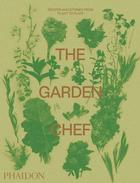 The Garden Chef


 We know that a plant based diet is better for the environment than a meat based diet, but we are also missing out on so many vitamins and nutrients the further up the food chain we eat. Algae is unique because it’s highly efficient at turning sunlight, water and CO2 into vitamins and nutrients, more than any other crop. It is the original source of food for life on earth and continues to be good for us as well as the planet.
 Organikos