Jumping Mobula Rays at Villa del Faro

A few weeks ago I wrote about the dawn rays at Villa del Faro, when I saw the jumping fish coming out of the water and slap down in almost-graceful belly flops. I finally got a little footage of the interesting behavior in the video above, and I found an article from BBC Earth that covers the topic – in the Gulf of California, no less – while still not providing an explanation for why the rays jump like they do:

Soaring high above the waves as easily as a bird, mobula rays appear perfectly designed for this astonishing aerobatic display.

Continue reading

“Kissing” Corals

Source discovermagazine.com

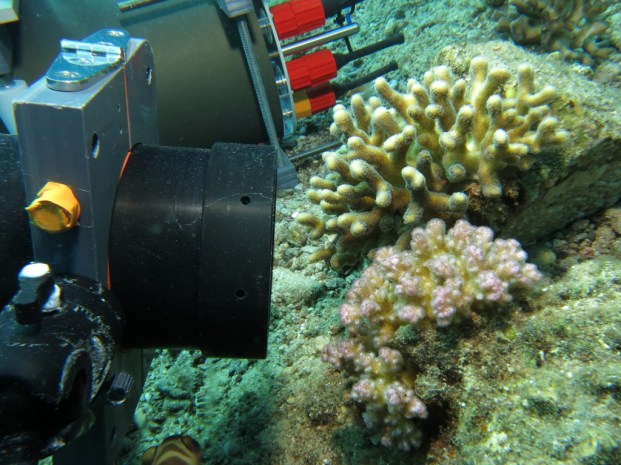
You don’t have to be a romantic to appreciate the underwater rainbow canvas that is a coral reef and marvel at the fact that these organisms have been spotted exchanging an underwater embrace, a behavior researchers have termed “polyp kissing.”

A first-of-its-kind underwater microscope that can observe coral polyps at resolutions of up to 2 micrometers while still remaining a safe distance away allowed marine biologists to watch coral behavior in real time. Not only did they see two species of coral fighting for territory (a previously observed behavior), but also two corals entwine their gastrovascular openings in the act of “polyp kissing” (a previously unknown behavior). Continue reading

GPS Turtle Eggs to Track Poachers

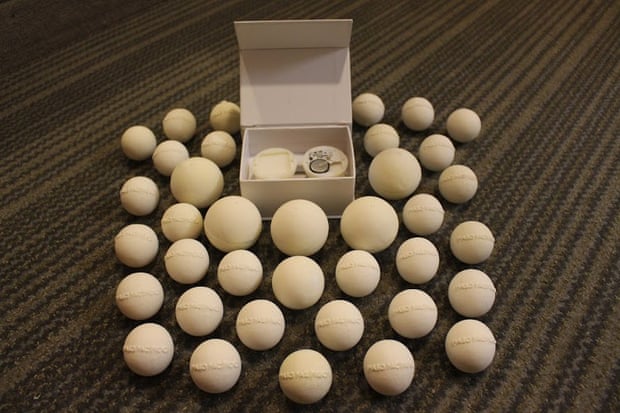
Prototypes of Paso Pacifico’s fake eggs. The small balls on the outside hold the GPS transmitter which will then be fit into the larger shells, forming the inner ring of the photograph. Photograph: Eduardo Bone via The Guardian

Last time we mentioned sea turtles it was also in the context of protecting them from poaching. These threatened ocean species lay eggs on public beaches and certain people enjoy eating those eggs, or even the turtle meat itself. Thanks to a great project by USAID called the Wildlife Tech Challenge, there will soon be a potential means to tracking where poachers are selling the illegal turtle eggs, as Jeremy Hance reports:

“Every year millions of sea turtle eggs are taken by poachers for sale on the black market. Paso Pacifico’s solution has the potential to reveal the trade routes and destination markets for trafficked sea turtle eggs,” the U.S. Agency for International Development (USAID) said.

The USAID recently awarded Paso Pacifico $10,000 for its idea through their Wildlife Tech Challenge, a contest to tackle wildlife trafficking through technological innovation. The Wildlife Tech Challenge is also supported by the National Geographic Society, the Smithsonian Institution, and TRAFFIC.

Continue reading

Boca del Tule, Kayak & Surf

img_9395_zpsmfqybqon

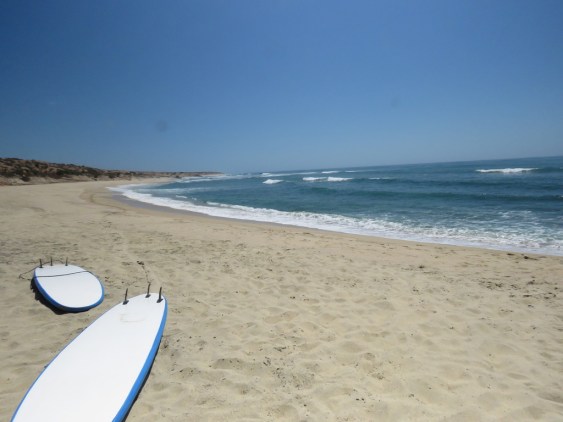
The shore down below Villa del Faro is known as Boca del Tule, since the Tule arroyo –– a seasonal river in the desert –– runs into the ocean at that point (boca means mouth in Spanish). The beach is public but very few people are ever on it, partly because we’re an hour away from the closest city, San José del Cabo, via dirt road. Now and then you’ll see a couple fishermen, or if the waves are good, some surfers. Last week, Jocelyn and I tried surfing both here at Boca del Tule and also at a better-known surfing beach just twenty minutes south called Nine Palms.

Both spots offered fair surfing for either experienced or newbie surfers, since Continue reading

Use Nature, Not Seawalls, to Defend from Storms

A Living Shoreline replaced a failing bulkhead at the N.C. Wildlife Resource Commission’s Edenhouse boat ramp on the Chowan River. Photo by the North Carolina Coastal Federation

From the Harvard Gazette, an article by Colleen Walsh on the environmental damage and lack of success in general from manmade seawalls:

For years coastal homeowners have tried to beat back Mother Nature with seawalls, imposing structures of wood and/or concrete intended to fend off angry tides and surging storms. But emerging research suggests that in some areas, biological barriers both better protect against erosion and preserve vital ocean habitats.

Not only have seawalls in certain areas been shown repeatedly to fail when tested, but they pose a threat to the delicate ecosystems associated with wetlands and intertidal areas, Rachel Gittman, a postdoctoral research associate at Northeastern University’s Marine Science Center, said during a talk at Radcliffe on Thursday. Instead of absorbing energy generated by wind and waves, seawalls reflect that force back into the water, said Gittman, further eroding the shore and erasing important habitats for fish, crabs, and shore birds.

Continue reading

Microplastics Killing Fish

2556

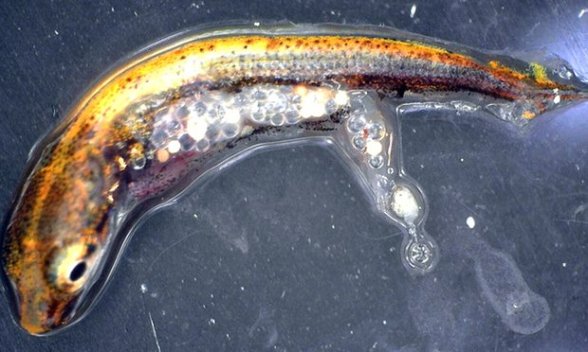
Microplastics visible in a pike. Photograph: Oona Lönnstedt/Science

We’ve posted about microplastics before, since they are becoming a problem for oceans’ health. They can be found in sea salts and all over our shores, but also in fish, where the tiny particles stunt growth and alter the behavior of some species that ingest the plastics. Fiona Harvey reports for The Guardian:

Fish are being killed, and prevented from reaching maturity, by the litter of plastic particles finding their way into the world’s oceans, new research has proved.

Some young fish have been found to prefer tiny particles of plastic to their natural food sources, effectively starving them before they can reproduce.

The growing problem of microplastics – tiny particles of polymer-type materials from modern industry – has been thought for several years to be a peril for fish, but the study published on Thursday is the first to prove the damage in trials.

Continue reading

A Sperm Bank for Coral Reefs

An example of a coral spawning, in this case, the species Orbicella faveolata, or mountainous star coral. Credit: Schmahl/FGBNMS

Ocean health matters to us, and the state of our corals is one of the most at-risk elements of marine ecosystems. So many species depend on coastal communities of these strange lifeforms, and with acidification and pollution of sea waters, the reefs are in danger of slowly but surely dying out. Thankfully, there are efforts underway to conserve coral in an unusual way – freezing and storing their sperm. Julie Liebach reports for Science Friday:

You’ve heard of seed banks—precious vaults that keep plant genetic material frozen for posterity’s sake. But what about coral banks?

For more than a decade, marine biologist Mary Hagedorn has been cultivating the art of carefully freezing coral sperm through a process known as cryopreservation. Her goal is to bank as many species as possible for use in future research and restoration, and to train other scientists to follow her lead.

Continue reading

Lionfish Removal and Awareness Day Festival


Photo credit: Erin Spencer

Photo credit: Erin Spencer

I’ve posted previously about the lionfish invasion that is threatening coral reef and other marine ecosystems throughout the Caribbean, Gulf of Mexico, and Southern Atlantic Seaboard of the United States. As I’ve noted in earlier posts, it is the general consensus of the scientific and conservation community that eradication of lionfish from the Atlantic is impossible. However, there is growing evidence that systematic removal efforts can be effective in controlling lionfish populations and in reversing their negative impact on reef health. The challenge faced by marine protection agencies and marine resource managers is how to undertake these removals on a regular and financially sustainable basis. I’m convinced that this challenge can best be met by an integrated approach involving coordinated action by public and private actors complemented by the creation of markets for lionfish products.

All of these elements were in evidence at the Lionfish Removal and Awareness Day festival in Pensacola, Florida which I attended last month. Organized by the Florida Fish and Wildlife Conservation Commission (FWC), the two-day event included a lionfish derby (with more than 8,000 lionfish removed by volunteer divers), lectures about the invasion and the threat that it poses, lionfish cooking and tasting, and sale of lionfish products.

Notable among the sponsors of the event was Whole Foods, which had announced a few weeks earlier that it was going to begin selling lionfish at its stores in California and Florida. The move by whole foods was sparked by the decision late last year of Monterey Aquarium’s Seafood Watch program to list lionfish as a best choice under its sustainable seafood recommendations, citing the invasive nature of the species. As I had noted in a previous post, Seafood Watch had previously declined to list lionfish due to the absence of an established commercial fishery, but to their credit, the group responded to what they described as a “grassroots campaign” and revisited the issue. Moreover, since taking the decision to list lionfish, Seafood Watch has been active in raising awareness about the invasion and in promoting lionfish consumption. Continue reading

New Marine Park in Malaysia

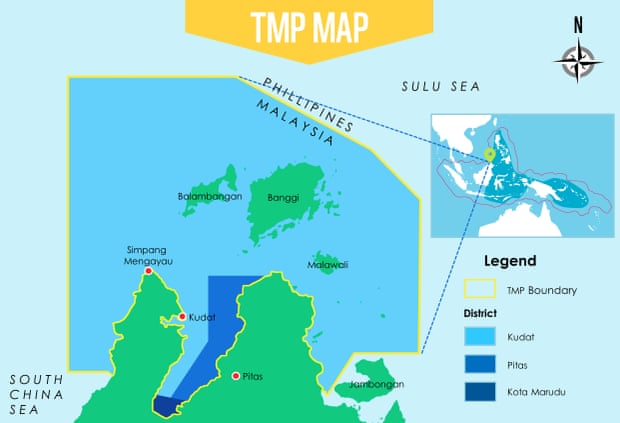
A map of the new Tun Mustapha marine protected area, which occupies just under one million hectares of seascape, including more than 50 islands. Illustration: WWF Malaysia

The more protected areas for wildlife in the world the better, in our book. So we’re happy to hear that Malaysia has created a new marine park, the largest of its kind in the country, that covers a million hectares, or around two million football fields. With so many coral and fish species in the region, it’s a great step forward for conservation in an area at risk for over-fishing or poor practices like blast or cyanide fishing. Johnny Langenheim reports:

Malaysia has just established the biggest marine protected area (MPA) in the country. The Tun Mustapha park (TMP) occupies 1m hectares (2.47m acres) of seascape off the northern tip of Sabah province in Borneo, a region containing the second largest concentration of coral reefs in Malaysia as well as other important habitats like mangroves, sea grass beds and productive fishing grounds.

It is also home to scores of thousands of people who depend on its resources – from artisanal fishing communities to the commercial fisheries sector – making it in many ways a microcosm of the entire Coral Triangle bioregion, where environmental protection must be balanced with the needs of growing coastal populations.

Continue reading

Better Packaging for the Ocean’s Sake

Over the years we have referenced Ecovative Designs before, as a mycological solution for styrofoam and way to reduce reliance on petrochemicals. Recently we learned about a new method of replacing plastics that doesn’t involve fungus–at least not directly. Using the byproducts of beer-making (which technically includes yeast, a fungus), the Saltwater Brewery partnered with WeBelievers to create edible six-pack rings for beer cans, as you can see in the video below:

Continue reading

Bad News for Lionfish in Costa Rica, Good News for Costa Rica

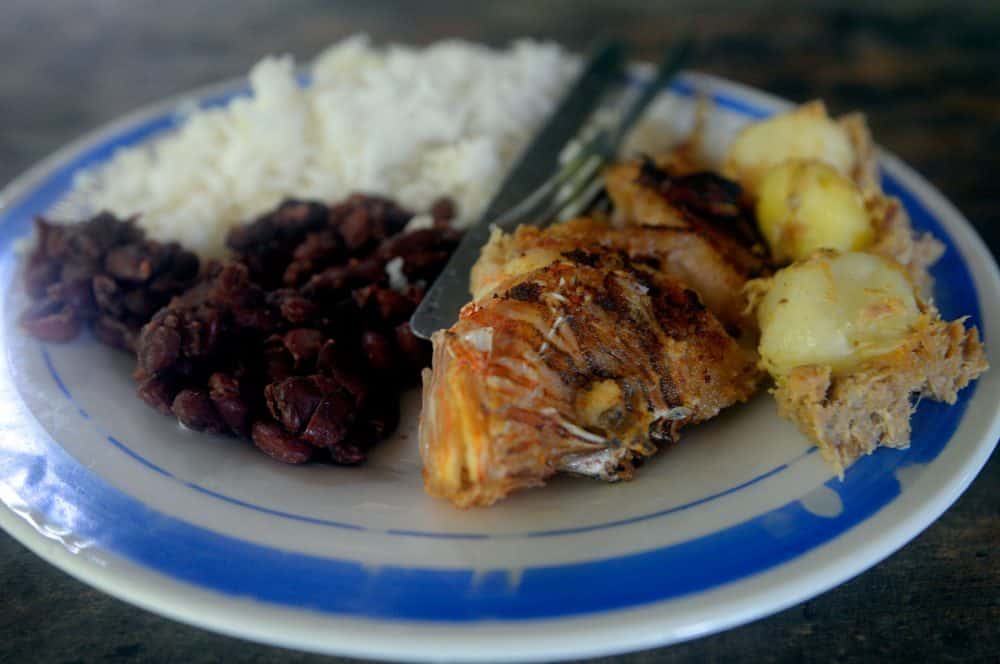
After a long day of fishing, the lionfish are fried and served up with rice and beans. Lindsay Fendt/The Tico Times

We’re always keeping our eye out for updates on the lionfish situation, and that’s why we’re happy to see that some more efforts are being made in Costa Rica to control a problem that is pretty out of control. More from Lindsay Fendt from the Tico Times:

Local efforts to curb the encroachment of invasive species in Costa Rica’s Caribbean got a big boost this week with the formation of a National Commission for the Management and Control of Lionfish. The new commission will provide government support for Caribbean fishing associations that are already actively combatting the proliferation of lionfish (Pterois).

Introduced to the Atlantic Ocean from the Indo-Pacific sometime in the 1980s, the lionfish has been wreaking havoc on Caribbean fish populations. The fish can gobble up two smaller fish every minute and lay up to 30,000 eggs each year, depleting catches for fishermen and damaging the ecosystem. Though not the hardest hit country in the region, Costa Rica has approximately 90 lionfish per hectare and fishermen have reported an 80-87 percent decline in their catches since 2009 when the fish began to appear off the country’s coast.

Continue reading

Mysterious Sea-Floor Activity

Screen Shot 2016-04-15 at 11.37.52 AM

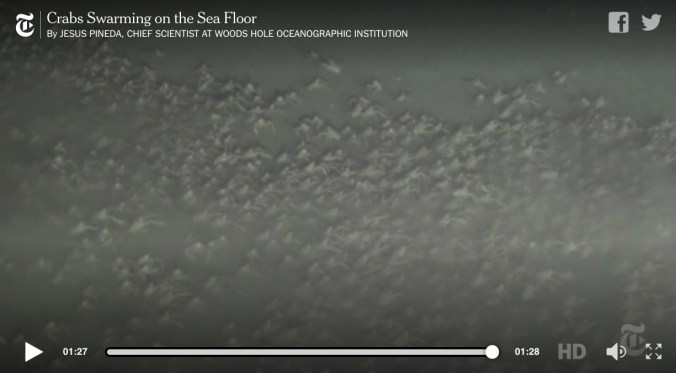
Thousands of red crabs swarmed the ocean floor off the coast of Panama. By JESUS PINEDA, CHIEF SCIENTIST AT WOODS HOLE OCEANOGRAPHIC INSTITUTION on Publish Date April 14, 2016. Photo by Jesus G. Pineda/Woods Hole Oceanographic Institution.

Watch the video above as an introduction to a fascinating story from the Science section of the New York Times:

Uncovering a Deep-Sea Swarm of Zombie Crabs

The team stumbled upon the horror movie moment last April while exploring the aptly named Hannibal Bank Seamount, an underwater mountain home to a plethora of sea life. Continue reading

Is It This Simple?

ghost-fishing

A serious problem with a relatively simple solution (thanks to Conservation magazine’s website):

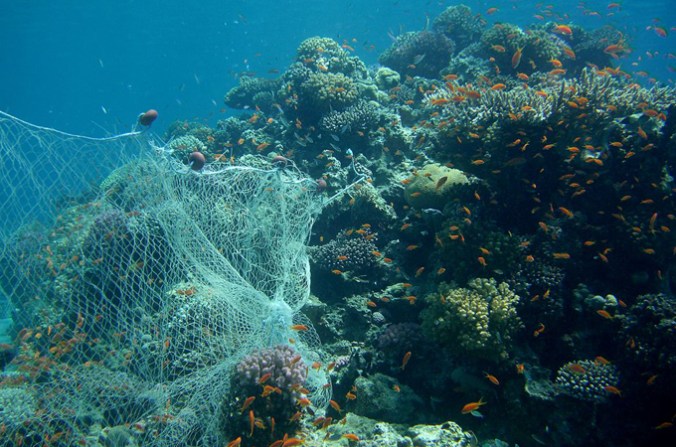
BIODEGRADABLE GILLNETS COULD HELP RID THE OCEAN OF GHOST FISHING

Researchers have found that biodegradable gillnets catch fish as well as conventional nylon nets—and more quickly lose their ability to entangle animals when discarded at sea. Even more, the degradable nets tend to trap fewer young fish and bycatch. Continue reading

Sea Butterfly Motion Recorded at GA Tech

Recording by David Murphy at the Georgia Institute of Technology, via NPR.

We know from previous posts how important plankton is to the health of the world’s oceans, and now we’re learning about a species of zooplankton that is an example of convergent evolution in the form of “flight” motion. The gif to the left displays the watery “wingbeats” of the near-microscopic sea snail Limacina helicina, which is the same type of movement that a fruit fly’s wings make to move through the air. Merrit Kennedy reports for NPR:

It’s “a remarkable example of convergent evolution,” the researchers write. They say the ancestors of zooplankton (such as L. helicina) and those of flying insects diverged some 550 million years ago.

This sea snail’s movements are more like a fruit fly’s than other zooplankton, the study found.

L. helicina, which lives in cold Pacific waters, has two smooth swimming appendages “that flap in a complex three-dimensional stroke pattern resembling the wingbeat kinematics of flying insects.”

Other types of zooplankton typically “paddle through the water with drag-based propulsion” rather than fly, the researchers say.

Study co-author David Murphy tells the Journal of Experimental Biology that the sea snail and fruit fly both “clap their wings together at the top of a wing beat before peeling them apart, sucking fluid into the V-shaped gap between the wings to create low-pressure vortices at the wing tips that generate lift.”

Continue reading

Models Show Garbage Clean-up More Effective on Shoreline Than in Gyres

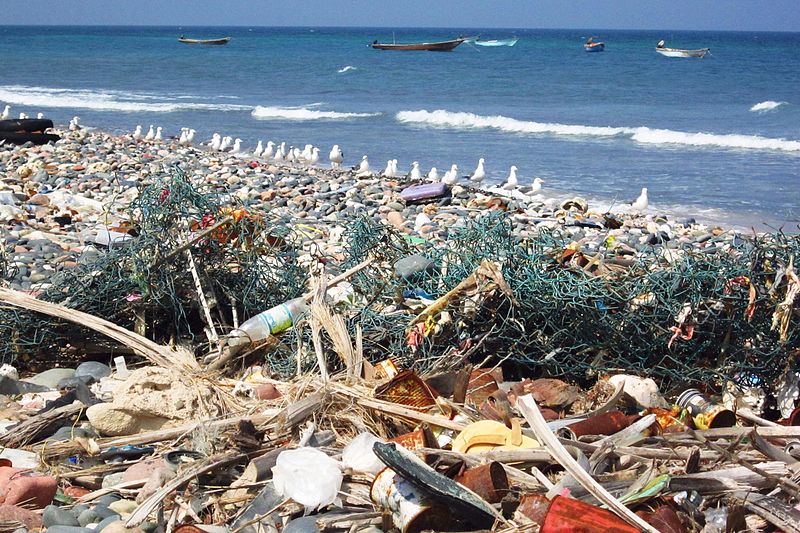
Image of trash on a beach by Flickr user Gerry & Bonni

The health of oceans in the face of massive pollution has been a topic of this blog on multiple occasions, and we’re always interested in learning more about the efforts to clean up the incredible amounts of waste, especially plastic, in one of the most–if not the most–important global ecosystems. New models by researchers at Imperial College London are hypothesizing that, rather than targeting sites like the great Pacific garbage patch, trash pick-up by floating microplastic collectors should be more effective near the coasts, where the rubbish originates. Sarah DeWeerdt reports for Conservation Magazine:

Cleanup efforts for ocean plastics should be concentrated close to shore, at the source of the problem, rather than in areas of open ocean where plastic tends to accumulate, according to a study recently published in the journal Environmental Research Letters. Ideally, if plastic collectors were placed offshore near coastal population centers, they could remove nearly one-third of plastic in the ocean over the next 10 years.

In the study, oceanographer Erik van Sebille and undergraduate physics student Peter Sherman, both at Imperial College London, used data on ocean currents and waste management practices in different countries to simulate the entry and circulation of plastic in the oceans from 2015 to 2025.

Continue reading

The Unexpected Manta Rays

Manta Ray (Manta birostris) at Hin Muang, Thailand. “Neon Fusilier & Manta Ray” by Jon Hanson, via Wikimedia.

We’re no stranger to the benefits of manta rays, especially with contributor Phil Karp’s writings on the subject. The accidental catch of a giant oceanic manta ray (we’re talking about a fish that can weigh up to two tons!) in the northern coast of Peru resulted in the passing of a new law that will significantly help the preservation of this endangered species. On December 31, 2015 the Peruvian government passed a resolution that bans manta fishing and requires the immediate release of mantas that are accidentally caught as “bycatch.”

It’s not unusual for manta rays to get tangled in nets or fishing lines. But rays are also deliberately targeted for their meat and gills plates, which filter out plankton as they swim. The gill plates are considered a culinary delicacy in China, where they’re also used in traditional medicine to reduce toxins, enhance blood circulation, cure cancer, increase breast milk supply, and treat chickenpox and other ailments. There’s no scientific evidence that manta potions are effective in any of these instances.

Continue reading

A Robot To Police The Oceans’ Ecosystems

rtx1i8gp

National Public Radio (USA) is carrying this story, which we guess will catch the interest of Phil Karp, among others interested in the health of our ocean ecosystems:

Climate change, pollution, and unsustainable fishing practices have threatened the world’s largest coral structure but there’s some hope for Australia’s Great Barrier Reef. An intelligent robot is ready to protect it. Continue reading

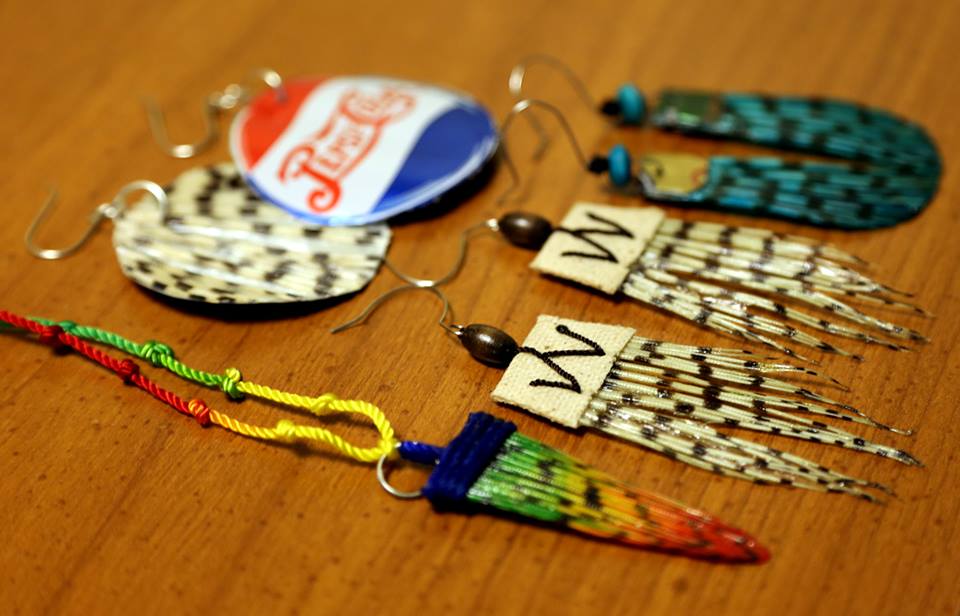
Lionfish Jewelry Update – Caribbean Gulf and Fisheries Institute Conference

I’ve posted previously about the emergence of lionfish jewelry as one of several market-based approaches to controlling the invasion of this non-native species which poses an unprecedented threat to marine ecosystems in the Western Atlantic.

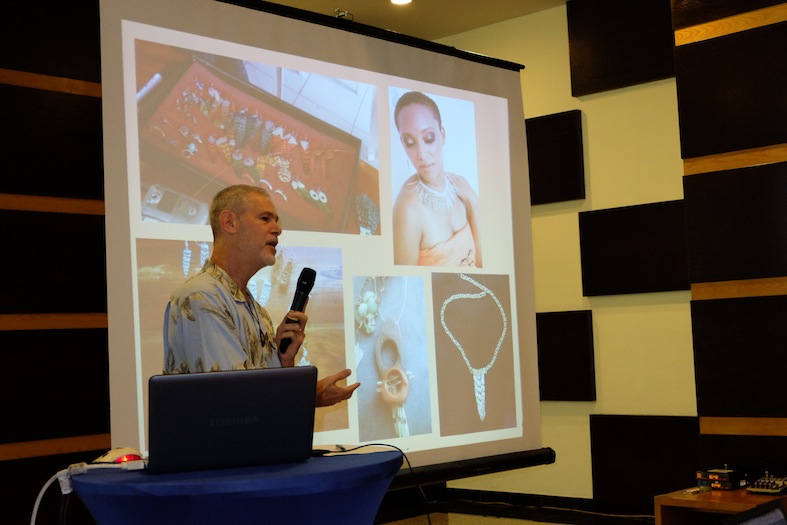
Last month I had the opportunity to make a presentation on lionfish jewelry at a special workshop on lionfish management that was held during the annual conference of the Gulf and Caribbean Fisheries Institute, in Panama. The conference program also included a full-day lionfish research symposium and a lionfish research poster session, both of which gave me an opportunity to learn more about the science aspects of the lionfish invasion and some of the latest findings on lionfish biology and behavior and to meet some of the leading researchers on these subjects.

The lionfish management workshop, which was organized by the United Nations Environment Program’s Caribbean Regional Activity Center on Specially Protected Areas and Wildlife (SPAW-RC) and the International Coral Reef Initiative (ICRI), brought together marine scientists, managers of marine protected areas, fishermen, and representatives of international organizations to share experiences and lessons learned with respect to strategies for controlling the invasion. Continue reading

Dory: Not so Ditzy in Real Life

1024px-blue_tang_28paracanthurus_hepatus29_02

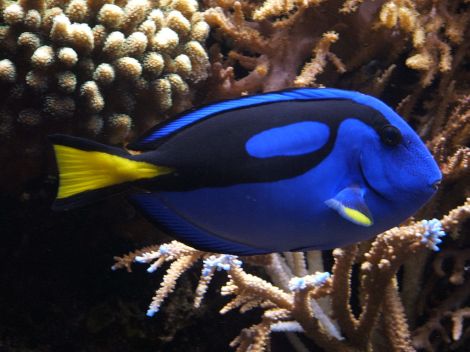
Blue tang (Paracanthurus hepatus) at Monterey Bay Aquarium by Wikimedia contributor Tewy.

We’ve all seen the humorously scatterbrained black-and-blue fish Dory in Pixar’s Finding Nemo, but only those who have spent some time snorkeling or diving in tropical waters have seen the real-life surgeonfish–as that class of fish is called–just keep swimming in its natural habitat. Next year, Finding Dory will act as a sequel to the immensely popular aquatic animation film from 2003. Before you watch it in cinemas, you can learn a little about the actual fish that Dory is based on, via BBC Earth:

“I suffer from short-term memory loss,” Dory tells Nemo. “I forget things almost instantly, it runs in my family.”

It’s very funny and ultimately touching, but this depiction is just a little unfair. The fish Dory is based on does not have short-term memory loss. It is rather more awesome than that.

It has several names, including royal blue tang, regal tang and surgeonfish. Its scientific name is Paracanthurus hepatus.

Continue reading

Ocean Cleanup Project Tests Successfully

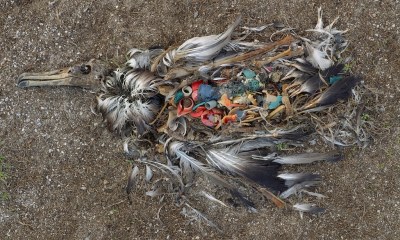
Around 90% of the world’s sea birds have eaten plastic items that they mistook for food, a study estimates. Photograph: Chris Jordan/Midway: Message from the Gyre

We’ve alluded to the Great Pacific Garbage Patch before, though we haven’t shared any stories covering it directly. Last week, The Guardian reported some good news from The Netherlands, where the prototype for a 100km-long, crowdfunded cleanup boom for the ocean was tested successfully. Arthur Nelsen reports:


Further trials off the Dutch and Japanese coasts are now slated to begin in the new year. If they are successful, the world’s largest ever ocean cleanup operation will go live in 2020, using a gigantic V-shaped array, the like of which has never been seen before.

The so-called ‘Great Pacific garbage patch’, made up largely of tiny bits of plastic trapped by ocean currents, is estimated to be bigger than Texas and reaching anything up to 5.8m sq miles (15 sq km). It is growing so fast that, like the Great Wall of China, it is beginning to be seen from outer space, according to Jacqueline McGlade, the chief scientist of the UN environmental programme (Unep).

Continue reading