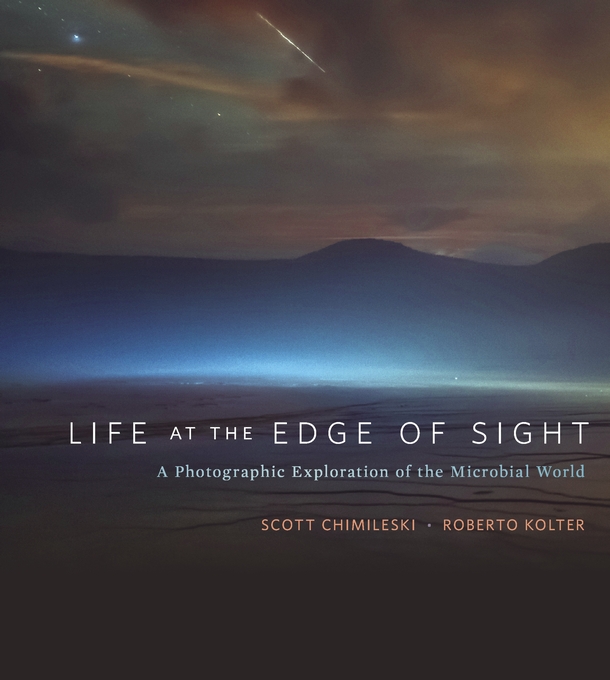
If You Happen To Be In Cambridge

9780674975910-lg

Thanks to Jonathon Shaw and Harvard Magazine for bringing our attention to this book:

Life Beyond Sight

The microbial earth, brought into view

world.drop_.sig_IN ROCKS AND SOIL, air, ponds and oceans, life is dominated by creatures that humans cannot see. Microbes thrive everywhere, from gardens and kitchens to the harshest environments on the planet: under polar ice, in hydrothermal vents at the bottom of the sea, in hot springs that spew acid. A single gram of soil teems with billions of them, and their genetic diversity is equally impressive, dwarfing that of all the plants and animals round.microbe.2 (1)on Earth. Life at the Edge of Sight: A Photographic Exploration of the Microbial World (forthcoming from The Belknap Press of Harvard University Press), brings the planet-shaping diversity of these single-celled, microscopic organisms into view through stunning images. Co-authors Roberto Kolter, professor of microbiology and immunology, and Scott Chimileski, a research fellow in microbiology and immunology at Harvard Medical School, share their passion for the subject in part by magnifying what cannot be seen unaided, in part by revealing large-scale microbial impacts on the landscape. Kolter has long been a leader in microbial science at Harvard, while Chimileski brings to his scholarship a talent for landscape, macro, and technical photography…

Read the whole article here, and if you happen to be in Cambridge (MA, USA) this exhibition might be of interest:

World in a Drop: Photographic Explorations of Microbial Life

logofinalThe minuscule ecosystem within a single drop of water is home to an astonishing diversity of organisms busily living out their lives and interconnected by myriad complex relationships. The photographic exhibit World in a Drop is an aesthetic journey into this microbial world, as revealed through cutting-edge imaging microbe.gallery.1technologies. With expertly executed photography, videography, and poetic narration, Scott Chimileski and Roberto Kolter capture the intrinsic beauty of a mysterious world that is seldom recognized.
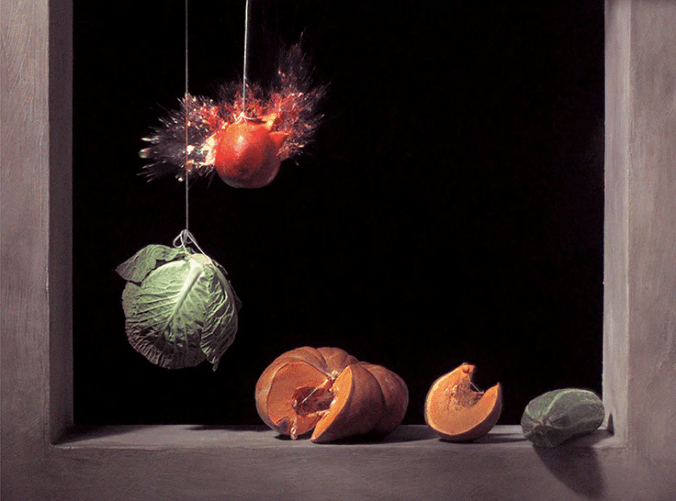
“Feast for the Eyes”

Ori Gersht’s Off Balance, 2006. Photograph: Ori Gersht/Aperture.org

I highly recommend this combination of retro covers from classic food and homemaking publications, stylized food presentations and deconstructed recipe imagery. Guaranteed to make you smile. (Check below the jump for more of my personal favorites.)

Repast lives: a history of food photography – in pictures

Continue reading

Chan Chich Archeology Season, When Skygazing Is Also At A Premium

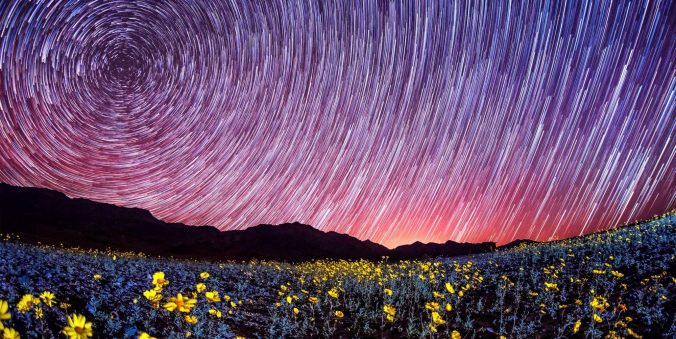
Death-Valley-2-Skyglow-Desktop-Wallpapers-e1492808806156.jpg

Today and tomorrow we are finalizing preparation for receiving a nearly full house of archeologists, who will be at Chan Chich Lodge for the next couple months. I came across the photo above at the same time I was looking at the to-do list related to their arrival, and am remembering that in May 2016 I was struck by the quality of night sky at Chan Chich for stargazing.

So this is a shout out to all those people who are intrigued by Mayan archeology, are stargazers, and have not yet made vacation plans for the next couple months. We have a few rooms available, so come on over!  The photo above is paid content from Intel, and while usually we avoid passing along commercials, this is on a topic we care about. It is worthy of a read. Also, after the text the Skyglow short on Vimeo is worth a look:

Timelapse photographers zigzagged 150,000 miles across the U.S. to capture the wonders of the dark skies and raise awareness about the growing threat of light pollution.

Their family and friends think they’re crazy for devoting so many nights to create Skyglow, a book and video born from Gavin Heffernan and Harun Mehmedinovic’s passion for nature and photography. Just how Carl Sagan and Stephen Hawking brought deeper understanding of the cosmos, Heffernan and Mehmedinovic are raising awareness about the damage caused by ever increasing light pollution. Their magical timelapse photography just might do the trick. Continue reading

Cry Sadness Into The Coming Rain

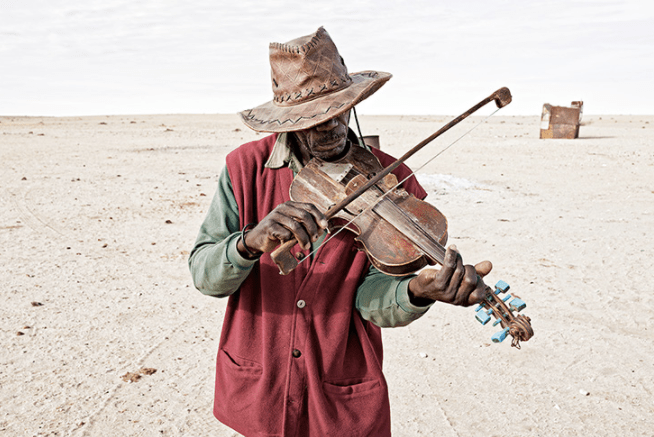
Gottlieb ǂKhatanab ǁGaseb aka Die vioolman (The Violinist) plays traditional Damara music at the funeral of Ouma Juliana ≠Û-khui ǁAreses on the family farm beneath the Dâures. Uis District, Erongo Region. December 2014

As an international company, our team tends to be spread out across the world, so more often than not many of our posts is a surprise to the rest. It was with that sense of synchronicity that I read Crist’s piece on Gerhard Steidl’s conservation work yesterday while I was in the midst of writing about this upcoming publication.

Born in Namibia, photographer Margaret Courtney-Clarke spent decades capturing life in remote places in Italy, the USA and numerous parts of Africa. Returning to Namibia after years away, she found the once familiar landscape drastically changed.

Cry Sadness Into the Coming Rain is a forthcoming publication by Steidl, Germany, 2017.

With strong memories of my formative years growing up on the edge of the Namib Desert in what was then known as South West Africa, I have returned to explore my obsession with this place and my lifelong curiosity for the notion of shelter. I have covered thousands of dusty kilometres across remote plains, through dry river beds, over sand dunes and salt pans, through conservancies and communal lands to photograph families in desperate, forgotten outposts. I try to capture the ‘transhumance’ – the search for work, forage and water – and the remnants of former habitats alongside once productive land.

In coastal towns I move with women and children across stretches of desert from one garbage dump to another – often with the loot they carry in their quest to create shelter and eke out a living. I focus on human enterprise and failure, on the bare circumstances of ordinary women and men forced to negotiate life, and of an environment in crisis. Continue reading

Entrepreneurial Conservation, Book

tny_steidl01 009

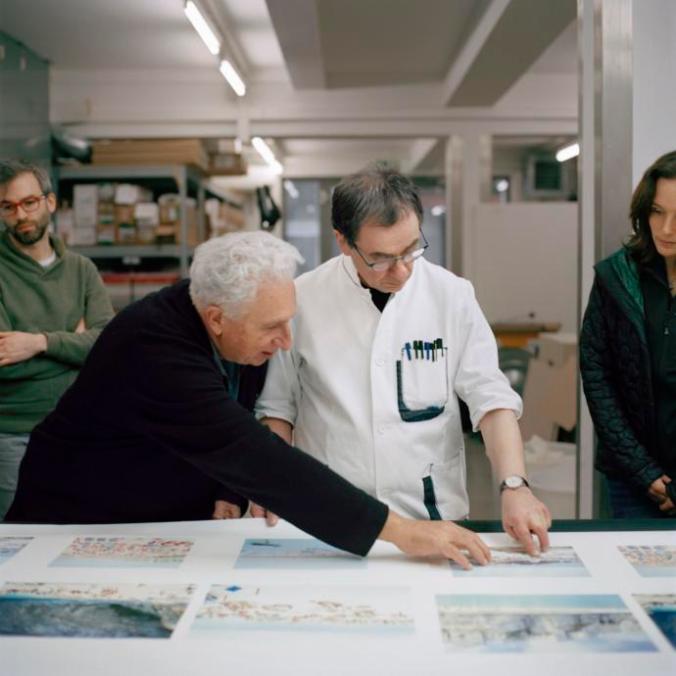
Steidl (pictured here with the Italian photographer Massimo Vitali) is engaged in an effort to print and catalogue work that might otherwise not be available, and to use advanced industrial means to distribute it widely. It is a Gutenberg-like goal, with the history of photography substituting for the word of God. Photograph by Mark Peckmezian for The New Yorker

We have frequently sampled the publications of Phaidon when we see relevance to themes we care about. There are plenty of books they produce that are about frill or fashion, and we are less than not interested in those. But we assume those books we like least are likely the ones that sell well enough to pay for the ones we like most. It is a principle we can live with. In our own work we commercialize experiences in nature in order to fund the conservation of that nature, and we live with all the paradoxes inherent in that.

In this week’s New Yorker there is a profile of one man whose life’s work is more or less displaying the same principle, again in the realm of books with photographs, paid for by work in fashion. It caught my attention at first in the same way the Phaidon books generally do, with regard to craft, beautiful display, etc., but there is more here. This man does not just produce lovely coffee table books.  He is clearly on a mission we can relate to, recognizable for an entrepreneurial approach to conservation. Read the one paragraph sampled below for a taste:

GERHARD STEIDL IS MAKING BOOKS AN ART FORM

He is the printer the world’s best photographers trust most. Continue reading

Plant, Coffee Table Baiting

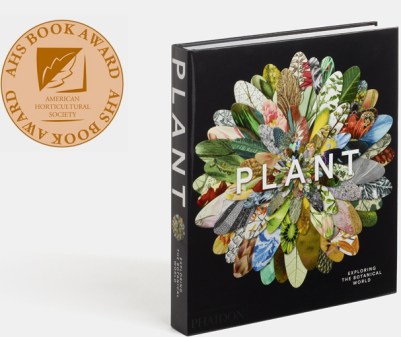
9780714871486-940-ahsPhotos by Penn, Steichen and other classic masters share the pages with some of today’s greatest photographers in this book. It brings our attention to flora in both natural and still-life settings, making this kind of debate irrelevant.

Floral arranging, an art form, can be seen as baiting, in a way. We are mindful of the fact that most of the world increasingly lives in urban settings. While our job is to provide access to the wonders of wild nature, there is a vital role for plants in the daily lives of urbanites to remind them to get back to nature from time to time. If this book provides coffee tables daily reminders of that imperative, we are all for baiting.

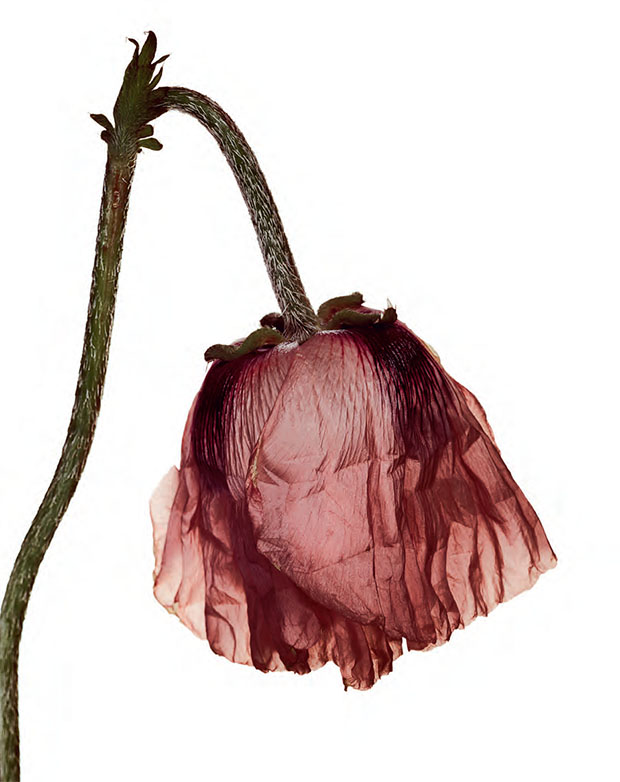
penn-poppy.jpg

Single Oriental Poppy (C), 1968 by Irving Penn. From Plant: Exploring the Botanical World

Plant wins American Horticultural Society Book Award!

Plant is ‘an art exhibit in book form’ says one of the judges – and who are we to disagree? Continue reading

Images Of Immigrants’ Things

IAM_00057981-copy-690

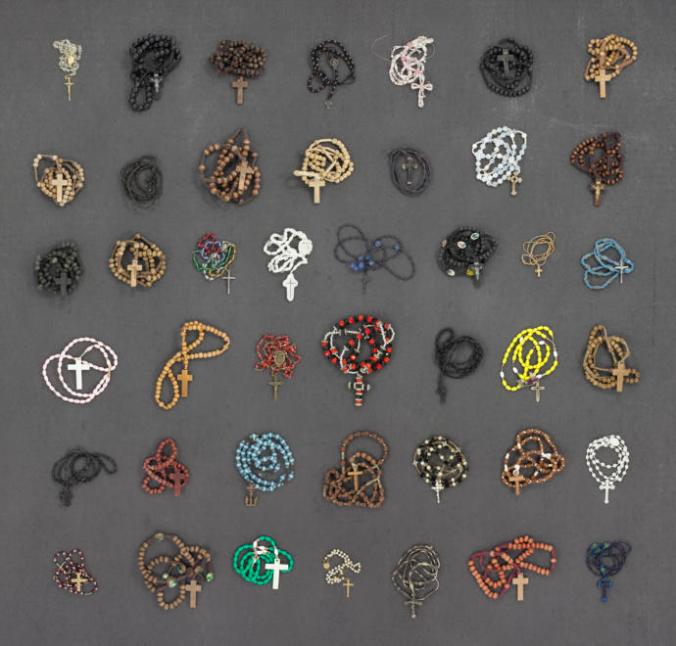
The C.B.P. considers rosaries to be potentially lethal, non-essential personal property, and agents dispose of them during intake. THOMAS KIEFER / INSTITUTE

This story, and these images, would maybe have less impact at another time, but during what seems like an assault on all immigration (hidden behind the veil of fighting illegal immigration) in the USA this exhibition is exceptionally moving:

Tom Kiefer was a Customs and Border Protection janitor for almost four years before he took a good look inside the trash. Every day at work—at the C.B.P. processing center in Ajo, Arizona, less than fifty miles from the border with Mexico—he would throw away bags full of items confiscated from undocumented migrants apprehended in the desert.

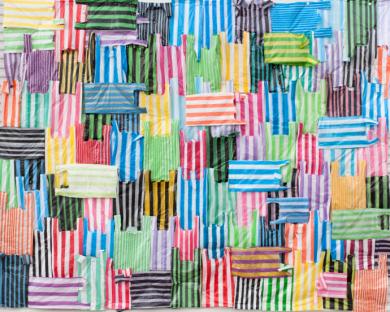
Shopping Bags

In addition to backpacks, shopping bags are used to transport food and belongings. Many are durable though non-biodegradable and adverse to the desert environment. THOMAS KIEFER / INSTITUTE

One day in 2007, he was rummaging through these bags looking for packaged food, which he’d received permission to donate to a local pantry. In the process, he also noticed toothbrushes, rosaries, pocket Bibles, water bottles, keys, shoelaces, razors, mix CDs, condoms, contraceptive pills, sunglasses, keys: a vibrant, startling testament to the lives of those who had been detained or deported. Without telling anyone, Kiefer began collecting the items, stashing them in sorted piles in the garages of friends. “I didn’t know what I was going to do,” he told me recently. “But I knew there was something to be done.”

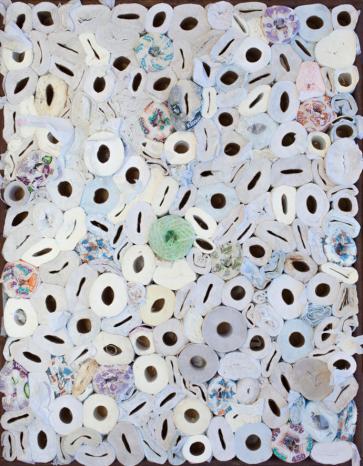
Toilet Paper

Personal hygiene items such as toilet paper is disposed of during intake.When migrants are apprehended, Customs and Border Protection agents dispose of personal-hygiene items such as toilet paper during intake. THOMAS KIEFER / INSTITUTE

Kiefer, who is now fifty-eight, had moved to Ajo from Los Angeles, in 2001, hoping to simplify his life, purchase a home, and focus on his passion: taking pictures. (Previously, he’d been a collector and dealer of antique cast-iron bed frames, and, before that, a graphic designer.) He took the C.B.P. job, in 2003, for purely practical reasons: it paid ten dollars and forty-two cents an hour, and it seemed unlikely to steal mental space away from his photography projects. Now he began photographing his C.B.P. collection in his studio, arranging and rearranging items, sometimes putting Continue reading

Support The Story

screen-shot-2017-02-07-at-4-07-20-pm

Credit Emilia Lloret/Native Agency

We will all be the beneficiaries, no doubt:

Nurturing New Storytellers in Africa and Latin America

By David Gonzalez

For some people, the idea of “serious” photography conjures up dramatic scenes of suffering, violence and poverty. This can be especially so in parts of Latin America and Africa, where careers have been made by foreign journalists who go in looking for drama. While no doubt there are pressing issues in these regions, there are also scenes of daily life, or less dramatic situations, that go unnoticed, slanting how a global audience sees people and places. Continue reading

If You Happen To Be In Williamstown

photogclark

Thanks to Louis Menand, whose post THE MAJESTY OF EARLY PHOTOGRAPHY brought to our attention this exhibit (his comment on the museum itself, shared at the end of this post, is worthy of a read to the end):

…Right next to “Photography and Discovery” is another small exhibit, also of works the Clark owns, of early-nineteenth-century British paintings, many by Turner and Constable. I looked in to try out Galassi’s thesis, and you really can see the continuity between what those painters were doing, exploring the effects of sunlight on everyday subjects, and what the photographers would start doing a few years later…

The museum’s description makes us think of the parallels between photography and travel in terms of opening up horizons to an ever-widening audience:

When photographs were first widely produced and distributed during the second half of the nineteenth century, they offered viewers new ways to discover unknown people, places, and things. This exhibition explores how photographers considered these subjects during the medium’s first seventy-five years. During this exciting period, images were captured for many different reasons—from documentation to curiosity—and they came in many forms, including deluxe book illustrations, portable portrait cards, and frame-worthy landscapes. Continue reading

The Gulf Of California In Front Of Villa Del Faro

vdfregatta

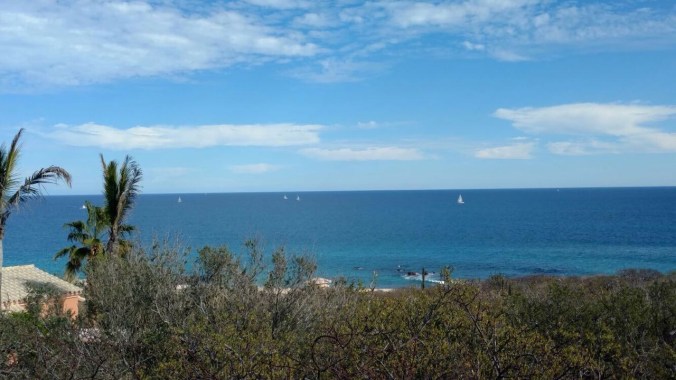
Seth sent a snapshot he quickly took on his phone yesterday late morning at Villa del Faro. He had already told me the day before that they were seeing whales in the same vicinity of where the boats are in this photo, but he had not had his phone handy to snap a picture. So this would have to do. It looked as though a regatta was passing by. Continue reading

Evolution On Display

9780714871189

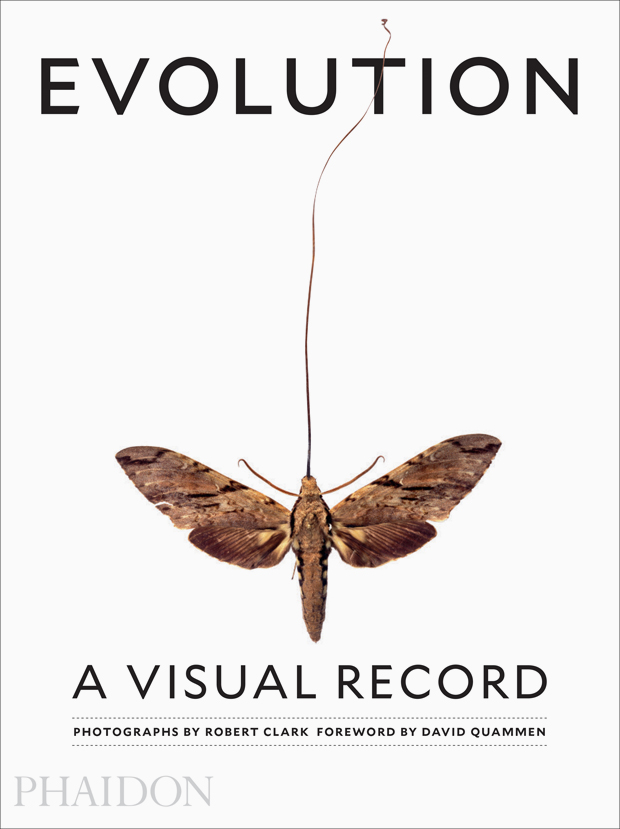
Click the image above to go to Phaidon’s website or see a couple of the book’s photographs and blurbs about the book’s intent below:

Beautiful and bizarre beasts behind Darwin’s theory

Photographer Robert Clark’s new book offers some striking supporting evidence for the theory of natural selection

057-cassowary

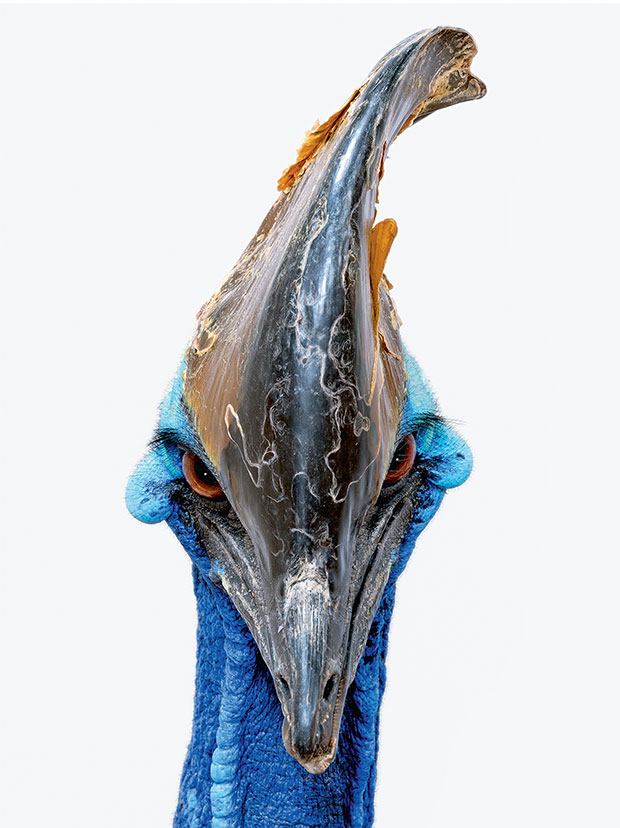
Southern cassowary (Casuarius casuarius) by Robert Clark. © Robert Clark. From Evolution: A Visual Record

Already, from the cover, we like it. Some of the sample images from inside the book seal the deal. Continue reading

Sienna International Photo Awards

01_4837_opencolor_wide-754e07ff23d5831a230471801677dd94cbf7e451-s1100-c85.jpg

In a village in southern Vietnam, a woman weaves a fishing net. By tradition, Vietnamese women make nets for their husbands. Danny Yen Sin Wong

Thanks to National Public Radio (USA) for this story on the SIPA collection of remarkable images from around the world:

Absolutely Gorgeous Photos Reveal The Beauty In A Hard Life

A Vietnamese woman looks as if she’s swimming in a sea of green fire — one of many striking images from the Siena International Photo Awards.

MALAKA GHARIB

Can you find beauty in a life of hardship?

If the photos from the Siena International Photo Awards are any indication, the answer is yes. Last month, the winners and runners-up in 11 categories, including travel, nature, people and portraits, were announced. Continue reading

Ornitographies – Making Visible the Invisible

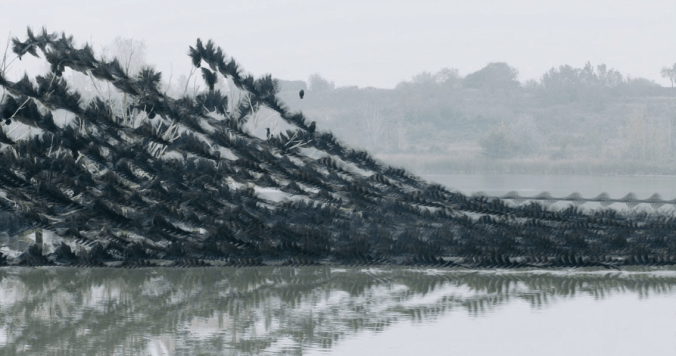
Great cormorants, Ibars Swamp, Catalonia (Courtesy of Xavi Bou)

Great cormorants, Ibars Swamp, Catalonia (Courtesy of Xavi Bou)

Birds are photogenic in their own right, but this creative capture of their flight by artist Xavi Bou is both innovative and etherial. A geologist and photographer by training, Xavi’s love of birds goes back to childhood.

Xavi Bou focuses on birds, his great passion, in order to capture in a single time frame, the shapes they generate when flying, making visible the invisible.

Unlike other motion analysis which preceded it, Ornitographies moves away from the scientific approach of chronophotography used by photographers like Eadweard Muybridge and Etienne-Jules Marey. Continue reading

Air, Water, Land

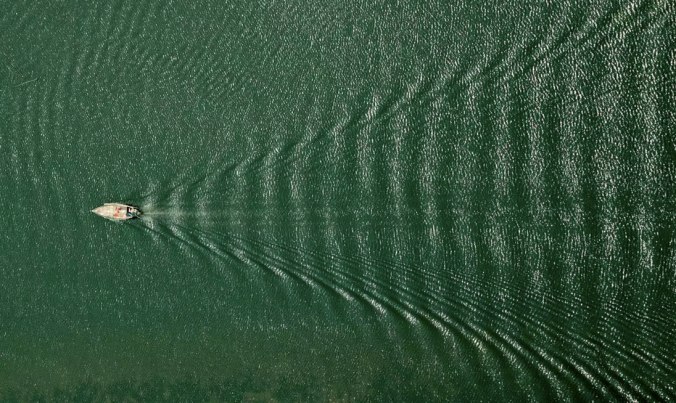
"This was somewhere over Meghna river, most probably over Narshingdi. I was looking for a shot when I noticed the boat splitting the waves and heading strong like an arrow. I was smiling while pressing the shutter – this is one of my favourite pictures." Photo credit: Shamim Shorif Susom

“This was somewhere over Meghna river, most probably over Narshingdi. I was looking for a shot when I noticed the boat splitting the waves and heading strong like an arrow. I was smiling while pressing the shutter – this is one of my favourite pictures.” – All photographs and captions by Shamim Shorif Susom.

Shamin Shorif Susom is a man of many talents. A pilot by vocation and a passionate photographer by hobby,  he grabs his aerial opportunities with amazing results. His photos over the waters of his home country Bangladesh are particularly inspiring. Thanks to the Guardian for sharing this set.  Continue reading

A Defining Moment In Papua New Guinea

Screen Shot 2016-08-01 at 9.05.37 AM.jpg

Interesting to see, in one publication we depend on for interesting news and commentary related to community and conservation around the world, a bookend to the item just published in another publication we turn to frequently:

Defining Moment: a photographer’s snap decision in the face of danger

Wylda Bayron traveled solo around Papua New Guinea for 18 months. What she found was a nation fraught with violence but also filled with striking beauty Continue reading

National Geographic Travel Photography

4010

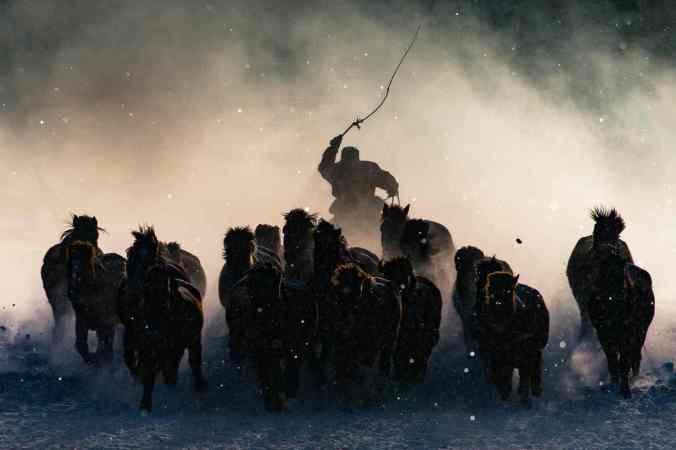
Grand prize winner: Winter Horseman. The Winter in Inner Mongolia is very unforgiving. At a freezing temperature of -20F and lower with constant breeze of snow from all directions, it was pretty hard to convince myself to get out of the car and take photos – not until I saw horsemen showing off their skills in commanding the steed from a distance, I quickly grabbed my telephoto lens and captured the moment when one of the horseman charged out from morning mist. Photograph: Anthony Lau/National Geographic Travel Photographer of the Year Contest

Have a look over at the source:

Winners Announced

The National Geographic Travel Photographer of the Year has been named!

Explore the prize-winning photos and download stunning wallpapers. Share your favorite pictures with your friends and see the judges top picks. Continue reading

#9 Of One Dozen Love Letters About Xandari

XCRMSN1

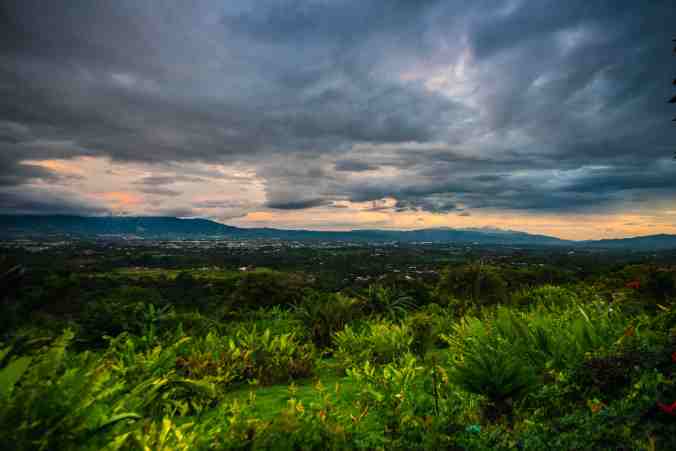
Two years ago I had the pleasure of meeting a family at Xandari in Costa Rica who were on their first vacation in Costa Rica and at Xandari. The father in the family was a photographer by avocation and he shared various photographs with me that he had taken on that visit. He captured views from the property that I consider to be classic favorites of the guests who know Xandari the best. I asked permission to use his photographs, which he granted, but this is the first chance (oops) I have had to share them.

Then one year ago I had the good fortune to meet them again on their second vacation at Xandari–good fortune in the sense that I do not spend alot of time at the Costa Rica property, and so meeting them again was just funny good luck. Ray showed me more photographs. I noticed his scope and scale had changed this time around. Continue reading

Strawberry Moon

04a

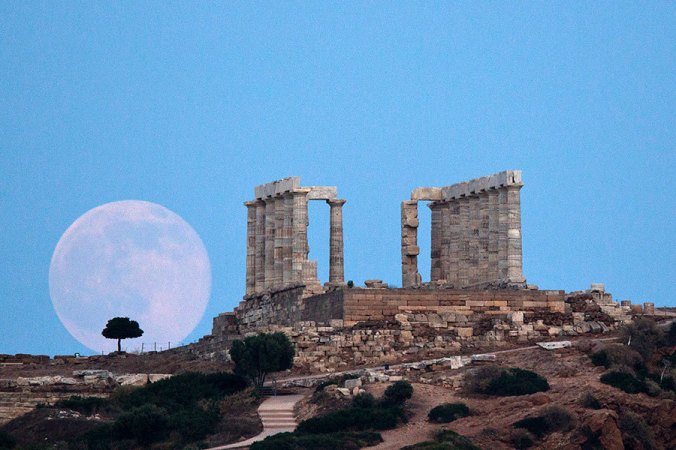
The full moon rises behind a tree next to the ancient marble Temple of Poseidon at Cape Sounion, southeast of Athens, on the eve of the summer solstice on Monday. The temple, built in 444 BC, was dedicated to Poseidon, god of the sea. Petros Giannakouris/AP

Thanks to the CS Monitor for bringing this image to our attention in their “Photos of the day” series, which are always worth a visit.  The moon, we have been reading in the Monitor and various other news outlets, is a variety that occurs every 46 years. Wishing we might have seen it where Mr. Giannakouris saw it, but by the time we learned about this phenomenon it was already time for morning coffee in Kerala.

Invisible, With Clear Vision

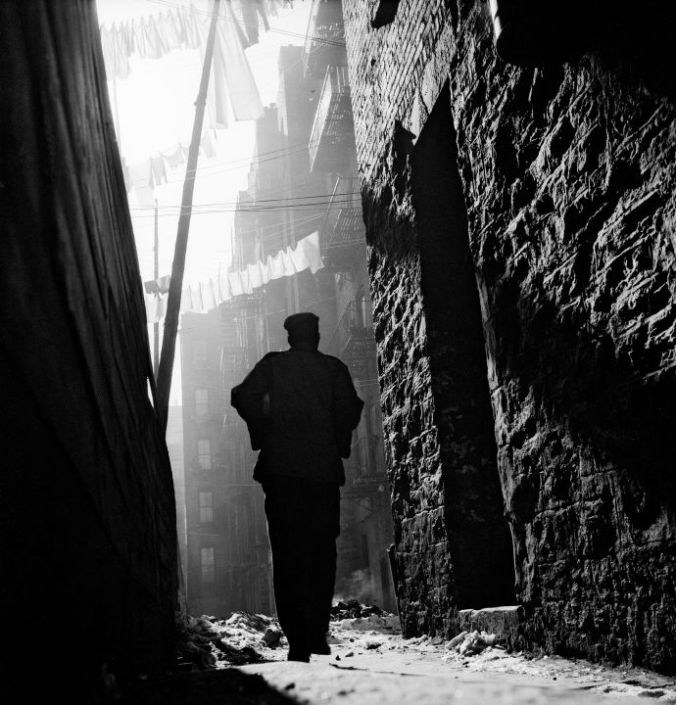
242_Parks-690

A forgotten portfolio, back for our viewing and reading pleasure a book offering the photography and writing of two giants, briefly reviewed here:

RALPH ELLISON AND GORDON PARKS’S JOINT HARLEM VISION

In the summer of 1947, editors from the short-lived magazine ’47, known since its shuttering in 1948 as The Magazine of the Year, contacted Ralph Ellison—then in the thick of his seven-year labor to complete “Invisible Man”—with an idea for a photo essay on the Lafargue Psychiatric Clinic in Harlem. Established a year earlier with help from Richard Wright, the clinic had become famous for its stance against segregation, not only in the clientele it served but also, perhaps more remarkably, in its all-volunteer staff. Ellison was excited by the prospect, and, after enlisting the photographer Gordon Parks—an acquaintance from Harlem artistic and intellectual circles—he accepted the assignment, though the magazine would go out of business before the photo essay could be published. Continue reading

Intangible Heritage Worthy Of Conservation

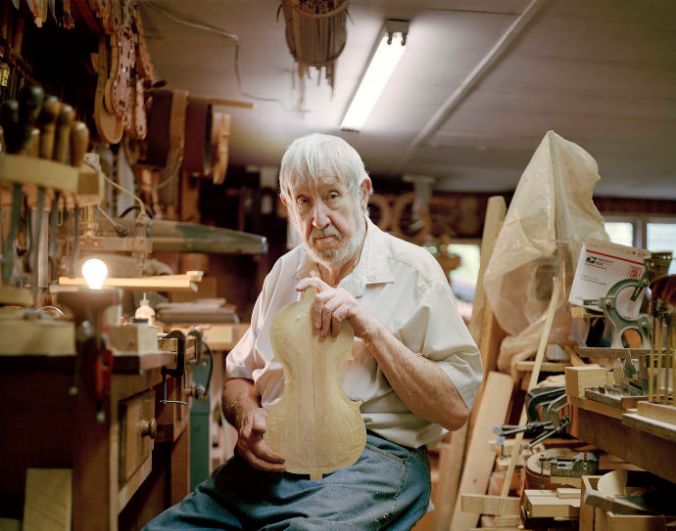
9-690

Who gets to decide what is worthy of conservation, and what is not? I am given reason to think about this on a regular basis, given the work that we have been doing for the last two decades. There is no one answer, of course, but I conclude regularly that it comes down to very deep personal experiences–those which lead individuals to alter the path of their lives and thereby have an impact on the conservation of something they have come to care deeply about. John Muir, Teddy Roosevelt and others come to mind on the larger scale of this line of thinking.

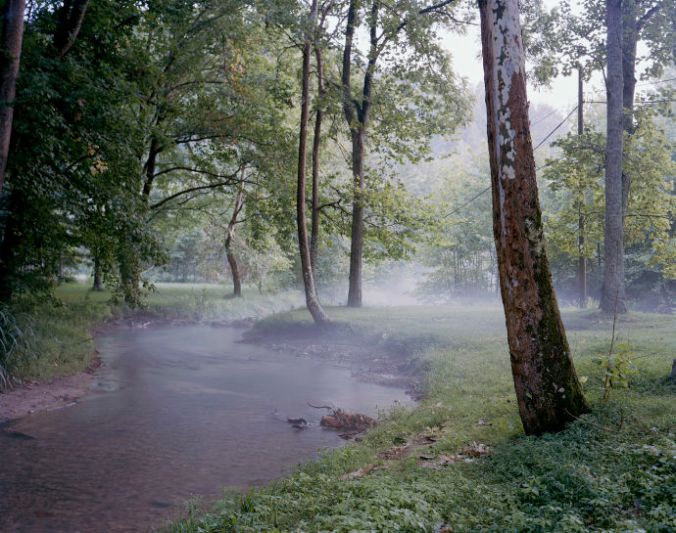
Reading one of our other blog posts today, I was taken back in time to pre-India workdays, 2008-2010. Milo, I had forgotten until just now, had a chance to wrestle firsthand with one of Patagonia’s most important conservation issues, and it is fair to say that what he is doing today is influenced by intense experiences he had in Patagonia, followed by a couple of years living with us in India. That would be an example of a smaller scale of this line of thinking. Same goes for the story I just read, and when I look at the photo above, and the one below, I am reminded that sometimes an image alone, or a series of images like these, can lead to this same path-changing epiphany.

4-690

I have family in the vicinity of this story’s subjects, and am thinking just now that I have not made a visit to that family in too long; time to plan a visit? The thought is now lodged deeply in my thinking.
Continue reading