Two Tablespoons of Salt Please

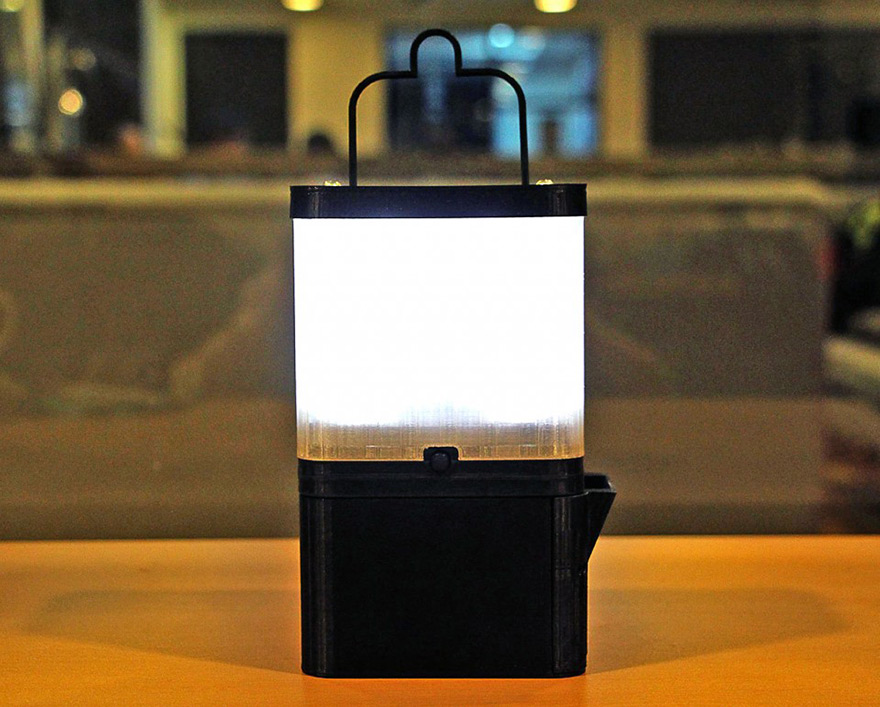
This eco-friendly lamp runs on just 2 tbsp of salt and a single glass of water. PHOTO: SALt

This eco-friendly lamp runs on just 2 tbsp of salt and a single glass of water. PHOTO: SALt

When you discuss abundance of resources, it’s inevitable that shortage creeps into the conversation. So when one looks at how many of the 7,000 islands that make Philippines lack electricity, it’s also difficult to miss the natural and abundant seawater. Engineer Lipa Aisa Mijena and team put both in the same equation and the result is a a lamp that’s capable emitting light for 8 hours on just 1 cup of saltwater.

Continue reading

What’s Behind the Prawn Sandwich?

Your cheap prawn sandwich may be destroying Sri Lanka's mangroves. PHOTO: Aldi

Your cheap prawn sandwich may be destroying Sri Lanka’s mangroves. PHOTO: Aldi

A swelling appetite for shrimps and prawns in America, Europe and Japan has fuelled industrial farming of shellfish in the past few decades. The industry now has a farm-gate value of $10 billion per year globally and the prawn in your sandwich is much more likely to have come from a pond than from the sea. While the industry is dominated by the likes of China, Vietnam and Thailand, a large number of other countries have invested heavily in cultivation too.

 One is Sri Lanka, which saw the industry as a passport to strong economic growth and widespread employment. Just outside the world’s top ten producers, it accounts for approximately 50% of the total export earnings from Sri Lankan fisheries. More than 90% of the harvested cultured prawns are exported, going mostly to Japan.

Prawn aquaculture has been likened to slash-and-burn cultivation—find a pristine spot, remove the vegetation and farm it for a few years before moving on. But the analogy is misleadingly benign. Slash-and-burn systems on a small scale can be sustainable, since the cut plots can recover afterwards.

Continue reading

What’s in the Buffalo Air?

Wind turbines rise along the shores of Lake Erie on land that used to be home to Bethlehem Steel. PHOTO: Brendan Bannon for The New York Times

Wind turbines rise along the shores of Lake Erie on land that used to be home to Bethlehem Steel. PHOTO: Brendan Bannon for The New York Times

Along a bend in the Buffalo River here, an enormous steel and concrete structure is rising, soon to house one of the country’s largest solar panel factories. Just to the south, in the rotting guts of the old Bethlehem Steel plant in Lackawanna, where a dozen wind turbines already harness the energy blowing off Lake Erie, workers are preparing to install a big new solar array. And in Lockport, to the north, Yahoo recently expanded a data and customer service center, attracted by the region’s cheap, clean power generated by Niagara Falls.

After decades of providing the punch line in jokes about snowstorms, also-ran sports teams and urban decline, the Queen City of the Lakes is suddenly experiencing something new: an economic turnaround, helped by the unlikely sector of renewable energy.

Continue reading

When Fishermen Turn Scientists

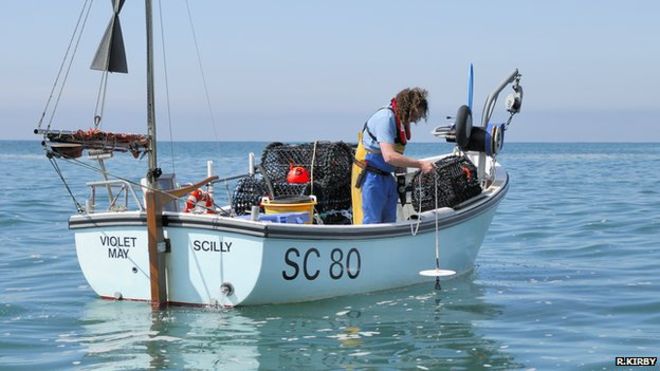
Fishermen in South Devon, UK, have turned their boats into "massive data platforms" for a citizen science study.

A research programme aims to encourage partnerships between commercial fishermen and scientists

Fishermen in South Devon, UK, have turned their boats into “massive data platforms” for a citizen science study. They have become the first commercial fishers to gather data for the Secchi Disk Study, which is gathering data on the state of the oceans’ phytoplankton. To date, there is little scientific information on the health of the tiny marine plants that form the basis of global food chains. The data will also help fishermen manage stocks.

Continue reading

The Grouse’s Greater Role

The sage grouse are iconic in a series of western states, and now the subject of one of the largest federal conservation efforts in history. PHOTO: Wikimedia Commons

The sage grouse are iconic in a series of western states, and now the subject of one of the largest federal conservation efforts in history. PHOTO: Wikimedia Commons

During mating season, the greater sage-grouse gather in “leks” where the males perform an extraordinary strutting ritual. Standing in the brush, they spread out their long, spiky tail feathers and puff out their chests to reveal strange yellow air sacks. “I’m here, I’m here, pick me,” they seem to be saying to the females, though it sounds more like “swish-swish-coo-oopoink.” The sage grouse are iconic in a series of western states, and now the subject of one of the largest federal conservation efforts in history. From this September, millions of acres of mating grounds are set to be protected under plans drawn up by the U.S. Interior Department and a host of state agencies.

Continue reading

Give it Up for the Dutch!

These beautiful, translucent barriers quiet traffic—and generate power at the same time

These beautiful, translucent barriers quiet traffic—and generate power at the same time

Driving the Dutch highways just got a lot more colorful. And this has to be one of the best Dutch ideas yet—roadside noise barriers that also generate solar power. Not only that, they work on cloudy days, and one kilometer (0.62 miles) provides enough electricity to power 50 homes. Continue reading

Welcome to the Urban Forest Neighborhood

The OAS1S™ architecture is shaped as a 1 and answers to the deep human need to become 1 with nature.

The OAS1S™ architecture is shaped as a 1 and answers to the deep human need to become 1 with nature.

If one Dutch architect gets his way, we might soon be living in car-free urban forests where the buildings look like trees. Raimond De Hullu’s new home design, the OAS1S, runs completely off the grid, thanks to renewable energy and on-site water and waste treatment. It’s made with recycled wood and organic insulation, meeting “cradle to cradle” standards where no material goes to waste. But the designer wanted to also rethink what a green building—and neighborhood—should look like.

Continue reading

Dubai Thinks Solar Palm Trees

These solar "Palm Trees" in Dubai will charge phones at parks and beaches

These solar “Palm Trees” in Dubai will charge phones at parks and beaches

Look at what’s installed and ready-for-use in Dubai this summer: “Smart palms” that store solar energy during the day and discharge power at night. Smart Palm, the company, has set up two so far—one on Surf Beach, another in a park near the waterfront. It plans to plant them in 103 locations under a contract with the United Arab Emirates city.

Continue reading

The Underwater Greenhouse

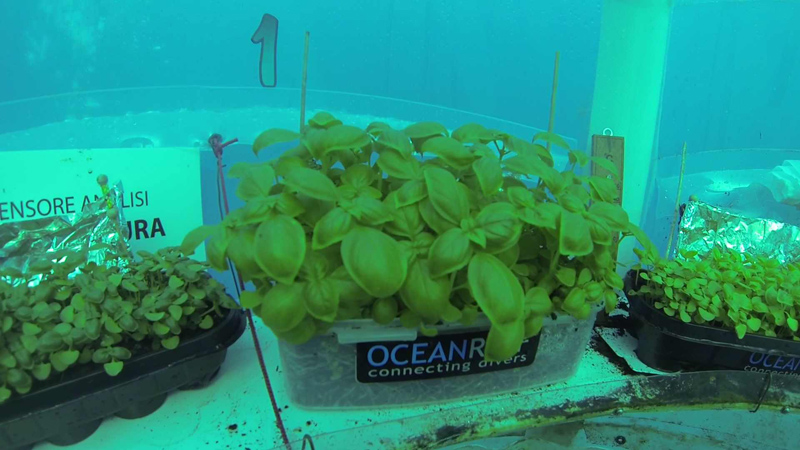
The Orto di Nemo project—Nemo's Garden, as it's called in English—resides 30 feet under the waves, off the Noli Coast in in Italy.

The Orto di Nemo project—Nemo’s Garden, as it’s called in English—resides 30 feet under the waves, off the Noli Coast in in Italy.

Basil, strawberries and lettuce are being grown 30-feet underwater off of the Noli coast in Italy. A team of ‘diver gardeners’ have taken advantage of a surprising opportunity and have found that actually, a least on a  small scale, growing vegetables underwater can be highly successful. There are a number of advantages to growing underwater – a steady temperature, the absence of aphids and the atmosphere is CO2 rich. The products are grown in oxygen filled ‘bubbles’, which are tethered to the ocean floor.

Continue reading

By the Power of Hydrogen

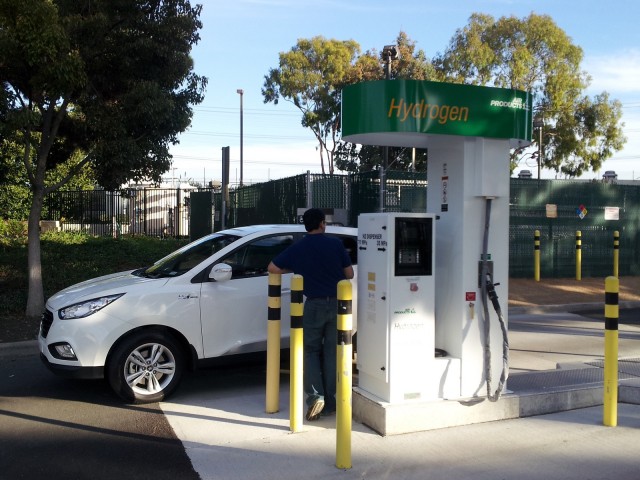
Hyundai Motor Co's Tucson fuel cell SUV

Hyundai Motor Co’s Tucson fuel cell SUV

Hyundai Motor Co believes hydrogen fuel cell vehicles are the future for eco-friendly cars despite challenges of limited infrastructure and slow sales. South Korea’s largest automaker has sold or leased 273 Tucson fuel cell SUVs since beginning production in 2013, lower than its 1,000 target, mostly in Europe and California. Fuel cell cars represent a bigger opportunity than electric cars because competition is less fierce. Hydrogen-powered cars also give more flexibility to designers. They can be scaled to big vehicles such as buses as well as small cars.

Continue reading

A Brick to Breathe Easy?

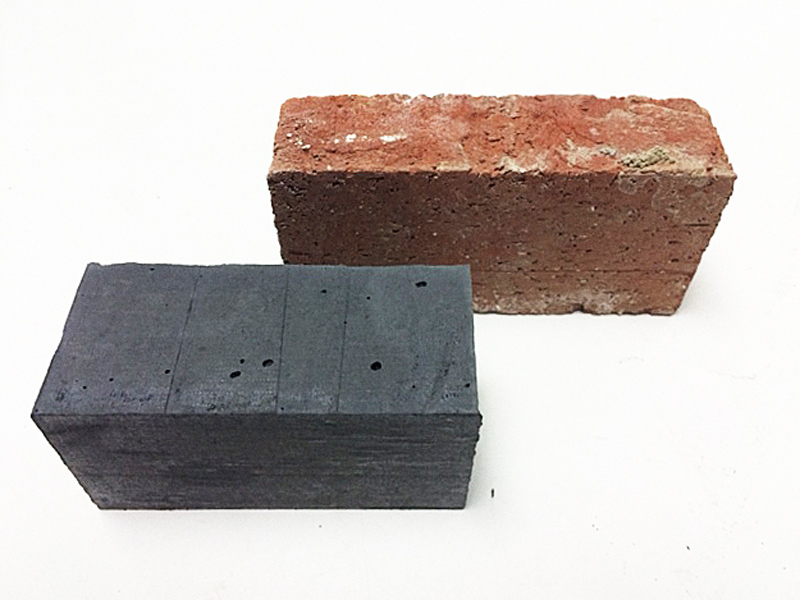
MIT students have created a brick that could end pollution from dirty brick kilns. PHOTO: CoExist

MIT students have created a brick that could end pollution from dirty brick kilns. PHOTO: CoExist

India’s brick industry, spread out over 100,000 kilns and producing up to 2 billion bricks a year, is a big source of pollution. To fire to hot temperatures, the kilns use huge amounts of coal and diesel, and the residue is horrendous: thick particulate matter, poor working conditions, and lots of climate-changing emissions. MIT students have created an alternative. The Eco BLAC brick requires no firing at all and makes use of waste boiler ash that otherwise clogs up landfills.

Continue reading

When Gardens Go Vertical

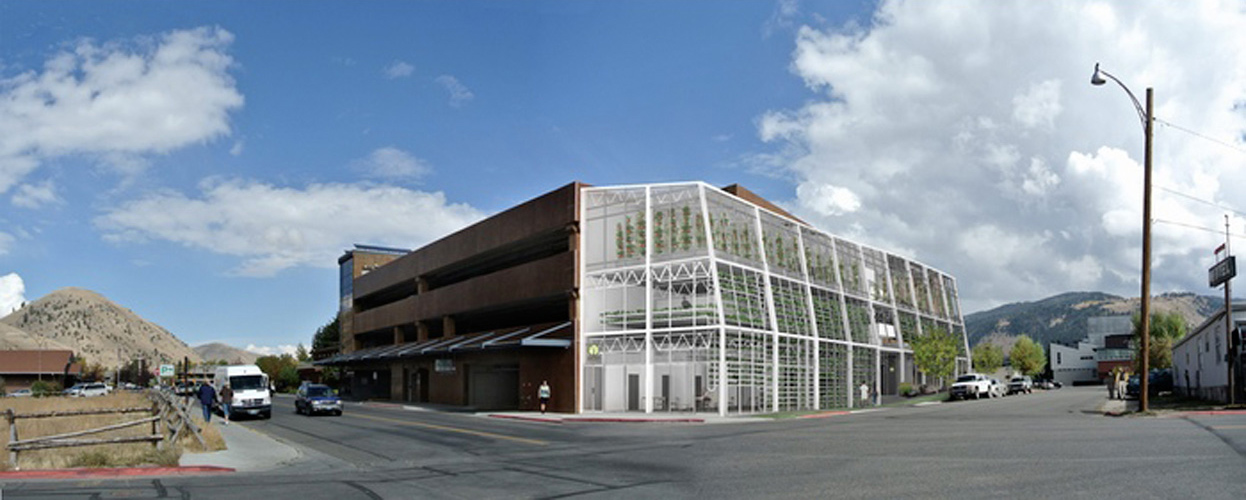
A vacant lot In Jackson, Wyoming is all set to become a vertical farm. PHOTO: CoExist

A vacant lot In Jackson, Wyoming is all set to become a vertical farm. PHOTO: CoExist

Jackson, Wyoming, is an unlikely place for urban farming: At an altitude over a mile high, with snow that can last until May, the growing season is sometimes only a couple of months long. It’s also an expensive place to plant a garden, since an average vacant lot can cost well over $1 million. But the town is about to become home to a vertical farm. On a thin slice of vacant land next to a parking lot, a startup called Vertical Harvest recently broke ground on a new three-story stack of greenhouses that will be filled with crops like microgreens and tomatoes.

Continue reading

Should Animal Deaths Worry You?

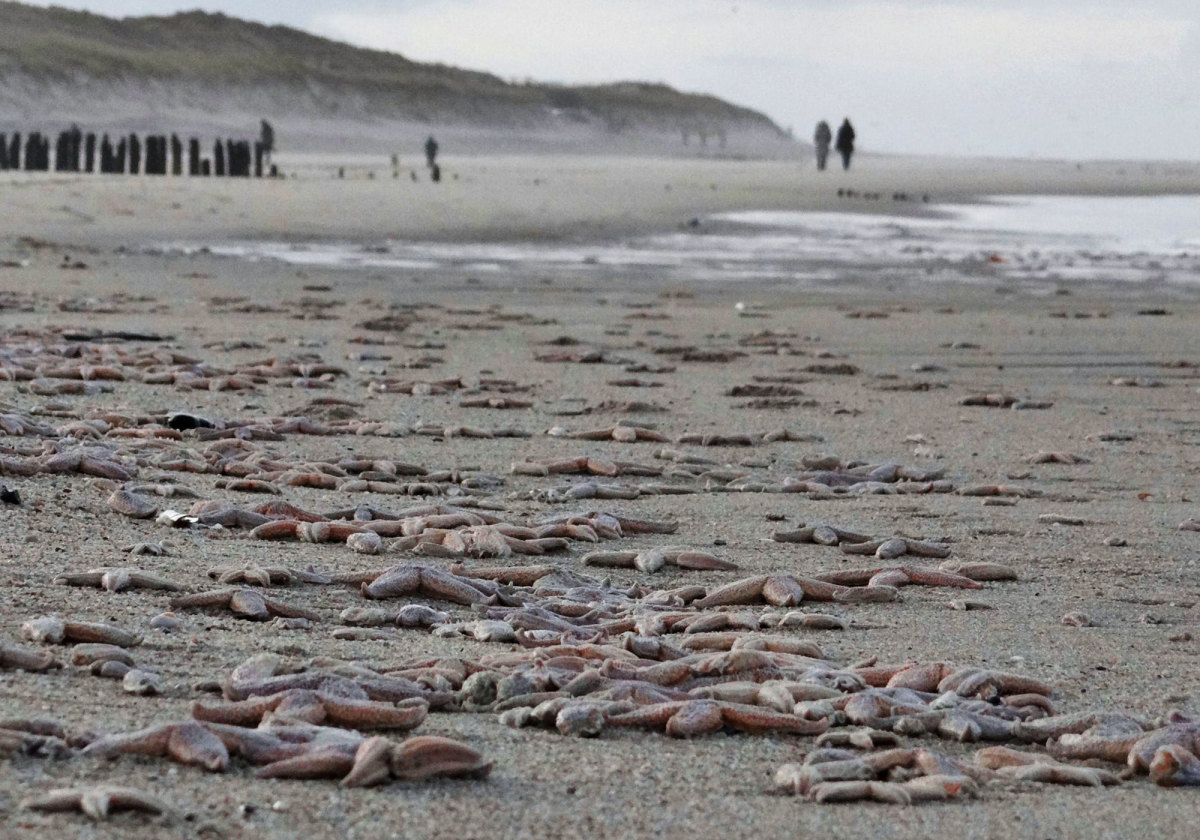
Dead starfish line the shore of the German island of Sylt. Mass wildlife die-offs have been interpreted as omens of an impending environmental collapse. PHOTOGRAPH BY DANIEL FRIEDERICHS

Dead starfish line the shore of the German island of Sylt. Mass wildlife die-offs have been interpreted as omens of an impending environmental collapse. PHOTOGRAPH BY DANIEL FRIEDERICHS

Mass-mortality events are sudden, unusual crashes in a population. If you think that you are hearing about them more often these days, you’re probably right. (Elizabeth Kolbert described frog and bat die-offs in a 2009 article; her subsequent book won a Pulitzer Prize recently.) Even mass-mortality experts struggle to parse whether we’re witnessing a genuine epidemic (more properly, an epizootic) of these events. They have also raised another possibility: that we are in the throes of what one researcher called an “epidemic of awareness” of spooky wildlife deaths.

Continue reading

Big Fish, Small Fish

Encouraging consumers to eat fish such as herring, mackerel, and butterfish might, ironically enough, be the best way to save those species. PHOTO: Nutritional Thinking

Encouraging consumers to eat fish such as herring, mackerel, and butterfish might, ironically enough, be the best way to save those species. PHOTO: Nutritional Thinking

From the beginning of time and until relatively recently, little fish had only big fish to fear. Since the middle of the twentieth century, however, some little fish—forage fish, to be precise—have faced radically increased threats from humans, and, by extension, from the pigs and chickens that the fish are increasingly being fed to. Forage fish are now threatened worldwide, which has potentially troubling implications for the entire food chain. In conservation circles, the suggestion lately is that encouraging consumers to eat small fish might, ironically enough, be the best way to save them.

Continue reading

Making Solar Follow Through

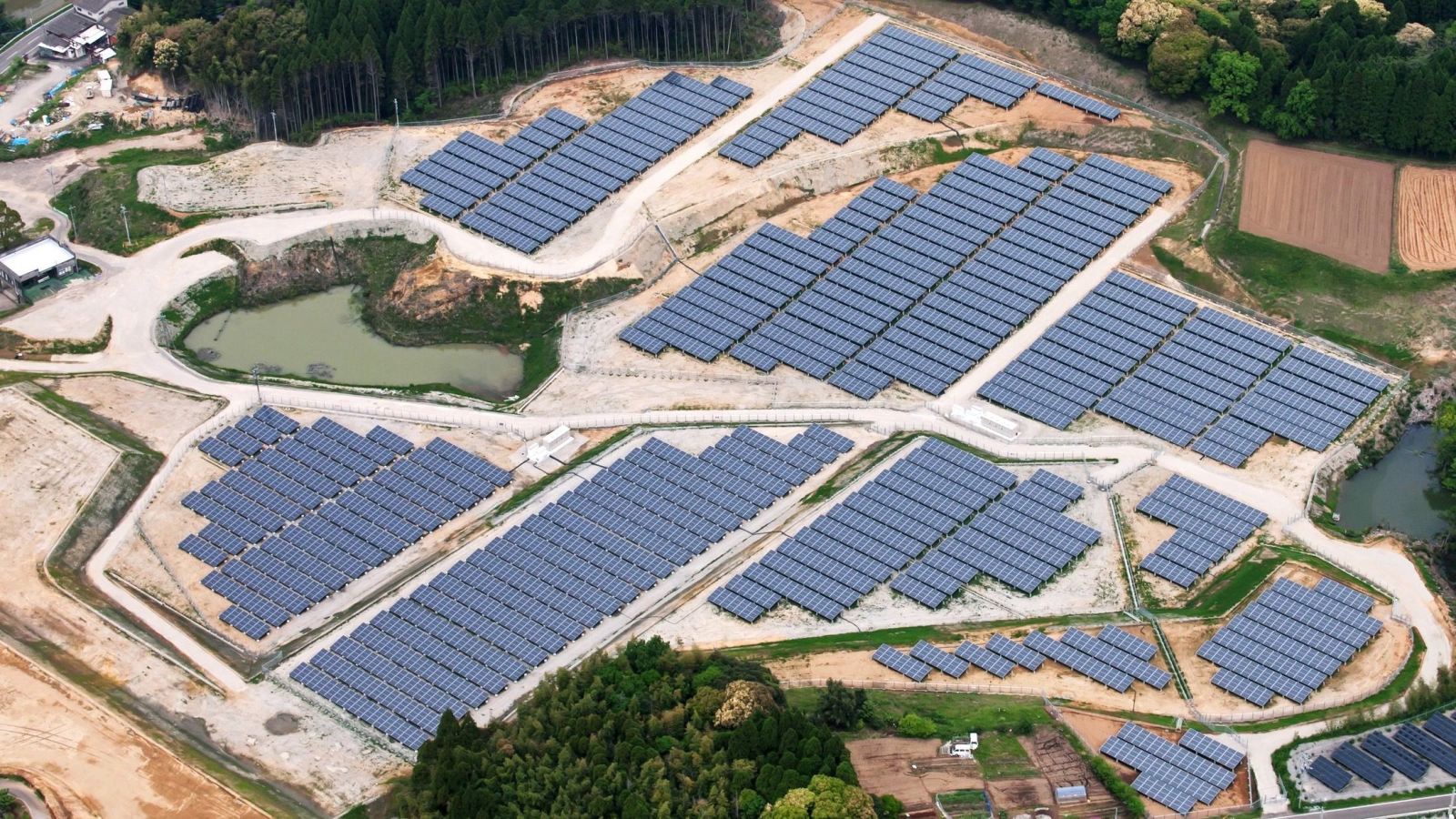
Part of a completed solar project on an old golf course in the Miyazaki prefecture. (Kyocera)

Part of a completed solar project on an old golf course in the Miyazaki prefecture. (Kyocera)

In Japan, country club memberships famously went for millions of dollars in the late 1980s. Then, too many courses were built in 1990s and 2000s during a real estate boom. Now the nation faces the question of what to do with its abandoned golf courses. Meanwhile, Japan’s energy strategy in the aftermath of Fukushima calls for roughly doubling the amount of renewable power sources in the country by 2030. It is already building solar power plants that float on water. Perhaps inevitably, then, the nation has turned to building solar plants on old golf courses.

Continue reading

A Scooter That Charges Faster Than Your Phone

Ather Energy's e-scooter - S340 - is powered by a battery that charges within an hour

Ather Energy’s e-scooter – S340 – is powered by a battery that charges within an hour

India is the world’s second largest market for two-wheelers, and more than 14 million two-wheelers were sold last year. But electric scooters, so far, aren’t too big a part of that pie. When electric two-wheelers were first introduced nearly a decade ago, companies were betting big. They had a brief honeymoon period between 2008 and 2010, with sales more than doubling during that time. But all that dwindled once the government slashed its Rs22,000 ($346) subsidy for lithium battery packs in 2012. From selling 100,000 units two years ago, sales plunged to 21,000 units by 2014. But Ather Energy is bent on revising the trend.

Continue reading

Travel Made Easy Through Air

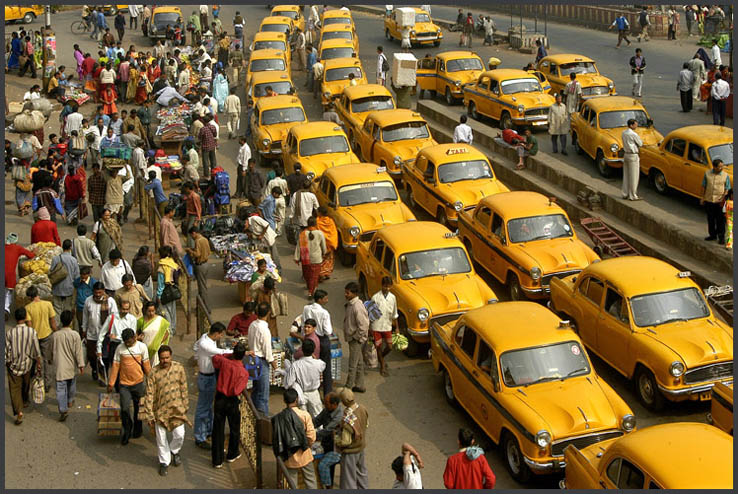
An upcoming aerial ropeway might be the solution to Kolkata's traffic congestion issues

An upcoming aerial ropeway might be the solution to Kolkata’s traffic congestion issues

No, we are not talking flying here. But the Curvo, the world’s first non-linear aerial ropeway for second tier urban commutation. Pollution and traffic-free, the service, operational on electricity, would be on steel frames spreading at a distance of around 90-100 m running through the existing arterial and other roads to avoid congested streets of the city. There will be elevated stops at every distance of 750 m and the cars would be able to gain speed of about 4.25 m per second (12.5 km/hour) with the ability to carry an estimated 2,000 people every hour. Curvo is expected to be introduced in 18-24 months. The cabins will have an accommodation capacity of 8-10 persons.

Continue reading

What’s the Real Price of Fish?

In 2010, environmental NGO Oceana ordered studies of fish in 14 major metropolitan areas and found that roughly one third of the fish found in restaurants and markets was mislabeled . PHOTO: Wikimedia Commons

In 2010, environmental NGO Oceana ordered studies of fish in 14 major metropolitan areas and found that roughly one third of the fish found in restaurants and markets was mislabeled . PHOTO: Wikimedia Commons

The efforts of the government to regulate Big Fishing and all its known and unknown evils often have the adverse effect of undercutting people for whom the ocean is something more than mere industry. The realities on the docks aren’t always as legislators understand them, says this first installment of the Medium‘s  inaugural episode of Food Crimes: The Hunt For Illegal Seafood.

The United States imported as much as 90 percent of its fish in 2013, up from 54 percent in 1995, according to the National Oceanic and Atmospheric Administration (NOAA). In fact, the United States has tripled the dollar amount of fish it imports, to more than 5 billion pounds of fish worth $18 billion. Couple these figures with the staggering estimate that between one quarter and one third of all fish sold in the United States is illegal, and you’re an equation or so away from going vegan.

Continue reading

Dear Cocoa

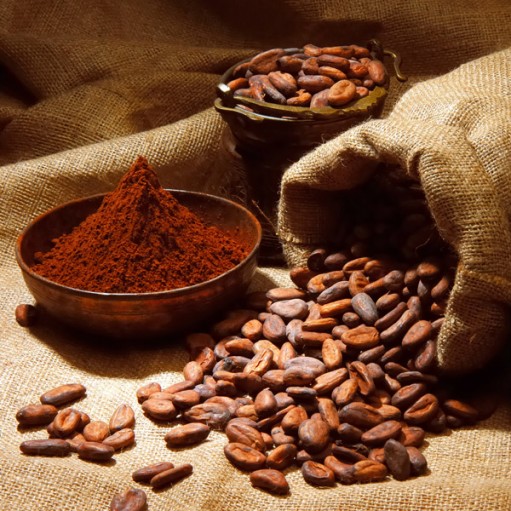
The world is running out of cocoa farmers. Younger generations no longer want to be in cocoa. Older generations are reaching their life expectancy. PHOTO: Herbcraft

The world is running out of cocoa farmers. Younger generations no longer want to be in cocoa. Older generations are reaching their life expectancy. PHOTO: Herbcraft

Think comfort food, think chocolate. Much has been written and debated about cocoa’s health properties. Many are the ones who swear by the uplifting power of cocoa at the end of forgettable days. But the ones who grow the beans hardly find any comfort in them, says the Cocoa Barometer. Some of them haven’t even tasted chocolate. Cocoa continues to be among the few crops that are hand-harvested but it doesn’t hand its cultivators a fair deal, says research.

Continue reading

Goodbye Styrofoam

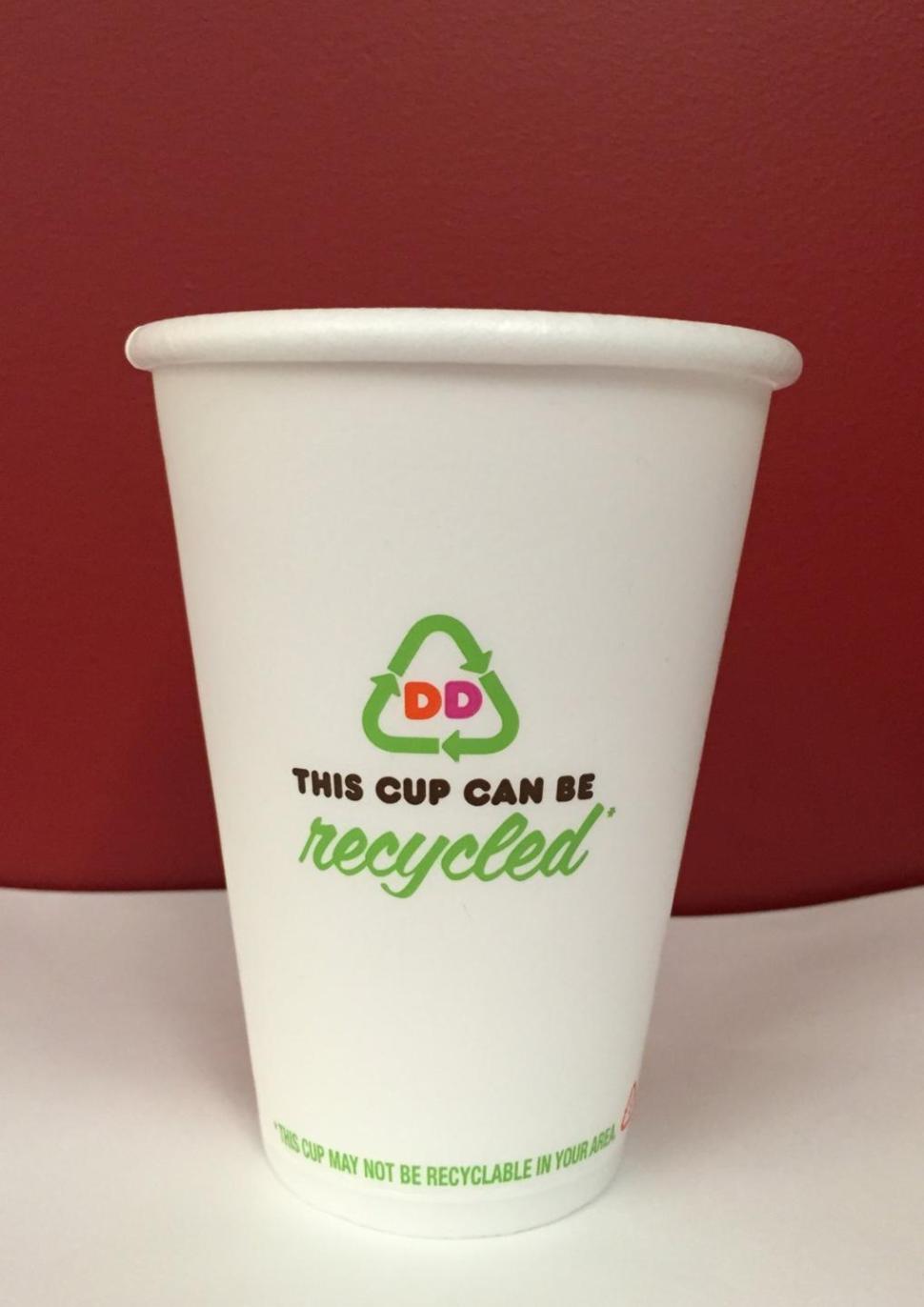
Dunkin’ Donuts is debuting a new cup made of polypropylene, and is slowly being rolled out in New York city’s more than 500 stores. PHOTO: New York Daily News

The city still runs on Dunkin’, just a little bit differently now. Dunkin’ Donuts is debuting an eco-friendly coffee cup in New York that will keep their steamy java hot, but won’t violate the Styrofoam ban that took effect on July 1. The new cup is made of polypropylene and is slowly being rolled out in the city’s more than 500 stores. It features a slimmer-looking design and — unlike the old containers — can be recycled in the city’s system with plastics.

Continue reading