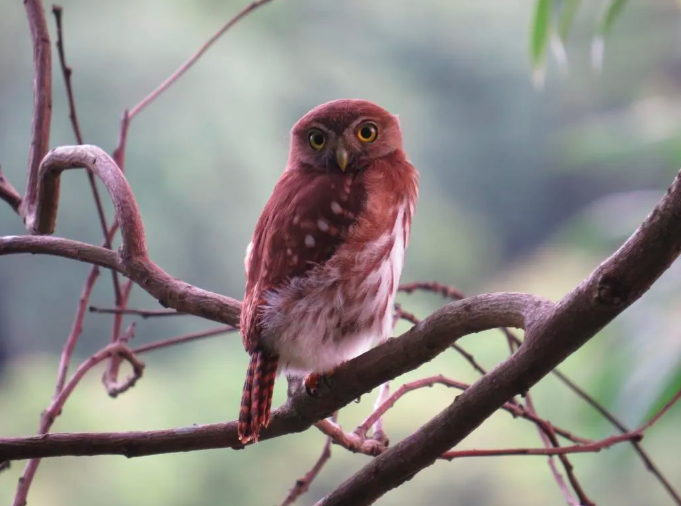
Ferruginous Pygmy-Owl at Xandari

Ferruginous Pygmy Owl by Seth Inman- OrganikosA few weeks ago, as James and I were leading a bird tour, we had quite a lucky and enjoyable sighting. From the title and the picture on the left, you already know that we saw a small species of owl, but that actually wasn’t what we had been looking for at the time.

There was a hummingbird buzzing around in front of us on the trail, and eventually it landed on a branch on our left. We all turned to look at it more closely, but, as birds are apt to do, the hummer (a Rufous-tailed) swiftly flew out of sight. On a branch in the background of where the hummingbird had perched, stoically still, was

Continue reading

Peaberry Coffee

Mostly standard coffee beans (some Peaberry beans may have snuck in!)

A friend from the Doka Estate (on Doka see our most recent post on coffee) visited Xandari yesterday to tell us more about the process of growing and preparing coffee from seedling to cup. We’ll go into what we learned in more detail in another post, but for now I wanted to share something interesting I learned about different types of coffee–specifically about the type of coffee called “Peaberry” (or caracoli). Continue reading

The Seasonality of Flowers

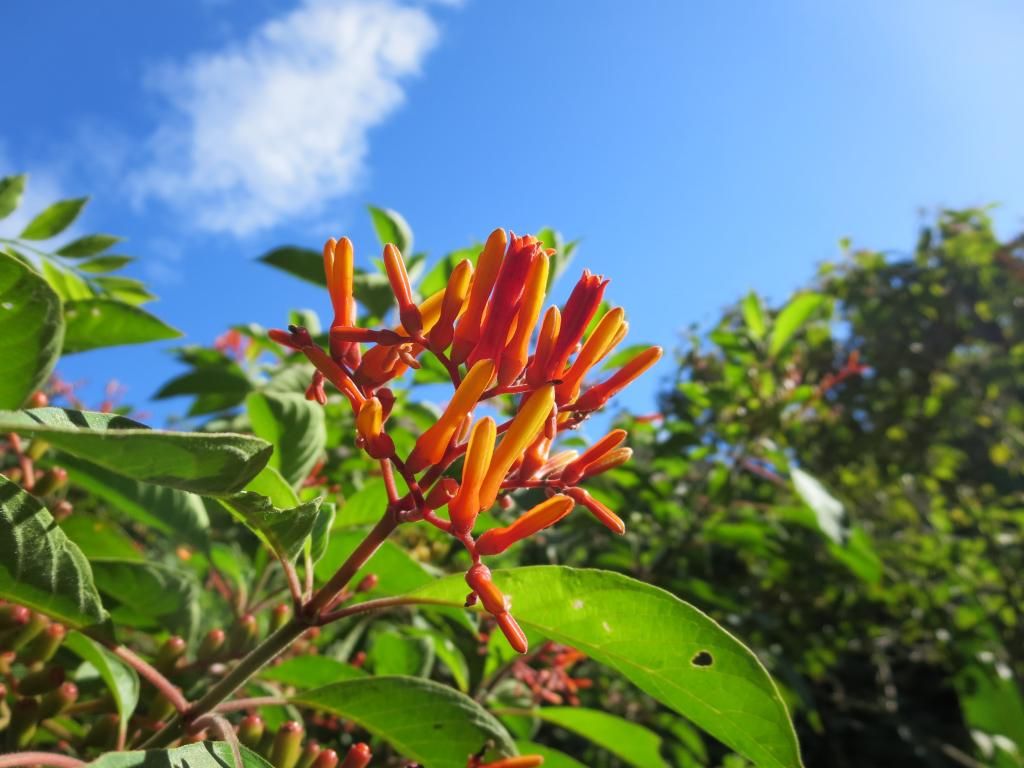
These flowers are called “fósforos” in Spanish, meaning “matches.” (Guess why!) They’re much beloved by Steely-vented Hummingbirds.

Xandari’s guests often remark on how difficult it is not to take dozens, even hundreds, of photos around the resort–one reason for that is the abundant flora. Even though I know I probably shouldn’t do another post on flowers (see my others here and here), I will use a similar excuse and say that I have a very hard time walking by the amazing blooms and not pulling out my camera to snap a quick picture. Flowers only bloom for a short time before dropping their petals and waiting in repose for the next season–this small window of loveliness is one of the reasons why they are so compelling. Continue reading

Xandari’s Mandala Herb Garden

If you’ve been following some of the recent posts about Xandari’s trails, flowers, and gardens in general, then you are probably aware that the resort’s property abounds with plant life that is beneficial to visitors — both human and otherwise — in some way. One element of the gardens that James and I have not emphasized as much, though James mentioned it in his post on Aloe vera and I did in an earlier post, is the mandala, a circular garden near the spa and the entrance to Xandari that holds dozens of herbs.

Continue reading

Xandari’s Trails

With our daily walks around Xandari to build the resort’s checklist of resident birds and take photos of as many species as possible, James and I are taking full advantage of the remarkable trail system. It allows us to travel several miles around the thirty-odd acres of private reserve in Xandari’s property without tracing back over our steps at all, which would have negative implications on the eBird data that we submit for every outing (we don’t want to increase the chances of counting a bird twice!). Descending from about ~1,150m (~3,800ft) to ~1,080m (~3,550ft), on woody switchbacks that give us vantage points over the surrounding forest and allow views into the canopies of the trees below, James and I walk through many types of bird habitat, which both in theory and in practice yields us a higher species count than if we were to simply walk around the gardens right outside any of Xandari’s villas – though I don’t mean to imply that the gardens aren’t home to quite a few species here!

This slideshow requires JavaScript.

Continue reading

Bamboo Wind Chimes for Birds

One of the finished chimes

The picture above shows one of a couple bamboo wind chimes that Seth and I built to put up around Xandari. The sound is, err, rather wooden–but definitely mild and pleasant! You may be asking why we took it upon ourselves to demonstrate our mighty artistic prowess. Well, we really had the birds of Xandari in mind with this project. Specifically, a poor Buff-throated Saltator who had thrown himself against the spa window so many times that he had Continue reading

Lepidoptera Diversity in Costa Rica

Costa Rica is home to some 1200 butterflies and another 8000 species of moths (both diurnal and nocturnal varieties). This astounding diversity is no surprise, given the country’s neotropical climate and its position as a land bridge between North and South America, each home to a plethora of diverse ecosystems. The tremendous number of butterflies that can be seen goes hand-in-hand with the fact that Costa Rica is home to about 4% of the world’s total biodiversity! Of the butterfly species, some of the most famous include Continue reading

Plant-a-Tree at Xandari

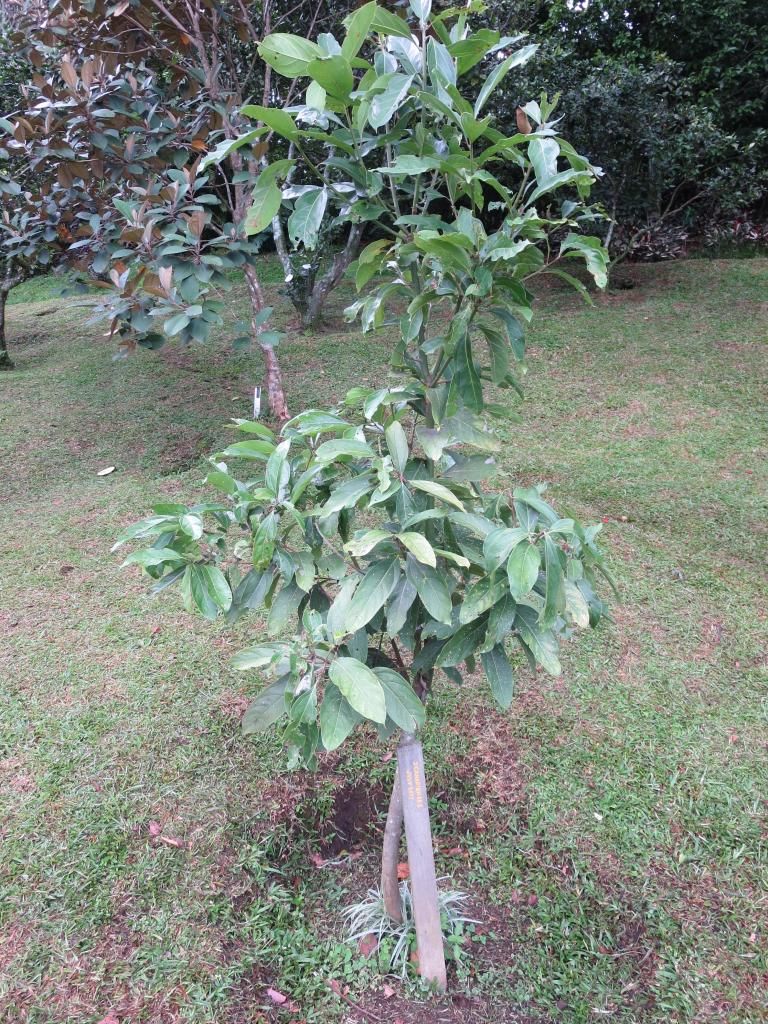
The stake in front that holds the planter’s name says (quite humorously, to my mind): 3 CANADIENSES!

Plant-a-tree programs are real winners: educational, fun, and productive. Next time you visit Xandari (or another sustainable or eco-friendly hotel), be sure to ask about the opportunity about the opportunity to plant a sapling. At Xandari, plantings are usually done in the orchard or in one of the old coffee plots. Everybody who plants a tree has a small wooden stake erected near the spot, commemorating the event and recognizing the effort to make the world a little bit greener. Continue reading

Aloe Vera from A to Z, or, How to Harvest your Aloe Plant

Aloe vera in Xandari’s garden — Read the post to watch how it’s harvested!

Aloe vera, meaning “true aloe” in Latin, is a versatile and rather mysterious plant. Although it is perhaps best known for its healing properties on (sun-)burned skin, it shows up as an ingredient in many skin and hair products for various therapeutic or cosmetic purposes. The plant’s frequent appearance in traditional medicine all over the world reinforces the belief that it may really possess some restorative power–but just how miraculous is aloe vera after all? Many users of aloe swear by its ability to fight everything from arthritis, stomach ulcers, and diabetes to tooth and gum decay, but despite these glowing reports, the plant has not gained widespread traction as the “miracle drug” some of its proponents claim it to be. Nevertheless, the really astonishing claims in some of these anecdotes, and aloe’s established healing powers in other spheres of health (skin, hair, etc.), could suggest that further scientific research into the plant’s healing properties would not be fruitless.

Continue reading

Coffee Seedlings

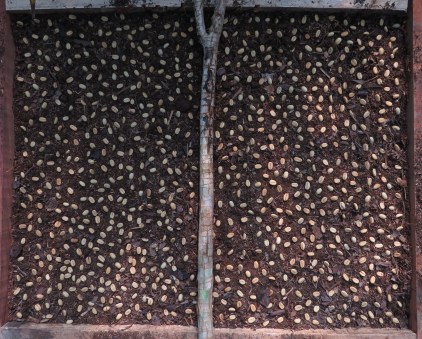
Last week, using Borbón coffee seeds graciously given to us by the Doka estate, we started growing new seedlings to eventually plant in the ground at Xandari. José Luis showed James and me how to prepare a substrate of earth mixed with decomposing leaf litter he had put through a sort of wood-chipper to make a soil that closely mimics the forest floor where coffee often grows wild here.

In a wooden box with a corrugated tin floor (so water can drain easily), we made a bed of about an inch of soil. Then we put the two varieties of Borbón on either side of the box. Once the box was full, and we had removed all the rounded seeds that wouldn’t be as healthy as the seeds with a flat face, we added another layer of soil on top and watered the box.

After we had gone, José Luis remembered to add a layer of dead leaves on top of the soil to help keep in the moisture and recreate natural conditions of the forest floor. Later, we went to visit his friend who had sold us the Borbón we planted earlier last month, so that James and I could see what our seedlings would eventually look like as they were transplanted into the black plastic bags we knew so well.
Continue reading

Where would we be without bees?

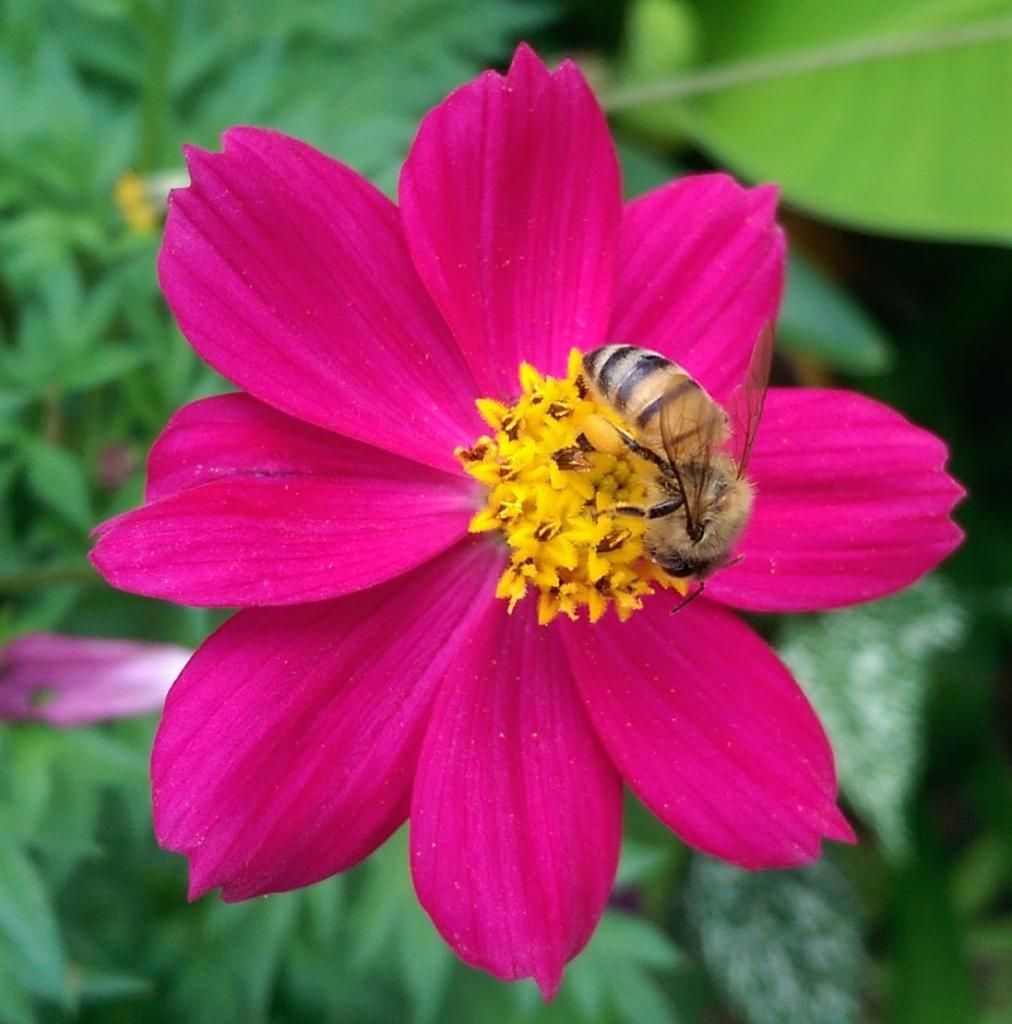
Bee on a flower

Recent posts on flowers at Xandari (here and here) have gotten me thinking about all of the work that goes into making such beauty possible. Mostly I had in mind Xandari’s head gardener, José Luis, and his excellent team. Snapping the above photo, however, I was reminded of nature’s great contribution in the process. Continue reading

¿Por Qué Pajarear en Xandari?

Cada día, miles de personas alrededor del mundo están visitando un sitio de web, usando un app en su celular, o escribiendo en su cuaderno para documentar las aves que han visto en algún lugar. Algunos son científicos. Algunos simplemente están interesados en anotar la diversidad de sus patios. Varios tienen equipamiento sofisticado para ayudarles ver de lejos o tomar imágenes de las maravillas aladas que buscan.

En países como los Estados Unidos e Inglaterra, el pasatiempo de observar aves es Continue reading

Xandari’s Six-legged Friends

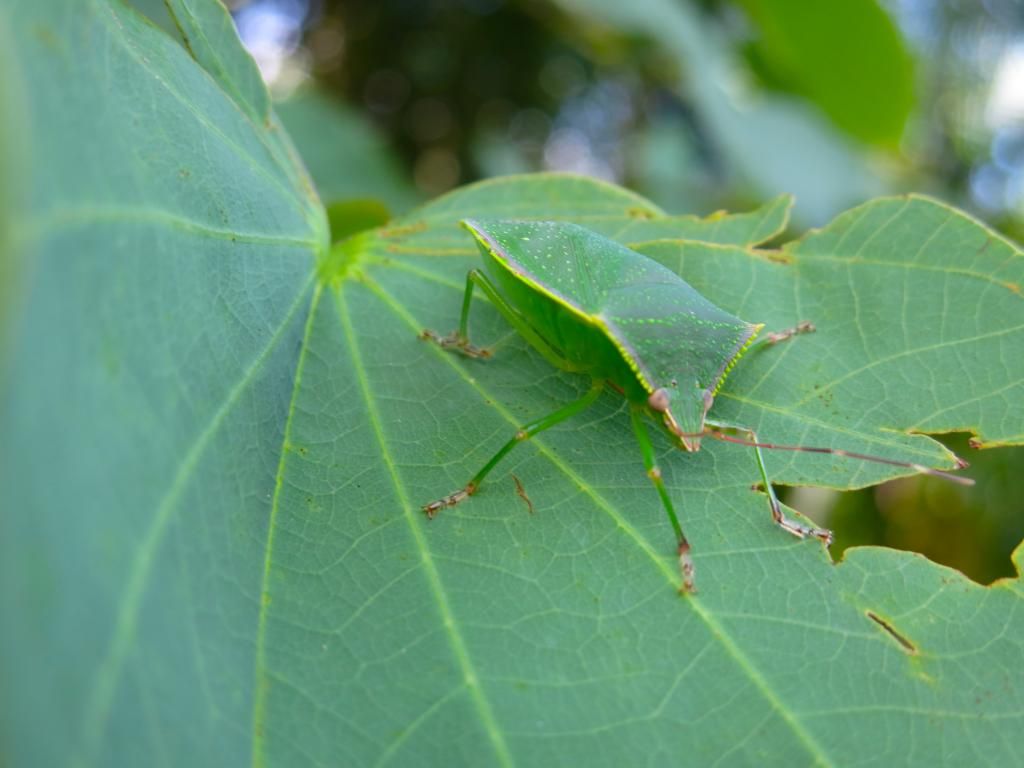
A hemipteran (“true bug”) disguised on a leaf

These guests aren’t a pushy bunch and don’t need any rooms here–they’re quite at home around (and on) the resort’s greenery and in the rich tropical forests. Following on Seth’s post on insects at Xandari, I thought I would add some photos snapped Continue reading

It Could Be, Costa Rica

Screen Shot 2014-06-30 at 6.47.12 AM

Several Raxa Collective contributors in India were up until 4am today at Cardamom County, watching Costa Rica play against Greece in the World Cup. They were simul-texting with a Raxa Collective contributor in Costa Rica, who reported watching in a friend’s home near Xandari while the streets outside were empty and silent, erupting echoes of cheer or anguish in the distance from time to time. The google doodle at this moment could be representing Costa Rica’s red white and blue, its tropical sense of fun, or it could be a representation of any country having a chance at the beautiful game. Continue reading

Riding the Slackline

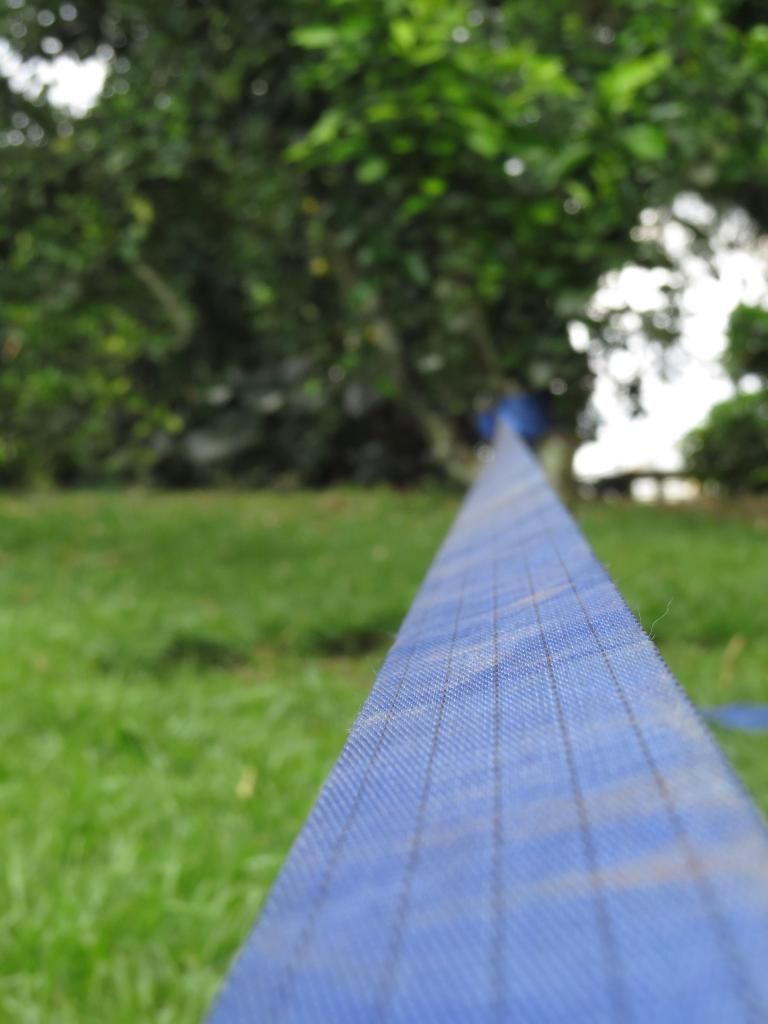
A slackline at Xandari (photo credit: S. E. Inman)

2014 marks the 150th anniversary of the land grant that yielded Yosemite National Park (Seth will be talking more about this in a post on the topic). But why should this matter for a post on slacklining? Well, as it turns out, Yosemite was one of the early hotbeds for the development of this increasingly popular outdoor activity. In celebrating Yosemite’s anniversary, we can also take a moment to appreciate Continue reading

El Café Borbón

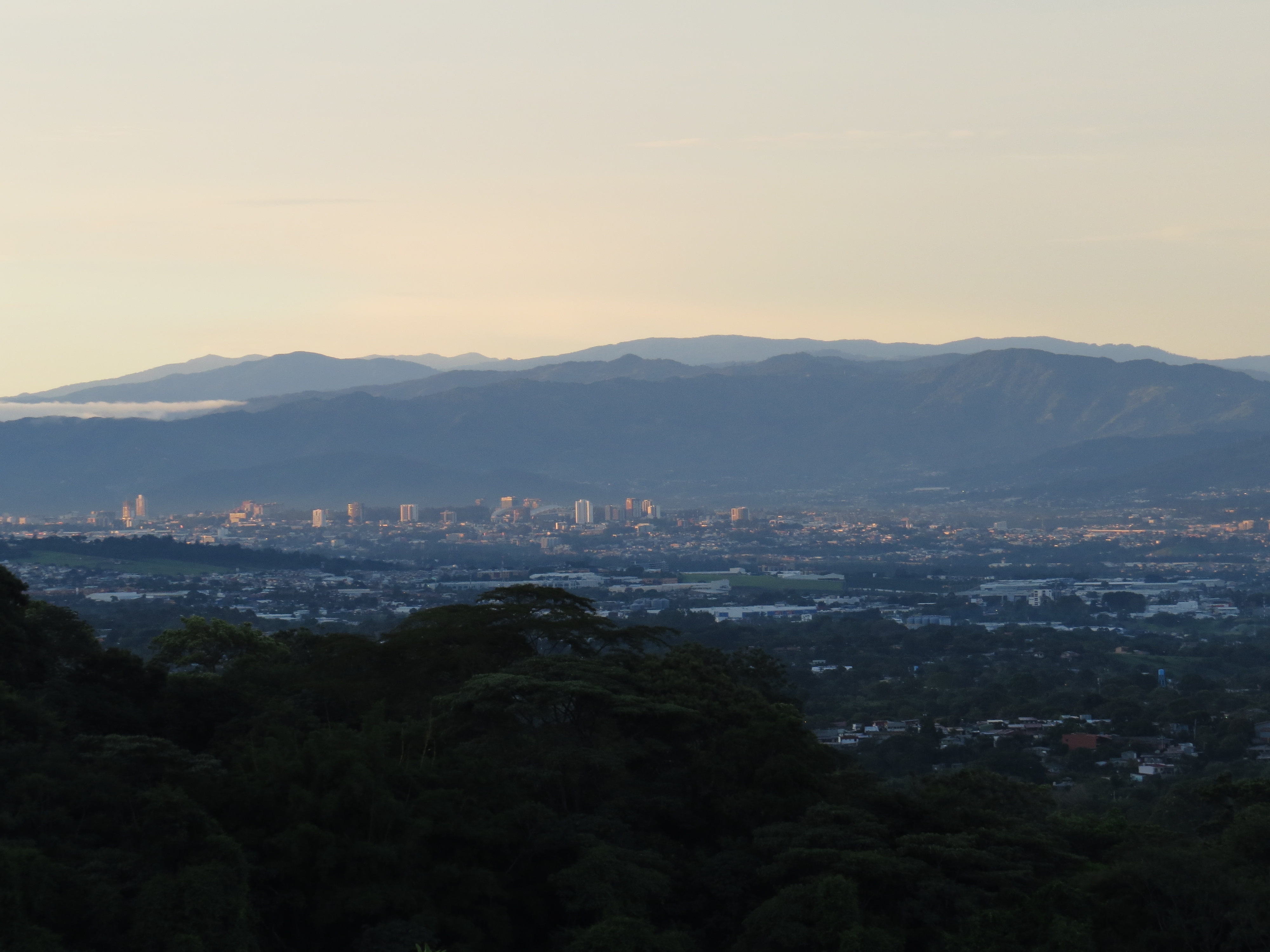
A great morning view of the Central Valley and opposing mountain range from the coffee field

A great morning view of the Central Valley and opposing mountain range from the coffee field

The current batch of Xandari’s mountainside Bourbon coffee is all planted, and James and I have a slideshow of photos we sporadically took to celebrate it! Continue reading

A Note on Cicadas

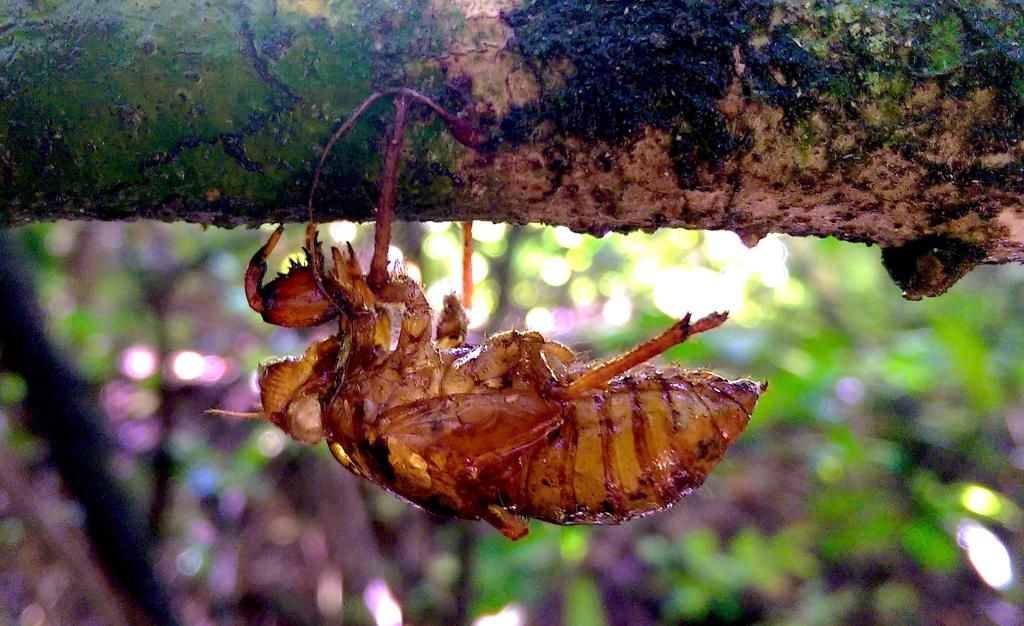
Cicada exuviae (i.e., molted exoskeleton)

After finding the molted exoskeleton of the cicada above while wandering Xandari’s forest paths, I decided to do a little digging on the bug. The cicada is a common, but amazing, species of insect. A “true bug” (Hemipteran), the cicada is easily recognized by its Continue reading

Bourbon Coffee — It’s No Cocktail

The prevailing etymology of the word ‘cocktail’, according to the Oxford English Dictionary, is of equestrian origin: any horse that was not a thorough-bred, or whose tail was cut short because it was serving as a hunter or stage-horse, could be described as a cocktail or a cocktailed horse. Eventually gaining a negative connotation, it probably was used to describe any sort of adulterated alcohol in the form of a mixed drink. Nowadays, we even use it for harmful or otherwise potent amalgams of substances, such as cocktails of drugs or Molotov cocktails.

Most of us, when we hear the phrase “Bourbon coffee,” likely think of Continue reading

More Paws at Xandari

Raccoon paw tracks (front)

An extremely strong aguacero (downpour) here at Xandari swelled the river that runs through the property’s grounds yesterday. Still having tracks on our mind from the last post, Seth and I headed down this morning to see if the fresh, silty clay deposited by the high waters had trapped any interesting “autographs.” Continue reading