Sometimes, You Just Have To Say…

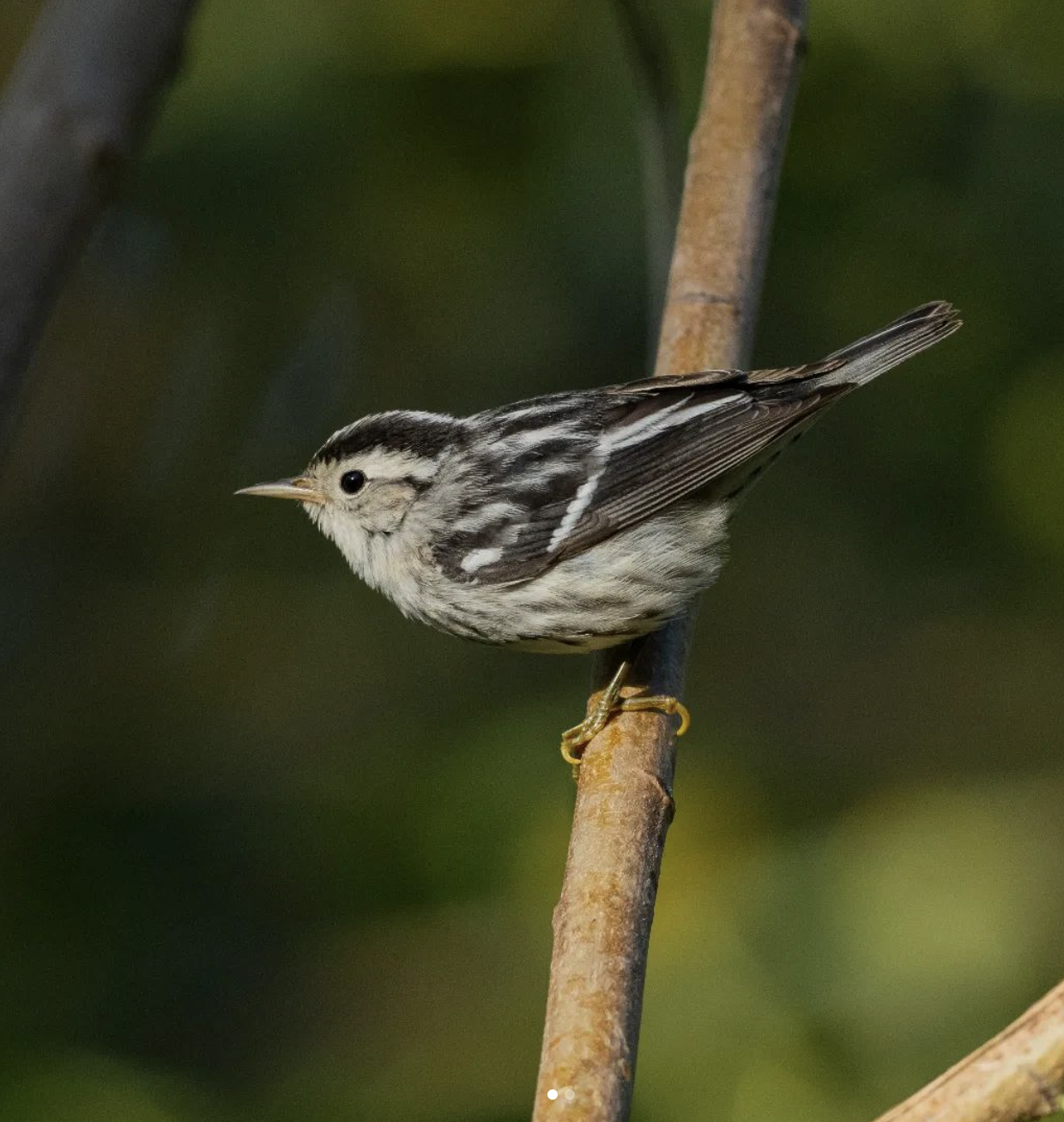
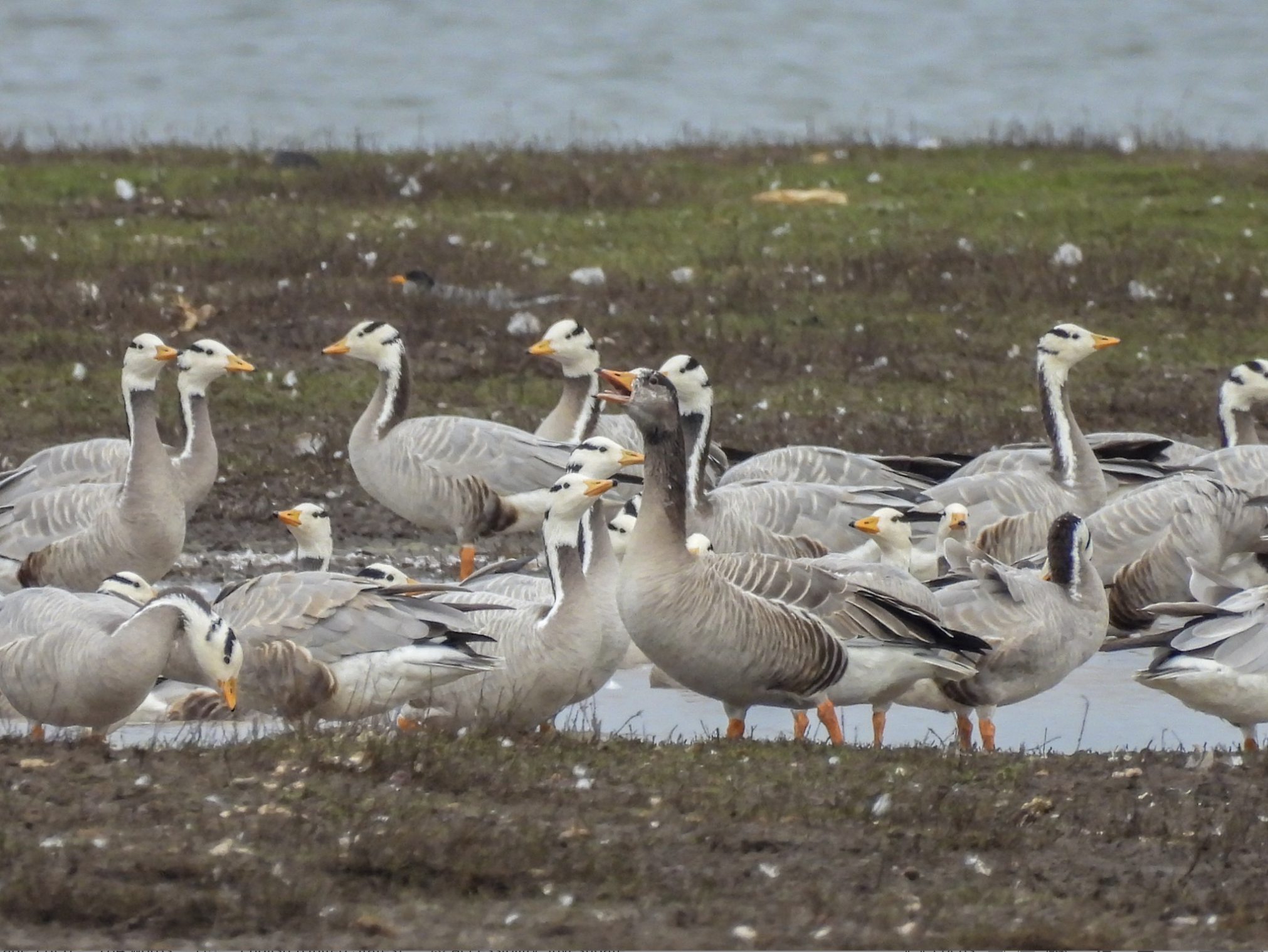
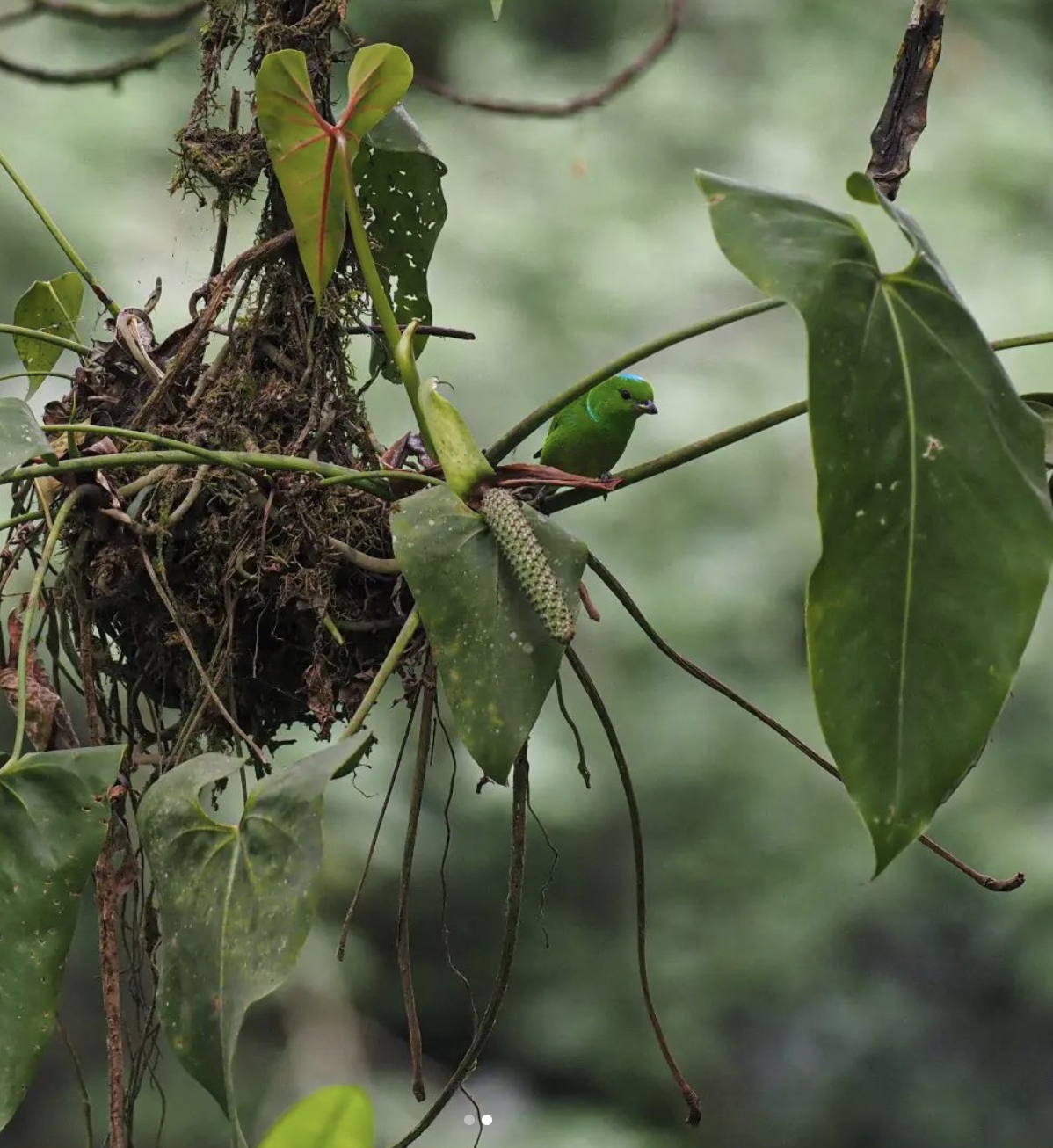
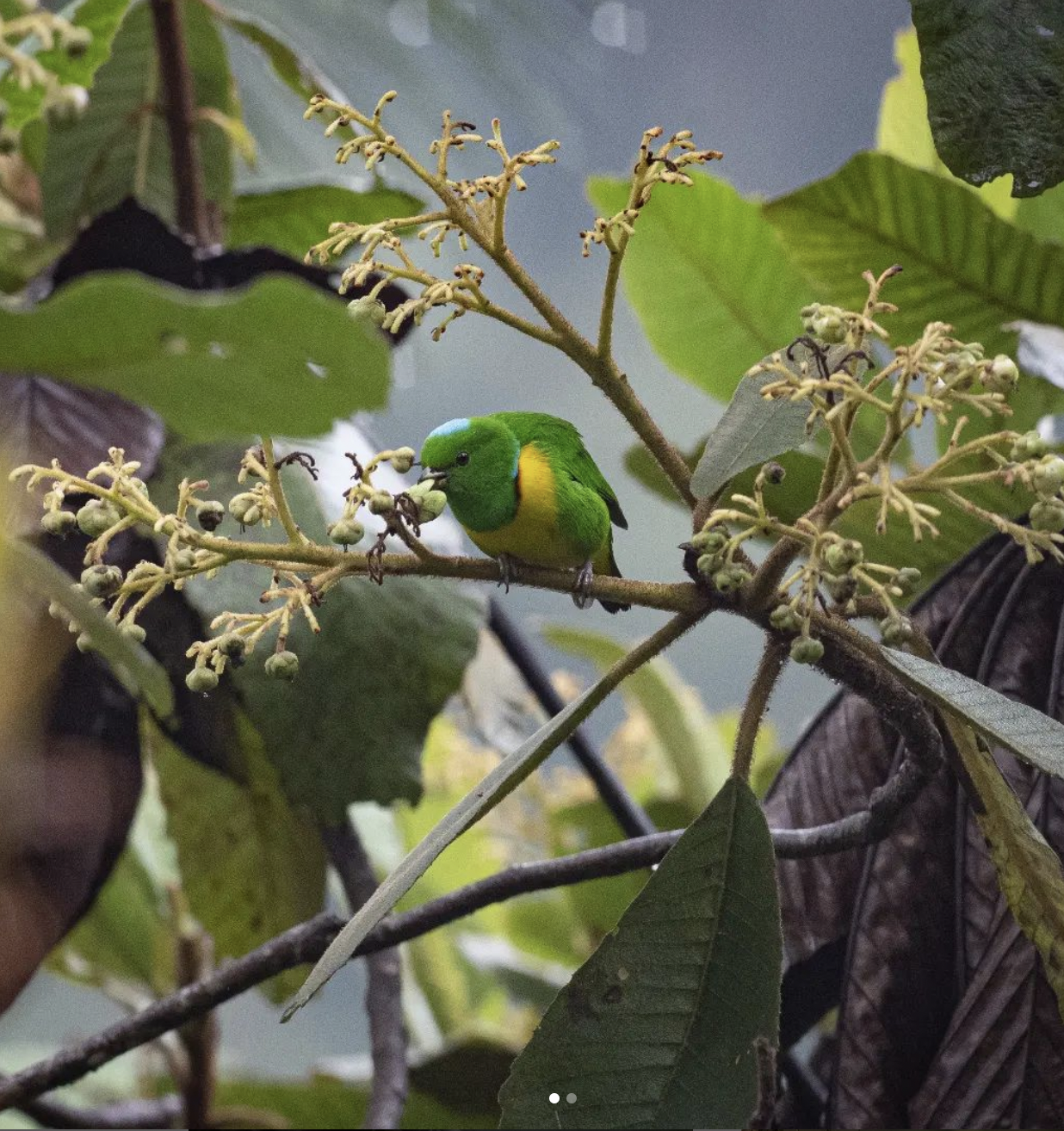
Photo by Seth Inman taken in Kenya’s Samburu Game Reserve

… Show me a photo. When atrocities dominate the news, and threaten to overwhelm, I lean on old photographs taken by family members that offer a meditative opportunity. Recently I have found myself leaning on those that transport me to some natural phenomenon I have not myself witnessed. Recently, three years after his last work on the African continent, Seth was on a work assignment in Kenya and took the photo above. That has been my meditative escape mechanism recently, but today the Guardian’s occasional series offers some others, thanks to Joanna Ruck:

A monkey leaps in a pond during a hot summer day in Allahabad, India. Photograph: Sanjay Kanojia/AFP/Getty

For more pictures in the series, click either image.

Main image: A kingfisher bags a meal in Lincolnshire, UK. Photograph: Charlotte Graham/Rex/Shutterstock

Innovative Illustration & Atmospheric Pressure

Source: Geophysical Research Letters.

Whenever we see advances in innovative illustration to better our understanding of phenomena, natural or otherwise, we note it here. Atmospheric pressure is something most of us have heard countless times, but not necessarily stopped to think what it is. Among other things, it is important. Also, it is understandable. If you have a couple minutes, watch this accessible animation of a natural phenomenon that does not get enough attention, and read the accompanying text:

‘It’s Super Spectacular.’ See How the Tonga Volcano Unleashed a Once-in-a-Century Shockwave.

By Aatish Bhatia and Henry Fountain

Produced by Aatish Bhatia and Sean Catangui

As shown in this visualization, based on a simulation created by Ángel Amores, a physical oceanographer at the Mediterranean Institute for Advanced Studies in Majorca, Spain, the shockwave took about 36 hours to circumnavigate the globe, spreading out in concentric rings from the volcano known as Hunga Tonga-Hunga Haʻapai and traveling at the speed of sound. The simulation was published in the journal Geophysical Research Letters in March. Continue reading
Ivory-billed Woodpeckers In Louisiana

Comparison of photographs taken of apparent ivory-billed woodpeckers in Louisiana from this study (A, D), with a colorized ivory-billed woodpecker, also from Louisiana (B), and a pale-billed woodpecker taken in Central America (C). Photograph: The Guardian

The title of this post should have a question mark at the end of it, or should be considered clickbait. For bird nerds this is likely not even news. But it is important in terms of natural history in general. Ivory-billed woodpeckers have been mentioned a couple of times in our pages; but the chance of seeing one these days was considered to be zero. We can now hope we were wrong about that:

Back from the dead? Elusive ivory-billed woodpecker not extinct, researchers say

An expedition to the forests of Louisiana say extinction of bird, last definitively seen in 1944, has been exaggerated

In terms of elusiveness, it is the Bigfoot or Loch Ness monster of the bird world, so rare and undetectable that the US government declared it extinct last year. But the ivory-billed woodpecker is, in fact, still alive and pecking in the forests of Louisiana, a team of researchers has claimed. Continue reading
Carbon, Sequestration & Hope

(Brandon Thibodeaux / The New York Times / Redux)

When I read about a promising new technology related to carbon sequestration, I am ambivalent based on the experience of many past false hopes. Carbon is a very large problem. Finding new methods of sequestration is a very challenging puzzle.

I track such developments every week by reading the newsletter that Bill McKibben posts on Substack. Most weeks I post something here from that, and do my best to balance the terrifying and enraging with the more hopeful news he occasionally shares there.

The only other newsletter I read regularly is Robinson Meyer’s newsletter for the Atlantic, called The Weekly Planet. Here is one of his worth reading for a bit of encouragement (when you click the hyperlink it will go to the current newsletter, which until April 20 is this one; after April 20 scroll to find this edition):

The Biggest Investment Ever in Sucking Carbon Out of the Sky

The world’s biggest tech companies are getting serious about carbon removal, the still-nascent technology wherein humanity can pull heat-trapping carbon dioxide out of the atmosphere. Yesterday, an alliance of prominent Silicon Valley companies—including Google, Meta, Shopify, and the payment company Stripe—announced that it is purchasing $925 million in carbon removal over the next eight years. In a world awash in overhyped corporate climate commitments, this is actually a big deal. Continue reading

A New Knife Worthy Of Our Attention

Knives are the oldest type of manufactured tool, and they’re still evolving. Karsten Moran for The New York Times

I last posted on the topic of knives earlier this year, partly because the onetime blacksmith apprentice in me felt compelled to salute the skillset, but mainly because the mission behind the knife-making in that case was worth promoting.

Otherwise, culinary utensils do not get much attention in our pages. Ceiba being the celebrated exception to that general rule–wooden culinary utensils, but no knives. Derrick Bryson Taylor offers us a good reason to revisit this neglect:

Knives are humanity’s oldest tool, dating back millions of years. A group of scientists in Maryland have produced a version made of hardened wood, which they say is sharper than steel.

More than 60 years ago in “Mastering the Art of French Cooking,” Julia Child, one of America’s most emulated chefs, described the necessity of decent, reliable kitchen equipment. Continue reading

The Rights Of Man Versus The Rights Of Nature

For most of history, people saw themselves as dependent on their surroundings, and rivers and mountains had the last word. Illustration by Marion Fayolle

Florida is on my mind today. Yesterday I listened to some excellent reporting on this podcast episode and was surprised to learn that some consider the political climate in the state environmentally-friendly. Surprising because the entire reporting emphasized what sounded like anti-regulatory business-friendly fervor. And after reading this article by one of my favorite writers, I think the state will be on my mind for the indefinite future (late in the article she writes “Start taking Stone seriously and it’s hard to stop;” so far she is correct):

A Lake in Florida Suing to Protect Itself

Lake Mary Jane, in central Florida, could be harmed by development. A first-of-its-kind lawsuit asks whether nature should have legal rights.

Lake Mary Jane is shallow—twelve feet deep at most—but she’s well connected. She makes her home in central Florida, in an area that was once given over to wetlands. To the north, she is linked to a marsh, and to the west a canal ties her to Lake Hart. To the south, through more canals, Mary Jane feeds into a chain of lakes that run into Lake Kissimmee, which feeds into Lake Okeechobee. Were Lake Okeechobee not encircled by dikes, the water that flows through Mary Jane would keep pouring south until it glided across the Everglades and out to sea. Continue reading

Meat Me Half Way

Changing the way we eat to improve our lives and save our planet has been a common theme over the years on this platform. In case you missed yesterday’s post, this new book by Brian Kateman was mentioned in the newsletter:

We know that eating animals is bad for the planet and bad for our health, and yet we do it anyway. Ask anyone in the plant-based movement and the solution seems obvious: Stop eating meat.

But, for many people, that stark solution is neither appealing nor practical. Continue reading

When Diplomats Must Be Undiplomatic

Yesterday I posted about one of the easier topics among the many options I have to post about every day. Today, a topic increasingly frequent in my posts, but definitely not an easy one. So I look to one person to summarize our week-to-week progress or lack of it. As always, I recommend signing up for his newsletter:

The World’s Top Diplomat Has Had It Up to Here

The Secretary General of the UN models how to think about climate change

I can remember when some of us organized what may have been the planet’s first truly huge climate march, with 400,000 people descending on New York in 2014. Then UN Secretary General Ban Ki-moon came to walk with us for a few blocks, and it was considered remarkable: the world’s top diplomat had previously been too diplomatic to join in protests challenging the policies of his member nations. Continue reading

Coffee, Birds & Bees

Seedlings from coffee picked in early 2021

On a couple of acres of mountain land in Escazu, on property that once was part of a larger coffee farm, we have been preparing to plant a thousand or so coffee saplings, which will eventually become trees among trees. Above are the thriving seedlings from 2021 germination, and below the early stage of germination from this year’s pickings.

Germination of coffee picked in early 2022

Coffee culture has been a long time in the making, so the slow pace of the Organikos arc has not intimidated me. And yet, if I could speed it up, I would because of the variety of beneficiaries.

Today an article by Cristen Hemingway Jaynes on the website EcoWatch brings to my attention a team of researchers who I will pay more attention to. Some are here in Costa Rica, at CATIE; the others at University of Vermont. Their work makes me appreciate the value of getting on with this:

Birds and Bees Make Better Coffee, Study Finds

Birds and bees work together as pollinators. DansPhotoArt on flickr / Moment / Getty Images

For many people, one rich, pleasant smell signals the start of a new day more than any other: coffee. Different techniques have been used to get the best cup of the caffeine-rich liquid, from a French press to the pour-over method.

A unique new study has found that the secret to better coffee is really in control of the birds and the bees. Continue reading

Vagrancies Better Appreciated

A Stellar’s sea eagle, native to East Asia. Design Pics Inc./Alamy

These two themes, birds and their various forms of adaptation, make Marion Renault’s article These Birds Aren’t Lost. They’re Adapting a perfect fit for sharing here as an excerpt, and recommending that you read the story where it was published:

Bird-watchers love to see vagrants, or birds that have traveled far outside their range. But scientists say they have a lot to teach us in a world facing ecological change.

From what we can tell, the Steller’s sea eagle trekking across North America does not appear homesick.

The bird has strayed thousands of miles from its native range in East Asia over the last two years, roving from the Denali Highway in Alaska down to a potential sighting South Texas before moving eastward and back north to Canada and New England. Its cartoonish yellow beak and distinctive wing coloration recently attracted crowds of rapt birders to Maine before turning up on April Fools’ Day in Nova Scotia. Continue reading