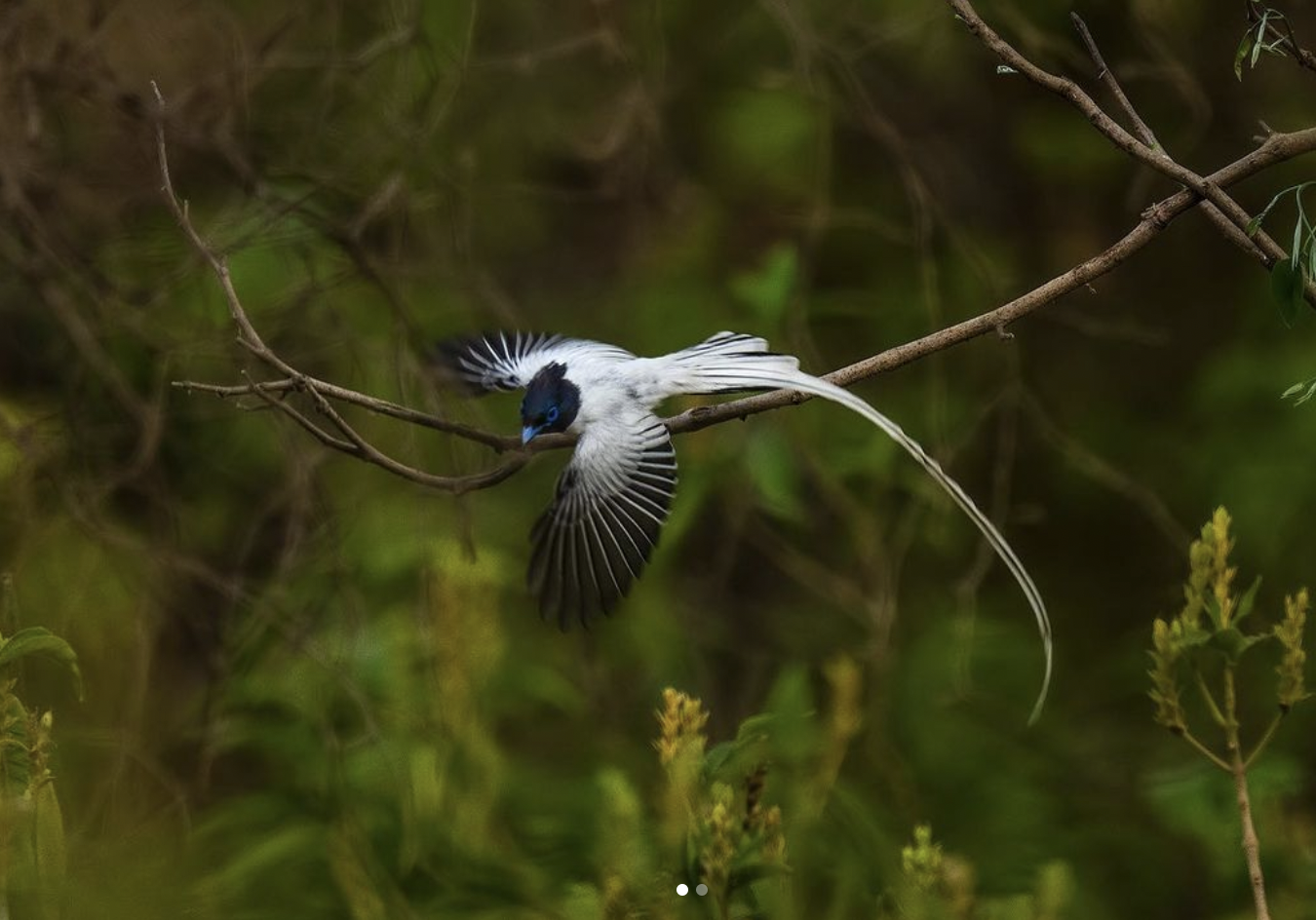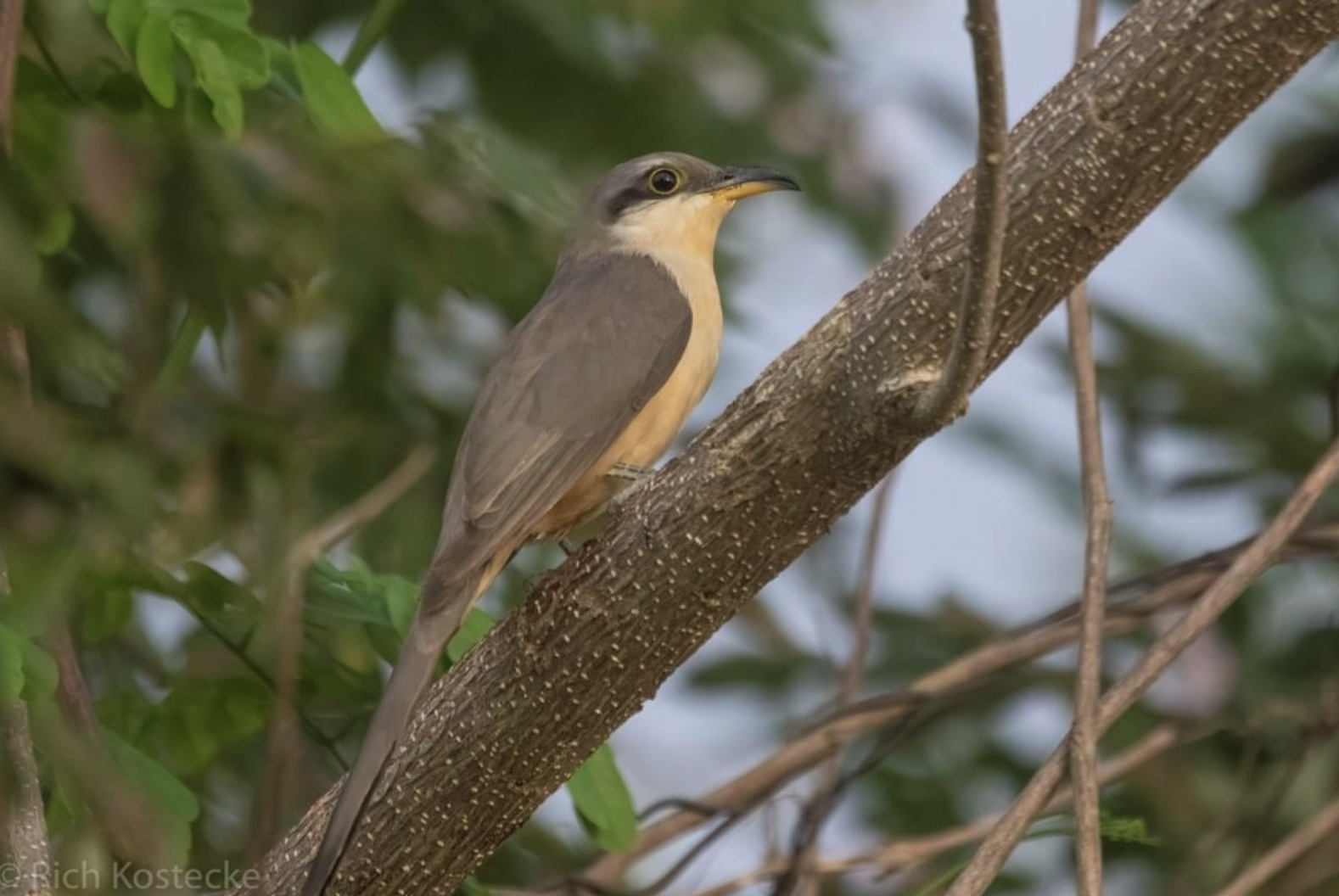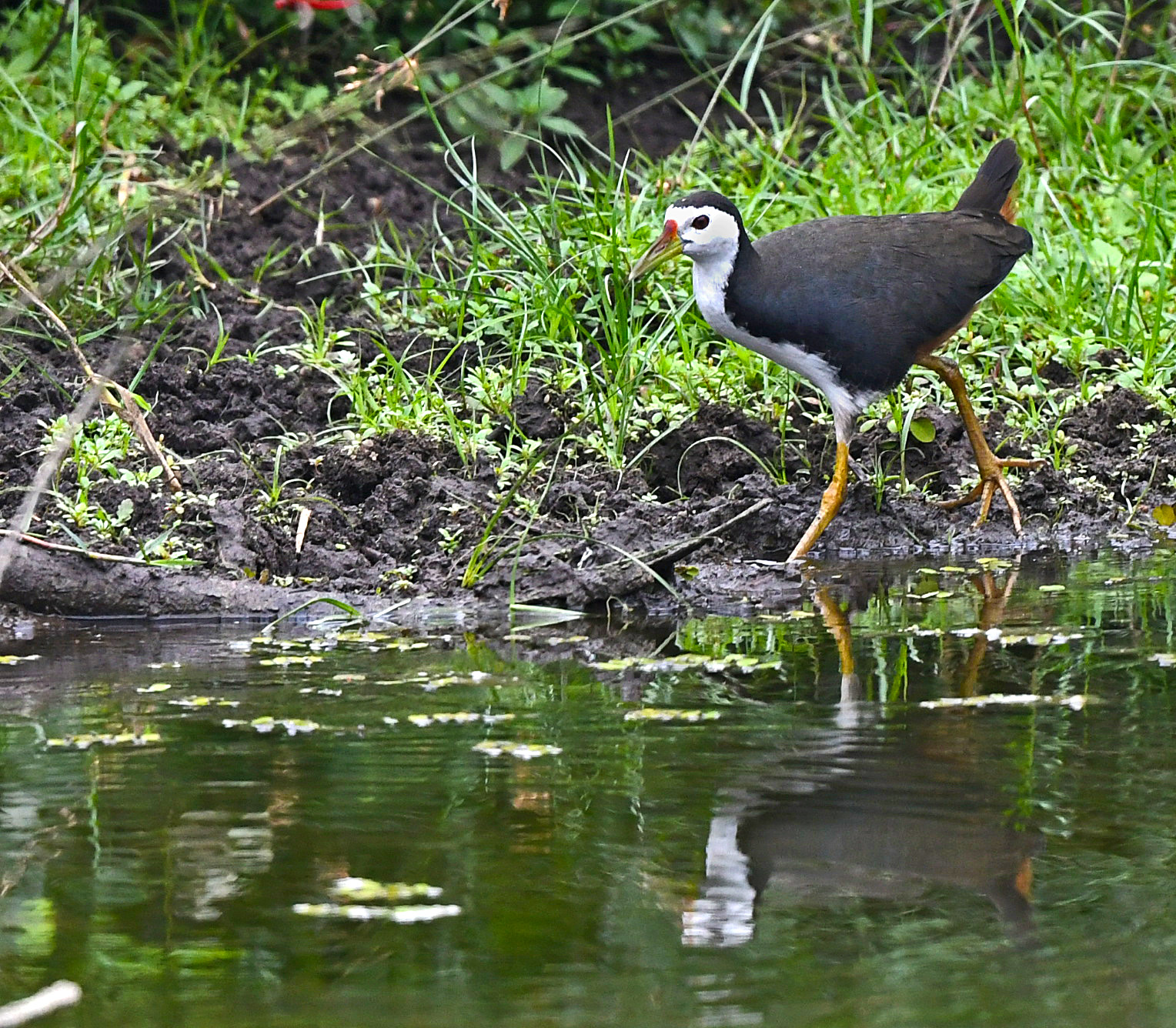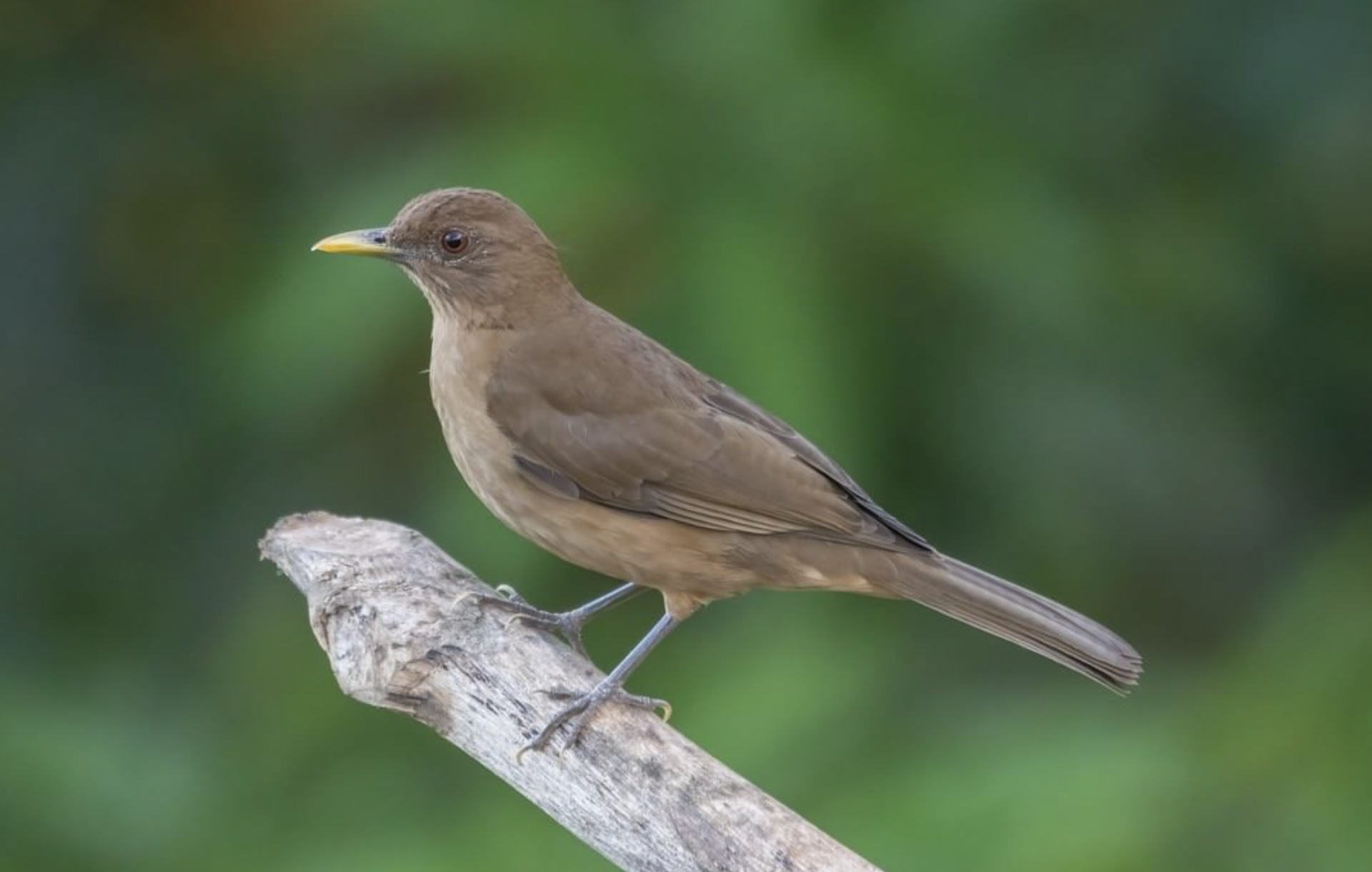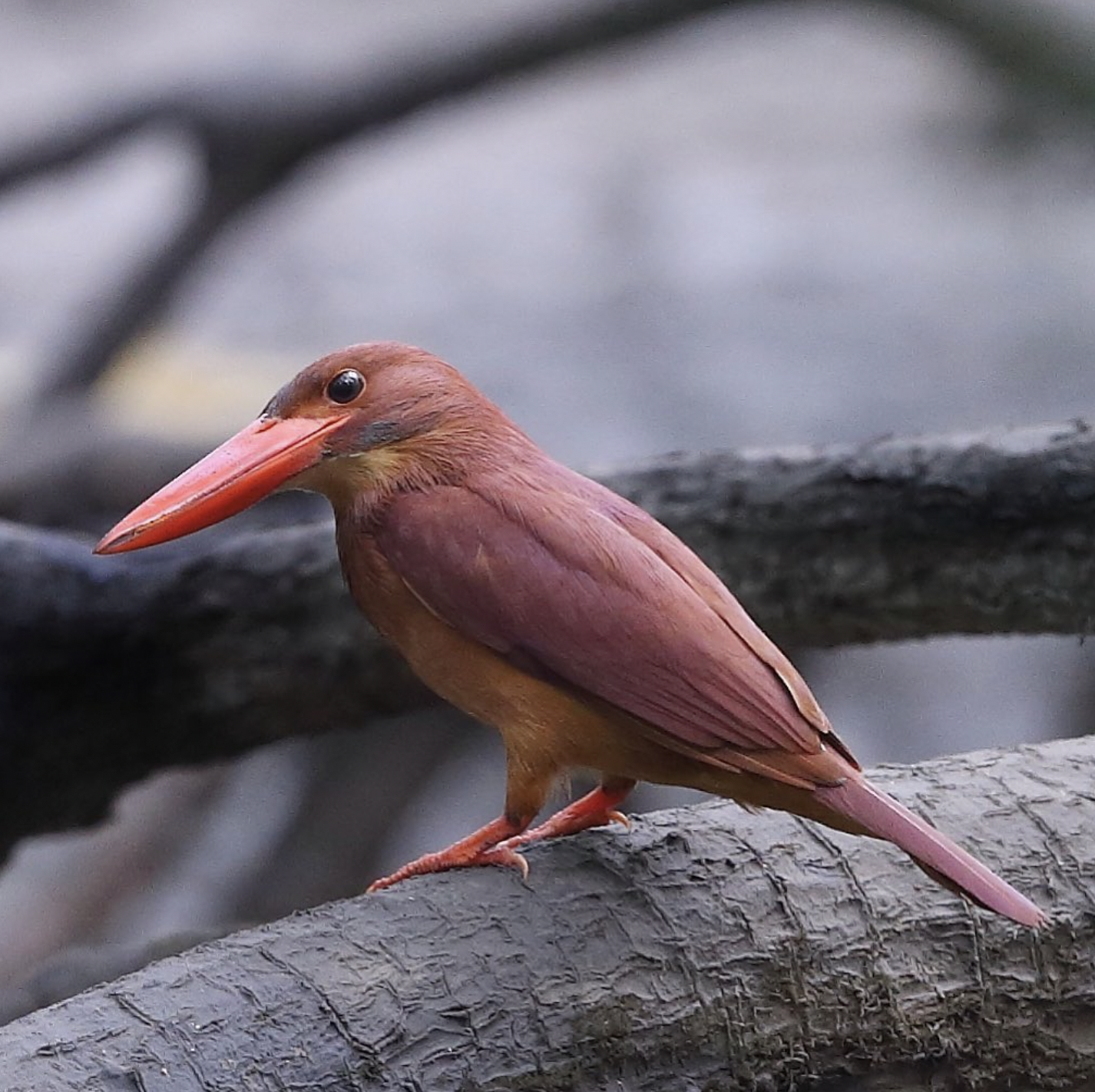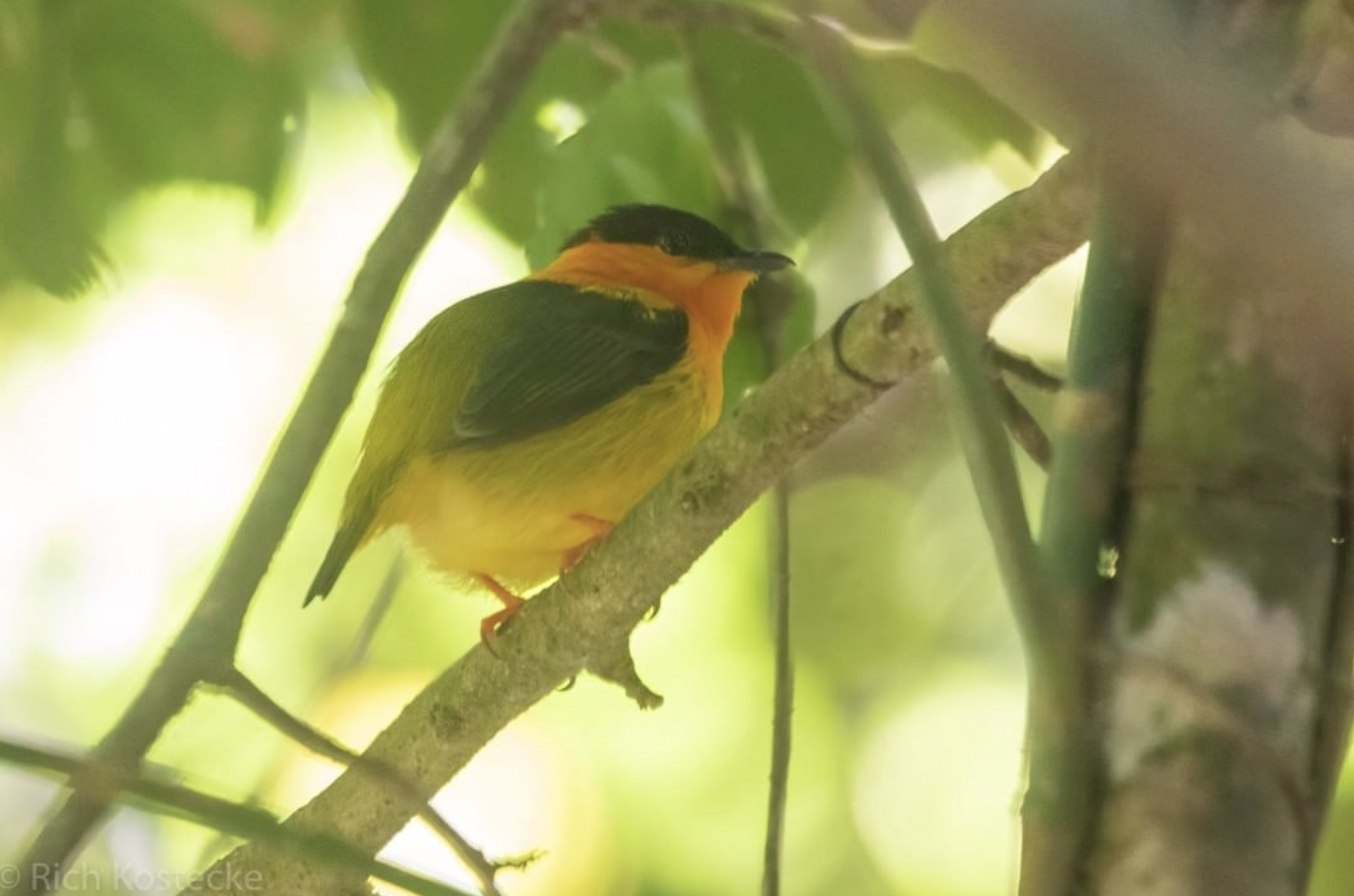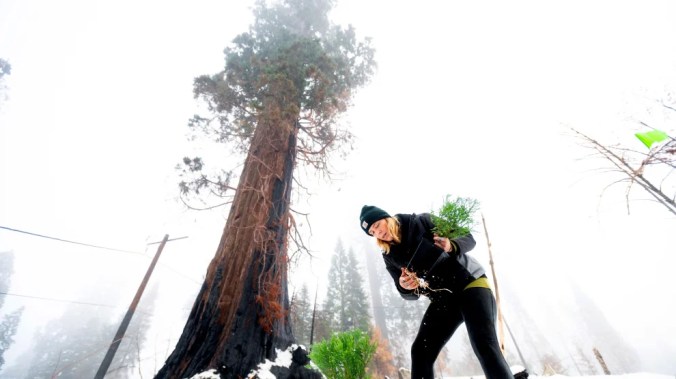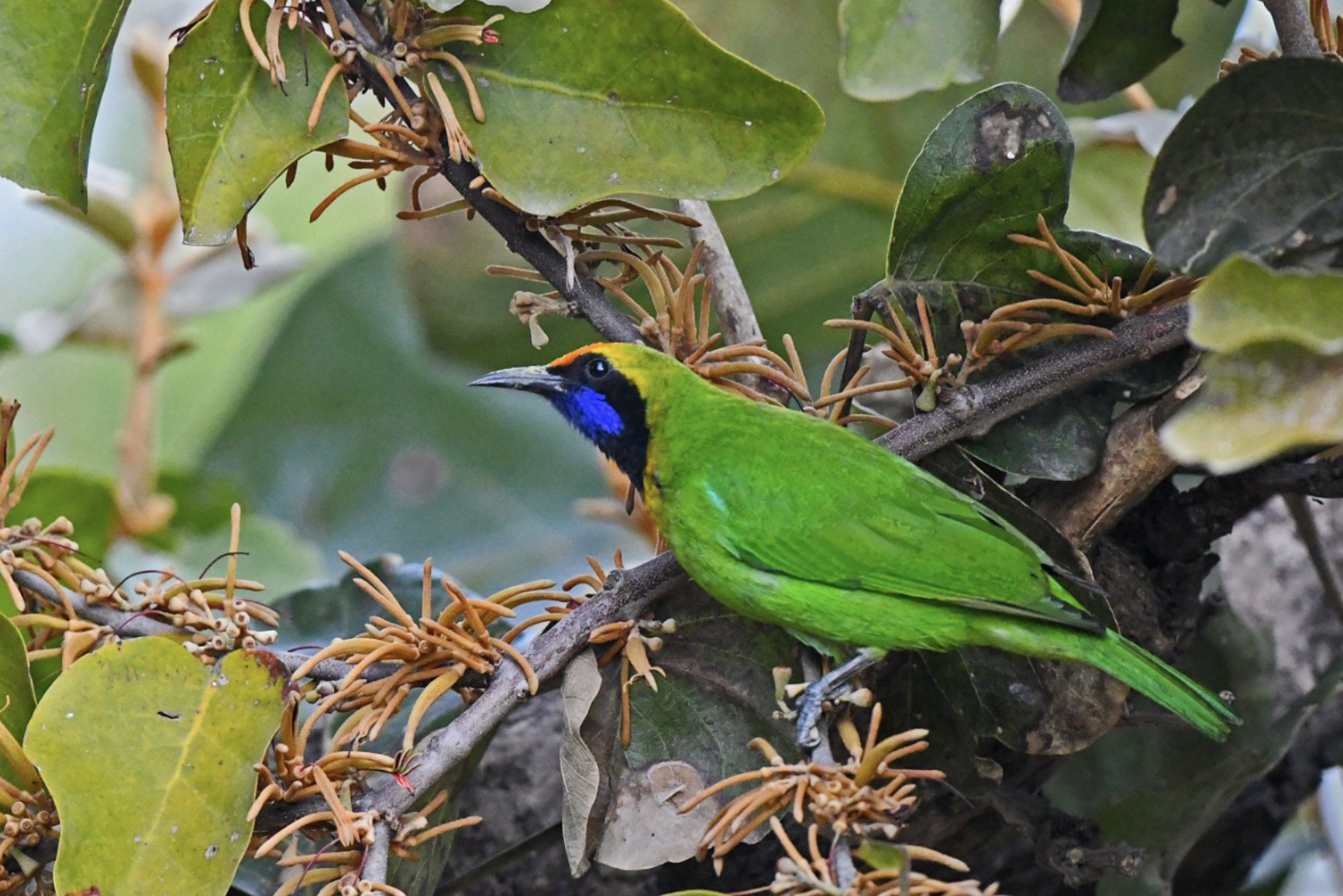
Pauri Garhwal, Uttarakhand
Octopus As White Whale

Bret Grasse, a manager of cephalopod operations at the Marine Biological Laboratory in Woods Hole, Mass., with his charge, a lesser Pacific striped octopus.
Yesterday, a story about a small and late victory for whales. Today, a small victory for our other favorite sea creature, in the form of a search for the white whale equivalent among octopus:
A lab in Massachusetts may have finally found an eight-armed cephalopod that can serve as a model organism and assist scientific research.
From a first batch of seven wild Octopus chierchiae, Mr. Grasse and his colleagues have raised over 700 children, grandchildren and great-grandchildren.
The tank looked empty, but turning over a shell revealed a hidden octopus no bigger than a Ping-Pong ball. She didn’t move. Then all at once, she stretched her ruffled arms as her skin changed from pearly beige to a pattern of vivid bronze stripes.
“She’s trying to talk with us,” said Bret Grasse, manager of cephalopod operations at the Marine Biological Laboratory, an international research center in Woods Hole, Mass., in the southwestern corner of Cape Cod. Continue reading
Bird of the Day: Black-throated Green Warbler
Guatemala City, Guatemala
Watching Whales, Hopefully Forever

An orca pod feeding. Iceland, one of the few countries that still hunts whales commercially plans to end the practice from 2024. Photograph: Nature Picture Library/Alamy
Of all the dozens of times in our pages where whales are the central topic, there was once when Icelandic whaling was featured. And that story was about ending the practice of hunting these majestic animals. Today’s story–‘Meet us, don’t eat us’: Iceland turns from whale eaters to whale watchers–is the first time I have heard that travelers are the primary market for whale meat there. Strange, but true:
Reykjavik harbour. The small red boat on the right is an Elding whale-watching vessel. The blue one with a tall mast is a whaling boat. Photograph: Abby Young-Powell
The country’s plan to end commercial whaling is driven by falling demand but also a 15-year-long campaign aimed at their biggest consumers of whale meat – tourists
Onboard a small whale-watching boat making its way across the choppy waters of Faxaflói Bay, off the south-west coast of Iceland, a guide urges tourists not to eat whale meat. Continue reading
Bird of the Day: Ocellated Turkey
Tracking Disappearing Species

Researchers work through taxonomic keys to determine whether they had just caught a Hills’ horseshoe bat in Rwanda’s Nyungwe National Park.Photograph by Jon Flanders / Courtesy Bat Conservation International
Disappearing species as a topic in these pages has taken many forms. Hunters of disappearing species, less so. My exposure to this topic is limited to one project that Seth participated in. But the fact that Seth also had experience on a different type of project in Rwanda’s Nyungwe National Park made this article particularly of interest. Carolyn Kormann, once again, thank you:
The Hunt for a Lost Bat
The obsessive people who track down disappearing species are their own variety of rare—sparsely found across a wide geographic range, in all sorts of habitats.
In January, 2019, a multinational team of biologists set out into the rain forest of southwestern Rwanda, in search of a near-mythical bat that they thought might be extinct. Continue reading
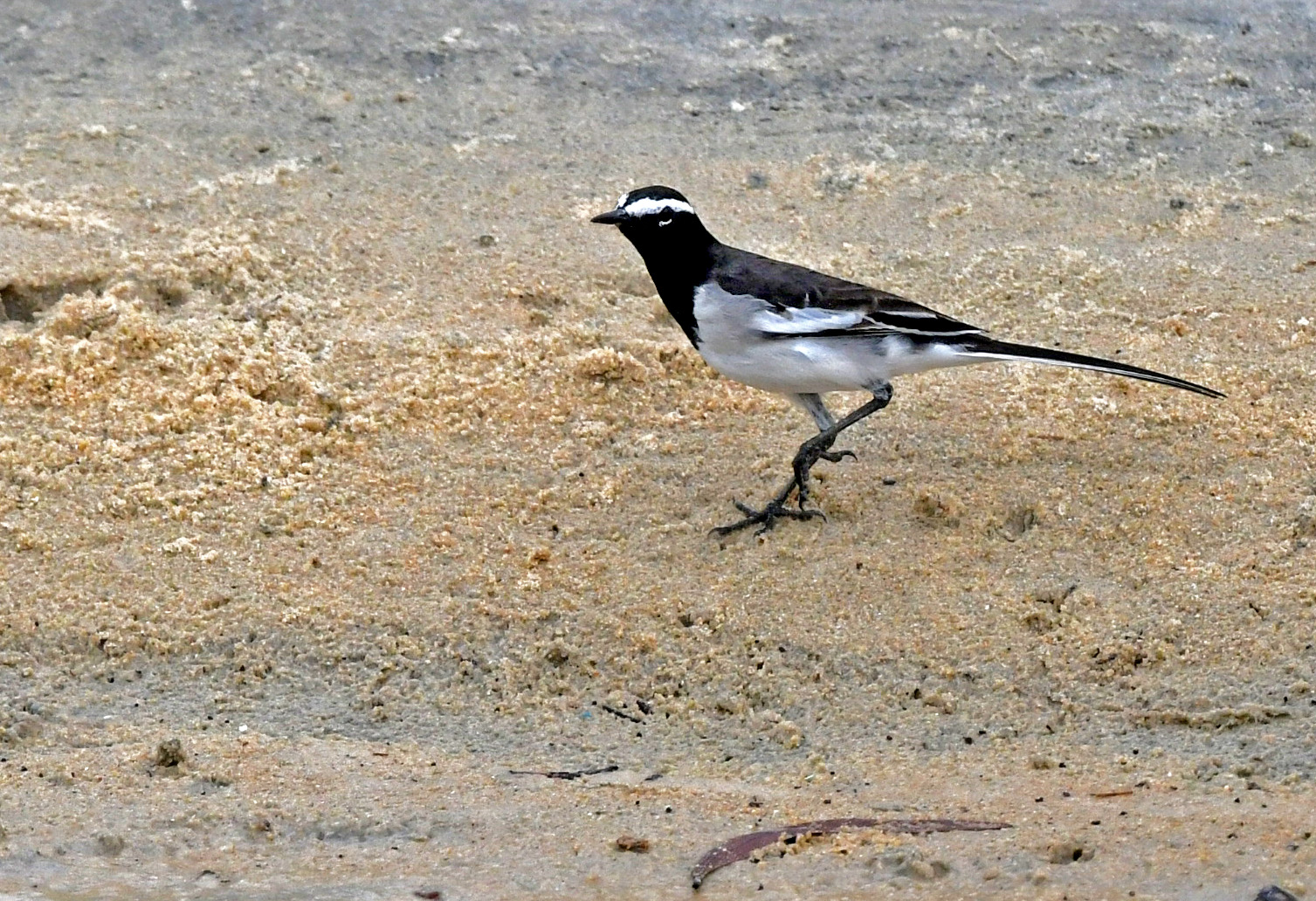
Bird of the Day: Red-vented Bulbul
Letters To Strangers
This book looks like a must-read for multiple reasons. At least 65. That is the number of writers musing on a simple question: how can an “ephemeral encounter with a stranger leave such an eternal mark?” As someone whose life story hinges on a chance encounter in an airport, and so believes that strangers can make great co-adventurers, I am in. If you want a taste of what is in store, this essay by an author we have appreciated in these pages several times over the years, titled To My Lost Trishaw Driver, is excerpted from it:
Pico Iyer on decades of letters to a man he met, once, in Myanmar.
Travel is, deep down, an exercise in trust, and sometimes I think it was you who became my life’s most enduring teacher. I had every reason to be wary when, in 1985, I clambered out of the overnight train and stepped out into the October sunshine of Mandalay, blinking amidst the dust and bustle of the “City of Kings.” Continue reading
Bird of the Day: Yellow-rumped Warbler
Pythons, Bobcats & Camera Traps

A Burmese python and a bobcat facing off in the Big Cypress National Preserve in Florida last June, captured by a trap camera set up by the U.S. Geological Survey. U.S.G.S.
We have been posting about invasive pythons, as well as plenty of other invasive species, annually for more than a decade now. Likewise, feline wildlife has been a recurring theme. Not to mention camera traps, another theme we care about.
For a surprising overlap of those two themes, or otherwise just a very well-written story about wildlife, read Matt Kaplan’s article about how Bobcats With a Taste for Python Eggs Might Be the Guardians of Florida’s Swamp.
Our congratulations to Dr. Andrea Currylow for the determined pursuit leading this scientific finding, and with no disrespect to pythons as a species in their native territories, in this case may the best cat win:
Cameras captured the wild feline purloining a Burmese python’s eggs, giving hope that the state’s native species are responding to a voracious, invasive predator.
The voracious appetite of the invasive Burmese python is causing Florida’s mammal and bird populations to plummet. With little natural competition to control the big snake’s numbers, the situation looks desperate. But new observations suggest that the bobcat, a wildcat native to Florida, might be able to help. Continue reading
Bird of the Day: Pacific Screech Owl
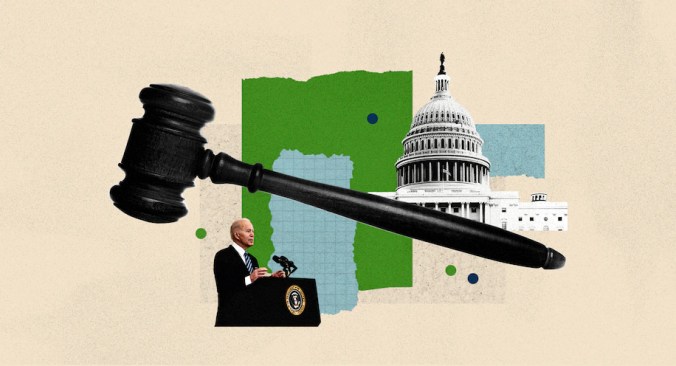
If SUVs Were An Individual Country

The Biden Administration is set to unveil a new set of fuel-efficiency standards on Friday. Photograph by David Paul Morris / Bloomberg / Getty
Elizabeth Kolbert’s essay offers perspective on how the SUV category has grown as a percentage of the global fleet, and what that has meant for fuel consumption. The point of the essay seems not to demonize owners of SUVs, but to suggest a mechanism to put the category on a level playing field with more fuel efficient vehicles. The humanist in me imagines that most SUV owners would own up, given the chance, and take responsibility for their footprint and pay their fair share:
A Better Idea Than Releasing Oil from the Strategic Reserve
It’s time to do away with the S.U.V. loophole.
On Thursday afternoon, President Joe Biden announced that the federal government would release up to a hundred and eighty million barrels of oil from the Strategic Petroleum Reserve over six months. The move, aimed at bringing down gas prices—“Americans are feeling Putin’s gas price hike at the pump,” Biden tweeted—is obviously politically motivated. Continue reading
Bird of the Day: Reed Bunting
Steiermark, Austria
Plastic Rings, Bygone Things

Plastic rings hold together sets of beer cans. GHI/Education Images/Universal Images Group via Getty Images
Why did it take this long, you might ask? It is not clear from this article. But that it is happening at all is surprising, so we hope it is correct to say better late than never: Soda and Beer Companies Are Ditching Plastic Six-Pack Rings
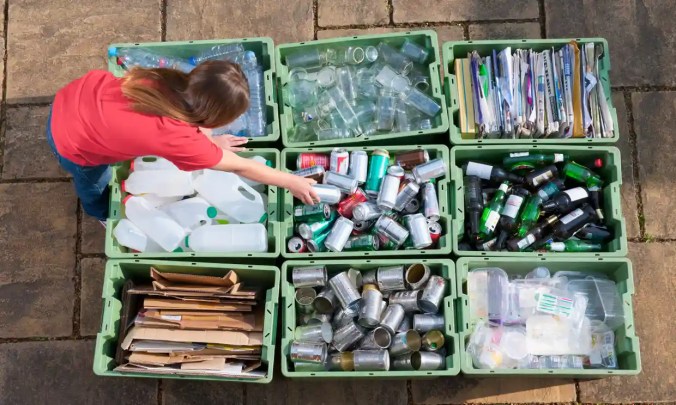
In an effort to cut down on plastic waste, packaging is taking on different forms that can be more easily recycled or that do away with plastic altogether.
The plastic rings ubiquitous with six-packs of beer and soda are gradually becoming a thing of the past as more companies switch to greener packaging. Continue reading
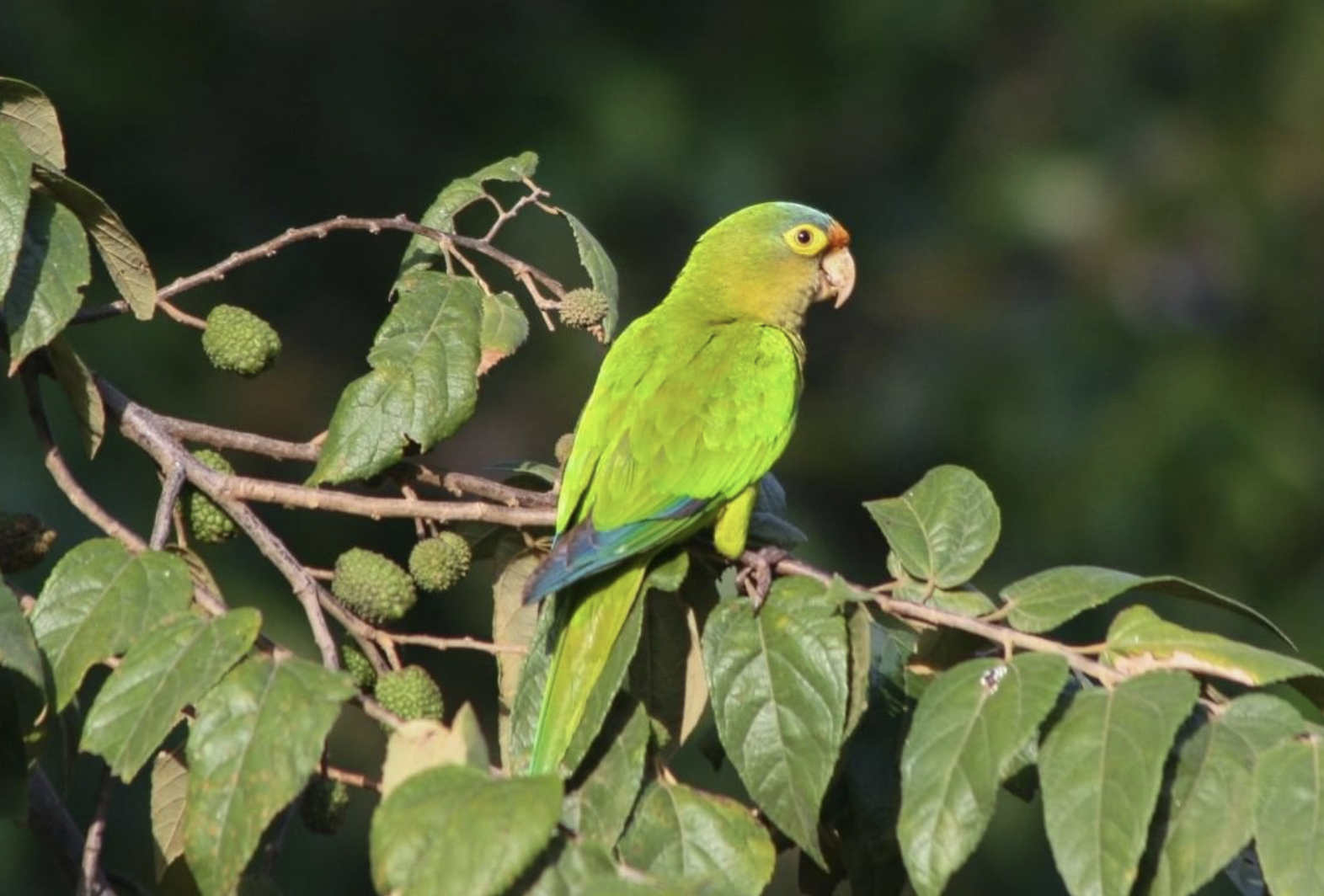
Bird of the Day: Turquoise Tanager
No Mow, Way To Go
It may not be the only state doing something like this, but Wisconsin is clearly on to something, and leading an important movement in favor of some important wildlife that citizens can take action to protect.
Our thanks to Anne Readel and the New York Times for this story:
In Wisconsin: Stowing Mowers, Pleasing Bees
Can the No Mow May movement help transform the traditional American lawn — a manicured carpet of grass — into something more ecologically beneficial?
An unmown lawn in Appleton, Wis. By letting the grass grow long, plants typically identified as weeds were able to flower, providing important spring food for bees.
As I drove last May through Appleton, Wis., the small town offered up a series of idyllic scenes: children playing on tree-lined streets, couples walking their dogs, and all the while, the wind carrying the sweetness of spring.
But something was unusual here. The lawns of many of the homes were wild. Resembling miniature meadows, they sported long grass, bright yellow dandelions and carpets of purple creeping Charlie — a far cry from the traditional American lawn.
A brown-belted bumble bee (Bombus griseocollis) flies toward clover in an unmown yard in Shorewood Hills, Wis.
These homes were not abandoned or neglected, and no stacks of newspapers festooned their porches. Rather, the city had asked residents to put away their lawn mowers for the month of May. This allowed plants typically identified as weeds — including violets, white clover and dandelions — to flower.
Appleton’s No Mow May initiative had a clear purpose: to save the bees — and not just honeybees (which are European imports), but also native bees, such as bumble bees, mining bees and sweat bees. Continue reading
Bird of the Day: Sikkim Wedge-billed Babbler
If You Happen To Be In New York City
If you have are in New York City with some time on your hands, immerse yourself in The Orchid Show: Jeff Leatham’s Kaleidoscope .
We who live in Costa Rica, or other places where orchids are abundant, are fortunate but can only dream of this sort of abundance on display in one location:
February 26 – May 1, 2022
10 a.m. – 6 p.m. | At the Garden
Experience Famed Designer Jeff Leatham’s Bold and Colorful Vision
The dazzling floral creations of Jeff Leatham, famed artistic director of the Four Seasons Hotel George V in Paris and floral designer to the stars, return for The Orchid Show’s 19th year. Continue reading
Bird of the Day: Black-cheeked Woodpecker
Costa Rica
Youth & Perspective
It should not be this difficult to change viewpoints on an existential topic. But apparently it is. If it requires a new social media platform, and watching a few short, catchy videos, so be it:
‘OK Doomer’ and the Climate Advocates Who Say It’s Not Too Late
A growing chorus of young people is focusing on climate solutions. “‘It’s too late’ means ‘I don’t have to do anything, and the responsibility is off me.’”
Alaina Wood is well aware that, planetarily speaking, things aren’t looking so great. She’s read the dire climate reports, tracked cataclysmic weather events and gone through more than a few dark nights of the soul. Continue reading