
Barranquilla, Colombia
Barranquilla, Colombia
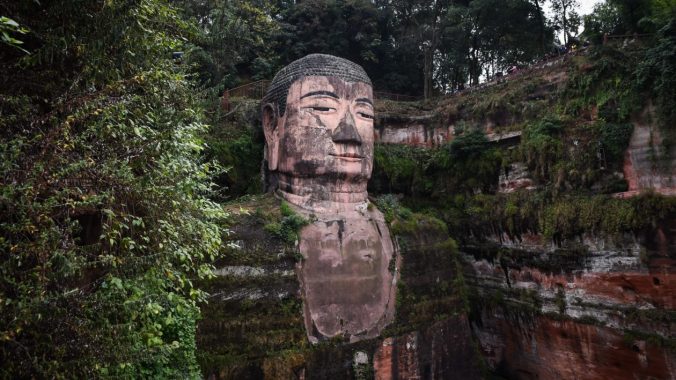
The Leshan Giant Buddha in Sichuan, China, a relic of the Tang dynasty, which collapsed in 907 A.D. amid changes in the climate. ZHONG ZHENBIN / ANADOLU AGENCY / GETTY IMAGES
Thanks to Jacques Leslie
Climate Clues from the Past Prompt a New Look at History
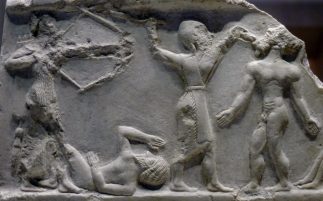
A fragment from a sculpted stele, an artifact of the Akkadian Empire, which collapsed in the 22nd century B.C. amid a severe drought. MBZT VIA WIKIPEDIA
As scientists rapidly improve their ability to decipher past climate upheaval through ice cores and other “proxies,” historians are re-examining previous political and social turmoil and linking it to volcanic eruptions, prolonged droughts, and other disturbances in the natural world.
Joseph Manning, a Yale University professor of ancient history, likes to recall the moment when he was shown an advance copy of a scholarly paper that pinpointed the timing of major volcanic eruptions over the last 2,500 years. As he read the paper, “I literally fell off my chair,” he said recently.
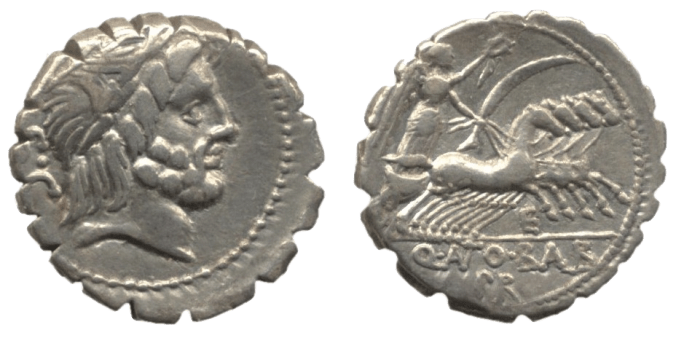
Roman coins dating to 82 B.C. Lead from smelting such coins has been found in faraway ice cores, offering clues about Roman history. CARLOMORINO VIA WIKIPEDIA
Relying on new geochemical techniques for analyzing ice core sediment to determine the dates of ancient volcanic activity down to the year or even season, the paper, published in Nature in 2015, showed that major eruptions worldwide caused precipitous, up-to-a-decade-long drops in global temperatures. Continue reading

Jorupe Reserve, Ecuador
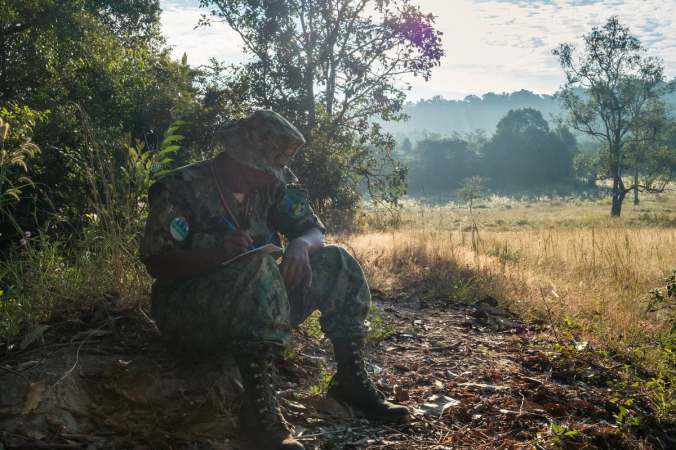
A ranger, on the lookout for illegal poachers and loggers, logs an early-morning report before returning to the Koh Kong ranger station.
When we first learned of it, we wondered why this concept was not implemented in more locations with similar poaching problems. Now we see it:
Inside the Campaign to Save an Imperiled Cambodian Rainforest
Deep in the Southern Cardamom Mountains, former loggers and poachers have assumed new roles as protective rangers and ecotourism guides. Can their efforts help preserve a vast stretch of wilderness?
We were seated near a lush river in the Southern Cardamom Mountains, huddled over a lunch of chicken and rice, when the tip came in via text message: Someone had passed along the location of a poaching camp. Continue reading
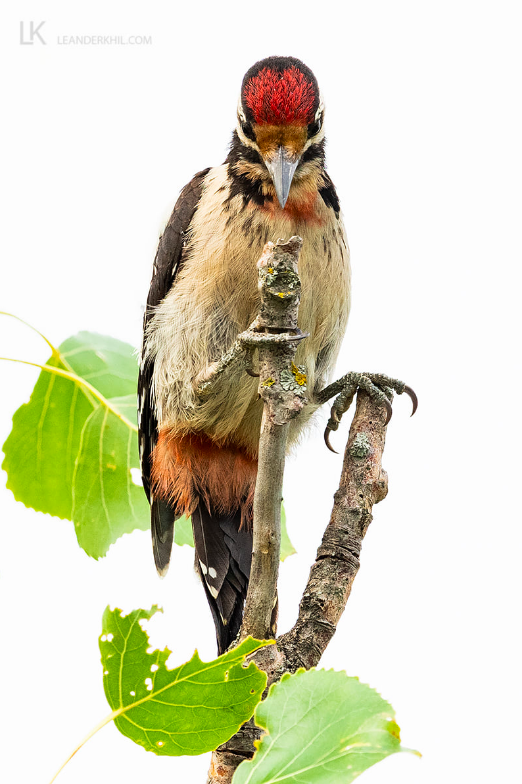
juvenile; Leander Khil Photography
Neusiedler See-Seewinkel National Park, Austria
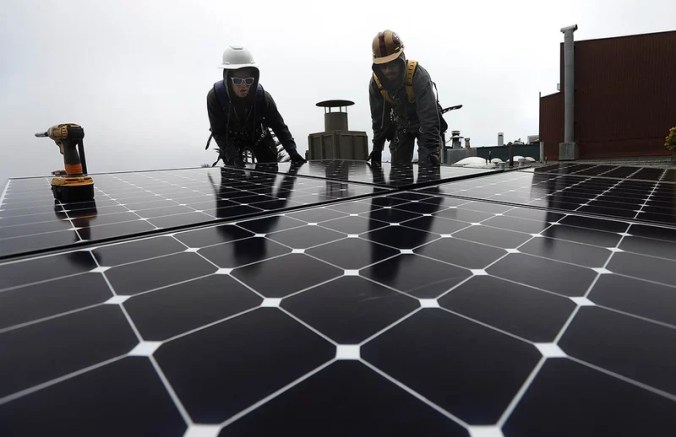
The Build Back Better legislation included billions to accelerate clean energy like rooftop solar, but with the bill now stalled in Congress, cutting U.S. emissions will be tougher. Justin Sullivan/Getty Images
Really? is a question we have to ask every now and then. We had no time to waste, because the country with the biggest carbon footprint per capita needed to change something(s) substantially to allow the planet a chance. But one senator stood in the way. Thanks to National Public Radio (USA) for laying out clearly what the stakes were, and now are:
What losing Build Back Better means for climate change
With billions of dollars for clean energy, the Build Back Better legislation has the potential to substantially and rapidly cut heat-trapping emissions in the U.S. But after West Virginia Senator Joe Manchin rejected the bill on Sunday, Build Back Better is effectively dead, at a time when scientists say the world can’t afford to wait on climate change. Continue reading
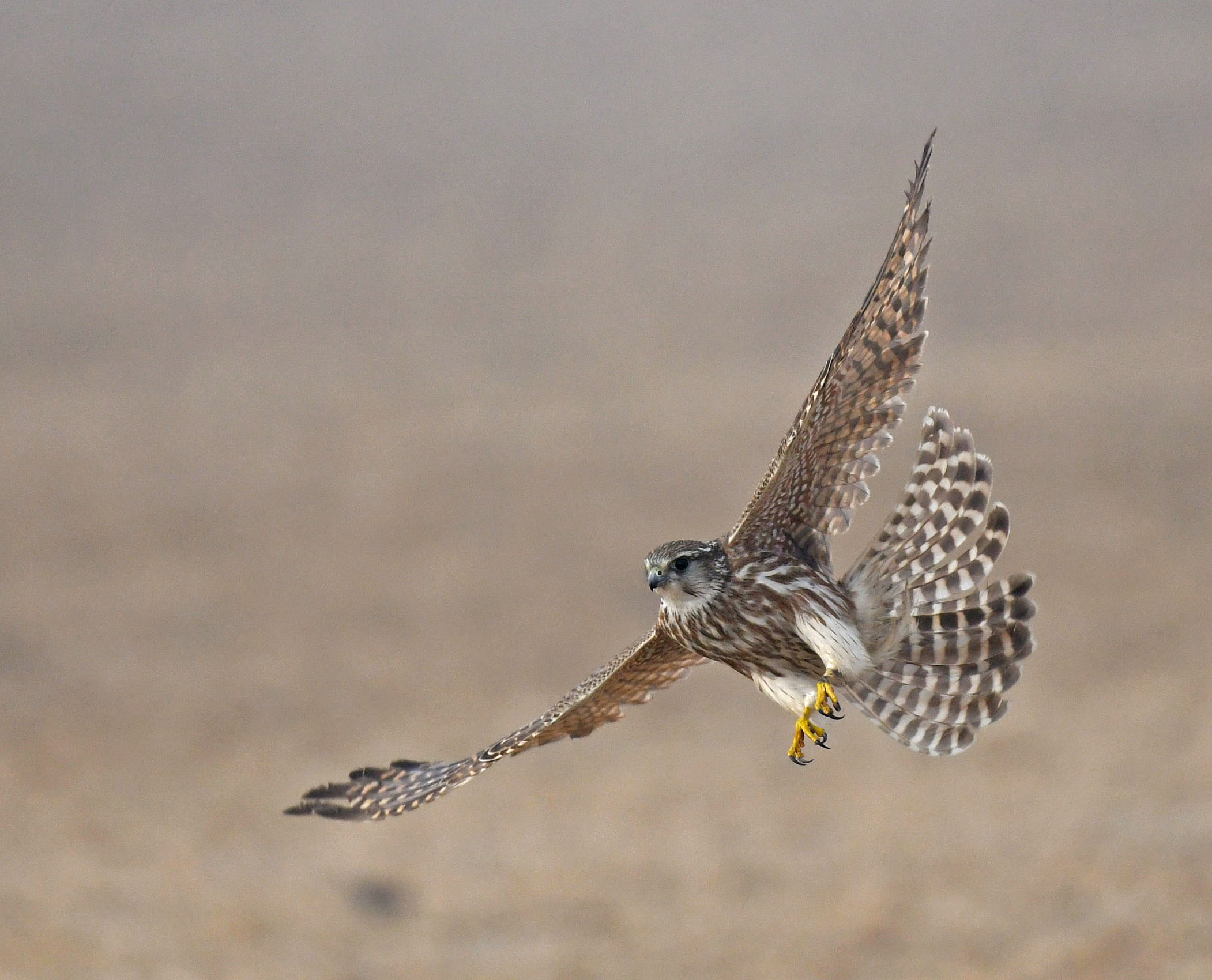
Female
Desert National Park, Rajasthan
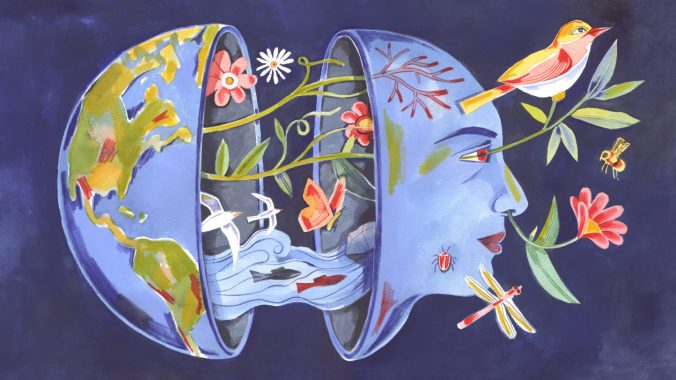
LUISA RIVERA / YALE E360
Thanks to Carl Safina for this opinion:
Protecting Earth: If ‘Nature Needs Half,’ What Do People Need?
The campaign to preserve half the Earth’s surface is being criticized for failing to take account of global inequality and human needs. But such protection is essential not just for nature, but also for creating a world that can improve the lives of the poor and disadvantaged.
Must nature and civilization be opposing interests? Is nature conservation anti-people? What must be preserved to preserve what needs preserving? Is there a single path that can reverse the three crises of apocalypse: the extinction crisis, the toxics crisis, and the climate crisis? Sixteen ecologists, including me, think the answer to that last question is yes. Continue reading
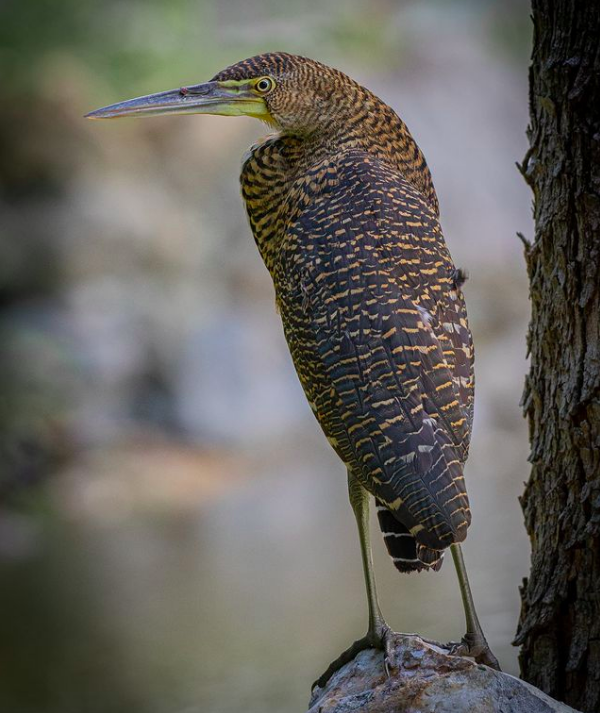
Peten, Guatemala

View of a wind farm in the province of Burgos.
While we were paying attention to many other things over the last decade, Spain transformed into a wind power house. How did we miss it with all the attention we paid to renewable energy? Thanks to El Pais for this news:
Wind power becomes Spain’s leading energy source for 2021
Renewable sources already cover almost half of the country’s consumption needs – so far this year, they have contributed almost 47% of the total compared to less than 30% a decade ago
Even if the wind stops blowing in the next three weeks, wind power will end the year as the leading source of electricity in Spain. Continue reading

Barranguilla, Colombia
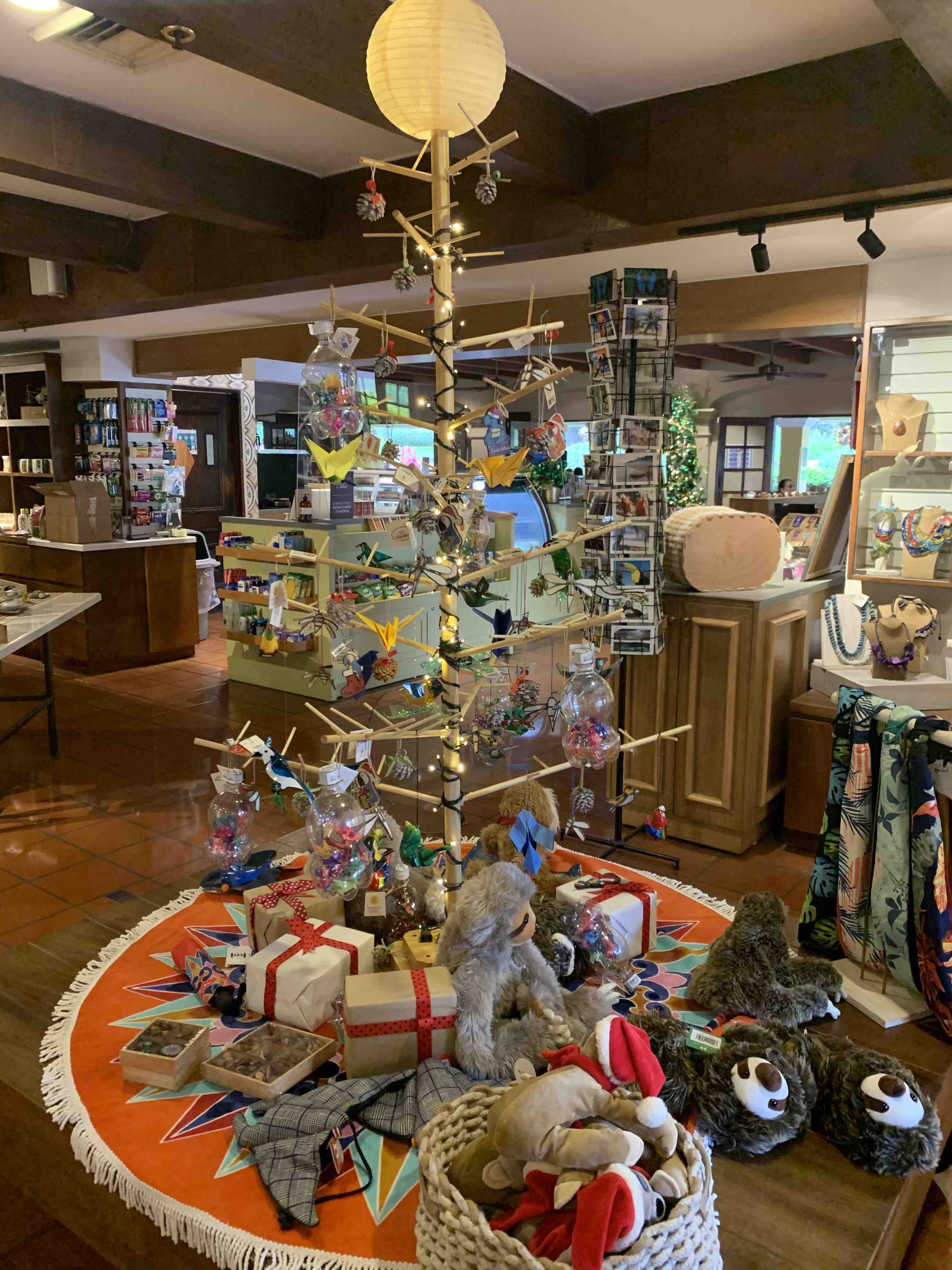
A holiday tree made of recycled wood, displaying ornaments made from recycled other materials
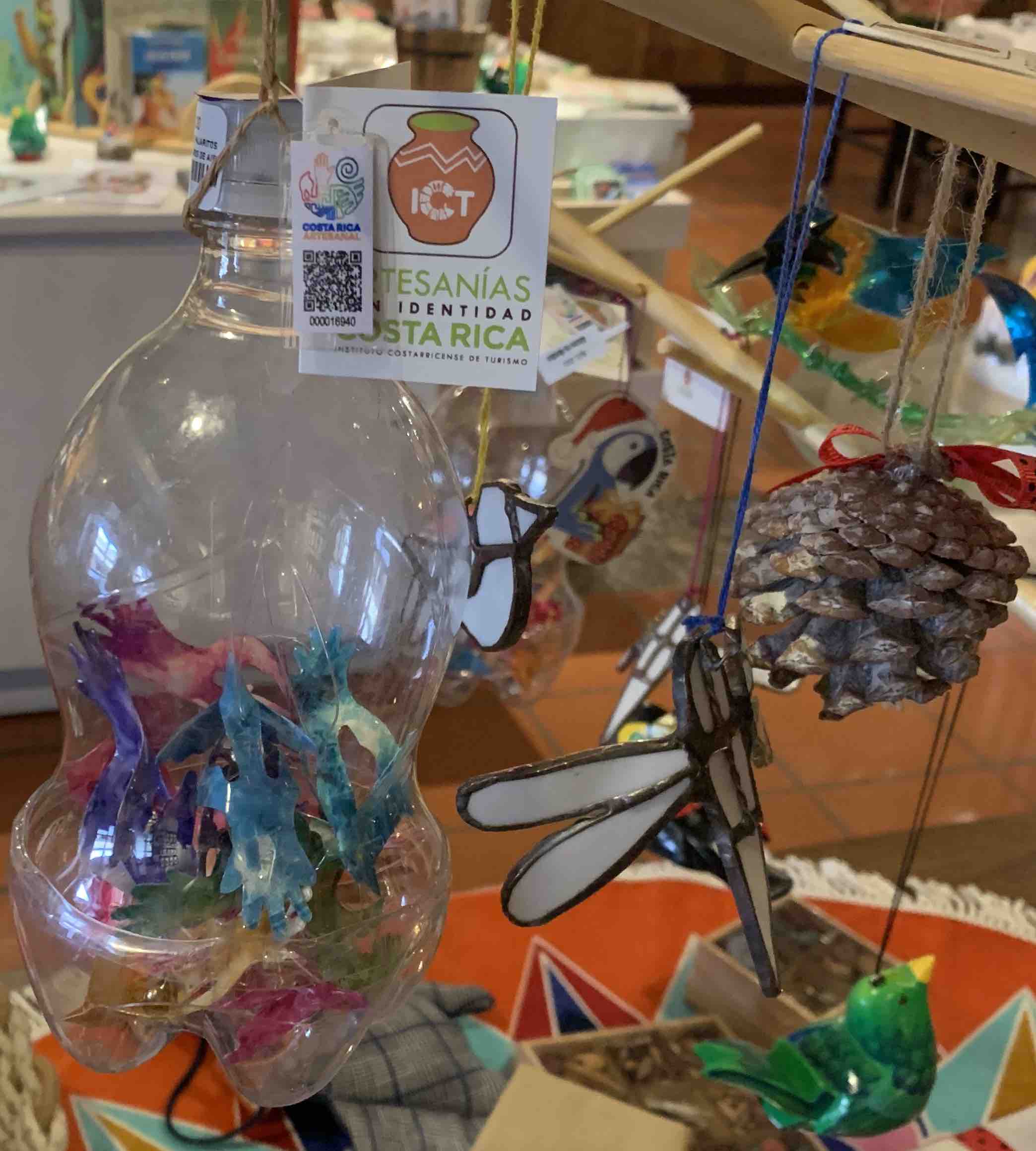 Yesterday, and the day before, and the day before that, I posted on themes that are central to our work with Authentica and Organikos. Recycling creatively is a focal point of that work, as is more careful management of natural resources. The tree in the photo above, and the ornaments adorning it are examples tailored for the holiday season. The bottle full of birds in the image to the right is another example, as are the images below.
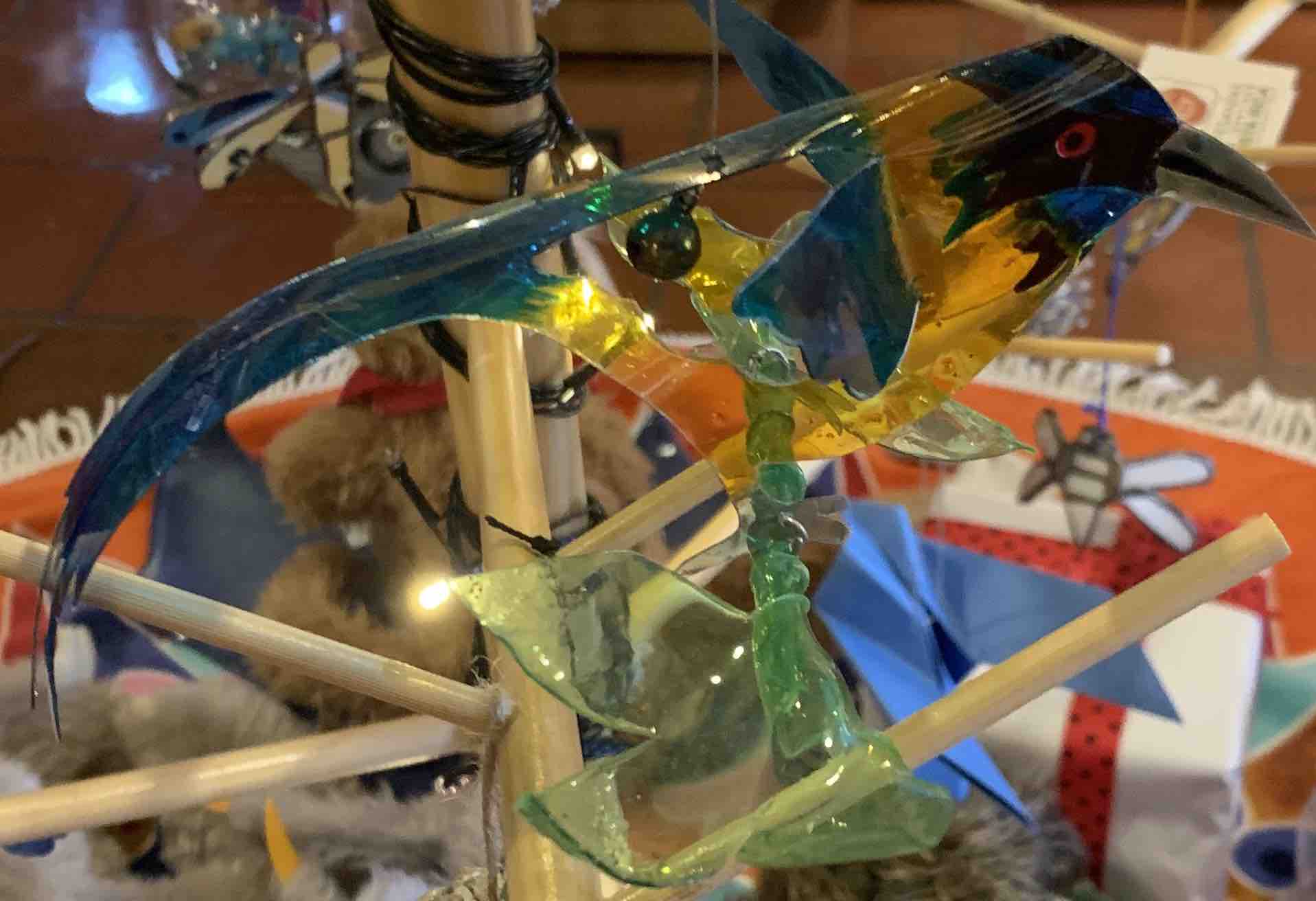
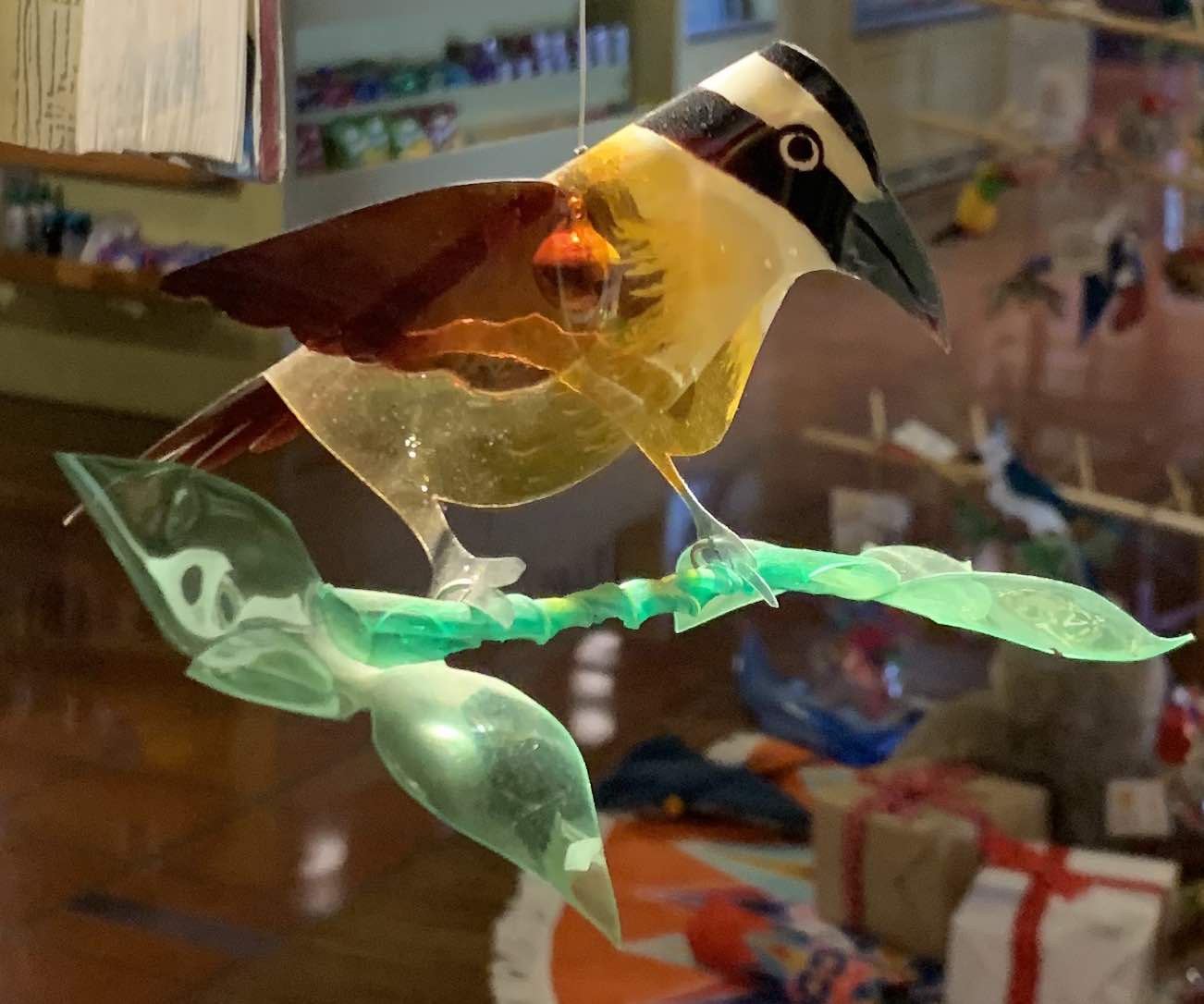 There was an article I posted a couple weeks ago that has been on my mind constantly, wondering how so much plastic can be generated per person. Which raises the question of what we can do about it, apart from the obvious need to reduce the plastic we each are responsible for generating in our daily lives.
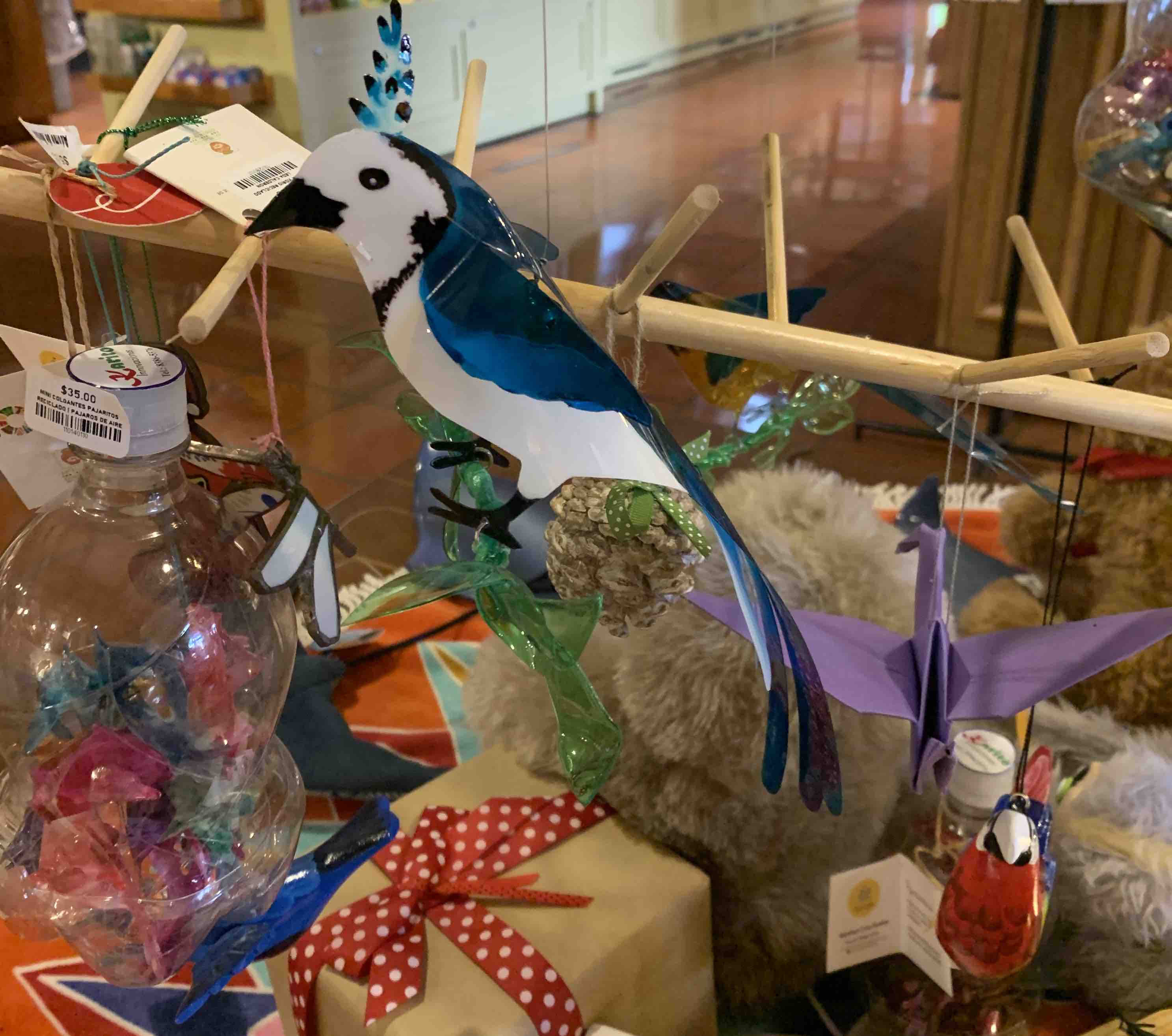
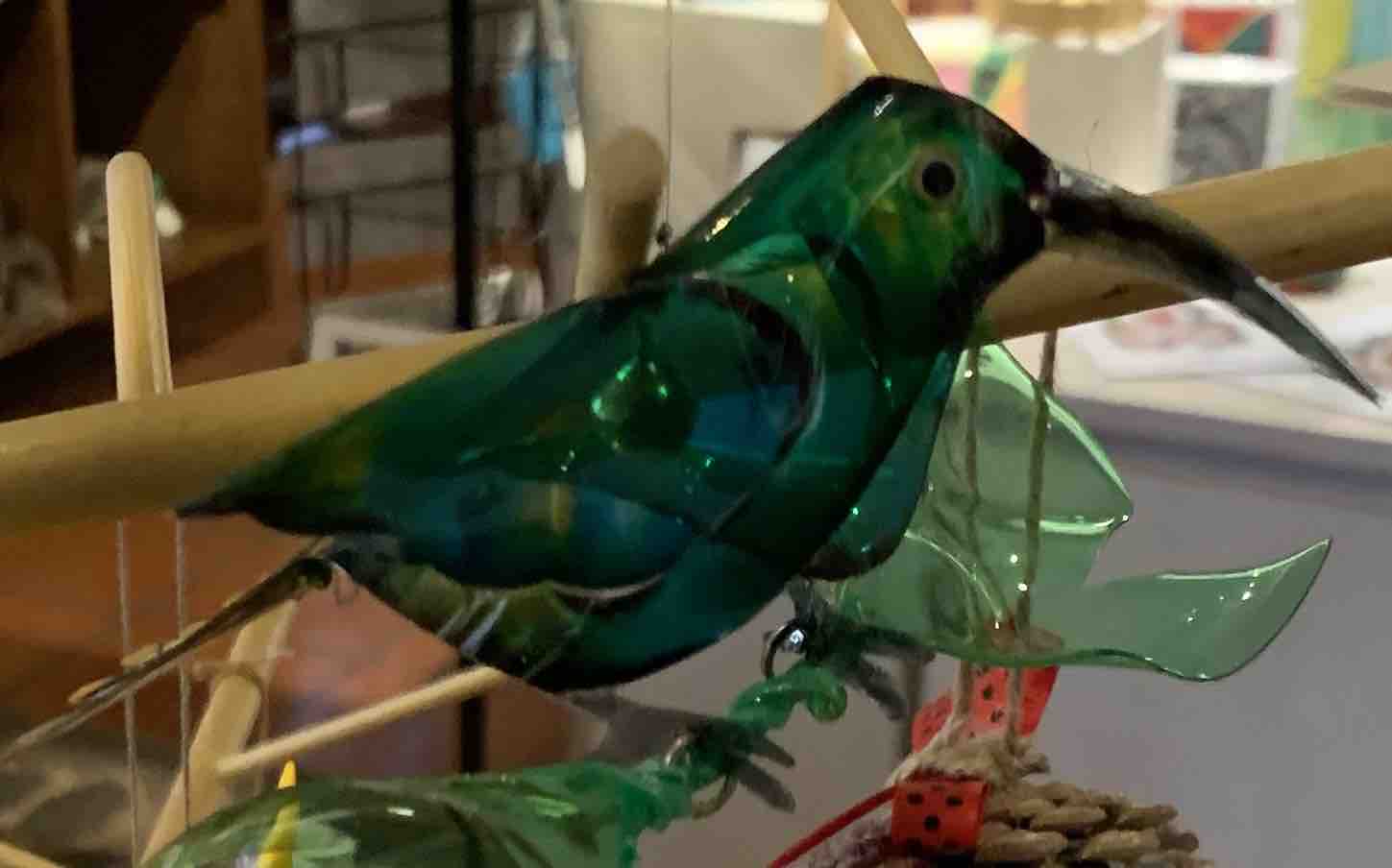 One answer comes from the woman who single-handedly brings plastic waste full circle with her love of birds, for others who love birds. She makes these in a little workshop, and we display them with the same affection with which she crafts them.
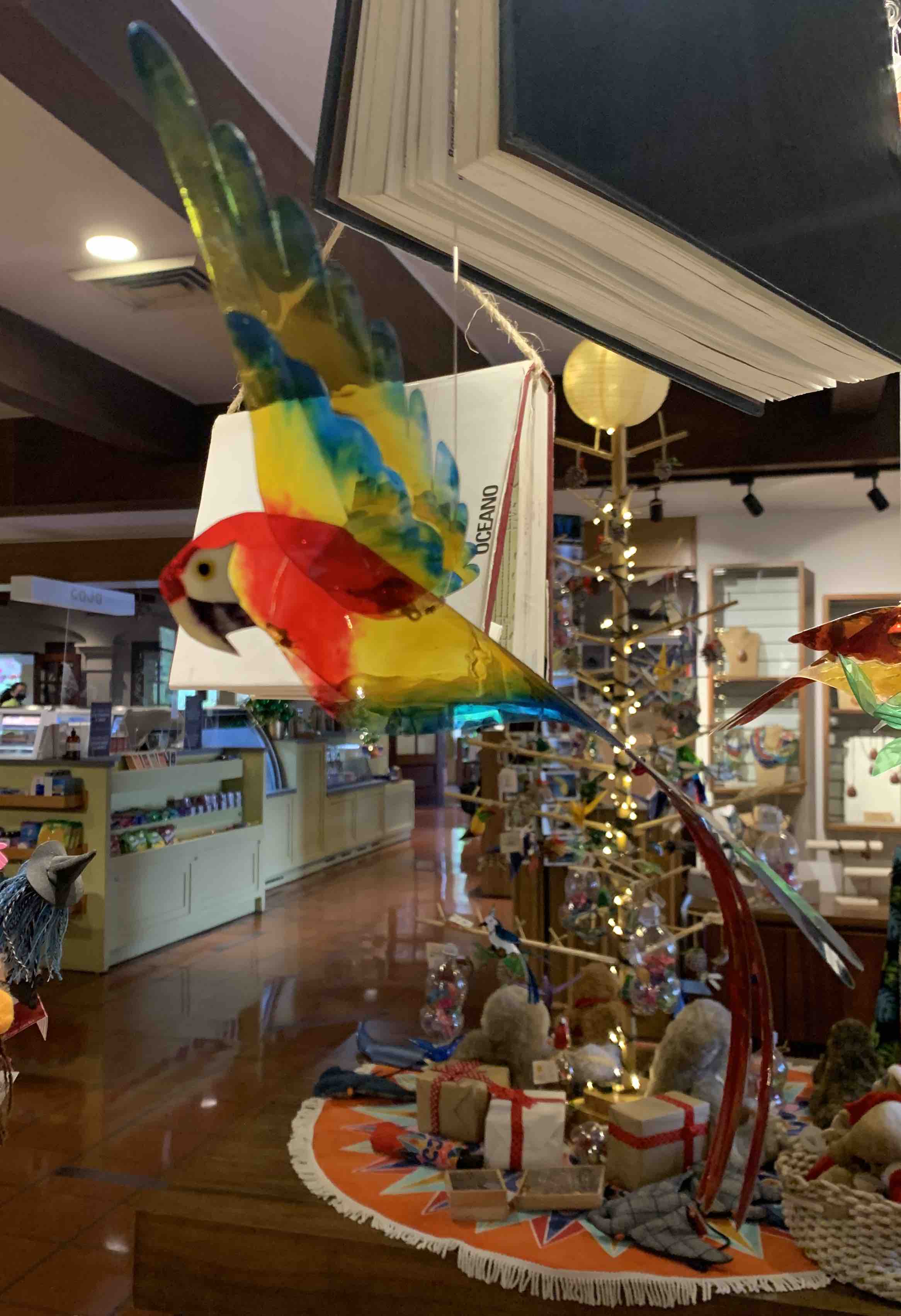
She cleans up her community, removing plastic waste. Instead of sweeping it under the rug, metaphorically speaking, she celebrates the part of nature she cares most about with these striking reminders of our need to reduce. And what’s still leftover, re-use. Creatively.
Etosha National Park, Namibia

Linda Xiao for The New York Times. Food stylist: Maggie Ruggiero. Prop stylist: Sophia Pappas.
In yesterday’s post I shared a photo that offers a kind of poetic symmetry to the photo above, which accompanies Gabrielle Hamilton’s column below. Our urn of wooden pebbles is a twist on the more common offering of polished stones for people to take home from their vacation. First, polished stones do not qualify in any way as sustainable–a non-renewable resource mined in another part of the world becomes a pretty shiny thing that has no connection to the place where it is bought, except that it was bought in that place. The wooden pebbles are a recycled and renewable resource that serves as a reminder not only of Costa RIca, but of the wonder of trees.
The essay, and the fable it is drawing from, talks about villagers adding to the pot what they can spare. Our woodworkers add to the urn what they can spare–leftovers from their woodworking–that made me think of the symmetry. And I just noticed that the only other time we featured one of Gabrielle Hamilton’s essays, the same thing happened with photo symmetry:
What Stone Soup Means to a Seasoned Chef
For Gabrielle Hamilton’s final Eat column, she considers what it takes to feed a village.
Everyone here remembers the story of stone soup. It starts with just a pot of water, and it ends with a flavorful, mighty caldron of soup. There is always a stranger — the one who has nothing but a stone — and some manner of village, with villagers who at first refuse the stranger but who then, finally, make their own contribution to the miraculous, tasty, satisfying end. Continue reading
San Marcos, Guatemala
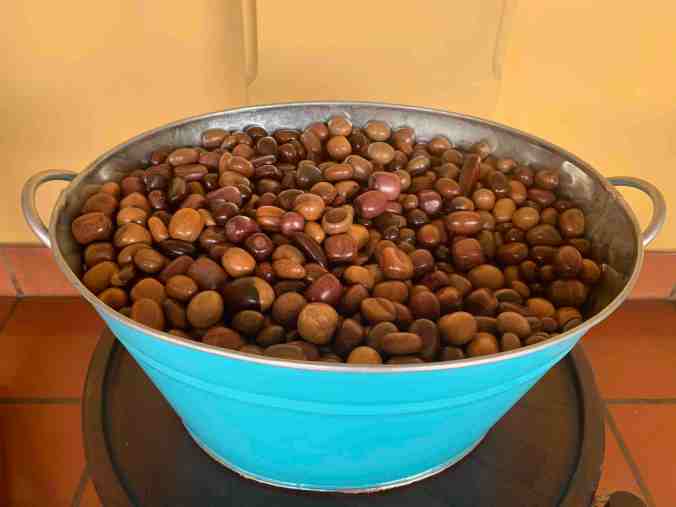
Wood artisans take remainders leftover after the creation of larger artifacts, and recycle them by tumbling until smooth. An excellent alternative to polished stones, these “renewable pebbles” are available in the Authentica shops in Costa Rica.
We have been offering options on how to spend, while visiting Costa Rica, in ways that benefit the environment here. Small potatoes, but it is what we do.
 Much more important for the planet as a whole, and for all humanity inhabiting it, is spending, or rather investing, that can have truly global impact. Robinson Meyer, a staff writer at The Atlantic, and author of the newsletter The Weekly Planet, has this useful guide for citizens of the USA:
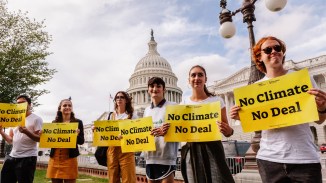
Allison Bailey / NurPhoto / AP
A New Estimate of the ‘Most Effective’ Way to Fight Climate Change
Climate-concerned donors should focus on helping to pass climate policy, not offset their emissions, an advisory group says.
On a dollar-for-dollar basis, where will your money do the most to fight climate change? Continue reading
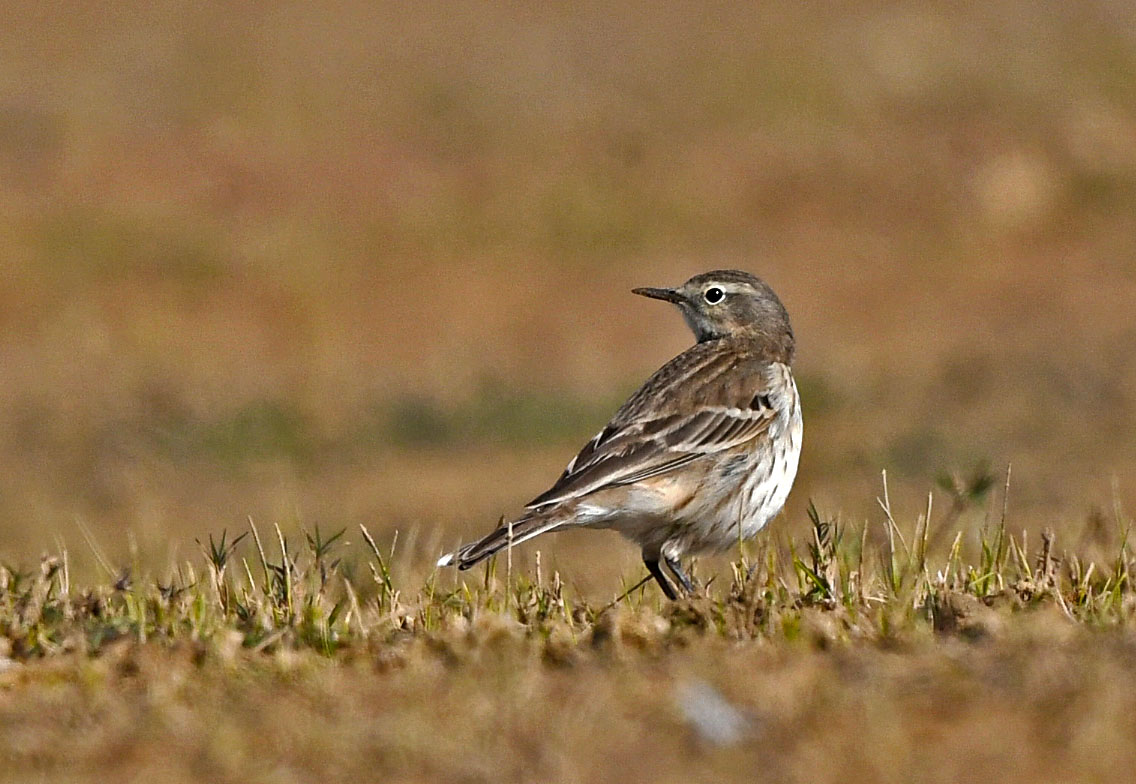
Desert National Park, Rajasthan
If you have visited Costa Rica, or been fortunate enough to live here, you might have already become entangled with the country’s many opportunities to support conservation. For many decades foreigners have been welcomed to join in the country’s marine and terrestrial conservation initiatives. Many of those foreigners adopt the country as home after getting entangled in all kinds of good ways.
The first eight minutes of the video above are bliss: several young people are introduced, each of whom has become entangled. Along with those introductions, some stunning photography and videography showcasing Costa Rica’s nature, helping you to understand the entanglement. At 8:14 you see the dictionary definitions of entangled. The next 17 minutes are a case study in industrial fishing’s unintended consequences. Not surprisingly, this has already received lots of awards, but they ask you to share freely, so please do. And if you want to support financially, that will be appreciated as well.
Etosha National Park, Namibia
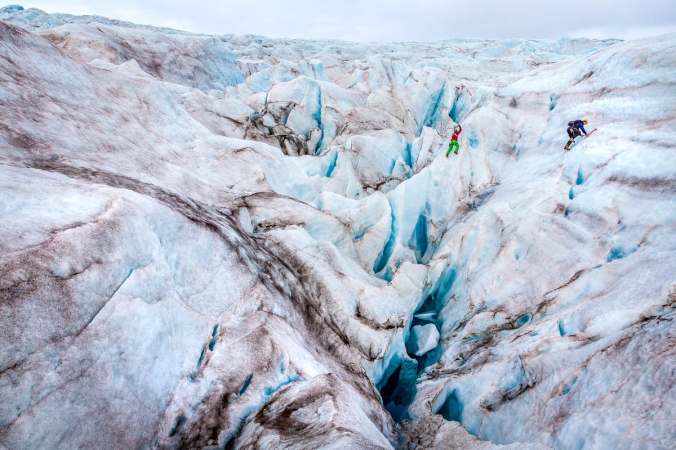
Among the land-based activities available on Svalbard, glacier hiking and ice climbing are perhaps the most challenging — and rewarding. Just watch where you put your feet and your ice axe.
Starting 7+ years ago, each previous mention of Svalbard in our pages has focused on the vault until an article two years ago got us to look up and around. Now again this week we have good reason for looking beyond the vault. Marcus Westberg wrote an article, with stunning photos he took, Bearing Witness to Svalbard’s Fragile Splendor:
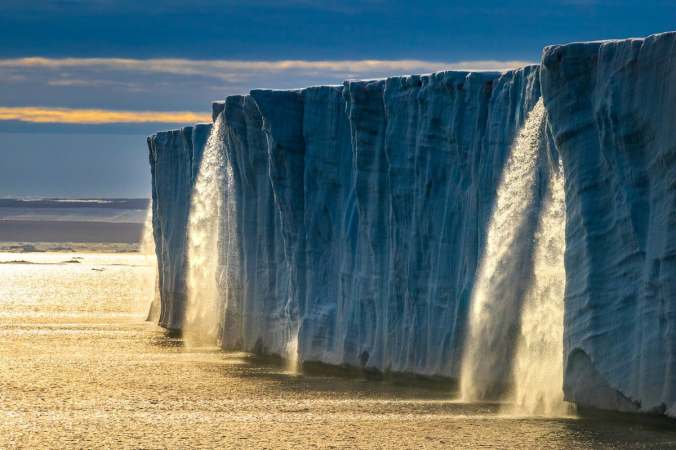
The strong summer sun melts the top layer of ice on Austfonna, Svalbard’s largest ice cap and Europe’s third-largest glacier, creating myriad gushing waterfalls.
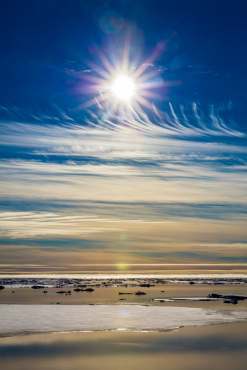
A never-setting sun very quickly muddles one’s ability to tell time. This photograph was taken just before 11 p.m.; without a watch and regular mealtimes I could have easily mistaken it for any other time of day.
To visitors, the Norwegian archipelago can seem both ethereal and eternal. But climate change all but guarantees an eventual collapse of its vulnerable ecosystem.
Mesmerized, I would lean against the railing at the front of the ship, alone, for hours on end. Over the course of 10 days, no two moments were the same. The Arctic world was constantly shifting and changing around me as we slowly made our way through ice and open sea, past whales, walruses, birds and bears.
Except to keep track of mealtimes, watches were irrelevant; in the summer, this far north of the Arctic Circle, the sun never goes anywhere near the horizon. Continue reading


 Organikos