Bewilderment & Richard Powers In Conversation

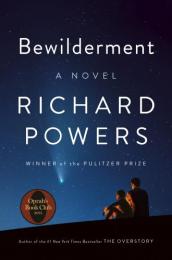
When I first linked to the work of Richard Powers it was when his previous book was being reviewed. Now he has a new book out, and from the conversation that follows it sounds like this one is a very good bookend to that one:

Richard Powers on What We Can Learn from Trees

The Pulitzer Prize-winning author asks whether we can reimagine our relationship with the natural world before it’s too late.

There are certain conversations I fear trying to fit into a description.

Continue reading

The Nature Conservancy’s 2021 Global Photo Contest Winners

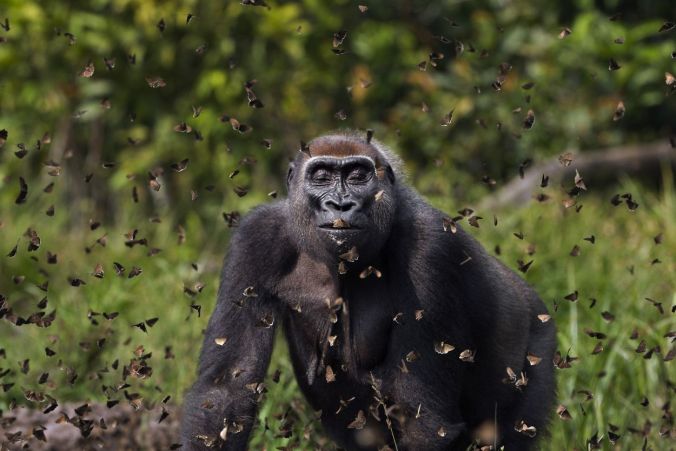
MALUI Western lowland gorilla female ‘Malui’ walking through a cloud of butterflies she has disturbed in a bai. Bai Hokou, Dzanga Sangha Special Dense Forest Reserve, Central African Republic. December 2011. © Anup Shah/TNC Photo Contest 2021

There are several annual photo contests that we have been following over the years. Thanks to The Nature Conservancy for convening this one:

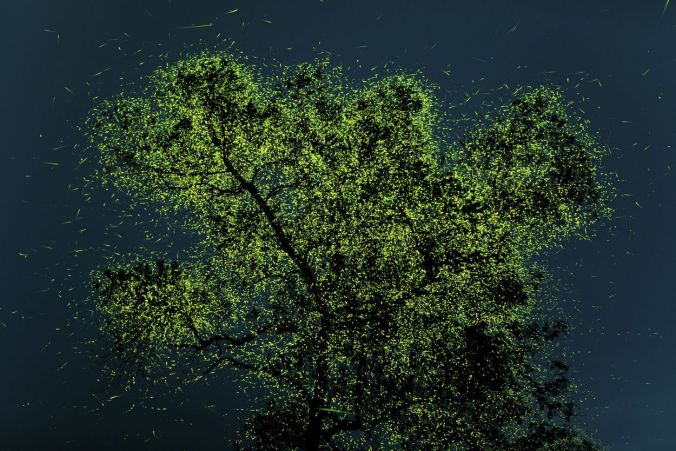
FIREFLIES Just before Monsoon, these fireflies congregate in certain regions of India and on a few special trees like this one, they are in crazy quantity which can range in millions. © Prathamesh Ghadekar/TNC Photo Contest 2021

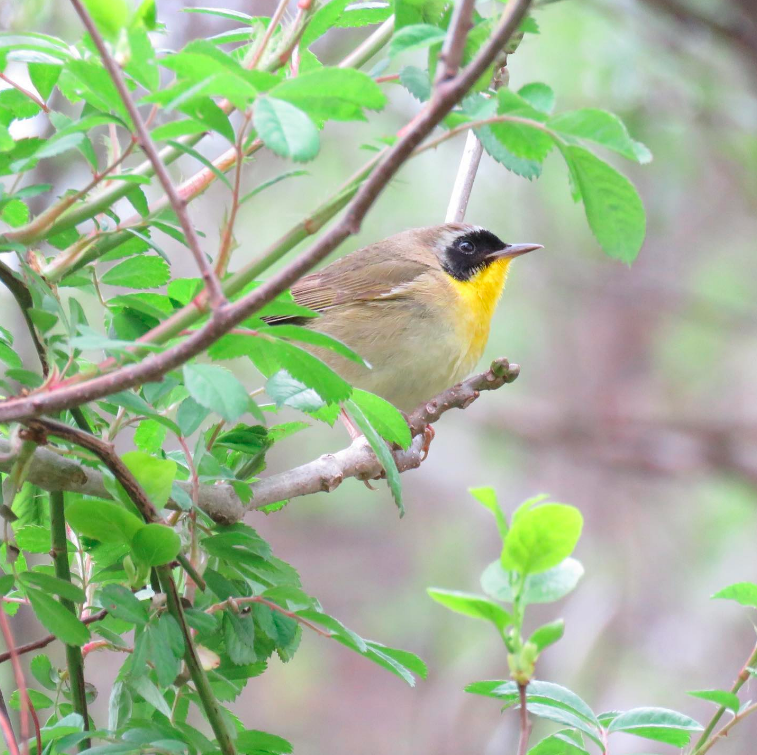
Richard Prum In Conversation With Tyler Cowen

We linked to one of Richard Prum’s books more than four years ago, then he was mentioned in a couple posts, each with small quotes based on his expertise. Here he is in conversation with someone who clearly appreciates his work and who knows how to ask good questions:

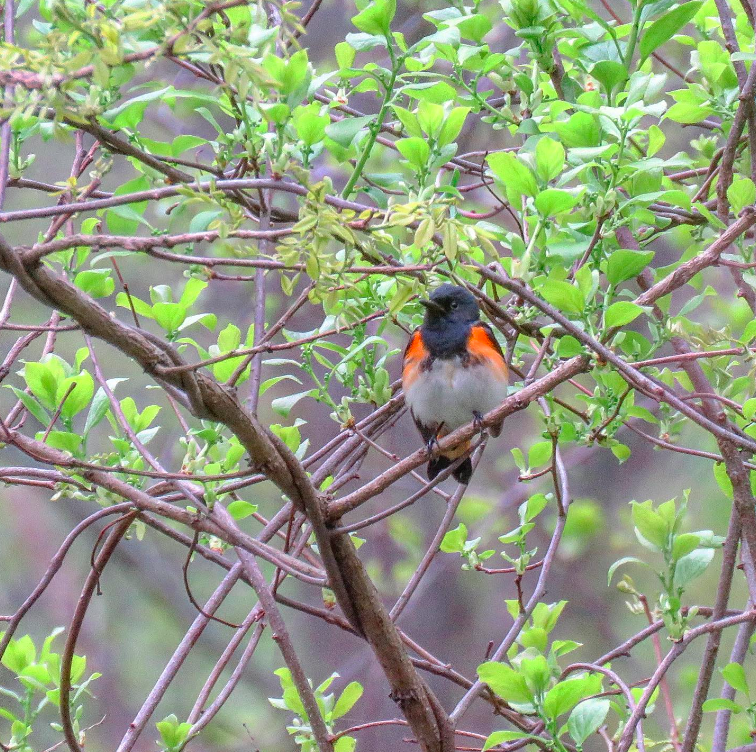
Richard Prum really cares about birds. Growing up in rural Vermont, he didn’t know anyone else interested in birding his own age. The experience taught him to rely on his own sense of curiosity and importance when deciding what questions and interests are worth studying. As a result, he has pursued many different paths of research in avian biology — such as behavioral evolution, where feathers come from, sexual selection and mate choice — many of which have led to deep implications in the field. In 2017, Tyler agreed with several prominent outlets that Prum’s book The Evolution of Beauty was one of the best books of the year, writing that it “offers an excellent and clearly written treatment of the particulars of avian evolution, signaling theory, and aesthetics, bringing together some disparate areas very effectively.” Continue reading

An Illustrated Catalog of American Fruits & Nuts


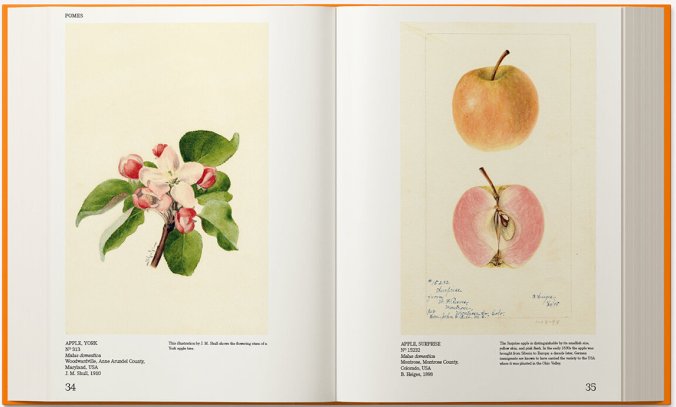
At 384 pages, with over 300 color illustrations, this illustrated catalog looks like the coffee table book of the year for any agriwonk, especially those who have been planting fruit and nut trees in the last year or so:

The United States Department of Agriculture Pomological Watercolor Collection encompasses over 7.500 botanical watercolor paintings of evolving fruit and nut varieties, alongside specimens introduced by USDA plant explorers from the late 19th and early 20th centuries. Assembled between 1886 and 1942, the collection’s remarkable, botanically accurate watercolors were executed by some 21 professional artists (including nine women). Authored largely before the widespread application of photography, the watercolors were intended to aid accurate identification and examination of fruit varietals, for the nation’s fruit growers. Continue reading

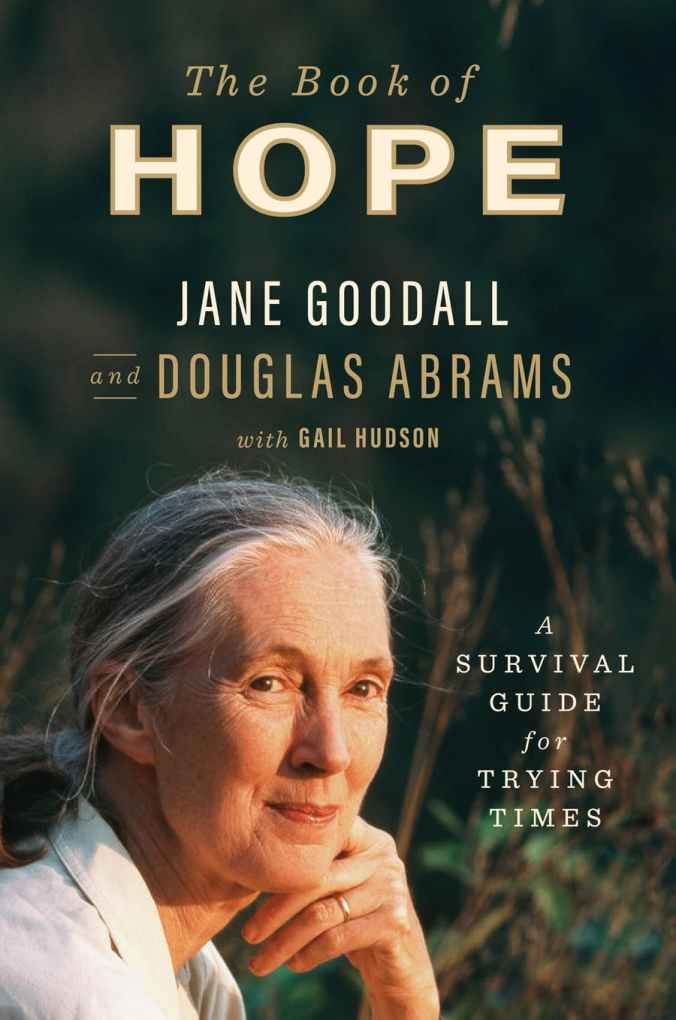
Jane Goodall & The Book Of Hope

Click above to go to the publisher’s blurb about the book, and click below for the article Anna Russell, a wonderful writer in her own right, offers about the book and its subject:

Jane Goodall’s Survival Guide

The eighty-seven-year-old naturalist knocks around her home on the south coast of England and explains why, despite the floods and fires and melting ice caps, she’s still optimistic about planet Earth.

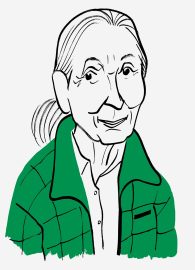
Jane Goodall Illustration by João Fazenda

Before the pandemic, Jane Goodall travelled three hundred days a year to speak to audiences about the climate crisis. “I used to do, like, three days in the Netherlands, three days in Belgium, three days in France,” Goodall, who is eighty-seven, recalled recently. In China or Australia, “it would be, like, two weeks, where they’d spread me through their country.” Everywhere she went, she met young people who were “angry, depressed, or just apathetic, because, they’ve told me, we have compromised their future and they feel there is nothing they can do about it,” she writes in her twenty-first and most recent work, “The Book of Hope: A Survival Guide for Trying Times.” Amid flooding and wildfires, impassivity and eco-grief, the question she was asked most often was “Do you honestly believe there is hope for our world?” Continue reading

Fuzz, Author Interview

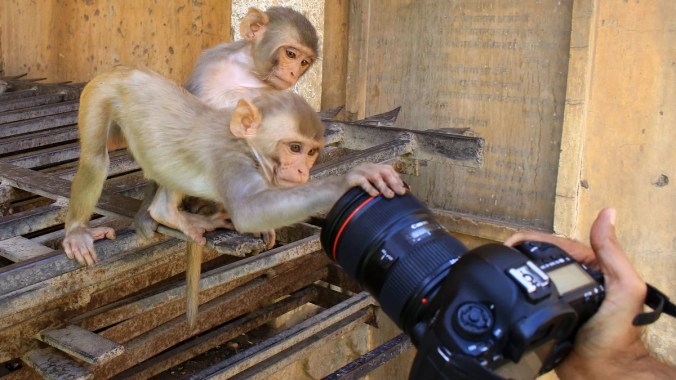
Macaques check out a camera in Galtaji Temple in Jaipur, India. Monkeys have been known to sneak into swimming pools, courts and even the halls of India’s Parliament. One attorney told author Mary Roach about a macaque that infiltrated a medical institute and began pulling out patient IVs. Vishal Bhatnagar/NurPhoto via Getty Images

This conversation with the author Mary Roach is plentiful with surprises about the human-animal interface, occasionally unfortunate and sometimes hilarious:

Fuzz: When Nature Breaks the Law by Mary Roach. Penguin Random House

Animals living among us often ignore the rules we try to impose on them. Science writer Mary Roach experienced this firsthand when a group of macaque monkeys accosted her in India.

“I was kind of asking for it,” Roach admits. “I walked up this trail where I knew there were a lot of macaques, and I walked up holding a bag of bananas.”

At first, nothing happened. Then Roach saw a monkey pop its head up from behind a boulder, “kind of like the bandits waiting for the stagecoach.” Continue reading

Perfume & Museum

General view of the International Perfume Museum’s gardens in Grasse. “The same rose or the same jasmine grown in Egypt or Morocco, it will be different from the rose grown in Grasse,” head gardener Christophe Meze says. “It’s like wine, you can have the same type of grape, but you won’t have the same wine because of the sun, because of the soil, because of the terroir.” Bénédicte Desrus for NPR

Perfume appeared early in our pages mostly due to their botanical intrigue–but has only been an occasional topic since then. This story of how the perfume trade developed (if the topic is of greater interest see Chandler Burr’s The Emperor of Scent) in Grasse is a fine fit with our interest in unusual museums and the intersection of farming and innovation:

In France’s Perfume Capital Of The World, There’s A World Of Beautiful Fragrance

Perfume flower grower Pierre Chiarla picks jasmine flowers in his field in Grasse, France. Bénédicte Desrus for NPR

GRASSE, France — The town of Grasse sits in the hills above the more famous French Riviera city of Cannes, and it doesn’t have the Mediterranean Sea at its doorstep. What it does have is fields of flowers — jasmine, May rose, tuberose, lavender. It is known as the perfume capital of the world.

It wasn’t always this way. Back in the 18th and 19th centuries, the industry took off in Grasse in part because this was an absolutely putrid-smelling town. Continue reading

Barefoot In The Park A Long, Long Time Ago

The Economist brought this to our attention with a brief mention that An old lake bed reveals evidence of America’s first inhabitants – They walked there at least 23,000 years ago. We followed that up with a search on the topic that led to this further detail in the Cornell Chronicle:

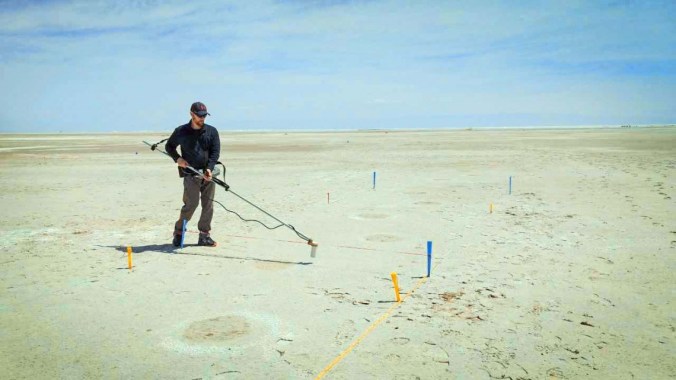
David Bustos/Provided. Thomas Urban conducts magnetometer survey of mammoth footprints at White Sands.

Earliest evidence of human activity in the Americas found

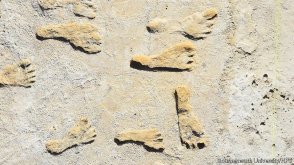
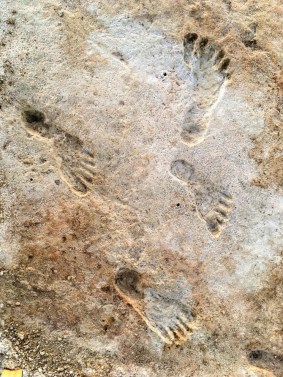
Provided. Footprints found at White Sands National Park in New Mexico, providing the earliest evidence of human activity in the Americas.

Footprints found at White Sands National Park in New Mexico provide the earliest unequivocal evidence of human activity in the Americas and offer insight into life over 23,000 years ago.

The footprints were formed in soft mud on the margins of a shallow lake that now forms part of Alkali Flat, a large playa at White Sands. Researchers from the U.S. Geological Survey dated these tracks using radiocarbon dating of seed layers above and below the footprint horizons. The dates range in age and confirm human presence over at least two millennia with the oldest tracks dating from around 23,000 years ago, Continue reading

Save The Waves @ Arroyo San Miguel

The young man who we met 15 years ago is going strong. Save The Waves Coalition has pulled off another small miracle:

SAN MIGUEL SURF BREAK PROTECTED WITH LANDMARK CREATION OF BAJA CALIFORNIA’S FIRST STATE PARK

Save The Waves Coalition and Pronatura Noroeste achieve approval for Arroyo San Miguel

In a historic moment for environmental and surf conservation, the first state park in Baja California, Mexico was officially approved, providing long-lasting protection for the iconic San Miguel wave alongside 67 hectares of green space.

The local initiative spearheaded by Pronatura Noroeste AC, and joined by international nonprofit Save The Waves Coalition (STW), has been in the works for years. Today, the campaign to legally protect San Miguel becomes a reality. Continue reading

How To Define Species

During the most recent ice age, glaciers divided an ancestral population of crows; one group became all-black carrion crows, the other hooded crows with gray breasts and bodies. Illustrations by François-Nicolas Martinet / Alamy

Protecting species from extinction has been a running theme in our pages over the years. Underlying these many stories was an assumption, at least on our part, that defining boundaries between species is settled science. We will no longer take that for granted:

Where Do Species Come From?

By studying crows, a German biologist has helped to solve a centuries-old mystery.

The evolutionary biologist Jochen Wolf was working from home when we first spoke, in April, 2020. Germany was under lockdown, and his lab, at Ludwig Maximilian University, in Munich, had been closed for weeks. Still, a reminder of his research had followed him from the office. “I have a crow nest right in front of me,” Wolf said, from his rooftop terrace. The nest was well hidden at the top of a tall spruce tree. Through the branches, Wolf could see a female crow sitting on her eggs. Continue reading