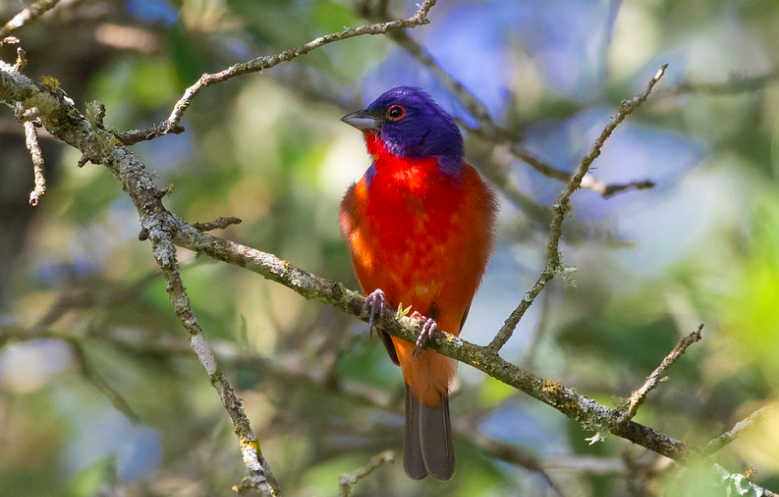
Southwest Regional Park, TX
Southwest Regional Park, TX
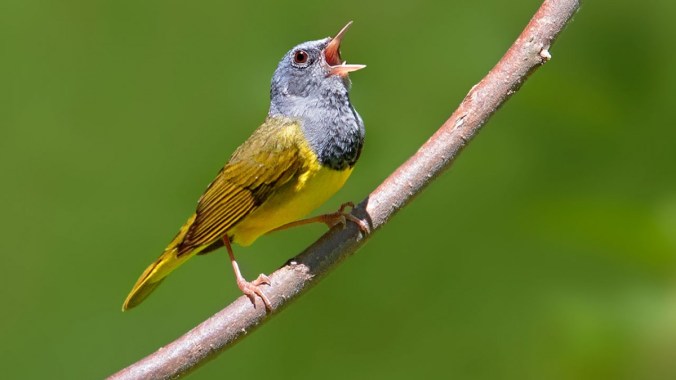
Mourning Warbler. Guillermo Santos/Provided
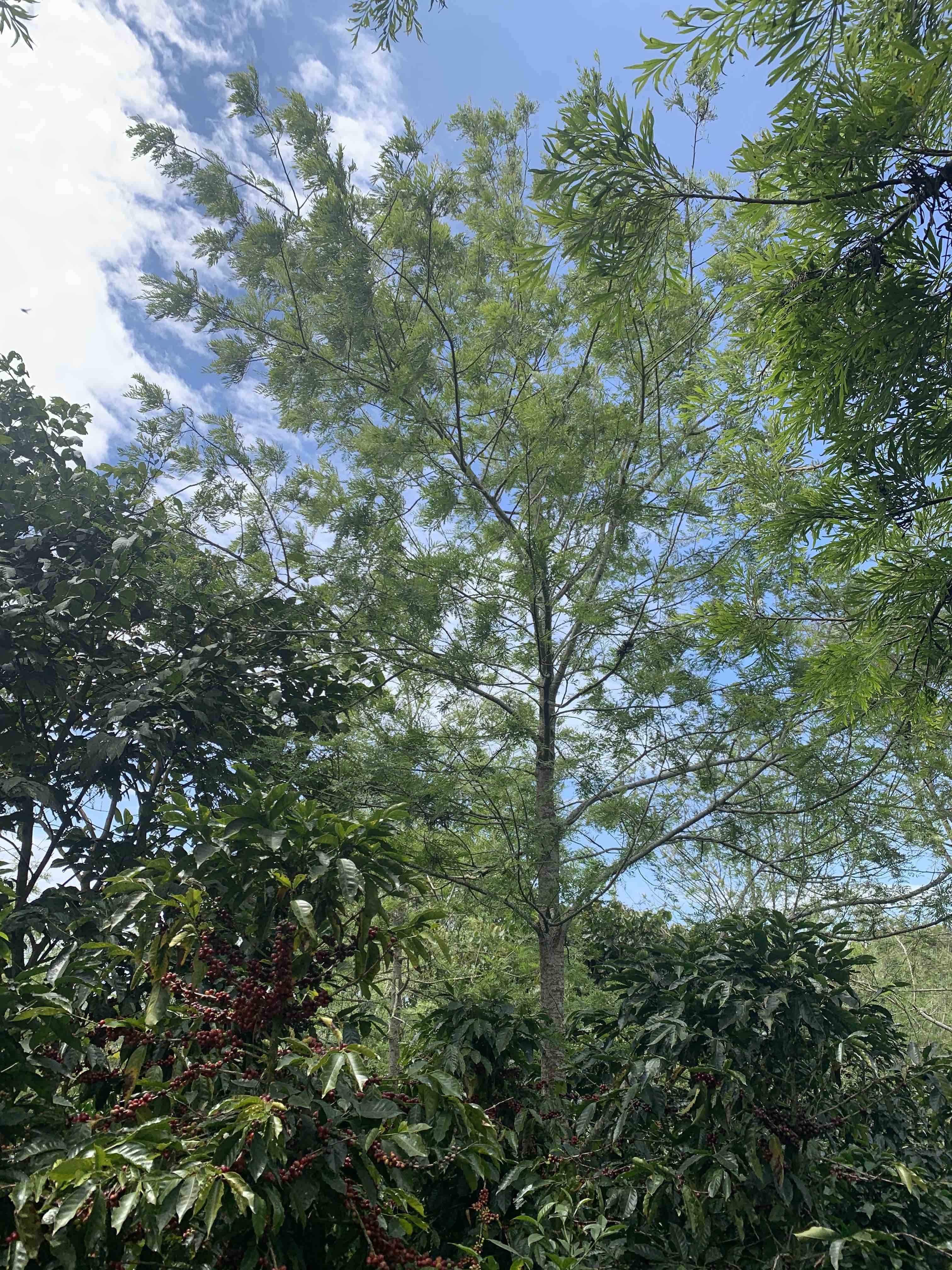
Villa Triunfo, final day of 2021 harvest
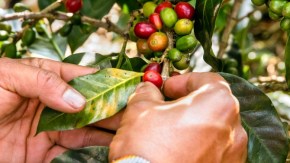
We recently visited Villa Triunfo, on the last day of the harvest. I have not yet had time to post the photos and video from that visit, but to the left is an image from that day. As interesting as the coffee varietals growing on this estate are the trees that shade the coffee, fix nitrogen in the soil, and provide compostable material to further enrich the soil. We chose to offer this coffee primarily for the taste, but the shade trees were part of our decision, given our commitment to support bird-habitat regeneration.
To my surprise, this recent finding by a team of researchers from the Cornell Lab of Ornithology and Virginia Tech tells me that we need to do much more to promote the benefits of shade-grown coffee, not only for its impact on taste:
Shade-grown coffee could save birds, if people drank it
Shade-grown coffee beans. Guillermo Santos/Provided
Shade-grown coffee has big benefits for bird conservation, but the message may not be getting through to the people most likely to respond – birdwatchers.
A team of researchers from the Cornell Lab of Ornithology and Virginia Tech surveyed birdwatchers to learn if they drank shade-grown coffee and, if not, why not. Continue reading
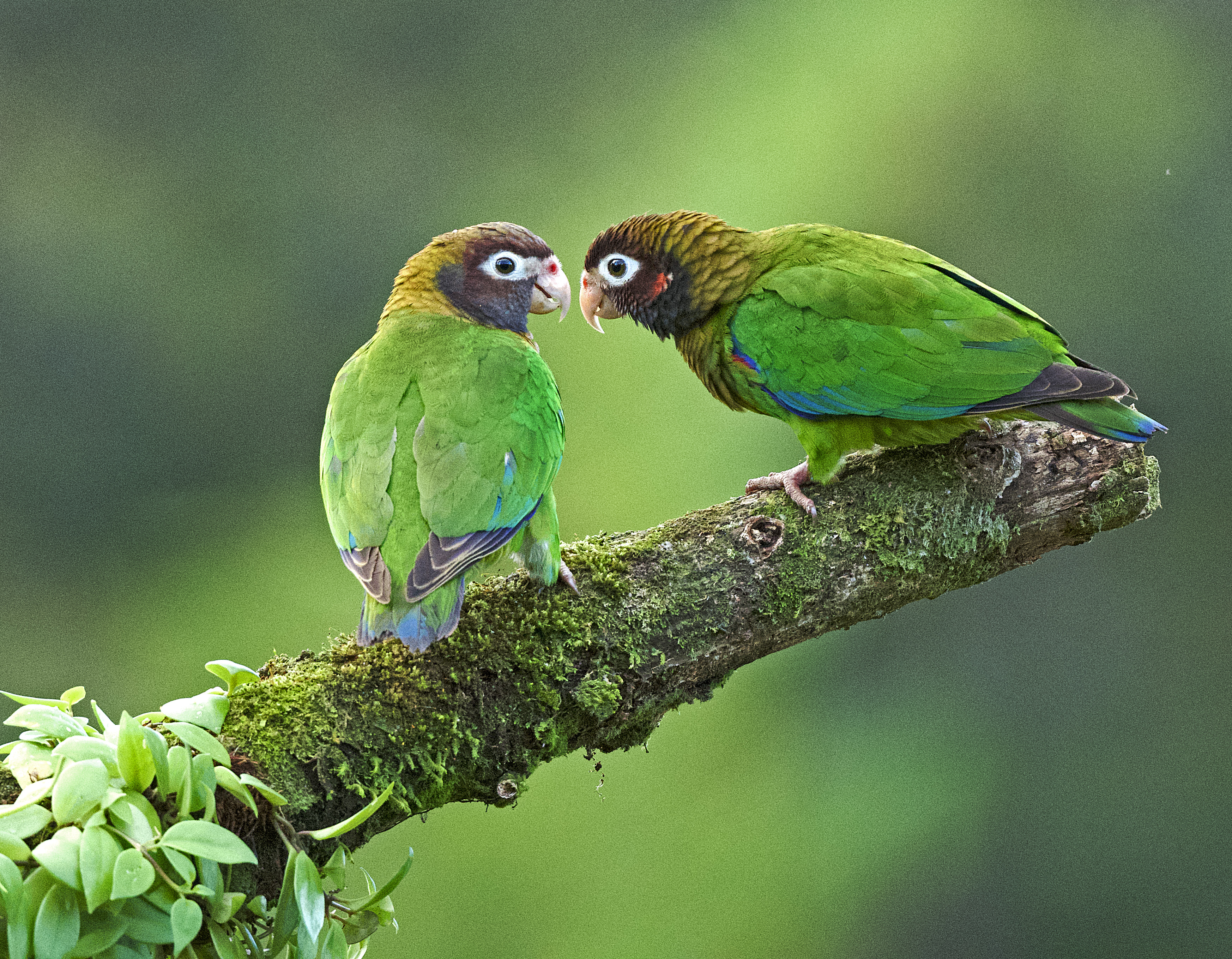
Boca Tapada de San Carlos, Costa Rica
It has been some time since we featured a story about creative new methods by which indigenous communities protect their heritage, and The Field Museum (Chicago, USA) offers this exhibit to demonstrate new ways of presenting that heritage:
Listening to many stories
For many years, Native American communities weren’t given the opportunity to tell their own stories in museums. Apsáalooke Women and Warriors is a step in a new direction. Continue reading
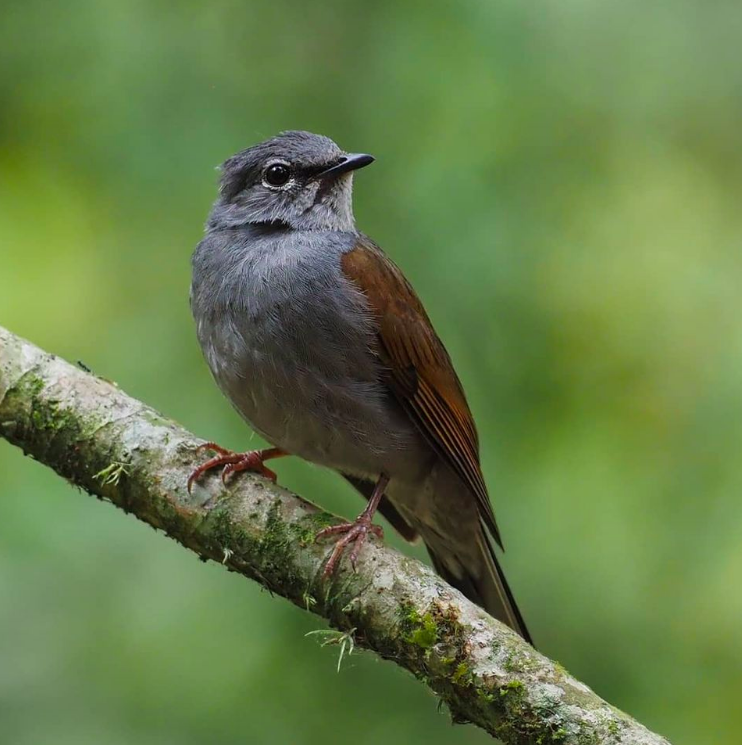
Santa Rosalía, Guatemala
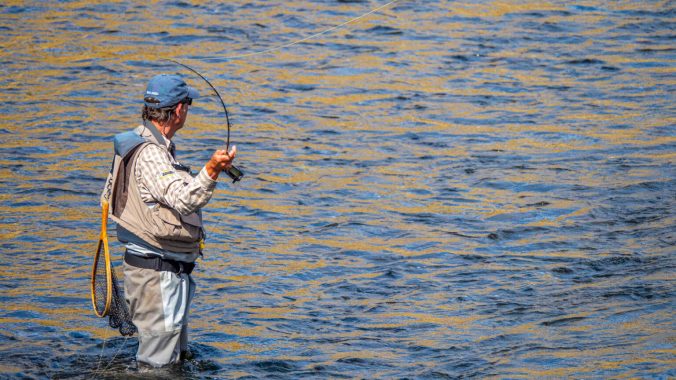
Owner of a fly-fishing lodge worries about fracking: His business can’t survive without clean water.
Thanks to Yale Climate Connections for one more reminder of how many reasons, big and small, we should care more about water:
Why the owner of a Montana fly-fishing lodge is worried about fracking
His business can’t survive without clean water.
Wade Fellin runs a fly-fishing lodge near Montana’s Big Hole River, an area renowned for the sport. Continue reading
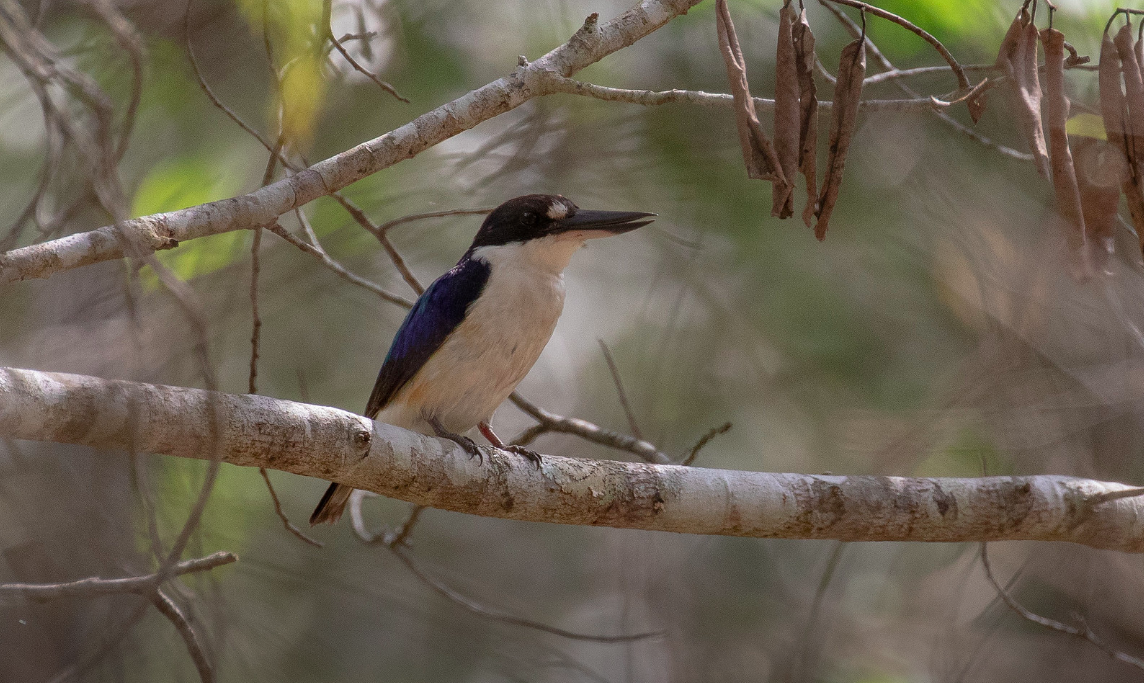
Postman’s Track Lake, Queensland
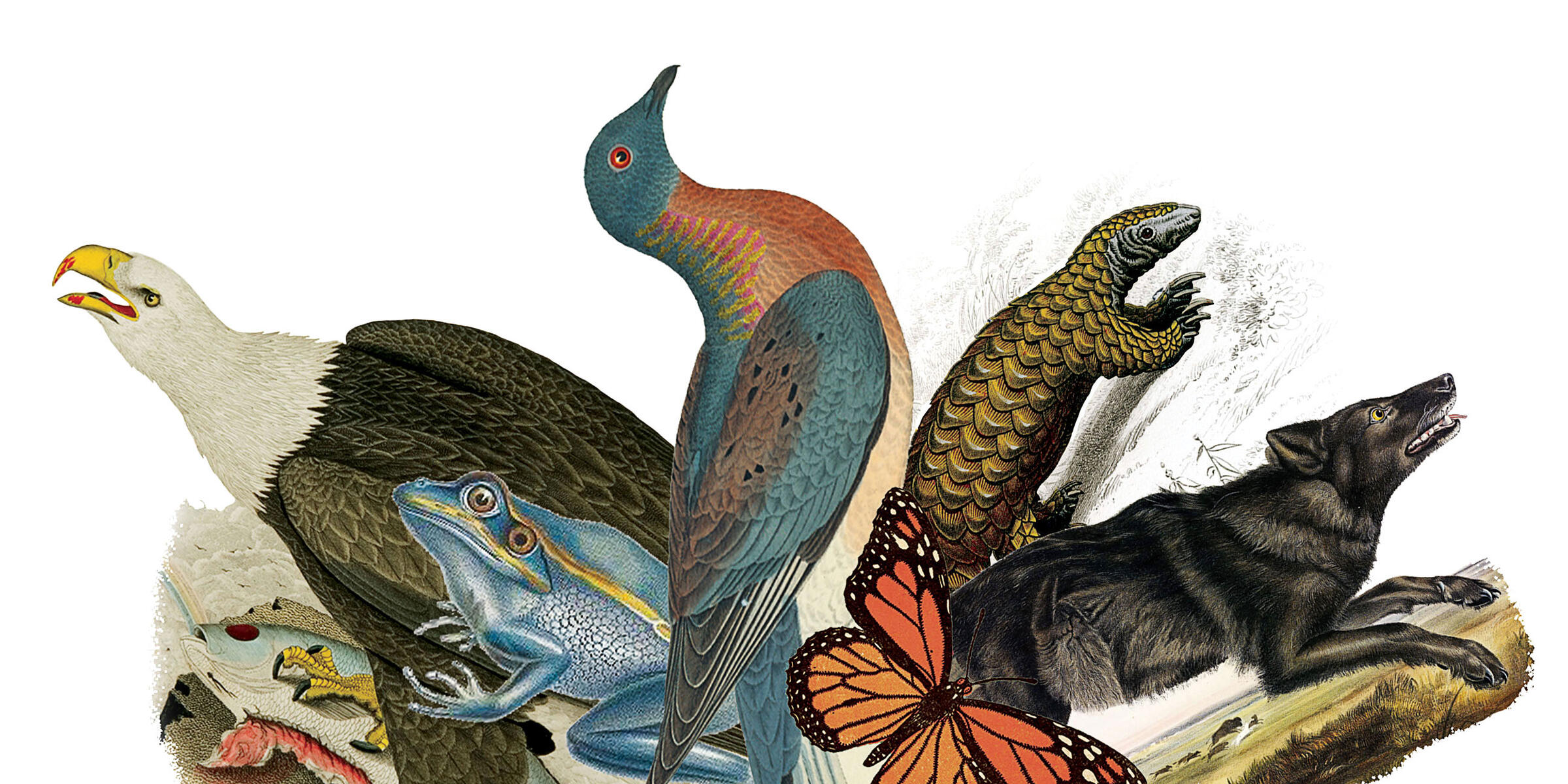
Art from Beloved Beasts by Michelle Nijhuis. Illustration: Courtesy of Norton
My interest in the history of conservation started with the discovery of an archive full of hotel guide books from earlier centuries, which led to another archive full of data about one of the earliest publicly-funded conservation projects, which in turn led to my doctoral dissertation. My particular interest is in the history of both conservation and tourism and their co-evolution over the past century. And this interest seems to run in the family, which might explain where our family’s various entrepreneurial activities have emerged from. All along the way, science writers have been a favorite source of nourishment. I can better understand Michelle Nijhuis‘s two-year hiatus from our pages thanks to Rachel Fritts, Editorial Intern at Audubon magazine, in this author interview:
Capturing the Whole History of Conservationism—for Better and Worse
In her new book ‘Beloved Beasts,’ author Michelle Nijhuis chronicles a movement dedicated to the ‘preservation of possibility.’
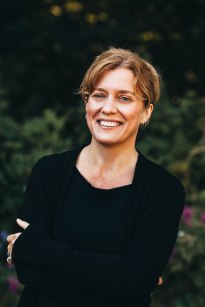
The author, Michelle Nijhuis. Photo: Seed Photography
Veteran science journalist Michelle Nijhuis has been writing about conservation for more than two decades. Her work on topics ranging from climate change to humans’ relationships with other species regularly appears in publications such as the New Yorker and The Atlantic. In her hotly anticipated new book, released March 9, Nijhuis sets out to tell the definitive history of the effort she dedicated her career to chronicling.
Beloved Beasts: Fighting for Life in an Age of Extinction turns an exacting eye on the history of conservationism, emphasizing the movement’s interconnectedness and complexity. Nijhuis takes the reader on a journey through time, from the plains bisons’ brush with extinction in the 1800s, to the community conservancies preserving wildlife in modern-day Namibia. Continue reading
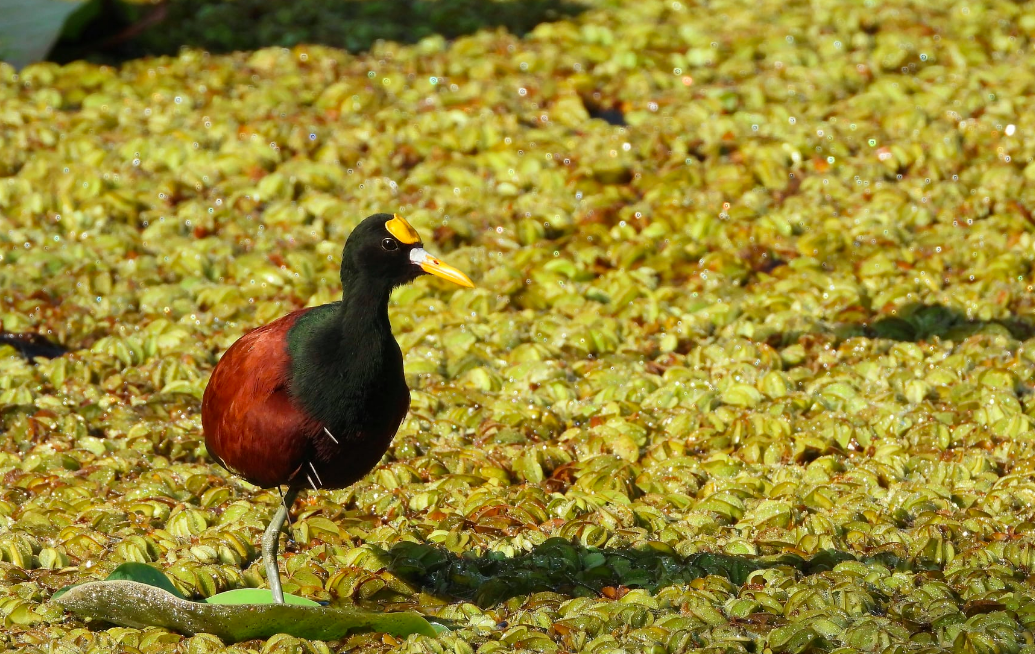
Macaw Lodge, Costa Rica
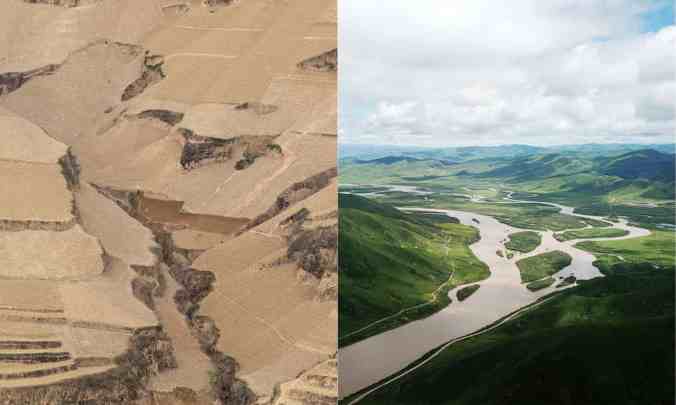
The Loess plateau, in China, in 2007, left, and transformed into green valleys and productive farmland in 2019. Composite: Rex/Shutterstock/Xinhua/Alamy
The message from Elizabeth Kolbert’s book should sound relevant to you when you read the following:
‘Our biggest challenge? Lack of imagination’: the scientists turning the desert green
In China, scientists have turned vast swathes of arid land into a lush oasis. Now a team of maverick engineers want to do the same to the Sinai
Flying into Egypt in early February to make the most important presentation of his life, Ties van der Hoeven prepared by listening to the podcast 13 Minutes To The Moon – the story of how Nasa accomplished the lunar landings. The mission he was discussing with the Egyptian government was more earthbound in nature, but every bit as ambitious. It could even represent a giant leap for mankind. Continue reading

Jorupe Reserve, Ecuador
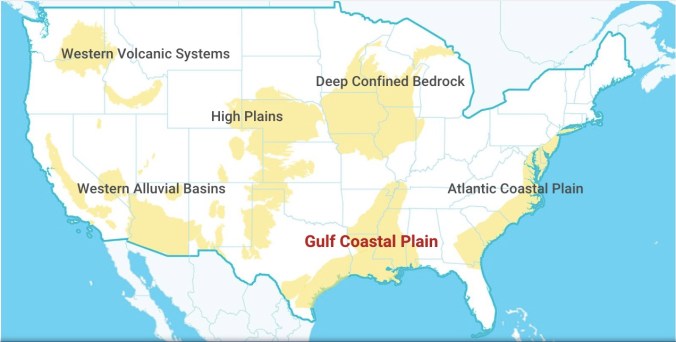
Sources: U.S. Geological Survey, U.S. Census Bureau Research: Austin R. Ramsey/IRW; Graphic: Kelly Martin/IRW
Yesterday’s post was about a book that argues we must change the way we source food. Water use is a parallel topic, of equal importance, and today National Public Radio (USA) presents an investigative report about Louisiana’s challenges related to water, and changes that must be made:
Known For Its Floods, Louisiana Is Running Dangerously Short Of Groundwater
A wastewater treatment plant in West Monroe, La., uses microalgae to biologically purify water. It’s the first step in a process that helps supply water for a local paper mill, saving the area’s stressed aquifer for residents. Austin R. Ramsey/IRW
Louisiana is known for its losing battle against rising seas and increasingly frequent floods. It can sometimes seem like the state has too much water. But the aquifers deep beneath its swampy landscape face a critical shortage.
Groundwater levels in and around Louisiana are falling faster than almost anywhere else in the country, according to U.S. Geological Survey data. An analysis by the Investigative Reporting Workshop and WWNO/WRKF traced the problem to decades of overuse, unregulated pumping by industries and agriculture, and scant oversight or action from legislative committees rife with conflicts of interest. Continue reading
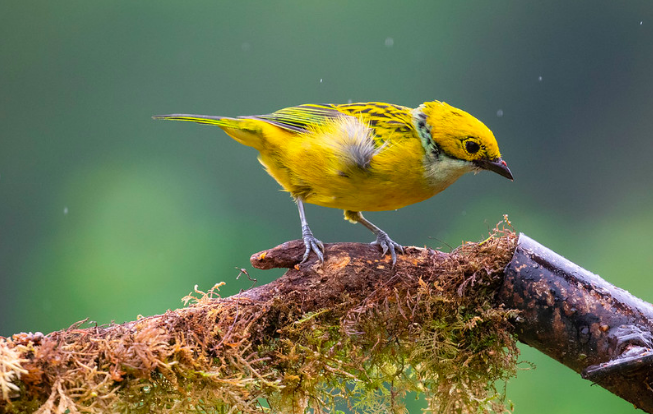
San Gerarda de Dota, Costa Rica
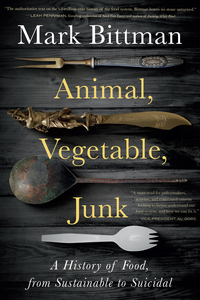 First things first. The last time I linked out to a book based on a podcast interview with the author, it turned into a complaint about the podcast’s link to Amazon for finding the book. This time the same podcast, interviewing another author about his recently published book, is linking to the book’s publisher instead of to Amazon. Click the image to go there. Progress. The book sounds like a perfect fit with our interests on this platform, and the quality of conversation with the author makes the episode itself worth listening to in advance of reading the book:
Mark Bittman Cooked Everything. Now He Wants to Change Everything.
The acclaimed food writer offers a sweeping indictment of our modern food system.
Mark Bittman taught me to cook. I read his New York Times cooking column, “The Minimalist,” religiously. Continue reading
Andaman Islands

Beam trawlers’ heavy chains are dragged along the seabed, releasing carbon into the seawater. Photograph: aphperspective/Alamy
One of the many things that humans have been doing for a long time that are going to have to change:
Bottom trawling releases as much carbon as air travel, landmark study finds
Dragging heavy nets across seabed disturbs marine sediments, world’s largest carbon sink, scientists report
Fishing boats that trawl the ocean floor release as much carbon dioxide as the entire aviation industry, according to a groundbreaking study.
Bottom trawling, a widespread practice in which heavy nets are dragged along the seabed, pumps out 1 gigaton of carbon every year, says the study written by 26 marine biologists, climate experts and economists and published in Nature on Wednesday. Continue reading
Santa Rosalía, Guatemala
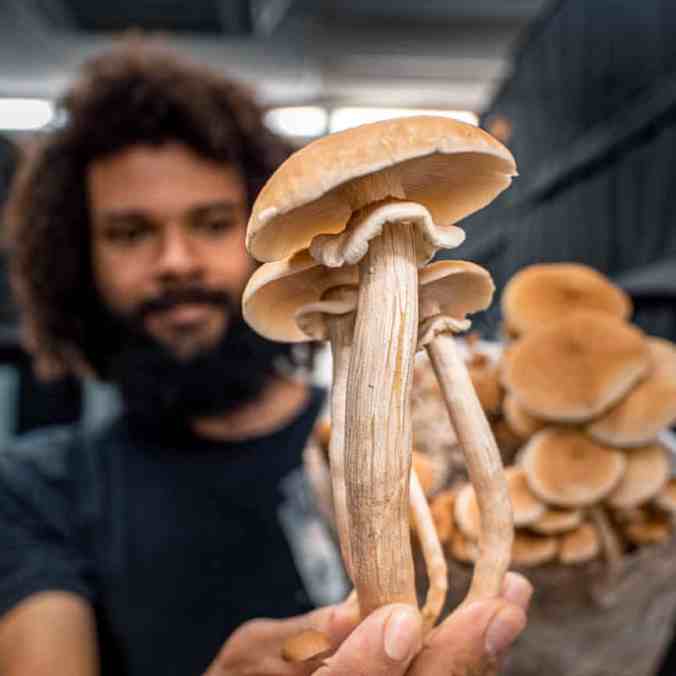
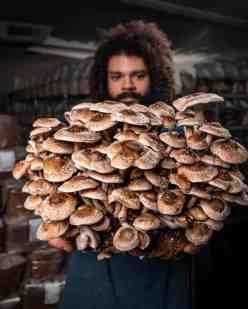
Michael Crowe holding the mushrooms he grew. Photograph: Mike Crowe/Stronz Vanderploeg
Growing edible fungi at home is easier than you might have thought:
Why mushrooms are the new houseplant everybody’s growing
Easy to grow, visually beautiful and oodles of fabulous fungi for breakfast, what’s not to love?
Michael Crowe with an abundance of homegrown mushrooms. Photograph: Stronz Vanderploeg
Selling home grown mushrooms – through bags small enough to sit on your kitchen countertop, filled with organic matter like grain or coffee grounds and inoculated with spores – has been Michael Crowe’s business since 2017. He enjoys hearing from happy customers, who sometimes send him updates on their progress. “It’s just so cool because it can bring together people of all ages, from all walks of life and people all over the place can grow food and have a really good time learning about it,” he says. Continue reading

Macaw Lodge, Costa Rica
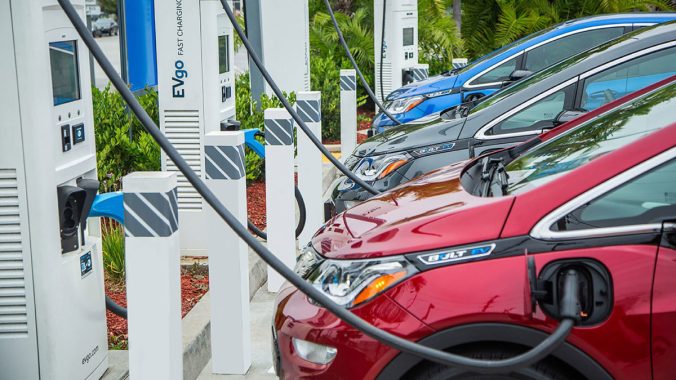
General Motors has partnered with EVgo to deploy more than 2,700 fast chargers across the U.S. CREDIT: GM
John Paul MacDuffie and Sarah E. Light, both professors at the Wharton School of Business at the University of Pennsylvania, have published an article on Yale E360 highlighting the improving potential for electric vehicles to dominate the USA market sooner than previously expected:
EV Turning Point: Momentum Builds for U.S. Electric Vehicle Transition
Driven by GM, Tesla, and the Biden administration, the U.S. is now poised to press ahead in the transformation to electric vehicles. Big challenges still loom, but technological advances, government support, and growing consumer appeal will drive the inevitable switch to EVs.
Last month’s failure of the Texas electric grid, coming just weeks after General Motors’ pledge to make only electric vehicles by 2035, highlights the daunting task the United States faces as it takes the first steps toward weaning its economy off fossil fuels. Continue reading
 Organikos