Changing Seasons In Escazu, Changing Climate All Around

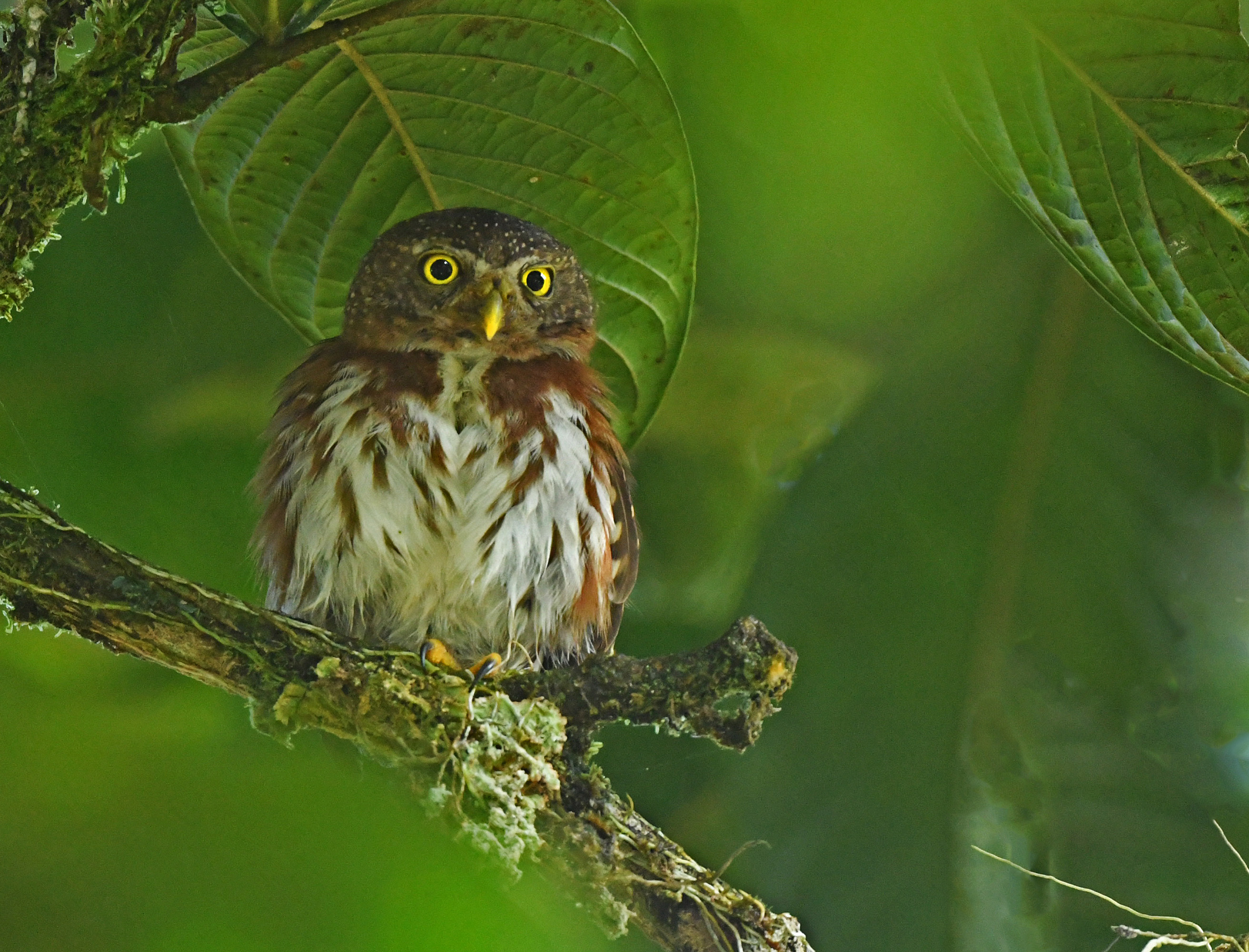
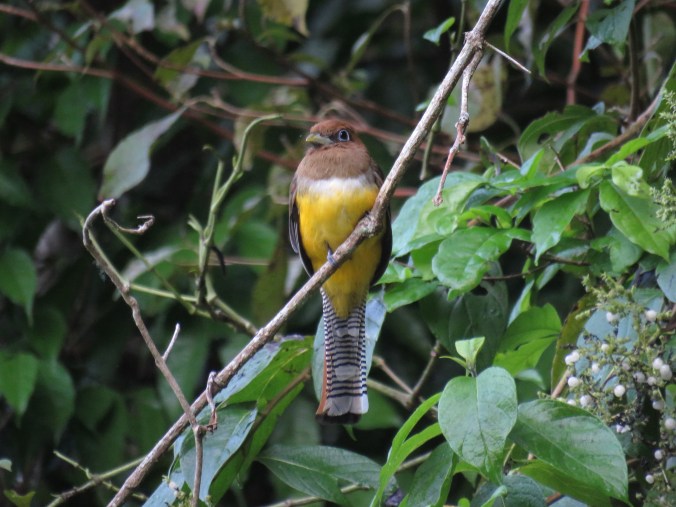
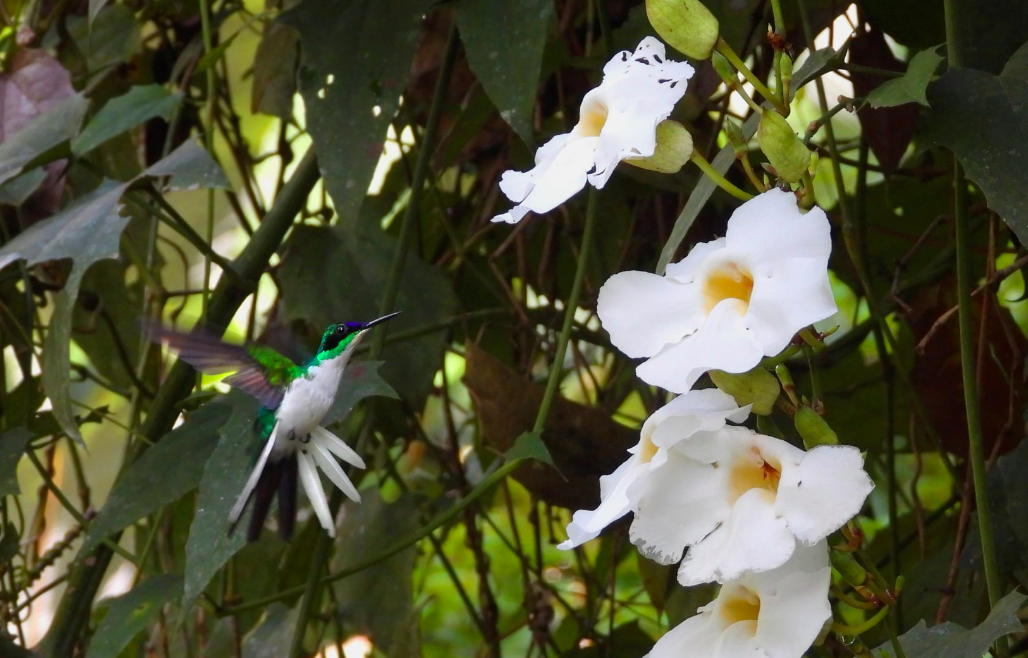
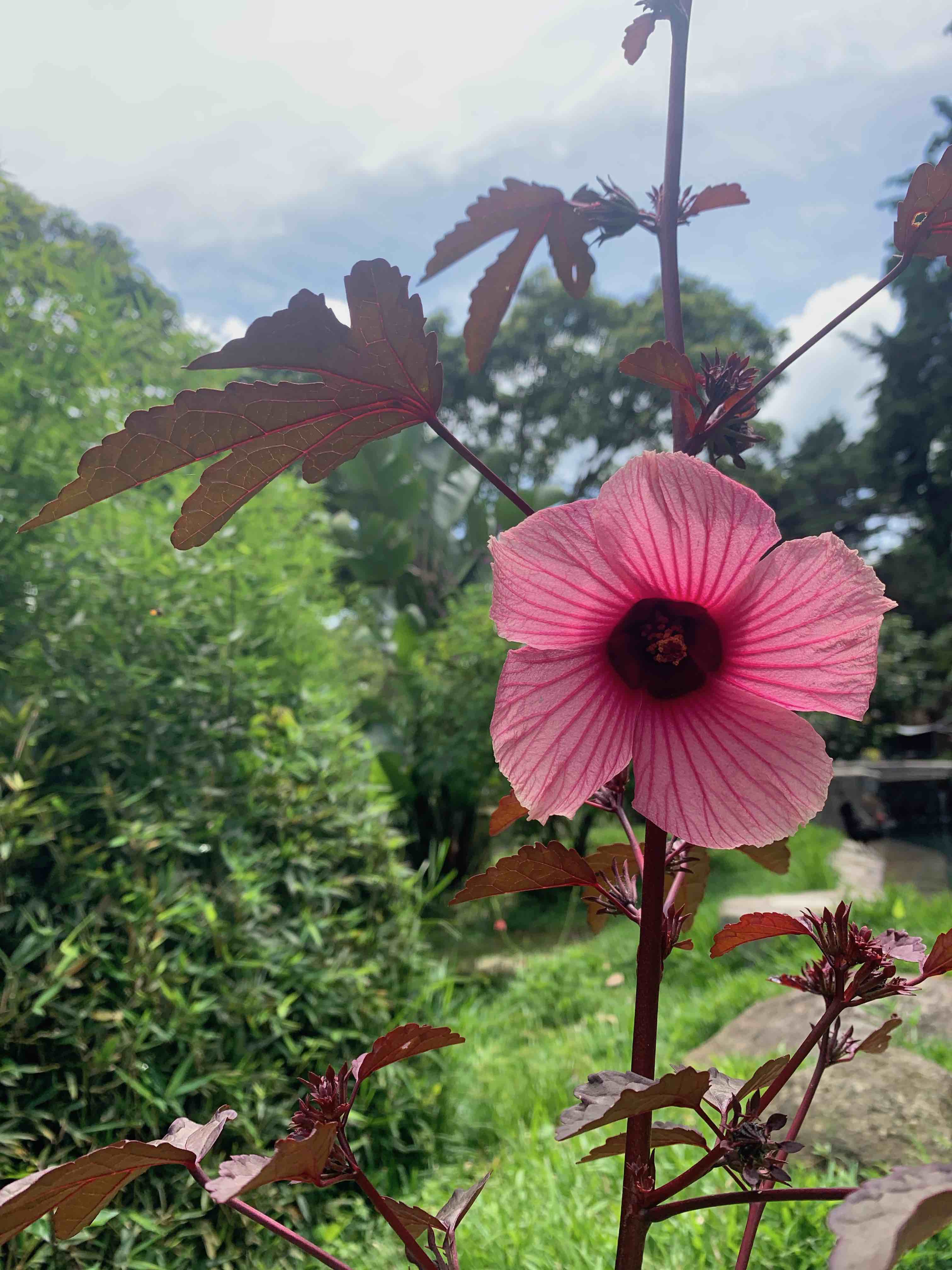
The plant in the photo above, called Rosa de Jamaica, which looks like hibiscus but is not, grew from a small cutting gifted by friends on the other side of the mountain where we live. After a few weeks in the ground it is doing well. In the photo below you can see one of the poro saplings we also planted a couple week ago, already home to what counts as charismatic wildlife in our family.
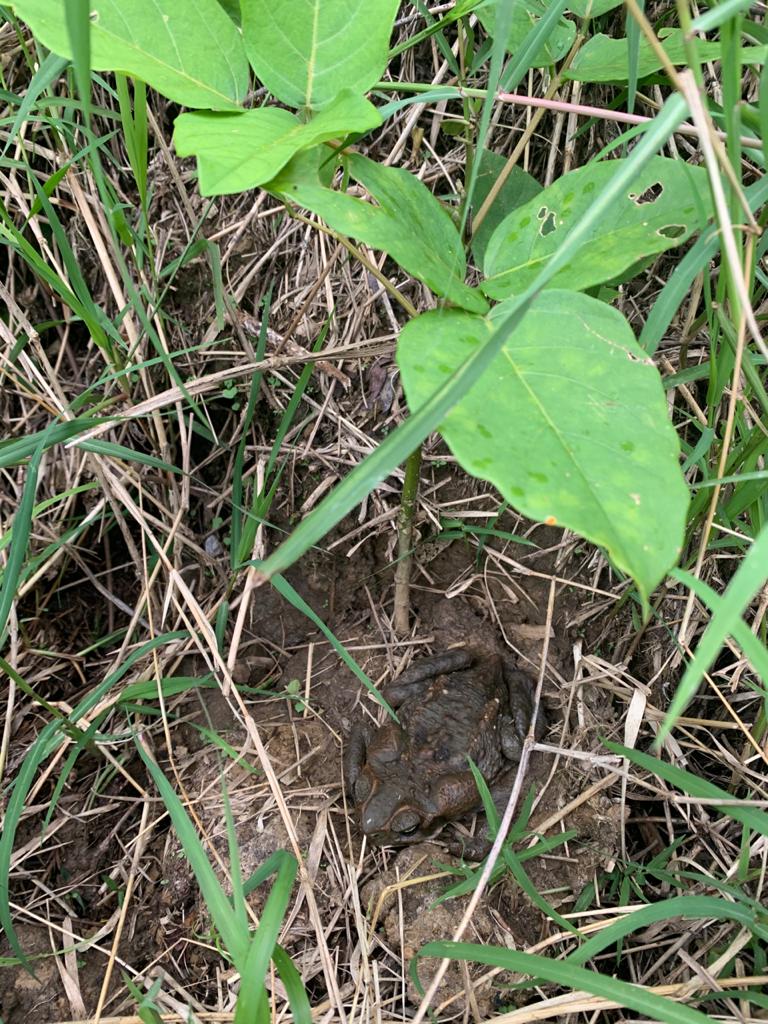
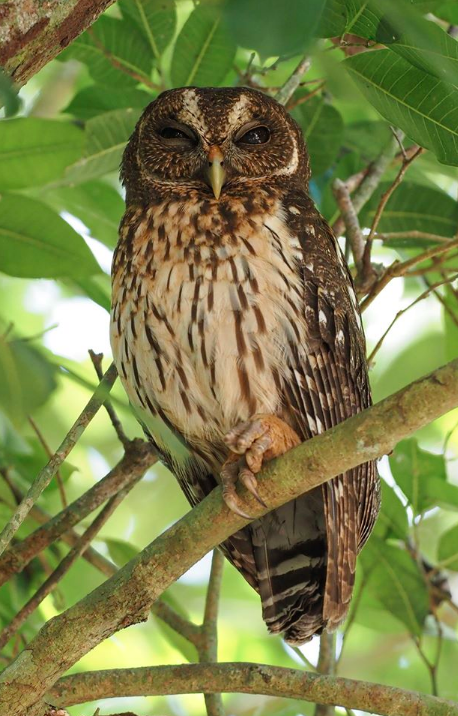
When we started to prep the land in order to restore an abandoned portion of an old coffee farm, seeds were just then falling from the poro treesĀ that are essential to the plan. It is heartening to see how quickly the animal kingdom responded. The dry season normally starts this month, but we are expecting more rain from yet another Greek-named hurricane hitting the isthmus this week. Seasonal change, meet climate change.

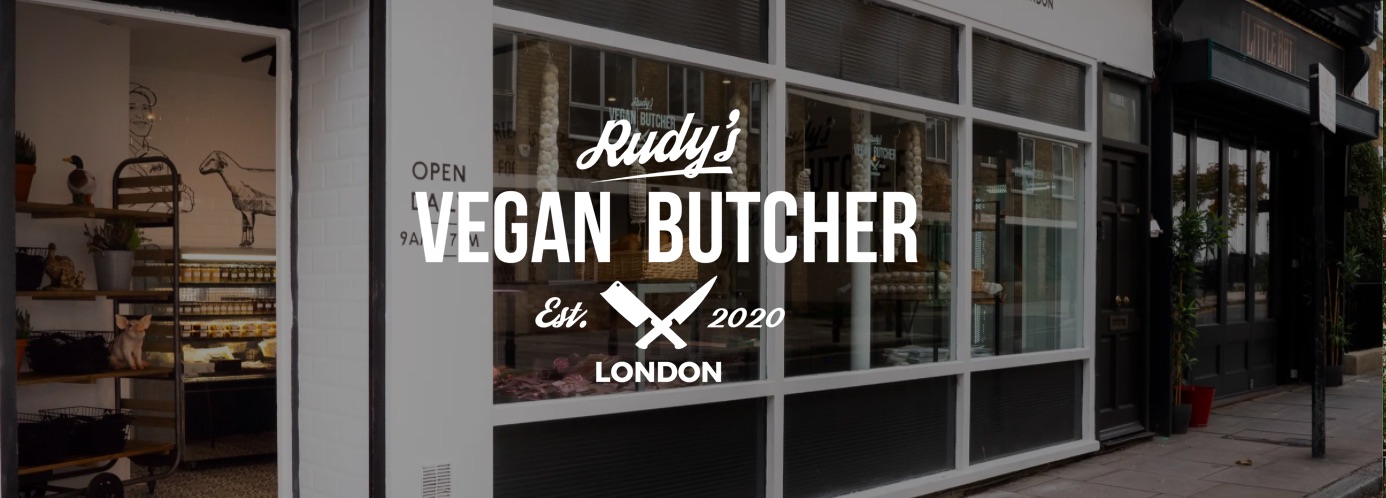
Rudy’s Vegan Butcher, A Re-Conceived Tradition In London

When they opened, the timing did not seem promising, but against all the odds they sold out and are prepping for the next virtuous wave:

Back Soon – Promise!

Wow! Thank you SO much – you guys have cleaned us out and we have been so overwhelmed by your generous support and custom. We are heads down in the kitchen restocking as fast as we can, and are also currently looking for bigger kitchen so we can continue to meet demand. Thanks for understanding while we take a short break – we will be back online as soon as we can! Rudy’s Vegan Butcher, Islington is still open! We’re busy working on our Christmas feasting box too, stay tuned… šŸ˜‰

Protecting Peat Bog Is Big

Andrew Coupar, a NatureScot peatlands expert, at the Forsinard visitor centre. Photograph: Murdo MacLeod/The Guardian

If you go to the home improvement center, or any gardening shop, you will see this stuff in plastic bags, ranging in size from small pillow to half-bale. If you purchase it you are buying into a destructive practice that goes beyond the destruction of amazingly beautiful landscape. If heritage status helps end that, we are all for it:

World heritage status for Scottish peat bogs could help UK hit net zero goals

Hopes rise that the Flow Country, the world’s largest carbon store, could become first peatland to win the status

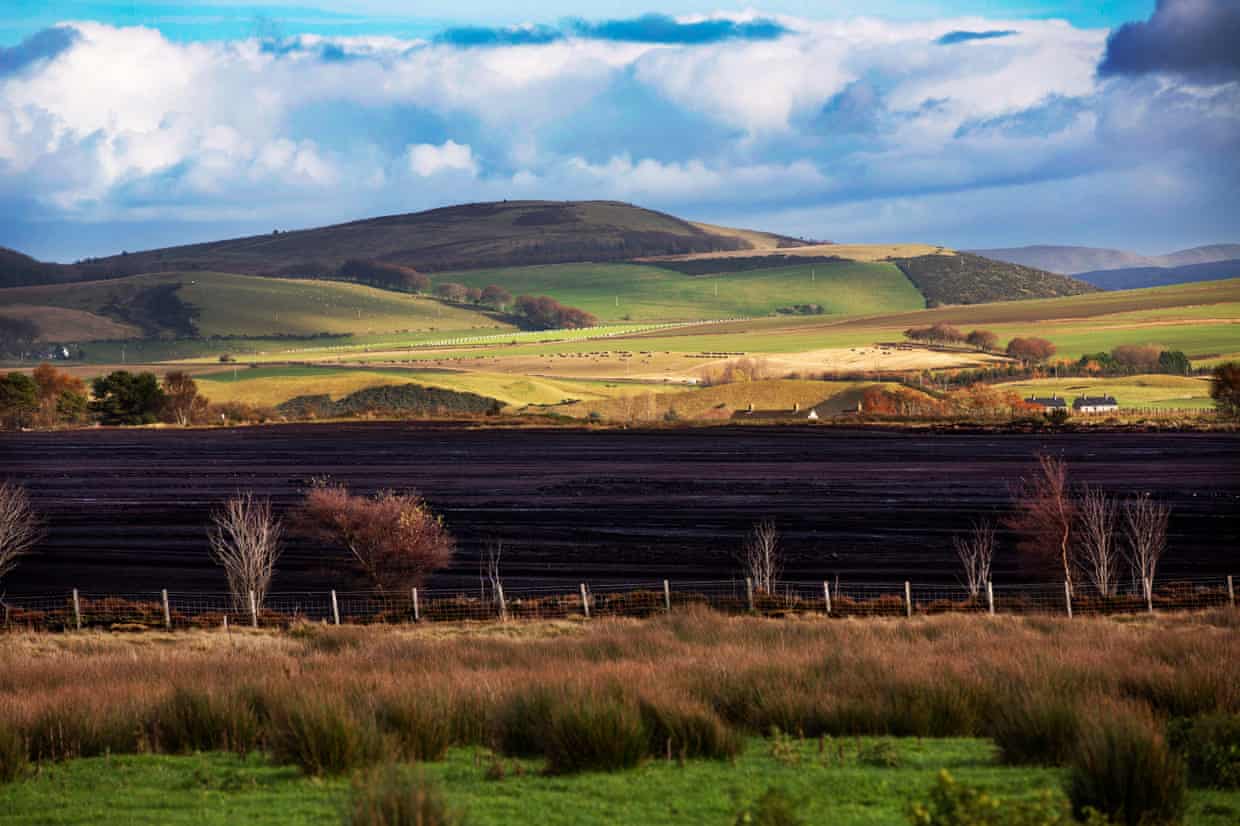
Ecologists estimate that while peatlands cover only 3% of the Earth’s land surface, they hold 30% of the carbon stored on land. Photograph: Murdo MacLeod/The Guardian

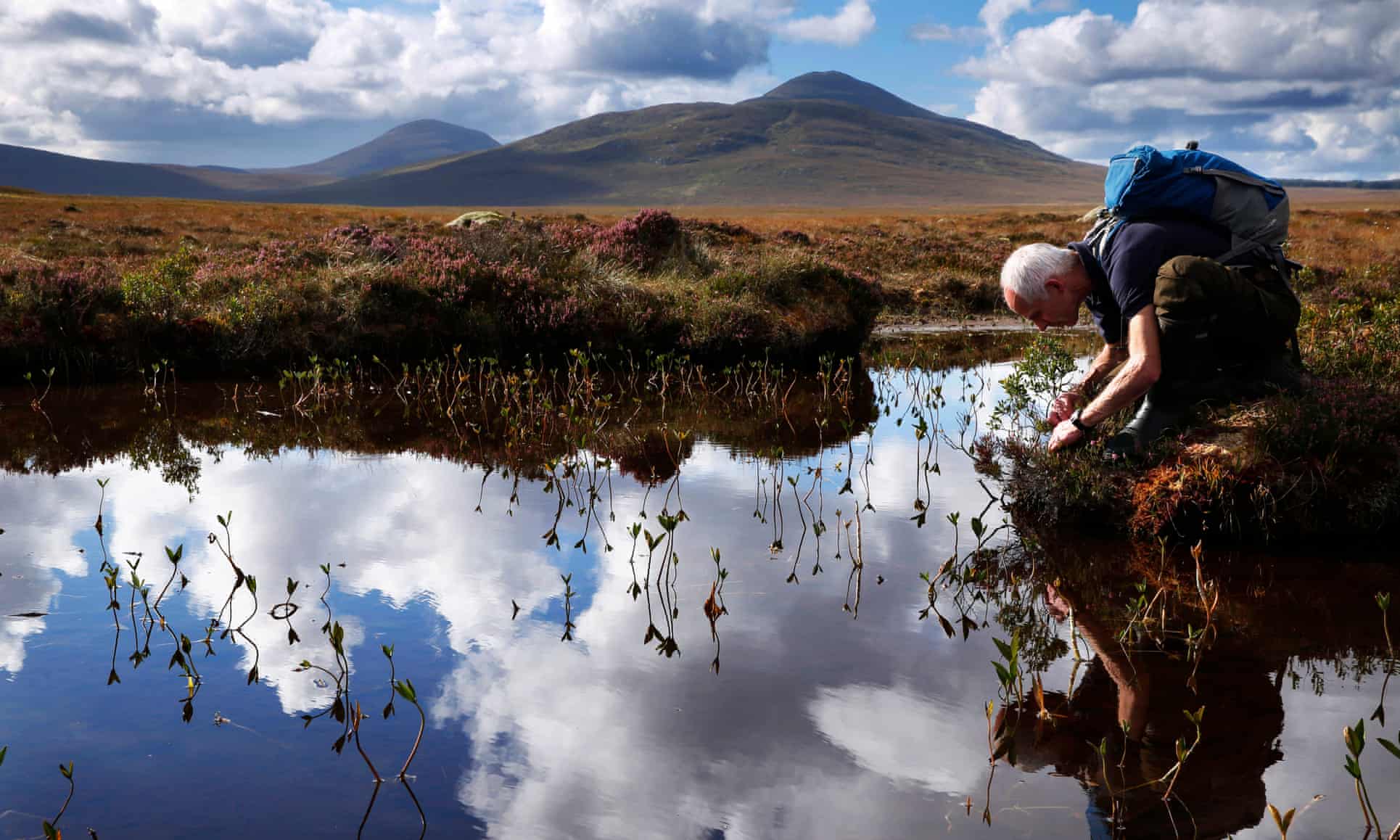
Andrew Coupar has crouched down by a small pool, its surface peppered with the small stalks of bogbean. In autumn its dark green oval leaves echo the muted browns, greens and ochres of the surrounding peatland.

In spring, however, the bogbean’s pink-fringed white flowers put on a remarkable display, carpeting the cluster of pools that mirror the blue skies and light clouds above and, along the horizon to west, the mountains of Sutherland. Continue reading

Common Language For Wine Pairing

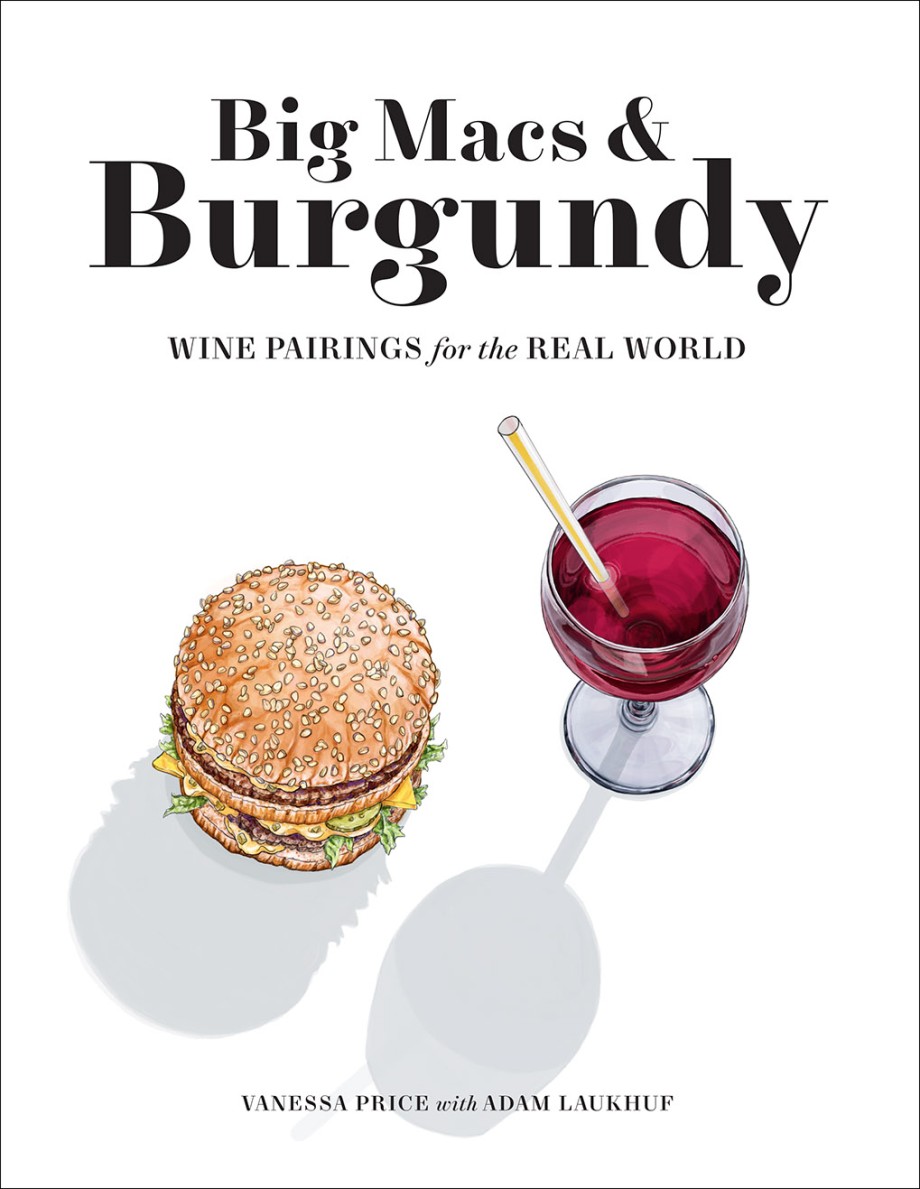
Big Macs & Burgundy Wine Pairings for the Real WorldThanks to an episode of the podcast All Of It, this bookĀ  came to our attention. We swore off Big Macs and Cheetos and other over-processed foods decades ago, so the title was off-putting. But if you listen to Vanessa Price explain it the purpose of the book is clear: commonsense language, for a topic that normally is full of fancy language, is a good thing. Abrams books says this:

Essential wine pairings for everything from popcorn to veggie burgers to General Tso’s Chicken, based on the wildly popularĀ Grub StreetĀ column Continue reading

Farming A Healthier Diet

Our thanks to Brent Loken for summarizing some the possibilities of better farming for a healthier diet:

About 10,000 years ago, humans began to farm. This agricultural revolution was a turning point in our history and enabled the existence of civilization. Today, nearly 40 percent of our planet is farmland. Spread all over the world, these lands are the pieces to a global puzzle we’re all facing: in the future, how can we feed every member of a growing population a healthy diet?

A Classic Dish, A Keeper

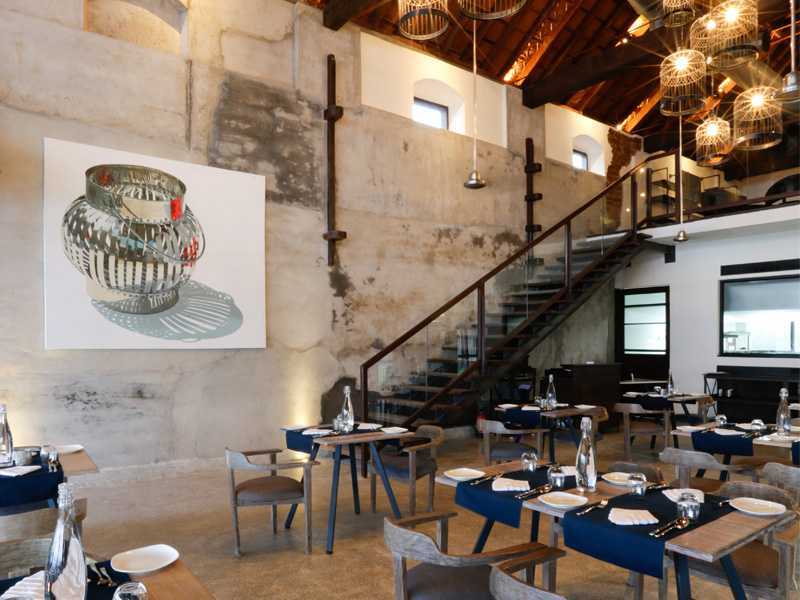
Restaurant 51, Xandari Harbour. Photo Credit: Architectural Digest India

The photo to the right shows an interior view of the restaurant we named 51, one of our favorite accomplishments of seven years working in Kerala, India. The painting on the wall shows a traditional onion keeper, and it came to mind when I read these lines in a recipe-essay by Gabrielle Hamilton:

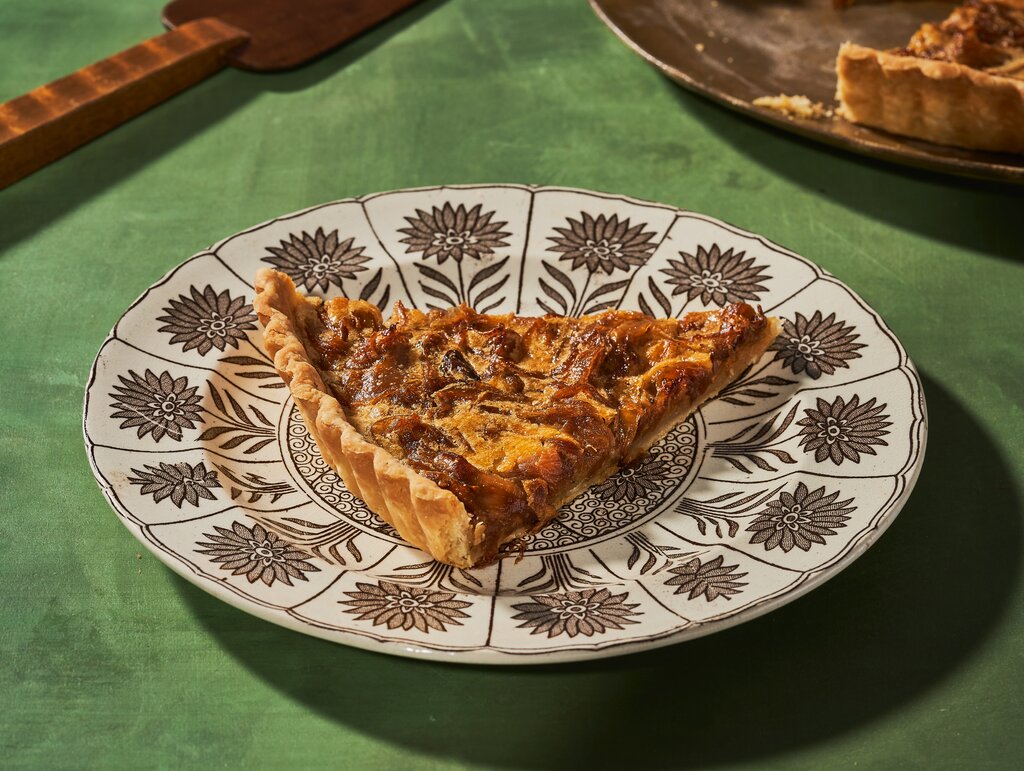
Photograph by Heami Lee. Food stylist: Maggie Ruggiero. Prop stylist: Rebecca Bartoshesky.

…and, of course, the onion tarts. We were steeped in his cooking and his thinking, and it was an excellent exercise to prepare the dishes of a long-ago iconic restaurant, and to see whether they stood the test of time without becoming museum pieces. Every one, especially the onion tart, was still pitch perfect….

The notion of “not becoming museum pieces” is the evocative part of the essay. Envisioning what 51 should look like, as with the entire exercise of developing Xandari Harbour, we constantly repeated that our goal was to be respectful of history without being a slave to it. By which we meant we wanted the heritage to be clear while also showcasing the new directions of Kerala’s culinary culture. And with all due respect to museums, this was to be a lively eatery.

The recipe-essay stirred another memory, from 1988. We celebrated the second anniversary of our marriage by having dinner at Lutèce. Somewhere in our stored papers is the menu from that evening, signed by André Soltner. Having worked for a chef who inspired me to see a lifetime career in hospitality, this dinner was a perfect mark on the map moving in that direction.

A 2020 Bright Spot

Solar panels are installed on to the roof of a house in Sydney, Australia. Almost 90% of new electricity generation in 2020 will be renewable, the IEA says. Photograph: Reuters

Thanks to the Guardian’s Environment editor Damian Carrington for this sunny news:

International Energy Agency expects green electricity to end coal’s 50-year reign by 2025

Global renewable electricity installation will hit a record level in 2020, according to the International Energy Agency, in sharp contrast with the declines caused by the coronavirus pandemic in theĀ fossil fuel sectors. Continue reading

Authentica & Sense Of Place

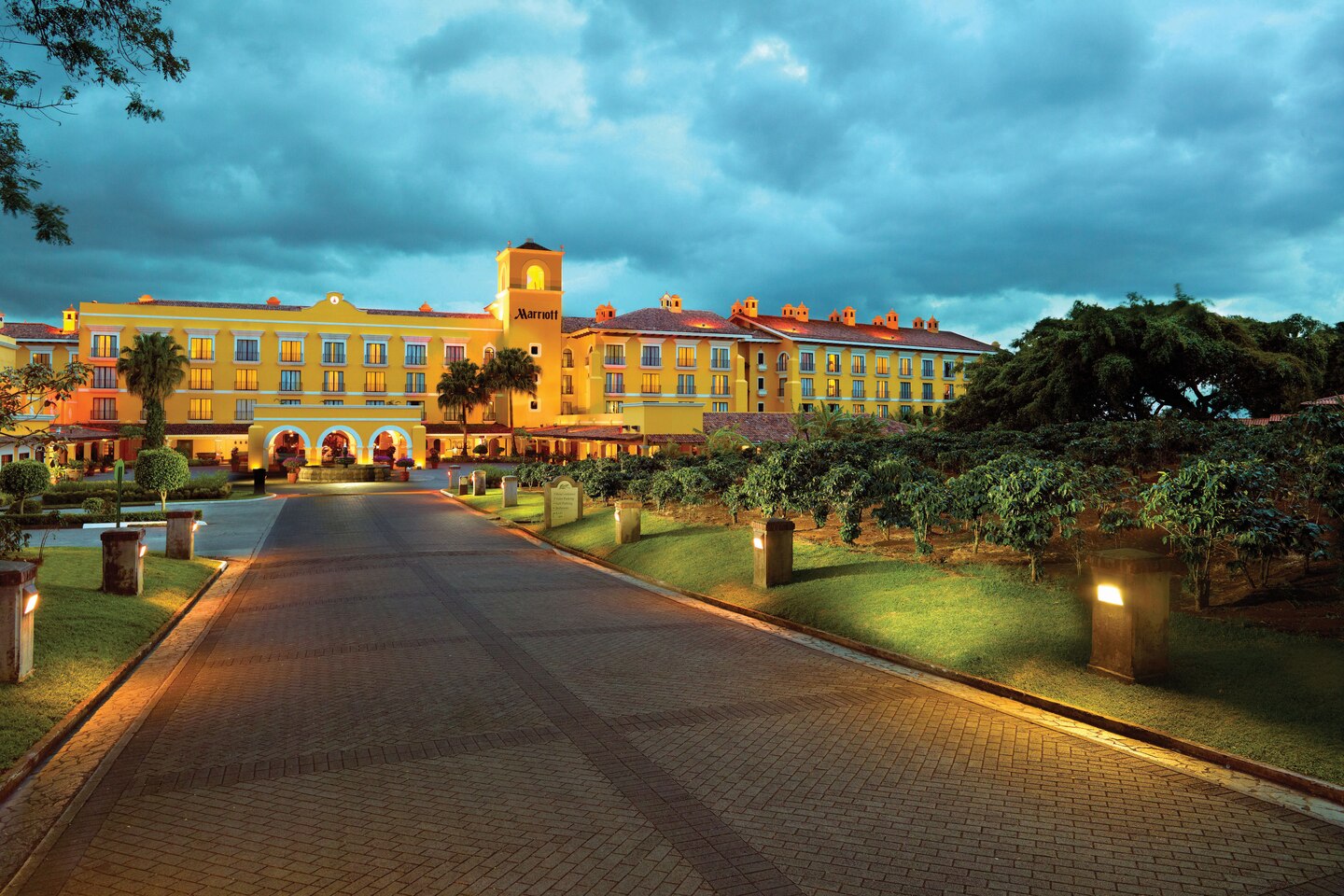
After completing our work in India and transitioning home to Costa Rica in late 2018, two properties came back to the forefront of my attention. The property above is set on a coffee estate in the Central Valley and the one below is set on a Pacific beachfront property that is 90 minutes from the Central Valley property. I knew both properties during their original construction and opening phases and ever since then believed that these were among the most special Marriott properties in the world.

They were going through renovations that started in 2018 and were to be completed in late 2019. My attention was drawn by a creative new focus on sustainability, the tiniest of examples being this one. Another example was that they invited proposals for how the gift shops in both hotels might be managed differently going forward. We submitted a proposal–with a focus on locally produced and design-forward products–and it was chosen for implementation. The rest is history that I have written about plenty in the last year.

Authentica has started its second year of operation, and Costa Rica has just re-opened its borders to receive international visitors again. These two Marriott properties have transformed operations to ensure maximum safety in response to the global health concerns. Our shops have transformed accordingly, and yet our original intent is as strong as ever: come in and sense the place.

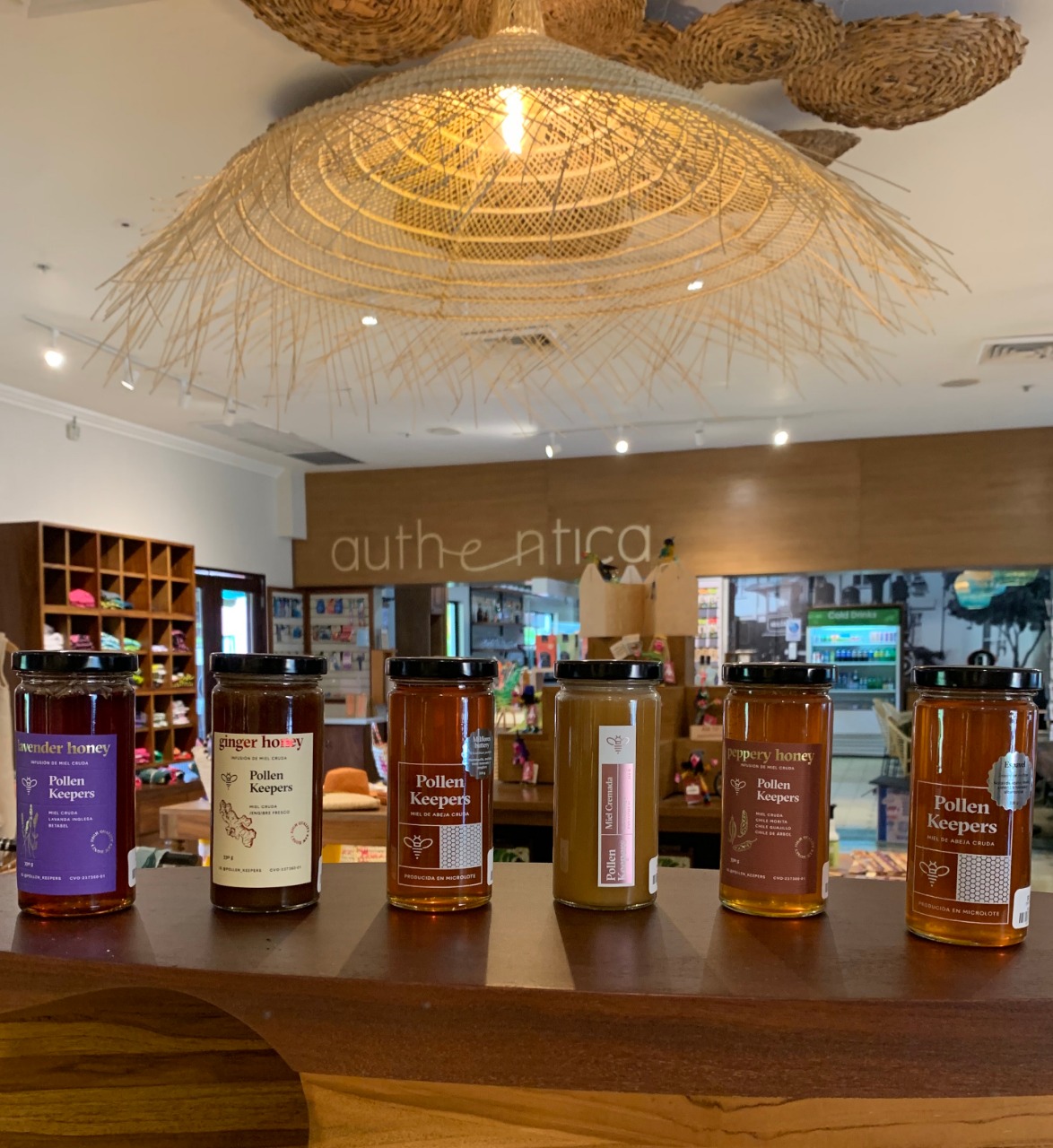
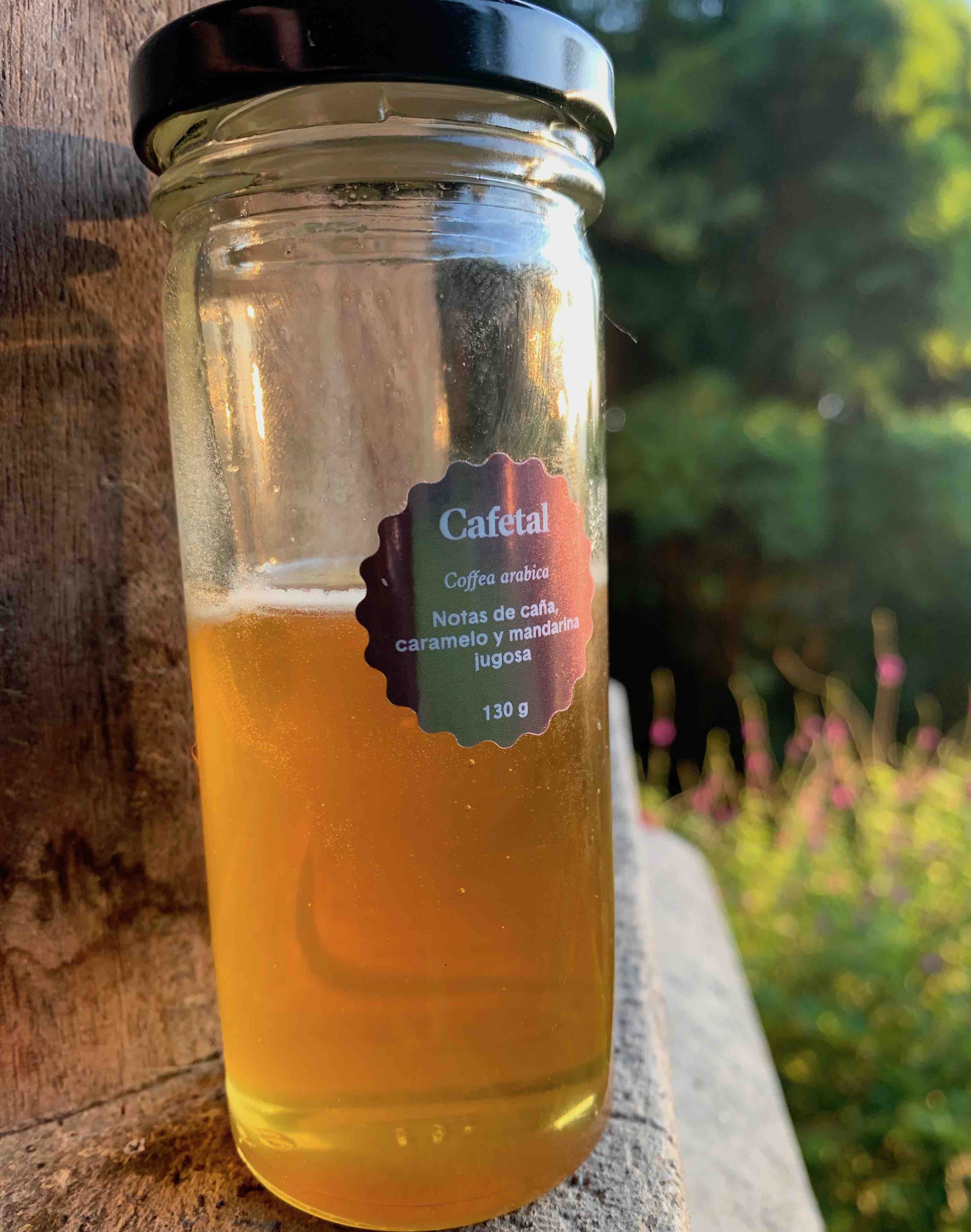
Organikos coffee, our best-selling “taste of place” product, was joined in both shops last week by another way to sense the terrain of Costa Rica’s various regions. Pollen Keepers is a small family business whose bee colonies are placed to capture unique characteristics of a location. One of those is a coffee farm, and the honey produced there is unlike any I have had before. I am still learning the vocabulary for tasting notes for honey, which we have been sampling in recent weeks at home, so will keep it simple: Cafetal is my favorite, so far.

Understanding The Life Of Our Groceries

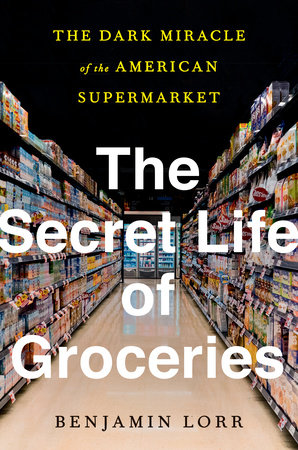
We apparently do not look as closely as we should when we go to the supermarket. One paragraph from this book review should be enough to know whether you want a closer look:

…Author Benjamin Lorr spent five years looking into that as he studied all aspects of American supermarkets — from the suppliers, the distributors, and supply routes, to the workers in the retail outlets themselves. In the reporting for his new bookĀ The Secret Life of Groceries: The Dark Miracle of the American Supermarket, Lorr met with farmers and field workers and spent 120-hours-straight driving the highways with a trucker as she made her multistate rounds. He worked the fish counter at a Whole Foods market for a few months, and went to trade shows to learn about entrepreneurs who were trying to break into the industry. He also traveled to Asia to learn about commodity fishing – finding human rights violations along his journey…

Antitrust considerations might be of interest if you plan to purchase The Secret Life of Groceries.

Simile, Smile, Citizen Science & Civil Society

Michael Bohmeyer, center, riding his bicycle in the office of ā€œMy Basic Income,ā€ the website he founded to provide a monthly basic income for 600 randomly selected people. Moving helps him think, he said. Lena Mucha for The New York Times

In the fifth paragraph of this article, which I started to get a better understanding of the European approach to universal basic income, my attention was caught by a simile:

ā€œWe have a lot of ā€˜citizen scientists’ counting birds, and giving the data to scientists. This is like that, but for civil society.ā€

Since we have featured so many stories and articles about bird-focused citizen science, the simile caused a smile. Continue reading