Thanks For The Birds

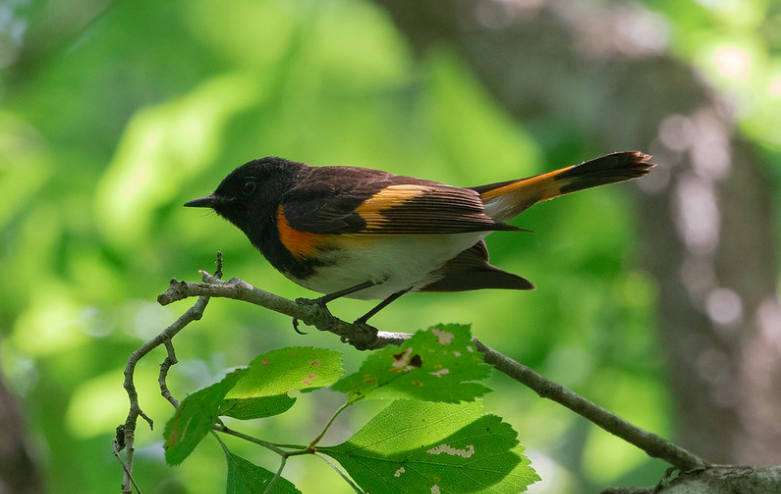
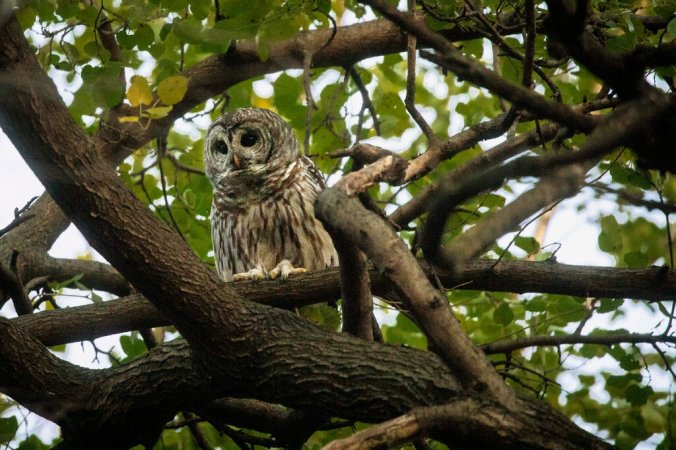
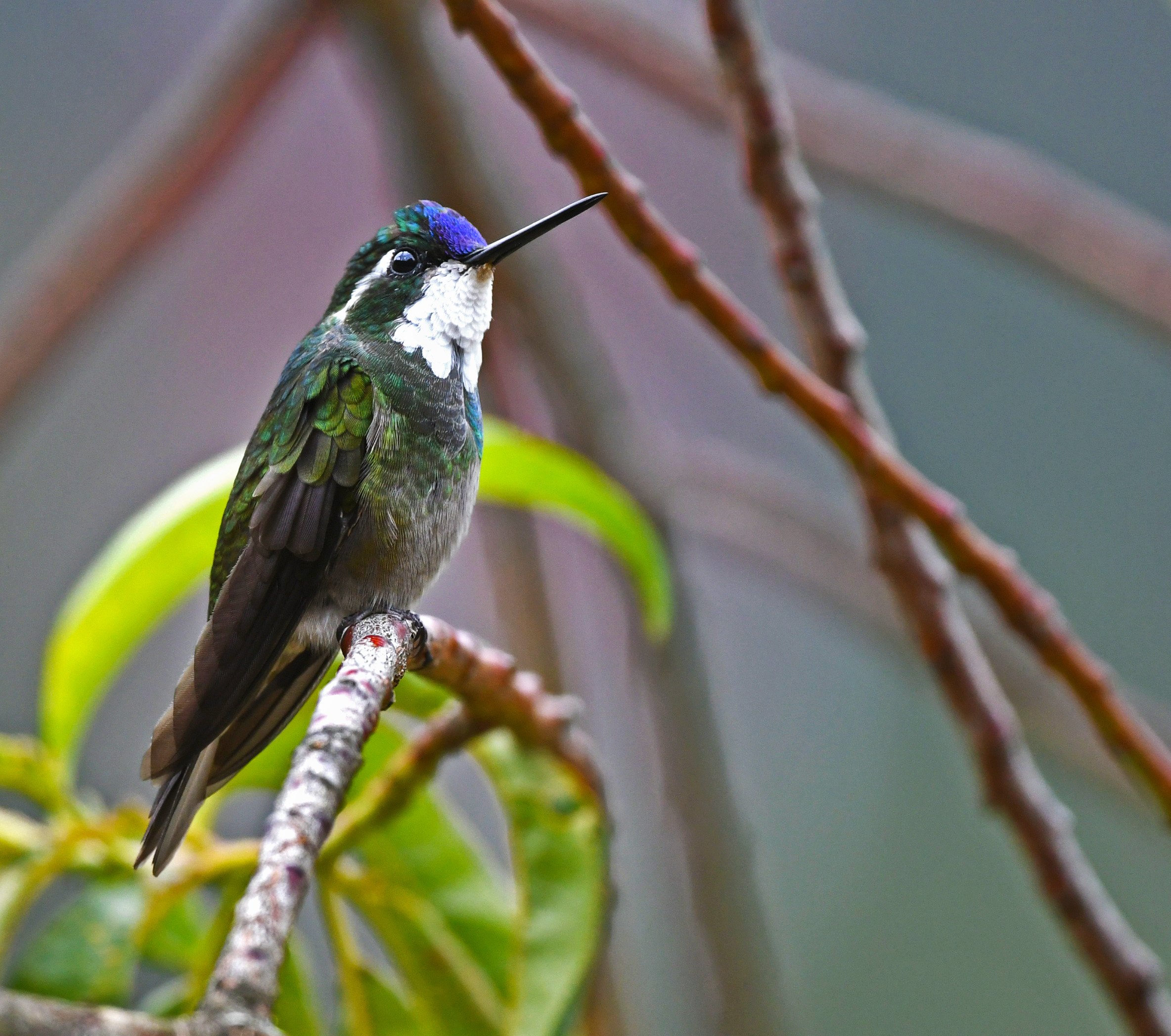
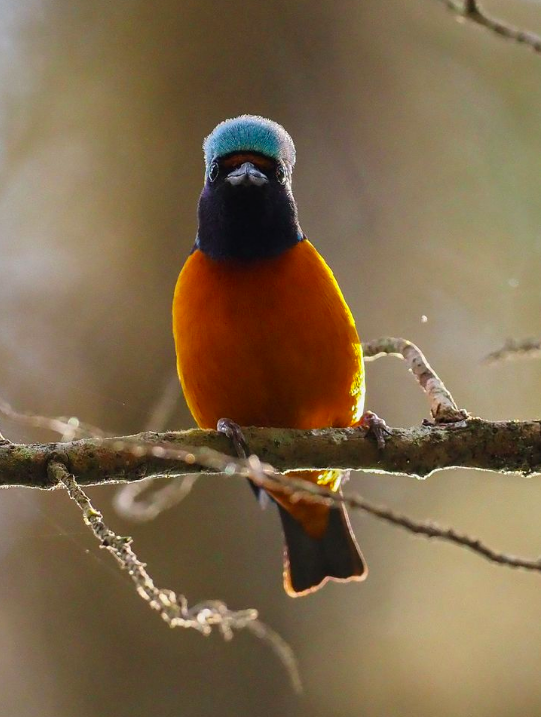
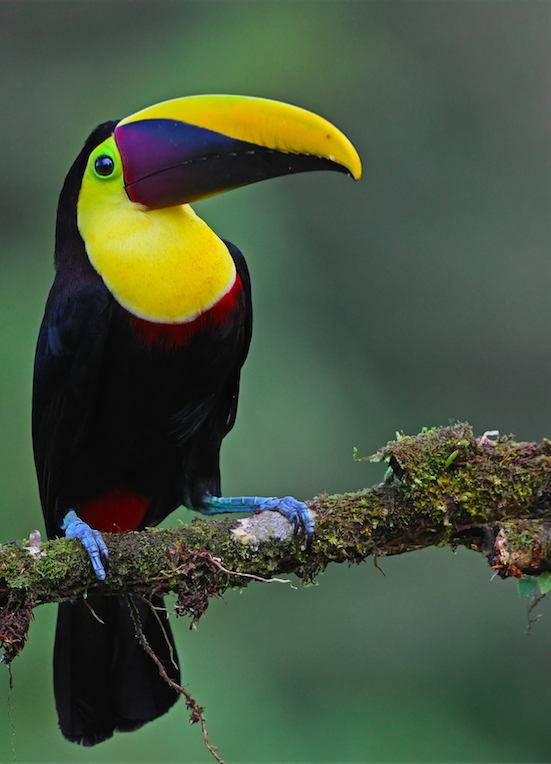
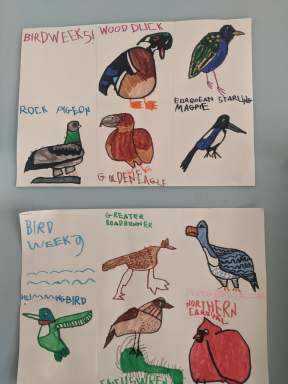
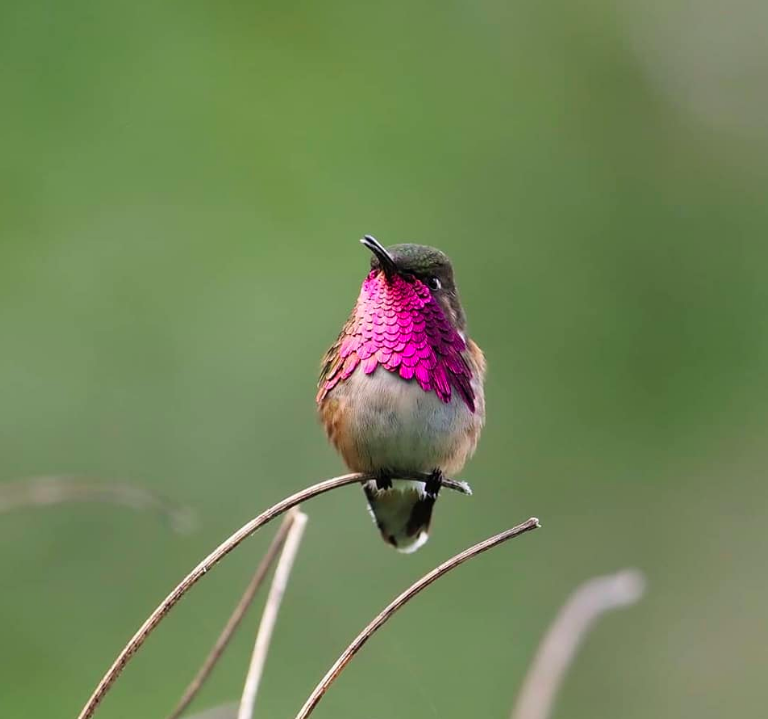
Can you name this bird. Caroline Tompkins for The New York Times

On this day each year, we reflect on things to be grateful for. Today, as tempting as it may be to talk about coffee, I am mindful of how important birds have been in our family. In 2014 I was on the terrace at Xandari with Seth. He was recently graduated from college, where he had worked on an outreach program for school children to get them interested in birds, and birdwatching. Now he was training to manage the type of lodge where birdwatching is an activity, and one of his sidelines at Xandari was guiding birdwatching tours in the forest reserve that was part of the property.

As we sat on the terrace discussing the day’s plan, a young couple and their son sat down for breakfast. I said hello to them, and I asked the boy if he was enjoying Costa Rica. He lit up, and said it was his first morning here, but so far it was great. I asked what was great, and without missing a beat he said, with cheer: the birds woke me up! The conversation that followed was a once in a lifetime pleasure. I asked why he was so happy about that, and he and his parents explained that during the school year that had just ended, his class had been “celebrating urban birds” in Brooklyn, NY. It turned out his class was one of the many that Seth had been doing outreach with during the previous year. I told the young fellow that if he wanted to take a birdwatching tour, I had a recommendation of who could guide him.

I am mindful about birds today thanks to Dan Sinker’s op-ed essay:

The Birds Are Outside

One bird feeder became two, then three. Months passed.

Dan Sinker

Me, my wife, our teenager and our 5-year old, we knew nothing about birds before the lockdown sent us inside in March. Our cramped home was suburban-convenient before the pandemic hit, nestled a few blocks from a school we don’t go in and a train downtown we won’t ride, and now it is just small.

It was a bedroom short and had nothing a person could call work space beyond the dining room table even before it became our entire lives. But it did have windows, sunny and bright in the morning, that looked out on the worn patch of yard just outside so I bought a bird feeder and some cheap seed and mounted it just outside our dining room window. We needed a distraction. Continue reading
Sugar’s Greater Potential

The wily ways of the biggest petrochemical companies have been a concern since we started this platform, and when something seems like big news, but turns not to be so big, we share what we find.  We have previously shared a story or two about sugar’s potential as an energy source, but in its recent edition The Economist weighs in on what may be sugar’s bigger than big potential:

Better disposable coffee cups

They can be made with the waste from sugar cane

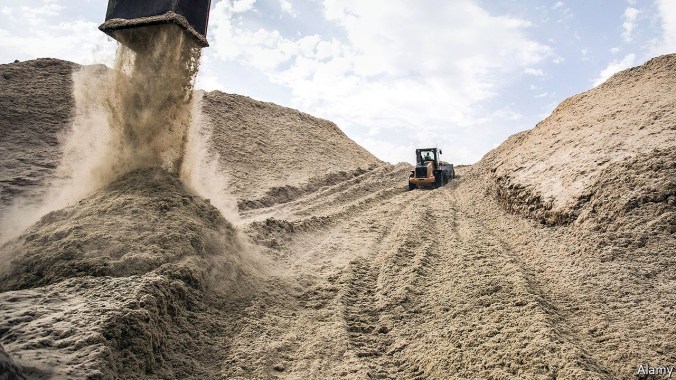
Sugar cane contains around 10% sugar. But that means it contains around 90% non-sugar—the material known as bagasse (pictured) which remains once the cane has been pulverised and the sugar-bearing juice squeezed out of it. World production of cane sugar was 185m tonnes in 2017. That results in a lot of bagasse. Continue reading
Support Your Local Family Farms

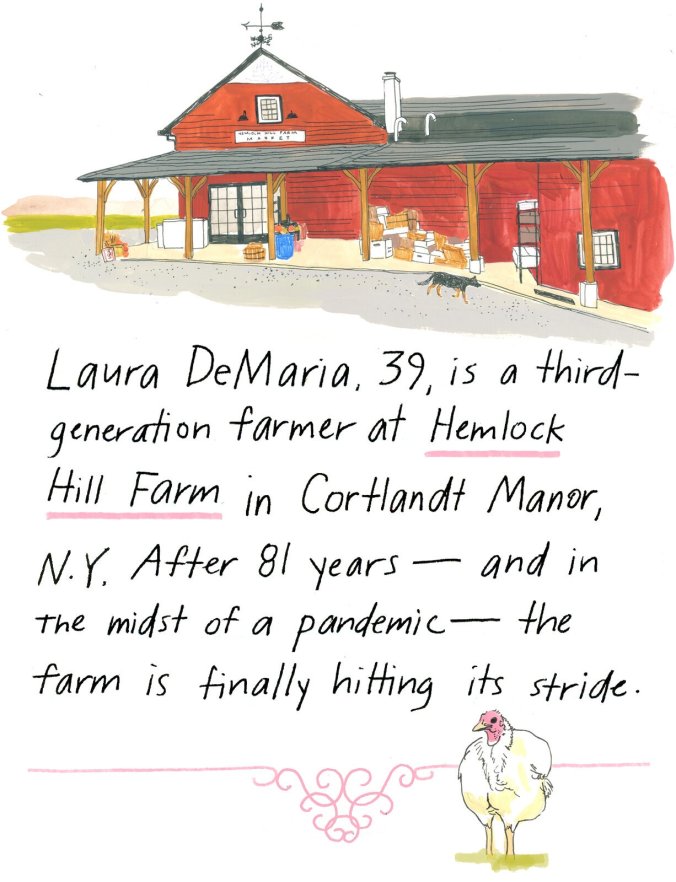
Sometimes graphics make a great story greater, and this would be as good an example as you might find at the moment. We like the basic story first of all because it is about a small family farm that is nearing a century of operation catering to the local market; but there is  plenty more  to  appreciate: Continue reading

Beware Of “This Is Big” & Other Snappy Catchphrases

The Miniature Science series of ads, created last year by the very talented folks at BBDO on behalf of their client ExxonMobil, are snappy.

By now most people who pay attention to climate science are aware of ExxonMobil’s active role in creating doubt about the emerging facts that their own scientists established about mankind’s impact on climate. In addition to actors like that giant petrochemical company, there are also behind-the-scenes, complicit creatives who have provided essential messaging to strengthen the deception. In a new essay, Bill McKibben turns his attention to those folks, and expects accountability:

If money is the oxygen on which the fire of global warming burns, then P.R. campaigns and snappy catchphrases are the kindling. Illustration by Lia Liao

When “Creatives” Turn Destructive: Image-Makers and the Climate Crisis

Past sins are past no more: an overdue historical recalibration is under way, with monuments being pulled down, dorms renamed, restitution offered. People did things, bad things; even across the span of centuries, they’re being held to account, and there’s something noble about that. The Reverend Robert W. Lee IV, for instance, recently backed the removal of his famous ancestor’s statue from Richmond, Virginia. The memorial, he wrote, “is a hollow reminder of a painful ideology and acts of oppression against black people. Taking it down will provide new opportunities for conversations, relationships and policy change.” Such a response raises an uncomfortable question: What are we doing now that our descendants will need to apologize for? Might we be able to get ahead of the sin this time? Continue reading
The Wonderful World Of Harbingers

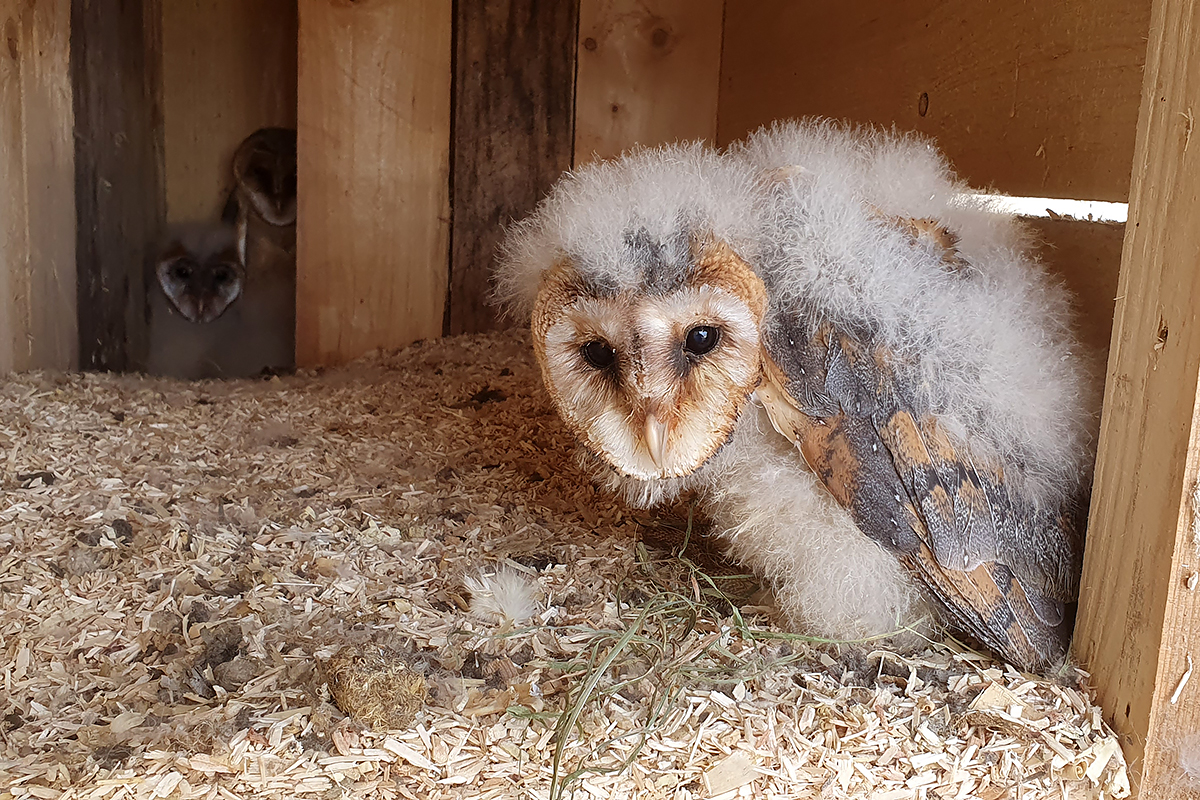
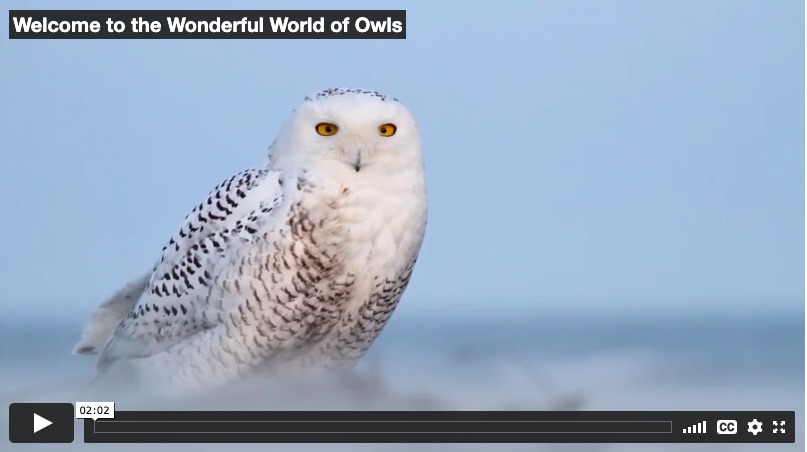
Moments after posting about this owl, an email promoting a course about owls appeared in my inbox. Owls have been considered harbingers in different folk and mythic traditions, none of which I subscribe to. A harbinger event on the computer is now most likely an algorithmic event, where one thing triggered another on purpose. Normally I find those intrusive, at best. But, I get emails from the Lab of Ornithology frequently and this one came a few days after the news of the owl in Central Park. Did they put together this course and promo after seeing the publicity that the Central Park owl was getting? If so, bravo. Quick reaction. Well communicated. Watch the brief video that came in the email and tell me you have no interest:

As creatures of the night, owls can seem mysterious and kind of spooky. Some people think of them as bad omens, harbingers of death. But they can also be symbols of knowledge and wisdom.

Owls have fascinated people for millennia. Everyone knows what an owl is, even if you haven’t actually seen one in real life. They’re instantly recognizable, with their large, round heads, flat faces, and forward staring eyes. We seem to be drawn to them because they resemble people. They’re definitely birds, but they also kind of look like us…

Some people are interested in learning more about birds, others are not, but this lesson plan sounds like a good one for starters: Continue reading

Winged Victory Of Central Park

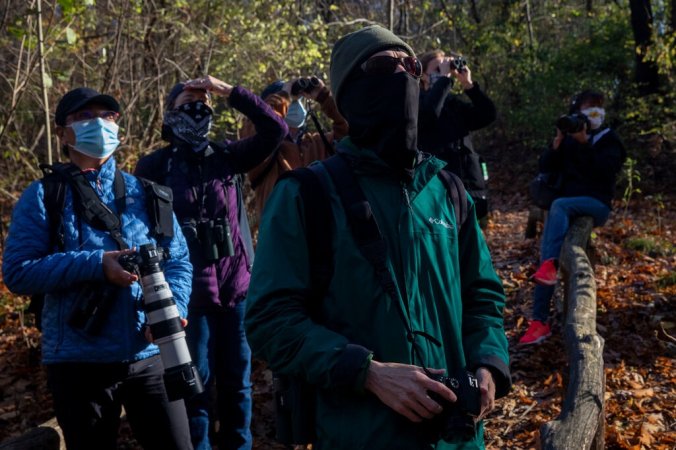
Barry’s fans, in the North Woods of Central Park. Dave Sanders for The New York Times

Two years ago when a mandarin duck caught the attention of New Yorkers, and others with avian interests, I was struck by the diversionary value. Now, even more than then, winged diversion is welcome. This one provided me a diversion within a diversion. A sculpture dedicated on a Greek island more than two thousand years ago honored a victory, and the sculptor chose the goddess of victory to represent that honor. At that time, the goddess was always depicted with wings. If victory has been on your mind lately, you might see this owl as a harbinger.

Barry the Barred Owl is New York City’s bird of the moment. Dave Sanders for The New York Times

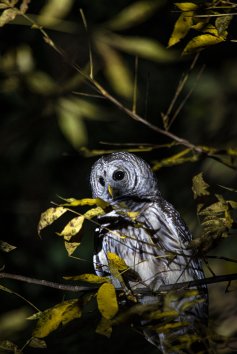
That’s up to you. Even without thinking of victory, a good owl photo is always a welcome diversion. The photograph by Joshua Kristal (click the image below to go to his Instagram feed) is particularly well composed. My thanks to Lisa M. Collins for this story:

‘I Had to See That Owl’: Central Park’s New Celebrity Bird

New Yorkers are so obsessed with Barry the barred owl that some are concerned he could be scared away. So far, he seems to like the attention.

Joshua Kristal finally got to see (and photograph) Barry during a Birding Bob night tour through Central Park earlier this month. Joshua Kristal

It was late afternoon in the North Woods of Central Park, and the sun was setting fast. Joshua Kristal, a photographer with a penchant for birds, was starting to feel despondent as he searched along the creek, looking for any movement. This was the third time he’d traveled more than an hour from Brooklyn to see Manhattan’s newest celebrity bird: an ethereal and majestic barred owl.

Currently known as Barry, the owl has intense black eyes and elegant poufs of white feathers streaked with brown and gray. He looks like a perfect stuffed animal from a high-end toy store. But Barry is also unusual. Though owls are typically nocturnal, he makes regular daytime appearances, and has become something of a performer. Practically vogueing, he stares, preens and swoops into the shallow stream to wash and flick his feathers. Barry will turn his head 270 degrees right and left and up above to check for his archenemy, the hawk. He plucks chipmunks with his talons and devours them, seemingly unfazed by adoring fans and the paparazzi, many of whom have already made him Instagram-famous. Continue reading

What Very Hungry Caterpillars Really Do

Today’s post is a finding from the natural world that intersects with the premise of a favored book for kids:

Don’t Get Between a Caterpillar and Its Milkweed

Before metamorphosis, monarch butterflies will aggressively head butt each other for access to their favorite food.

In the 1969 children’s book “The Very Hungry Caterpillar,” the tiny protagonist spends a week snarfing his way through a smorgasbord of fruits, meats, sugary desserts and, finally, a nourishing leaf. This family-friendly tale was missing one crucial and far less G-rated plot element: the pure, unadulterated rage of an insect unfed. Continue reading

Organikos, Sophomore Year

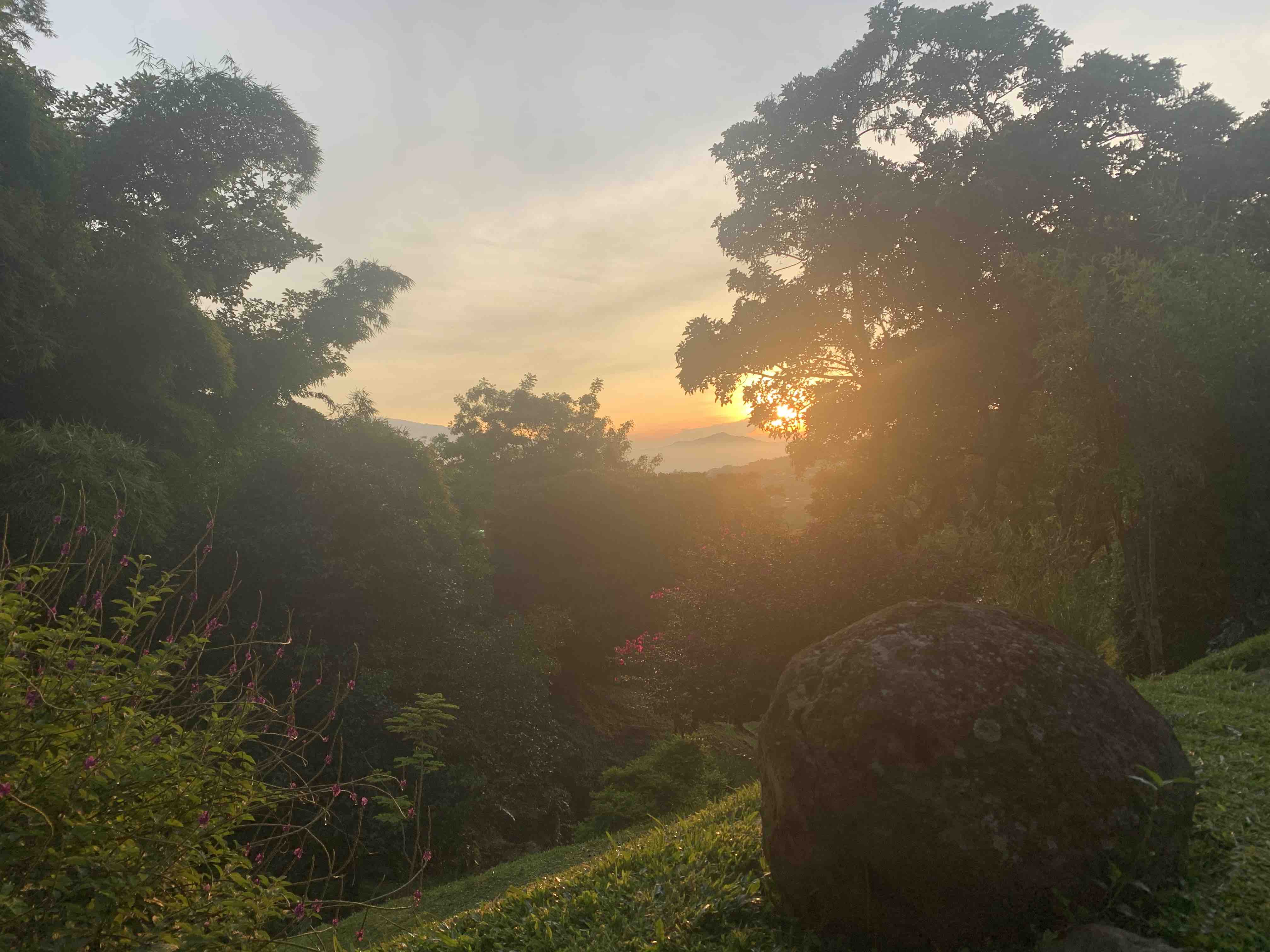
Getting to one trillion trees planted will happen one tree at a time, requiring many helping hands in many places. The round hunk of granite in the photo above reminds me each day that even with a good plan and strong motivation, hurdles are always on the horizon. This morning, as hurricane Iota moves on from Central America, and we can see that the sun still rises in the east, Organikos is now in its sophomore year. Freshman year started auspiciously enough with the Brunca farm visit that completed our selection of one dozen coffees to offer in the Authentica shops.

Our first hurdle came when Costa Rica’s airports closed in March of this year. By the time they partially re-opened in August we were already jumping the hurdle. Our mission is to plant as many trees as we can. On the land that Organikos has right now, that means a few thousand trees. And we are well on our way to completing that mission based on sales during freshman year, hurdle notwithstanding. Many have been inspired to pivot and selling online is not our course correction. Organikos will continue its plan to acquire more land to regenerate more bird habitat; that will require exponential growth, relative to freshman year. We are also now planning to allocate funds for regeneration on land owned by others, leveraging currently limited resources into more trees planted. We will announce the first collaboration in these pages pronto.

Does Planting A Trillion Trees Sound Implausible?

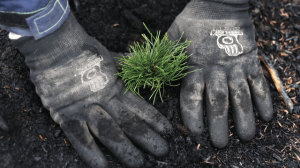
A nursery manager plants a whitebark pine at Glacier National Park in Montana in September 2019, part of an effort to restore vegetation following a wildfire. (Chip Somodevilla/Getty Images)

Here in Iota-drenched Costa Rica there is damage from this hurricane and from the one that just ended a week earlier, but it is minuscule compared to what Nicaragua and Honduras have sustained. If you are scientifically inclined, then two complementary ideas are easy to digest: 1) the people suffering most from the effects of climate change are among the least responsible for causing it; and 2) they live in places that may be best-suited for mitigating it.  For our part, planting trees when coffee is purchased is a drop in the ocean of need. A story we missed from a few months ago gives some hope that this particular idea has a future:

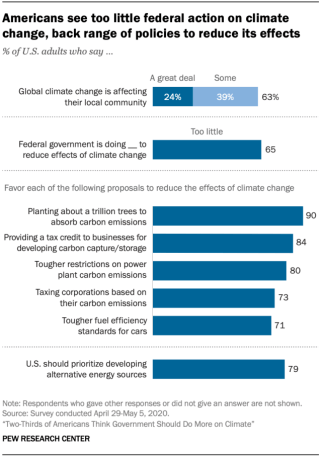
Two-Thirds of Americans Think Government Should Do More on Climate

Bipartisan backing for carbon capture tax credits, extensive tree-planting efforts

A majority of Americans continue to say they see the effects of climate change in their own communities and believe that the federal government falls short in its efforts to reduce the impacts of climate change.

At a time when partisanship colors most views of policy, broad majorities of the public – including more than half of Republicans and overwhelming shares of Democrats – say they would favor a range of initiatives to reduce the impacts of climate change, including large-scale tree planting efforts, tax credits for businesses that capture carbon emissions and tougher fuel efficiency standards for vehicles, according to a new Pew Research Center survey. Continue reading

Major Marine Sanctuary, An Unexpected Gift Of 2020

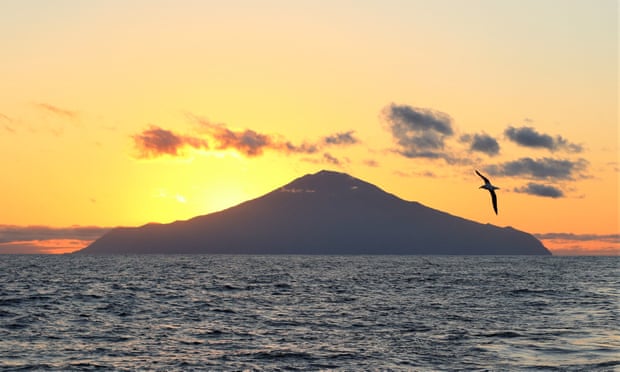
The marine sanctuary off Tristan da Cunha will be the fourth largest in the world. Photograph: Andy Schofield/RSPB/PA

The Guardian shares some welcome conservation news from a lesser-known bit of land surrounded by plenty water-based wildlife:

Tiny Atlantic island takes giant leap towards protecting world’s oceans

UK overseas territory Tristan da Cunha’s new marine protected area will be fourth largest sanctuary of its kind

Rockhopper penguins on Tristan da Cunha will be among a wealth of marine life to benefit. Photograph: Trevor Glass/RSPB/PA

A community of 250 people on one of the most remote inhabited islands on Earth has made a significant contribution to marine wildlife conservation by banning bottom-trawling fishing, deep-sea mining and other harmful activities from its waters.

The government of Tristan da Cunha, a volcanic archipelago in the south Atlantic and part of the UK’s overseas territories, has announced that almost 700,000 sq km of its waters will become a marine protected area (MPA), the fourth largest such sanctuary in the world. Continue reading