
Boca Tapada de San Carlos, Costa Rica
Boca Tapada de San Carlos, Costa Rica
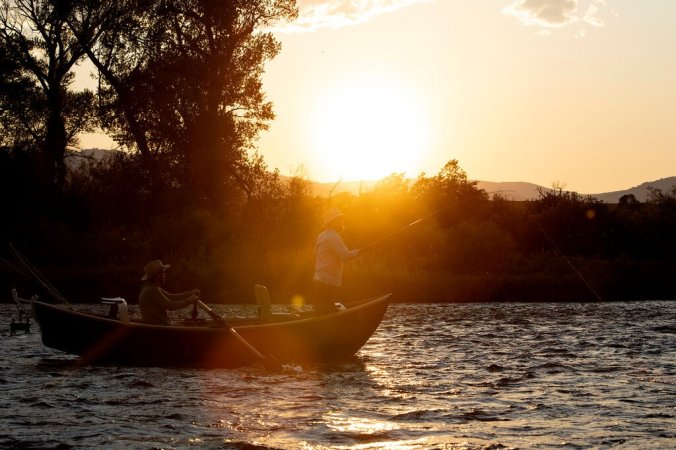
On the Madison River in Ennis, Mont.
Thanks to the author and her publisher for taking us there:
THE WORLD THROUGH A LENS
In Montana, the Art of Crafting Fly-Fishing Rods
“One thing about Montana,” says Matt Barber, an owner of Tom Morgan Rodsmiths, a custom fly rod shop in Bozeman, “is if there’s a moving body of water, there is probably a trout in it.”
Photographs and Text by
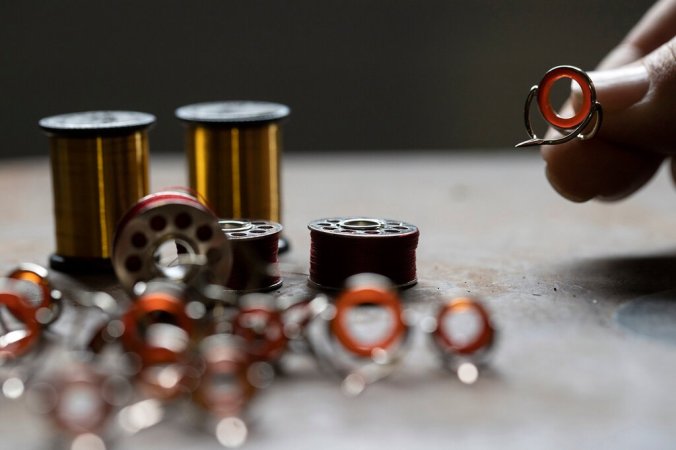
Shiny agate stripping guides — through which the fishing line will run — are wrapped (attached to the rod) using garnet thread and brass wire.
I live only a few miles away from Tom Morgan Rodsmiths, a custom fly rod shop in Bozeman, Mont. But entering the workshop feels a little like stepping off a plane in a foreign country.
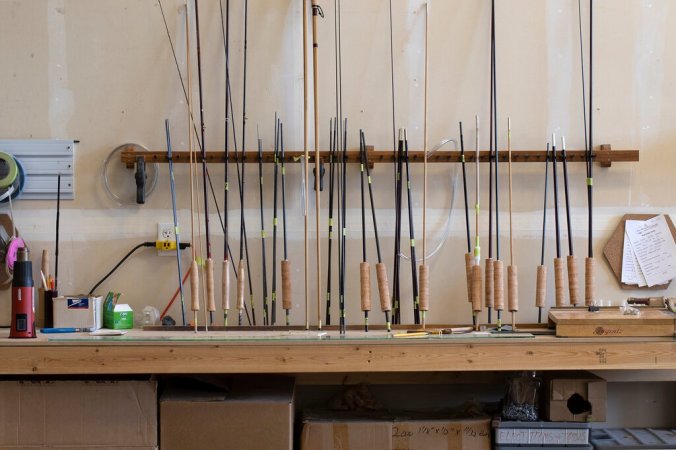
A row of rods ready for handle-shaping.
The language that circulates around the shop catches my attention. Continue reading
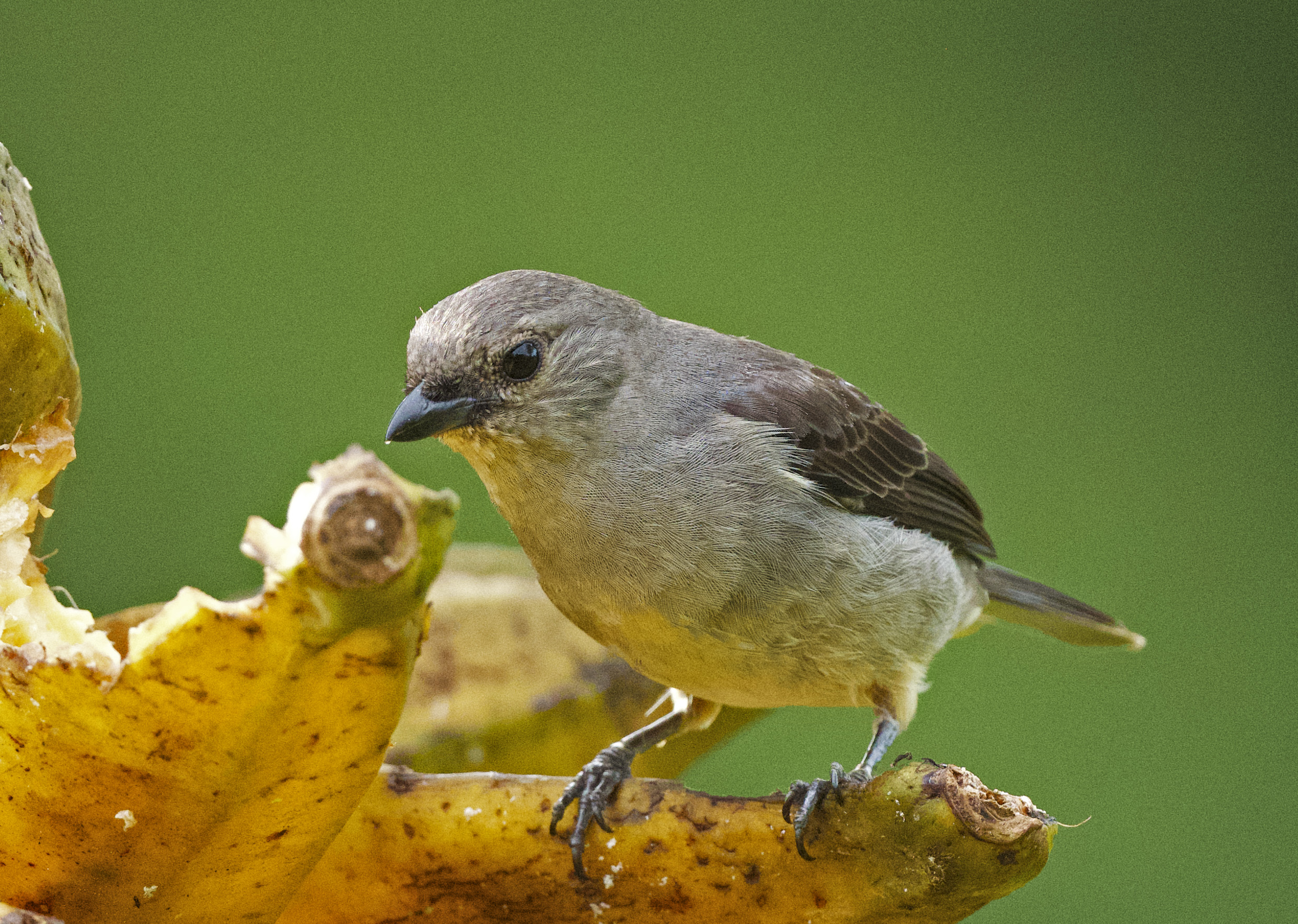
Boca Tapada de San Carlos, Costa Rica
I caught up on reading I had missed when it was first published. It is rare for me to miss a Dylan profile, but in May, 1999 I was preparing for our first lodge management project, so no wonder. Alex Ross avoids the tedium that makes me often wish I had not bothered with a Dylan profile. I recommend the profile whether or not you care about Dylan. If not just for clear writing, the quality of the cultural observation transcends the main subject.
 Today I am happy to have read another article by Alex Ross, this one much shorter. If you watch the video above it will give a good indication of whether you will find the article worth your while. It reviews the ideas in the book to the left, which offers a great segue from yesterday’s post. We are learning to be more aware of where the things we consume come from, and what it took to produce them, store them, deliver them, and the footprint they leave from production and after consumption:
Listening to music on the Internet feels clean, efficient, environmentally virtuous. Instead of accumulating heaps of vinyl or plastic, we unpocket our sleek devices and pluck tunes from the ether. Music has, it seems, been freed from the grubby realm of things. Kyle Devine, in his recent book, “Decomposed: The Political Ecology of Music,” thoroughly dismantles that seductive illusion. Like everything we do on the Internet, streaming and downloading music requires a steady surge of energy. Continue reading
The first time I saw upcycling in action, I did not know the word. It became part of my vocabulary in 2012. And then I started seeing it more frequently, but only years later before I would see it in relation to food. Now it is more mainstream, but this PBS news segment shocked me anyway, with the revelation of how much waste there is in the production of tofu. In my experience growing up in the USA, tofu was one of the first “green foods” on the market. Little did we know. Shock is sometimes followed by awe. Case in point: Renewal Mill is providing solutions to tofu production waste and other forms of food waste that seem obvious once you see them do it. But first, someone had to do it. I have not tasted their products yet but I am confident I would savor it on multiple dimensions.

Bolivia
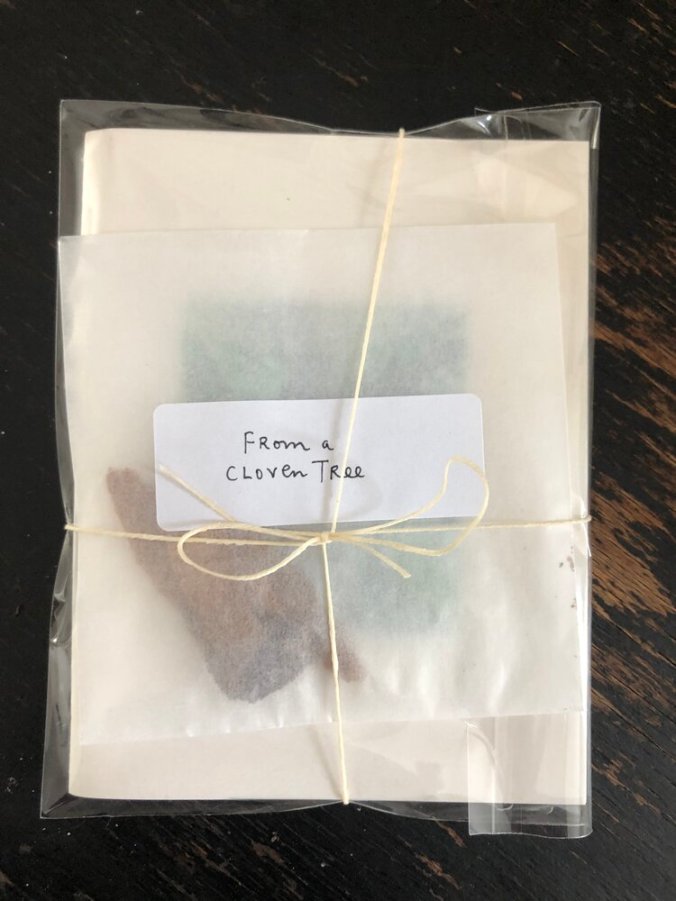
8+ years since the first link, and nearly 6 years since the last link to Maira Kalman‘s work, we are happy to see that a new book is en route. If you want to contribute to a novel get-out-the-vote mechanism, this may be for you:
trees
60.00
by Maira Kalman
Signed, second printing.
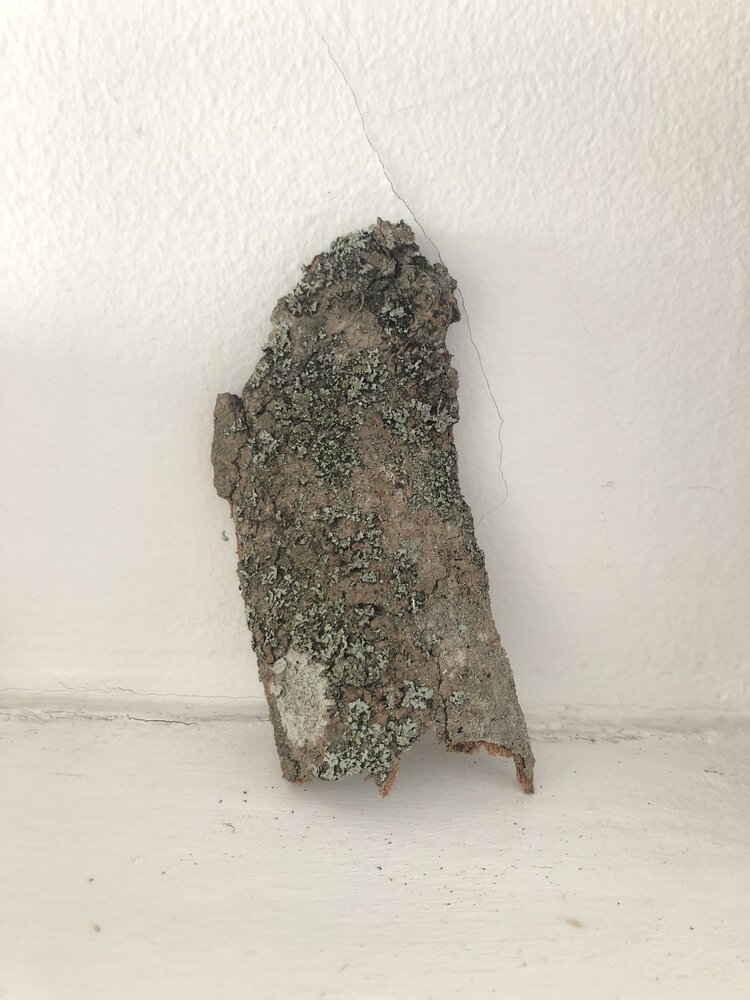
Each booklet comes with a piece of bark from a cloven tree.100% of the proceeds will be donated to organizations working to bring out the vote, including the ACLU.
4.25” x 5.5” / 40 pages / Color / Stitched binding
Booklets will ship via USPS in October. We will ship as quickly as we can.
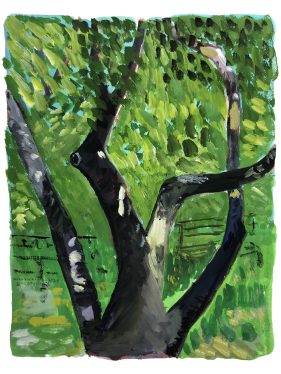
Every tree you encounter will lift your spirits.
(limit 10 booklets per order.)
Thanks to the New Yorker for bringing this to our attention with the following:
Looking at a Tree
By
Henry Hudson Park. The Bronx, New York.
There are two trees that have changed my life. The first was in Riverdale, the Bronx. It was in Henry Hudson Park, which was behind our building. My mother took me to the public library. Big windows, light pouring in. I was able to take books out to the park. I am eight years old or so, sitting in the tree in the park and reading “Pippi Longstocking.” In my memory, I was alone. The book was about a girl bursting with self-confidence and force. No parents in sight. A fantasy with madcap humor and a touching sense of kindness. This was me. And in those decisive, enchanted moments, I decided that I would write stories.
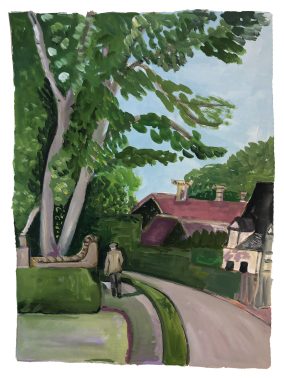
Ayot St. Lawrence, England.
When I was nineteen, I spent the summer in England, travelling with a friend and knocking about. We found ourselves in Ayot St. Lawrence, a little village outside of London. We were walking somewhere and passed a field with an immense tree in it. Maybe it was not far from a church or cemetery. Maybe I had just finished eating scones with clotted cream. At any rate, it took my breath away.
No tree since has made me feel that way. I have met many trees that I adore and admire. But that particular tree, on that particular day, has become one of the images in my life-is-good column…
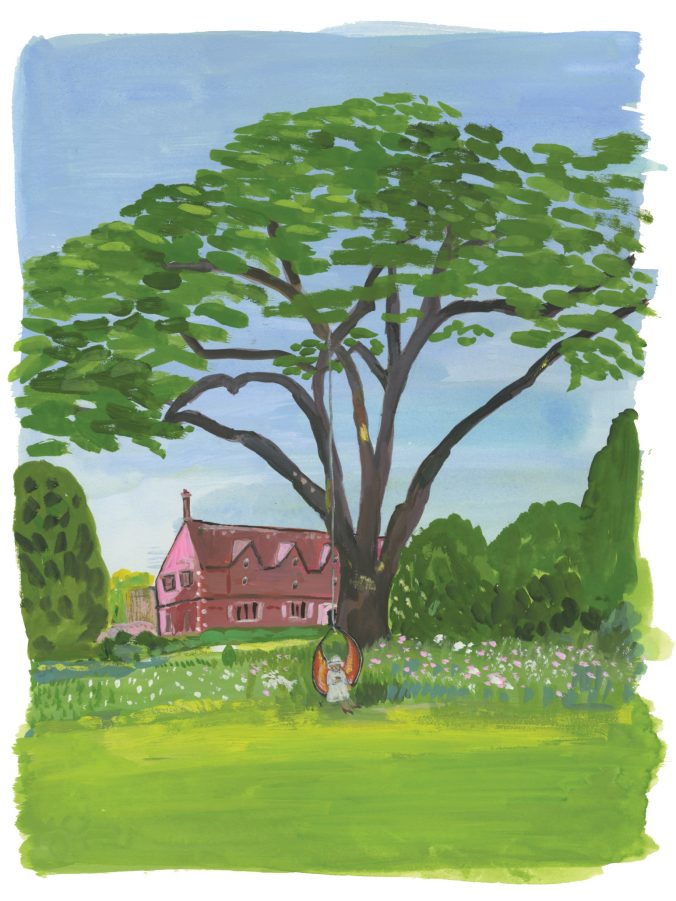
Dorset, England.
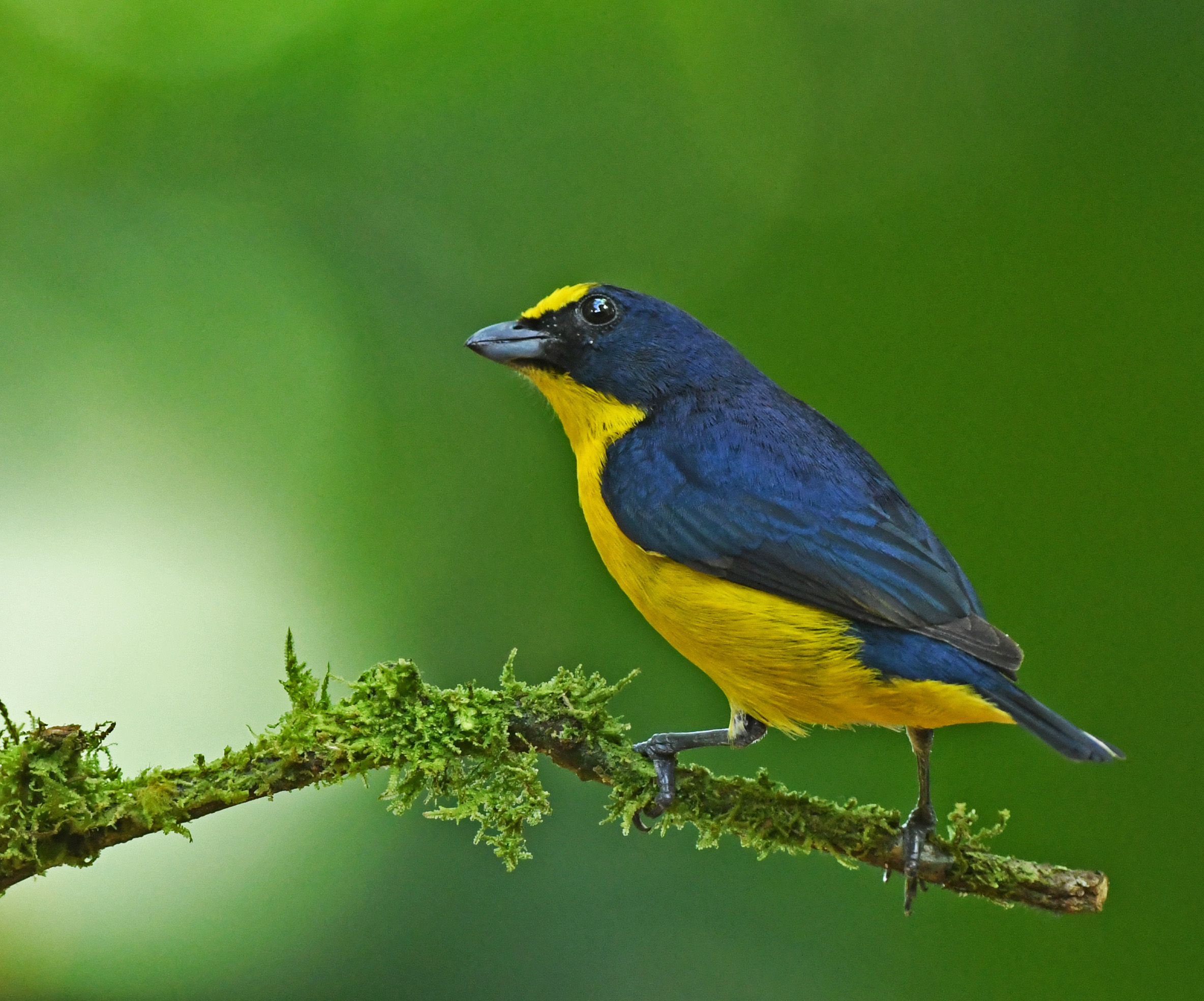
Costa Rica
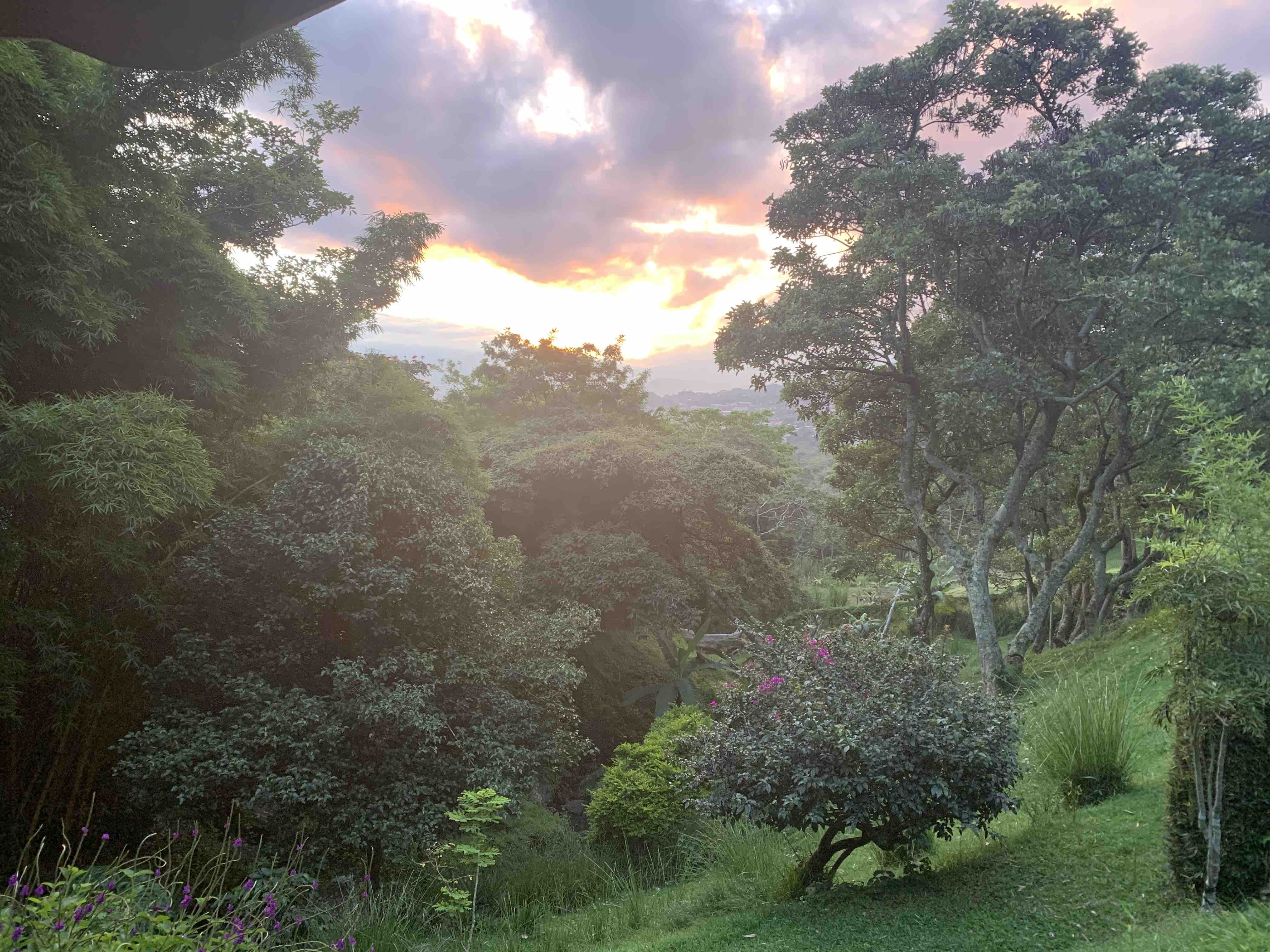
A friend sent an email asking for a recommendation. Among the four coffees we now offer in the USA, which two would represent the greatest variation in taste? On a rotating basis I taste one of these coffees every morning, while corresponding and reading news. I have tasted each of these four coffees dozens of times in recent months, with time to reflect on their differences. It is a matter of taste. Reading that email, I was also watching the sunrise, and I snapped the picture above. It helped me, in a very specific way, to respond.
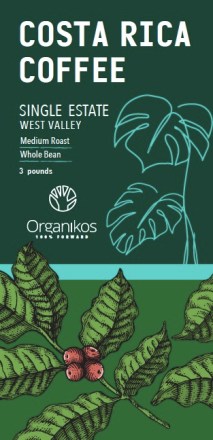 Edited for clarity, here is what I told my friend. The single estate coffee we offer from the West Valley region of Costa Rica, called Villa Triunfo, is to my taste the most distinctive flavor of the four. When I say “my taste” I mean something influenced by four decades of drinking coffee. In the first few years of those four decades I drank what most Americans drank, which was mediocre quality coffee. I could drink it again, if needed, but I hope not to. Yet, it must have influenced how I taste coffee. When I first tasted an alternative, it was espresso. That was in 1983, and “my taste” in coffee shifted dramatically. It shifted again when I started tasting arabica specialty coffees over the next couple of years while working as a waiter.
 That West Valley single estate coffee offers a small surprise, so pairing it with any of the other three gives good range. The surprise is partly a function of the estate, but also of the red honey process used to prepare the green bean to be roast-ready. This process is not unique to Costa Rica but is a signature of some of the country’s standout coffees. To my palate it adds a little bit of brightness to the rich, deep flavor. That is the sunrise reference to the photo. Surprise.
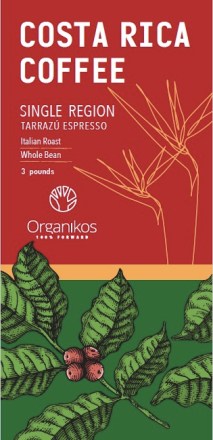
Most people, whether they know it or not, either prefer the taste of the coffee itself, in which case medium roasts are usually the best bet; or they have a strong preference for the taste of a darker roast, in which case the Italian roast of our Tarrazú coffee might be the best bet, and would be the most unlike the West Valley. Method of preparation is key to this discussion.
I have observed from conversations over the last year with people visiting our shops that it is more common for people who normally drink medium roast to also occasionally enjoy dark roast, whereas people who normally drink darker roasts do not enjoy coffee that is roasted anything less than dark. The Tarrazú single region coffee we offer, roasted to Italian level darkness, works well, either in an espresso machine or brewed in any standard manner, e.g. pour-over, French press, drip coffee maker, etc. That would be the flavor profile most unlike the West Valley coffee.
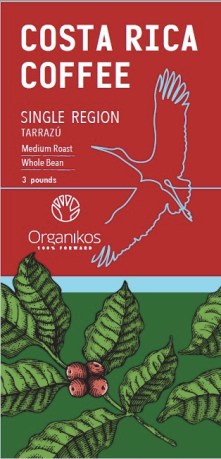 Another option is simply to pair the two Tarrazú coffees, one roasted at medium to emphasize the character of the bean and the Italian roast for those who know they prefer the taste of the roast as much or more than the taste of the coffee itself. Tarrazú is featured twice among our four selections because, in consideration of taste, we know that most people who have become aware of coffee from Costa Rica have most likely had the opportunity to taste coffee from this region. And that has developed into a preference, we believe. I do not think that one single coffee region, or one single estate from any of Costa Rica’s growing regions, could claim to be the quintessential flavor of coffee.
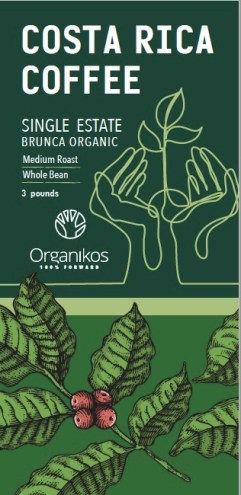 Neither generally speaking do I think that, nor even for this one small coffee-producing country do I think that there is one coffee to beat all other coffees as best representing “what coffee is at its best.” But, get me talking about the organic coffee we offer, which has a flavor profile that appeals to most coffee drinkers except those who only drink dark roast, and I would say there is something ideal in Hacienda La Amistad.
In the few decades since they got certified as an organic producer, they have stood out as a model for what is possible both in terms of coffee quality and in terms of ecological responsibility. So, if pressed, I might hint that this coffee is representative of Costa Rica due to the country’s longstanding leadership in sustainable development and conservation. But I would not for that or any one other reason say this coffee is the best. It is a matter of personal taste.
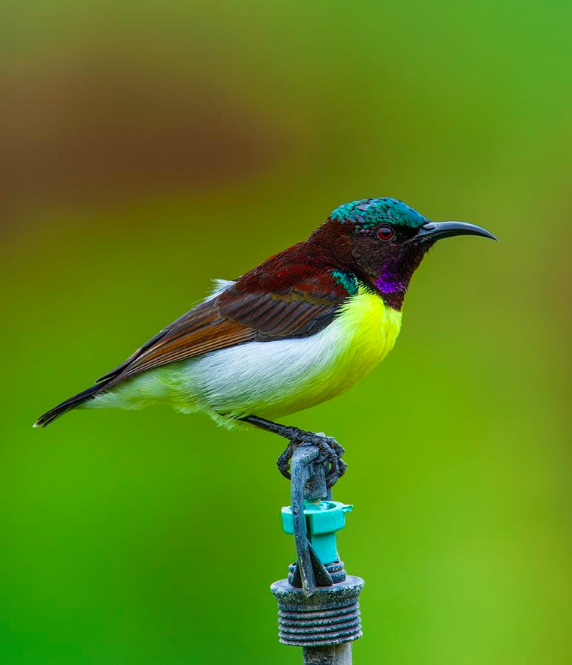
Bangalore, Karnataka
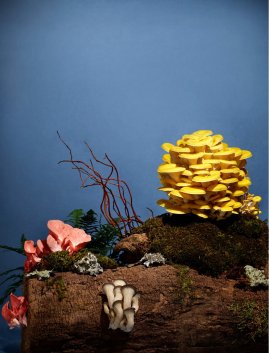
Photograph by Mari Maeda and Yuji Oboshi. Styled by Suzy Kim
I have not done a count, but I would guess the New York Times has been the source of as many stories we link to as any other publication. Mostly that would be due to the excellence, and relevance to our goals, of the Science section. The New York Times Style Magazine is not normally a source for us. I cannot find a single link to that publication on this platform in 9+ years and among 4,000+ posts. We feature plenty of shiny pretty things but only those that offer insight relevant to this platform. On occasion the trendy and/or the fashionable intersect well with the stories we favor, and we have no problem pointing those out.
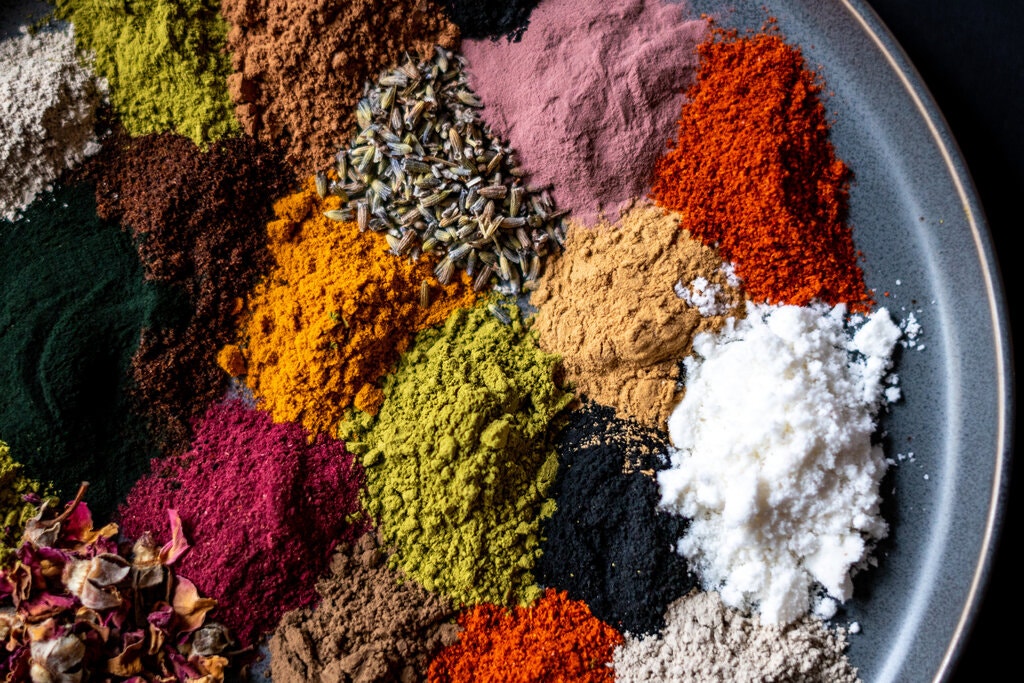
A selection of herbal and mushroom powders from Apothékary. Sarah Gurrity
So it goes with fungi. There are many fungi-focused posts on this platform, few of which would be seen as glamorizing. Surely we are trying to validate the topic by shining an attractive light on it. But we favor knowledge over visual stimulation. Aesthetics are not lost on us, nor is the intent to get more people interested in a topic we care about, so:
Are Mushrooms the Future of Wellness?
Long thought to have medicinal benefits, fungi including reishi, lion’s mane and chaga are gaining popularity in the wellness world.
Even before the onset of the pandemic, which has increased the demand for all manner of so-called organic immunity elixirs, wellness-minded Americans were warming to mushrooms. To be clear, mushrooms don’t cure Covid-19, but they are thought to provide a host of other benefits, from serving as an aphrodisiac to bolstering one’s defenses to toxins…
Not one, but two articles in the same issue, both with fabulous photography. The first, by Arden Fanning Andrews, deals with the health benefits of fungi; the second, by Ligaya Mishan, focuses on the culinary:
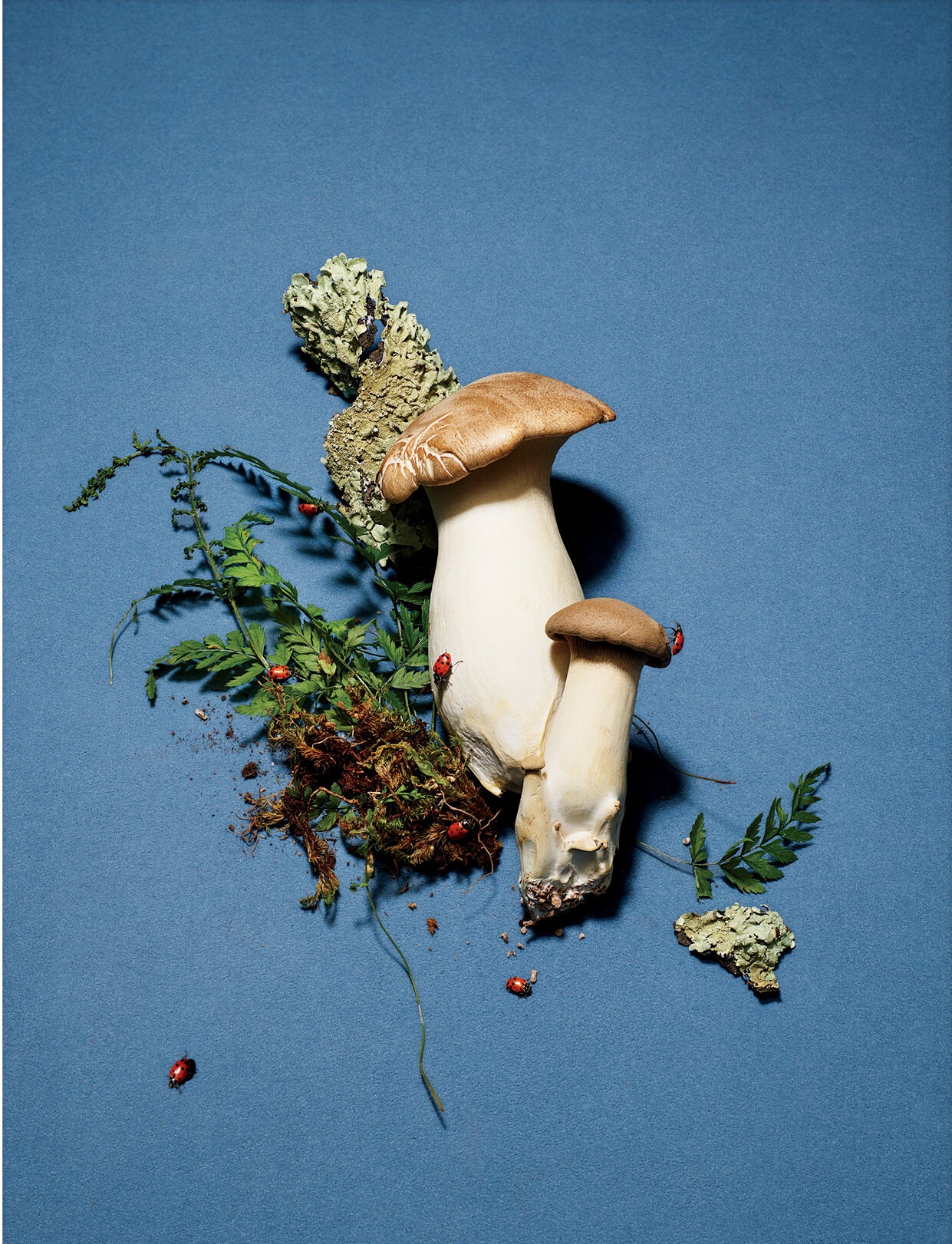
A duo of royal trumpet mushrooms alongside ladybugs, lichen and wild ferns.Credit…Mari Maeda and Yuji Oboshi
Mushrooms, the Last Survivors
Neither plant nor animal, mushrooms have confounded humans since ancient times. Now, they’re a reminder of our tenuous place in an uncertain world.
The mushrooms sit on high, behind glass, above bottles of Armagnac and mezcal in a bar at the Standard hotel in Manhattan’s East Village. They are barely recognizable at first, just eerie silhouettes resembling coral growths in an aquarium, blooming in laboratory-teal light: tightly branched clusters of oyster mushrooms in hot pink, yolk yellow and bruise blue, alongside lion’s mane mushrooms, shaggy white globes with spines like trailing hair…

Andaman Islands
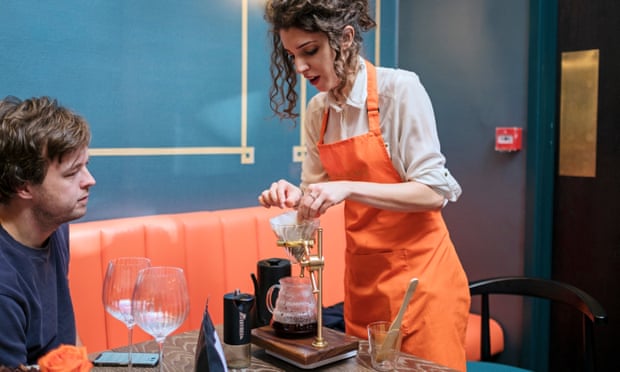
Archie Bland being served a very expensive cup (glass) of coffee at Queens of Mayfair. Photograph: Linda Nylind/The Guardian
In 2018 and 2019 I had the opportunity to sample many of Costa Rica’s best coffees. We were narrowing our selection from dozens of excellent options down to one dozen that we would offer in our shops. Just prior to opening the shops, a friend generously gifted a bag of coffee from one of Panama’s premier growers. They had made the news for the auction price of one of their finest coffees and our bag was not from that lot, but still it was by far the most expensive coffee I have ever tasted. It was an experience like tasting fine wine, as the story below describes. The coffee was excellent. I would drink more if it was gifted but I am not holding my breath waiting. We drink excellent coffee in our home every day, and we sell plenty of it to others as well. I will leave it to the journalists to tell these stories:
‘Reminds me of vegetable soup’: how does a £50 cup of coffee taste?
It is the most expensive sold in the UK and served in a goblet, but is this Ethiopian brew worth the hype?
For £50, you can buy a return flight to Paris from London or Manchester, or a set of Liberty facemasks, or a bottle of Veuve Clicquot champagne.
Or, if you’re feeling really fancy, you could go to Mayfair, and have a cup of coffee. Well, a goblet of it, to be precise.
This is the USP of Queens of Mayfair, a central London cafe that weathered a corona-cursed first few months to become a popular venue for well-heeled locals in search of a brew and a posh donut. Continue reading
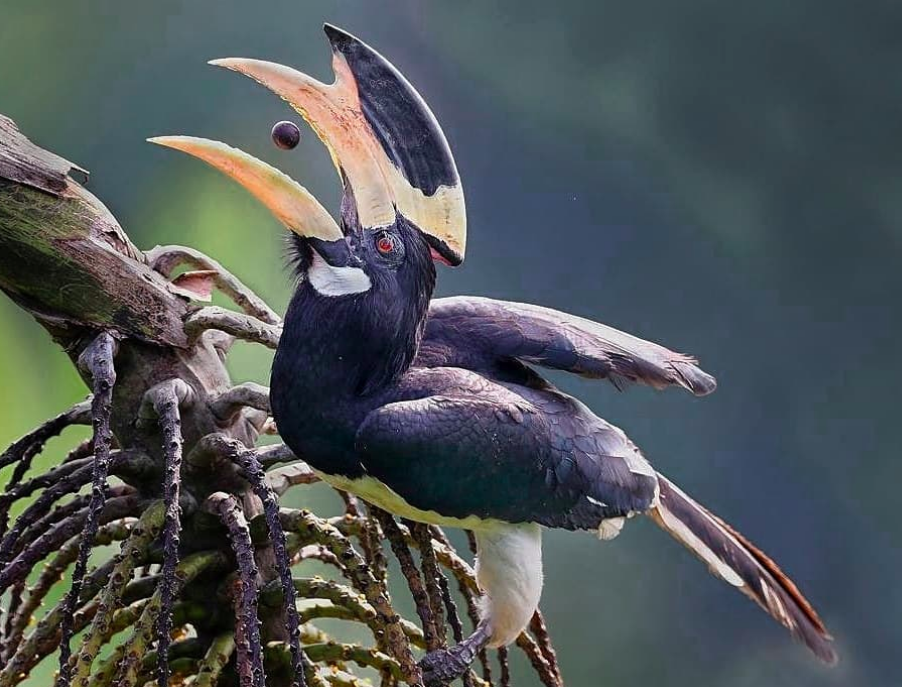
Mapusa, Goa
It is not that we avoid this topic. Over the years we have posted plenty of times on it. It is complex, with no clear solution in view so we have avoided the most depressing stories on the topic, of which there are plenty. The topic matters very much to our current livelihood, so we are constantly on the lookout for stories that illuminate with science, touch with humanity, and/or frighten with clarity. We share one today that does all three. We have featured the work of Maryn McKenna just once before, and now is as good a time as any to do so again. Guatemala is in our neighborhood and the story she tells could have as easily been here in Costa Rica. We thank the Atlantic for publishing it:
Coffee Rust Is Going to Ruin Your Morning
Coffee plants were supposed to be safe on this side of the Atlantic. But the fungus found them.
In the southern corner of Guatemala, outside the tiny mountain town of San Pedro Yepocapa, Elmer Gabriel’s coffee plants ought to be leafed-out and gleaming. It is a week before Christmas, the heart of the coffee-harvesting season, and if his bushes were healthy, they would look like holiday trees hung with ornaments, studded with bright-red coffee cherries. But in a long row that stretches down the side of his steeply sloped field, the plants are twiggy and withered. Most of their leaves are gone, and the ones that remain are drab olive and curling at the edges. There are yellow spots, brown in the center, on the leaves’ upper surfaces. On the underside they are pebbly, and coated with a fine orange dust. Continue reading
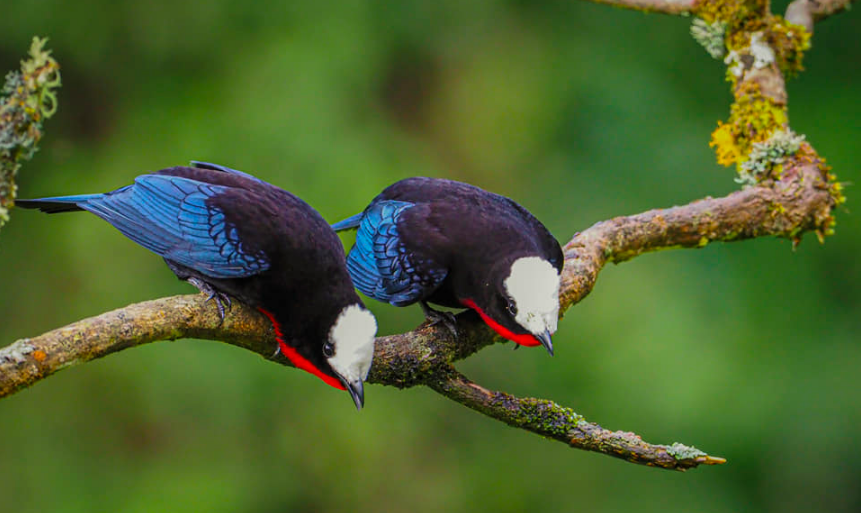
El Tulcán, Ecuador
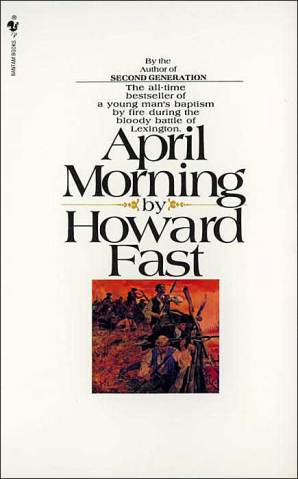 Reading this op-ed reminded me of a book that I read in my mid-teens. I remember reading it cover to cover in one sitting and it sparked a kind of book-reading that had not been part of my life previously. I was a plot-driven reader and April Morning got me more interested in character. So my belated thanks to one of the librarians, circa 1978, at the amazing library down the street from our home, who recommended this book to me. When I came back to see what other books by the same author were available, I saw that he had a very long list of titles in the card catalog.

So I asked for help from another librarian, and soon I was reading this other historical novel. Reading The Hessian may account for my becoming an English major in college a few years later. I did not like this book nearly as much. And this led to a conversation with the librarian who had recommended it to me. Literary criticism it was not, but having something to say about the difference between the two books, and hearing someone else’s opinion on the same, was interesting. Belated thanks to that librarian for that conversation, and for the next gift.
She told me that Howard Fast would be giving a lecture in the library’s auditorium the following week. That too would be a first. I had never attended an author’s lecture before. He was talking about a book, The Immigrants, that had just been published. I do not remember much about the lecture, but at the end of it I went to the front of the auditorium and handed the author an envelope. In it was a short letter thanking him for writing the two books I had read, and sharing a few thoughts I had exchanged with the librarian. Days later I received a letter in the mail. It was from the author, replying to the letter this kid had handed him in the auditorium. Thank you, Howard Fast. And thank you, librarians.
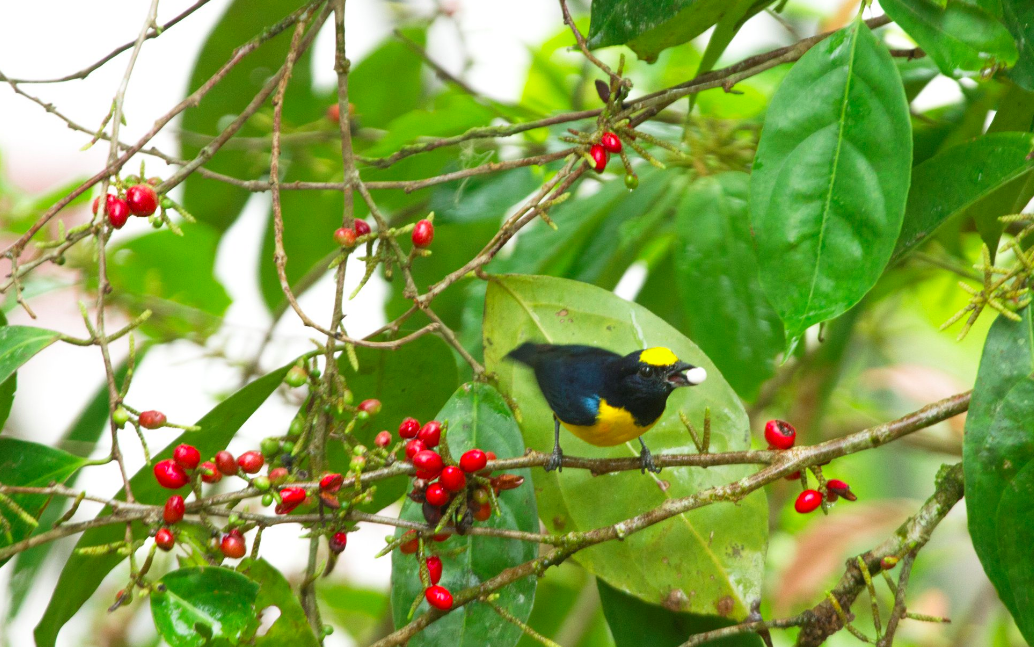
Macaw Lodge, Costa Rica
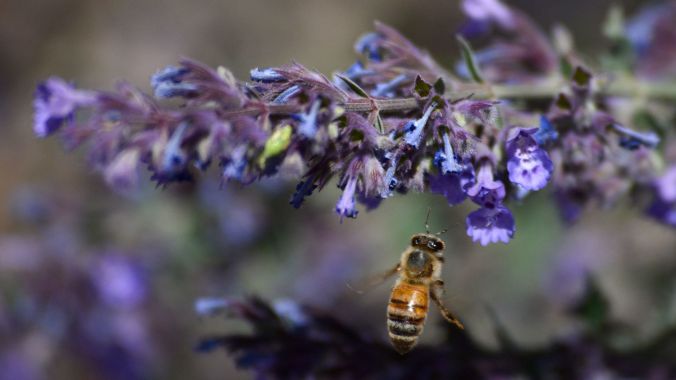
A honey bee visits a blooming catmint plant in New Mexico. ROBERT ALEXANDER/GETTY IMAGES
Since Milo’s 2011 post on this topic we have paid attention to the plight of honey bees and their human keepers, and might have had a “whatever it takes” perspective on letting those human keepers find solutions to keep their colonies alive. Jennifer Oldham’s article in Yale e360 has us thinking twice:
Will Putting Honey Bees on Public Lands Threaten Native Bees?
As suitable sites become scarce, commercial beekeepers are increasingly moving their hives to U.S. public lands. But scientists warn that the millions of introduced honey bees pose a risk to native species, outcompeting them for pollen and altering fragile plant communities.
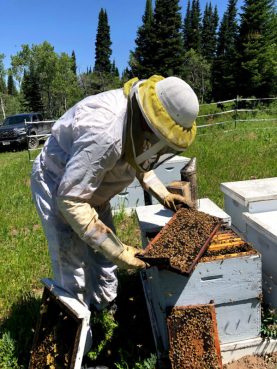
Beekeeper Dennis Cox checks his hives in Strawberry Valley, Utah in July. JENNIFER OLDHAM / YALE E360
Honey bees heavy with pollen and nectar foraged from wildflowers on Utah’s Uinta-Wasatch-Cache National Forest collide with tall grass and tumble to the ground. They are attempting to land alongside a hive, and I watch as they struggle to stand, fly into the box, and disgorge nectar to be made into honey.
The pollinators belong to a 96-hive apiary, trucked here to Logan Canyon for the summer to rest and rebuild their population, replenishing bees lost to disease and pesticides after months pollinating California’s almond groves. By Labor Day, the yard could house 5 million domesticated pollinators. Continue reading
 Organikos