Refugio Pantanos de Villa, Peru
Bird of the Day: American Oystercatcher
Refugio Pantanos de Villa, Peru
Refugio Pantanos de Villa, Peru
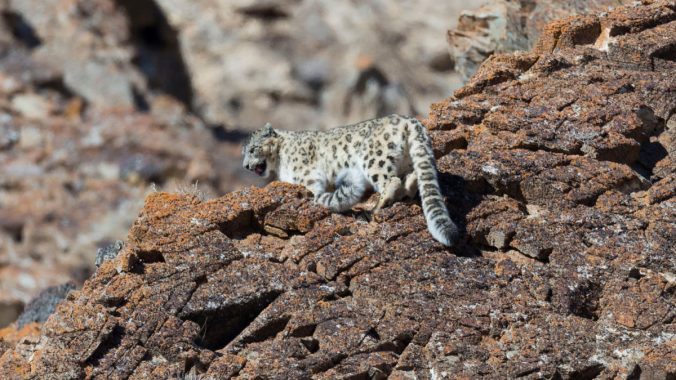
There are an estimated 1,000 snow leopards in Mongolia. HEMIS / ALAMY STOCK PHOTO
Our thanks to the activists who take on the cause of endangered wild cats around the world, and to Fred Pearce and Yale e360 for bringing them to our attention:
How a Mongolian Activist Is Helping Snow Leopards and Herders Coexist
Mongolian activist Bayarjargal Agvaantseren spearheaded the creation of the world’s first reserve for endangered snow leopards. In an e360 interview, she describes how she helped win over the local herders who once sought to kill the leopards but now patrol the reserve to protect them.
Bayarjargal Agvaantseren. GOLDMAN ENVIRONMENTAL PRIZE
Bayarjargal Agvaantseren has spent 20 years traveling to remote regions of Mongolia’s Gobi Desert, fighting to protect native snow leopards. The 50-year-old teacher-turned-activist persuaded Mongolia’s parliament in 2016 to create the world’s first national reserve specifically for the endangered animal. It links two existing protected areas to create a continuous safe zone for the species covering 31,000 square miles, where over a third of the country’s estimated 1,000 snow leopards live.
The creation of the reserve led to the banning of all mining in one of the animal’s key habitats. In a country so dependent on extractive industries — coal and minerals make up 85 percent of exports — her achievement is astounding. She attributes it to the support of remote goat-herding communities, people who she converted from regarding leopards as their enemies to patroling the reserve to protect them. Continue reading
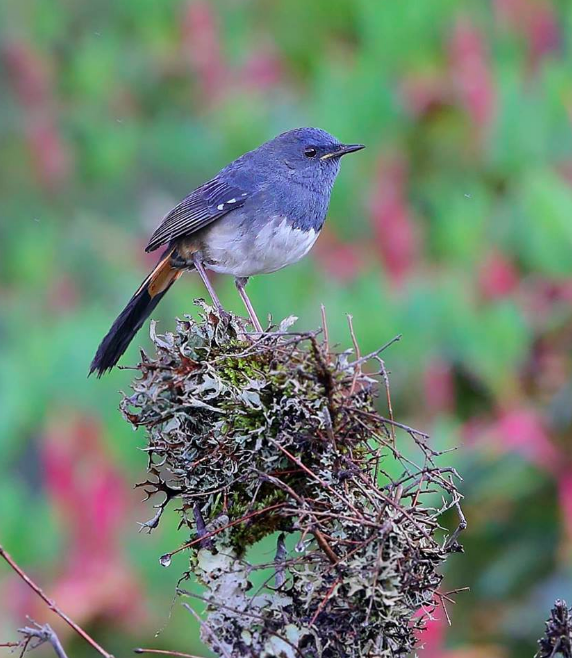
Sela Pass, Arunachal Pradesh
During our 7 years in India we experienced the development and growth of the Kochi-Muziris Biennale – from the early days of the first edition in 2012, to direct involvement in 2014, to an even more successful 3rd edition in 2016. The diversity of India is undeniable, and the country’s first art biennale has increased its reach continually in both the breadth of the artists involved, and the depth of its work toward community outreach and inclusivity.
Having been exposed to Art myself from an early age, it’s difficult to describe the pleasure I felt seeing groups of school children, accompanied by parents and teachers, experiencing the wide range of installations and exhibits in the different venues of the biennale.
Reading now about Portal: Governors Island, I wonder how I could have possibly missed it, but then again – we were living in India! I love how the NYTimes called it an “Art Fair for the 99%”. I would love to be the one to introduce the KMB team to the non-profit team 4heads, who organizes this annual September event.
There’s still time to get there, so if you happen to be in New York…
Created by artists, for artists
Our mission as an artist-created organization, is to cultivate a supportive community by hosting free large-scale art fairs and studio residency programs for under-represented artists, and by tailoring arts education programs for underserved youth. With a strong focus on artistic excellence and inclusion, we revitalize historic spaces with contemporary art, as we continue to enrich and expand our creative community: a socially, economically, and culturally diverse reflection of New York City itself.
On Saturday, August 31, 2019, 4heads will open Portal: Governors Island (formerly known as Governors Island Art Fair), featuring a diverse range of artists from across the U.S. and abroad. Installations, which span the spectrum of artistic genre and media, will be presented across eight of the historic homes on Colonels Row, with each artist installing in an individual room or connective space. Now in its 12th year, Portal: GI heralds the start of the fall visual arts season in New York, with a spirited atmosphere that encourages conversation between artists and visitors and challenges the established fair paradigm as one exclusively for art connoisseurs. Portal: GI will be open every Saturday and Sunday through from August 31 to September 29, 2019. Continue reading
Dunwoody, GA
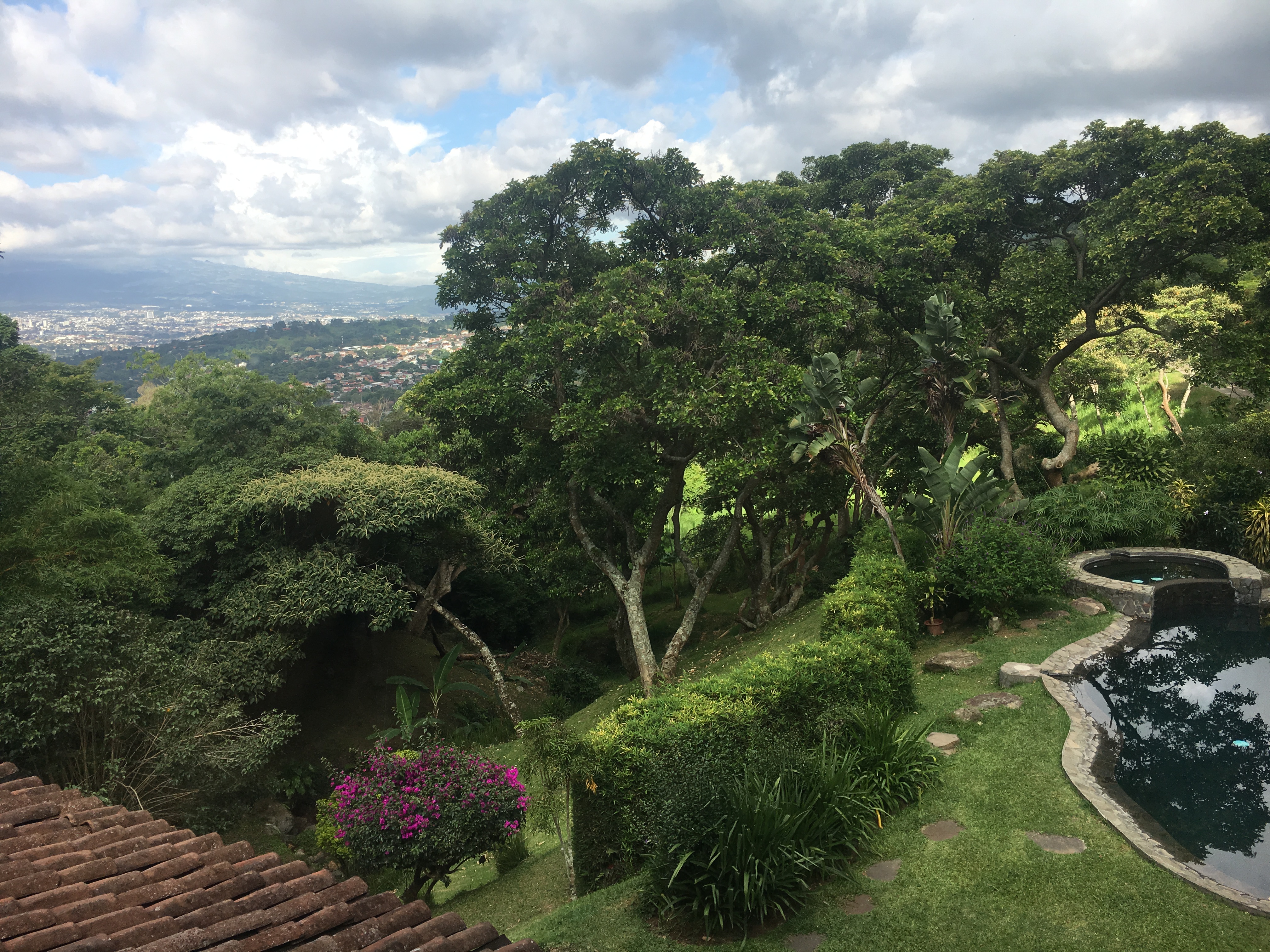
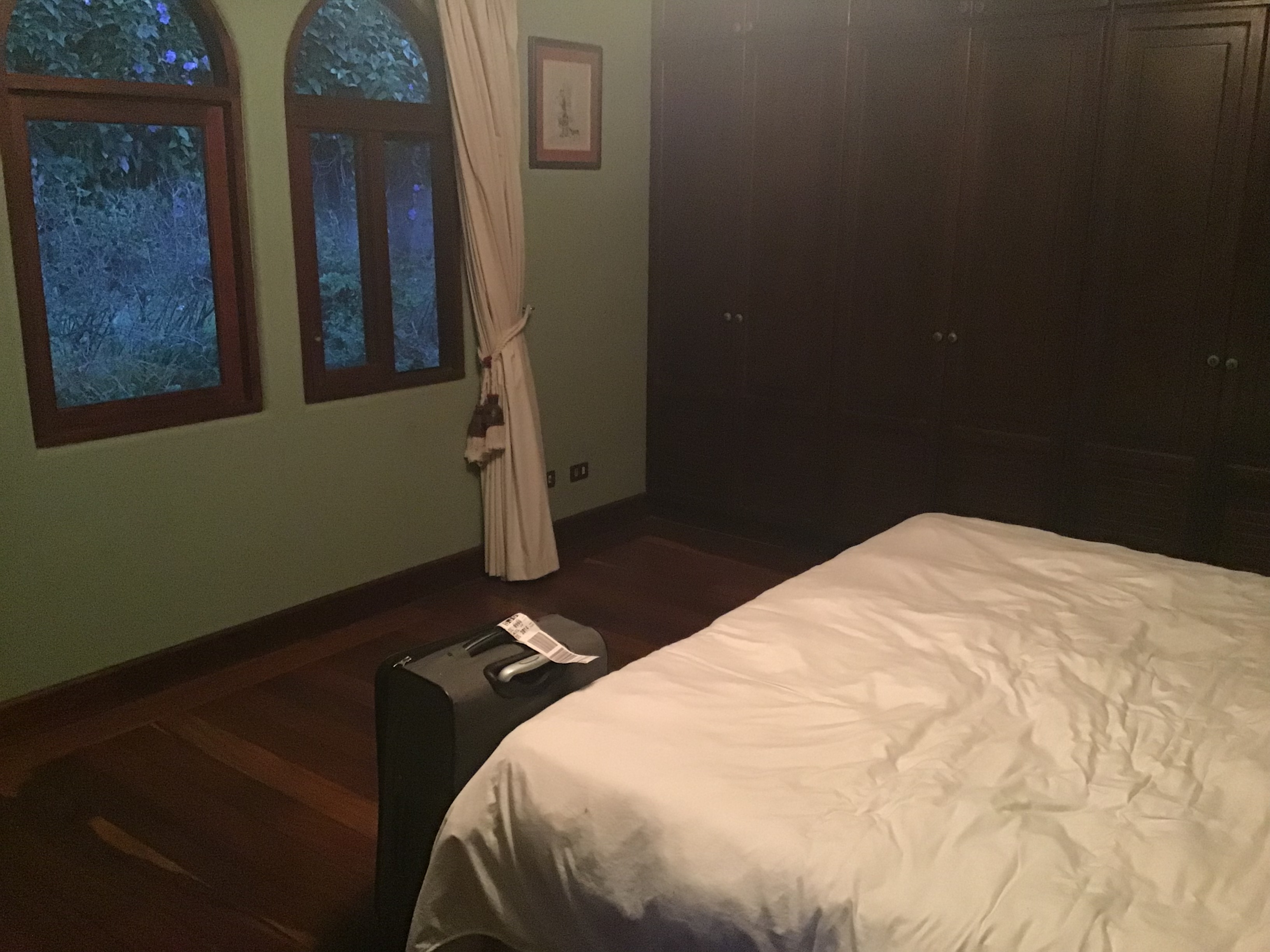
A few hours ago I got of my flight arrived in San Jose Costa Rica. This is not my first time outside of the United States, but it is my first time in Central America. In the few short hours I’ve been here I have already spotted a few birds I was hoping to see, experienced some of the incredibly inclined and twisted roads, realized just how much of my two semesters of Spanish I’ve already forgotten, and started doing research on Costa Rica’s coffee industry. Continue reading
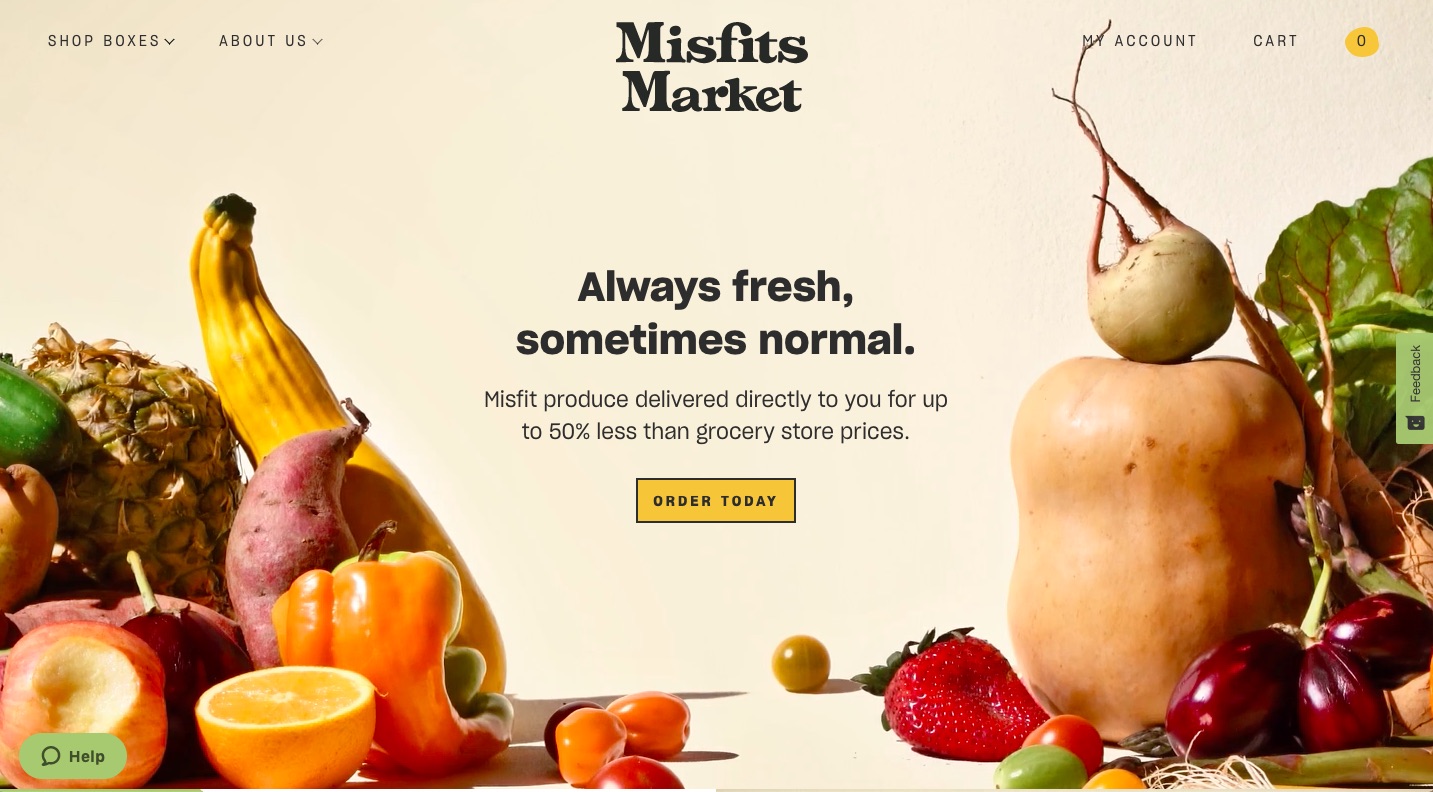
Thanks to Henry Alford for all the references in this New Yorker short piece on efforts to establish market value for produce normally treated as misfits are treated, which is to say shunned at best:
For “Ugly” Produce, Beauty Is Rind Deep
Misshapen fruits and vegetables and the farmers who love them.
Illustration by João Fazenda
You did not anticipate this plot point: you’ve decided to pony up twenty-three fifty a week to receive a regular shipment of organic “ugly produce,” perhaps because you’ve read that about half of the produce in the United States goes uneaten, or maybe because you’ve been charmed by a Web site that boasts of “rescuing” foodstuffs such as “onions that are too small, potatoes that are shaped like your favorite celebrity, and carrots that fell in love and got twisted together.” You glow with a sense of mission. But, when your first shipment of ugly produce arrives and you peer inside the recyclable cardboard box, you do a double take: the produce is not ugly. And not a single potato looks like Abe Vigoda.
“I would first redefine it as misfit produce,” Abhi Ramesh, the founder and C.E.O. of Misfits Market, said on the phone the other day. (It is Misfits Market’s Web site that is quoted above.) “The market calls it ugly produce, but ‘ugly’ ends up being only a small portion of it. The variations are standard: produce that’s too small or too large or that has slight discoloration.” Continue reading
Bijapur, Karnataka

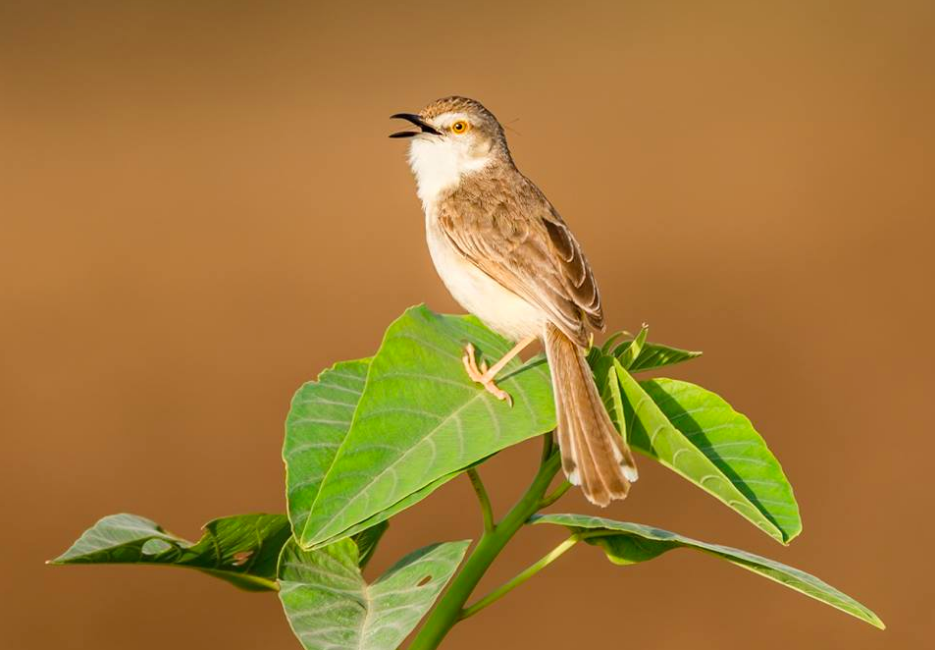
photo credit: Dr. Eash Hoskote
Tigers and other megafauna felines have frequently held pride of place on this site, beginning long before our company was based in India.
Thank you to NPR for reporting on the good news of this census, although in full disclosure their choice of cover photos is quite disappointing and we are happy to highlight a stunning photo by Dr. Eash Hoskote, one of our regular nature photography contributors instead.
Census Finds Nearly 3,000 Tigers In India
In 2010, India sought to double its tiger population by 2022. But on International Tiger Day, the country announced it met its goal four years earlier than expected.
Nearly 3,000 tigers now reside in India, that’s more than 70% of the world’s tiger population.
Prime Minister Narendra Modi released the 2018 All India Tiger Estimation count on Monday, attributing the figures to India’s hardworking wildlife officials and advocates.
“Once the people of India decide to do something, there is no force that can prevent them from getting the desired results,” Modi announced at a news conference. “Today we reaffirm our commitment towards protecting tigers.”
He added that India now takes the lead in being the biggest and safest habitat in the world for tigers. The population, now at 2,967, is up from 2,226 since 2014.
“There are several plants and animals out there that need our help,” Modi said. “What is it that we can do? Either through technology or human action to give them … a life so that they can add beauty and diversity to our planet.” Continue reading
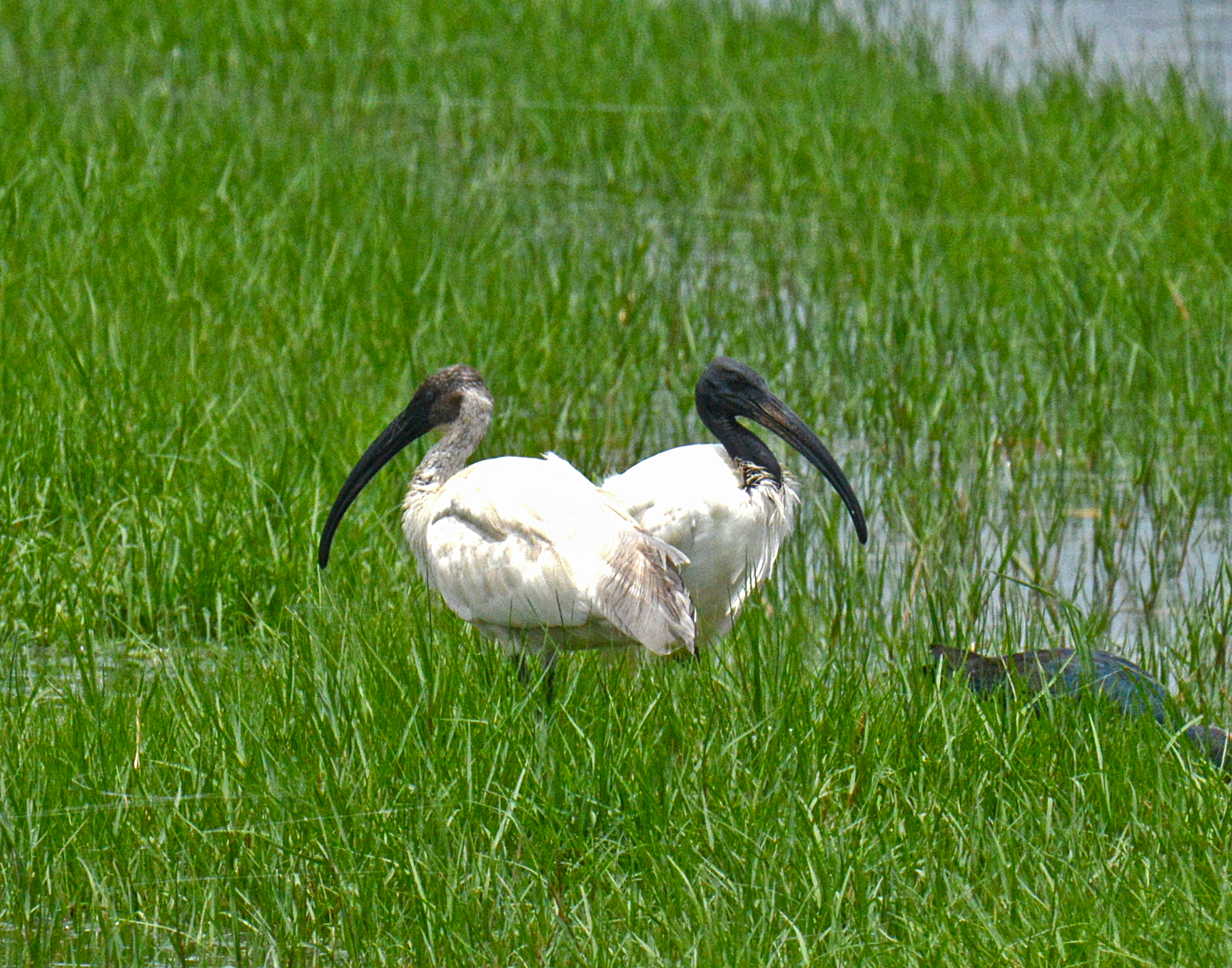
Ezhupunna, Kerala
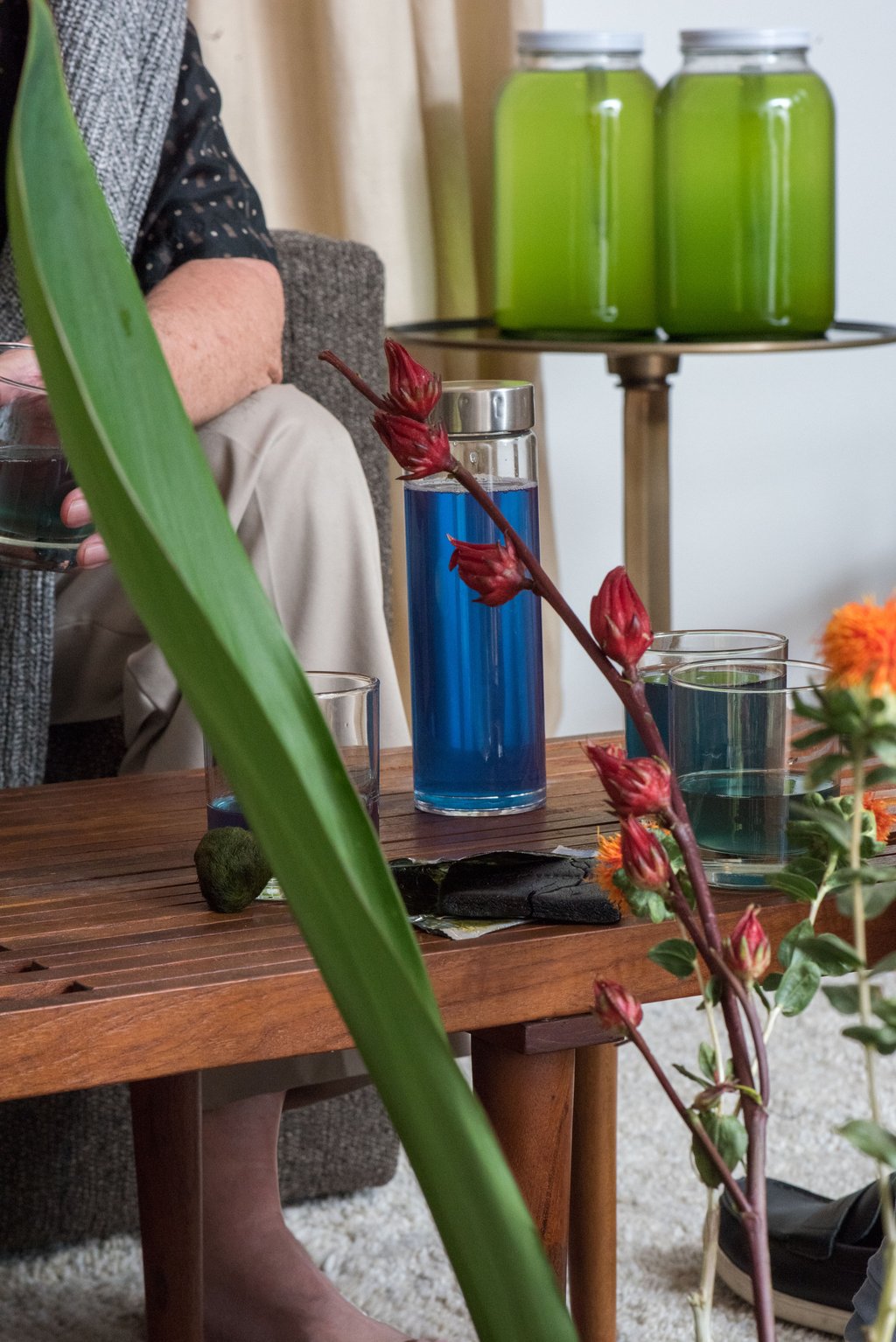
We have shared so many algae stories on this platform already, I am always on the lookout for the next breakthrough story. Thanks to a story in Sierra, which I almost skipped because of the smile in the photo below, I have learned about a company called nonfood, and found on their website other photos I could relate to (like the one above). The story is worth a read, and we hope to see more by Lewis Page:
The Future of Food Is Algae (Again)
A new generation of futurists look to the promise of pond scum
NONFOOD HAS UTOPIAN IDEALS, AND AN ALGAE-PRIDE MARKETING AESTHETIC. | PHOTOGRAPH COURTESY OF NONFOOD
A little over a year ago, CNN aired a segment about the future of food. “In 1800, there were a billion people on Earth,” said technology correspondent Rachel Crane. “Today, there’s seven times that. And by 2100, estimates say there could be nearly 12 billion people around the world.” Crane’s quest, then, was to taste-test food for a future with more people and fewer resources—one that would require eating lower on the food chain.
First, Crane confronted a platter of sushi made with a tomato-based raw tuna substitute and devoured it approvingly. Then, she opened a silver pouch containing an algae-based food bar made by a Los Angeles start-up named Nonfood.
“Ugh, it smells,” Crane said, recoiling. “Instead of trying to emulate flavors we know and love, they decided to embrace the algae.” She took a bite and gagged. Her teeth were stained slightly green, and her tongue, when she stuck it out, was covered in a dark green paste.
Oddly enough, this was good publicity. After the episode aired, Nonfood, which seems sometimes like a business and sometimes more like an art project, was flooded with orders…
Read the whole article here. And while you are at it you might find the website for nonfood, with its ponderous accompanying photography, worth a visit as well:
RESTARTING THE FOOD CHAIN
We know that a plant based diet is better for the environment than a meat based diet, but we are also missing out on so many vitamins and nutrients the further up the food chain we eat. Algae is unique because it’s highly efficient at turning sunlight, water and CO2 into vitamins and nutrients, more than any other crop. It is the original source of food for life on earth and continues to be good for us as well as the planet.
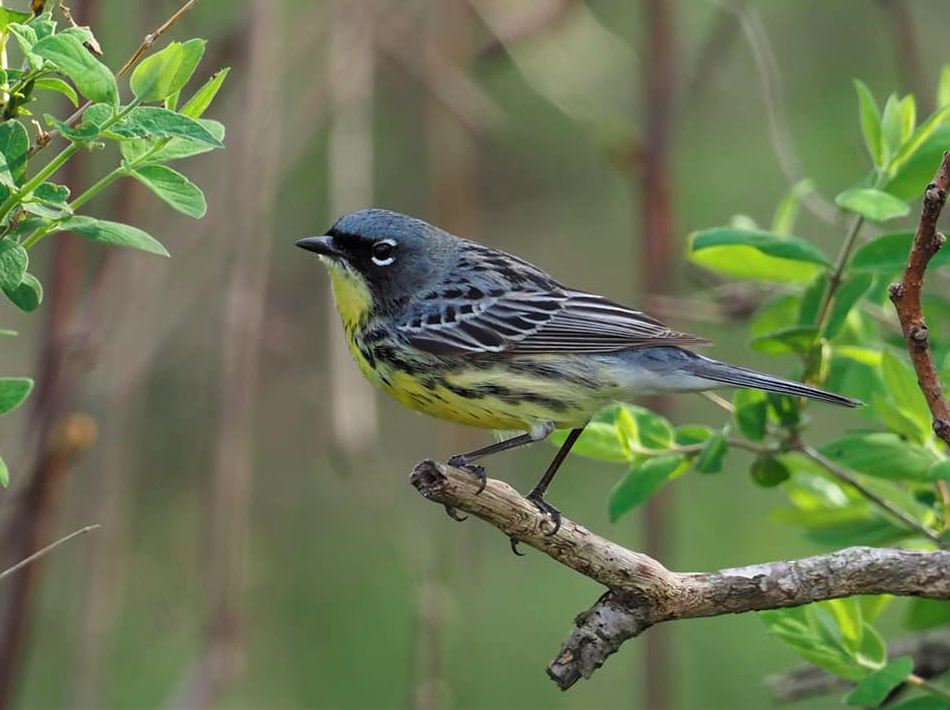
critically endangered
Magee Marsh Wildlife Area, Ohio
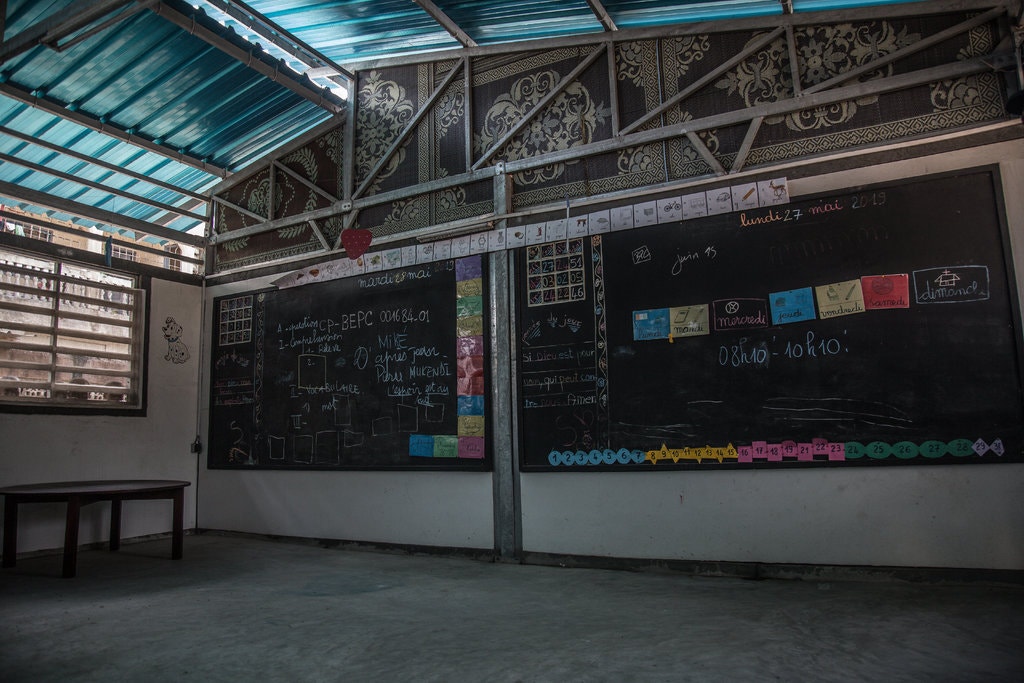
Yagazie Emezi for The New York Times
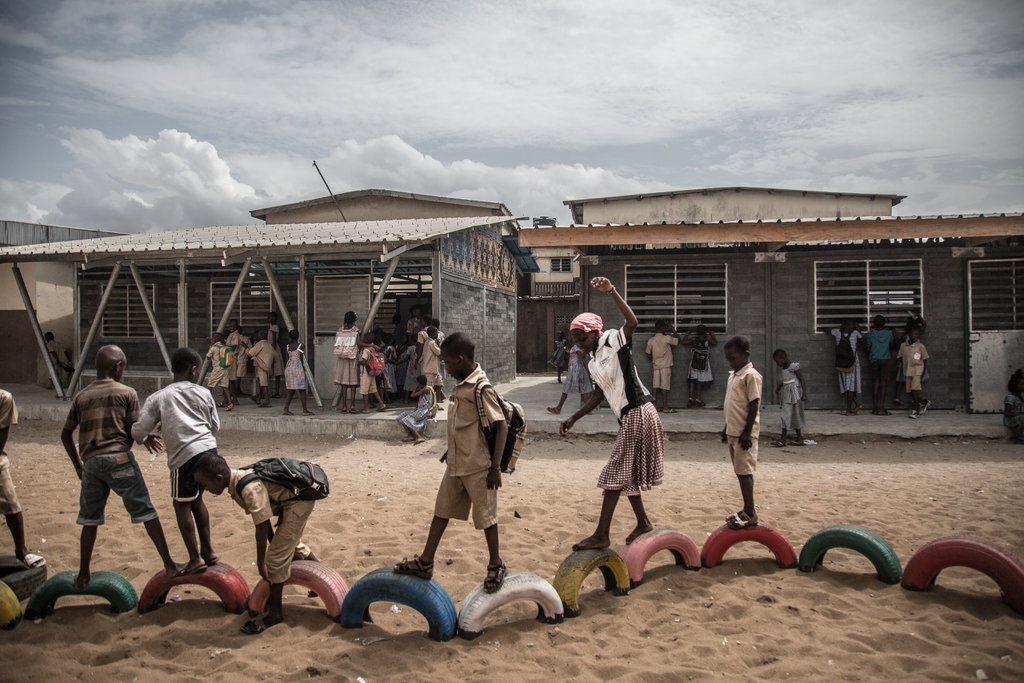
For the two decades our company has been managing conservation-focused enterprises. Elimination of plastic has been a passion, and finding ways to reduce its use has been an obsession. While based in India, and working on a project in Ghana, we got a close look at entrepreneurial plastic re-use for the first time. We have been on the lookout for more ever since and this story gives hope for a whole new level of solution:
Less Trash, More Schools — One Plastic Brick at a Time
Plastic garbage collected by a women’s group is being recycled into bricks and used to build schools in West Africa.
Yagazie Emezi for The New York Times
ABIDJAN, Ivory Coast — She left home before dawn. Her four children were still asleep in her cement block house in Abobo, a maze of shops and houses occupied by dockworkers, taxi drivers, factory laborers and street sellers.
She and a friend crossed into the upscale neighborhood of Angré, home to doctors and businessmen. They tossed the plastic castoffs of the consumer class into bags slung over their shoulders as the cocks crowed and the sun peeked over villa walls draped with bougainvillea.
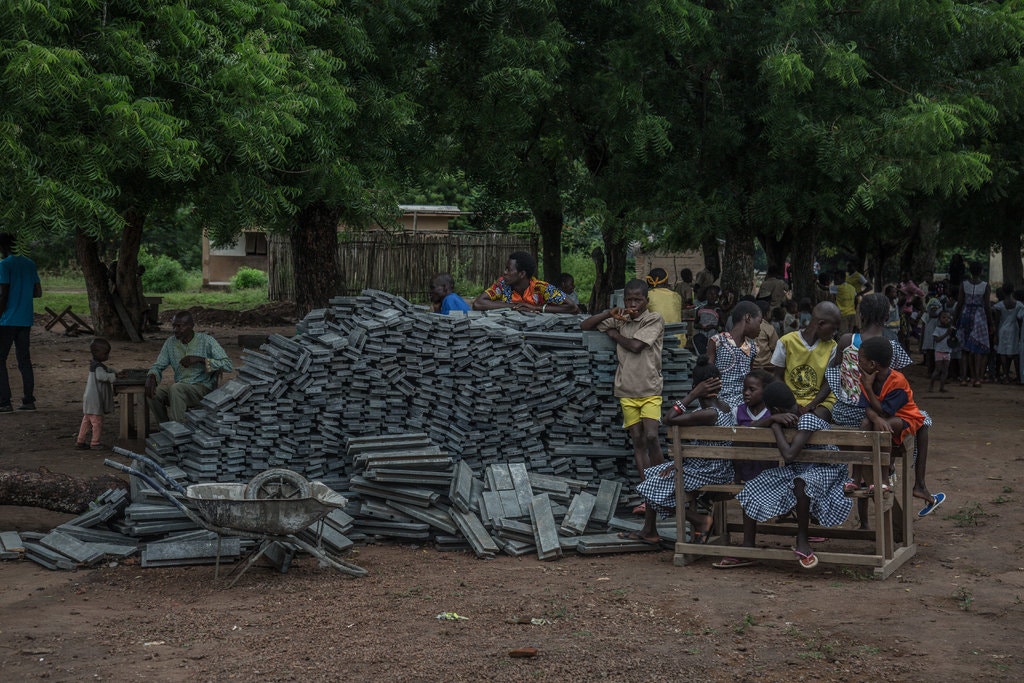
Students and residents gathered by plastic bricks outside their school in the Sakassou village. Yagazie Emezi for The New York Times
Mariam Coulibaly is part of a legion of women in Abidjan who make their living picking up plastic waste on the city streets and selling it for recycling. Now they are lead players in a project that turns trash into plastic bricks to build schools across the country.
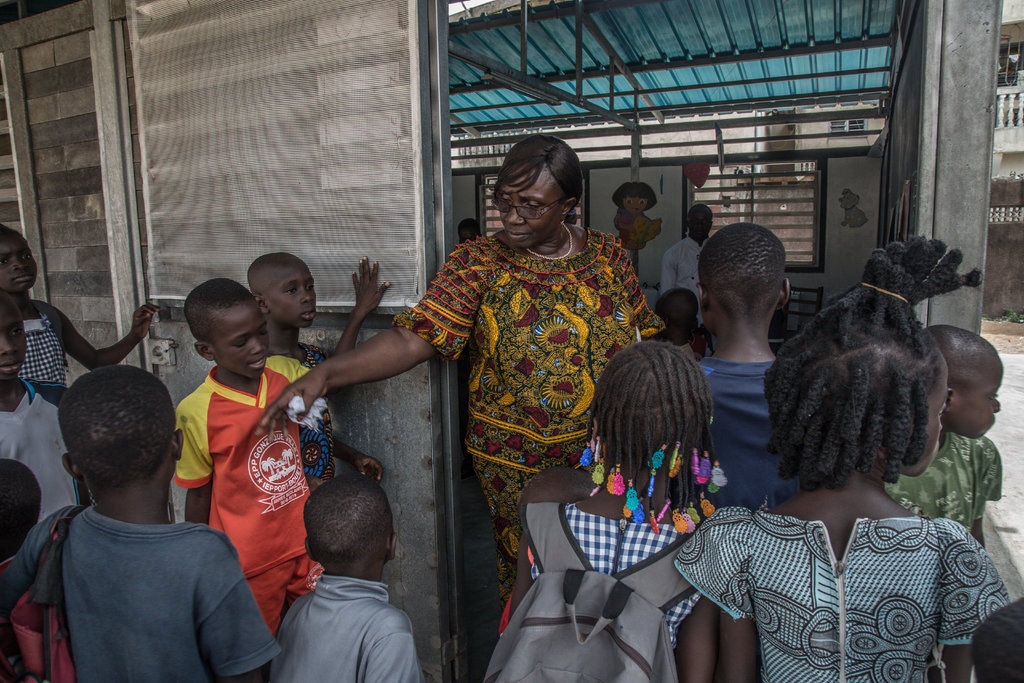
Pre-school principal Tirangue Doumbia ushering students into a new classroom built of recycled plastic bricks at the Gonzagueville school. Yagazie Emezi for The New York Times
They are working with a Colombian company to convert plastic waste — a scourge of modern life — into an asset that will help women earn a decent living while cleaning up the environment and improving education.
She sees it as a chance to better her life, maybe even to rise into the middle class.
“We don’t get good prices” from the current buyers, Ms. Coulibaly said. “This will help us.”
In the past year, the venture has built nine demonstration classrooms out of recycled plastic bricks in Gonzagueville, a scrappy neighborhood on the outskirts of Abidjan, and in two small farming villages, Sakassou and Divo. The first schools were built with bricks imported from Colombia. But in the fall, a factory now rising in an Abidjan industrial park will begin making the bricks locally. Continue reading
Rancho San Antonio Open Space Preserve, California
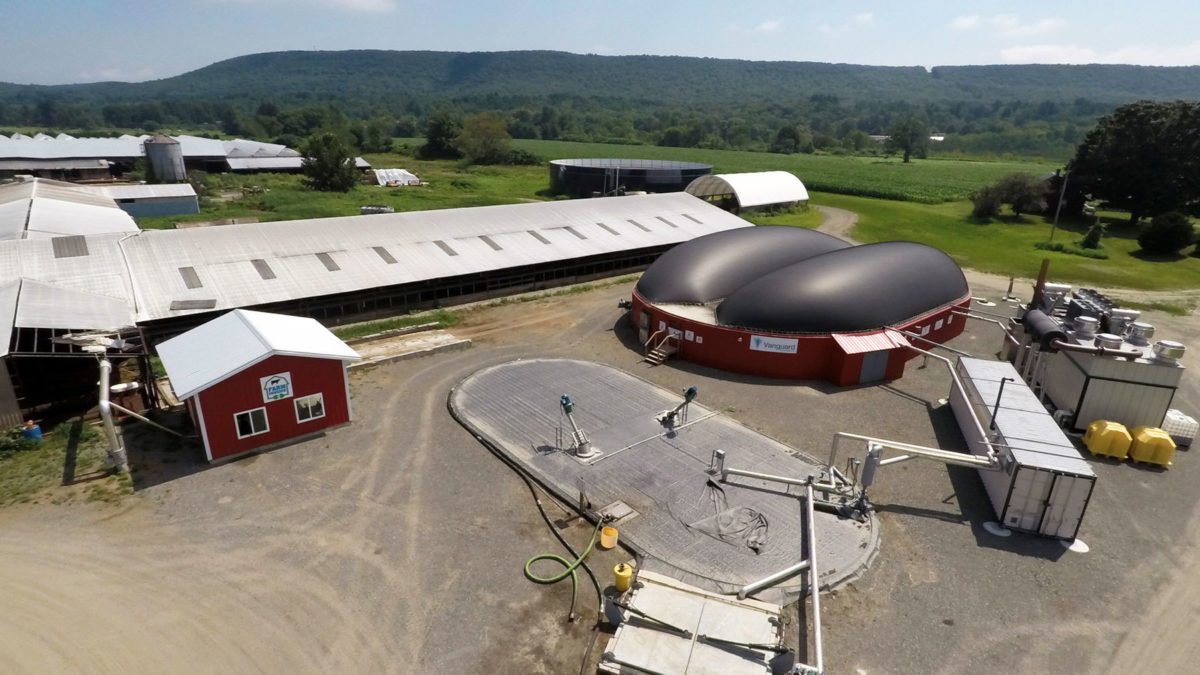
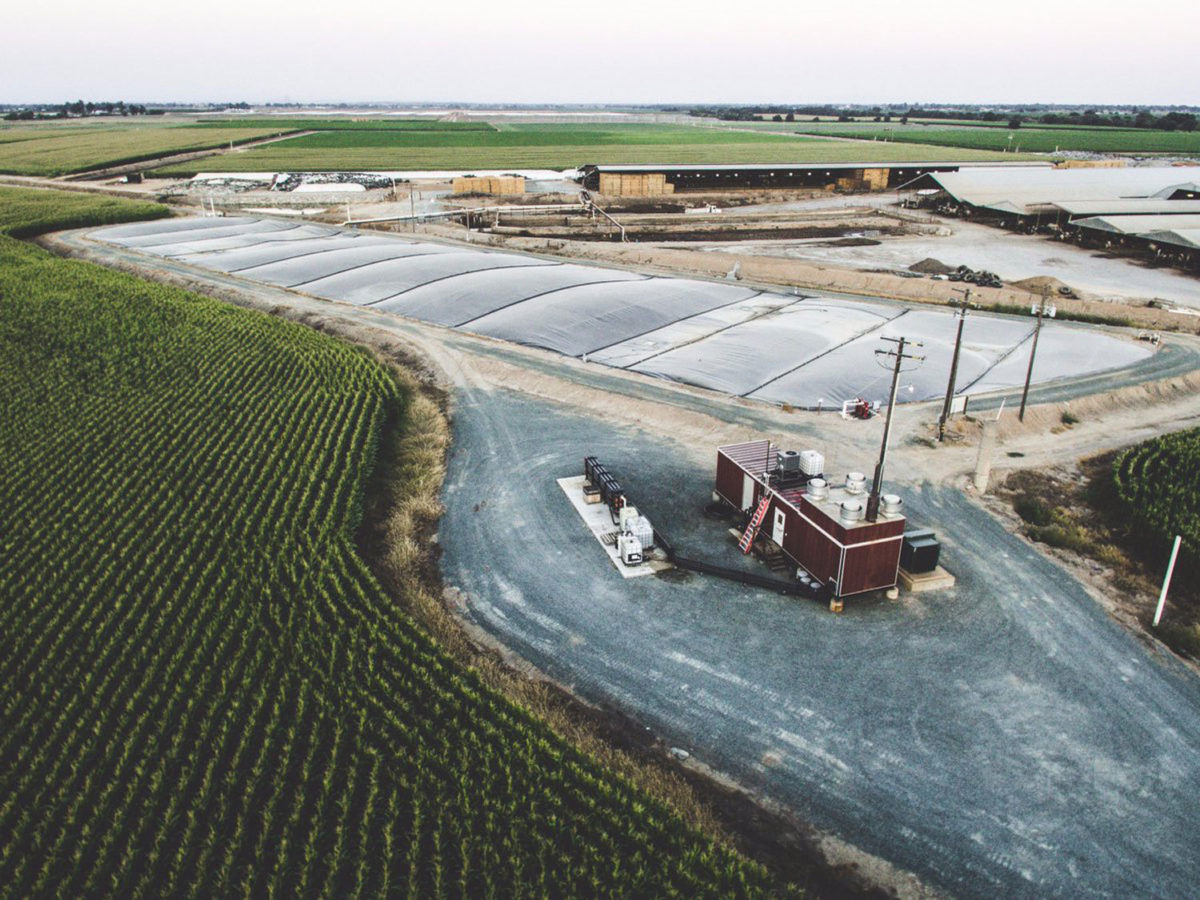
A manure and food waste-to-energy facility at Bar-Way Farm in Deerfield, Massachusetts. VANGUARD RENEWABLES
Biogas came to the attention to most of us contributing to this platform while in India. It has remained on our radar as an important, if quaint farmland quirky skunkworks. Thanks to Yale e360 for highlighting its emergence as a scaling alternative to other forms of natural gas:
Could Renewable Natural Gas Be the Next Big Thing in Green Energy?
For decades, small-scale biogas systems have collected methane from landfills, sewage plants, and farms. Now, in Europe and the U.S., the growth of this renewable form of natural gas is taking off as businesses capture large amounts of methane from manure, food waste, and other sources.
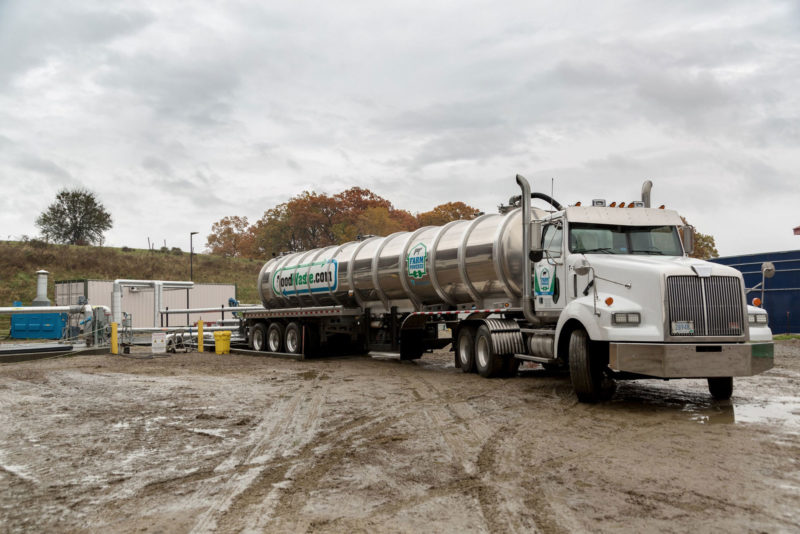
A truck delivers food waste to an anaerobic digester at a Massachusetts farm. VANGUARD RENEWABLES
In the next few weeks, construction crews will begin building an anaerobic digester on the Goodrich Family Farm in western Vermont that will transform cow manure and locally sourced food waste into renewable natural gas (RNG), to be sent via pipeline to nearby Middlebury College and other customers willing to pay a premium for low-carbon energy.
A covered lagoon manure digester on Van Warmerdam Dairy in Galt, California. MAAS ENERGY WORKS
For the developer, Vanguard Renewables, the project represents both a departure and a strategic bet. The firm already owns and operates five farm-based biogas systems in Massachusetts; each generates electricity on site that is sent to the grid and sold under the state’s net-metering law. The Vermont project, however, is Vanguard’s first foray into producing RNG — biogas that is refined, injected into natural gas pipelines as nearly pure methane, and then burned to make electricity, heat homes, or fuel vehicles.
“Producing RNG for pipeline injection and vehicle fueling is the evolution of where everything is going” in the biogas sector, says John Hanselman, Vanguard’s CEO. Continue reading

Manas National Park, Assam
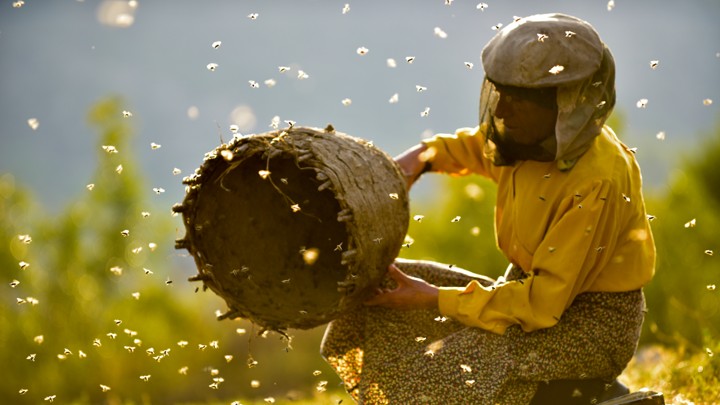
NEON
Honey, and bees, matter to us for reasons that might be obvious once you start searching our index for related posts on these topics since we started in 2011. Rarely, if ever, has a movie review appeared in our pages, but this one fits:
A Rare Nature Documentary That Tells a Deeply Human Story
Honeyland is both a personal tale about a lonely beekeeper in Macedonia and an epic with the aloof grandeur of Planet Earth
Honeyland is the story of an ecosystem. In its initial moments, Tamara Kotevska and Ljubomir Stefanov’s documentary about a rural beekeeper in the mountains of Macedonia seems like a singular, focused tale: a portrait of a woman performing a near-forgotten art. Indeed, the work that the protagonist, Hatidze, does, following ancient honey-harvesting traditions largely unknown to modern audiences, is fascinating enough. But this is the kind of nonfiction film that gets at much bigger truths about the tragic ways in which any environment, no matter how remote, can be thrown off balance by greed. Continue reading
Rancho San Antonio Open Space Preserve, California
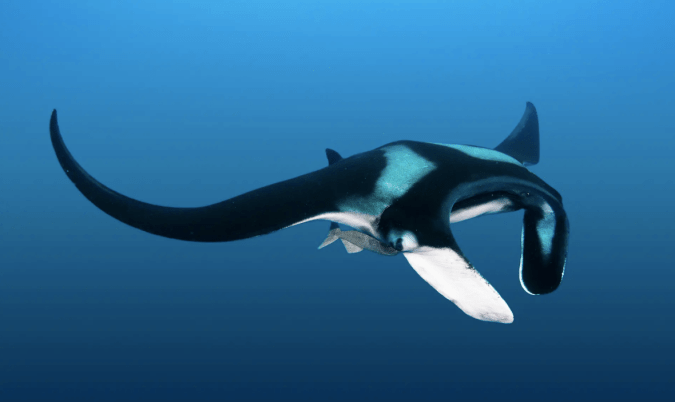
The manta ray tourism model in Peru is helping to protect rays and their habitat. Photograph: Martin Strmiska/Getty Images
The correlation between the success rates of ecotourism as a conservation tool and the “charisma quotient” of a particular species may be stating the obvious, but the giant manta is one such example.
It’s especially gratifying when the strategy takes engaging the next generation in the process.
How Peru fell in love with a sea giant worth far more alive than dead
The giant manta ray is at risk in the Pacific ocean, but the rise of ecotourism is changing attitudes among local fishermen
Fishermen heading out to sea off Peru’s northern coast keep a keen eye on the turquoise waters below them, hoping for a glimpse of the elusive giant manta ray gliding by.
Nowadays the boats are taking tourists rather than nets. The fish they once caught are now in decline, and the fish the visitors want to see now are worth far more alive than dead.
This wildlife-rich stretch of the eastern tropical Pacific shared with Ecuador is home to one of the largest populations of the world’s biggest ray – the giant manta – and the local community, led by marine scientist Kerstin Forsberg, is trying to conserve the creatures.
These ocean-going giants are targeted for their gill plates, used in Chinese medicine, or, more commonly in Peruvian waters, they become entangled in fishing nets. With a wingspan that can measure as much as nine metres across, the giant manta rays have declined by up to a third globally and are classified as vulnerable on the red list of the International Union for Conservation of Nature.
“This species was really overlooked in my country,” says Forsberg, 34. But that is no longer the case in Zorritos, a village arranged along a stretch of Peru’s west-facing Pacific coastline.
In eight years, Forsberg has changed the mentality here towards the mantas. She has helped create a fisherman’s association focused on ecotourism encouraging local and foreign visitors to observe or even swim with the rays. The Guardian spotted rays leaping out of the sea and swimming close to the boat on one of these trips.
“People here now get excited about giant manta rays. Before, they didn’t even notice that they existed,” Forsberg says. “Now if the manta ray gets entangled in their nets, fishermen start releasing them and report on it excitedly. They’re happy to mention it to their peers.” Continue reading

Thattakad, Kerala