Starship, the upper stage of SpaceX’s new rocket, at its launchpad in Boca Chica, Texas. Conservationists are concerned with the environmental impact space operations have on the area.
After assurances about protecting the environment, damage was done. They declined responsibility (the words they used included “…it’s cool”). Not cool:
A New York Times investigation found that Elon Musk exploited federal agencies’ competing missions to achieve his goals for space travel.
As Elon Musk’s Starship — the largest rocket ever manufactured — successfully blasted toward the sky last month, the launch was hailed as a giant leap for SpaceX and the United States’ civilian space program.
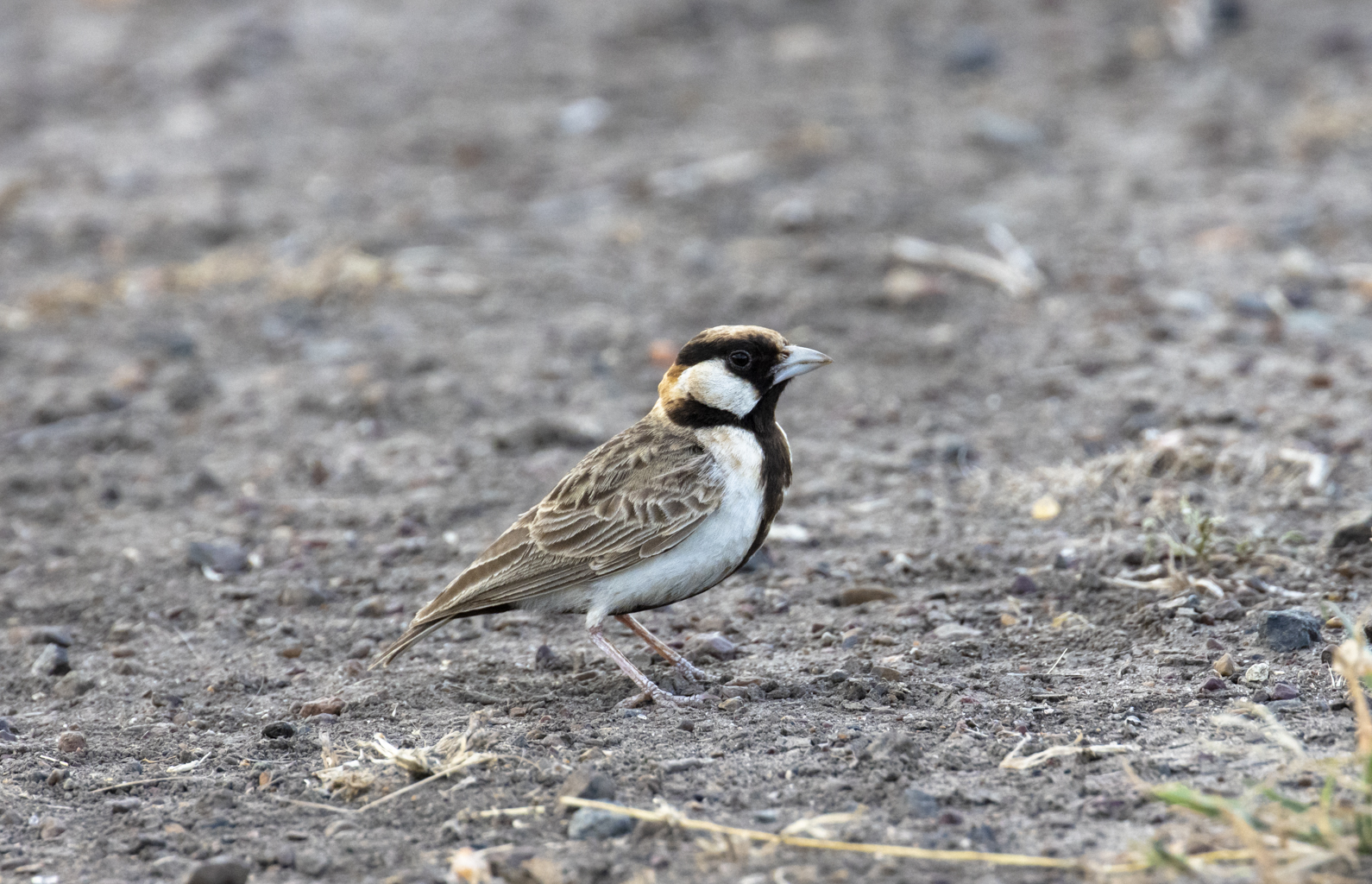
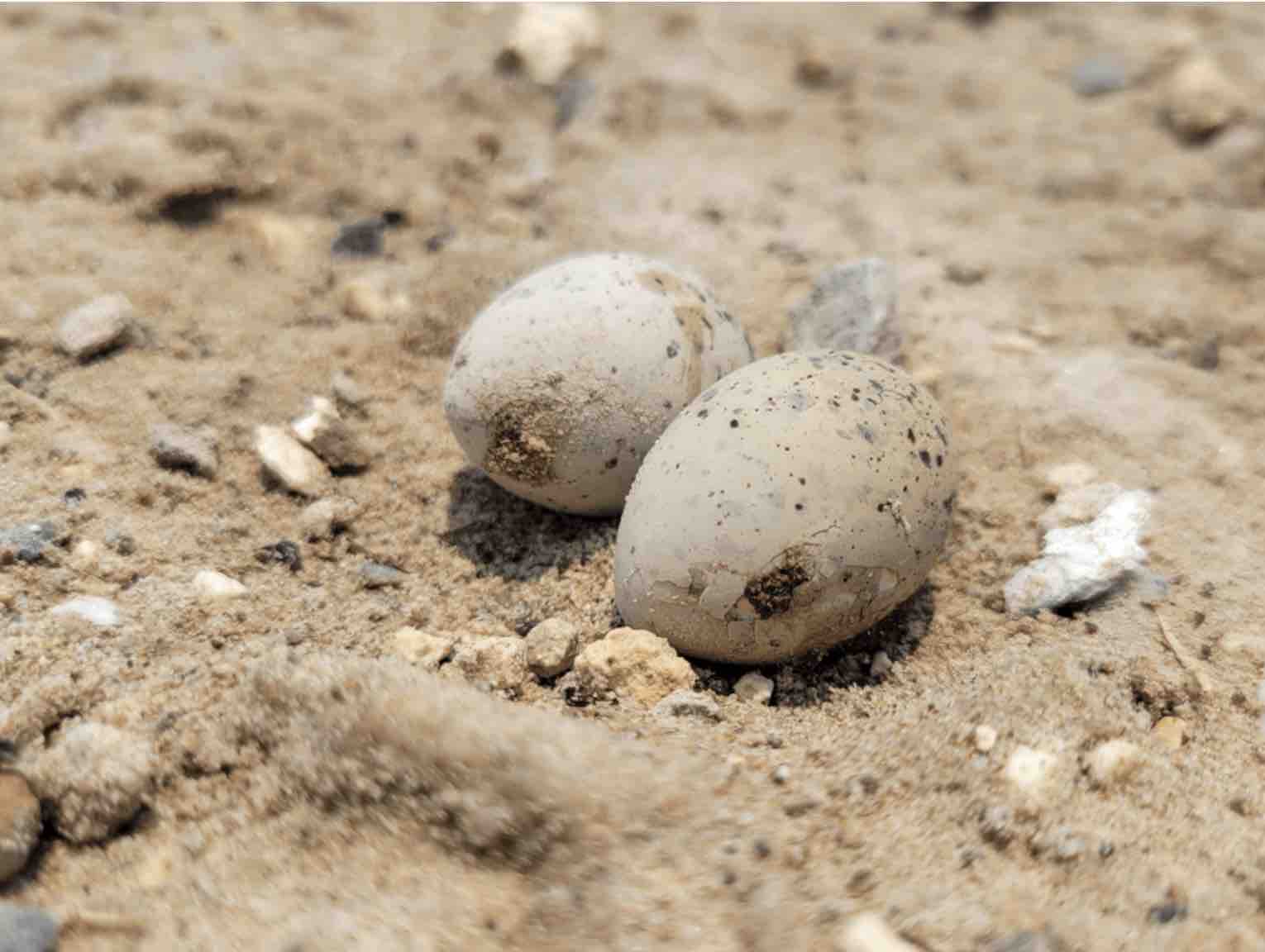
Figure 9. LETE 1 showing both eggs with large holes/cracks and dried egg contents emerging on June 6, 2024.
Two hours later, once conditions were deemed safe, a team from SpaceX, the U.S. Fish and Wildlife Service and a conservation group began canvassing the fragile migratory bird habitat surrounding the launch site.
The impact was obvious.
The launch had unleashed an enormous burst of mud, stones and fiery debris across the public lands encircling Mr. Musk’s $3 billion space compound. Chunks of sheet metal and insulation were strewn across the sand flats on one side of a state park. Elsewhere, a small fire had ignited, leaving a charred patch of park grasslands — remnants from the blastoff that burned 7.5 million pounds of fuel.
Most disturbing to one member of the entourage was the yellow smear on the soil in the same spot that a bird’s nest lay the day before. None of the nine nests recorded by the nonprofit Coastal Bend Bays & Estuaries Program before the launch had survived intact.
Across the Western Hemisphere, thousands of Indigenous communities are sustaining traditional practices and contributing to a more equitable future. Today, these individuals and nations define who they are, through their own stories in their own words.
In 2024, Indigenous Voices of the Americas: Celebrating the National Museum of the American Indian highlights living traditions of Indigenous peoples. At its core, the program honors contemporary and traditional creative expressions, celebrations, and community connections that feed new possibilities for Indigenous futures. The program is co-presented by the Smithsonian Center for Folklife and Cultural Heritage, the National Museum of the American Indian, and the National Park Service.
Bolivian women skateboarders — wearing traditional garb — demonstrate their skills on the half pipe. Ben de la Cruz/NPR
It’s a rather unusual skateboard lesson.
Little girls are lined up to learn to balance on a board on a half-pipe ramp. The teachers are young women from Bolivia, in their teens and 20s, wearing traditional garb as a tribute to female strength. Their outfits do not seem as if they are ideal for skateboarding: Each skateboarder wears a beribboned bowler hat and a poofy skirt. Among the eager disciples is Poppy Moore…
Despite predictions that the internet would kill them
They declared that it was dead—or, if it wasn’t dead yet, it soon would be. The cause of the malady was viral: first blogs, then influencers on Instagram and TikTok. Continue reading →
After 60 years of writing and publishing — and almost 60 books — I feel ordering my thoughts on paper to be not a job but a process of my life. You always hear writers complain about the hellish difficulty of writing, but it’s a dishonest complaint.
So many people have it much harder — soldiers, firefighters, field workers, truckers. The writer’s profession is a life of self-indulgence. Continue reading →
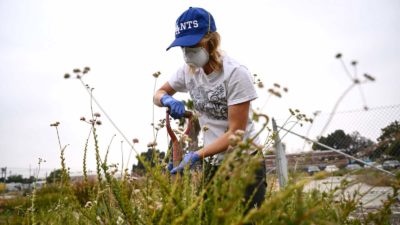
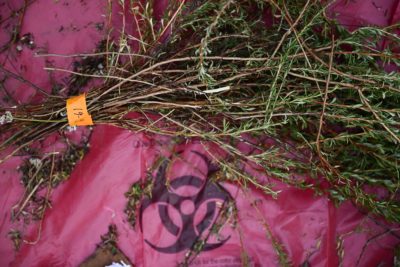
California buckwheat that has absorbed lead at a contaminated site in Los Angeles. PATRICK T. FALLON / AFP VIA GETTY IMAGES
Toxicologist Danielle Stevenson cleans up carbon-based pollutants and heavy metals from contaminated sites using fungi and plants. She’s also training environmental justice and tribal communities in using these methods so they can remediate toxic sites on their own.
The United States is dotted with up to a million brownfields — industrial and commercial properties polluted with hazardous substances. Continue reading →
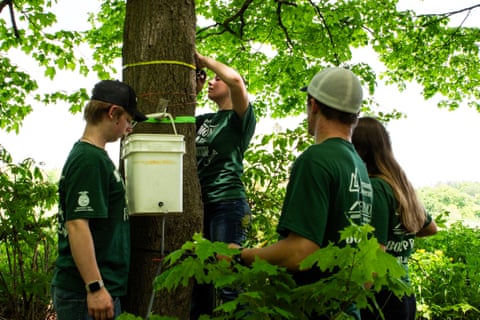
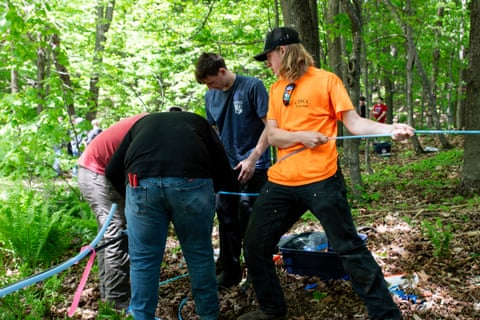
Students tap a tree for maple syrup in Randolph, Vermont, on 20 May 2024. Photograph: Olivia Gieger/The Guardian
Maple syrup is a good example of what we call taste of place products, and we are happy to see the next generation in Vermont adapting the making of this one for the future:
With tools as seemingly simple as these blue tubes, it’s easier than ever to extract sap from maple trees, as these young people demonstrated during a Future Farmers of America convention on 20 May. Photograph: Olivia Gieger/The Guardian
The season to tap trees is now earlier and longer, but new processes and generations are helping the industry thrive
On a warm May Monday, more than three dozen high school students took to the forest behind a former dairy barn at Vermont State University in Randolph.
In teams of four, they ran blue plastic tubing from tree to tree, racing to connect the tubes across three trees in 30 minutes. One student leaned back and pulled it taut with his body weight while another secured tube to tree. Quickly, they dashed to the next in what appears to be a twisted tug-of-war. Continue reading →
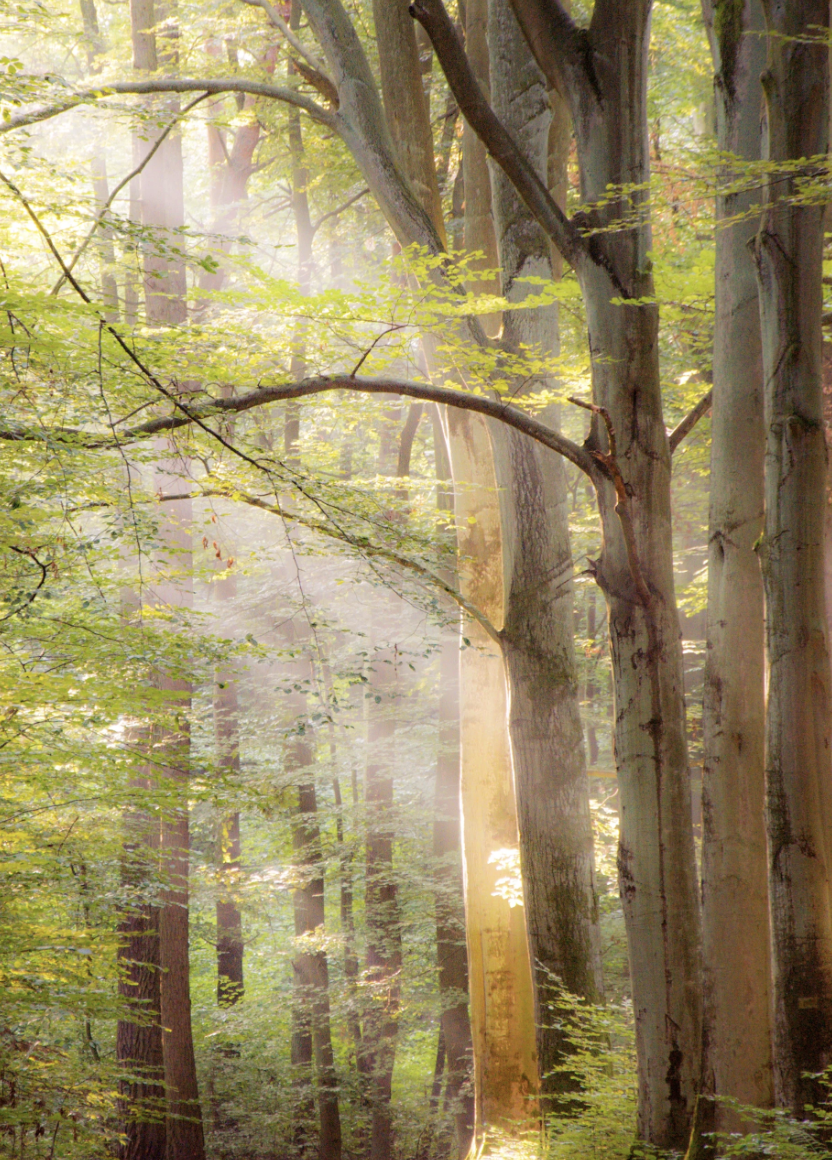
Warm weather is one signal that guides the masting of beech trees, but now it appears that day length does more to determine the precise timing of the fruit release among European beeches.
European beech trees more than 1,500 kilometers apart all drop their fruit at the same time in a grand synchronization event now linked to the summer solstice.
Each summer, like clockwork, millions of beech trees throughout Europe sync up, tuning their reproductive physiology to one another. Within a matter of days, the trees produce all the seeds they’ll make for the year, then release their fruit onto the forest floor to create a new generation and feed the surrounding ecosystem.
It’s a reproductive spectacle known as masting that’s common to many tree species, but European beeches are unique in theirability to synchronize this behavior on a continental scale. From England to Sweden to Italy — across multiple seas, time zones and climates — somehow these trees “know” when to reproduce. But how?
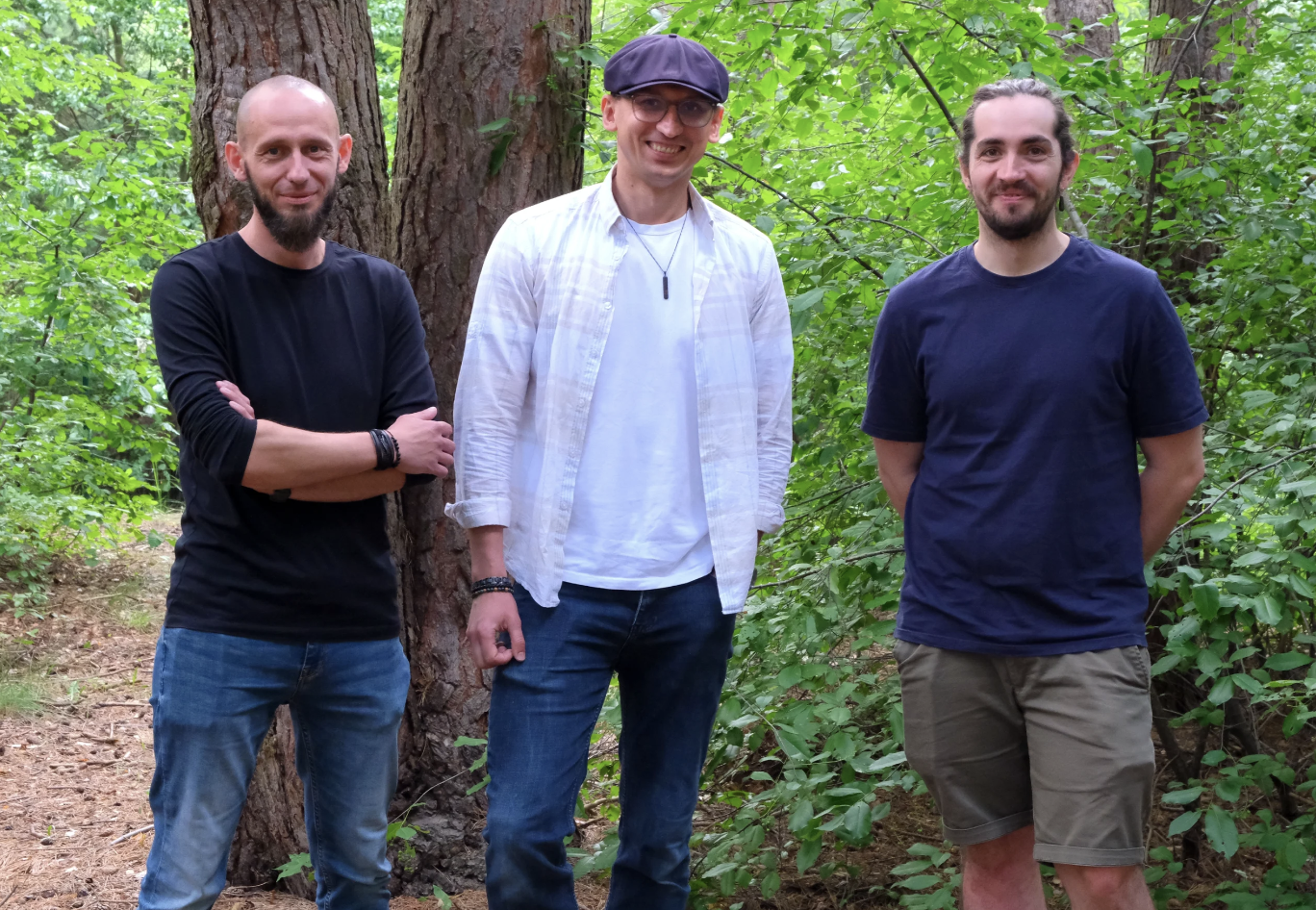
The recent discovery about European beech trees and the summer solstice was made by a team of researchers at Adam Mickiewicz University that included (from left to right) Jakub Szymkowiak, Michał Bogdziewicz and Valentin Journé, among others.
A group of ecologists has now identified the distinctive cue — what they call the “celestial starting gun” — that, along with balmy weather, triggers the phenomenon. Their analysis of over 60 years’ worth of seeding data suggests that European beech trees time their masting to the summer solstice and peak daylight.
For part of almost every day this spring, the state produced more electricity than it needed from renewable sources.
Something approaching a miracle has been taking place in California this spring. Beginning in early March, for some portion of almost every day, a combination of solar, wind, geothermal, and hydropower has been producing more than a hundred per cent of the state’s demand for electricity. Continue reading →
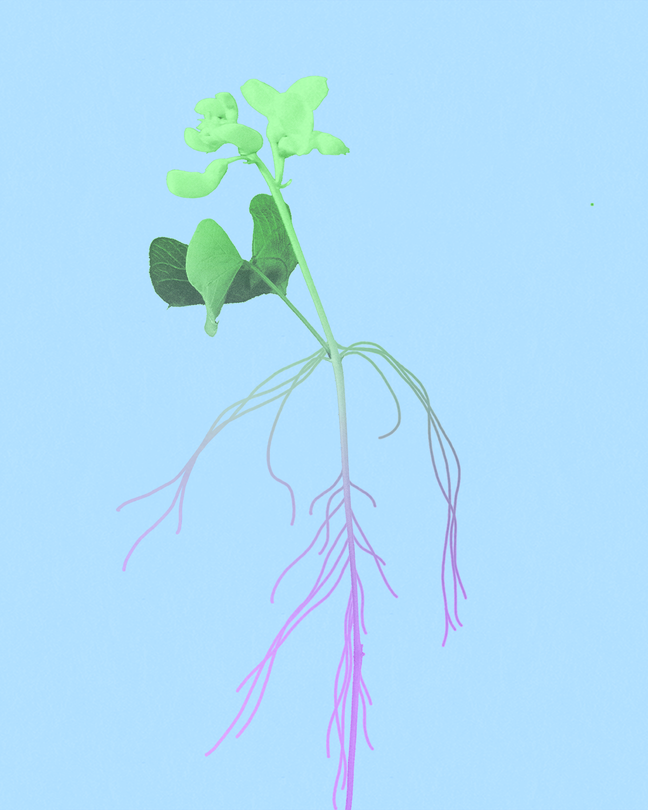
On a freezing day in December 2021, I arrived in Madison, Wisconsin, to visit Simon Gilroy’s lab. In one room of the lab sat a flat of young tobacco and Arabidopsis plants, each imbued with fluorescent proteins derived from jellyfish.
The excerpt came to our attention reading this book review by The New Yorker’s Rachel Riederer which, like the book excerpt, makes you wonder what became of David Rhoades (we searched and could find no trail to follow, so it remains a mystery to us). It reveals the book to be more of an anthropological study of science than just a primer on plant communication:
In “The Light Eaters,” by Zoë Schlanger, the field of botany itself functions as a character—one in the process of undergoing a potentially radical transformation.
During the nineteen-seventies and eighties, a researcher at the University of Washington started noticing something strange in the college’s experimental forest. Continue reading →
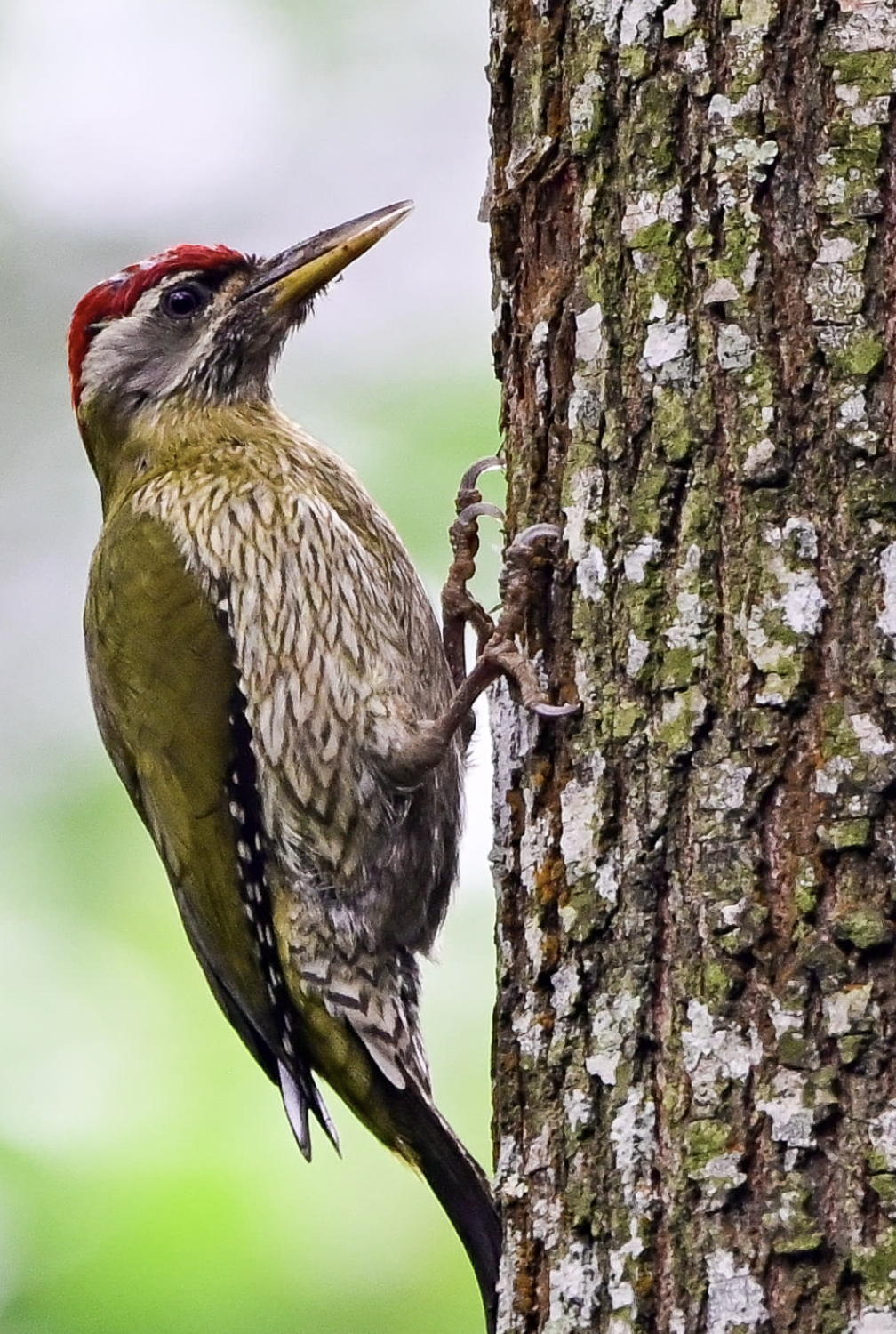
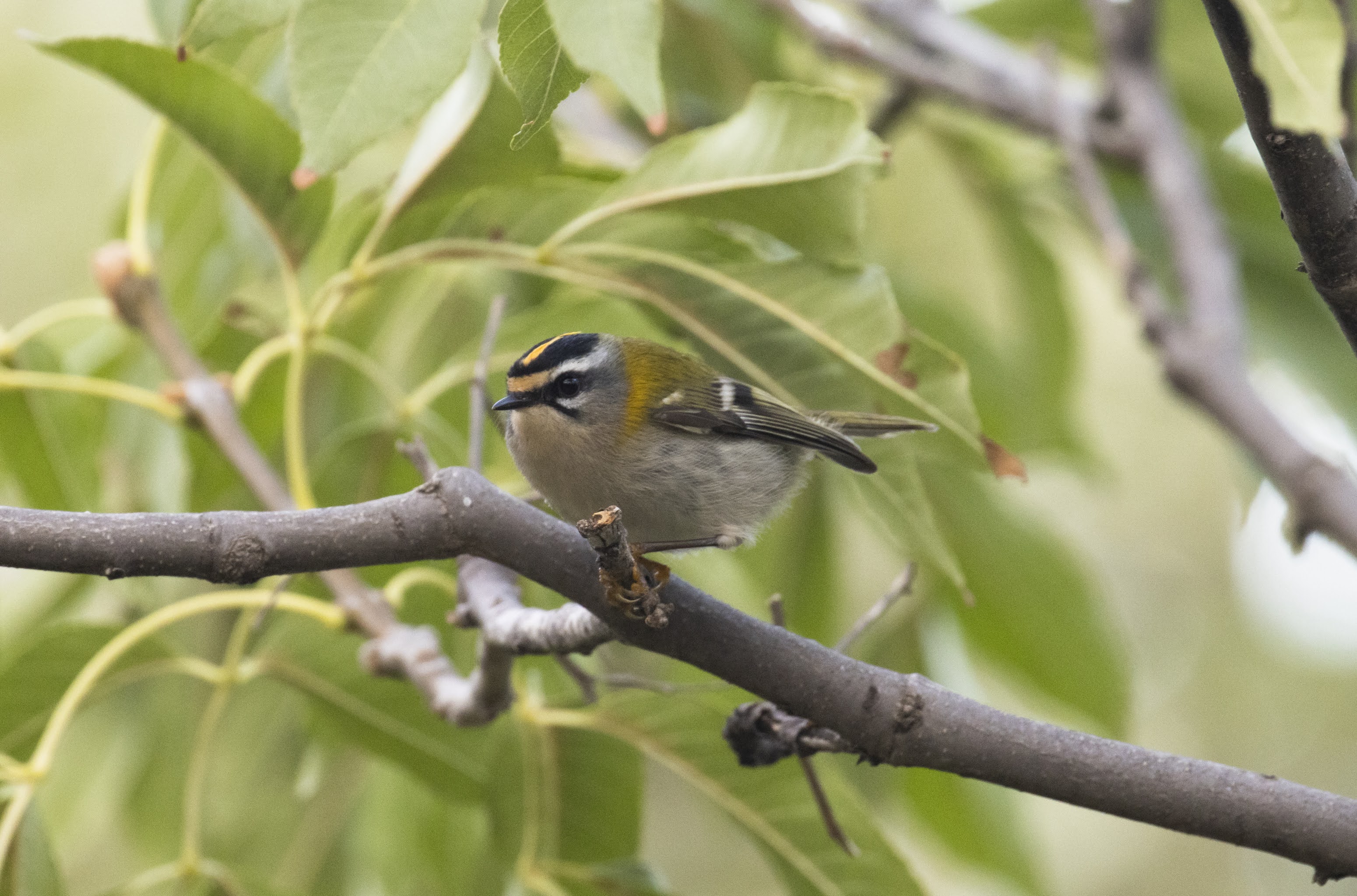
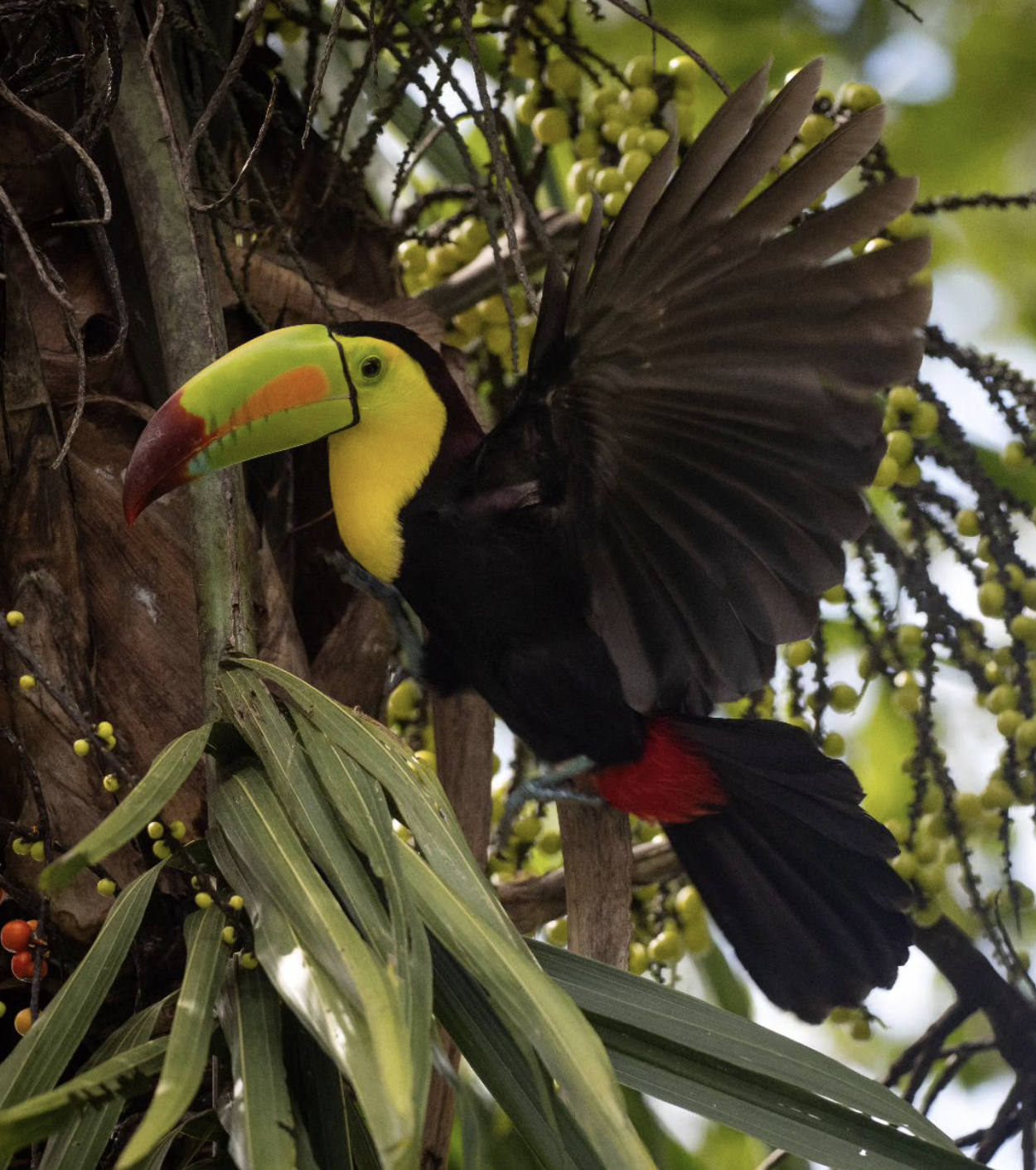
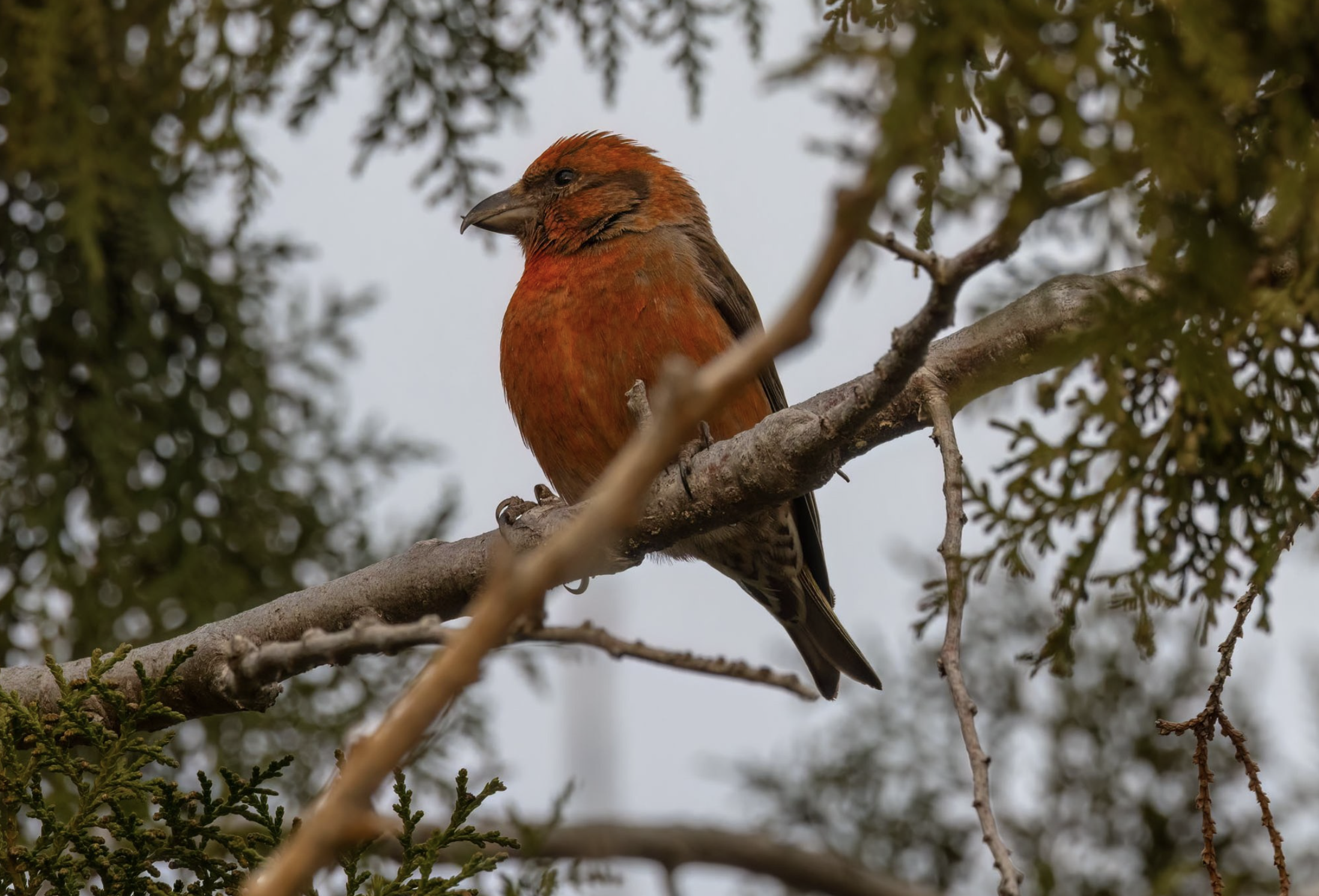
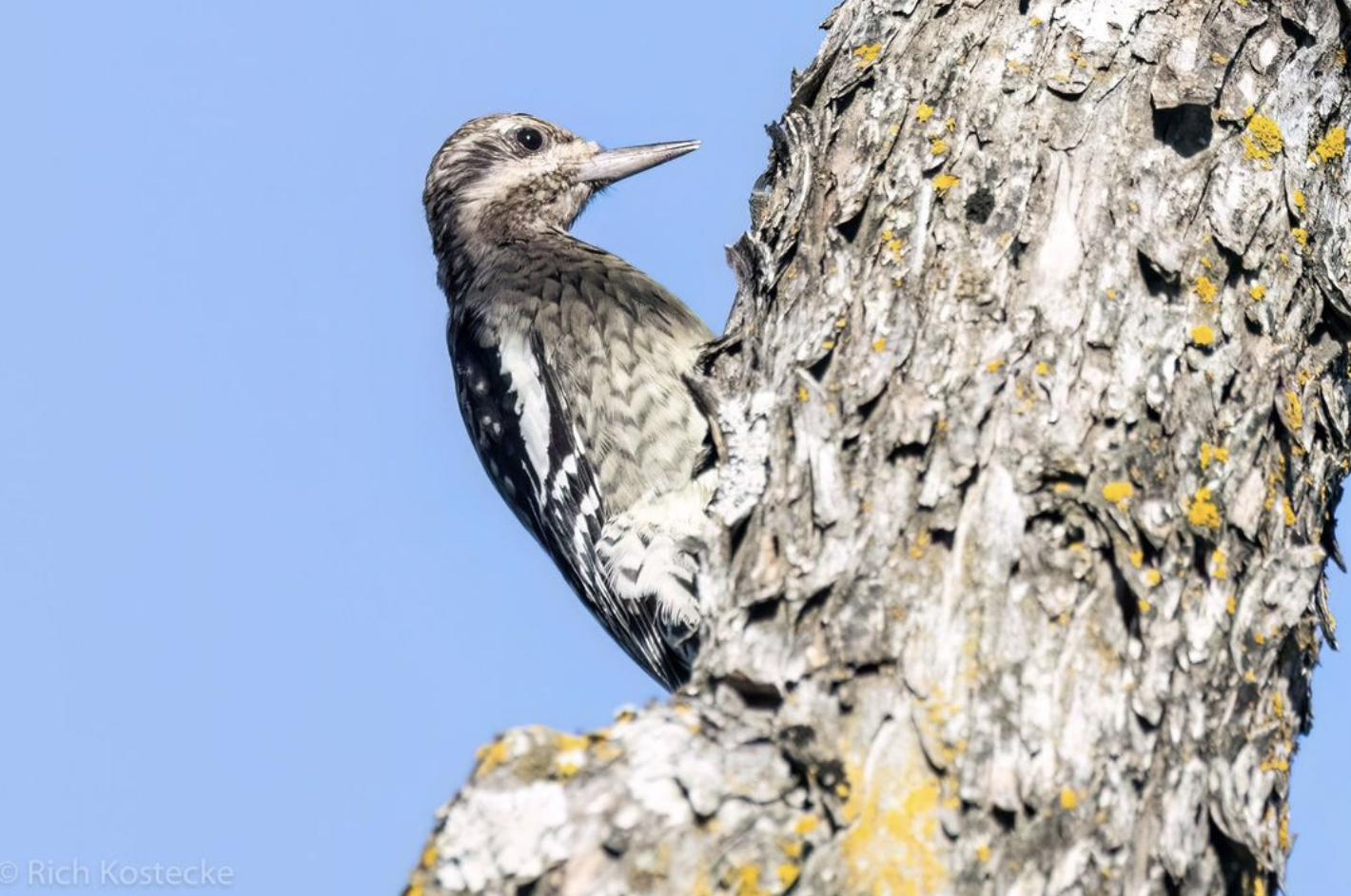
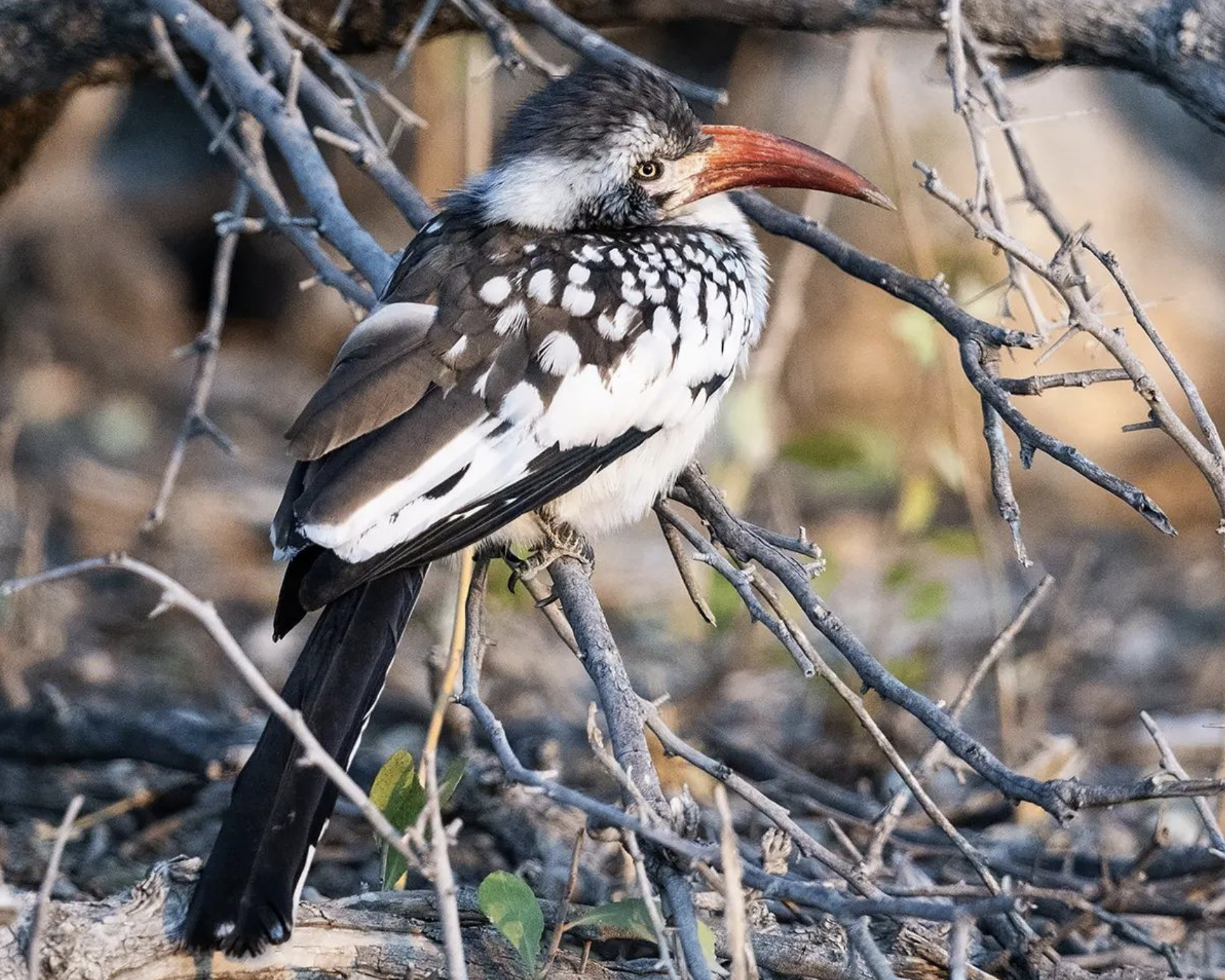
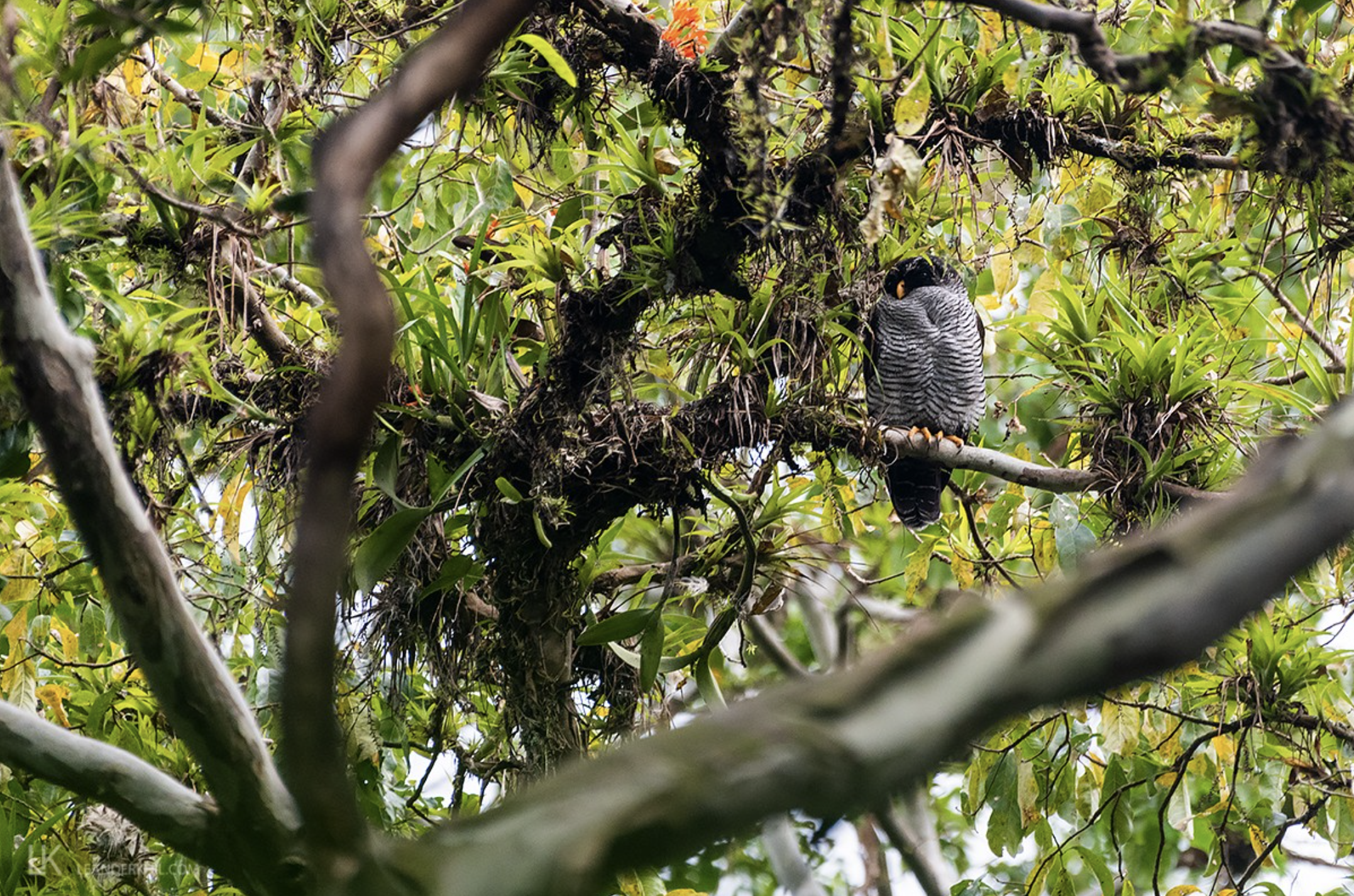
From sibling murder to snakes for breakfast, birds’ lives may be darker than you imagine.
I saw a couple of crows dining on roadkill the other day as I was driving by and wondered, Does this count as bird-watching?
I think it should. I know that birding is having a moment. It was something you could do outside without catching Covid at the height of the pandemic. Continue reading →

 We missed the 2024 INDIGENOUS VOICES OF THE AMERICAS –CELEBRATING THE NATIONAL MUSEUM OF THE AMERICAN INDIAN. Our calendars are already marked for next year, based on what we see from this year’s celebration:
Across the Western Hemisphere, thousands of Indigenous communities are sustaining traditional practices and contributing to a more equitable future. Today, these individuals and nations define who they are, through their own stories in their own words.
In 2024, Indigenous Voices of the Americas: Celebrating the National Museum of the American Indian highlights living traditions of Indigenous peoples. At its core, the program honors contemporary and traditional creative expressions, celebrations, and community connections that feed new possibilities for Indigenous futures. The program is co-presented by the Smithsonian Center for Folklife and Cultural Heritage, the National Museum of the American Indian, and the National Park Service.



 We linked to this conversation with the author of The Light Eaters, and now see we can share this book excerpt published in The Atlantic:
A New Book About Plant Intelligence Highlights the Messiness of Scientific Change


 Organikos