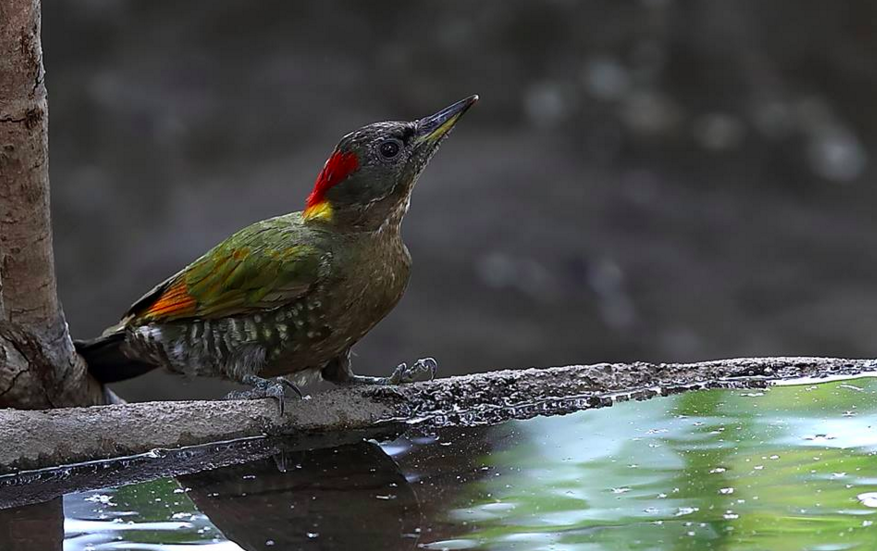
Pangot, Uttarakhand
Pangot, Uttarakhand
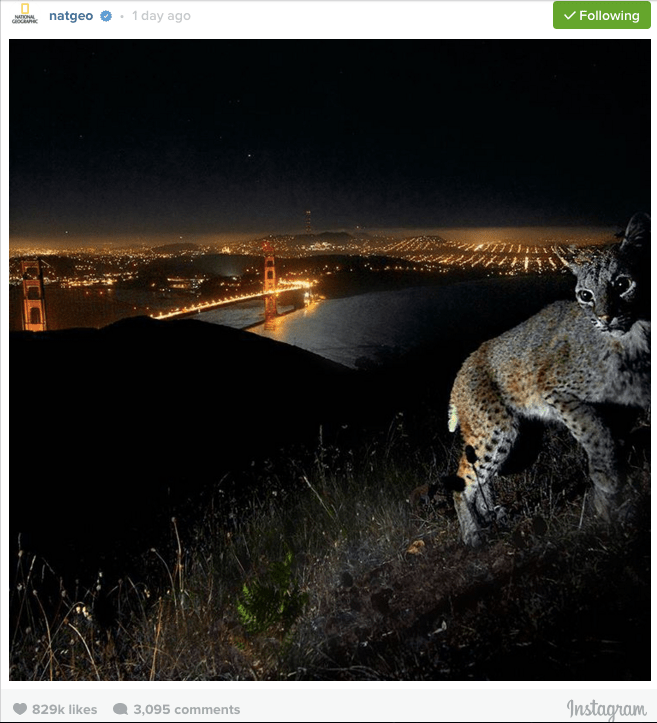
Camera Trap photo: Natgeo Instagram
The photo above is a reminder that amazing camera trap captures of wildlife needn’t be limited to remote areas, or even exotic locations.
Bobcat takes a ‘selfie’ above Golden Gate Bridge
Seldom seen, bobcats rarely will stand still for a photo.
But every once in a while the shy, nocturnal feline will take a selfie — although not intentionally, of course.
This one triggered a remote camera hidden on a ridge in the Marin Headlands overlooking San Francisco and the Golden Gate Bridge. The camera was set up by National Geographic photographer Steve Winter.
The photo was posted today on the National Geographic’s Instagram account, but it’s apparently several years old. Continue reading
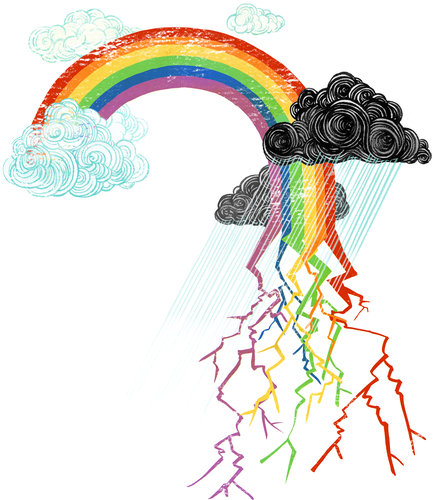
Yuko Shimizu
We made a commitment in 2011 at the time we started this platform to search for and share as much positive news as we could find on entrepreneurial conservation, scientific and social innovations that improve life in developing countries, and such. We do not avoid “bad news” with pollyanna blinders on, but share more enlightening news that does not get enough attention. We occasionally share doomsday analysis; it is difficult to avoid some of the trends pressing down on us all. Thanks to the New York Times for digging this one out of the archives, which will relieve us a bit when we come across and process doom and gloom:
The Power of Negative Thinking
By
Editors’ note: We’re resurfacing this story from the archives because who wouldn’t want to master their emotions?
LAST month, in San Jose, Calif., 21 people were treated for burns after walking barefoot over hot coals as part of an event called Unleash the Power Within, starring the motivational speaker Tony Robbins. If you’re anything like me, a cynical retort might suggest itself: What, exactly, did they expect would happen? In fact, there’s a simple secret to “firewalking”: coal is a poor conductor of heat to surrounding surfaces, including human flesh, so with quick, light steps, you’ll usually be fine. Continue reading
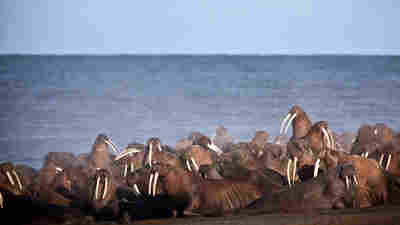
Walruses rest on the shores of the Chukchi Sea, the vast majority of which was designated off-limits to drilling on Tuesday. Ryan Kingsbery/AP
It is impossible to predict what will happen 2017 onward to these final environmental initiatives of the outgoing President of the USA. Nonetheless, we will cheer his efforts on behalf of conservation right to the very end of his term. Thanks to National Public Radio (USA) for this news:
Obama Designates Atlantic, Arctic Areas Off-Limits To Offshore Drilling
“These actions, and Canada’s parallel actions, protect a sensitive and unique ecosystem that is unlike any other region on earth,” the White House said in a statement. Continue reading

male – Tacacori, Costa Rica

Thanks to Bloomberg for a surprising bit of good news about the prospects for solar energy going forward:
World Energy Hits a Turning Point: Solar That’s Cheaper Than Wind
Emerging markets are leapfrogging the developed world thanks to cheap panels.
by Tom Randall
A transformation is happening in global energy markets that’s worth noting as 2016 comes to an end: Solar power, for the first time, is becoming the cheapest form of new electricity. Continue reading

The more we look around, the more we find that Mr. Aburto is telling the Cabo Pulmo story as well as anyone:
The People (Past and Present)
What make Cabo Pulmo a success story is its people: when faced with the dilemma to either continue fishing or to turn towards conservative goals, the community decided they needed to change. Continue reading
Seth’s work at the Cornell Lab of Ornithology, with the Celebrate Urban Birds initiative helped us all get a close look at citizen science in action. Past Christmas counts since then have been an annual tradition in these pages. Thanks to Lisa Feldcamp for a note on this topic with her post Give Kids the Gift of Birding on The Nature Conservancy’s website Cool Green Science:
The annual Christmas Bird Count is one of birding’s most cherished traditions. This year, consider introducing the count to a child. There’s no better time to get a youngster started in birding.
“When I was a kid in a large family of eight kids in Upstate New York, my parents told us we could do anything that cost less than $5; baseball, boy scouts, or birding,” says Tom Rusert of Sonoma Birding. “I joined Junior Audubon with my brothers, not realizing it would be a life sport to enjoy forever. It really is no different than any other sport.” Continue reading
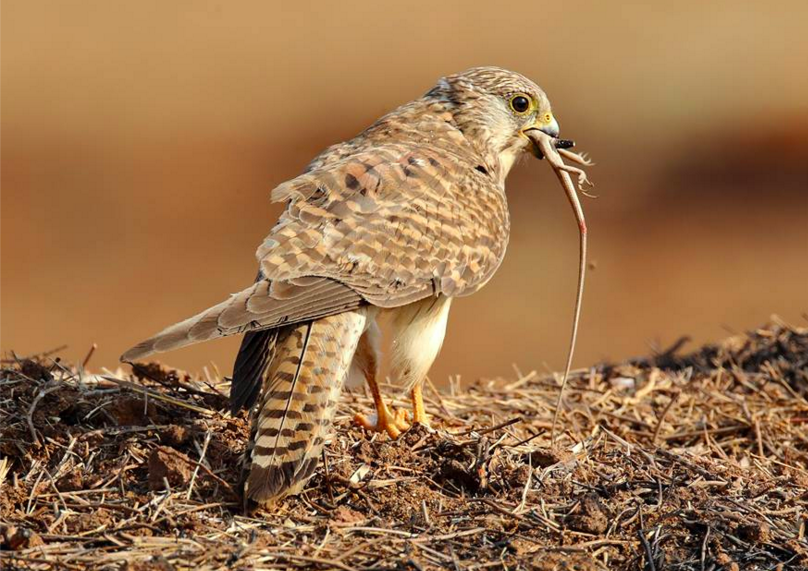
Bangalore, Karnataka
Octavio Aburto keeps coming to our attention, as we read more about Cabo Pulmo, and today we discovered that he has provided several excellent short videos on Vimeo:
A thriving undersea wildlife park tucked away near the southern tip of Mexico’s Baja peninsula has proven to be the world’s most robust marine reserve in the world, according to a new study led by researchers at Scripps Institution of Oceanography at UC San Diego. Results of a 10-year analysis of Cabo Pulmo National Park (CPNP), published in the Public Library of Science (PLoS) ONE journal, revealed that the total amount of fish in the reserve ecosystem (the “biomass”) boomed more than 460 percent from 1999 to 2009. Citizens living around Cabo Pulmo, previously depleted by fishing, established the park in 1995 and have strictly enforced its “no take” restrictions.
It’s time to change fast food for the better, forever.
Fresh and nutritious food doesn’t have to cost a fortune or take forever to prepare. At eatsa, we’ve upped the taste factor alongside affordability and speed, with bold flavors, seasonal ingredients, and hearty portions. Our commitment to you is simple: faster, nutritious, more affordable and tastier food. Continue reading
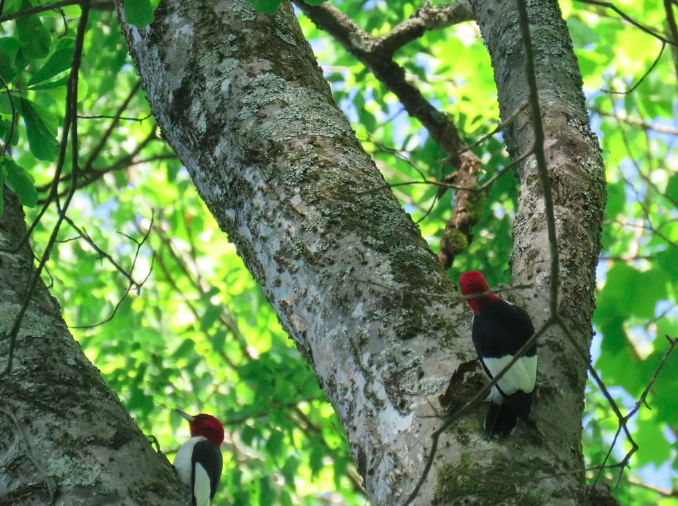
Atlanta, Georgia

Photo via cairngorms.co.uk
Comprising most of the United Kingdom’s high-altitude terrain, Cairngorms National Park in northern Scotland is the largest park in the British Isles, and an example of successful sustainable development and conservation working together. Home to several endangered or rare animal and plant species, many types of ecosystem, and 18,000 human residents, a lot of careful management has to take place for business and the natural environment to both thrive.
Unlike some of the other parks featured in this weekly post, Cairngorms (4528 sq km) is what you might call a “mixed use” park, where agriculture and other natural resource extraction such as logging, fishing, and hunting all take place. While in many national parks around the world, people are not allowed to live within park boundaries, here that is not the case, and in fact, according to the Cairngorms official website, 75% of land ownership is private, 15% belongs to charities, and 10% public bodies. All of which makes the park an impressive display of cooperation among community members to make the area successful in its multi-faceted mission.
Cockscomb Basin Wildlife Sanctuary is of interest because it is a pioneer in conservation in Belize–as Chan Chich Lodge is in its own way. But in writing about it Vicky Croke, for The Wild Life at WBUR (National Public Radio, Boston, USA), reminds a few of us of our time in Belize during Earl, and the aftermath during which jaguar sitings have been, and continue to be, inexplicably spectacular:
Jaguars Interrupted: Counting Big Cats After A Hurricane
Two months after Earl hit Belize, researchers at the world’s first jaguar reserve are still taking stock.
By Vicki Croke
This past summer, within days of gathering spectacular camera-trap footage of a female jaguar and her two tiny cubs sauntering through the Cockscomb Basin Wildlife Sanctuary in Belize, field scientists with Panthera, the global wild cat conservation organization, got the news that a tropical storm was forming and might just come their way. Continue reading
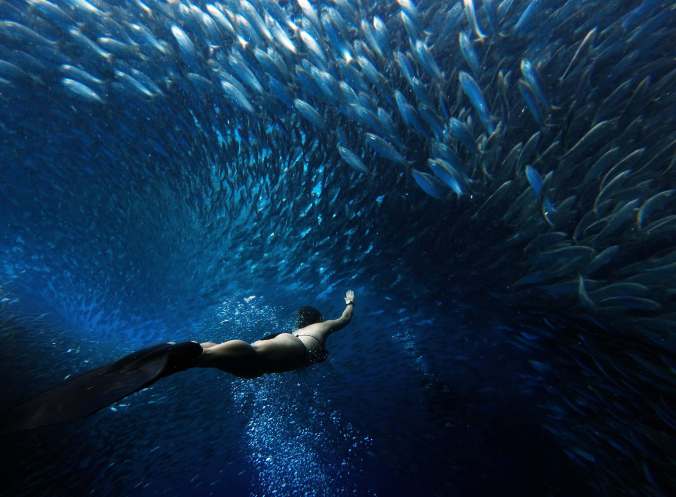
A free diver swooping into a sardine ball. Credit Keith Sepe
Joanna Klein’s story in the Science section of the New York Times this week, titled Swimming With the Mysterious Sardine Disco Balls of the Philippines, has had me thinking in recent days about the Gulf of California, and specifically about Villa del Faro. If you have reason to be in the Philippines, click the image above to get a quick view of what may be in store for a diver in certain waters.
But otherwise, I will riff off that photo in the direction of Baja California Sur. The intensity of those sardine schools are comparable to the biodiversity in the waters of Cabo Pulmo. Continue reading
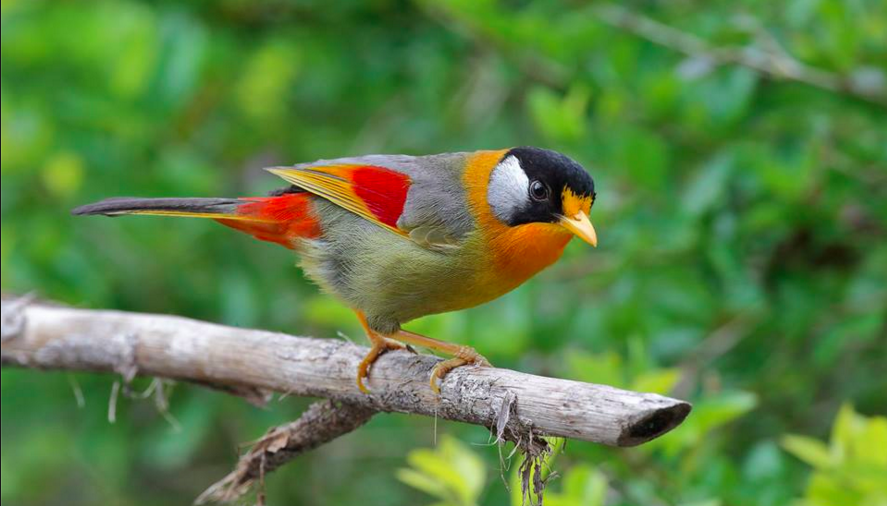
Leimhakong, Manipur

Reishi mushrooms (left) and Trametes versicolor collected in a folded map. ZACK DEZON
Thanks to Wired author Charley Locke for his story MEET THE OBSESSIVE MUSHROOM HUNTERS OF NEW YORK CITY:
ON A PARTICULARLY gorgeous Sunday in October, 30 explorers with the New York Mycological Society met at a cemetery in Brooklyn to hunt for mushrooms.
Reishi mushrooms on a stump. ZACK DEZON
They rummaged through leaves, carefully inspected the headstones, and gingerly reached into tree trunks, hoping to find something amazing. A turkey tail, perhaps, or hen-of-the-wood. “It was like a scavenger hunt,” says Zack DeZon, a photographer who joined them on the search. “It struck me as the analog equivalent of Pokemon Go.”
DeZon is not particularly enamored with fungus, but a mushroom-obsessed friend’s Instagram feed piqued his interest. The fellow pointed him toward the Mycological Society which has since 1962 catered to those with an interest in mycology and mycophagy. The society, created by the composer John Cage, has 430 members and meets throughout the year to find mushrooms, eat mushrooms, and discuss mushrooms.
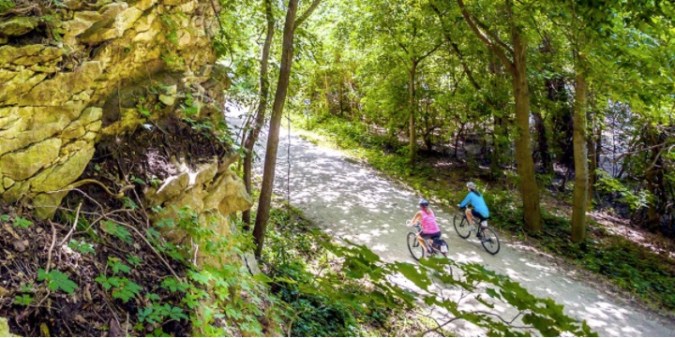
Thanks to Lorraine Chow at EcoWatch for this update on the longest rail-trail conversion in the USA, linking St. Louis to Kansas City:
You can now walk or cycle across most of the state of Missouri. Gov. Jay Nixon has opened a 47.5-mile extension to the Katy Trail, effectively creating one continuous hike-and-bike path from the St. Louis area to the outskirts of Kansas City.
“You’ll be able to go 287 miles on an incredible asset,” Nixon told the Kansas City Star at the ribbon-cutting on Dec. 10 in Pleasant Hill, a suburb just south of Kansas City.
According to the governor’s office, the new section of the trail follows the corridor of the old Rock Island Railroad for 47.5 miles from Pleasant Hill to Windsor, where a junction connects to the rest of the Katy Trail State Park. Continue reading

males – Santa Rosa National Park, Costa Rica
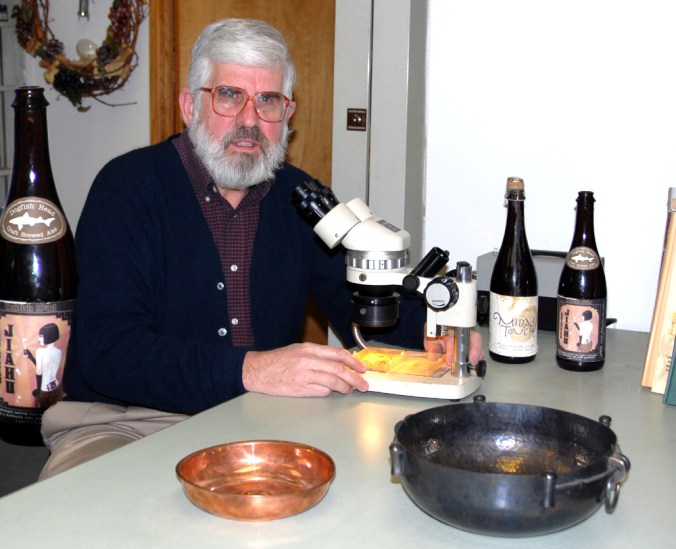
Patrick McGovern, Scientific Director of Biomolecular Archaeology Laboratory at the Penn Museum, examines a sample of the “King Midas” beverage residue under a microscope. Photo © Pam Kosty / Wikimedia through a Creative Commons license
And in other beer-related news, thanks to the Nature Conservancy’s contributors at Cool Green Science, particularly for Matt Miller’s article Dogfish Head’s Sam Calagione on Archaeology, Conservation and Beer:

 Organikos