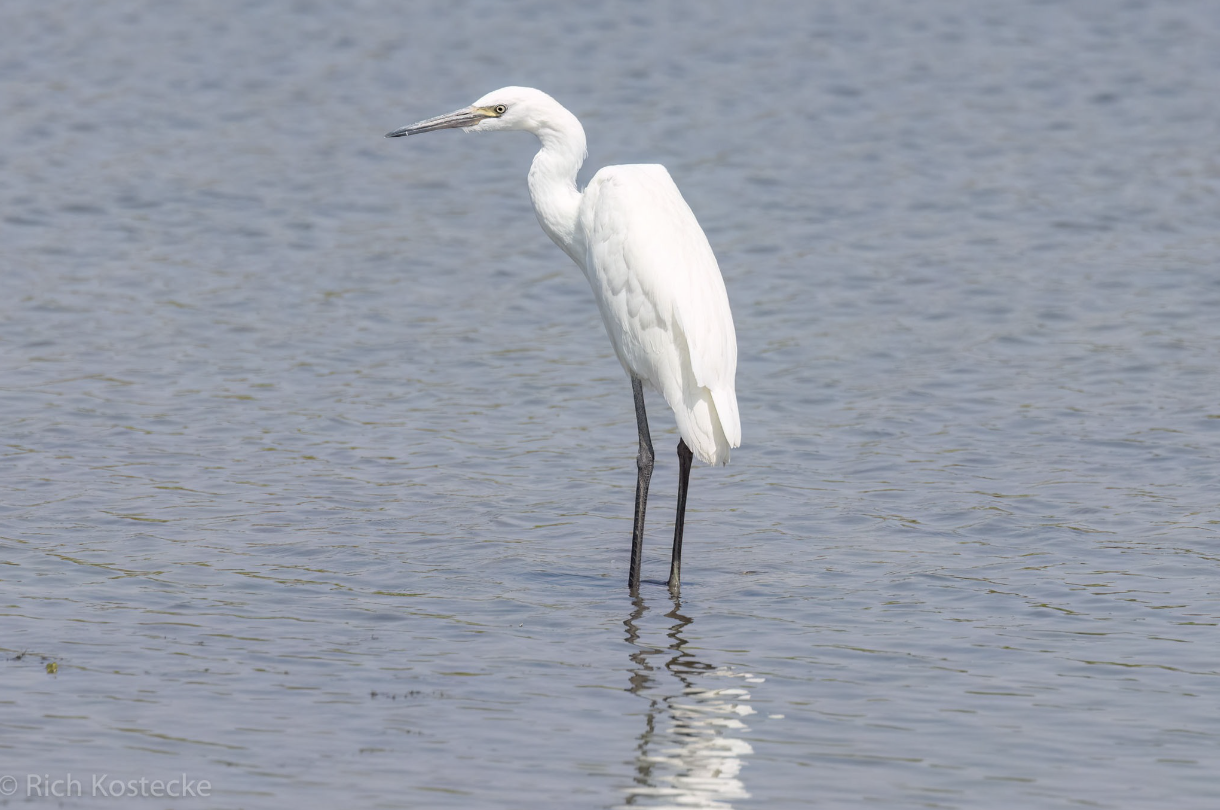
rare all-white morph
Soil Conservation Service Reservoir, Leander, TX
rare all-white morph
Soil Conservation Service Reservoir, Leander, TX
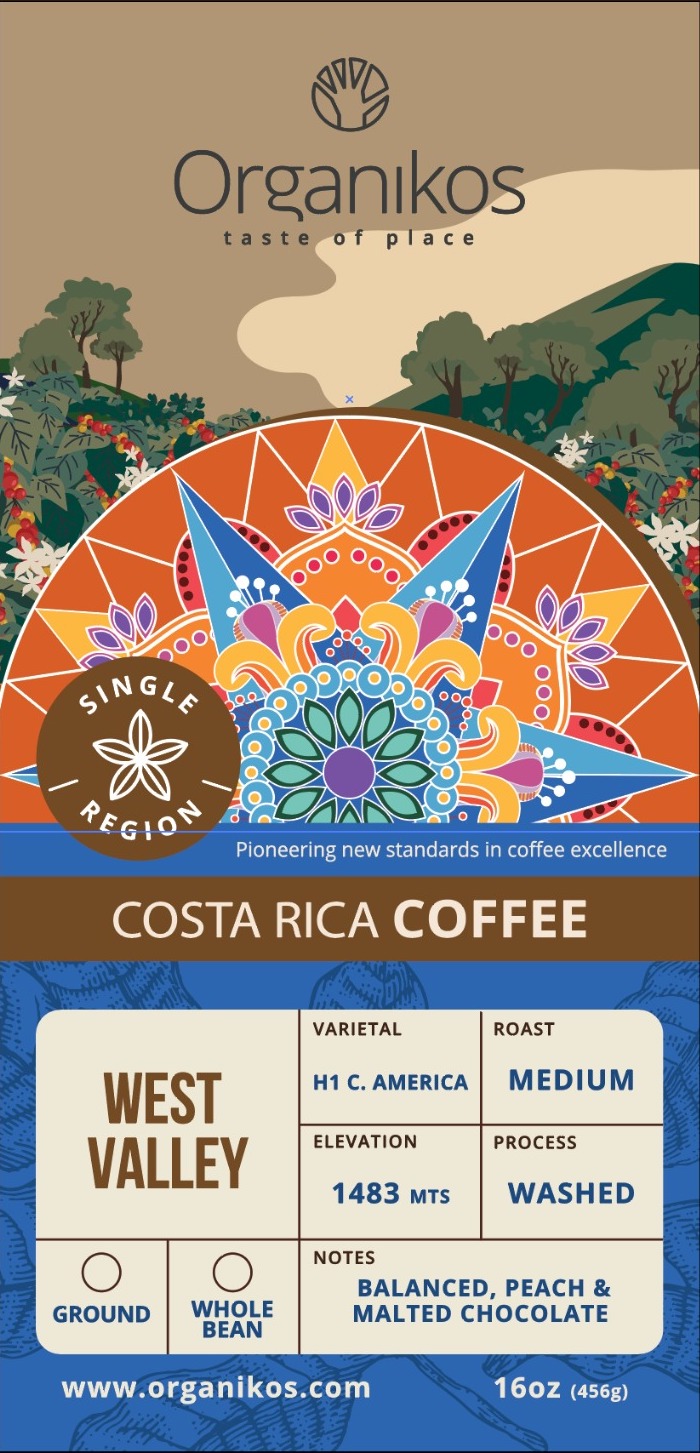 Historically the West Valley region of coffee farms were different from other coffee-growing regions of Costa Rica. One of the hallmarks of this country’s coffee farming culture has been the regional cooperative into which virtually all top quality beans get sold to. West Valley also had its own cooperative, but not the type of solidarity typical of Tarrazu.
That has changed recently, as a new generation of farmers have taken over the family enterprise, many educated now not only in agronomy but also entrepreneurship. They see that innovative practices–crop yield and quality improvements–can be advanced in conjunction with those who are otherwise competitors. West Valley farmers learned this and practice it, now making some of the best coffee on hand.
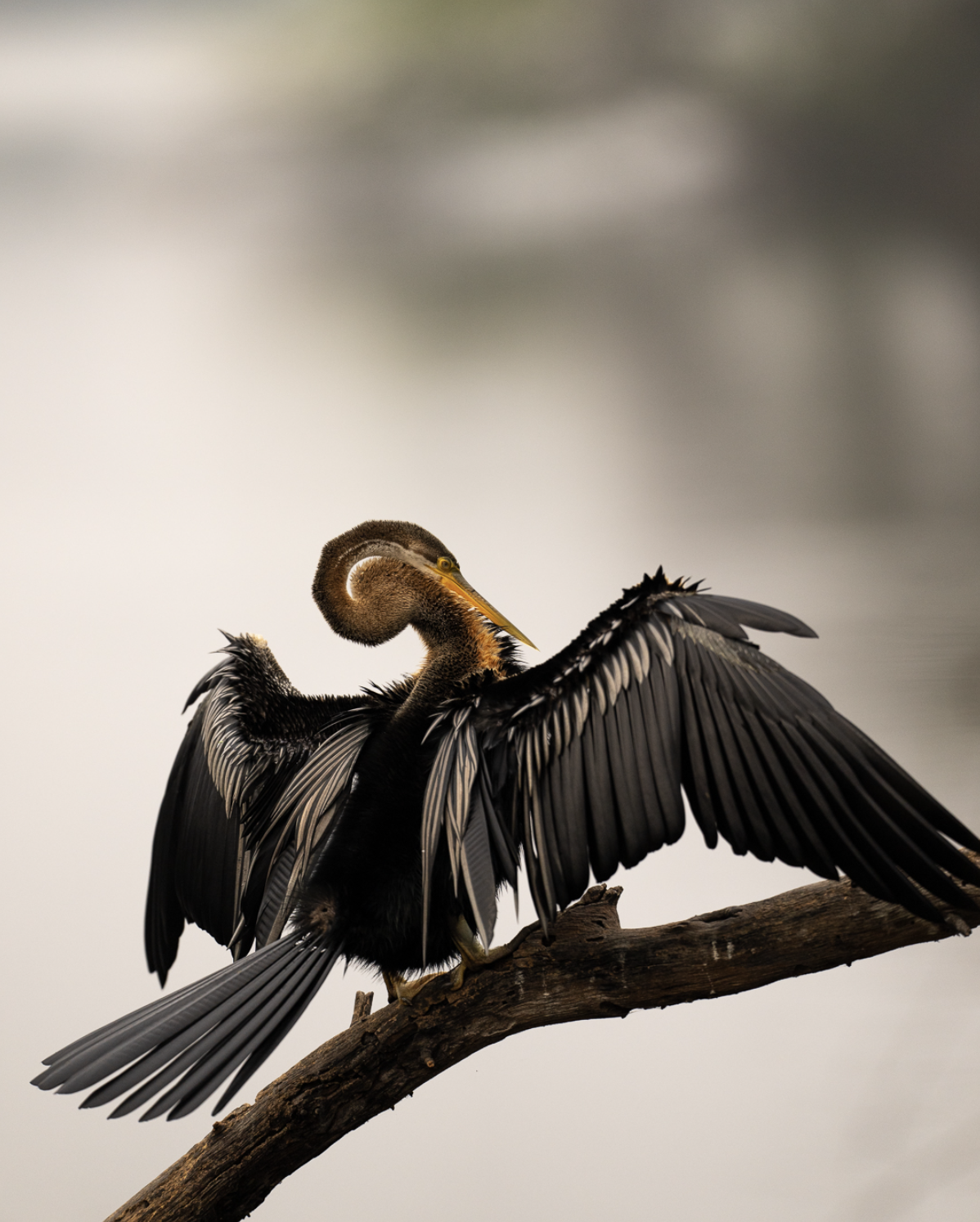
Keoladeo National Park, Rajasthan
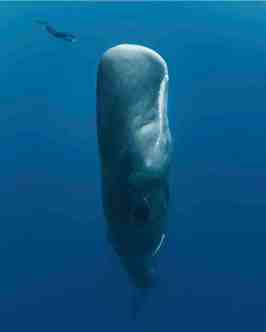
Shawn Heinrichs
Marine biologists are full of surprises, and those who study whales sometimes give the best surprises. Thanks to Ross Andersen and The Atlantic for this story:
HOW FIRST CONTACT WITH WHALE CIVILIZATION COULD UNFOLD
If we can learn to speak their language, what should we say?
One night last winter, over drinks in downtown Los Angeles, the biologist David Gruber told me that human beings might someday talk to sperm whales. In 2020, Gruber founded Project CETI with some of the world’s leading artificial-intelligence researchers, and they have so far raised $33 million for a high-tech effort to learn the whales’ language. Gruber said that they hope to record billions of the animals’ clicking sounds with floating hydrophones, and then to decipher the sounds’ meaning using neural networks. I was immediately intrigued. For years, I had been toiling away on a book about the search for cosmic civilizations with whom we might communicate. This one was right here on Earth. Continue reading

Kakamega Forest National Reserve, Kenya
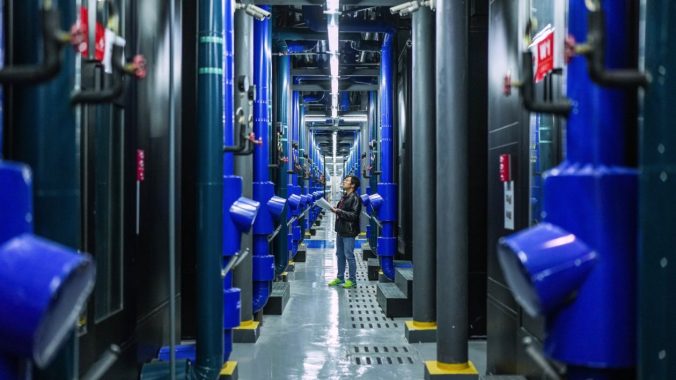
Inside the Guian Data Center of China Unicom, which uses artificial intelligence in its operations. TAO LIANG / XINHUA VIA GETTY IMAGES
For all of technology’s contributions to conservation, energy consumption is one of the downsides. Thanks to David Berreby and Yale e360 for this:
As Use of A.I. Soars, So Does the Energy and Water It Requires
Generative artificial intelligence uses massive amounts of energy for computation and data storage and billions of gallons of water to cool the equipment at data centers. Now, legislators and regulators — in the U.S. and the EU — are starting to demand accountability.
Two months after its release in November 2022, OpenAI’s ChatGPT had 100 million active users, and suddenly tech corporations were racing to offer the public more “generative A.I.” Pundits compared the new technology’s impact to the Internet, or electrification, or the Industrial Revolution — or the discovery of fire.
Time will sort hype from reality, but one consequence of the explosion of artificial intelligence is clear: this technology’s environmental footprint is large and growing. Continue reading
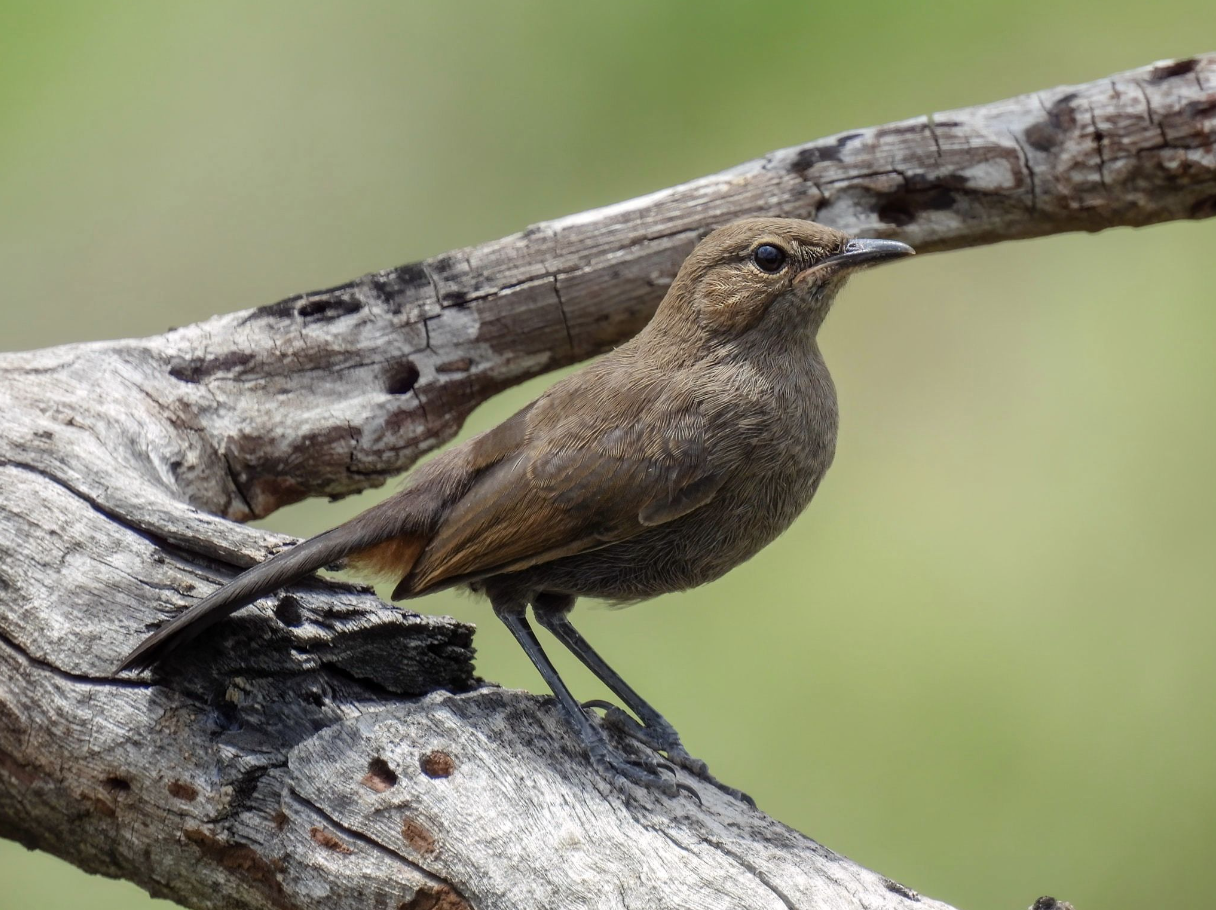
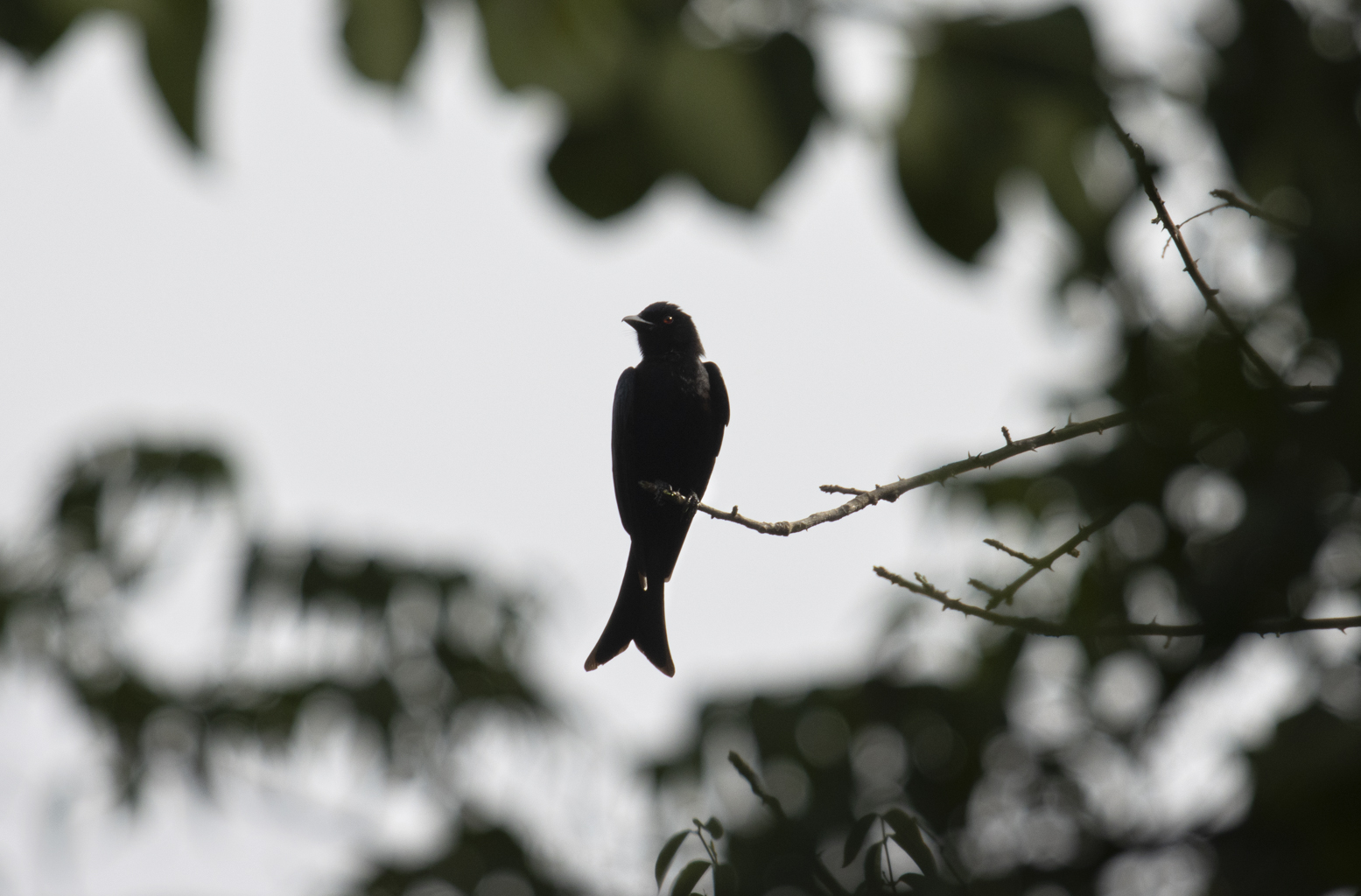
Female
Vijayapura, Karnataka
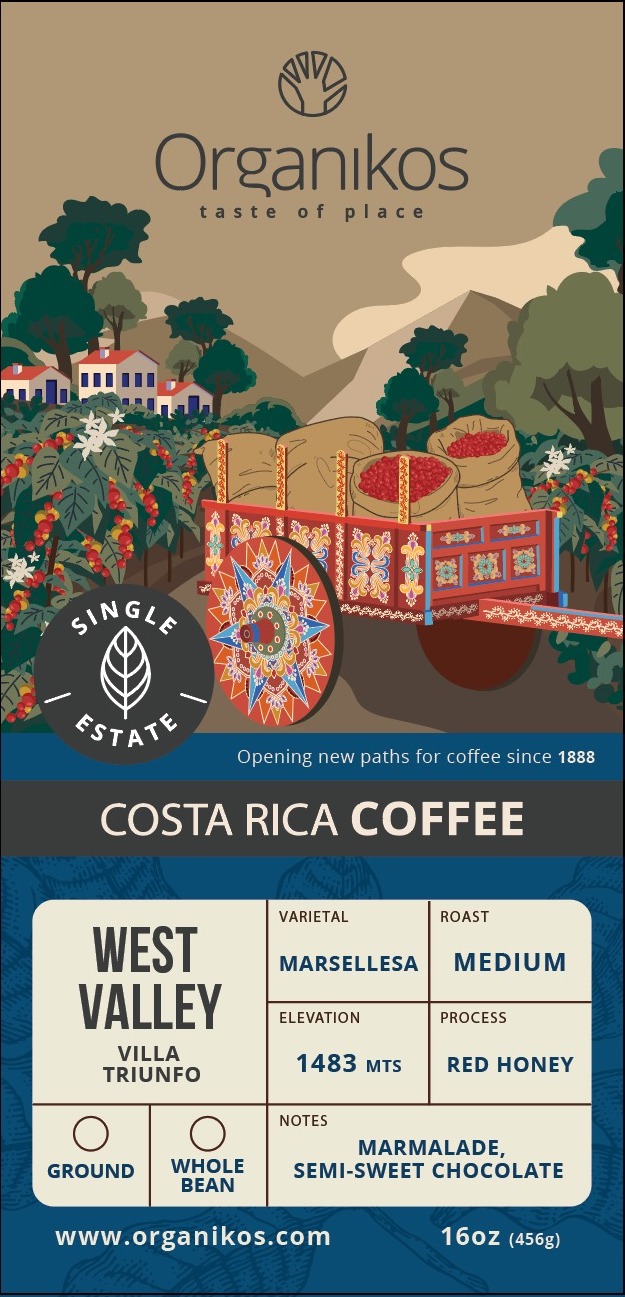 We have shared a few posts in these pages mentioning Villa Triunfo, but now we have designed a new label for it. So, time to celebrate that. What is most important to us about the farm is that it is one of the oldest continuously operating coffee farms in Costa Rica, since its first plantings in the late 1800s.
That, and the fact that today it is also one of the more innovative in terms of pioneering hybrids that help the coffee stay fit in the context of climate change and the various challenges (such as the uniquely problematic mold that is called rust). It is the end of harvest season, when coffees in the West Valley are being processed. The red honey process used for this coffee allows all the sugars from the juicy fruit to absorb into the beans. We look forward to cupping it soon.
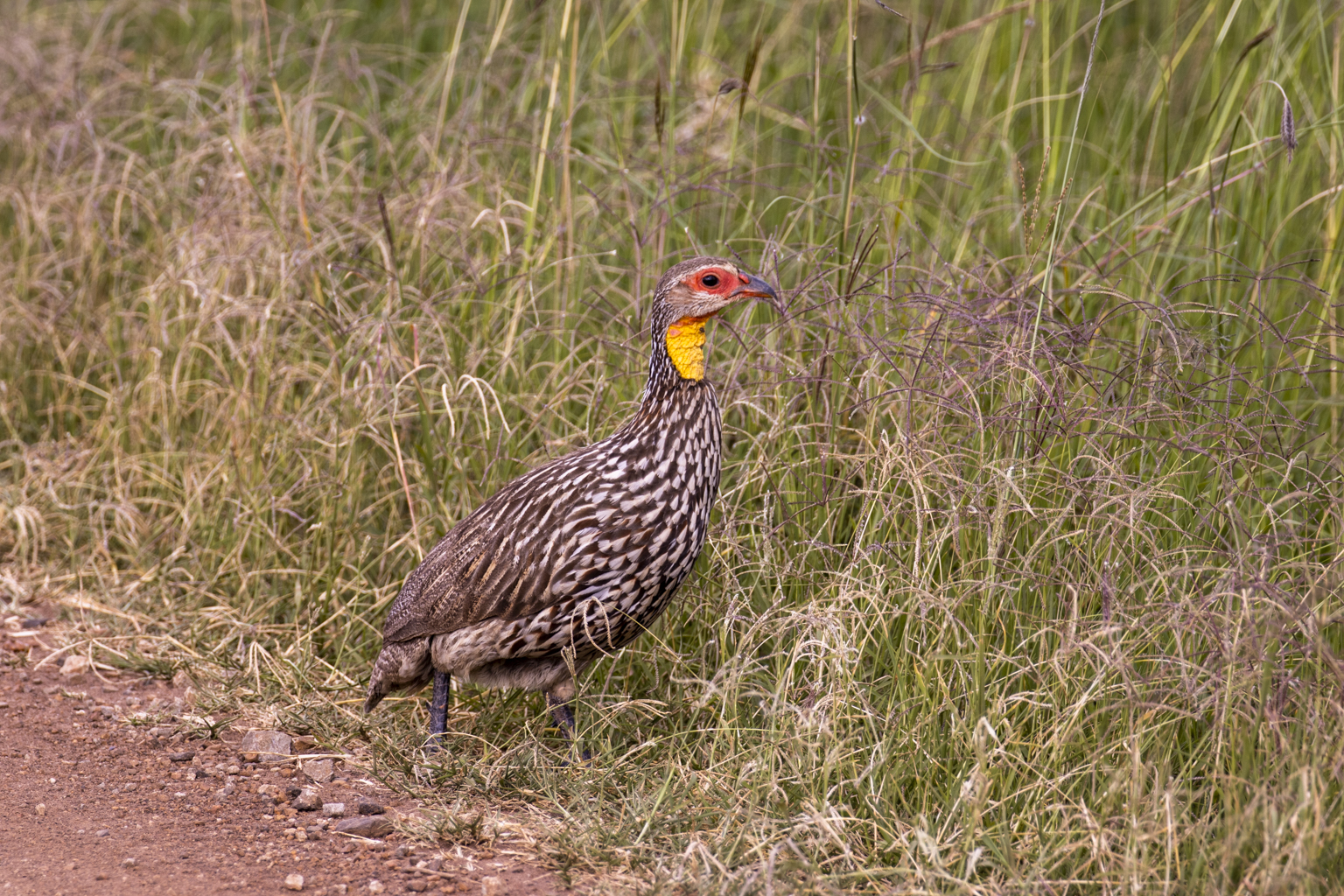
Nairobi National Park, Kenya

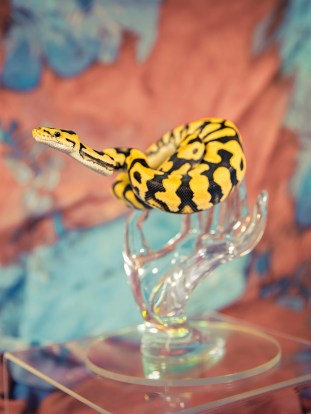
A “leopard blackhead Mojave hypo black axanthic” ball python: what sounds like an incantation is a catalogue of desirable mutations. Photograph by Delaney Allen for The New Yorker
Breeding animals in captivity is a topic we have pointed to in several posts. Sometimes the topic is ethics; other times it is about conservation of a species on the brink of extinction. Pythons somehow show up in our pages more frequently than captive breeding. Almost 15 years since Burkhard Bilger brought to our attention the topic of pythons and other animals invading new habitats that set off our python fascination, here is one at the intersection of captive breeding and ethics:
The Snake with the Emoji-Patterned Skin
In the wild, ball pythons are usually brown and tan. In America, breeding them to produce eye-catching offspring has become a lucrative, frenetic, and—for some—troubling enterprise.
“Sometimes your odds are one in two hundred and fifty-six, or one in five hundred and twelve, to make the snake you’re thinking about,” Justin Kobylka, a trendsetting breeder and the owner of Kinova Reptiles, said. Photograph by Delaney Allen for the New Yorker
On a fall day in Gainesville, Georgia, Justin Kobylka, the forty-two-year-old owner of Kinova Reptiles, was preparing to cut open two clutches of snake eggs. He was hoping to hit upon some valuable, beautiful reptiles. Kobylka is a breeder of designer ball pythons—one-of-a-kind, captive-bred snakes whose skin features colors and patterns not usually found in nature. “I think of myself as an explorer,” he told me. Nicking an egg with a pair of surgical scissors, he exposed a live hatchling in its goo. “Even when they haven’t yet touched air, you can sometimes see the tongue going,” he said, making a flicking gesture with his thumb and fingertip.
Kobylka had been trying to produce a “dreamsicle”—a white ball python with splotches of tangerine—but three of the circular markings on the snake looked like smiley faces. His video of the “emoji python” went viral. Photograph courtesy Kinova Reptiles
We were standing in a six-thousand-square-foot climate-controlled outbuilding that housed some two thousand pythons, which were kept in individual plastic trays slotted into tall metal racks. The space, which cost nearly a million dollars to build and outfit, was immaculate and well lit, with corner-mounted industrial fans and glossy floors. A vague odor of musk and Clorox was all that hinted at the daily chores of snake husbandry. Continue reading
Namibia

Illustration by The Atlantic. Source: Courtesy of KitchenAid.
Sharing this article is not with the intent to promote KitchenAid, per se. But okay if it does. More to appreciate The Atlantic for bringing your attention to a practice that is in short supply. Some companies do not build for obsolescence. Thanks to Anna Kramer for this:
Modern appliances are rarely built to last. They could learn something from the KitchenAid stand mixer.
My KitchenAid stand mixer is older than I am. My dad bought the white-enameled machine 35 years ago, during a brief first marriage. The bits of batter crusted into its cracks could be from the pasta I made yesterday or from the bread he made then. Continue reading

Vito, Costa Rica

Thanks to Yale Climate Connections for sharing Max Graham’s article at Grist:
How much carbon can farmers store in their soil? Nobody’s sure.
Advocates say the long-awaited farm bill could help fix that.
Dirt, it turns out, isn’t just worm poop. It’s also a humongous receptacle of carbon, some 2.5 trillion tons of it — three times more than all the carbon in the atmosphere. Continue reading
Shai Hills Resource Reserve, Ghana
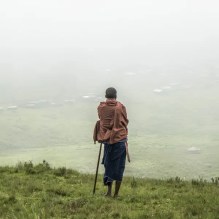
Brian Otieno
This guest opinion, written by Professor Robert Williams of the Indigenous Peoples Law and Policy Program at the University of Arizona, and published in the New York Times, should make you think twice about the safari that might be on your bucket list:
Kicking Native People Off Their Land Is a Horrible Way to Save the Planet
Over 600,000 tourists travel to Tanzania’s Ngorongoro Conservation Area each year, and many will catch a glimpse of the Great Migration: the famed trek of more than one million wildebeests and thousands of zebras, gazelles and other animals crossing over the Mara River into Kenya and back again. Continue reading

North Llano River, Kimble County, TX
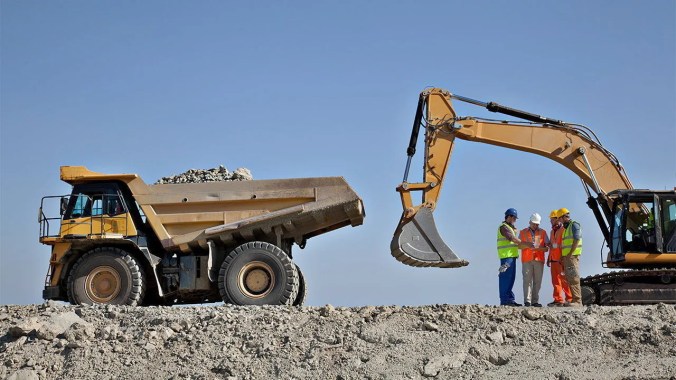
image: getty images
When mining has appeared in our pages it has only rarely been a positive story. Because mining is dirty, by definition. The Economist lays it bare:
Why the world’s mining companies are so stingy
The energy transition requires vast quantities of metals. But miners are reluctant to invest
Mining companies have spent much of the past decade in investors’ bad books. Throughout the 2000s and early 2010s the industry, betting that the surge in commodity prices brought on by China’s economic rise would persist, splurged on investments and racked up hefty debts in the process. Continue reading
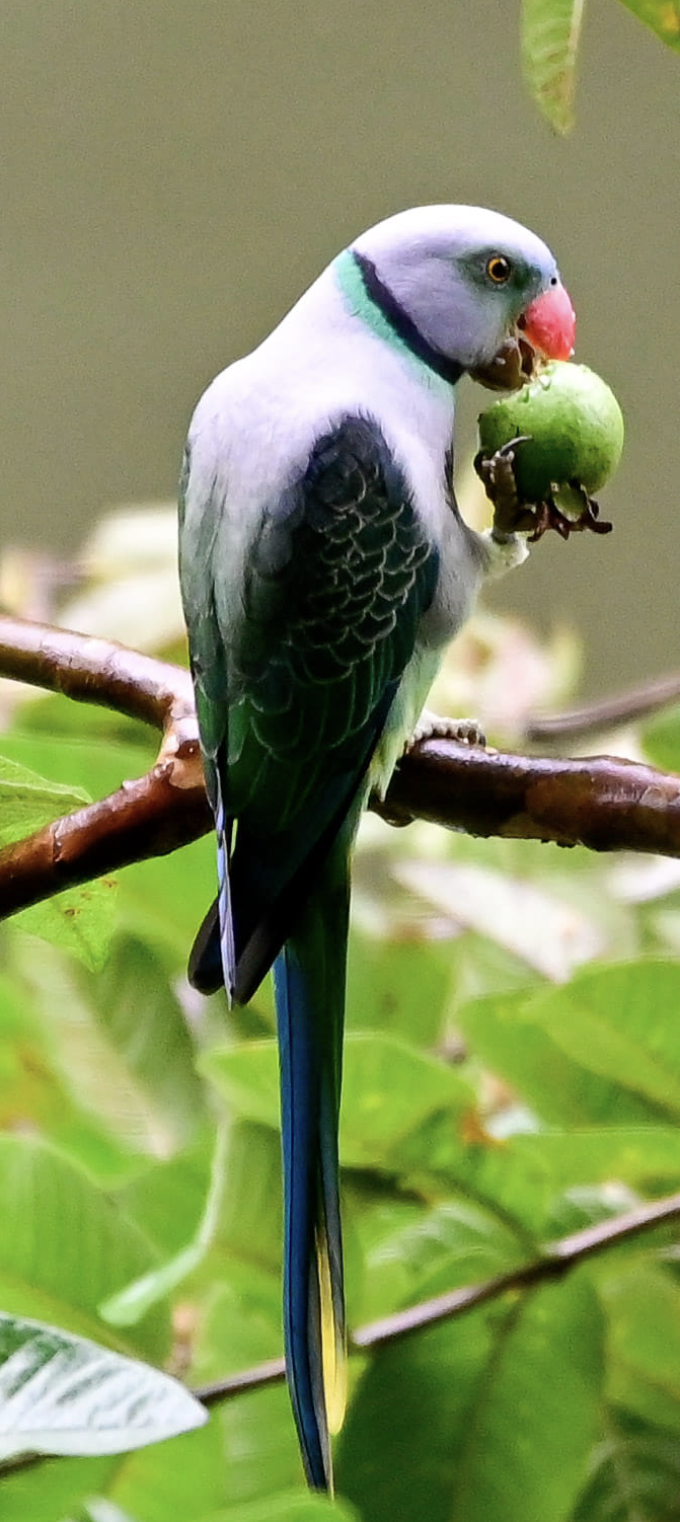
Periyar Tiger Reserve, Kerala

Illustration by Matteo Giuseppe Pani
Our thanks to Asher Elbein, writing in The Atlantic, for this:
Scientists have discovered that a mysterious behavior might come down to air.
On a shelf lined with terra-cotta pots, herbs bend their stems toward the nearest window. In a field of golden wildflowers, leaves rotate with the path of the sun. In a dappled forest, vines twine up trees, reaching ever upward and away from the dark. Continue reading


 Organikos