How do you Say “Butterfly” in Malayalam?

Photo by James Zainaldin

We have a history of sharing butterfly photos here, primarily from Kerala (ചിതശലഭം, by the way, is Malayalam script for “citaśalabhaṁ,” or butterfly) and Costa Rica (“mariposa” being the Spanish name for the insects) but also in miscellaneous nature posts by our contributors. We also have a bit of a connection to the Smithsonian Institution, and are always happy to hear about friendly, creative polyglots, in this case from the New York Times:

Amid Butterflies, a Bit of a Lingua Franca at the Natural History Museum

 20, 2015

On a recent Sunday, Holly Tooker stood by the transparent wall inside the Butterfly Conservatory, at the American Museum of Natural History. It was, as always, 81 degrees with 78 percent humidity, and it had been a busy morning. Nearby, a giant Danainae butterfly perched on a

Continue reading

A 750-year-old Legacy

This be the destination that Dante Alighieri envisioned then: A love that moves the sun and other stars. ILLUSTRATION: Gustave Dore

This be the destination that Dante Alighieri envisioned then: A love that moves the sun and other stars. ILLUSTRATION: Gustave Dore

A prophet of hope, herald of the possibility of redemption, liberation and the profound transformation of every man and woman, of all humanity

– Pope Francis on Dante

An epic poem running into 14,233 lines, an allegorical exploration of hell and purgatory to reach paradise and a quest to understand the authentic self and the transcendental meaning of existence – Dante Alighieri has given much to the world. With Italy and literary circles celebrating his 750th birth anniversary this month, all awe and criticism once again turn the Divine Comedy’s way. Wondering about a 700-year-old text’s relevance in this century? Well, we are talking Dante and to say his masterpiece is a timeless revolution wouldn’t be way off the mark. Over his oft-didactic narrative and theological inferences, Dante leaves readers with gruesome yet alluring imagery, the knack to examine status-quo and a careful look at the duality in life. Continue reading

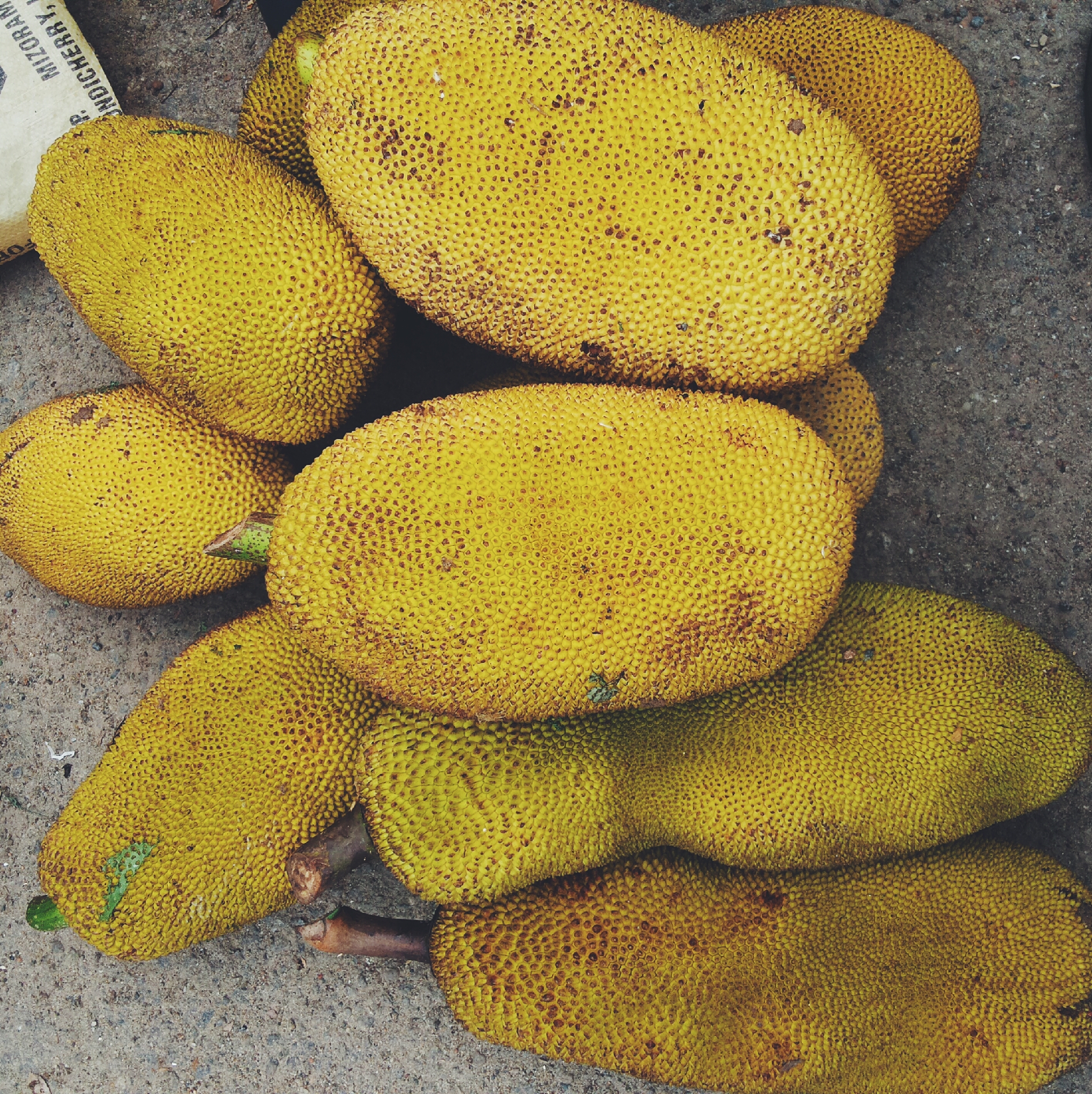
Veganism, say hello to jackfruit!

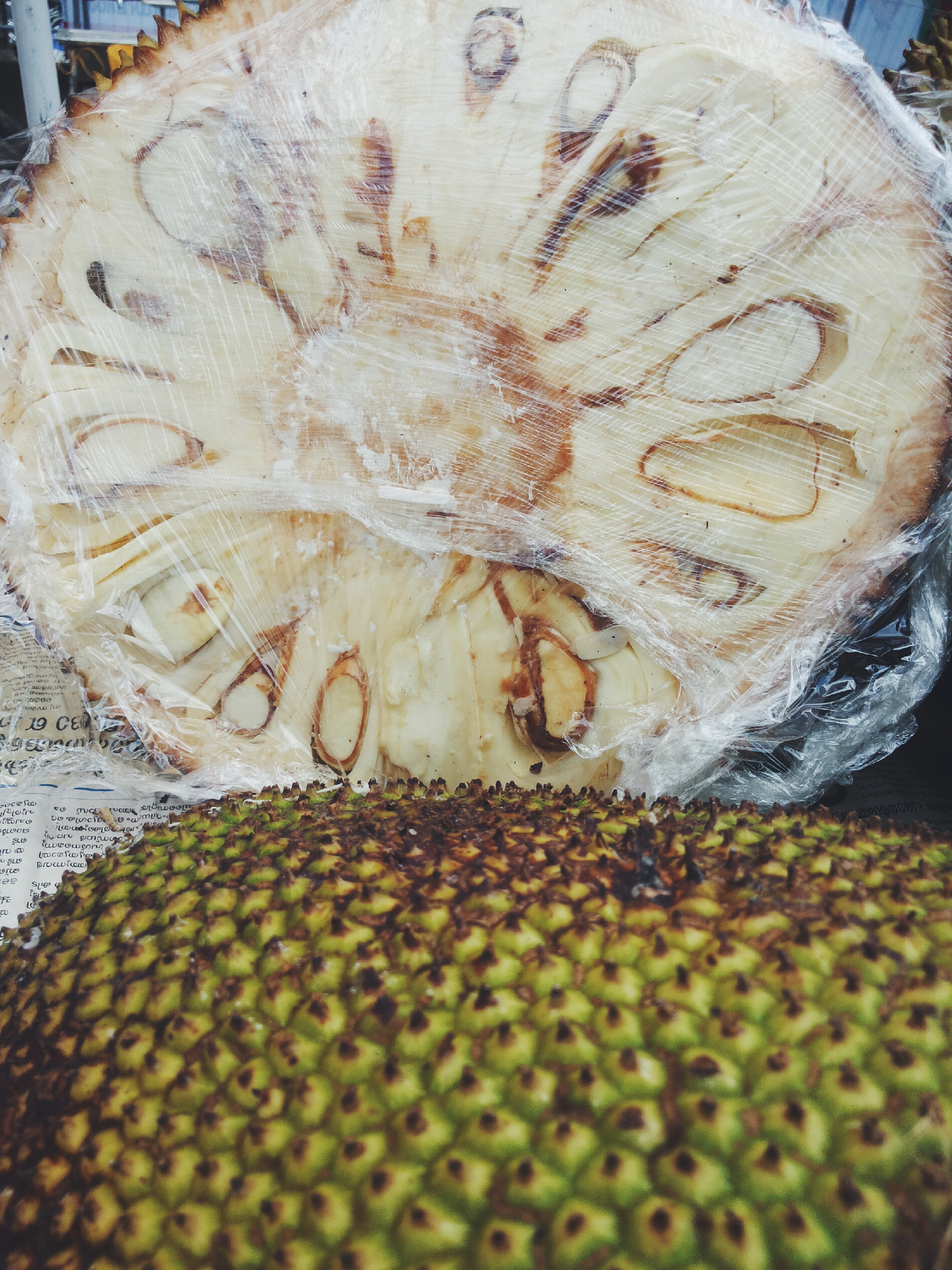
Jackfruit is the largest tree-borne fruit and is found across Asia, Africa, and parts of North and South America

Jackfruit is the largest tree-borne fruit and is found across Asia, Africa, and parts of North and South America

It’s the peak of summer in Kerala now. Here, the fruiting seasons are celebrated with an expo to encourage cultivation and to introduce the urban populace to some good old food traditions.At a recent jackfruit expo (watch this space for more on a mango showcase), the city-bred me who’d otherwise encountered the fruit only in flavored sorbet and ice cream figured what it was all about. Then I did some reading and this month-old article in The Guardian had me hooked:

Processed with VSCOcam with f2 preset

The frontal view when a jackfruit is cut

Late last year, after 18 years of litigation, a senior government official in Kerala, south-west India was given a prison sentence after being convicted of theft. The object he stole was government property, and it was so large he had to have it cut up to get it home. A piece of art, perhaps? A precious metal? Actually, it was a 40-year-old jackfruit tree, and, once you’ve tasted its fruit, you begin to understand why he did it.

Continue reading

Cave Swallows in Jamaica

Our last big video from the Jamaican Golden Swallow expedition was from the Blue Mountains. This time I have some footage of a colony of Cave Swallows we found at the end of our trip when we were driving along the north coast of the island. About fifty or sixty birds live in this shelf of rock overhanging the ocean, having created nests in the walls with mud pellets.

In the video above, you can see Justin swimming under the natural bridge to get a better view of the birds as they circle around to check on their nests, possibly Continue reading

One for the Bird

Poaching and destruction of grasslands has brought down the bustard's population to 150 in the world. PHOTO: Kiran Poonacha

Poaching and destruction of grasslands has brought down the bustard’s population to 150 in the world. PHOTO: Kiran Poonacha

If there’s one certain takeaway from this blog, it’s the enduring and growing love for the feathered friends. In India, the conservation debate often touches on the Great Indian Bustard (GIB), which has an ostrich-like appearance and is labelled as “critically endangered.” In fact, the world population of the GIB is pegged at 150, with India, particularly Rajasthan, being home to 70 per cent of this number. Loss of the Bustard’s dry grasslands and scrub habitat, increased hunting and changes in land use have been blamed but Dr Pramod Patil refused to let things settle at that. Precisely why his pioneering work in protecting the Bustard population in Thar desert of Rajasthan won him the Whitley Award this year. Popularly known as the ‘Green Oscar’ and also won by compatriot Dr Ananda Kumar for his system to reduce man-elephant conflicts in India, the award carries a grant of £35,000. More importantly, it puts the focus back on the Great bird.

Continue reading

Avian Alarm Calls

A Tufted Titmouse calling in flight.

When you’re walking in the woods or even on a city block, chances are you’ll hear birds chirping at some point. Whatever they’re trying to communicate, it certainly isn’t the joyous celebration of life that cartoons and our active imaginations often make out birdsong to be. Males might be trying to attract a mate, individuals could be declaring their territory, and if it’s the right time of year, chicks may be begging for food. Another reason for a bird to vocalize is to create an alarm call in the interest of its general foraging flock, whether to flee from or mob a potential predator.

I’ve watched small birds like sparrows and chickadees mob a pygmy owl, crows, and a Red-tailed Hawk, but I’ve never had the chance to experience the beginning of the action, which apparently starts with just one alarm call, which turn out to be variable enough in some cases to communicate predator size and danger. Christopher Solomon reports for the New York Times‘ science section:

MISSOULA, Mont. — In the backyard of a woodsy home outside this college town, small birds — black-capped chickadees, mountain chickadees, red-breasted nuthatches — flitted to and from the yard’s feeder. They were oblivious to a curious stand nearby, topped by a curtain that was painted to resemble bark.

Continue reading

Check This Out

anarc71

We watch the comments and forwarding links on each of our posts, and there have been many fellow travelers over the years coming and going from our community. Here is one fellow we would like to point your attention to, first to thank him for his shoutout of our site; second because we like the name Milo, which got us to click his link; third we find his message kindred to our own; and last but not least because of the graphic above, which is worth more than a thousand words.

#PeopleVsShell

Photo credits: Greenpeace.org

Environmental Activism has never taken a back seat in Seattle and we continue to root for the individuals, organizations and public officials who are working to draw global attention to a possible environmental disaster. Certainly not the moment to “Keep Calm & Carry On”…

Hundreds of kayakers in Seattle were preparing to go and “shake their paddles” in protest at a newly arrived 400ft long, 355ft tall Royal Dutch Shell oil rig on Saturday, with hundreds – perhaps thousands – more scheduled to attend on dry land.

“We here in Seattle do not want Shell in our port. We want them to get out and change their business before they change our planet and destroy the life of future generations,” said Annette Klapstein, a 62-year-old retired attorney and member of activist group the Raging Grannies.

On Monday, the Obama administration effectively gave Shell the green light to restart its Arctic drilling and exploration operations with an approval issued by the Bureau of Ocean Energy Management, a governmental regulatory agency.

Shell was forced to halt its Arctic exploration in 2012 amid a series of severe security mishaps.

Environmental groups and scientists reacted to Monday’s news badly, warning that letting Shell back into the Arctic for exploration and drilling was very likely to cause an ecological disaster and contribute to climate change. Continue reading

“The Great Empty,” more Full than its Sobriquet Implies

Photo © Gerrit Vyn

What will you be doing this Wednesday 5/20 at 8pm EDT? If you’re in the United States and have a television, you should consider watching a PBS Nature documentary on the Greater Sage-Grouse (male in mating display pictured left) and other wildlife members of the vast community that lives in the sagebrush plains that span eleven western states and hundreds of thousands of miles. Titled “The Sagebrush Sea,” the film is the first of its type shot and produced by the Cornell Lab of Ornithology, and it promises to be quite entertaining and educational about this vast and daunting landscape. A friend who was in one of my freshman-year classes at Cornell has been helping out in the editing room as an employee at the Lab this spring, and he tells me that its been a really rewarding experience. Just from watching the trailer below you can see why!

You can check out the PBS Nature schedule webpage to see when the broadcast Continue reading

Bees, Plans, Action

honeybee_custom-80bb7e068307e617ad8b91b388850f0445d6b9e0-s1300-c85

The federal government hopes to reverse America’s declining honeybee and monarch butterfly populations. Andy Duback/AP

The bee crisis is not new, but it remains a red hot issue of great importance to all of us (thanks National Public Radio, USA):

Plan Bee: White House Unveils Strategy To Protect Pollinators

BRIAN NAYLOR

There is a buzz in the air in Washington, and it’s about honeybees. Concerned about an alarming decline in honeybee colonies, the Obama administration has released a National Strategy to Promote the Health of Honey Bees and Other Pollinators.

NPR’s Dan Charles says the strategy, despite its rather bureaucratic title, is pretty straightforward: “The government will provide money for more bee habitat and more research into ways to protect bees from disease and pesticides.The Environmental Protection Agency also will re-evaluate a class of insecticides called neonicotinoids … which are commonly used on some of the most widely planted crops in the country.”

As NPR’s Allison Aubrey has reported:

Continue reading

Peddle-Powered Phone Juice

bikecharger3

Thanks to EcoWatch for this article that, in a place like India where bicycles are a mode of common transport, and mobile phones are ubiquitous, is pointing us to a practical green innovation:

Charge Your Battery While You Bike to Juice Up Your Phone

Lorraine Chow

Who needs a power outlet when you have a bike? The Ride-A-Long charges your electronics as you pedal, providing a portable renewable energy source for bike-enthusiasts.

Biking is already pretty environmentally friendly, but this takes it to the next level.

Created by Siva Cycle, the product can juice up any USB-powered device such as smartphones and cameras whenever and wherever you’re biking. Simply mount the Ride-Along to any standard bicycle’s back wheel, and as you ride, the wheel delivers juice to the integrated generator and charges its 1650 mAh battery, kind of like a hand-cranked radio. Continue reading

Merlin App Recognized in 2015 NSF Showcase

Prairie Warbler © Gerrit Vyn

Last week, an online video event was held to celebrate and showcase work funded by the National Science Foundation, called the NSF 2015 Teaching and Learning Video Showcase: Improving Science, Math, Engineering, and Computer Science Education. 112 videos featuring innovative work in these fields were shared on the website, and 21 were recognized as Facilitators’ Choice, Presenters’ Choice, and/or Public Choice projects.

From the Showcase website’s About page, here are the criteria for recognition in each category:

During the event, facilitators from each resource center will select a few videos, which will recognize extraordinary creativity in the use of video to share innovative work to determine the “Facilitators’ Choice.” In addition, all presenters will have the opportunity to vote for their favorite videos to determine “Presenters’ Choice.” Finally, all public visitors to the event will be asked to select those videos that they find most compelling. Those with the greatest number of public votes will receive “Public Choice” recognition.

The Cornell Lab of Ornithology’s Merlin Bird ID app was one of only 3 projects to Continue reading

Thank You, Oxford!

thThanks to the Guardian for its ongoing coverage of environmental news, including great attention to Oxford University’s environmental stewardship; also, especially to George Monbiot for his role at the paper as a shaker-upper:

Damian Carrington

But UK’s second biggest university by endowment says it will not bow to campaigners’ demands for full divestment from fossil fuels

The University of Oxford has ruled out future investments in coal and tar sands from its multi-billion pound endowment, but said it would not divest from all fossil fuels as demanded by thousands of students, academics and alumni.

Campaigners welcomed the move as a victory for the fast-growing fossil fuel divestment campaign, as it was the first time the university had made clear its position on the issue.

“Many world leaders have studied under Oxford University’s spires,” said Andrew Taylor, at campaign group People & Planet. “They should be taking notes today. The lesson is: it’s time to phase out coal and axe tar sands.” Continue reading

Leopards And Humans Peacefully Cohabitating In India

An elderly priest descending to Perwa village from a temple devoted to Lord Shiva on Perwa Hill where he lives, one of the many holy slopes in the region that is also home to leopards. Credit Richard Mosse

An elderly priest descending to Perwa village from a temple devoted to Lord Shiva on Perwa Hill where he lives, one of the many holy slopes in the region that is also home to leopards. Credit Richard Mosse

If you are coming to visit one of Raxa Collective’s properties in south India, and want a recommendation for a visit to another part of India, this may be on our to do list (we need to go check it out first, and will let you know):

Life Among the Leopards

Continue reading

If You Happen To Be In Harlem…

harlemeatup

Those of us based in Kerala, India won’t be able to celebrate at this event, but we surely hope some of our readers can. It came to our attention via some inexplicable psychic Soul Food connection and boy do we wish we could be there!

As the banner states, the festival honors the food, culture and spirit of a part of New York with a storied history of Renaissance and decline. The celebration itself is evidence of Harlem’s Neo-Renaissance. Cultural talks, Food strolls, Dinners, and Cooking demonstrations are incorporated into the festival program. Continue reading

If You Happen To Be In Georgia…

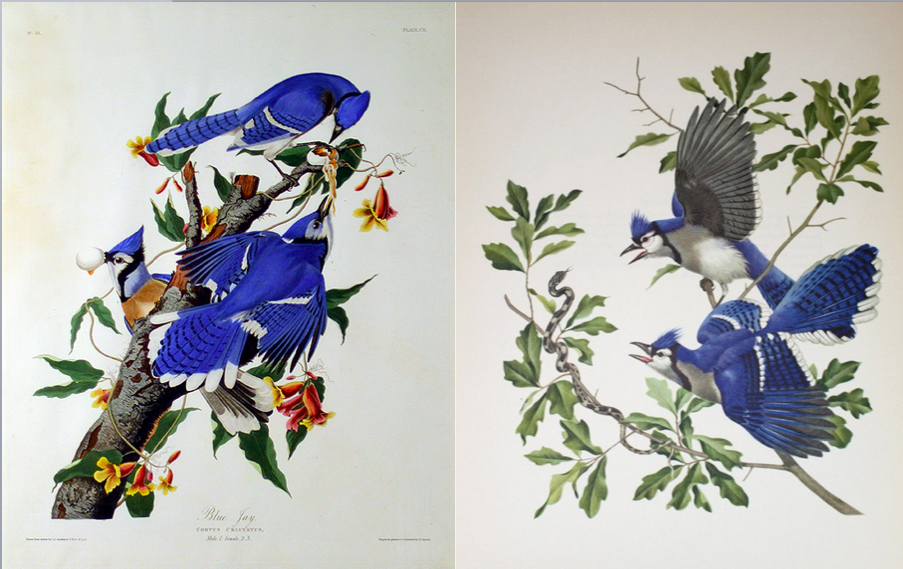
Blue Jays. Left: John James Audubon; Right: Athos Menaboni

Blue Jays. Left: John James Audubon; Right: Athos Menaboni

It should come as no surprise to visitors to this site that a significant amount of our attention is taken up by birds. Their importance is manifold, not just environmentally, but artistically. We’re also fans of the Liberal Arts, so we’re particularly excited to see these interests come together this month at two Liberal Arts colleges in Georgia.

One does not have to be a birder or an art aficionado to have heard of John James Audubon. Much of the world knows the name due to the Audubon Society, but fewer have heard of Athos Menaboni, who Times Magazine once called “Audubon’s heir”, despite the fact that the two men never met. Continue reading

SolaRoad’s First Seven Months

More than 150,000 bicyclists have used the road in the last six months in the Netherlands, where many people commute by bike. Photo credit: SolaRoad

More than 150,000 bicyclists have used the road in the last six months in the Netherlands, where many people commute by bike. Photo credit: SolaRoad

When we first linked out to this story some months ago, it did not get the number of clicks and reads as we expected. So now that we read a bit more about the results since November, all we can do is recommend that you pay attention:

SolaRoad, the world’s first “solar road,” has only been in operation since November, but it’s already generating more power than expected. SolaRoad is a bike path in Krommenie, a village northwest of Amsterdam in the Netherlands, that also functions as a massive solar array. The project was developed by TNO, the Province of Noord-Holland, Ooms Civiel and Imtech. Continue reading