Better Buying, Canned Tuna Edition

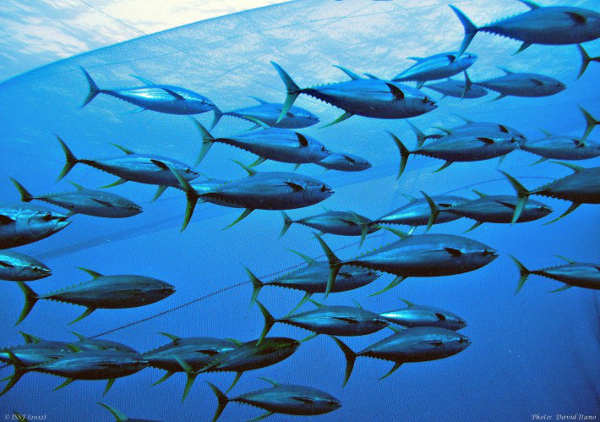
Seafood companies are responding to the public’s increased interest in whether fishing practices deplete tuna populations. Photo credit: David Hano/International Sustainable Seafood Foundation

Seafood companies are responding to the public’s increased interest in whether fishing practices deplete tuna populations. Photo credit: David Hano/International Sustainable Seafood Foundation

Thanks to Ecowatch for the updated primer on better canned tuna shopping criteria:

Canned tuna is one of the world’s most popular packaged fish, but it has also long been controversial. Between issues of overfishing resulting in fishery depletion and bycatch that threatens other species including the much-publicized incidental capture of dolphins by tuna fishermen, it has gotten a bad name. With the increased awareness of the harm tuna fishing can cause, companies have stepped up to try to reassure consumers that they are paying attention to the health of our oceans. Continue reading
Kerala Coconut Thatch Weaving

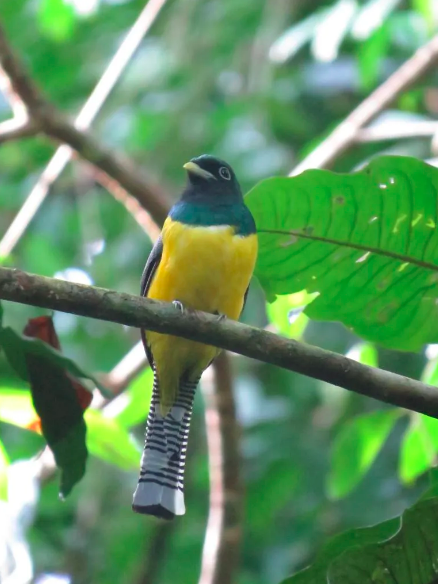
In my earlier posts, I wrote about the abundance of coconut trees in Kerala and their many uses from ingredients in typical foods to the construction of house boats. Another primary use is for roofing. Here at Marari Pearl, it is used unsparingly for most of the buildings from the restaurant to the 20 villas on site. Continue reading

Sustainable Logging Improves Lives

9642829930_d19343c79b_h-680x450

Logging generally does not come high on our priority list for inspirational stories, but we are nothing if not open to new ideas (thanks to Conservation for keeping up us apprised of encouraging surprises), especially when camera traps are involved to verify the facts:

ORANGUTANS MIGHT SURVIVE SUSTAINABLE LOGGING

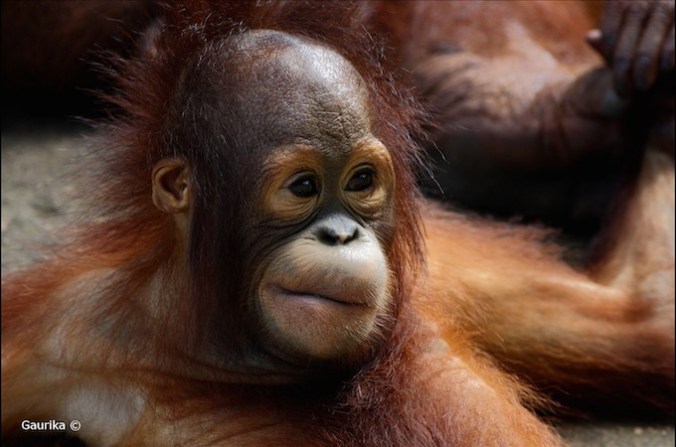
Like for all of its great ape cousins, the rise of Homo sapiens has not been pleasant for the Bornean orangutan, Pongo pygmaeus. The endangered “red ape,” found only in Borneo, is threatened by the continuing loss of its forest home. Hectare after hectare of primary forest is being lost either to logging or to palm oil plantations. Continue reading

Whales Need To Eat, Just Like The Rest Of Us

1000 (1)

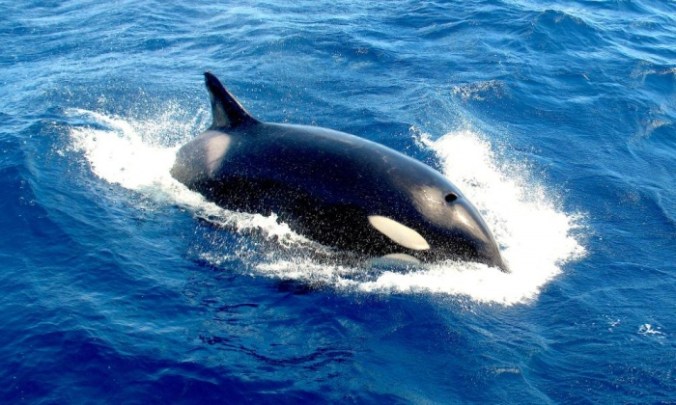
The Guardian‘s Environment section gets us thinking, today, about the unfortunate qualifier–killer–to the name of this amazing animal. All of us non-vegetarians are killers, right? We just hide that fact as conveniently as we can. The spectacular fashion in which this particular marine mammal satisfies its appetites is something to behold:

Even before our boat left the shelter of Bremer Bay boat harbour, in south-west Western Australia, shortly after dawn on the first day of the region’s 2015 killer whale season, it felt like we were already at the edge of the world.

I was there to see a tiny place, far out to sea, that marine scientists and environmentalists regard as one of the most special ocean ecosystems anywhere in Australia’s commonwealth waters.

We would motor more than 65km offshore to a location not much bigger than a few football fields, where the ocean is 4.5km deep and weather conditions are almost always treacherous. Where we were going there was a not a single distinguishing feature or landmark – just a GPS point.

More than anything, though, no one yet knows for sure why each year, during February and March, life from around the Southern Ocean converges on that relatively minute speck in the ocean wilderness. Continue reading

If You Happen To Be Anywhere In the World…

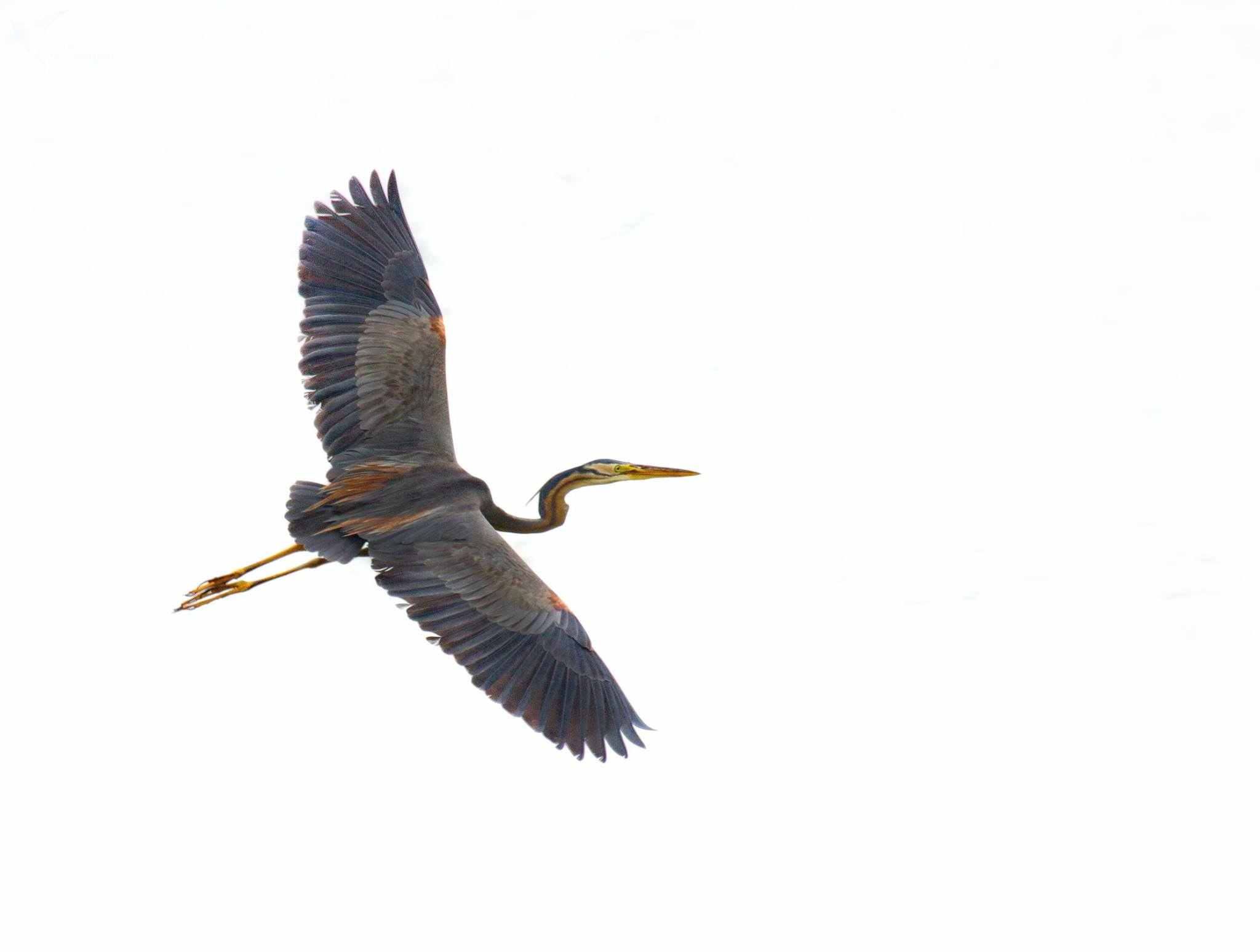
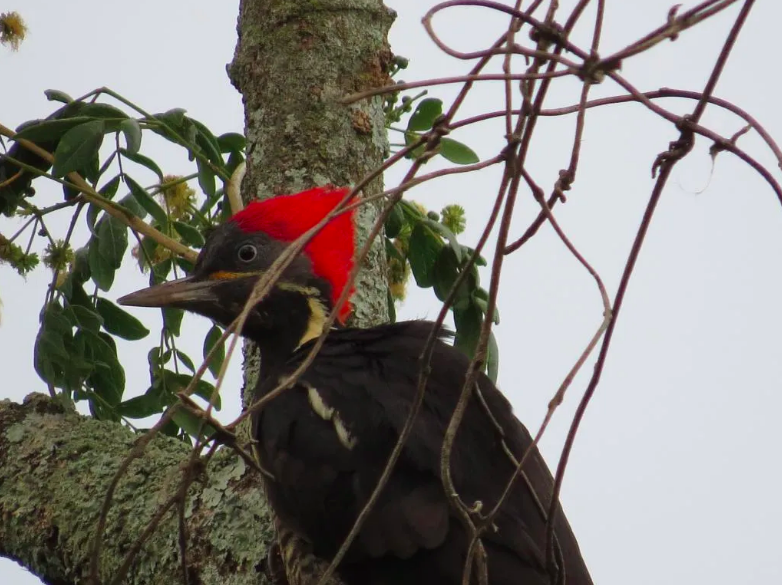
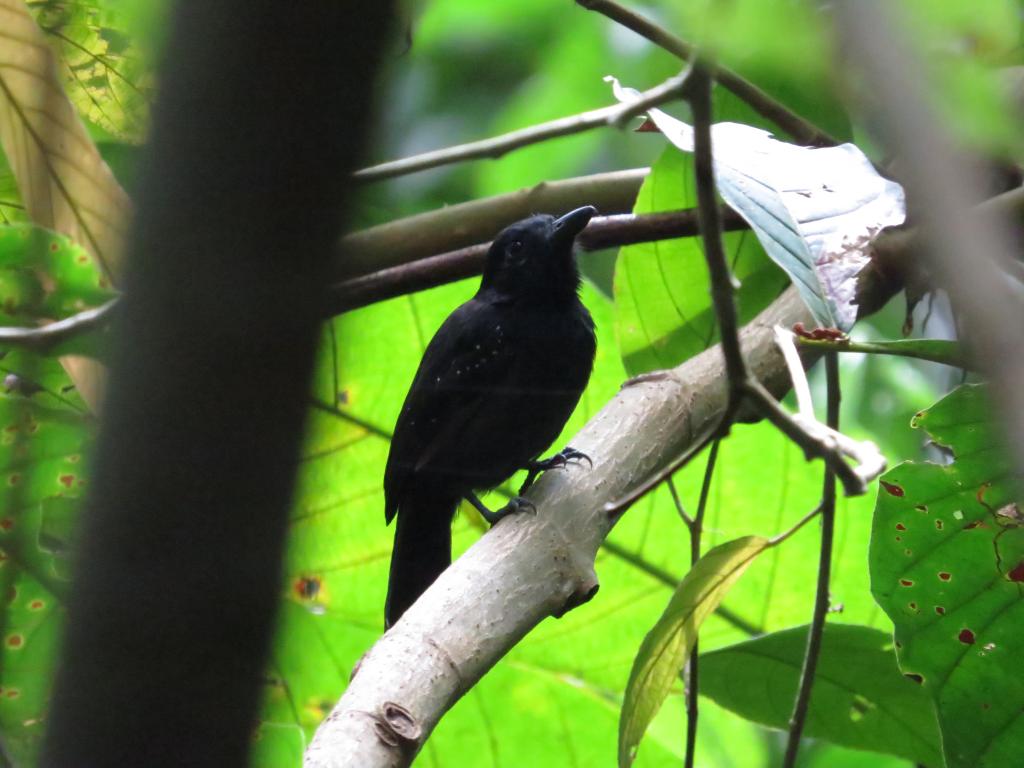
Our interest in birds shouldn’t come as a surprise to readers of these pages. With contributors Seth and Justin on a Smithsonian Expedition in search of the Golden Swallow, over 3 years of our Bird of the Day feature from many talented photographers, and a plethora of posts about the subject, we assume it’s obvious.

Prior to 2013 the Great Backyard Bird Count focussed on North America, but that year it went global and the results were amazing! Continue reading

Transformative Practices For A Better World

Christophe Archambault/AFP/Getty Images

Students use tablets in a classroom in Mae Chan, a remote town in Thailand’s northern province. Christophe Archambault/AFP/Getty Images

Scanning the developing world, anywhere that poverty puts lives at risk, it is useful to have a short list of particularly transformative practices as in this four minute story podcast from National Public Radio (USA):

There are so many projects in global health that sometimes it’s hard to figure out which ones are the most important.

So Lawrence Berkeley National Laboratory set out to list the 50 breakthroughs that would most transform the lives of the poor, especially in sub-Saharan Africa and South Asia. Shashi Buluswar, an author of the study, spoke with Morning Edition‘s Renee Montagne. Here’s a sampling:

A low cost, fuel-free way to desalinate water. Many people in the world do not have enough fresh water to grow crops, and more and more fresh water runs off into oceans. Desalination creates usable water out of salty or brackish sources. “Right now it’s tremendously energy intensive and expensive,” Buluswar tells Montagne, “so trying to come up with a much more affordable, scalable and energy-efficient way of desalinating water would be tremendous.” Continue reading

Lovely Things Pedaled To A Place Near You

trailhead650

Several contributors to this site descend from a man from the mountains north of Sparta, who sailed from Greece to New York City more than a century ago, and had a pushcart that earned him enough money to return to his village and become a prosperous olive farmer.

Good things come in, and from, pushcarts. We like the bike design as much as anything else in the photo above, and speaking of aesthetics the last photo below will help understand why we absolutely had to post this. As for pedal-powered treats on wheels, we will do something to extend the reach of 51 in Fort Kochi, so stay tuned… Thanks to Ecowatch.com for this:

Riding your bike to work is gaining momentum as more cities adopt or expand bike-sharing programs, but what about ordering your morning latte or lunch from a bike? With more and more food bikes popping up in cities across the country, finding more meals on wheels (without the truck) might soon be an option. Continue reading

Sustainable Cities Index 2015

Screen Shot 2015-02-11 at 7.15.47 PM

We have not had as many posts on sustainable cities as we should, but aim to begin making up for that with this link to the current state of the art:

…The purpose of this report, our first Sustainable Cities Index, is to take 50 of the world’s most prominent cities and look at how viable they are as places to live, their environmental impact, their financial stability, and how these elements complement one another. All 50 of these brilliantly different cities – many of which I have been fortunate enough to visit – are in various stages of evolution – some being further along the sustainability journey than others. Each possesses its own geolocation and cultural distinctions but shares common urban challenges in the areas of job creation, mobility, resiliency and improving the quality of life of its residents.

Continue reading

Dismal Dominance

Screen Shot 2015-02-11 at 5.45.41 AM

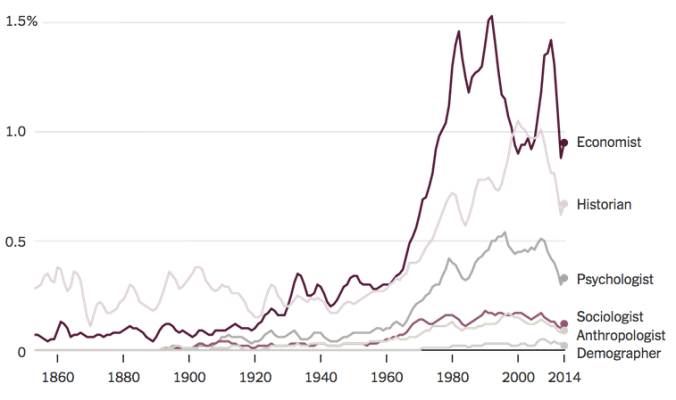
The Rise of the Economists: Interest in what economists have to say rises and falls with the economy. Measured by mentions in The New York Times, other professions aren’t as notable.

As a blog that features lots of history and literature, but little from the dismal science, this catches our attention.  Why so little economic reference at Raxa Collective? Wrong question. The economics of sustainable development are the foundation for all that we do, day in and day out, and those economics are embedded in many, if not most, of the stories we share on this blog. For that reason and more, this essay is worth a read and a ponder:

THE DISMAL SCIENCE

How Economists Came to Dominate the Conversation

Have we reached peak economist?

Two hundred years ago, the field of economics barely existed. Today, it is arguably the queen of the social sciences.

These are the conclusions I draw from a deep dive into The New York Times archives first suggested to me by a Twitter follower. While the idea of measuring influence through newspaper mentions will elicit howls of protest from tweed-clad boffins sprawled across faculty lounges around the country, the results are fascinating. And not only because they fit my preconceived biases. Continue reading

Heroic Termites

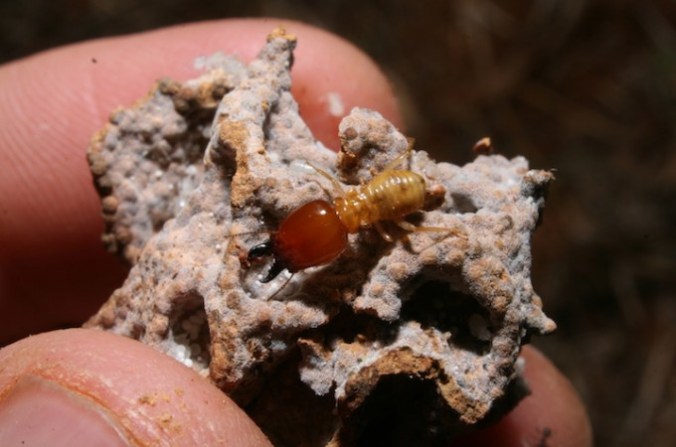
Termite on a fragment of its nest. Credit: Photo by Robert Pringle, Princeton University Department of Ecology and Evolutionary Biology.

Termite on a fragment of its nest. Credit: Photo by Robert Pringle, Princeton University Department of Ecology and Evolutionary Biology.

Conservation, on hiatus while they rethink their approach to a constantly rapid-fire changing media landscape, still provides the daily summaries of important environmental news to which we have become accustomed:

TERMITES EMERGE AS UNLIKELY CLIMATE HEROES

In the past several years, designers have looked to termite nests, earthen mounds that dot grasslands throughout the tropics, as a model for energy-efficient dwellings. Now, a study suggests that these mounds may also make their own landscapes more resilient to climate change, preventing savannas from turning into deserts during periods of drought. Continue reading

We Will Cheer This Until Completion

db757a96-5214-4e59-b0d5-8631d7e250d7-460x276

The proposed marine reserves around the South Sandwich Islands, Ascension and Pitcairn Islands would protect rare and threatened marine life. Photograph: Matthias Graben/Alamy

We write about marine reserves whenever we hear of a new initiative, and try to keep up with the progress of those as we can. The Guardian is reporting here on a new one; if Helena is in, we are in to support this as we can, and will post updates as available:

Conservationists call for UK to create world’s largest marine reserve

Three proposed reserves in UK waters around the Pitcairn Islands in the Pacific, and Ascension Island and South Sandwich Islands in the Atlantic, would more than double the size of the world’s existing marine protected areas

Pressure is mounting on the UK government and opposition parties to commit to creating at least one massive marine reserve in the Pacific or Atlantic to protect rare and threatened whales, sharks, fish and corals ahead of the general election.

Continue reading

Museums, Birds, Natural History–A Few Of Our Favorite Things

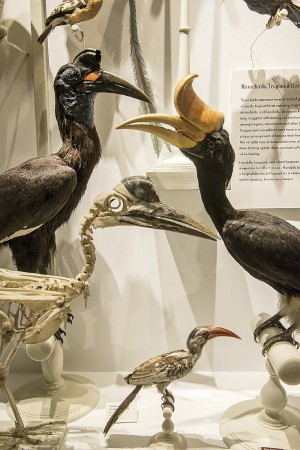
Photograph by Jim Harrison Hornbills, including the Malaysian state bird, Buceros rhinoceros (right)

Photograph by Jim Harrison
Hornbills, including the Malaysian state bird, Buceros rhinoceros (right)

If you happen to be in Boston, and are one of our many bird-motivated readers, you may want to visit a place where birds have helped a great institution become greater:

THE GREAT MAMMAL HALL has been emblematic of the Harvard Museum of Natural History for decades. Traditionalists will be glad to know that the gorilla tirelessly pounding on his chest, the placid okapi, and the room-long whale skeleton are still in place, and birds still fill cases on the balconies that run all around the hall. But the birds are no longer solely the “Birds of North America,” as has been the case for ages. Like the University that houses them, they have become more cosmopolitan and are now “Birds of the World.”

“I’m staggered by their diversity,” said Maude Baldwin, a doctoral student

Continue reading

Marine Reserves, Unexpected Effects

fish-680x450

Marine reserves have been of interest since the first months of this blog in 2011 and are still a mainstay of our incoming and outgoing newsfeeds. Much of our recent interest in the intersection between marine biology and conservation has been focused on invasive species since 2013, due to the super series penned by Phil Karp, most recently added to last week. Thanks to Jason G. Goldman and Conservation for this summary of a special topic within this intersection:

Most marine reserves are optimized for reef fish. These are fish that are born, live, reproduce, and ultimately die in a small area – sometimes on just a single reef. Where there is connectivity across a large area, it’s usually while the fish is in its larval stage. Once it matures, it stays put.

It’s a fitting strategy for conserving fish that live on coral reefs, rocky reefs, or in kelp forests, but does it do much to help those species that are more migratory? These are animals, like the Gulf of Mexico’s gag grouper, that spend their childhoods in one place, a nursery habitat like a mangrove, estuary, or kelp forest, and then migrate to live out their adult years in an adult habitat, like a reef or along the continental shelf. Continue reading

Making The Most Of The Golden Years

Carmen Herrera, painter, 99, in her Manhattan studio. Herrera sold her first painting at age 89. Today her work is in the permanent collections at the Museum of Modern Art and the Tate Modern.

Carmen Herrera, painter, 99, in her Manhattan studio. Herrera sold her first painting at age 89. Today her work is in the permanent collections at the Museum of Modern Art and the Tate Modern.

David Bowie sang of golden years, but we did not think of those this way. Many of us are already there, and all of us are on our way there, to the golden years; the question is what we make of those years. Thanks to Lewis Lapham for his inspirational report in the New York Times:

…The portraits here are of men and women in their 80s and 90s, rich in the rewards of substantial and celebrated careers, and although I know none of them except by name and reputation, I’m asked why their love’s labor is not lost but still to be found. Why do they persist, the old masters? To what end the unceasing effort to discover or create something new? Why not rest on the laurels and the oars? Continue reading