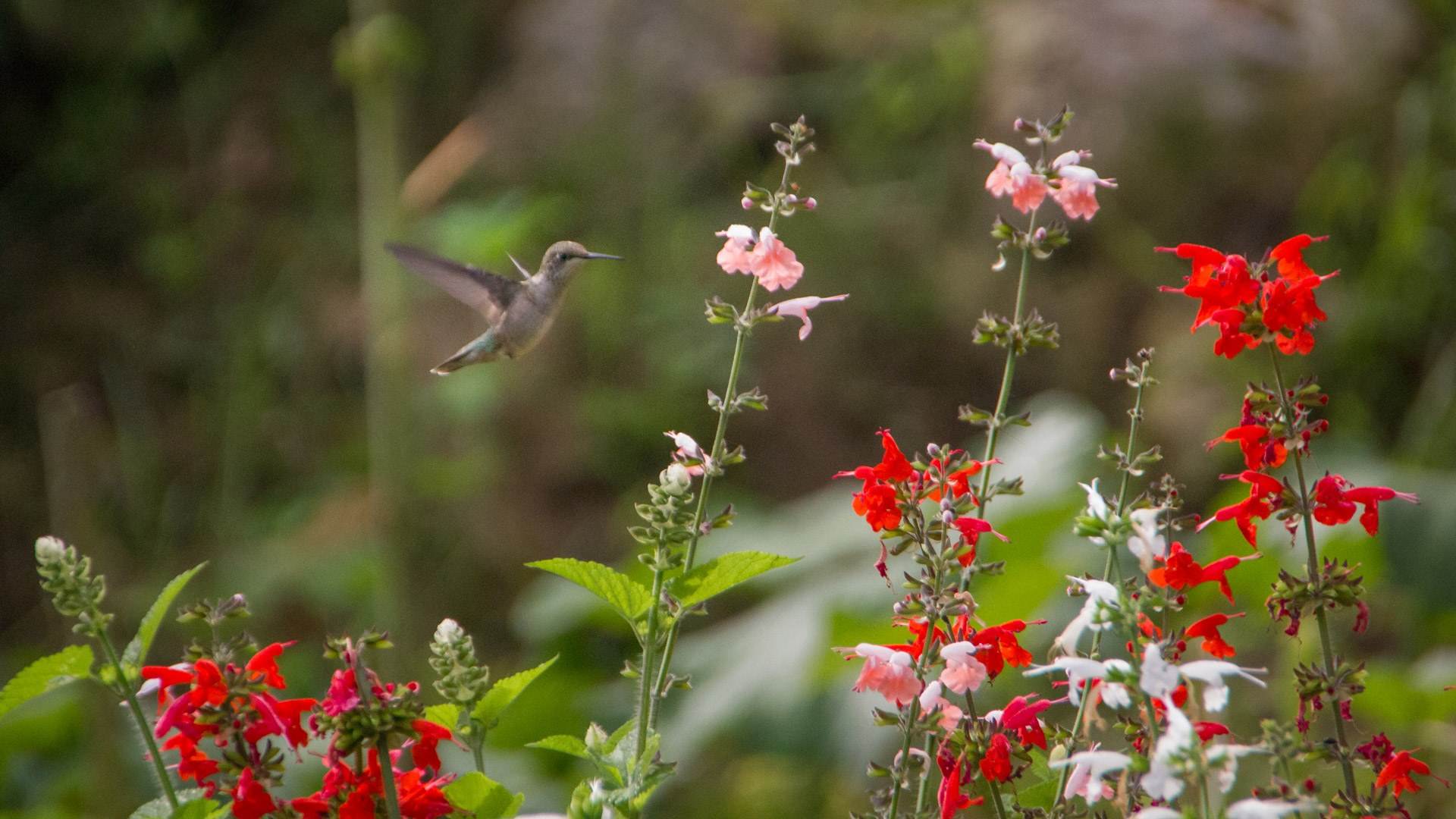
photo credit: Karen Brockney
Leicester, Massachusetts
photo credit: Karen Brockney
Leicester, Massachusetts
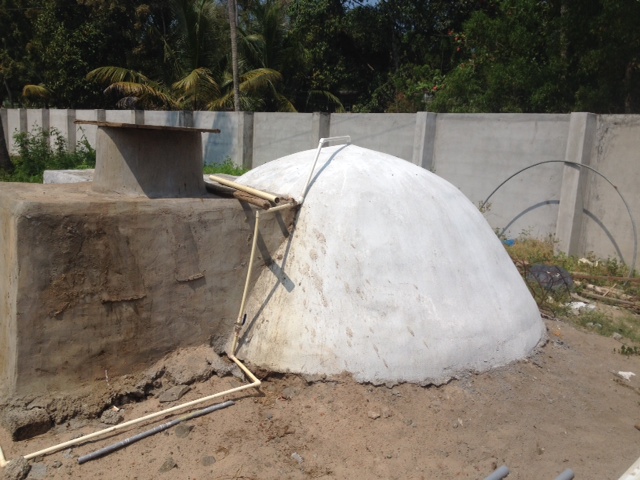
Bio-Gas Plant
In my opinion sustainable tourism/practices, if done correctly and efficiently, will both benefit the environment and a company or individual. Although today, we are still trying to accomplish the previous with as much at hand as possible. Ideally, sustainability will come hand in hand with positive environmental outcomes and social and economic benefits.
However, some practices are more beneficial (in both instances) than others. Take recycling paper for example: the margin in producing new paper vs. recycling is much lower so incentives are likely lower. Aluminum cans on the other hand are much more cost effective to recycle, bringing higher benefits to both the producer (by reusing material) and for the environment (aluminum has a longer decomposition time). Continue reading
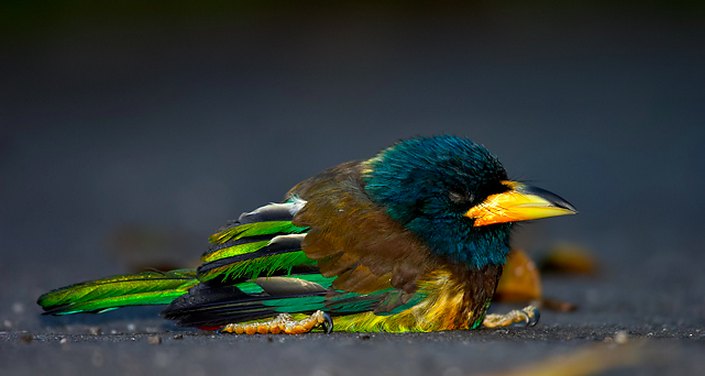
Lava, West Bengal
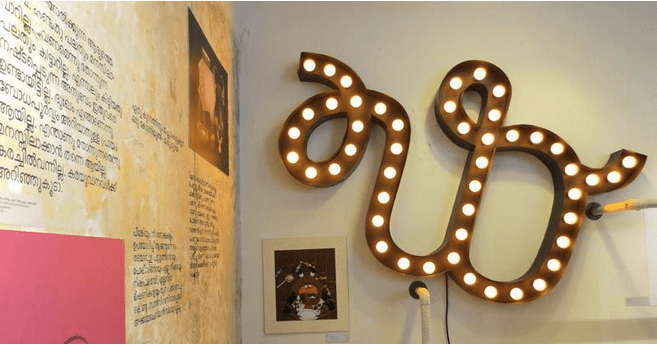
Malayalam Project at Kochi Biennale
As a language, Malayalam is a perfect example of form as function: its “loopy” forms seem to roll off the speaker’s tongue. The word itself is even a palindrome, reading forward and backward in a never-ending loop. The high literacy rate in Kerala is evident in the newspapers found in tea stalls at every corner, not to mention the ubiquitous walls painted with verbal signage in both urban and rural settings, and those signs often feel more like murals due to the graphic nature of the language itself. The Kochi-Muziris Biennale ’14 is the perfect platform to express this concept:
Among the various internationally-acclaimed installations at the Kochi-Muziris Biennale ’14 is Malayalam Project that strives to draw the world’s attention towards the regional language and script.
A partner project at the Biennale, Malayalam Project is a collaborative forum that experiments with Malayalam letterform and typography. Kochi-based firms Thought Factory Design and Viakerala have put together this typography cum graphic design exhibition in collaboration with Riyas Komu, secretary of the Kochi Biennale.
“In the digital era, where imagery is used to communicate ideas, words become canvas of graphic. We are looking at how Malayalam, which is either a sound or a text enters the visual age we live in,” said the creative director Theresa Joseph George.
Pointing out that her firms have done lot of research into the field of Malayalam typography, Theresa, who is also a graphic designer, says, “Malayalam script with its loopy curves provides immense scope for experimentation.” Continue reading

Cockpit Country from “the Alps”
In rural Jamaica there appears to be a traditional pastime of hunting pigeons and doves (scientifically known as the family Columbidae). There are a total of twelve species on the island, of which seven or eight can be expected in Cockpit Country.
So far we’ve seen six of those species, and although we’d like a closer look at some like the Crested Quail-dove, we’re pretty satisfied with our luck so far. Continue reading

Tal Chappar Widlife Sanctuary, Rajasthan
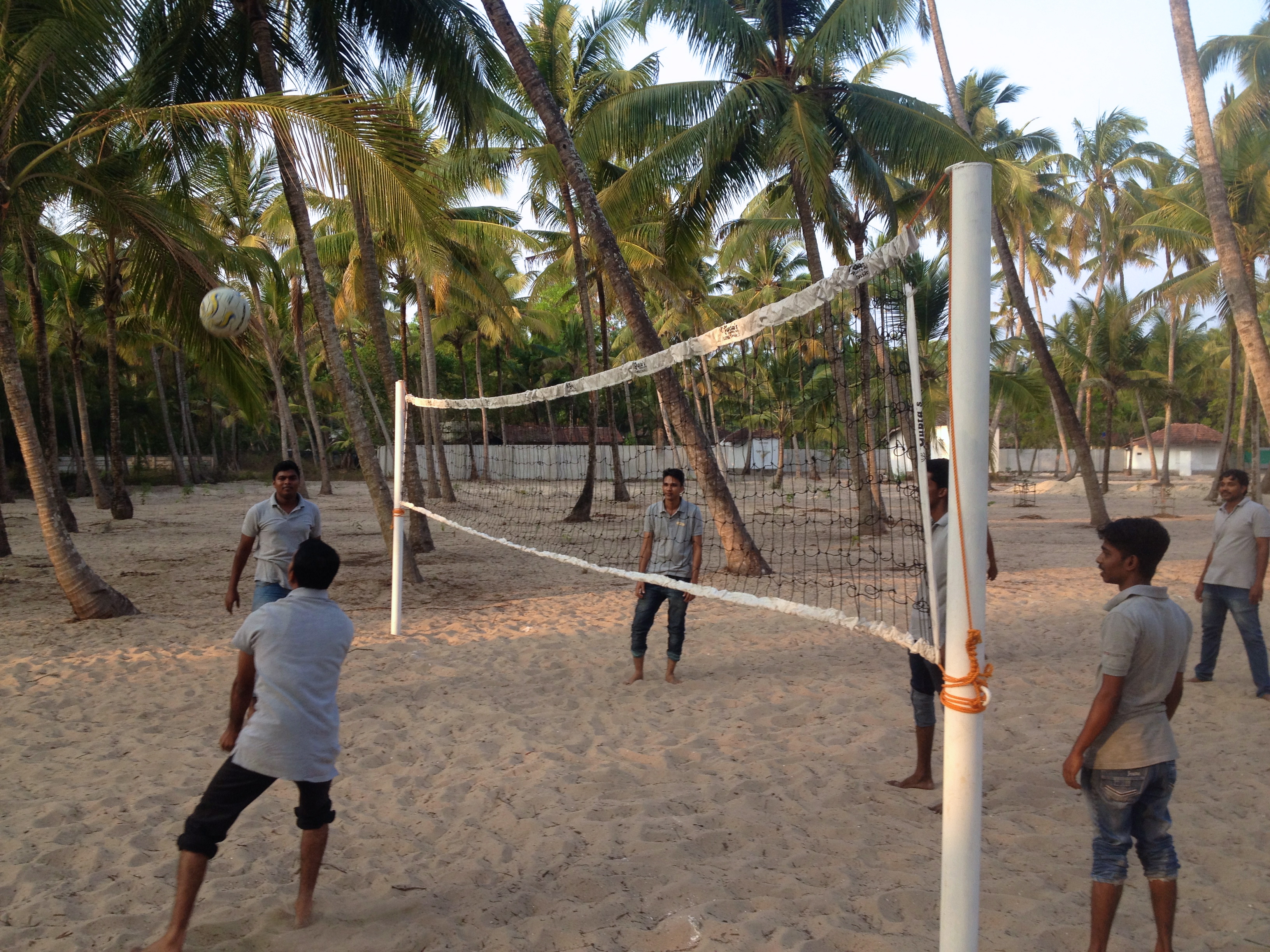 Team spirit is at an all time high at Marari Pearl! Recently, beach volleyball has become a ritual here, and high spirits are flaring. I have been interning here 3 weeks now and I have seen a great improvement in the skill level (including my own) of the sport. Guests have also been joining in and having a wonderful time. The excitement of the game has not only brought spectators from the resort, but also other people passing by who cannot help but join in on the fun. Continue reading

Water samples at the Clean Water Services brewing competition last year used to compare their high-purity water to other local sources of water.
/Courtesy of Clean Water Services
When we previously wrote about artisanal beer and it’s most precious ingredient, water, we thought that the New Belgium Brewery was an outlier of alchemy. But thanks to the NPR team at the Salt, we hear this forward thinking form of recycling is more common than we thought.
Clean Water Services of Hillsboro says it has an advanced treatment process that can turn sewage into drinking water. The company, which runs four wastewater treatment plants in the Portland metro area, wants to show off its “high-purity” system by turning recycled wastewater into beer.
Clean Water Services has asked the state for permission to give its water to a group of home brewers. The Oregon Brew Crew would make small batches of beer to be served at events – not sold at a brewery.
But as of now, the state of Oregon doesn’t technically allow anyone to drink wastewater, no matter how pure it is.
The Oregon Health Authority has approved the company’s request for the beer project. But the Oregon Environmental Quality Commission will also have to sign off on it before anyone serves a beer made from recycled sewage.
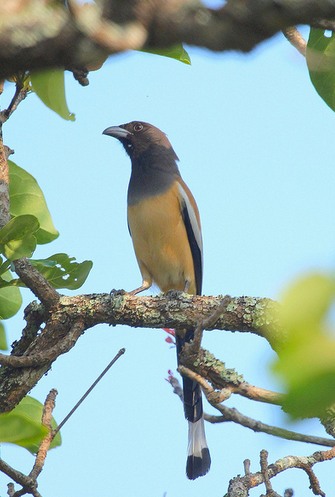
Bandipur National Park, Karnataka
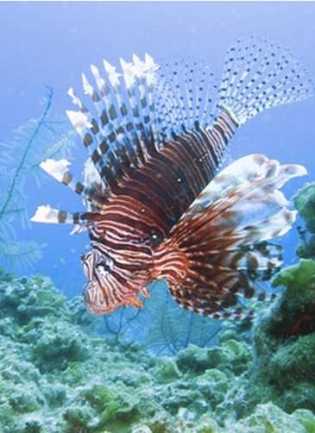
photo credit: Reef.org
At the risk of back-patting and preaching to the converted, it’s heartening to connect with others in the world community calling attention to and making efforts toward education and action against invasive species.
We thank the contributors of Conserve Fewell for introducing themselves to us!
As many of you who follow this blog know, invasive species can have devastating impacts on local economies and wipe out endemic wildlife populations. Scott Cameron a frequent blogger here at ConserveFewell has established a new coalition devoted to reducing the risks and economic costs from invasive species, RRISC.
The lionfish is one of those perfectkillers, introduced by aquarium enthusiasts into places it doesn’t belong and wreaking havoc on native fish populations and decimating reefs. Continue reading

A Turkey Vulture is king of the power tower
As I mentioned in my previous post, we’ve been traveling around Cockpit Country over the last week and a half by driving around from town to town and finding trails to lead us into the bush. Sometimes these trails are old roads that are clearly still sometimes used by SUVs and donkeys; often they are even older tracks that are for single-file passage and no longer pack-animal-friendly.

Justin on one of the “karstier,” more rugged valley trails
We started out our trip to Jamaica hiking some of these latter types of paths, accurately predicting that they would take us to places few people have birded and naively hoping that they would offer us views of hidden valleys or even the sky. They ended up being difficult to traverse and, as far as we can tell, not the right type of habitat for swallows. Continue reading
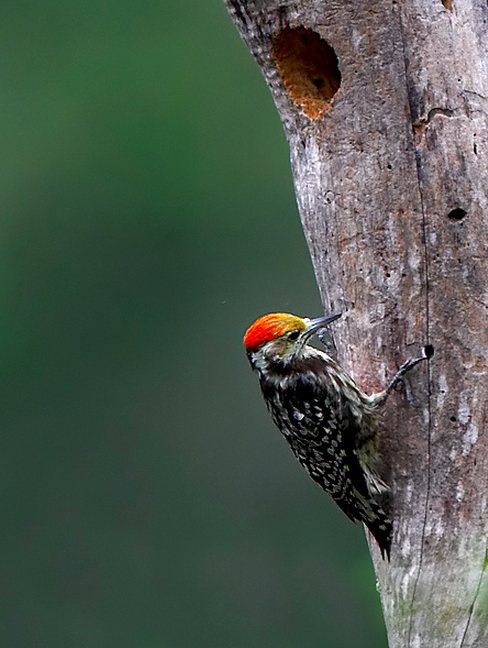
Biligiriranga Swamy Temple Wildlife Sanctuary, Karnataka
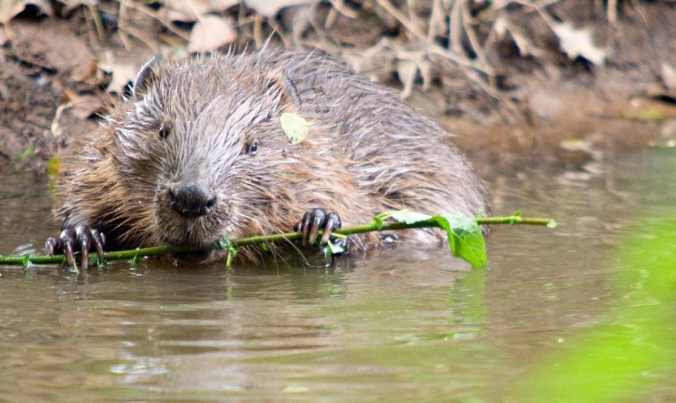
‘Beavers create habitats and opportunities for just about everything else.’ Photograph: Ben Lee
We’ve written about this industrious animal before on these pages, but in a completely different light. As with many introduced species, there are frequently unintended consequences on a disastrous environmental scale when the species has no natural predators in their new locations. Indeed there are huge areas of new wetlands in Patagonia’s Tierra del Fuego, but at the expense of millions of trees. (It’s actually calculated that in Patagonia beavers cause the 15 tons of biomass per year.)
However the case in Northern England and Scotland is quite different.
Beavers lower the canopy around a water body by felling trees and digging canals – opening it up. Solar energy piles in to places that have been in shade for decades. They stir life into action, kicking up nutrients as they beaver about their daily doings. Nature loves change; it frees up opportunities. Species of every size and shape wade in and snatch their chances. Beavers shift everything, tirelessly, instinctively, creatively. That’s why ecologists call them a “keystone species”. By doing their own thing, they create habitats and opportunities for just about everything else. Continue reading
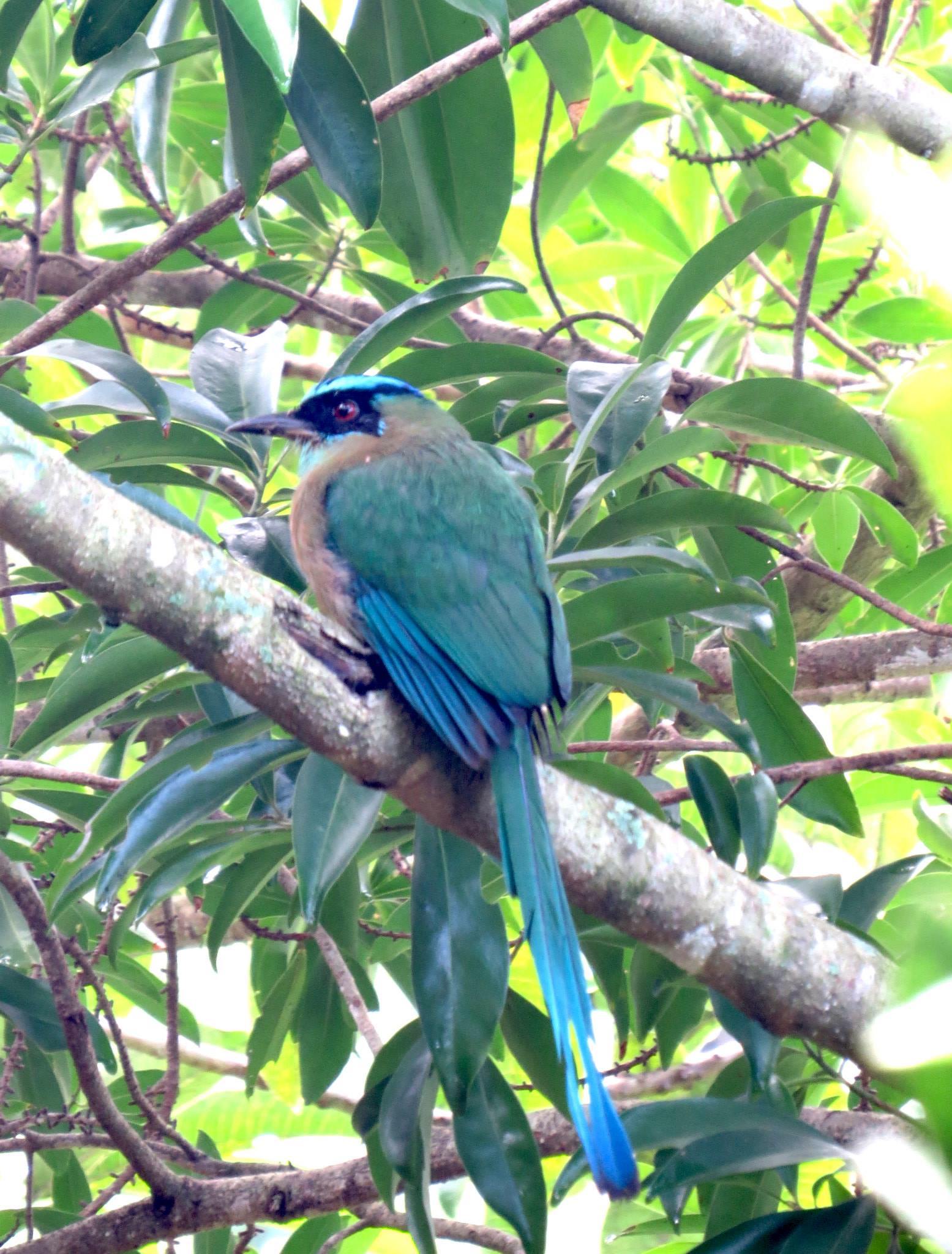
Tacacori, Costa Rica
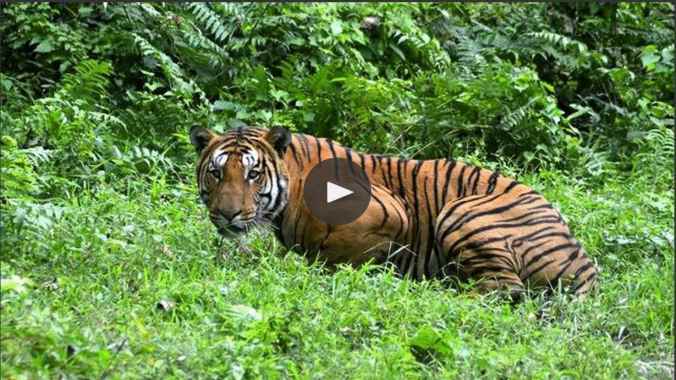
The Guardian‘s video shorts, covering current news that sometimes calls for moving images, shares this recent surprise finding from India:
India’s 2014 tiger census finds the country is now home to 2,226 tigers, making up 70% of the world’s population. The figure increased by 30% in three years despite threats of poaching and habitat loss. The World Wildlife Foundation say the world has lost 97% of its tiger population in just over a century Continue reading

a view from the fringe of Cockpit Country out over the plains by Seth
After a week and a half of trekking and camping out of our crappy little rental car with about four inches of clearance, John, Justin and I have completed our preliminary clockwise perimeter of Cockpit Country.

the locals in Accompong show us the start of a trail

a strangler fig lifts a karst boulder off the ground
Parking at the head of every trail into the interior that we found on our 1959 map of the area–some of which are incredibly listed as secondary highways on our 2012 road map of the country–we’ve set up a routine of hiking down trails and back all day, camping for the night, and driving out the next morning.
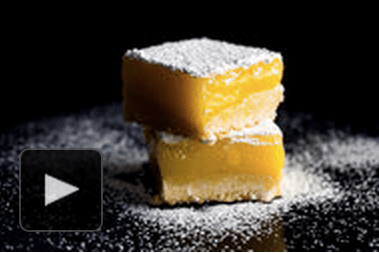
We had an excellent review of 51 this week, which keeps our mind on what makes the place tick. And constant keeping on the lookout for ideas that our culinary team can play with, master, test on we chosen few tasters (someone has to do it) and for those that make the cut, take it live on the menu.
Here is a case in point.
Click the image to the right to watch the video about this unusual twist on the lemon bar, or here for a related article. Coming soon, we hope, on a menu near you (should you happen to be at Spice Harbour in Kerala, India) will be our own twist on this lovely idea:
Lemon Bars With Olive Oil
Melissa Clark makes lemon bars sprinkled with flaky sea salt and confectioners’ sugar.
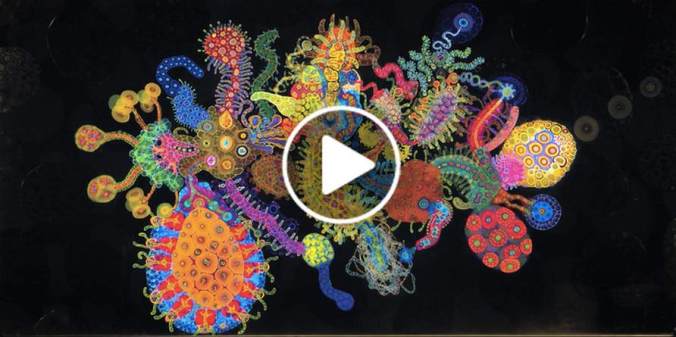
There is no explanation for how this post relates to other posts on this blog–not much to say about community, collaboration or conservation here. But it fits in with our general appreciation and sharing of stories in which creativity, craft and the broader art world feature. Thanks to the Atlantic, by way of Vimeo, for this five minute wonder:
In this short documentary, filmmakers Jason Stanfield and Jordan Olshansky visit the studio of artist Bruce Riley, who paints abstract wonders with poured resin. His art blooms as he works; each layer of dripped paint reacts with the others, creating deep patterns that bear an uncanny resemblance to what a biologist might see under a high-powered microscope. “It’s obvious when it works,” Riley says. “It’s obvious when it fails.”
Riley publishes photos of his artwork on Flickr. Stanfield and Olshansky frequently collaborate with brands to tell their stories through documentaries. To learn more, visit truestoriessf.com and stanfieldwork.com.
 Organikos