

One of the finished chimes
The picture above shows one of a couple bamboo wind chimes that Seth and I built to put up around Xandari. The sound is, err, rather wooden–but definitely mild and pleasant! You may be asking why we took it upon ourselves to demonstrate our mighty artistic prowess. Well, we really had the birds of Xandari in mind with this project. Specifically, a poor Buff-throated Saltator who had thrown himself against the spa window so many times that he had Continue reading

Small Grass Yellow Butterflies are more common in the foothills, prefering open, lightly forested areas where it flies around bushes. Their yellow wings have distinctive black outer margins, which are broader in the female. Both sexes have two black spots at the end cell of the underside of the forewing. Continue reading
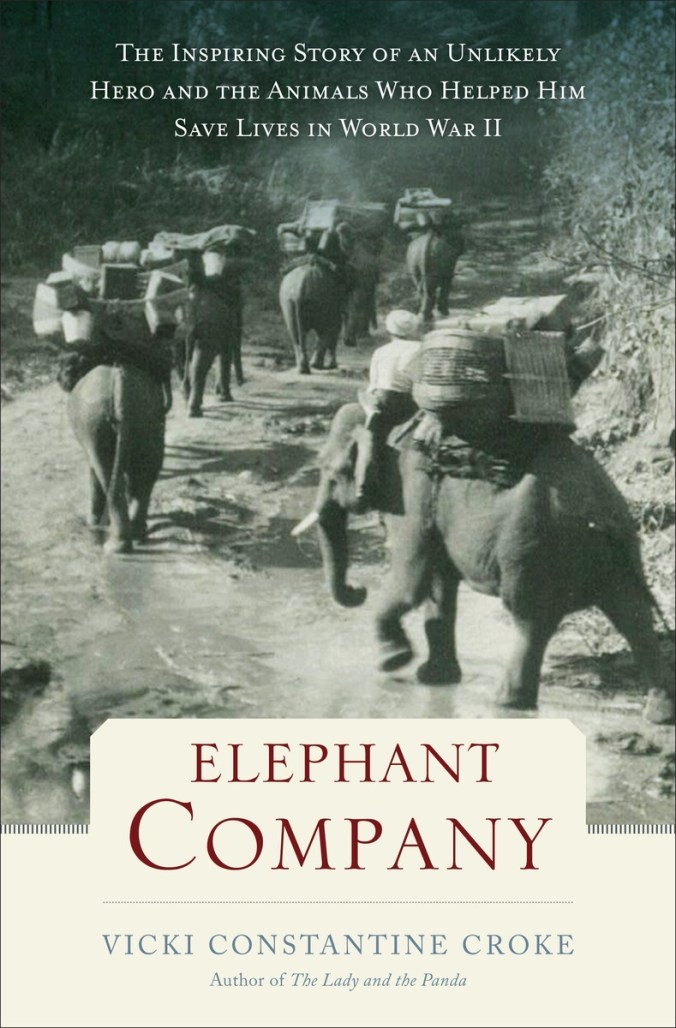
In the New York Times this book is currently reviewed by Sara Gruen, reminding us of the elephants all around us in Kerala, where there is a long history of domestication. At the Periyar Tiger Reserve, where Cardamom County is situated, there is a hint of the domesticated variety on the outskirts of the Reserve, but a large healthy population of the wild form persists inside the Reserve.
They are also in Ghana, surrounding Zaina Lodge’s perch. We have greater interest in elephants in their natural habitat. Wild. Still roaming freely, with all the messy and dangerous realities that sometimes involves. At the risk of trivializing a tough subject with trite, cliche phrasing, elephants have been friends to humans during times of need (friends in the sense that they saved lives, that is in terms of their impact, not necessarily a reflection of their own volition). It seems only fair that we should return the favor, when we look at the challenges facing elephants in today’s world. The Boston Globe has this to say by way of book review:
…Blending biography, history, and wildlife biology, Croke builds her story around Williams’s exotic adventures. As the book opens, Williams, an English World War I veteran, is just arriving in Burma in the 1920s to work in the Bombay Burmah Trading Corp.’s teak-harvesting operations. It was a lucrative business that contributed to the Empire’s riches, one that took its toll on European recruits, who had to contend with malaria and other tropical maladies. Williams, however, took to the isolated, nomadic existence of the forest manager, traveling hundreds of miles on his rounds. Continue reading
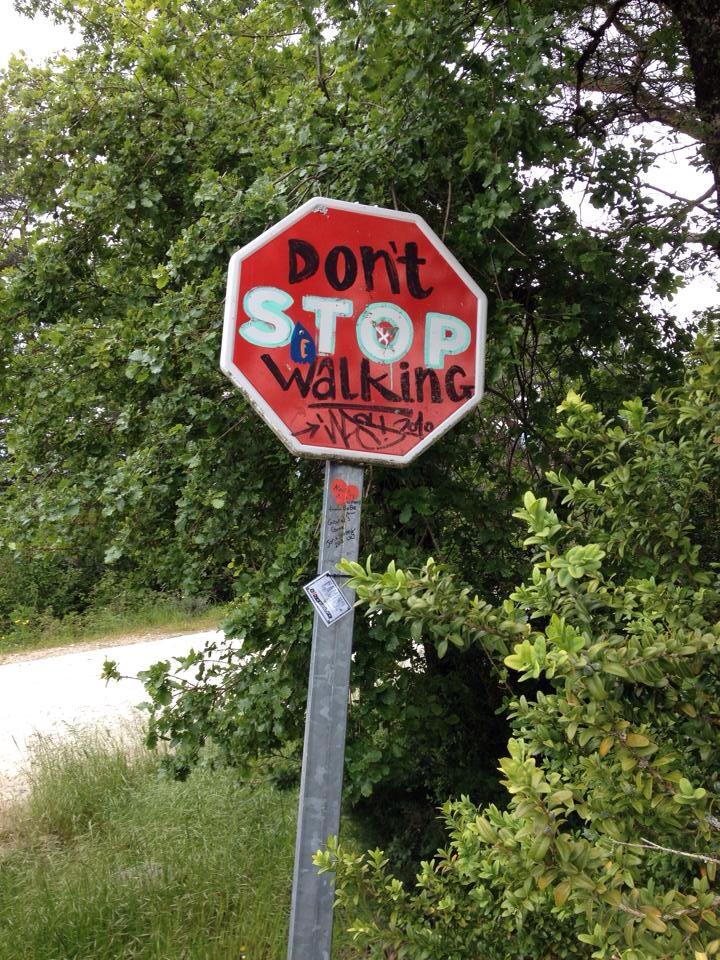
There are good signs everywhere along the Camino. Photo Credit: Kayleigh Levitt
Before coming to India, I was traveling for a month in Spain, walking the Camino de Santiago, an ancient pilgrimage to the cathedral of Santiago, where the apostle Saint James is said to be buried. Nowadays, people walk the Camino for a range of reasons including the traditional Catholic. Everyone I met was walking for a different, personal reason, but many fell into similar and overlapping categories of health, spirituality, personal journey, and cultural experience.
Many of us on the Camino were far from home, but the shared intention of being there was this thread that bound us all together, beyond language barriers and cultural differences. The Camino has its own culture and so we shared that. There were lots of people who were alone, but we were together.
The most popular part of the pilgrimage to walk is the Camino Frances, from St. Jean Pied de Port, France to Santiago de Compostela, Spain. Traditionally, people walked from their house. Although that is less common now, people do still start from their own doorway. There are many places people start the Camino besides St. Jean Pied de Port (as well as many places to end it- there is a walk to Finisterre, the coast of Spain and through Portugual, the Camino Portugués as well). I have been told there are fewer way markers- which are yellow arrows and scallop shells- before the Camino Frances.
Part of the fun of the Camino is hearing about the different ways people have done their journey. I heard of a woman walking alone, starting in Switzerland, with only a compass to guide her (there are fewer albergues too when you start from that far). I met several people who walked 1000 kilometers by the time they reached St. Jean Pied de Port, where I was starting.

I started in St. Jean, which is right at the border of France and Spain. Photo Credit: http://www.caminoguides.com/route.html
At the first albergue I stayed in, which are essentially hostels for pilgrims, our French hospitalera described it something like this: The Camino is not about walking. Walking helps you do the camino, but the camino is an inner camino, when you walk inside yourself.
 I have been following the Paper Trail since I got here as an intern and got involved in this social entrepreneurship project Raxa Collective has been working on! There are some types of environmental action that focus on being inherently low-impact from the original design while other methods focus on closing loops from more poor designs that leave good material wasted, such as newspapers. Something is sustainable when it meets the triple bottom line: environmental, economic, and social. RAXA Collective has been meeting this triple bottom line with its newspaper bag initiative! Working with the group, PaperTrails, they have been able to provide a livable income for local people who are unable to get work for whatever reason. They have work based on creating useful bags or envelopes out of recycled newspaper. Paper Trails has been providing bags and envelopes for Raxa Collective’s properties from newspapers and other recycled material. Now, we are taking the newspaper bag initiative to the next level. Continue reading
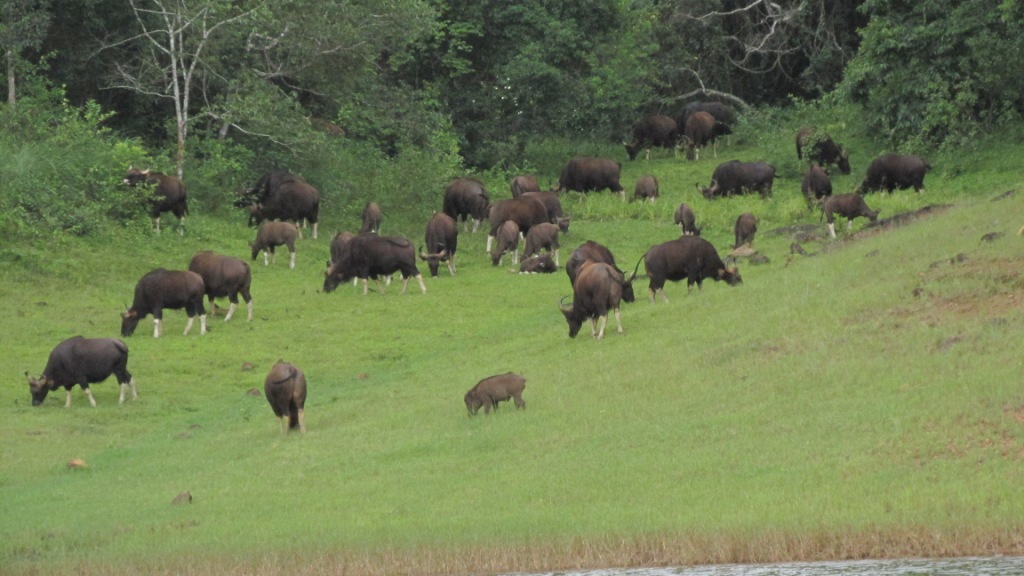
Photo credits: E I Salim
The Periyar Tiger Reserve is a rich biodiversity reservoir of 925 sqr km in the southern portion of the western Ghats of India. Considered one of the thirty-four biodiversity hotspots of the world, it is the land of elephants, gaur (pictured above), deer, and even tigers and other felines.
A 25 sqr km reservoir, Continue reading

Outskirts of Bangalore, Karnataka

Photo credits: Binu Kumar
The Travancore Royal Palace is one of the most beautiful and largest palaces of the Travancore Royal family. It is the official residence of the royal family, and was built in 1915 by Sree Moolam Thirunal. This palace has great historical importance in India and is one of the finest examples of Kerala architecture. Continue reading
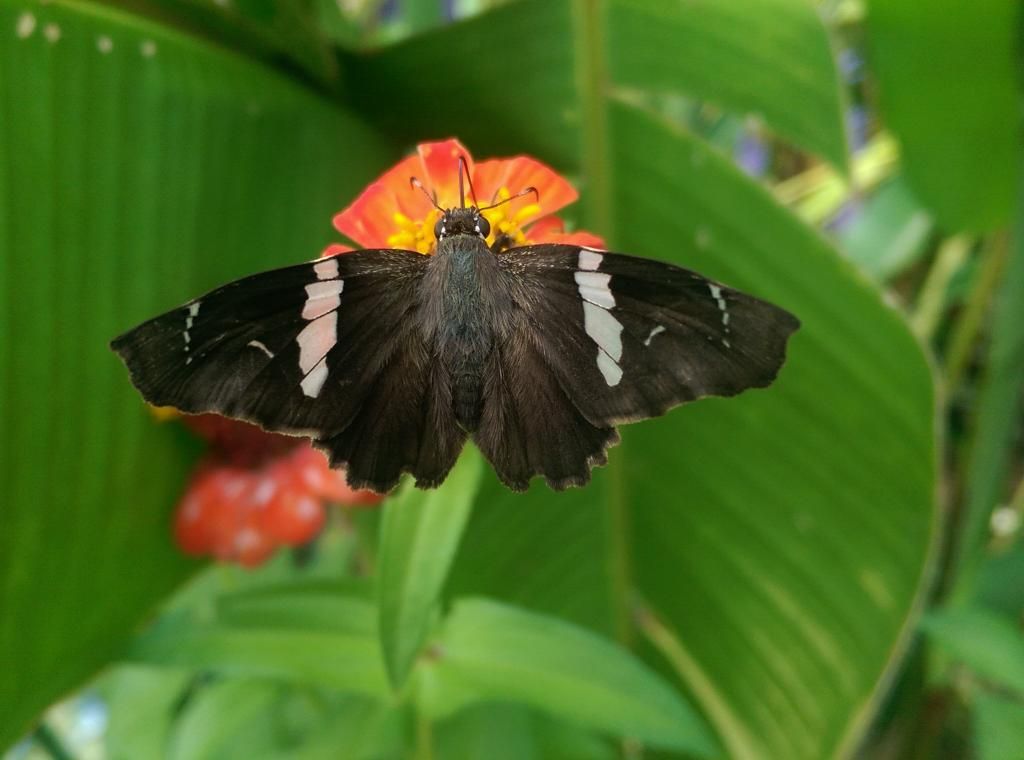 Costa Rica is home to some 1200 butterflies and another 8000 species of moths (both diurnal and nocturnal varieties). This astounding diversity is no surprise, given the country’s neotropical climate and its position as a land bridge between North and South America, each home to a plethora of diverse ecosystems. The tremendous number of butterflies that can be seen goes hand-in-hand with the fact that Costa Rica is home to about 4% of the world’s total biodiversity! Of the butterfly species, some of the most famous include Continue reading
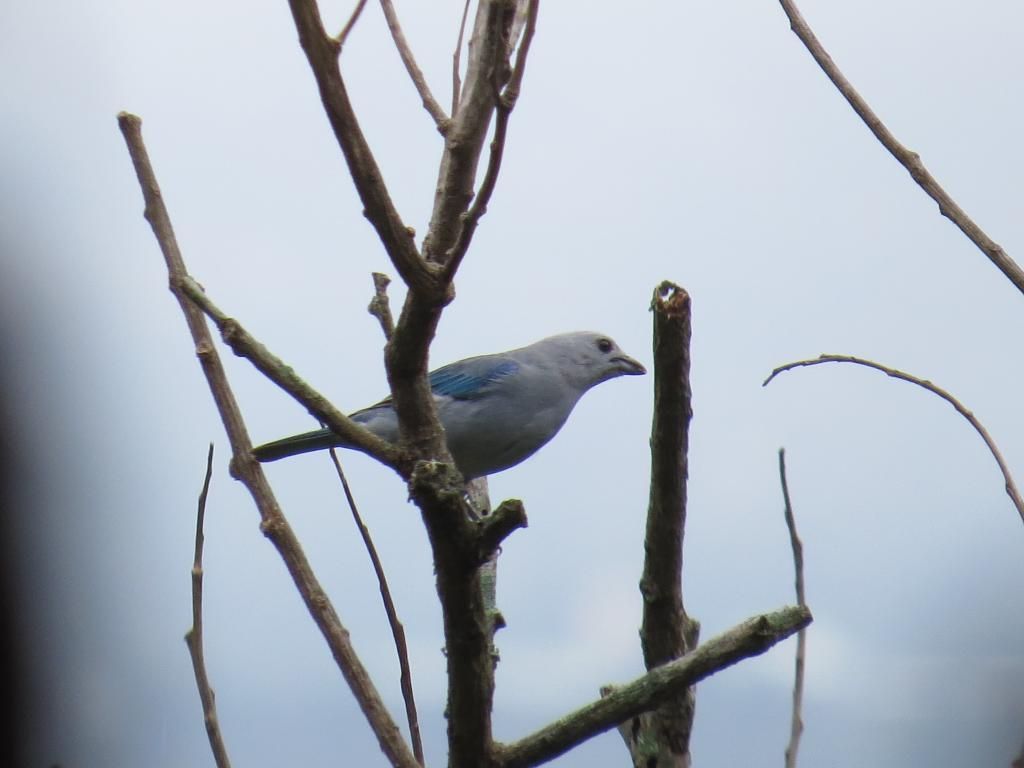
Photo Credit: Seth Inman

© Global Footprint Network
Have the countries with the highest ecological footprints done the best in this year’s FIFA World Cup? Analysts at the Global Footprint Network asked themselves this question in this month’s newsletter addendum and the results of their calculations are interesting — and sometimes surprising!
The eight nations who made it to the quarter-finals represent vastly different lifestyles. If all people on Earth lived like residents of those countries, Continue reading

Photo credits: Binu Kumar
The spectacular Matrimandir (meaning “Temple of the Mother” in Sanskrit) can be found in Auroville, Pondicherry, India. The Matrimandir can’t be called a temple in the typical sense of the word. It isn’t a church or other place of worship, nor is it strongly associated with any religions. It is, instead, envisioned as a place of spiritual energy. The Matrimandir appears as a large golden sphere that seems to be rising out of the earth. Continue reading
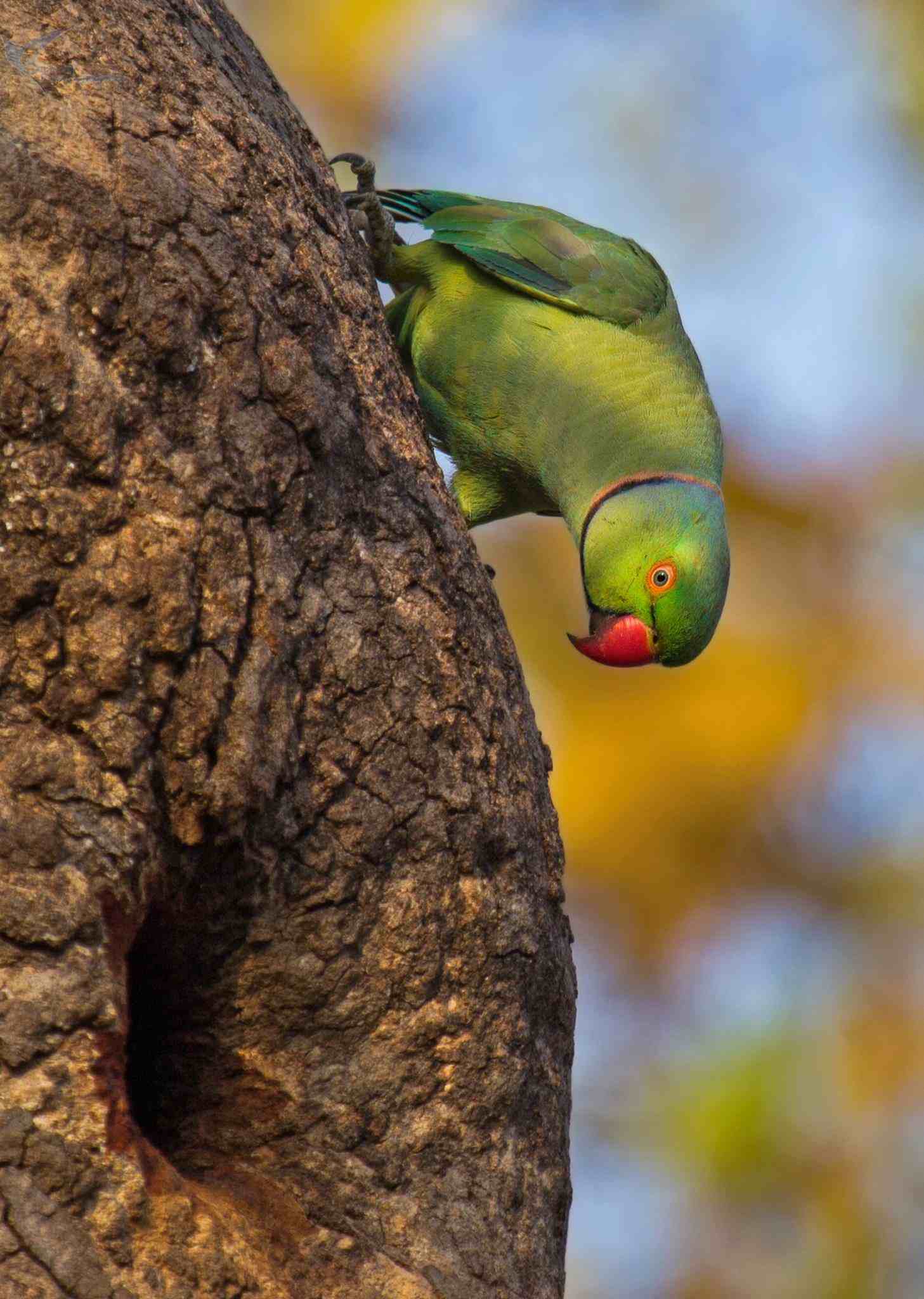
Tadoba Tiger Reserve, Maharashtra
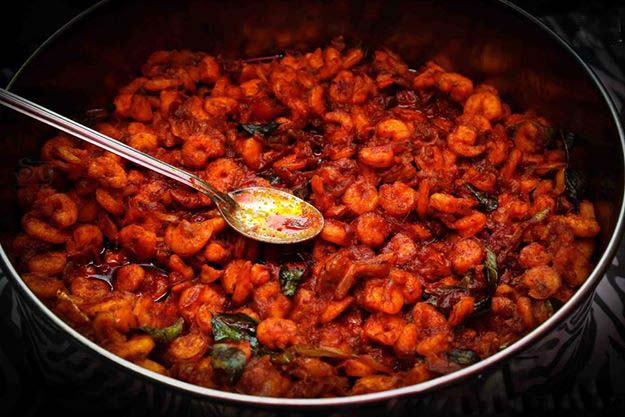
Photo credit: Shymon
Prawns (also called shrimp) are plentiful in the backwaters and coastal areas of Kerala. Prawns are one of the most popular seafood ingredients in Kerala, cooked in a variety of ways to suit different traditional dishes.
The delicious and spicy prawn masala is a favorite way to use the small crustaceans. The prawns are first marinated in a variety of spices, including turmeric, chili powder, pepper, and salt. They are then sauteed in a pan with a small amount of oil, chopped onions, garlic, ginger, green chili, tomato and curry leaves until brown. Finally, adding the marinade, they are allowed to simmer over a low flame for another ten minutes. Yum! Continue reading
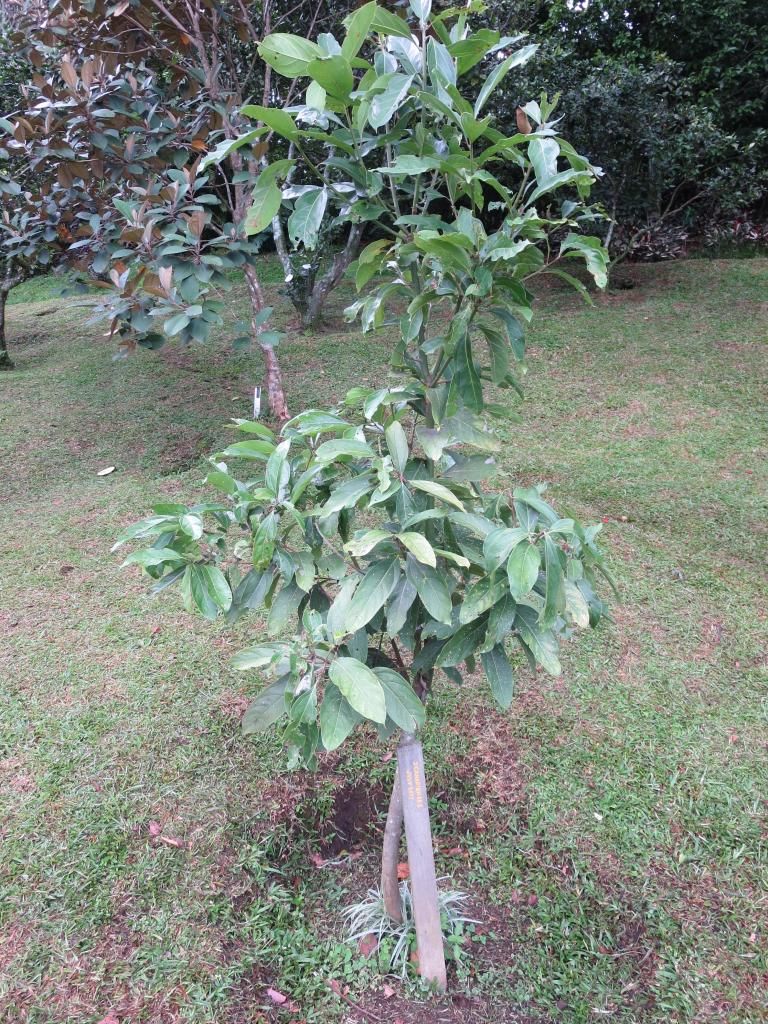
The stake in front that holds the planter’s name says (quite humorously, to my mind): 3 CANADIENSES!
Plant-a-tree programs are real winners: educational, fun, and productive. Next time you visit Xandari (or another sustainable or eco-friendly hotel), be sure to ask about the opportunity about the opportunity to plant a sapling. At Xandari, plantings are usually done in the orchard or in one of the old coffee plots. Everybody who plants a tree has a small wooden stake erected near the spot, commemorating the event and recognizing the effort to make the world a little bit greener. Continue reading

Mysore, Karanji Lake, Karnataka
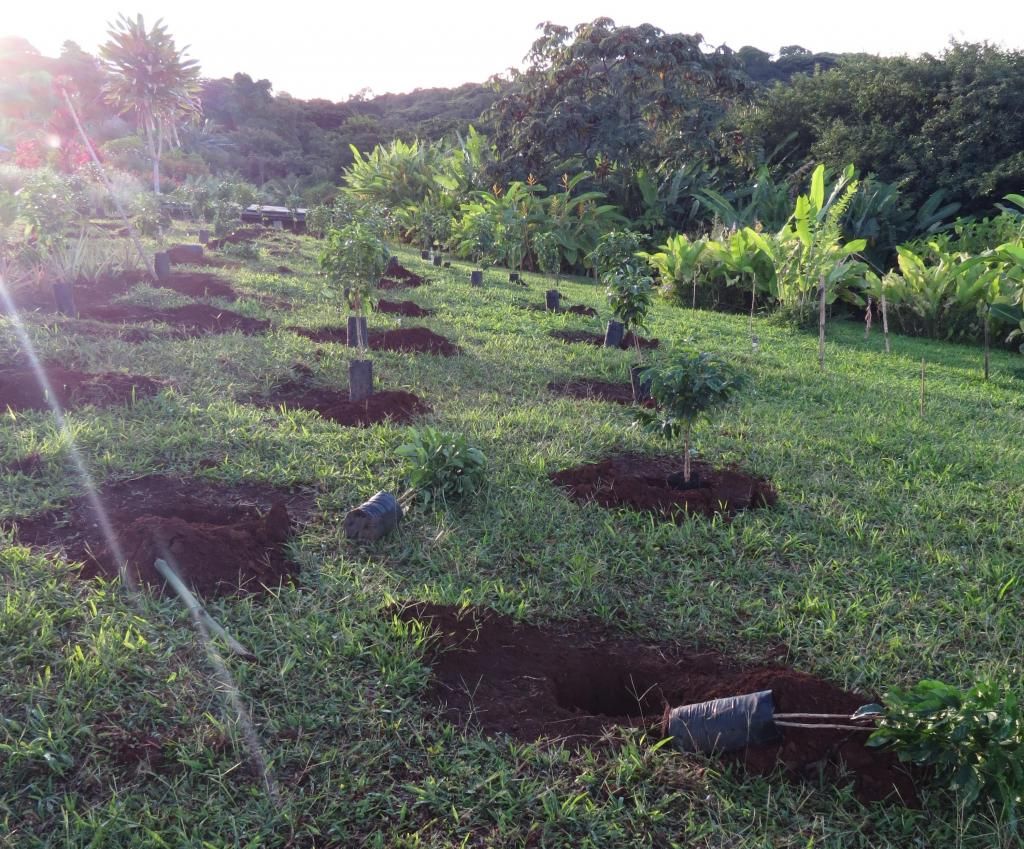 Before my recent experience with growing coffee, the last time I had been exposed to the agricultural side of the brew had been almost exactly two years ago, on the island of Santa Cruz in the Galápagos Islands of Ecuador. The plants that I had a hand in starting up there should be reaching the beginning of their prime production this year.
The scale of the farm at Santa Cruz was much greater than that at Xandari so far, and hopefully Roberto and Reyna will get a bumper crop this year and we’ll be hearing about it!
You can read a little about their coffee farm and some of the work I did there Continue reading
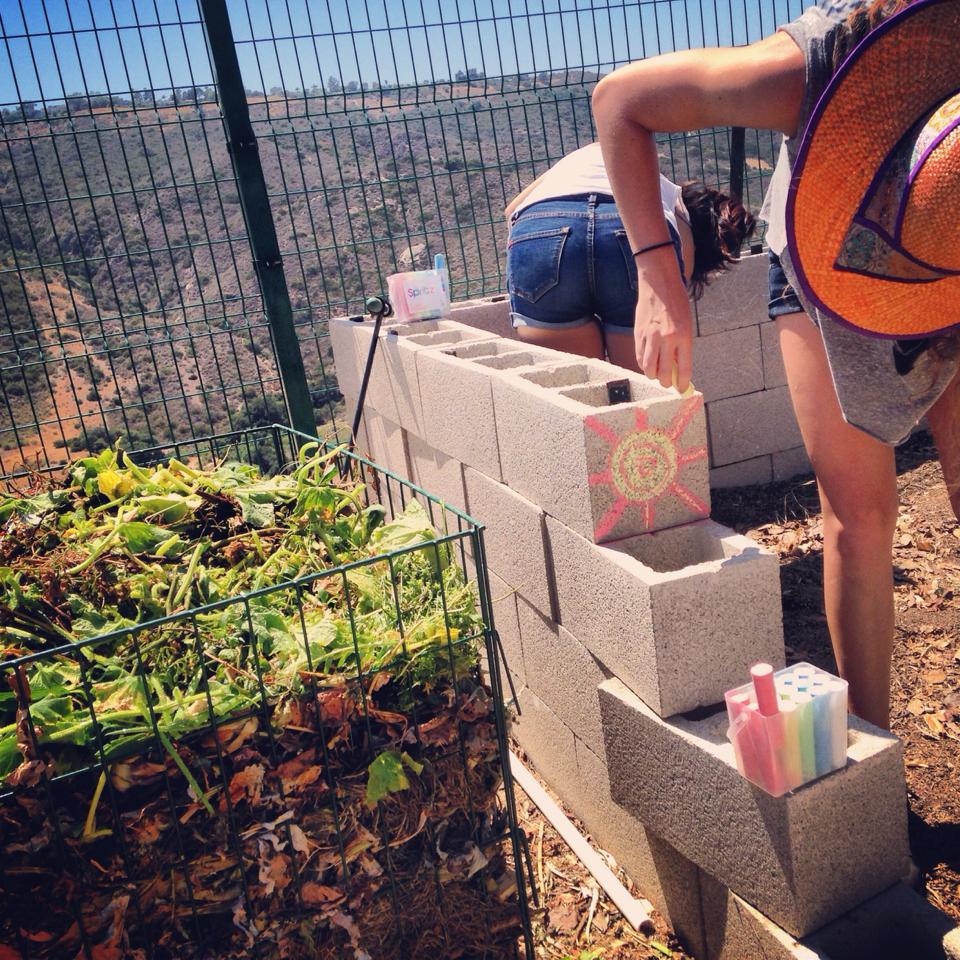
Soka Instructional Garden, Soka University of America. Photo credit: Leia Marasovich
Composting where I live in a sunny Southern California desert climate is very different than the composting we have done since I have been here in tropical Thekkady, India. Here are some pictures of our composting at my university garden I work at. We do ‘hot composting’ above ground. At Cardamom County they’ve been doing a type of vermicomposting, or worm composting. As a gardener, I have always considered earthworms to be a little magical. When there are worms in our garden beds, we always take it as a good omen that our soil is healthy, and healthy soil is the only path to healthy plants. They speed up the decomposition process and essentially create compost gold. They add really beneficial microorganisms to the soil and their castings, or poop, is extremely nutrient rich with the essential ingredients of good soil: nitrogen, phosphorous, and potassium! Where I work in the Soka Instructional Garden (SIG), we make compost tea from the worm castings, and any time a crop is struggling, we can usually nurse it back to life within weeks of adding worm compost tea.
So here, I was happy to see, not only are the worms already dancing happily in the soil, but they have a thriving worm composting bed.There is a hole dug in the ground, maybe 6 feet deep and a good 10 feet across. They fill the hole with any garden waste, add several wheelbarrows of dirt dug up from the poultry area, which is already rich in nitrogen from their poop (therefore speeding up the decomposition process and helping the pile heat up) and then just let the worms feast. Continue reading
 Organikos