Photographer + Professor + Himalayas = Collaborative Book

The blurb is enough to get our attention, but the images on the book’s website (click the image above to see) make the journey palpable:

The Eastern Himalaya—land of Gods, of ancient mountain kingdoms, of icy peaks and alpine meadows—is like no other place on Earth. The life and landscapes of the region are as diverse, spectacular and fragile as the mountains themselves. Even today, these mountains hold many mysteries: unnamed species, primeval cultures and the promise of magical cures to heal all of humanity. Himalaya—Mountains of Life takes us on a journey of biocultural discovery, from the great canyon of Yarlung Tsangpo and the Siang Gorge in the east to the Kali Gandaki Gorge in the west. Along the way, Himalaya demonstrates through breathtaking imagery and words, why the preservation of this heritage is so important—not just for us, but for the future of all life on Earth. Continue reading

Understanding Animal Behaviour

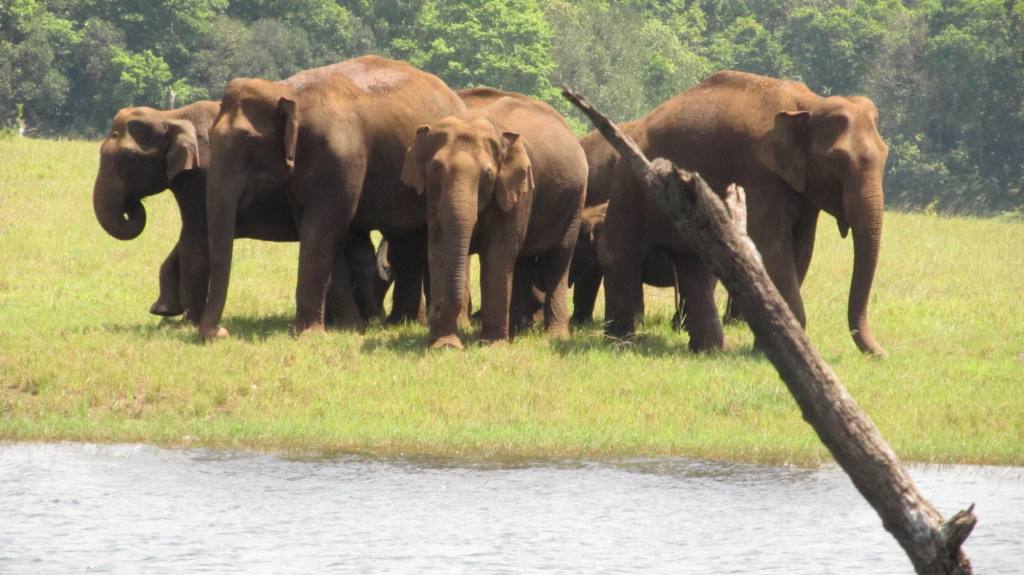
Elephant in mock charge at Bandipur Tiger Reserve; photo credit: Sudhir Shivaram

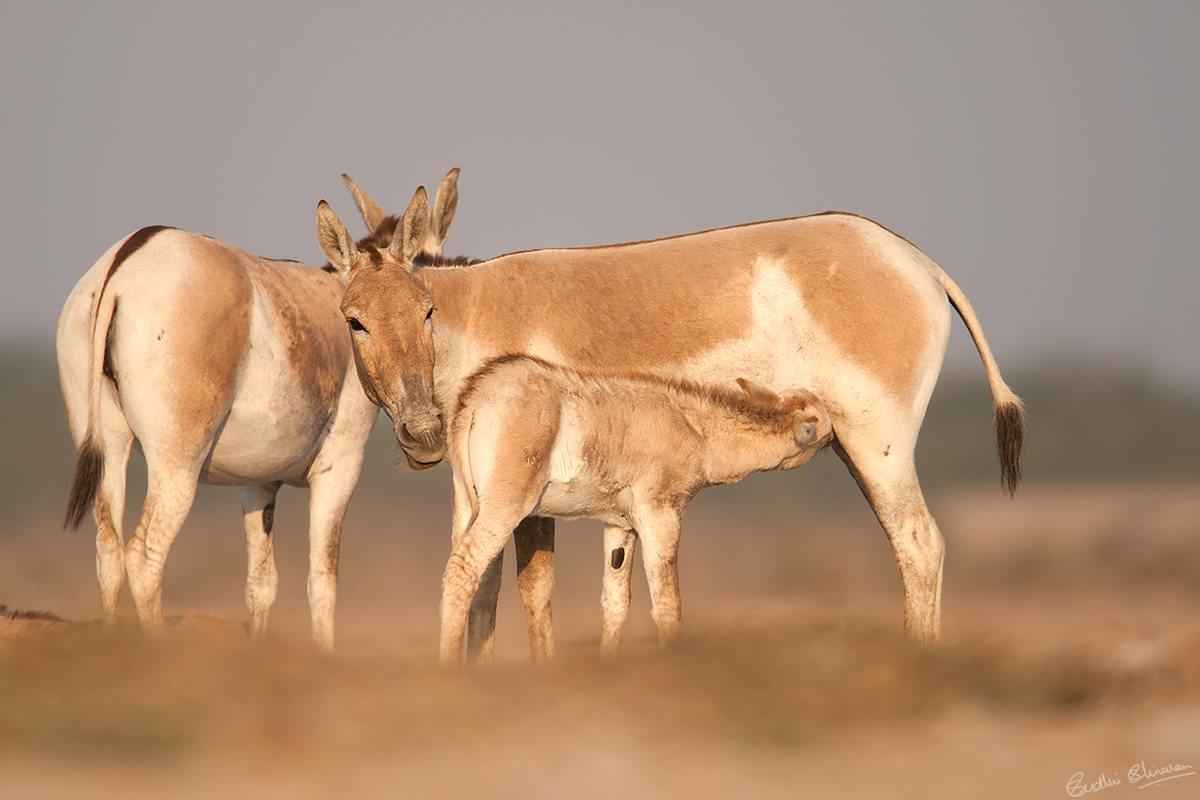
If you want to be a good wildlife photographer, you need to be a good naturalist first. Understanding your subject’s behaviour and knowing the natural history is even more important than good equipment to make good images.

Elephants commonly make a mock charge when they have calves in their group. During a photographic safari in India’s national parks the drivers and guides are knowledgable about this behaviour and know how to react. When a jeep enters the vicinity with elephants they understand that a mock charge is likely.

After the mock charge the elephant relaxes and moves within the family group naturally. This is the opportunity for good behaviour shots. Continue reading

Common Rattle Pod Flower- Crotalaria retusa

Common Rattle Pod plants are frequently found along river banks and fields as well as in the hills up to 1200 meters. The flowers are showy and large, and favored by carpenter bees. Continue reading

Dakshina Mookambika Saraswathi Temple – Panachikkadu, Kottayam

Photo credits : Ramesh Kidangoor

Photo credits: Ramesh Kidangoor

Dakshina Mookambika Saraswathi Temple is dedicated to Goddess Saraswathi, the patron Goddess for learning and arts. The major festival of this  prominent Saraswathi Temples is the Saraswathi Pooja that takes place in September or October, depending on the annual Malayalam calendar. Continue reading

Life as a House(boat)

Our house... boats

Our house… boats

This past week the new intern (EJ) and I got the chance to try out Raxa Collective’s collection of overnight houseboats (River Escapes for those interested) on the serene backwaters of Kerala.  With an influx of water hailing from the Ghats, these backwaters are the lifeblood of a significant portion of Keralan rice farmers; generations upon generations of these farmers have mastered their craft in a terrifically unique environment , and thus, a magnificently odd community unlike anything you would ever see state-side has emerged upon the banks of these backwaters.

Continue reading

If You Happen To Be In Middlebury (Vermont, USA)

Mostly, when we have been thinking of Middlebury lately, it has been in relation to the College there, and one of its favorite sons.  But there are plenty of other reasons for a visit:

InSite is a home for local living. Our design was inspired by our hometown of Middlebury, VT where the community is friendly, approachable, and engaging. Team Middlebury believes that towns such as ours can contribute to social, economic, and environmental sustainability. Continue reading

If You Happen To Be In Sydney

Fruit of Banksia aemula

Fruit of Banksia aemula

Tomorrow, at long last, the latest greatest seed bank in the world is opening:

The Australian PlantBank

The Australian PlantBank is a science and research facility of the Royal Botanic Gardens and Domain Trust and is located at the Australian Botanic Garden, Mount Annan. It houses the Trust’s seedbank and research laboratories that specialise in horticultural research and conservation of Australian native plant species, particularly those from New South Wales.

Visiting PlantBank

The Australian PlantBank opens to the public on Saturday 12 October, 12 noon to 4 pm.

Continue reading

Rice Flour Murukku

Praveen Kumar

Murukku is a crunchy tea time snack traditionally served in Kerala homes and tea stalls. The main ingredient for murukku is rice flour, with cumin and red chili powder added for flavour and asafetida for added colour.

Wildlife Week Parade in Kumily

Parade float with children dressed as plants and animals

Parade float with children dressed as plants and animals

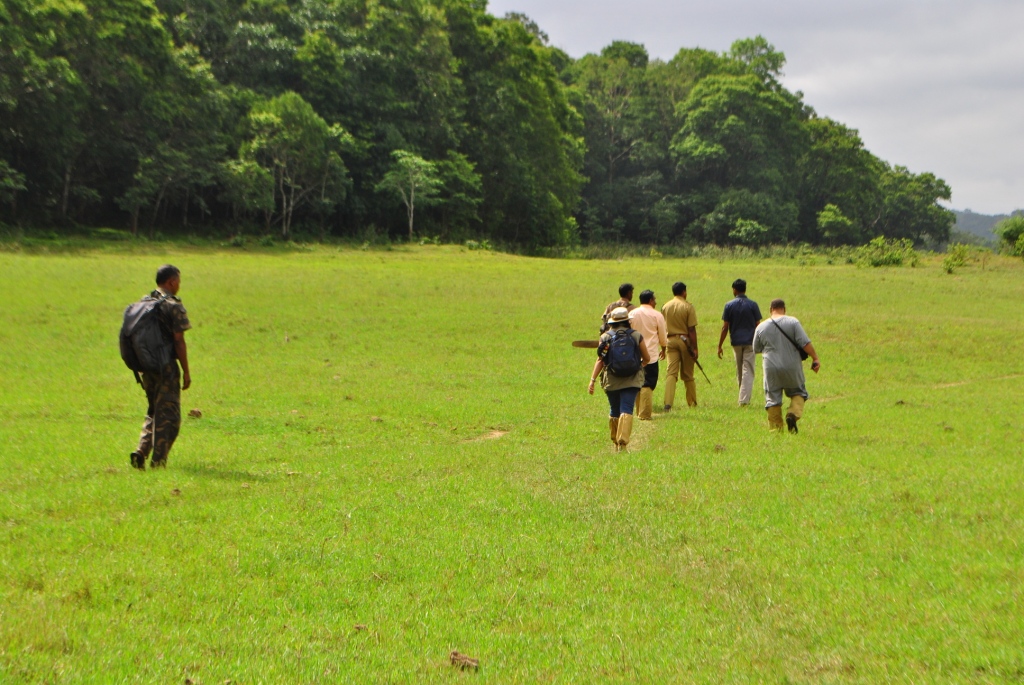
On the 8th of October Kumily held a parade in support of the Periyar Tiger Reserve and Wildlife Week.  As an intern for Raxa Collective, I had the unique opportunity to participate in this procession. This was my first Indian parade, and in some ways it was very similar to the parades I had participated in the USA; the majority of people waited around in some confusion until someone with the knowledge of the lineup said to start walking, but what made this a very unique experience is I couldn’t understand the conversations of anyone besides my own party.

Continue reading

Library, Guardian Of Spiritual Treasure

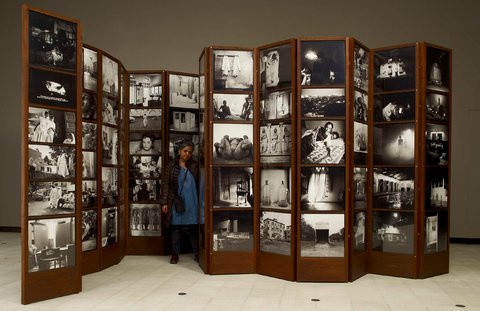
Visitors visit a replica parts of the Mogao Cave during the Dunhuang Art Exhibition in Beijing on February 20, 2008.  The exhibition displays collections mostly from the Dunhuang Grottoes which were constructed between the 4th and the 14th century, including recovered antres, original painted sculptures and their replicas from Library Cave of Dunhuang. Dunhuang, located in Jiuquan of Northwest China's Gansu province along the historic Silk Road, is in danger of being swallowed by sands of the adjacent Kumtag desert, which are creeping closer at a rate of up to four metres (13 feet) a year. (Photo credit TEH ENG KOON/AFP/Getty Images)

Visitors visit a replica parts of the Mogao Cave during the Dunhuang Art Exhibition in Beijing on February 20, 2008. The exhibition displays collections mostly from the Dunhuang Grottoes which were constructed between the 4th and the 14th century, including recovered antres, original painted sculptures and their replicas from Library Cave of Dunhuang. Dunhuang, located in Jiuquan of Northwest China’s Gansu province along the historic Silk Road, is in danger of being swallowed by sands of the adjacent Kumtag desert, which are creeping closer at a rate of up to four metres (13 feet) a year. (Photo credit TEH ENG KOON/AFP/Getty Images)

We tend to avoid topics pertaining to religion, spirituality or related highly personal matters that sometimes can lead to misunderstandings, misapprehensions, or worse; but our love of libraries, of archives, of discoveries are all satisfied in one fell swoop of a blog post, and we are particularly impressed to learn that Gutenberg may not be the only key to understanding the history of printing:

Just over a thousand years ago, someone sealed up a chamber in a cave outside the oasis town of Dunhuang, on the edge of the Gobi Desert in western China. The chamber was filled with more than five hundred cubic feet of bundled manuscripts. They sat there, hidden, for the next nine hundred years. When the room, which came to be known as the Dunhuang Library, was finally opened in 1900, it was hailed as one of the great archaeological discoveries of the twentieth century, on par with Tutankhamun’s tomb and the Dead Sea Scrolls. Continue reading

We Had Never Seen It, And Almost Never Would Have

The lizard’s superschnoz on display. Photograph by Alejandro Arteaga, tropicalherping.com

The lizard’s superschnoz on display. Photograph by Alejandro Arteaga, tropicalherping.com

News from Ecuador in recent weeks was mostly a bummer, environmentally speaking. The government there knew it was sitting on a gusher; specifically an extremely sensitive, biodiversity hotspot is sitting on that gusher; and they tried their best to offer the world an opportunity to help them avoid drilling.  Did they do everything conceivable before deciding to drill?  There is lots of opinion on that; no matter who is right, the outcome is not a good one. But let’s not throw the baby out with the bathwater.  This week, however, there is news out of Ecuador that brings a smile to the face:

It’s no lie—scientists have spotted a lizard with a nose like Pinocchio in an Ecuadorian cloud forest. What’s more, the long-nosed reptile was thought extinct, having been seen only a few times in the past 15 years. Continue reading

Incredible India!

As countries go, India is just about as varied as they come. With a history of people coming here to either lose themselves or find themselves, it’s simultaneously colorful, soulful and gritty.

This offering by the Indian tourism board will take your breath away!

Thenmala Sengottai – Meter Gauge Rail

Photo credits : Dileep Kumar

Photo credits: Dileep Kumar

The Thenmala-Sengottai Meter Gauge Ghat section had been one of the gems of the Indian rail system and certainly one of Kerala’s most beautiful routes. Maharajah Balarama Varma of Travacore conceived and implemented the railway line during 1904, with an , with an inaugural run in July of that year. Continue reading

Support WWF Today!

Scientists have captured video of a Sumatran rhino, once thought to have been wiped out, in the Kalimantan forest in Indonesia. In footage captured by the WWF, the animal can be seen bathing in a puddle and scurrying among trees. The video proves the charity's efforts to preserve the species have had some impact

Scientists have captured video of a Sumatran rhino, once thought to have been wiped out, in the Kalimantan forest in Indonesia. In footage captured by the WWF, the animal can be seen bathing in a puddle and scurrying among trees. The video proves the charity’s efforts to preserve the species have had some impact

We have been thrilled by the increasing velocity with which camera-trapped images and video of endangered animals get hurled across the wired world. The video above (click to go to the Guardian‘s host site for that half minute of pleasure). Back in March, WWF released this news release and at the time we did not link to it because it seemed premature; now, read it and weep:

Found! Traces of Sumatran Rhinos in Indonesian Part of the Heart of Borneo

Sendawar, East Kalimantan, March 28, 2013. A team from WWF-Indonesia has found fresh footprints resembling those of a rhino in the Heart of Borneo (HoB) area of East Kalimantan, Indonesia. Continue reading