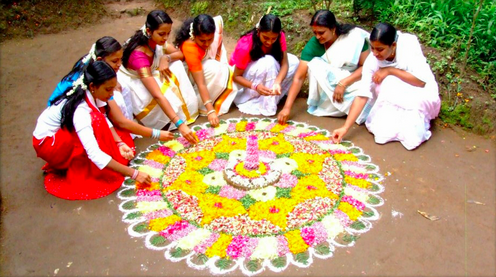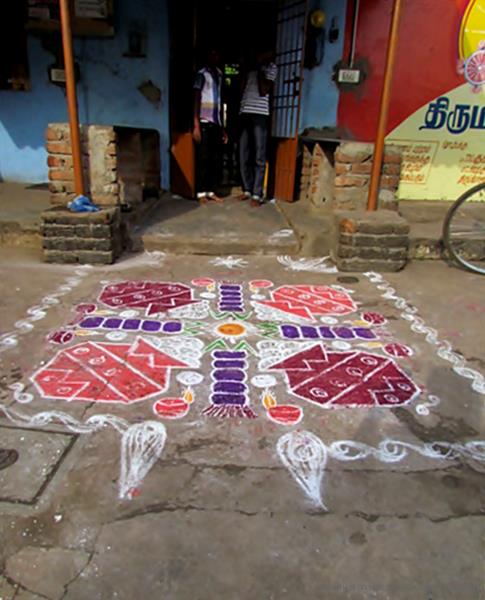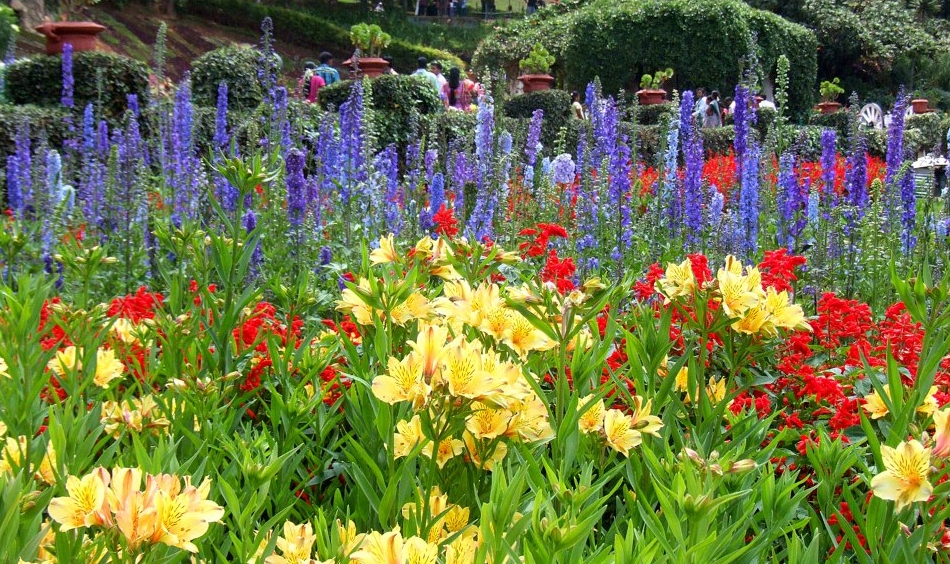
The first day of the Onam celebrations starts on Atham day during the Malayalam month of Chingam, which this year falls today, 7th September 2013. The date is ten days before Thiruvonam. The creation of Athapookalam is an important part of every Onam festival. This special, circular arrangement of flowers is one of the most iconic Onam traditions. Continue reading
It’s Never Too Late
To be completely honest, helping the environment had rarely been a crucial concern of mine. Actually, that’s an understatement: Helping the environment had rarely been a concern of mine at all. Growing up, my parents tried to nudge me the right way. For example, they always told me not to waste food – the theme of this year’s World Environment Day. However, it didn’t actually sunk in. At buffets I would take more food than I actually needed so I could try everything before it was gone. To me, this was well justified – we were paying the same amount regardless of what we took, right? I even scorned my parents’ initiative to use fluorescent light bulbs in the house; I didn’t see the benefit of using light bulbs that took a while to light up.
This past summer I decided to come to India and intern for Raxa Collective to experience something both culturally and professionally different. From the moment I arrived I was amazed at the passion with which Amie, Crist, and the rest of the Raxa Collective staff operated. Cardamom County already had numerous eco-friendly initiatives in place such as their natural farm, composting, and the use of glass water bottles in the restaurant, solar panels to heat the water in the kitchen, and compact fluorescent lighting (CFL). However, it was evident that the Raxa Collective staff was not willing to settle. Continue reading
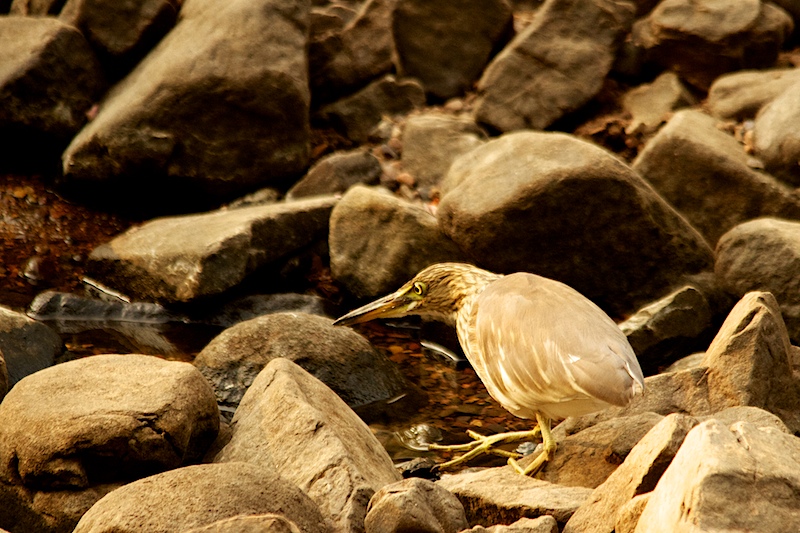
Bird of the Day: Indian Pond Heron (Ranthambore, Rajasthan)
Nagarhole National Park – Karnataka
Nagarhole National Park (also known as Rajiv Gandhi National Park) is among the most well maintained wildlife reserves in India. Located in the state Karnataka, this national park has an abundance of fauna, including large mammals such as wild elephant, bison, tiger, leopard, wild dog and spotted deer. Continue reading
Saving a Gentle Giant

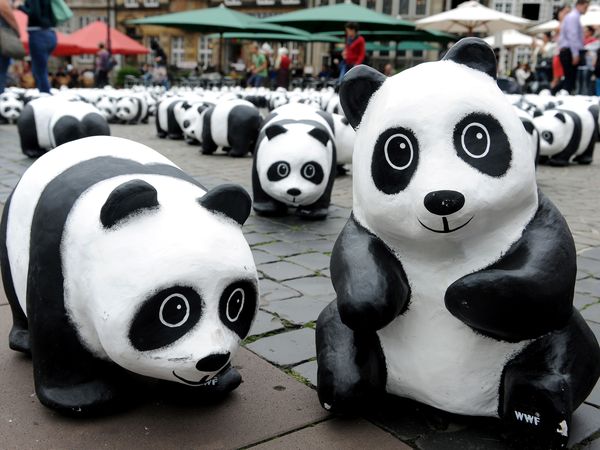
1,600 WWF Paper mâché pandas representing today’s Giant Panda population
Photo Courtesy of National Geographic
The Giant Panda is the logo for WWF, the world’s largest conservation organization and it isn’t hard to see why they’re such a successful symbol. Their black and white coloring, and compellingly large eyes have tugged on the heartstrings of millions of people around the globe. This past week the newest baby panda was born at the Washington D.C Zoo. Mei Xiang’s cub was welcomed with applause and awe from around the world, but this event has also brought about some questions about the money going into WWF for saving the Giant Panda. National Geographic recently addressed this issue.
Is the considerable effort and millions of dollars put into breeding the animals in captivity really worth it?
Some conservationists say yes, claiming public “pandemonium” can translate to real conservation action. But others argue that the money could be better spent on other things, such as preserving threatened habitat.
Statistically, Giant Pandas have a lot stacked against them for the survival of their species. First, there are approximately only 1,600 individuals in the world today, and of those, 300 are held in captivity. Secondly, according to biologist Devra Kleiman, the Giant Pandas have a very small mating window. The female panda is only “in heat” for 2-3 days a year, and thirdly, the natural areas where the panda thrives are fractured and damaged, making it less likely that a pair will find one another easily during that limited period of time.
Bird of the Day: Black-crowned Tityra – female
Hermes, Circa 1969
As one of the contributors referred to in this post, and as the one who took the photographs in that post, it occurred to me that I should comment further on the reference. And in doing so, perhaps I could add to the small collection of personal statements that have been gathering on this site since mid-2011. I am 100% sure I took the photograph above during that same visit to Greece in 2008. As I snapped this photo my mother was at my side and we both remembered having stood in the same spot in 1969. Continue reading
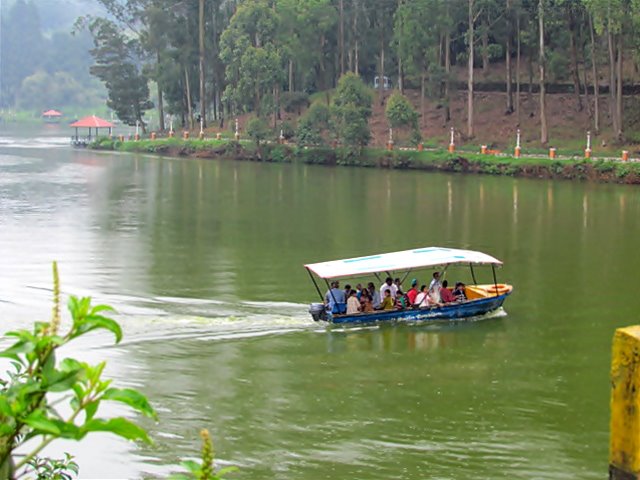
Ooty Lake – Tamil Nadu
Located in the Nilgiri district, Ooty Lake was constructed in 1825 at the urging of the Coimbatore collector Mr. John Sullivan. At the time it was built in order to provide irrigation to the people of the region. Continue reading
Debt Is Not Desirable And Prison Is Not Pretty, But Debtors’ Prison?
You can see what the publisher has to say about this book by clicking on the image to the right. You can read about the book and its author, and even sample an excerpt. But our attention was brought to the book via this site, which provides a different excerpt from the book. We find this one intriguing because we see the author’s use of a literary figure to make a point about economics, entrepreneurship, risk-loss-gain tradeoffs, morality, civic duty and more:
“On October 29, 1692, Daniel Defoe, merchant, pamphleteer, and future best-selling author of Robinson Crusoe, was committed to King’s Bench Prison in London because he owed more than 17,000 pounds and could not pay his debts. Before Defoe was declared bankrupt, he had undertaken such far-flung ventures as underwriting marine insurance, importing wine from Portugal, buying a diving bell used to search for buried treasure, and investing in some seventy civet cats, whose musk secretions were prized for the manufacture of perfume. Continue reading
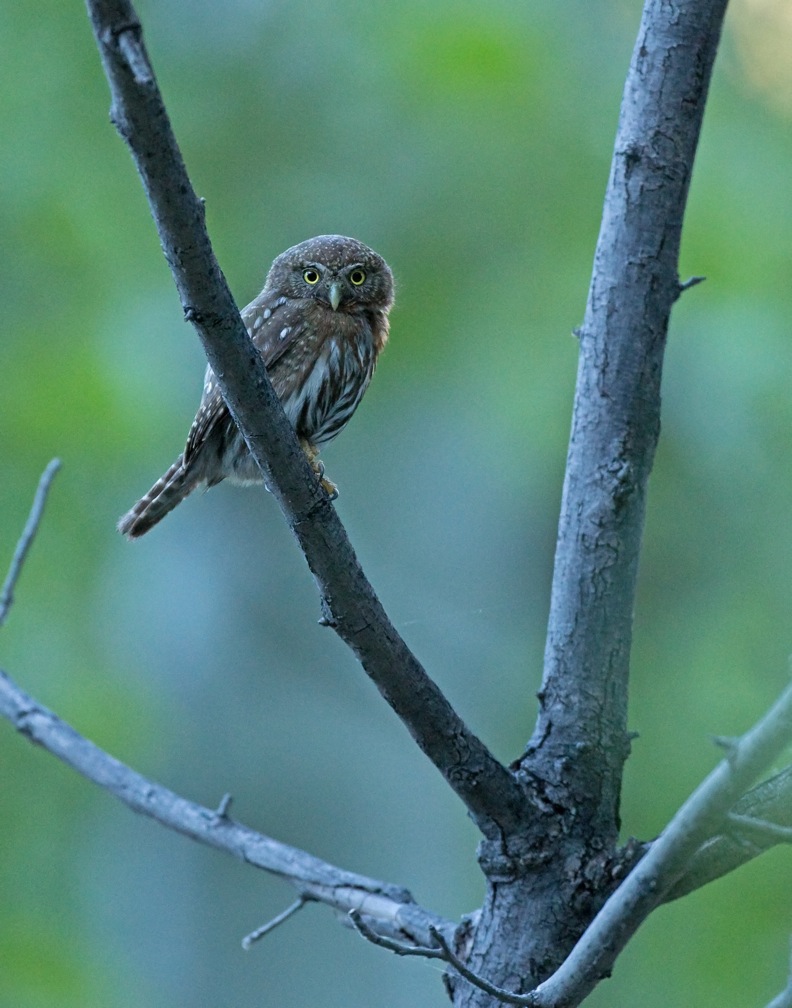
Bird of the Day: Northern Pygmy-Owl (Huachuca Canyon, AZ)
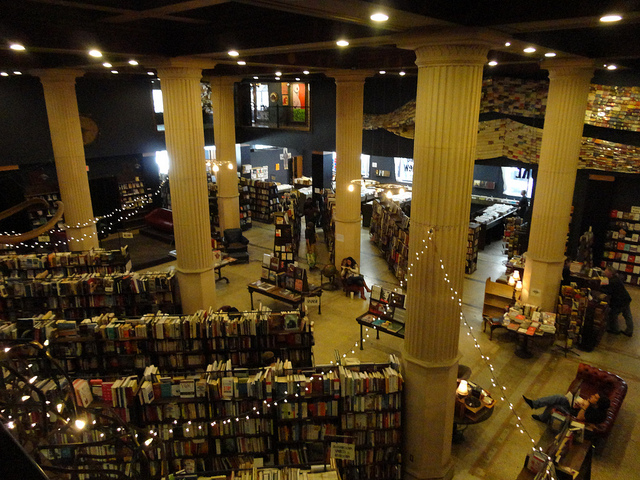
The Last Bookstore
Thanks to Paris Review, and particularly Casey N. Cep, for a reminder of why bookstores have more meaning than other forms of merchandising:
…Our inheritance felt large, but it was the sawhorses that I most admired, especially when my father put them to use constructing bookshelves for my bedroom. My father was no stranger to construction; he built the log cabin in which I was raised. He inherited not only tools but also skills from his father, so he was able to cut, stain, and install the wide bookshelves on my bedroom walls in no time. The shelves were required to house my growing library, acquired book by book in a thrilling sequence of gifts, purchases, and trades. Continue reading
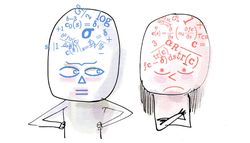
Boys, Girls, Science And Geek Myths
Thanks, as always with Natalie Angier, for incisive reportage on an important scientific concern:
Peter Ostrander, the tireless coordinator and cheerleader for a renowned science and mathematics magnet program at Montgomery Blair High School in Silver Spring, Continue reading
Kolam – Tamil Nadu
Kolam is a traditional form of street painting in Tamil Nadu that is created using colored rice powder. The designs are based on simple elements such as loops, dots and geometric patterns. Women create these auspicious patterns in front of the household deities in Pooja rooms and the area just outside the entrance of their houses.
Brought To You Live, From The Bugaboos
It’s been a pleasure sharing our story here with #thenewyorkermag. Today is the last day of our posts. Thanks for following from the whole crew: @alexhonnold@conradclimber@jimmy_chin@robfrostmedia@renan_ozturk. Photograph by Conrad Anker.
The photos themselves offer a moment of escape. That is sufficient, but you might want to read the captions (like the one above, which accompanies the last photo, of the climbers smiling), in which case go to the post on New Yorker‘s website. Better yet, the whole interview with Renan Ozturk excerpted here, is there:
What is your background, both as a climber and as a filmmaker, artist, and photographer? Continue reading
Bird of the Day: Spotted Doves
Greece Is Feeling The Love

Several of the most frequent contributors to this platform walked together in this quintessentially Greek passageway in 2008–the quality of the light, the stone, the feel this image gives can take you straight back to Greece for a moment if you let it. So can this blog post from Messy Nessy, a new acquaintance:
Traveling the roads of Greece these past few days, it hasn’t taken long for the dollhouse-sized roadside chapels to become a bit of an obsession for me– which means stopping the car at every single one to snap a photo, of course. Some are elaborate little things made of terracotta or even marble, plonked in the middle of nowhere, high up in the mountains; no village or houses for miles, and yet impossibly, most of them are faithfully maintained with a candle always burning inside.
Botanical Garden – Ooty, Tamil Nadu
Ooty Botanical garden was designed in 1847. One of the central features of the 55-acre property is a fossilized tree trunk believed to be 20 million years old. Other highlights include rare tree species, exotic and ornamental flowering bushes and plants, and a conservatory containing ferns and orchids. Continue reading
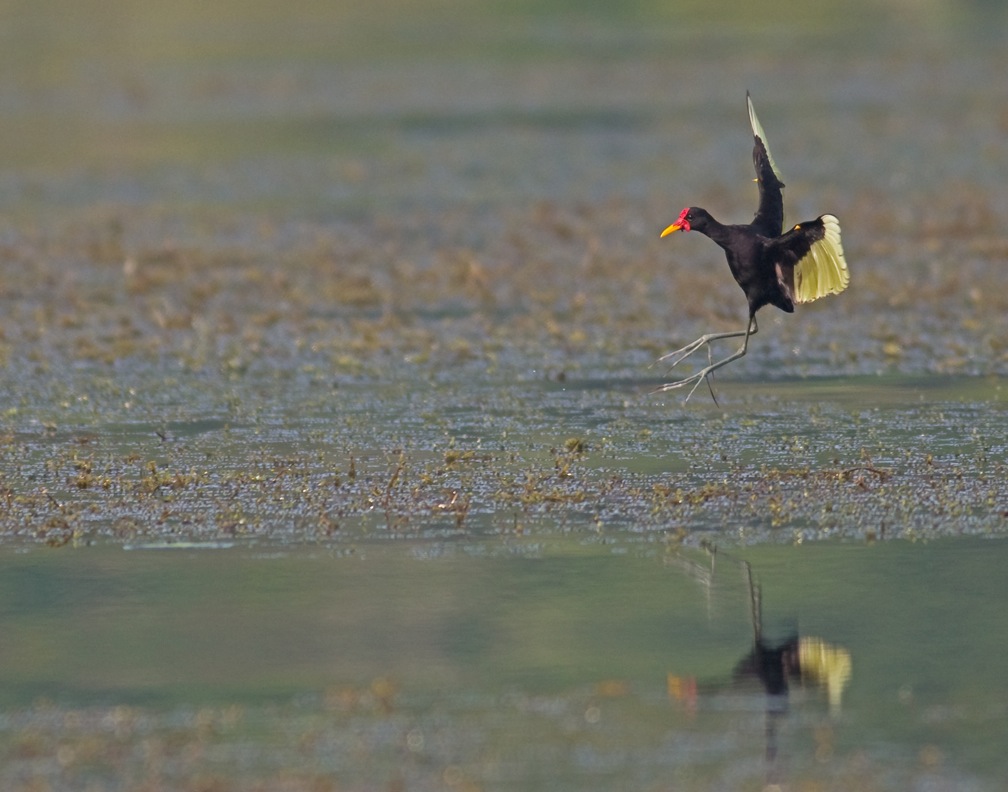
Bird of the Day: Wattled Jacana (Gamboa, Panama)
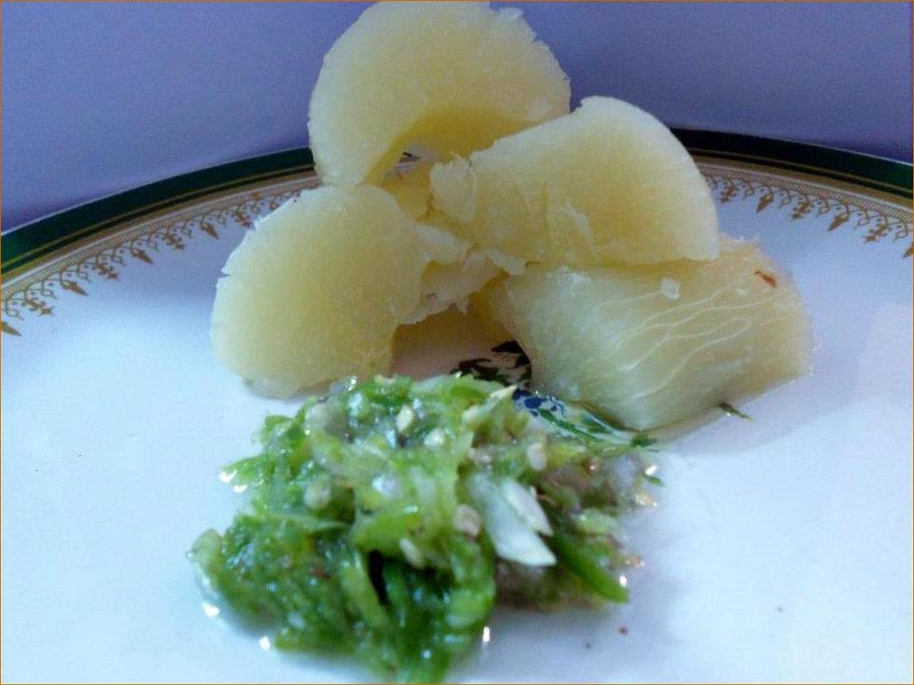
Flavours of Kerala – Boiled Tapioca
Native to Brazil where it is known as Manioc, tapioca is the most popular ingredient in Kerala cuisine, second only to coconut. A large variety of delectable dishes can be prepared from this starchy root vegetable. One example is boiled tapioca and green chilies chammanthi, which are often eaten as evening snacks. Continue reading
Cornell Herpetology and Ornithology

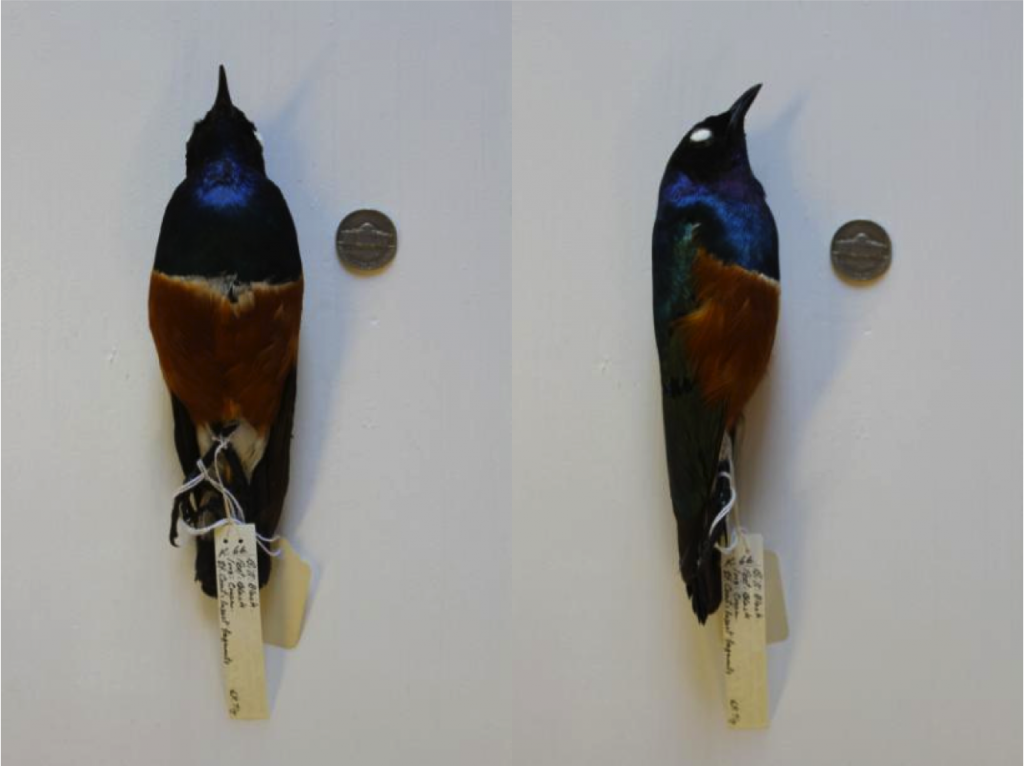
African Superb Starling specimen from Cornell’s collection. Photo by Jon Atkinson for students taking BIOEE 4750 – Ornithology.
During each of the spring semesters in my second and third year at Cornell, I took an advanced biology course that focused on one big group of vertebrates that I’ve always found both interesting and beautiful to study both in and out of school: birds and ‘herps’, or reptiles and amphibians. In the university setting, there is a half-joking rivalry between biologists who study these groups, leading to this type of crude but funny cartoon that can be seen on the office doors of at least one professor in Cornell’s Corson-Mudd Hall, home of the Ecology & Evolutionary Biology Department.