
Legon Botanical Gardens, Accra, Ghana
Legon Botanical Gardens, Accra, Ghana

Chuck Feeney’s stealthy giving earned him a nickname: “the James Bond of Philanthropy.” Atlantic Philanthropies
May the exceptionally wealthy take note of the example set by Chuck Feeney. Only once have we used the word billionaire in these pages, but a couple of times we pointed to this remarkable man who gave away all his billions while alive, and now that story is complete:
Chuck Feeney’s Legacy Is a Lesson for America’s Billionaires
Yes, the man avoided taxes, but he gave away his fortune, seeking nothing in return.
The selfless billionaire is a rare creature indeed. Chuck Feeney, who died on Monday at the age of 92, was one of them. Continue reading
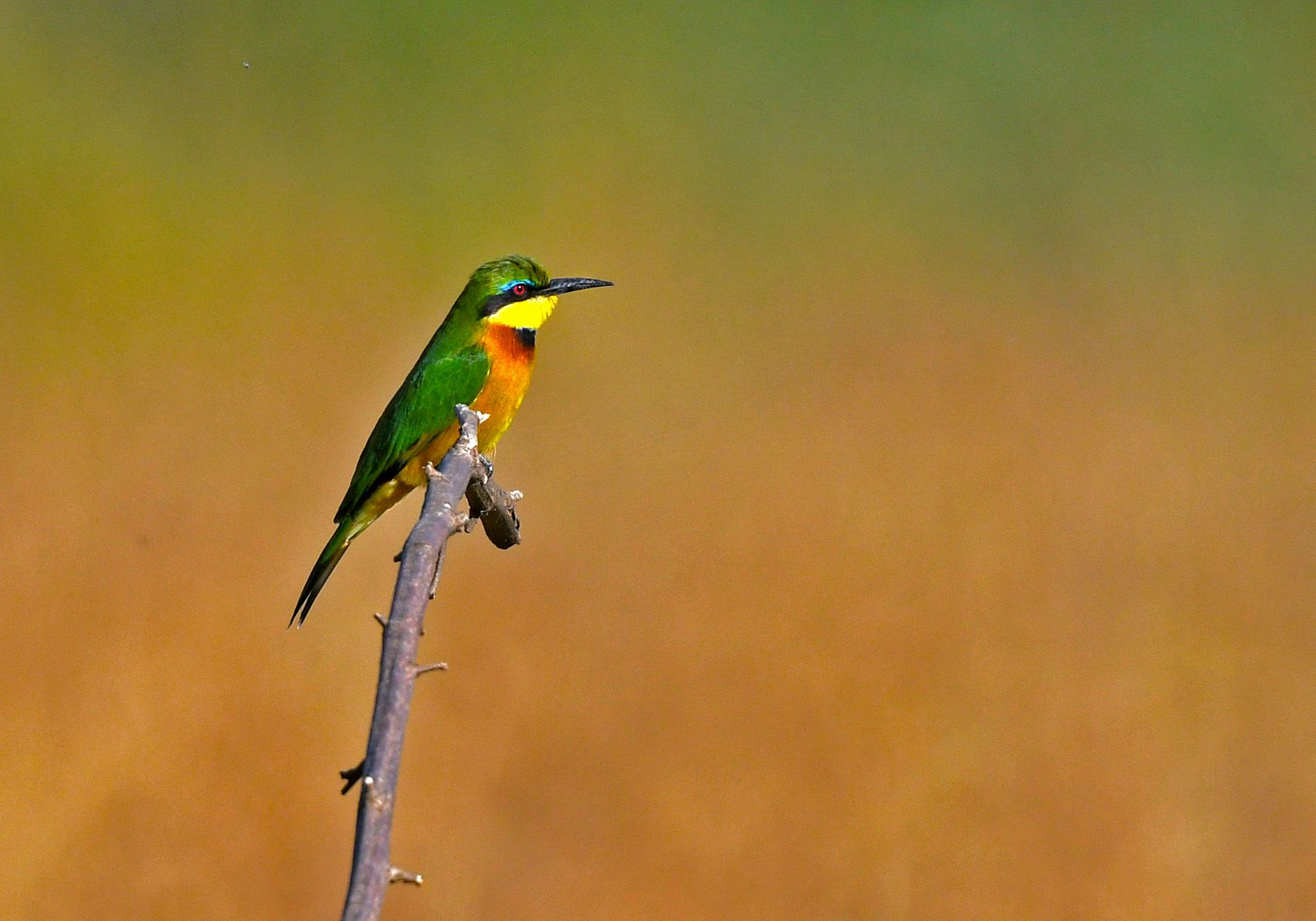
Maasai Mara National Reserve
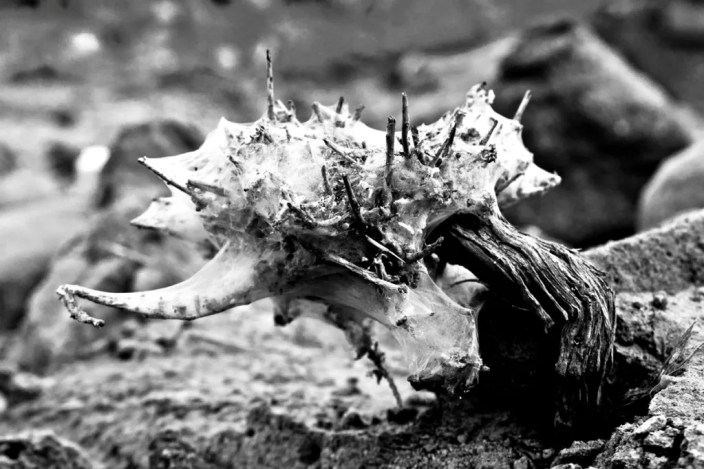
The desert isn’t usually known for its unrivaled ability to support life, and for good reason. Deserts are, if not quite hostile, harsh environments, and the very air can suck the life essence – valuable water, out of unprepared visitors. Fortunately, the natives have had all the time in the world to thicken their skin, grow water bladders in their feet, shrink their stomata, or whatever appropriate organ addition/subtraction/modification may describe their gradual adaptation to a dangerously dry environment. In the above photograph, a spider (from a long line of spiders that no doubt were faced with the very same decisions and dangers as it was) has industriously coated all the available branch space of a small shrub. How, or why, I don’t know. What matters is that one organism – the spider in question, was drawn to this particular shrub, of all the similar shrubs in the valley. Was it drawn to the beauty of the tree? Did the spider somehow know there would be a hearty meal within? Was it merely the first vertical object to come within view? Do electrical impulses travel through the nervous system of the species to which this particular spider belongs at a certain time of day telling it to simply lay web until the nearest object is covered?
How can we find out? How will we know if what we find out is true? Why do we care?
These are big questions.
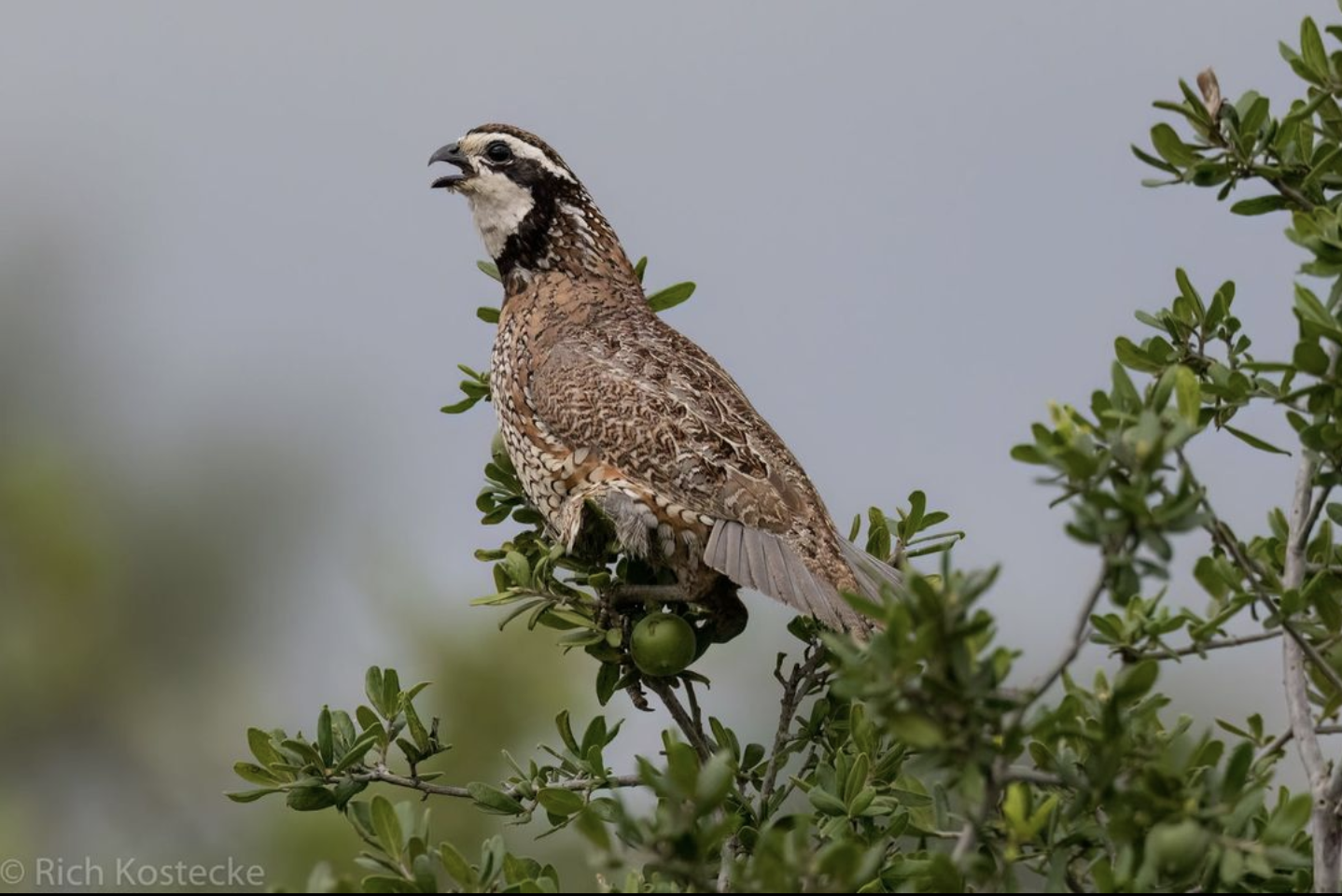
Hays County, TX,
 Ian Urbina has chronicled this topic in the past, and the fishing crimes on the high seas have not abated, to say the least:
China has invested heavily in an armada of far-flung fishing vessels, in part to extend its global influence. This maritime expansion has come at grave human cost.
DANIEL ARITONANG GRADUATED from high school in May, 2018, hoping to find a job. Short and lithe, he lived in the coastal village of Batu Lungun, Indonesia, where his father owned an auto shop. Aritonang spent his free time rebuilding engines in the shop, occasionally sneaking away to drag-race his blue Yamaha motorcycle on the village’s back roads. Continue reading
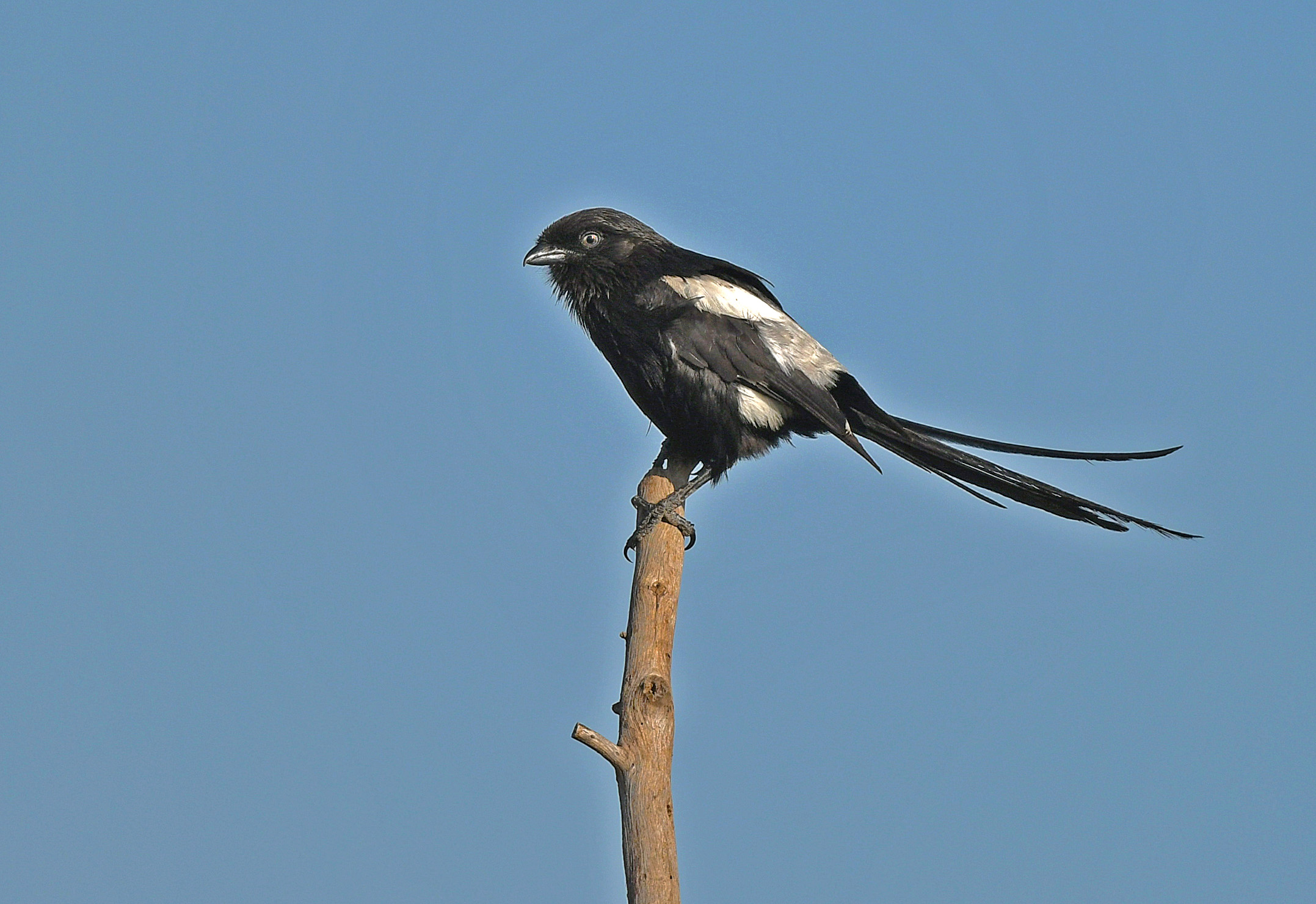
Maasai Mara National Reserve
In my previous post I’d written about birding with Clement Francis and how educational he was in so many ways – sparking my interest in birding, my abilities as a bird photographer, and not least, my understanding of the challenges that birds and other wildlife suffer in the face of climate change and human related habit destruction. The story of the Spoon-billed Sandpiper impacted me in a huge way.
This tiny bird travels between the Arctic Tundra and the South Asiatic regions. While they breed in the tundra, they migrate southwards during winters in a migratory route of 8000 kilometres. Just 200 pairs of this birds existed back then. Now due to human intervention and the implementation of captive breeding programmes, the population are reaching to a decent number.
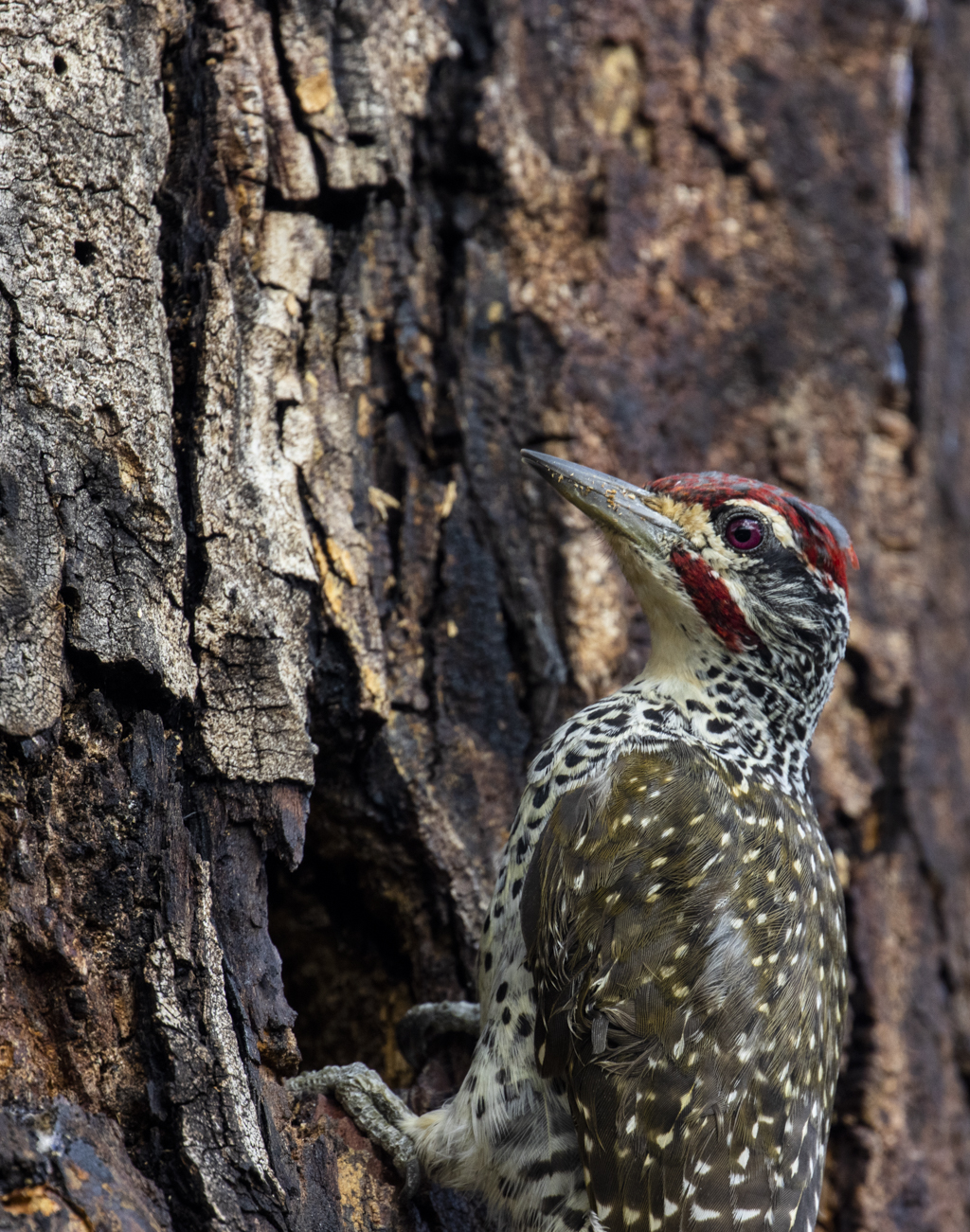
The International Union for Conservation of Nature (IUCN) has listed the Spoon-billed Sandpiper under the “critically endangered” species. During one of our trips Clement showed me the picture of the bird in its breeding plumage that was shot in Siberia. From that moment on my mind was set on seeing the bird. It may appear like an exaggeration, but the bird appeared in my dreams quite often and the desire to see it for myself grew stronger every day. At the time of our trip the bird was in migration to a small patch in the Sunderbans of Bangladesh, but the numbers there were decreasing, and their path seemed to be shifting toward stopovers in Thailand instead.
Nairobi National Park, Kenya
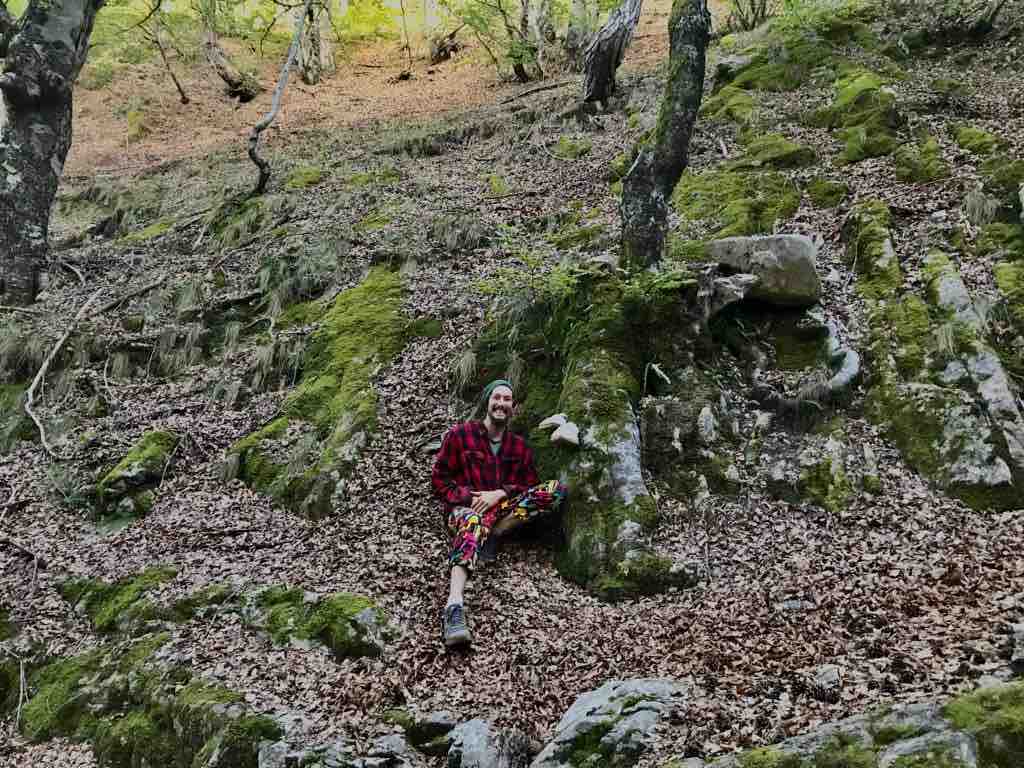
I first heard of this ecosystem nearly a decade ago, not realizing then that it spreads into northeastern Greece. We are in this ecosystem currently, on the Greek side, and yesterday visited the Rodopi Mountain Range National Park. In the photo above you can see Milo, in a location not far from that national park, with one of his favorite types of organism. I thought to revisit the Rewilding Europe website just now, and am happy to link again to their work:
Rhodope Mountains is the most important breeding area for griffon vultures in Bulgaria. The whole region is also a stronghold for wolf and jackal.
The Rhodope mountains hold a captivating array of of flora and fauna and is a stronghold of vultures in south-eastern Europe. It’s the only breeding spot in Bulgaria for griffon vultures and an important site for the globally threatened Egyptian vulture on the Balkan Peninsula. Additionally, rare cinereous vultures can be spotted soaring above. Among the dozens of other raptor species Eastern imperial eagle, Saker falcon, Levant sparrowhawk, Peregrine falcon and several other eagles can be mentioned.
The whole region is also a stronghold within Bulgaria for wolf and jackal. In recent years, brown bears have begun naturally recolonizing the Rhodopes, and the possibility of bear-watching is emerging in the landscape, particularly in the western part of the mountains.
Because of its location at the crossroads between the European and Asian continent, the impact of the Mediterranean, its pristine landscapes and the variety of habitats here in combination with the relatively small human disturbance, the Rhodope Mountains have a huge variety in species and habitats, and have become one of the bird watching hotspots in Europe.

Maasai Mara National Reserve
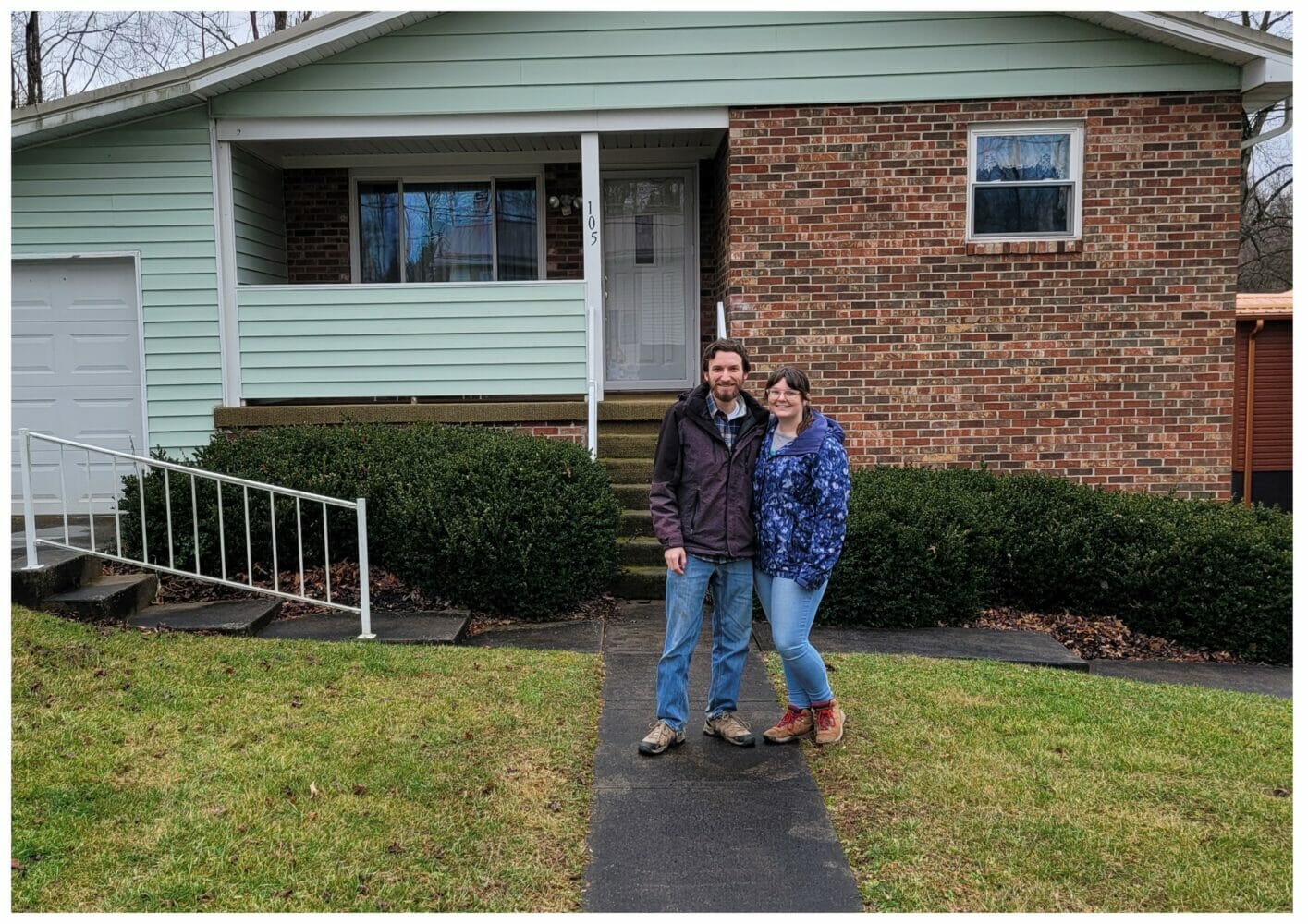
The author in front of her new home. Photography courtesy of Jessica Andreone.
Lawns are not the only option for yards, and sometimes removing grass is the first step to improvement. Jessica Andreone’s story, on the Modern Farmer website (too long since our last link to that great resource), about alternative land improvement resonates with my own project over the last five years:
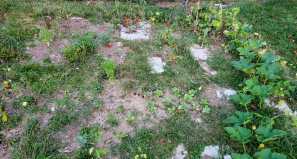
Crop plants growth is stunted from compacted soil.
We Bought a Home with a Sterile Suburban Yard. Our Journey To Bring Life Back is Just Beginning
When we bought our first home, we had grand plans to create a productive and pollinator-friendly oasis. Then the reality of poor soils and extreme weather hit.
My husband and I bought our first home in a small West Virginia town in January 2023. The bright green dwelling sits in the middle of a dead-end street where retirees claim most homes as the original dwellers. From 1978 until now, our house had only one homeowner. So, for the past 45 years, the yard has been a neatly mowed lawn with a single tulip tree. Continue reading

Female – Leander Khil Photography
Seewinkel National Park, Austria
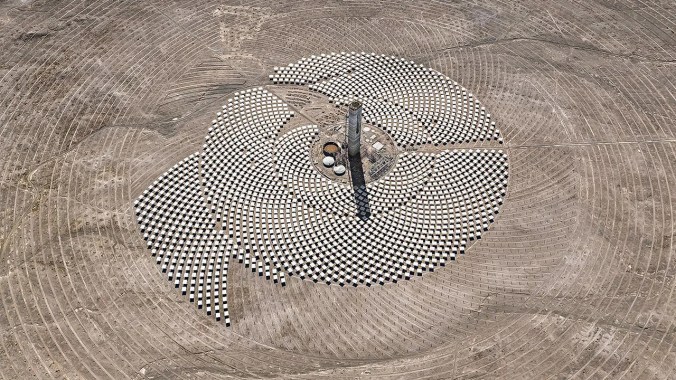
image: edward burtynsky/courtesy flowers gallery. cerro dominador solar project #1, atacama desert, chile.
Beware the backlash, but move the ball forward:
Green protectionism comes with big risks
Some analysts worry that new laws could slow the green transition
Politicians think they have cracked it. Continue reading
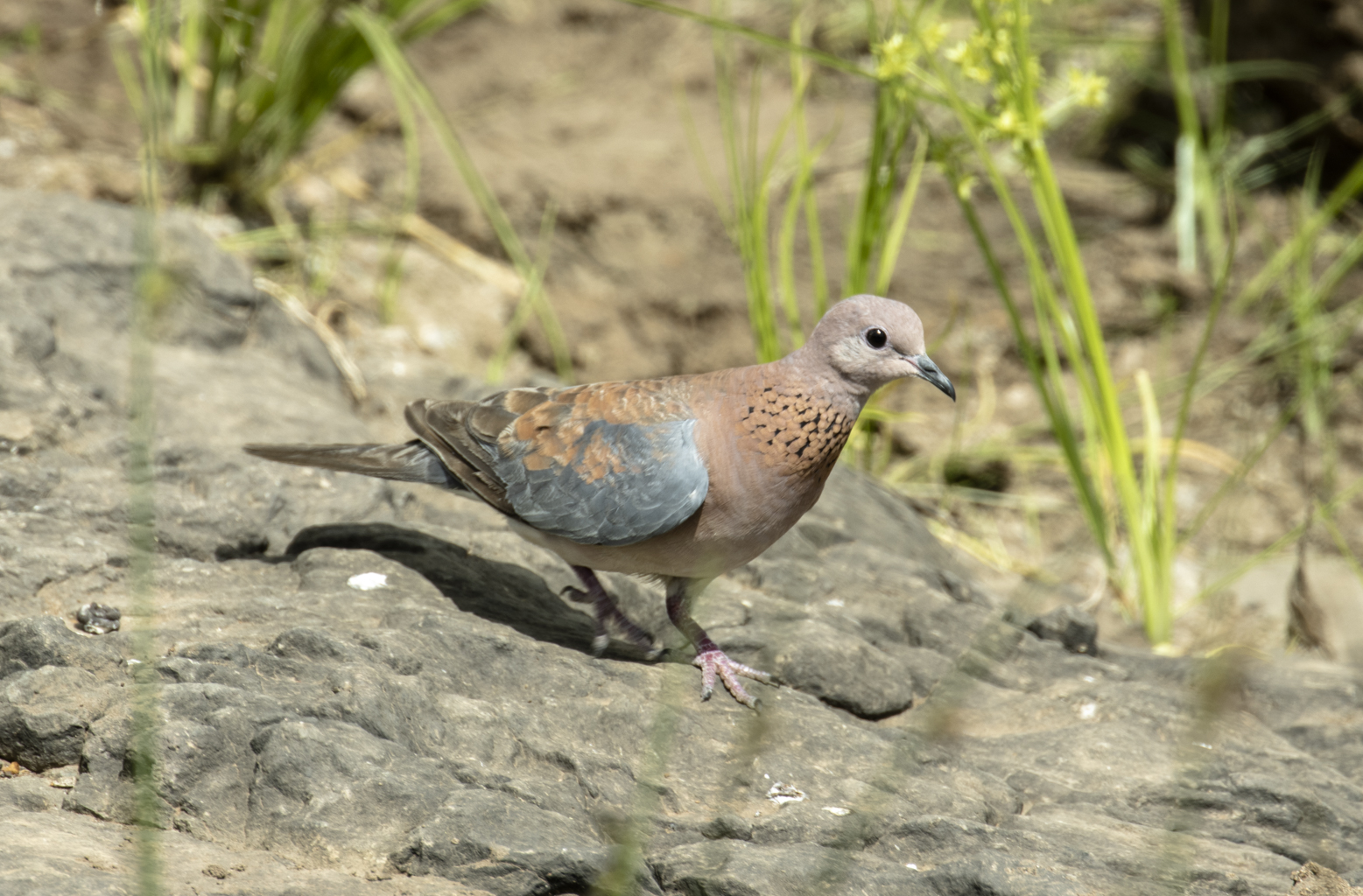
Nairobi National Park, Kenya
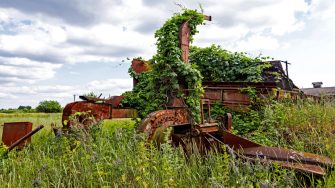
Overgrown agricultural machinery on a vacant farm near the Chernobyl Nuclear Power Plant in Ukraine. OKLA MICHEL / CTK VIA AP
Thanks to Fred Pearce, as always:
Abandoned Lands: A Hidden Resource for Restoring Biodiversity
Abandoned farmland has been increasing, with a billion acres — an area half the size of Australia — lost globally. Ecologists are increasingly pointing to the potential of these lands and of degraded forests as neglected resources for rewilding and for capturing carbon.
Gergana Daskalova was nine months old when she was taken in by her grandparents in their small village in Bulgaria. It was soon after the fall of the Iron Curtain, and her parents had left for the city after the closure of the village’s state-run collective farm. Continue reading

Maasai Mara National Reserve
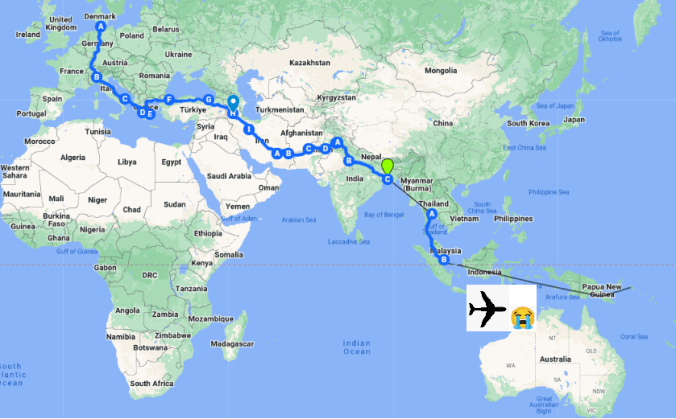
We are surprised that his employer cannot appreciate his decision:
Dr Gianluca Grimalda. Photograph: Institute for World Economy – Kiel
Climate scientist faces sack for refusing to fly to Germany from Solomon Islands archipelago
Dr Gianluca Grimalda told by Kiel Institute for World Economy he must be at his desk on Monday after finishing fieldwork
A climate researcher has been threatened with the sack by his employer after refusing to fly back to Germany at short notice after finishing fieldwork on Bougainvillein the Solomon Islands archipelago. Continue reading
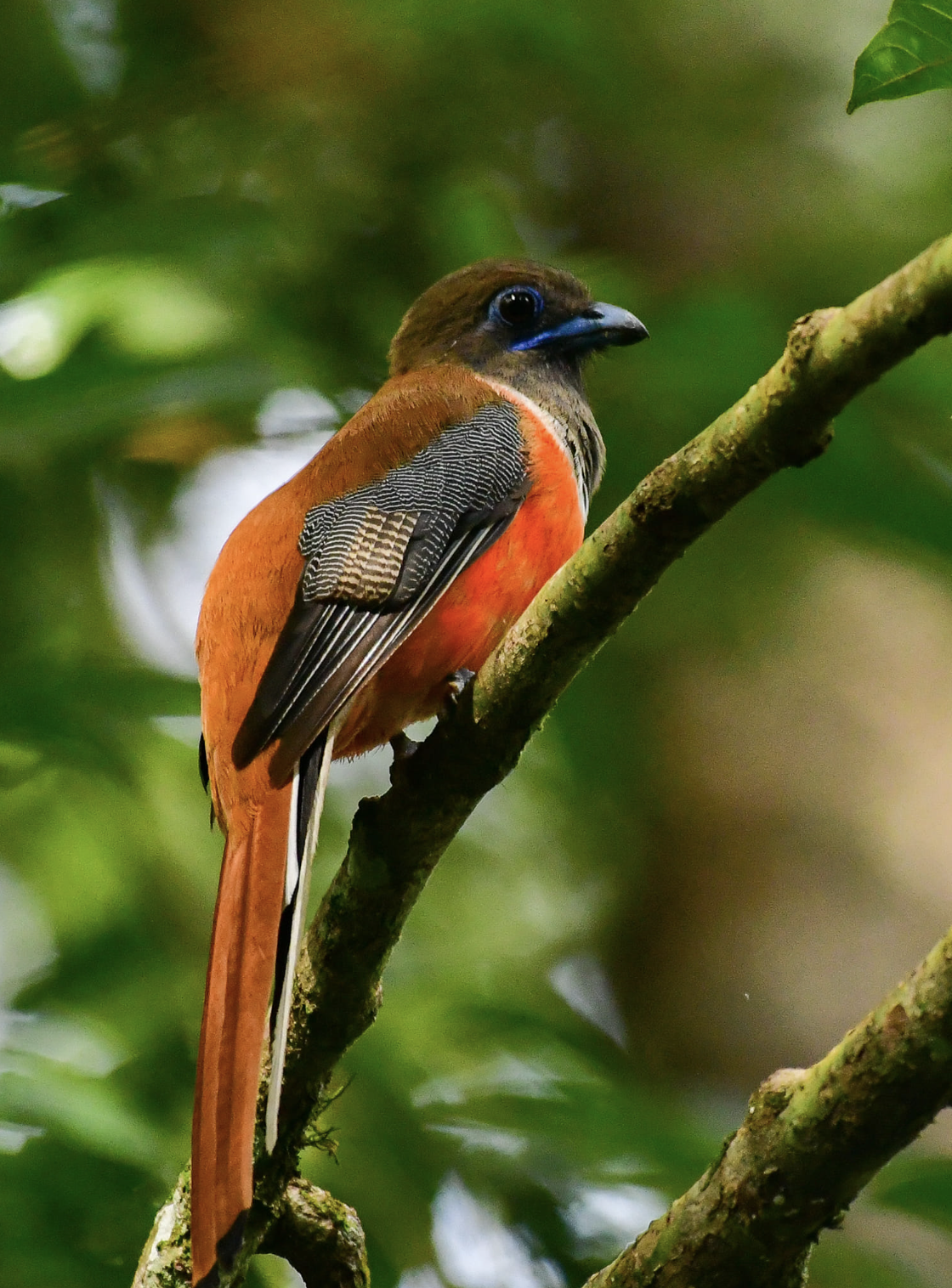
Male
Periyar Tiger Reserve, Kerala
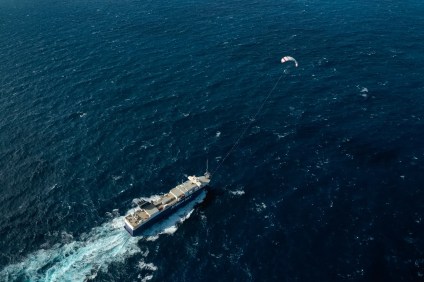 Thank you as always, Cara Buckley. The topic today is wind power, again, this time more on its use propelling ships:
In Shipping, a Push to Slash Emissions by Harnessing the Wind
More ships are running on wind power, as the global industry tries to fight climate change. One concept has backing from Abba, the Swedish pop stars.
The Pyxis Ocean began its first wind-assisted voyage in August. Cargill and BAR Technologies
One ship was pulled across the sea with the help of an enormous sail that looked as if it belonged to a kite-surfing giant. Another navigated the oceans between China and Brazil this summer with steel and composite-glass sails as high as three telephone poles. Continue reading

 Organikos