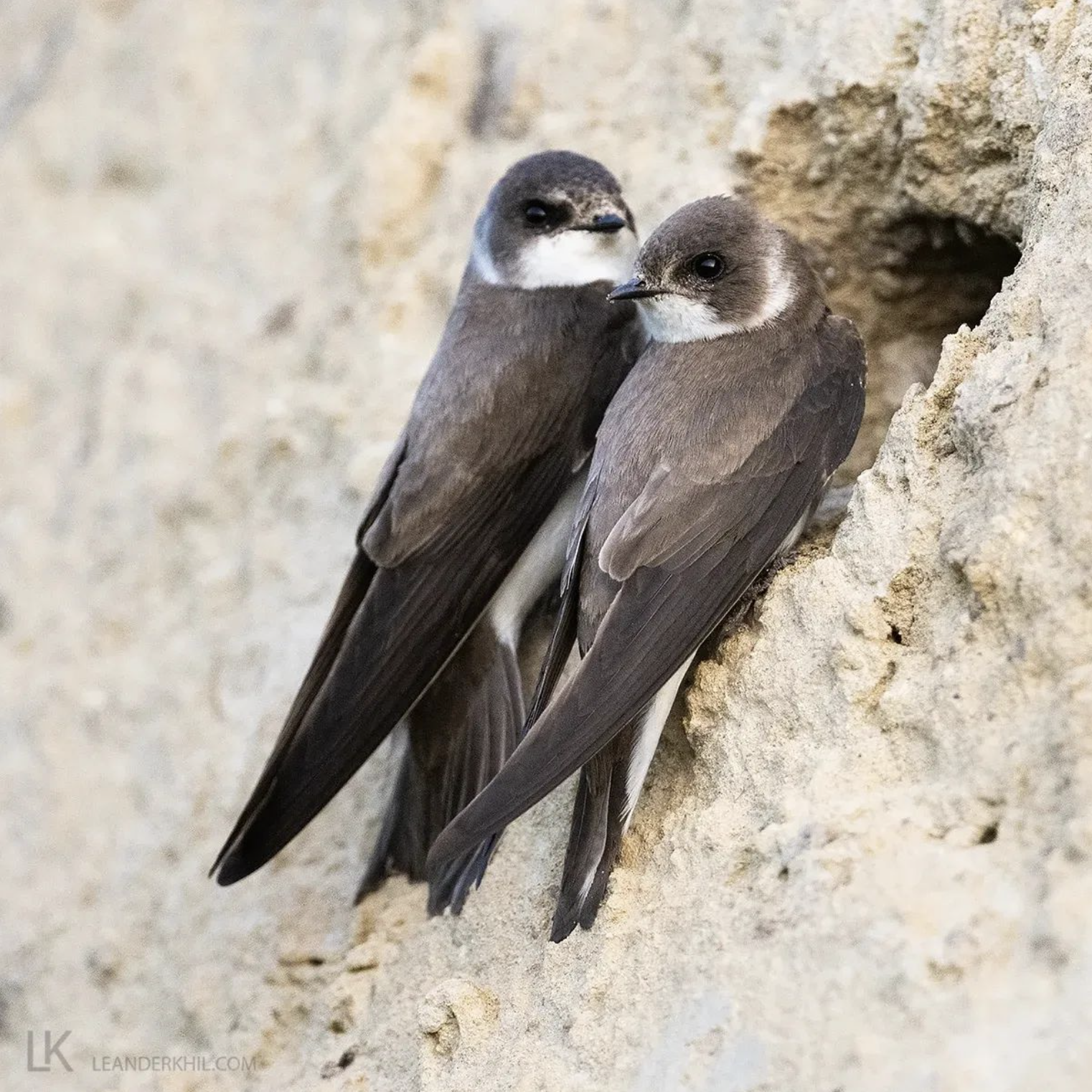
St. Martins Therme and Lodge, Austria
CRISPR Silk
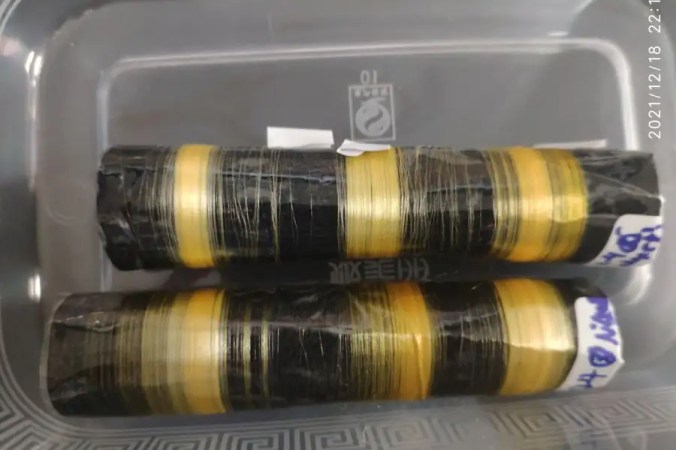
Spider silk fibres produced by silkworms. Junpeng Mi, Donghua University
This will be the fifth time for CRISPR in our pages. We suspend judgement each time we link to explanations of the technology, or new applications:
Silkworms genetically engineered to produce pure spider silk
Spider silk has been seen as a greener alternative to artificial fibres like nylon and Kevlar, but spiders are notoriously hard to farm. Now researchers have used CRISPR to genetically engineer silkworms that produce pure spider silk
Silkworms have been genetically engineered with CRISPR to produce pure spider silk for the first time. The worms could offer a scalable way to create things like surgical thread or bulletproof vests from spider silk, which is prized for its strength, flexibility and lightness. Continue reading
Bird of the Day: Western Plantain-eater

Legon Botanical Gardens, Accra, Ghana
Reminder Primer On Meat & Dairy
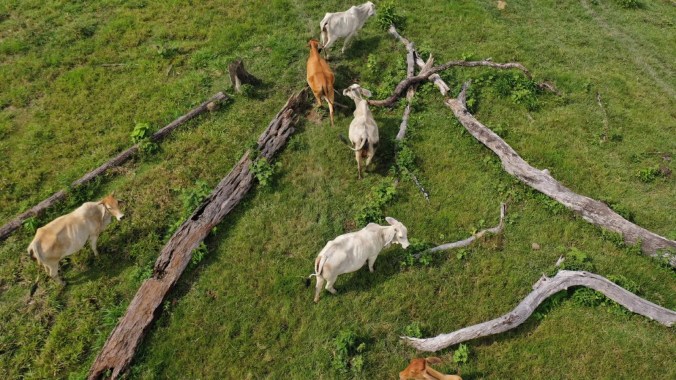
Raul Arboleda / AFP via Getty Images
We have been preaching, and practicing, reduction in the consumption of meat and dairy for as long as we have been sharing on this platform. Reminders of why are always welcome. Our thanks to Max Graham, a Food and Agriculture Fellow at Grist for this reminder-primer:
What would happen if the world cut meat and milk consumption in half?
Agricultural emissions would fall by almost a third. But getting there wouldn’t be easy.
Cows are often described as climate change criminals because of how much planet-warming methane they burp. Continue reading
Bird of the Day: Yellow-throated Petronia
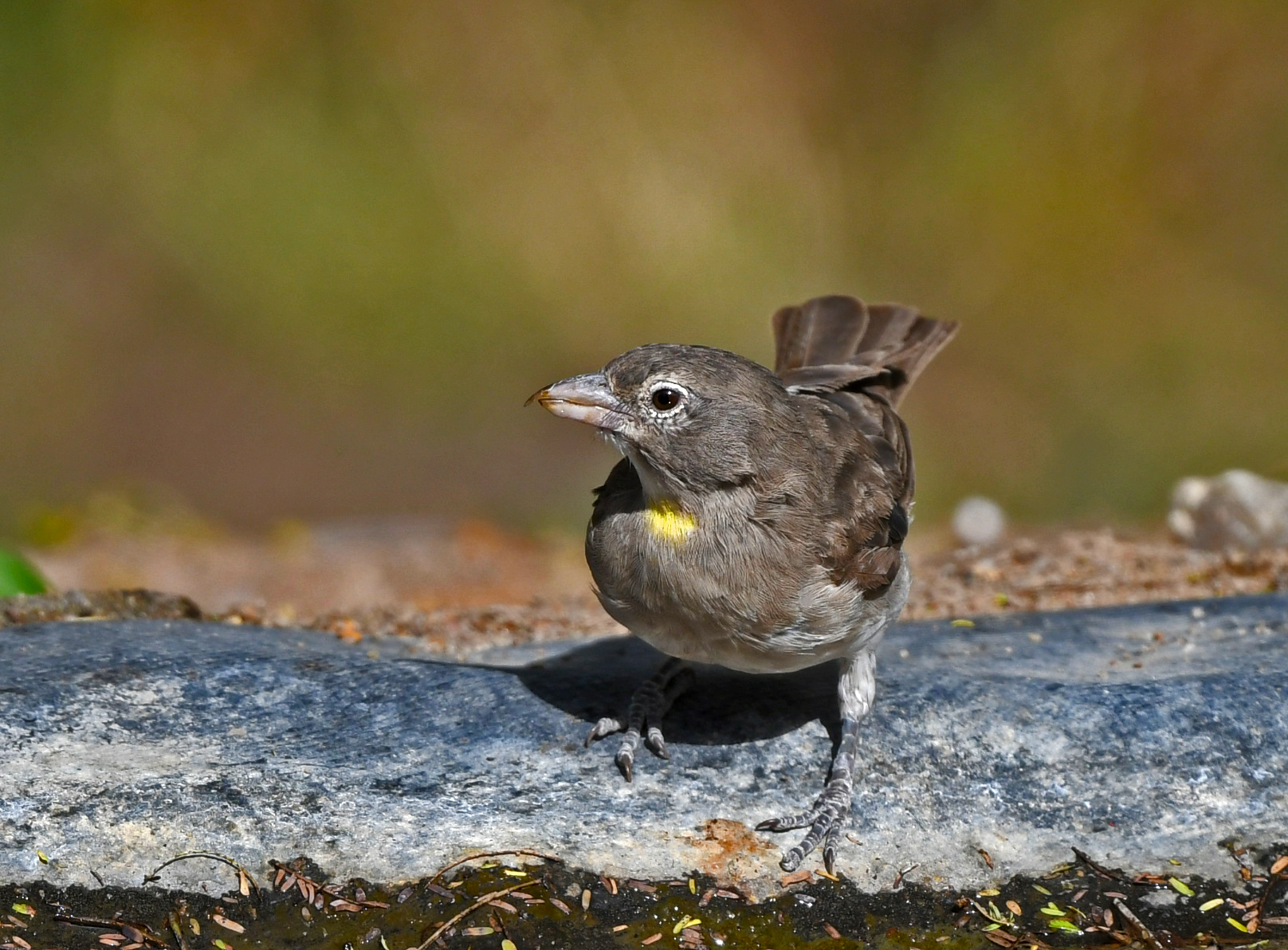
Maasai Mara National Reserve, Kenya
Species-Specific Safe Spaces
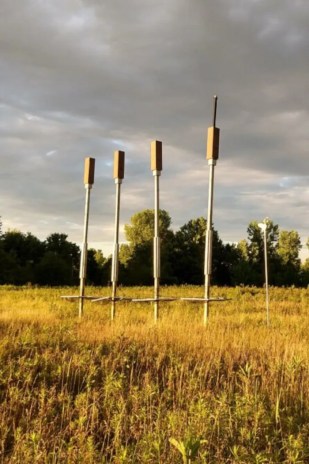
O’Keefe’s team designed bat boxes that offer a wide range of interior temperatures. Joy O’Keefe
We have pointed to stories about activism and entrepreneurship in the interest of protecting animal habitat plenty of times, but not so much on the science of the field work. As part of its Climate Desk collaboration Mother Jones shares this article originally published by Undark, written by Marta Zaraska, that addresses some of the science of species-specific safe spaces:
Inside Scientists’ Race to Create Safe Refuges for Animals
Climate crisis is destroying habitats. Can technology help create new ones?
Conservation ecologist Ox Lennon simulated stacks of rocks that would create crevices big enough for skinks, but too small for mice. Courtesy Ox Lennon
In 2016, Ox Lennon was trying to peek in the crevices inside a pile of rocks. They considered everything from injecting builders’ foam into the tiny spaces to create a mold to dumping a heap of stones into a CT scanner. Still, they couldn’t get the data they were after: how to stack rocks so that a mouse wouldn’t squeeze through, but a small lizard could hide safely inside. Continue reading

Bird of the Day: Blue Grosbeak
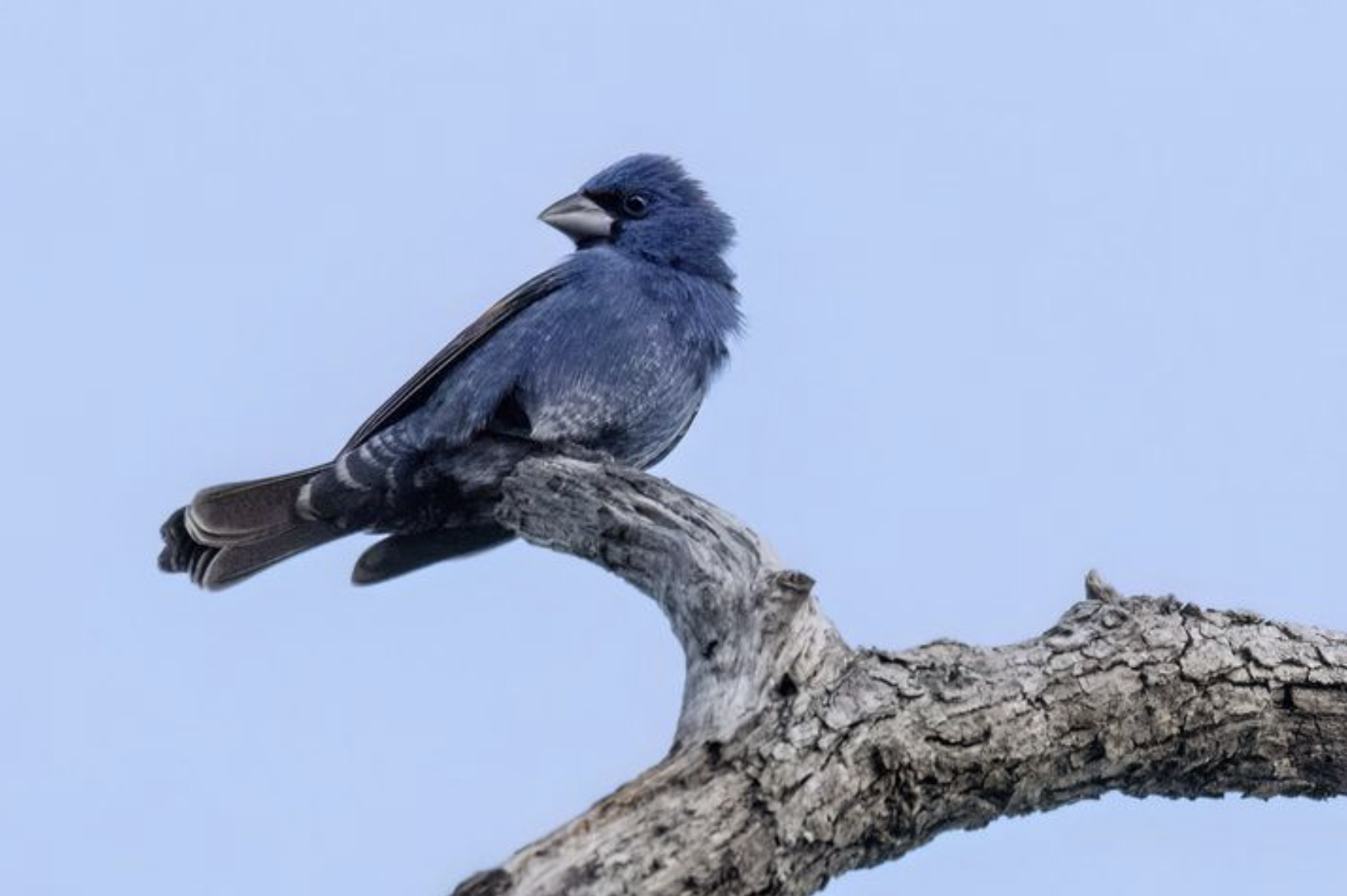
Male
Gillespie County, TX
Subsidy Absurdity

Sprinklers water a field on Sept. 28, 2022 near Yuma, Arizona. Photo by David McNew/Getty Images.
This article by Stephen Robert Miller in the New Republic tells a story that is simultaneously inconceivable and yet perfectly explanatory of humanity’s contribution to climate change:
Why are we paying for crop failures in the desert?
Taxpayers are on the hook for heat-related crop losses in parched states like Arizona. That needs to change.
In mid-July in Phoenix, a man demonstrated to a local news station how to cook steak on the dashboard of his car. The city sweltered through a nearly monthlong streak of 110-degree temperatures this summer, while heat records are tumbling across the Southwest. Continue reading
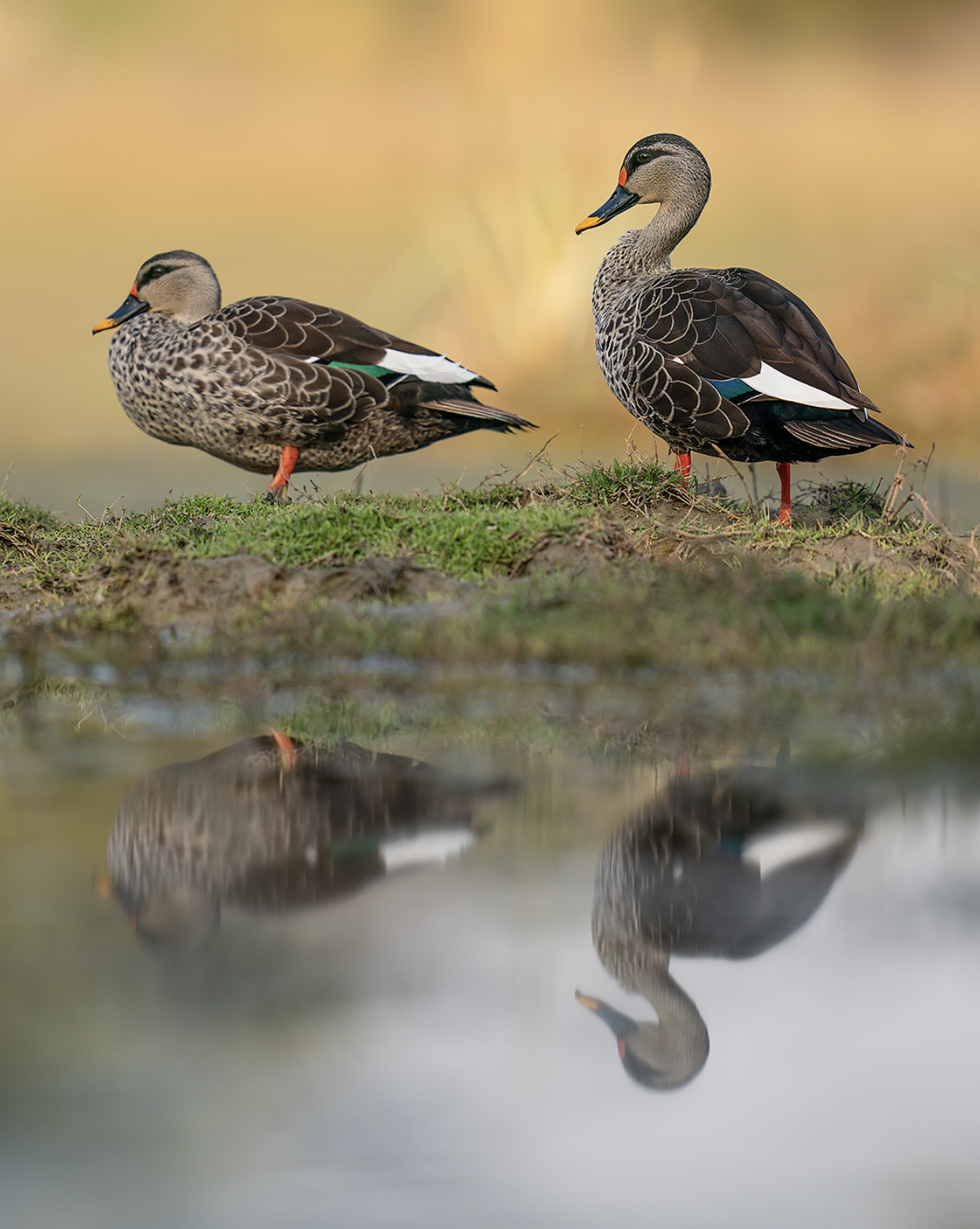
Bird of the Day: Indian Spot-billed Duck
More Cameras On The High Seas, Please
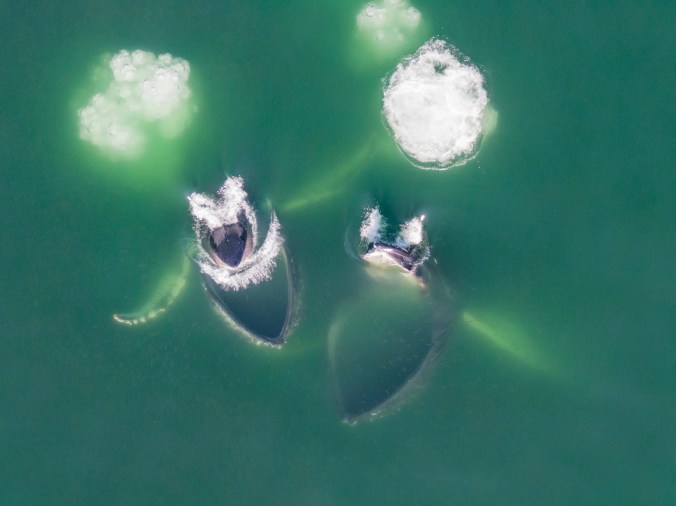
A pair of humpback whales synchronized the release of bubbles to corral and consume sand eels.
This article by Ellie Duke, with photographs and video by Sutton Lynch, is a sort of bookend to another recent article. It makes one wish for more people skilled with cameras in the oceans, and fewer skilled in placing nets:
A school of bluefish forming a circle in shallow water.
The photographer Sutton Lynch is documenting a dramatic turning point off the coast of Long Island — a resurgence of sea life after decades of depletion.
Sutton Lynch rises most days before the sun, arriving at Atlantic Beach in Amagansett, N.Y., for the early-morning calm. It’s the same beach he’s been going to since he was a child, and where he worked as a lifeguard for years as a teenager. Now 23, he spends his mornings surveying the horizon. When he spots activity on the water’s surface, he sends out his drone. Continue reading

Bird of the Day: Rattling Cisticola
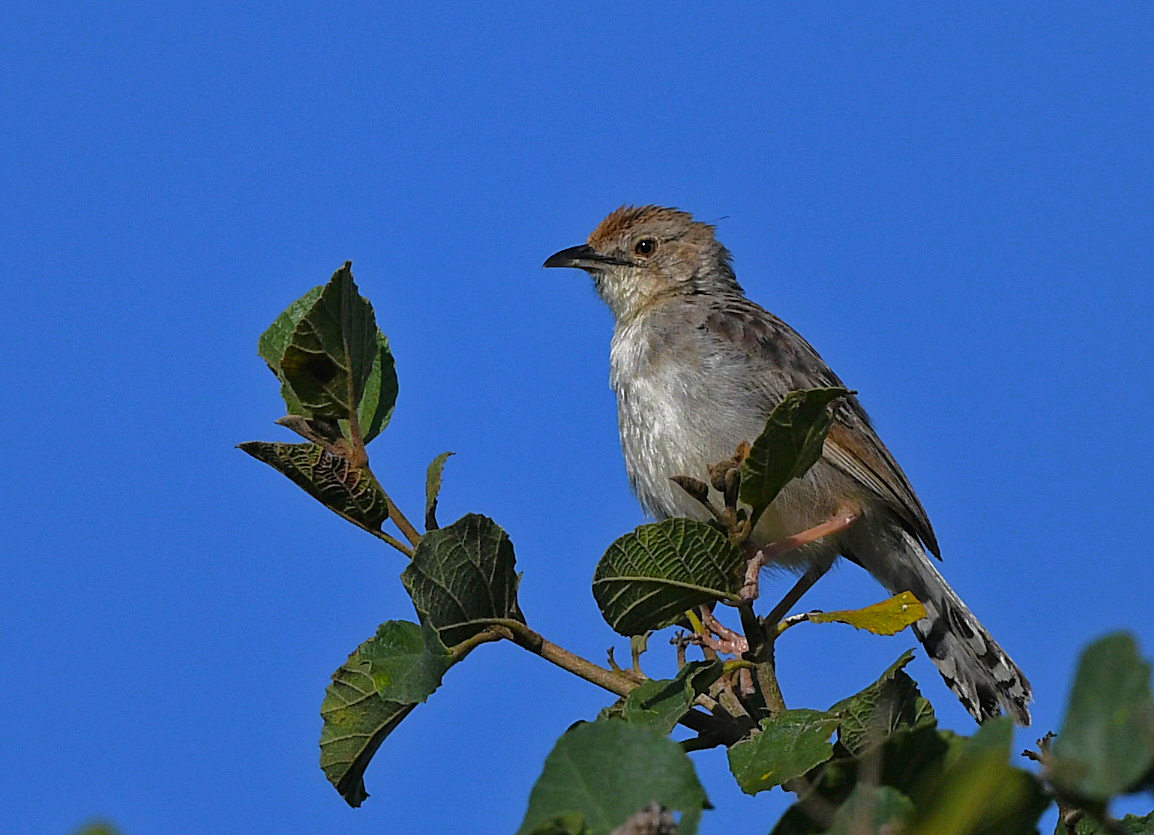
Maasai Mara National Reserve
Fireflies At Risk
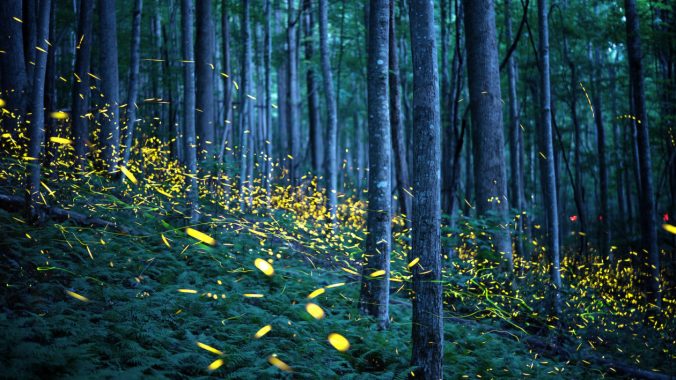
Fireflies in Great Smoky Mountains National Park. RADIM SCHREIBER
Fireflies being among the more charismatic insects, they and other glowing creatures have been covered in our pages second only to bees. Our thanks to Ted Williams, writing for Yale e360, for explaining their specific challenge:
A Summer Light Show Dims: Why Are Fireflies Disappearing?
Fireflies — whose shimmering, magical glows light up summer nights — are in trouble, threatened by habitat destruction, light pollution, and pesticide use. With 18 species now considered at risk of extinction in North America alone, recovery efforts are only just beginning.
For millions of people around the globe, fireflies have been a big part of the magic of spring and early summer nights. They certainly were in our family. When my children were young, our field in central Massachusetts blazed with fireflies. Continue reading
Bird of the Day: Striated Heron
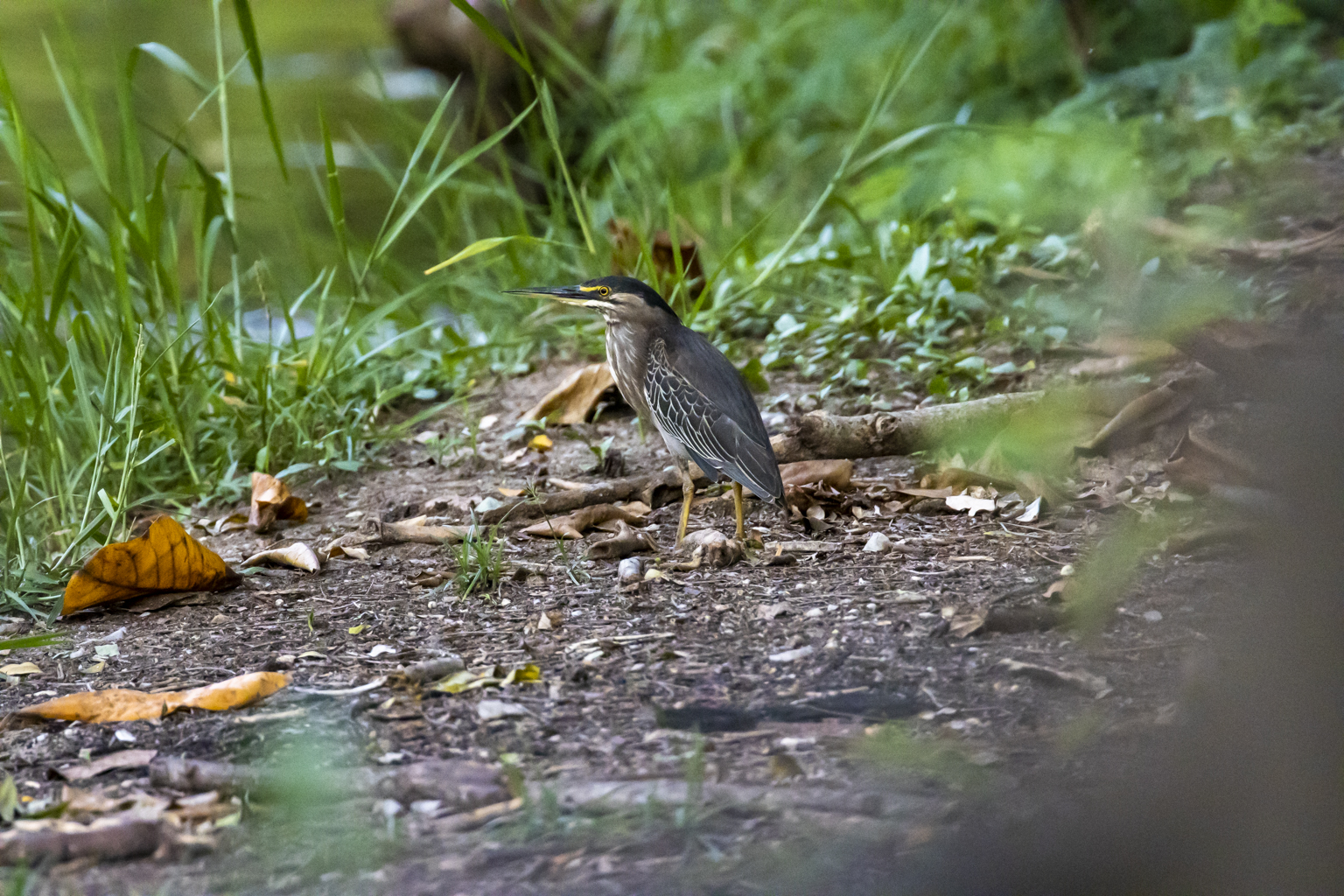
Legon Botanical Gardens, Accra, Ghana
Overfishing & Long Island Fancyfolk
Chris Winkler, a fisherman in ever-fancier Montauk on Long Island, is accused of breaking limits on his catch.
We hope that the wrongs get righted:
The Government Takes On a Fisherman Over 200,000 Pounds of Fluke
Chris Winkler is on trial, accused of taking too many fish from the seas off gentrified Montauk. His former partners have pleaded guilty, and stand to make millions from the sale of their small seafood-themed empire.
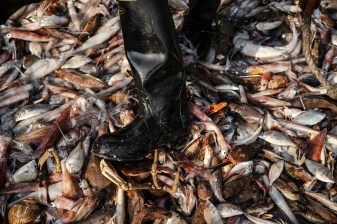
Along with trash fish, catch that exceeds daily limits must be tossed overboard even if it perishes.
It was just before dawn when Chris Winkler, a fisherman in Montauk, N.Y., set off on his trawler, the New Age.
A longhaired surfer who looks far younger than his 63 years, Mr. Winkler was in flip-flops and shorts, trailed by Murphy, a good-natured Irish water spaniel who is usually his only company. Continue reading
Bird of the Day: Bearded Vulture

Hohe Tauern National Park, Austria
Jill Lepore On Walter Isaacson’s Latest Biography
 Among topics I would not have shared here previously, Elon Musk. But this is by one of our best biographers, and he has earned the benefit of our doubt. A review by one of our best historians captures my concerns about the system that Musk represents. By extension it raises questions about the biographer’s approach. So, I share:
How Elon Musk Went from Superhero to Supervillain
Walter Isaacson’s new biography depicts a man who wields more power than almost any other person on the planet but seems estranged from humanity itself.
In 2021, Elon Musk became the world’s richest man (no woman came close), and Time named him Person of the Year: “This is the man who aspires to save our planet and get us a new one to inhabit: clown, genius, edgelord, visionary, industrialist, showman, cad; a madcap hybrid of Thomas Edison, P. T. Barnum, Andrew Carnegie and Watchmen’s Doctor Manhattan, the brooding, blue-skinned man-god who invents electric cars and moves to Mars.” Continue reading
Bird of the Day: Barn Owl

Miller Ranch, Presidio County, TX
Environmental Status Reports & Lurking Contradictions
The last time we shared an advertisement here? Never. Occasionally, we promote a video like Kill the K-Cup that serves the opposite purpose. But this ad? Must see. It promotes a powerful message, and paradoxically at the same time, as Bill McKibben points out in this week’s newsletter, a whole other big mess is lurking just behind the curtain. He starts by bringing our attention to a new bill being considered in California, and then relates that bill to Apple in a way that raises questions about the accomplishments celebrated in the ad:
…#In California, SB 253 made it through the legislature, which is an incredibly big deal. Because California is the fifth largest economy on earth, and this law would force the big companies that do business there—which is everyone, really, because who is going to miss out on that economy?—to fully disclose their carbon emissions, including their “Scope 3” emissions, which are the ones that come from the supply chain. Continue reading
Bird of the Day: Black Kite (Yellow-billed)
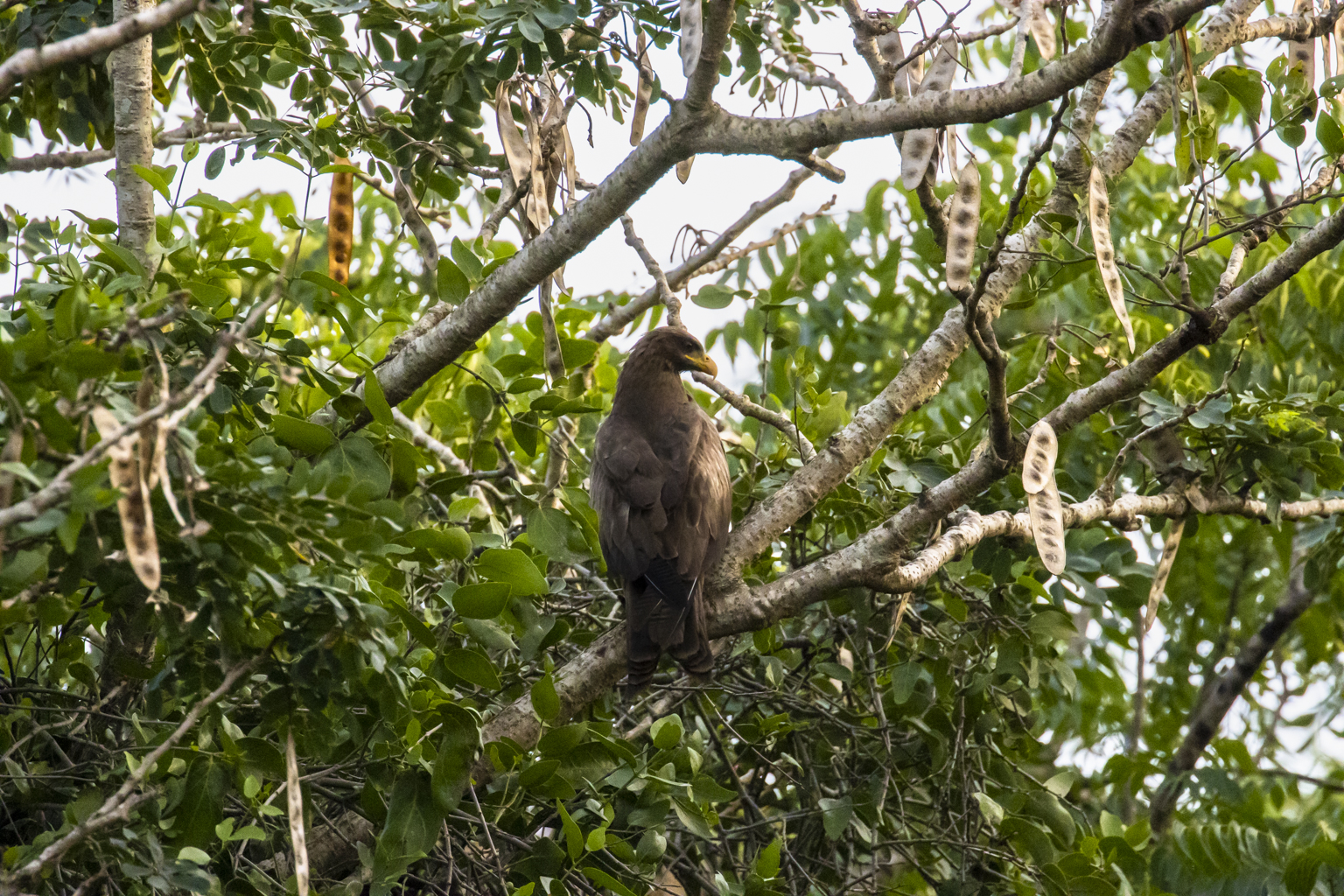
Legon Botanical Gardens, Accra, Ghana
Northwest Passage Expedition & Arctic Secrets Revealed

Soren Walljasper, NGM Staff. Sources: Douglas Stenton, University of Waterloo; Jonathan Moore, Parks Canada; Matthew Betts, HMS Terror; Mark Synnott; Tom Gross
We rarely link to expeditions-gone-awry stories, but here is an exception, with thanks to National Geographic:
Seeking to solve the Arctic’s biggest mystery, they ended up trapped in ice at the top of the world
In 1847, Sir John Franklin and a crew of 128 men disappeared while searching for the fabled Northwest Passage. A National Geographic team sought to find evidence of their fate—but the Arctic doesn’t give up its secrets easily.
Jacob Keanik scanned his binoculars over the field of ice surrounding our sailboat. Continue reading
 Organikos