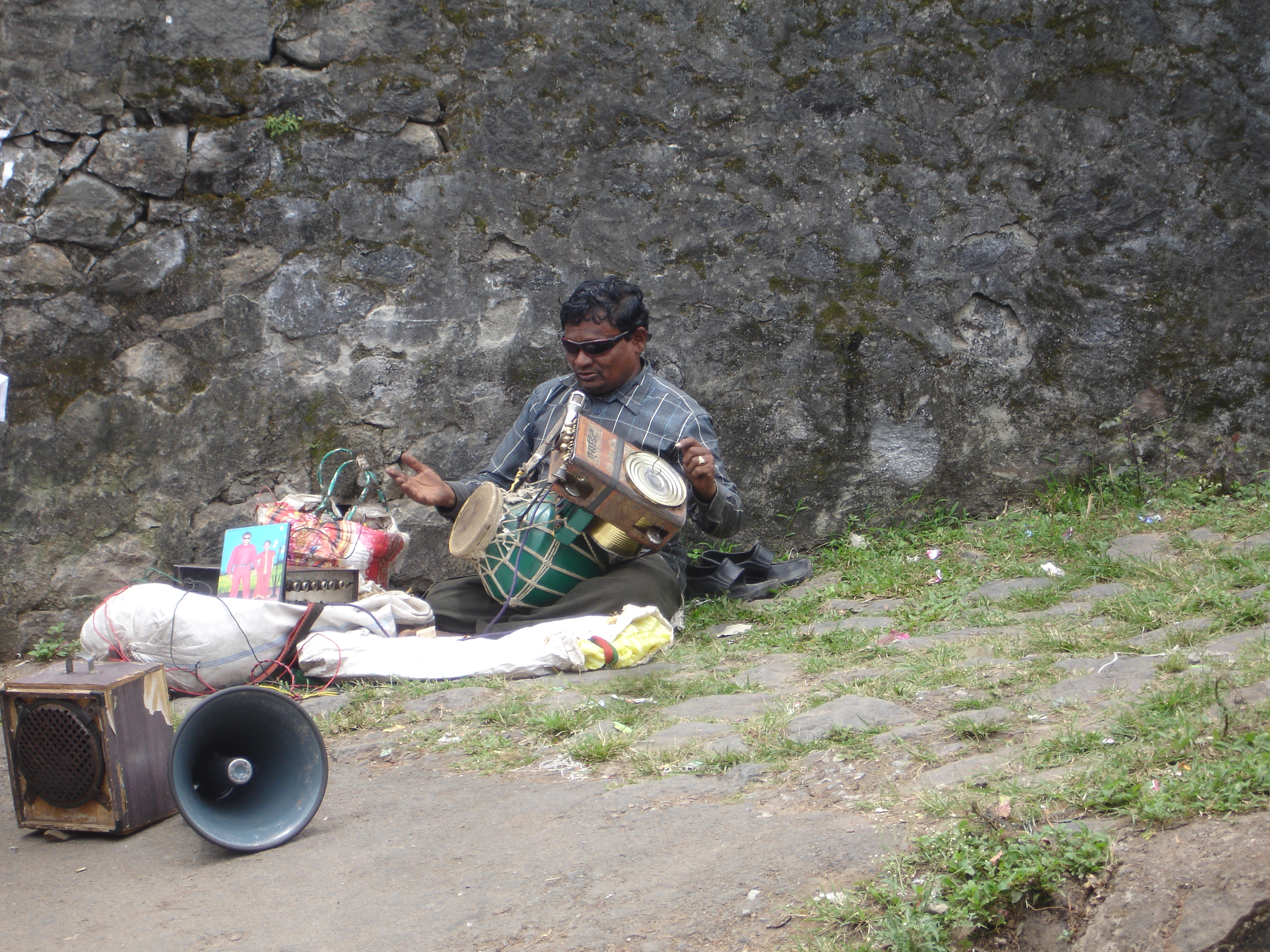
Musician Outside Temple with instrument constructed of cans and water bottles and rope
Musician Outside Temple with instrument constructed of cans and water bottles and rope

Inviting film to the table seems like a powerful, creative idea:
The Ministry of Environment and Forests, Government of India, and the National Biodiversity Authority are hosting an International Biodiversity Film Festival and Forum in Hyderabad as part of COP-11 in association with CMS Environment. Continue reading
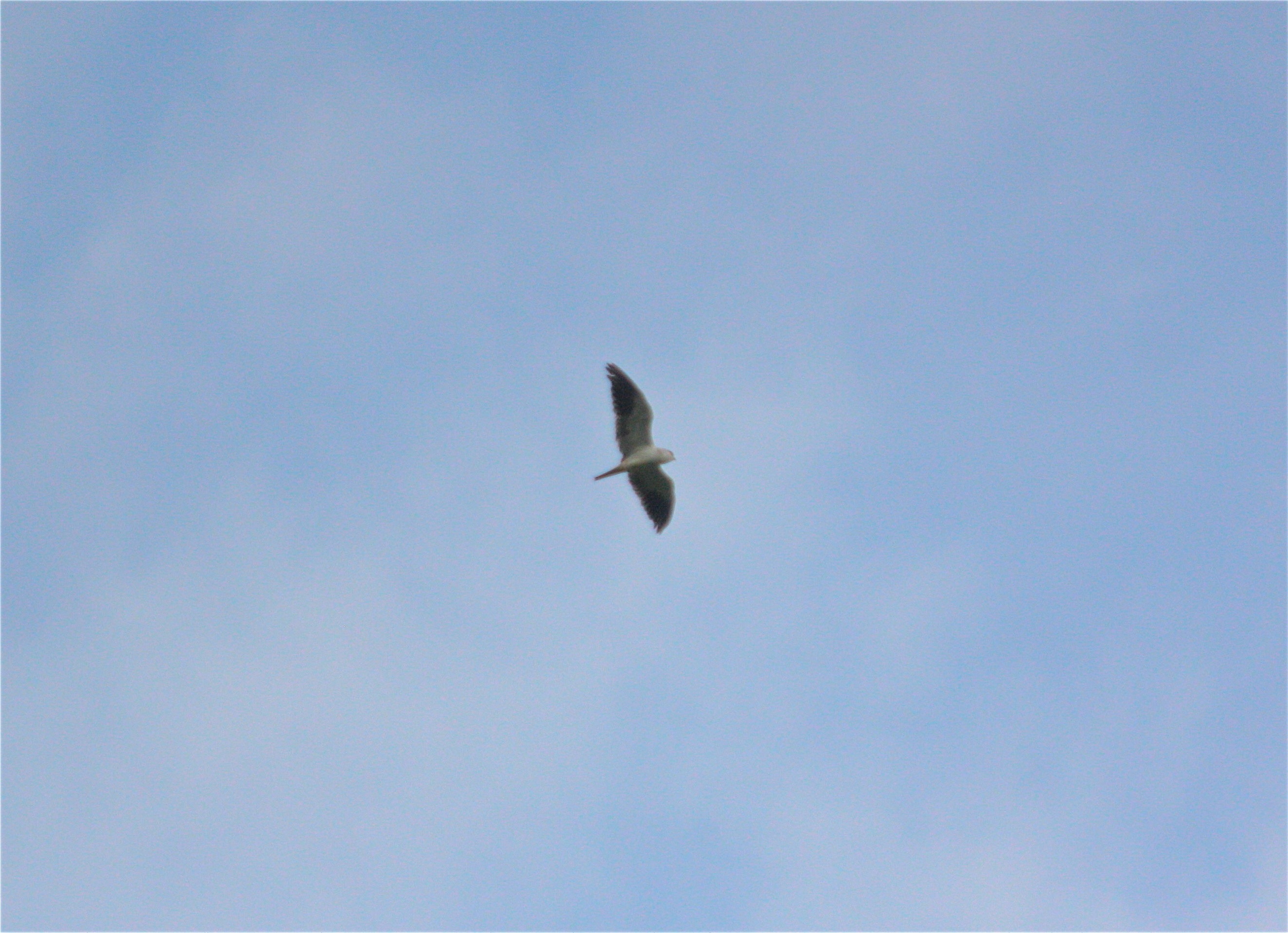
Periyar Tiger Reserve, Thekkady, Kerala
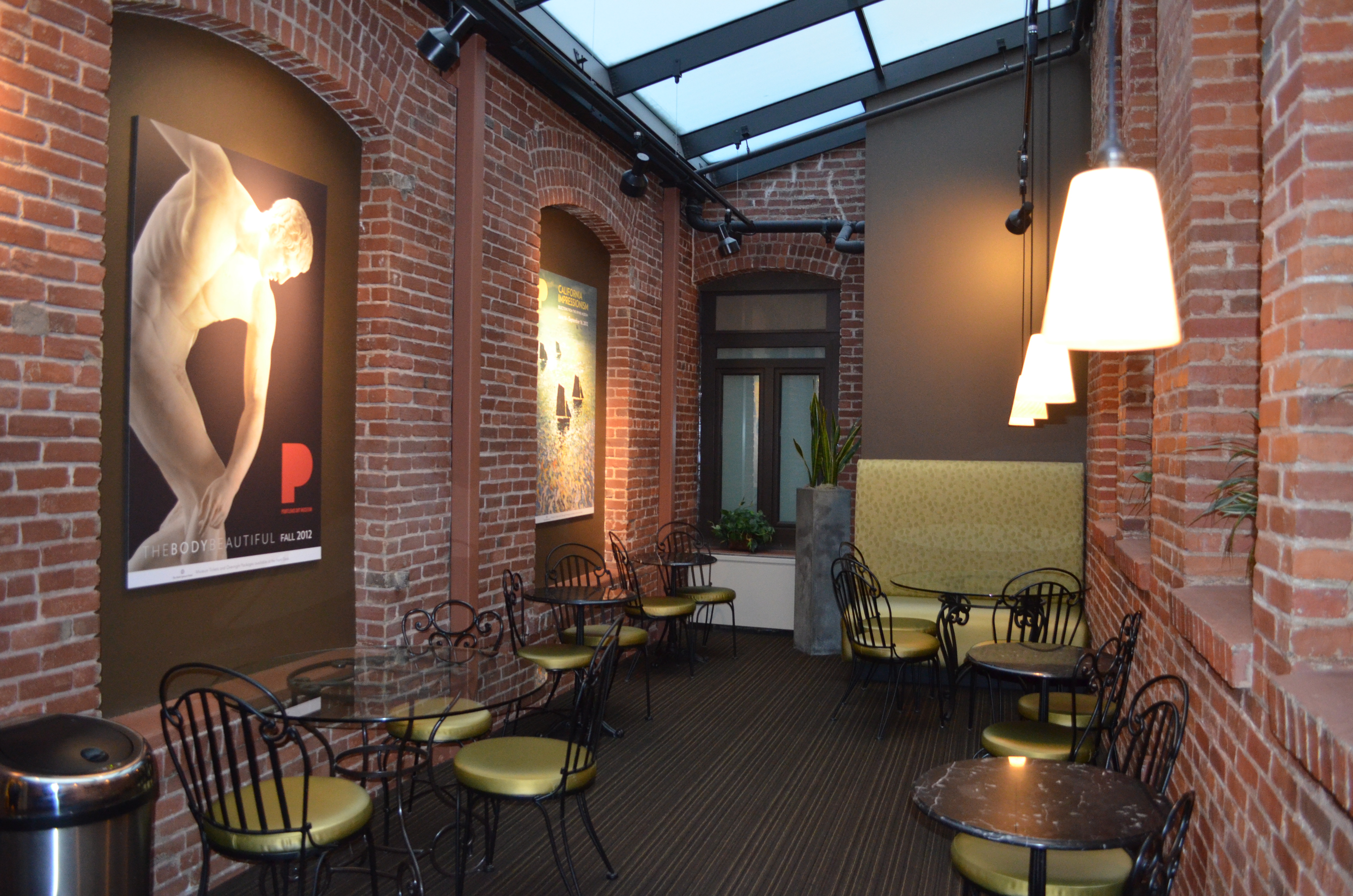
Meeting with the Sales Director at the Mark Spencer Hotel in Portland, Oregon was an eye opener, yet again, to Portland’s general commendability as a city. During our discussion he obliged my interest in the green aspects of the hotel, which are excellent, but he also conveyed a sense that “this is just how things are done here.” Portland’s strong culture of sustainable thinking and environmental awareness are reflected in the mores of the community and business climate. This was an interesting take-away from my visit with the Mark Spencer Hotel: since the hotel’s commitments to operating sustainably are practically the norm in such a progressive city as Portland, they didn’t seem so different. Furthermore, the city, with its wealth of expertise, familiarity and expectations with regards to ‘green living,’ lends itself to a highly integrated approach to sustainable business, proving to be quite comprehensive and genuine in the example of the Mark Spencer Hotel.
“Pick a nest.”
It was the first day of my architectural design studio class and we were told to pick a nest, any nest. I knew this was going to be a great semester: the first assignment was seemingly random, kooky, and just a little ‘out there.’ I was excited! As an architecture student, I love when things are approached in such a non-traditional way.
I know what you must be thinking: aren’t architects supposed to be designing buildings for people? Why are you looking at bird nests?!
I, too, was confused, but I didn’t question it because I had a really cool nest in mind. Because I spent the summer in India with bird-lover and birder extraordinaire, Ben Barkley, the Baya Weaver Bird, who builds its iconic hanging nests around the backwaters of Kerala, was an obvious choice.
Here are my “comprehensive drawings” of the Baya Weaver Bird that attempt to explain the complex relationships the bird maintains with its surroundings.
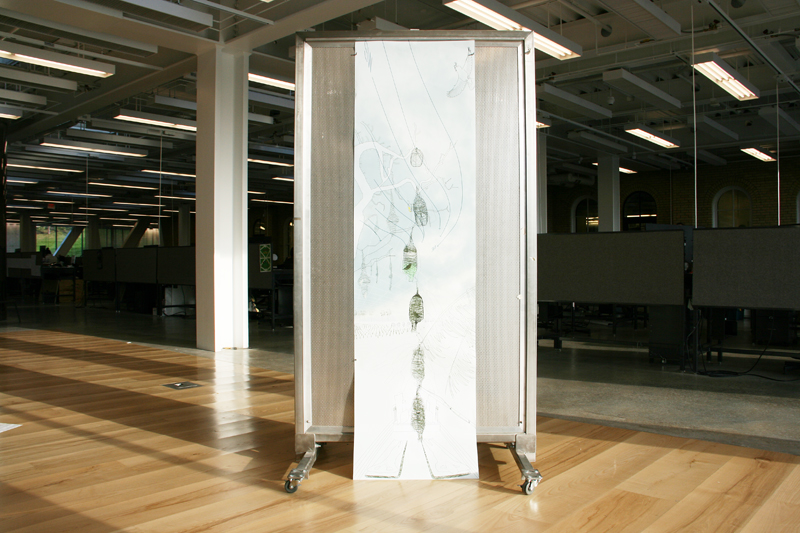
My 2nd draft of Baya Weaver nest comprehensive drawing (Photograph and drawing by Karen Chi-Chi Lin)

Kerala is an important fisheries centre with a 590 kilometre long coastline on India’s southwest corner. Additionally, multiple rivers and backwaters, and several lakes offer vast potential to the industry. Plywood boats with outboard motors, sailboats and canoes are dot the water, adding colour to the already scenic landscape.
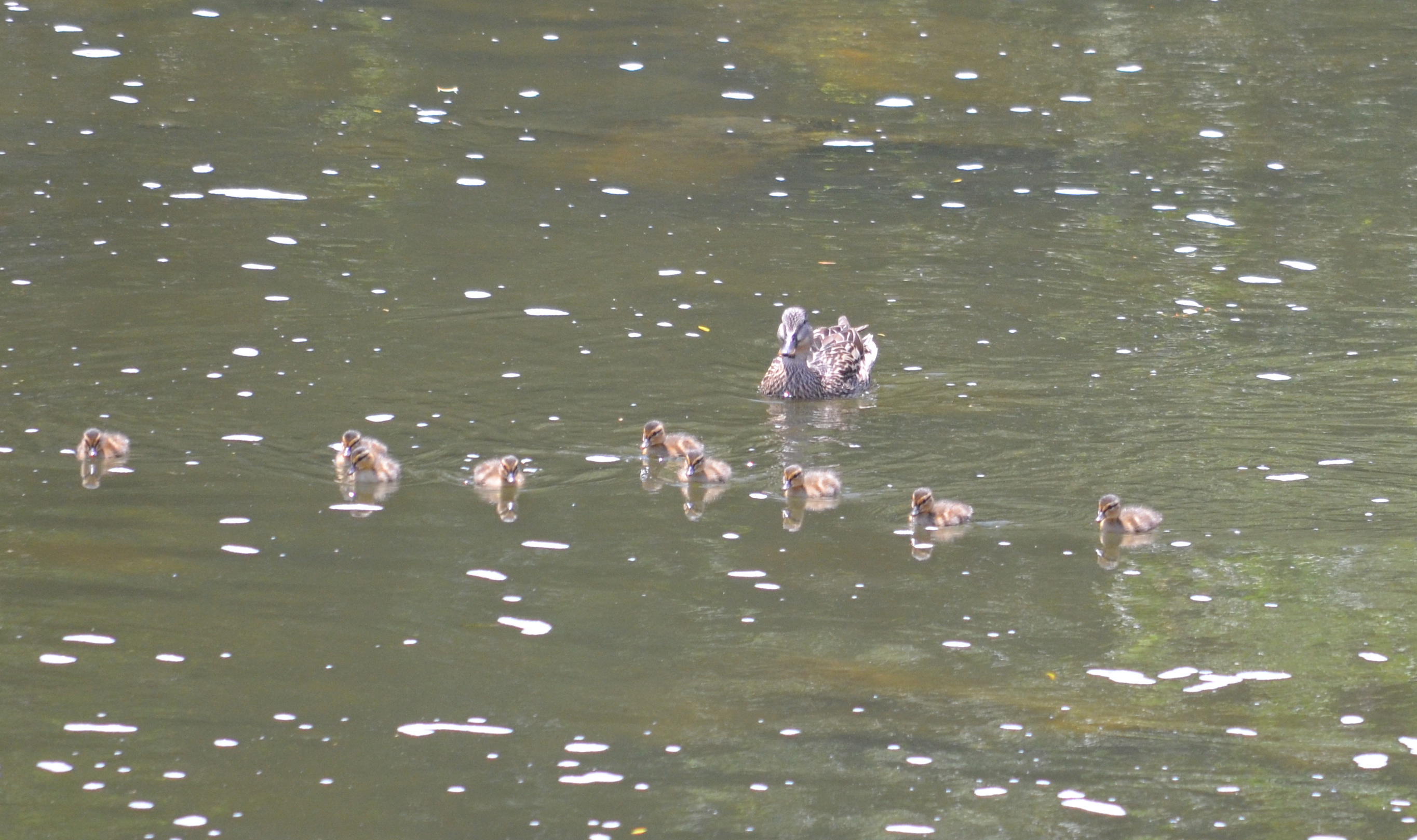
Eight years of collaboration between Cornell Lab of Ornithology scientist Edwin Scholes and National Geographic photographer Tim Laman have lead them on 18 expeditions to document and photograph all 39 species of the birds-of-paradise for the first time ever. Their work gives people a glimpse into the behavior and habitat of the world’s most “extravagant, beautiful, and bizarre species of birds”.
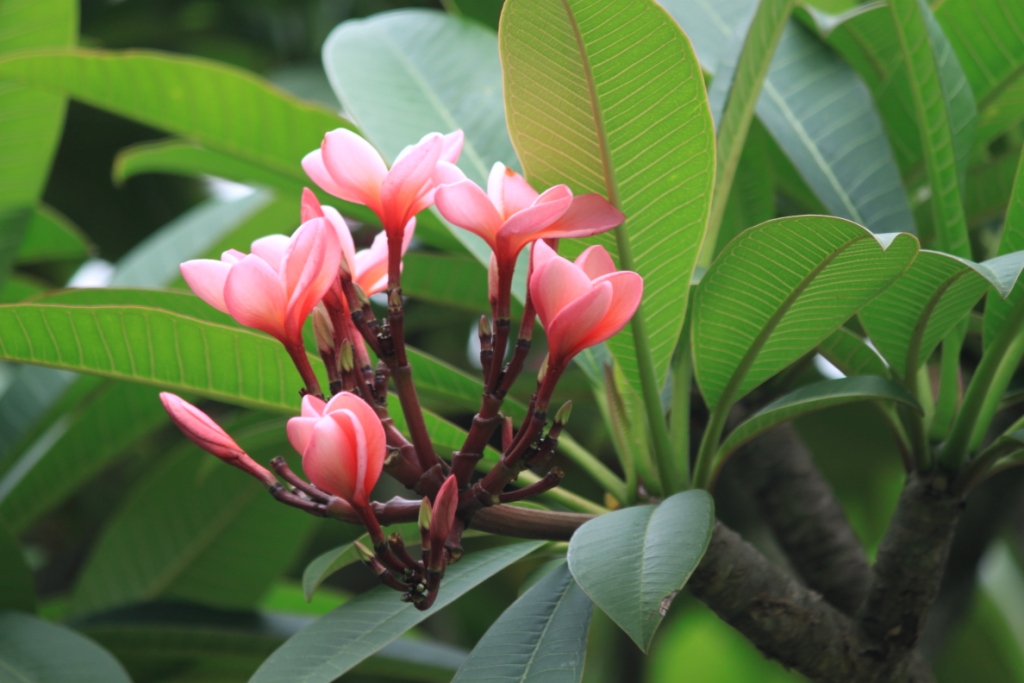
Plumeria, native to Mexico and Central America, is a large shrub or a medium-sized tree widely growing in tropical and sub-tropical climates around the world. In Kerala these plants are commonly found near temples, cemeteries, gardens and parks. Also called Frangipani, the sweet fragrance of plumeria flowers are reminded of a blend of jasmine, rose and honey suckle. Although without nectar, the flowers are used for making scents and perfumes.

Standing for millenia: Reenadinna, an ancient yew woodland in Ireland’s Killarney National Park. Photo by Universal images/Getty
Click the image above to go to the story in Aeon (read the second half for perspective on nature in the Western Ghats):
It is Reenadinna, one of the planet’s few remaining yew woods, a virtual monoculture of coniferous yew trees (Taxus baccata). They grow here on thin mossy soil, though in some places they drape directly over bare limestone bedrock. The light is green-soaked and dim beneath the crowded canopy: it looked no different this summer than it did 30 years before. Of course, three decades is a short time in the life of a yew wood, where an individual tree can live thousands of years. But it looked no different this summer than it would have done in September 1776, when Arthur Young, the great English writer on rural affairs, visited the region and exuberated on the wooded Muckross peninsula. And by the calculation of Fraser Mitchell, a botanist in Dublin’s Trinity College, it has looked that way for millennia. Continue reading
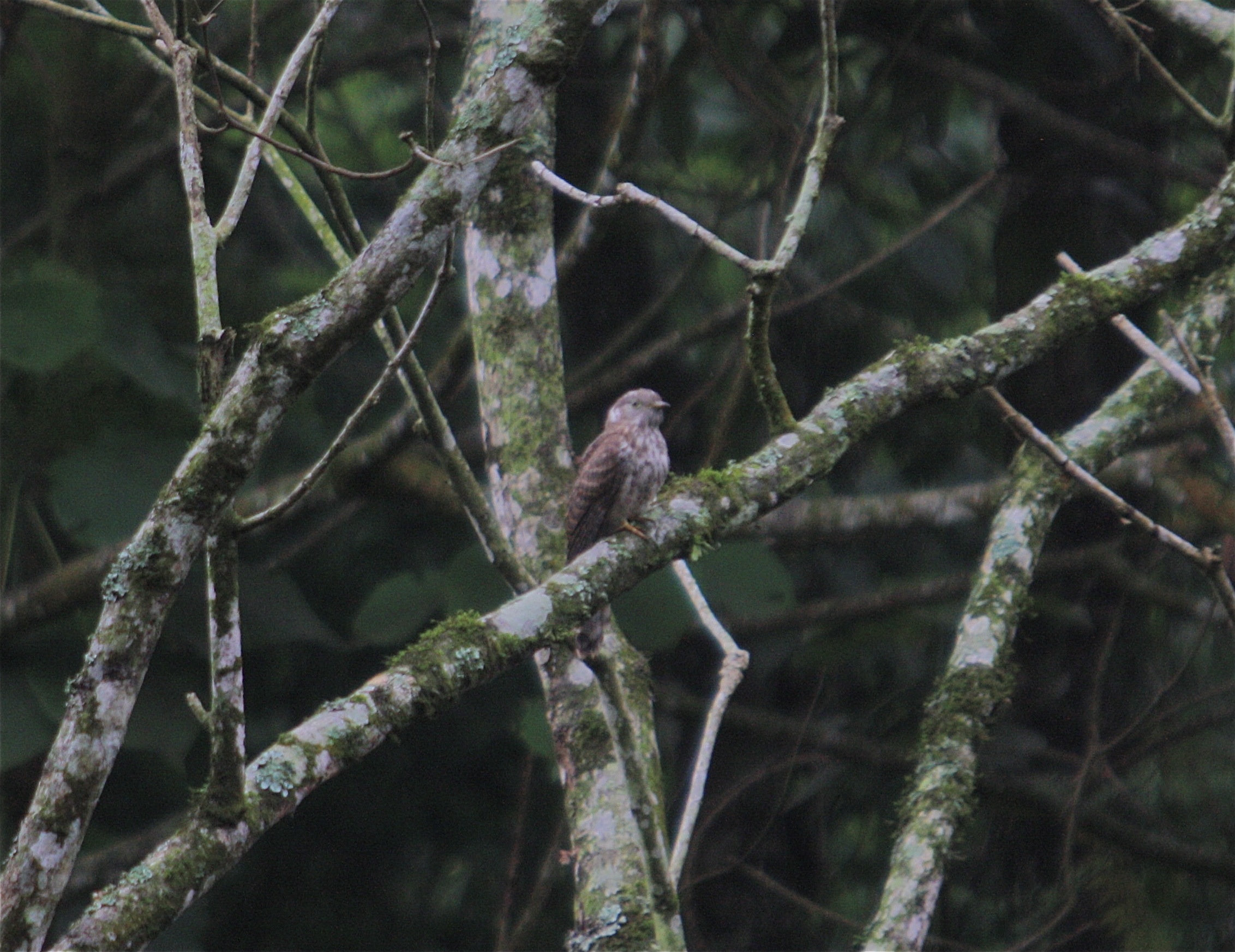
Periyar Tiger Reserve, Kerala

Ernakulam
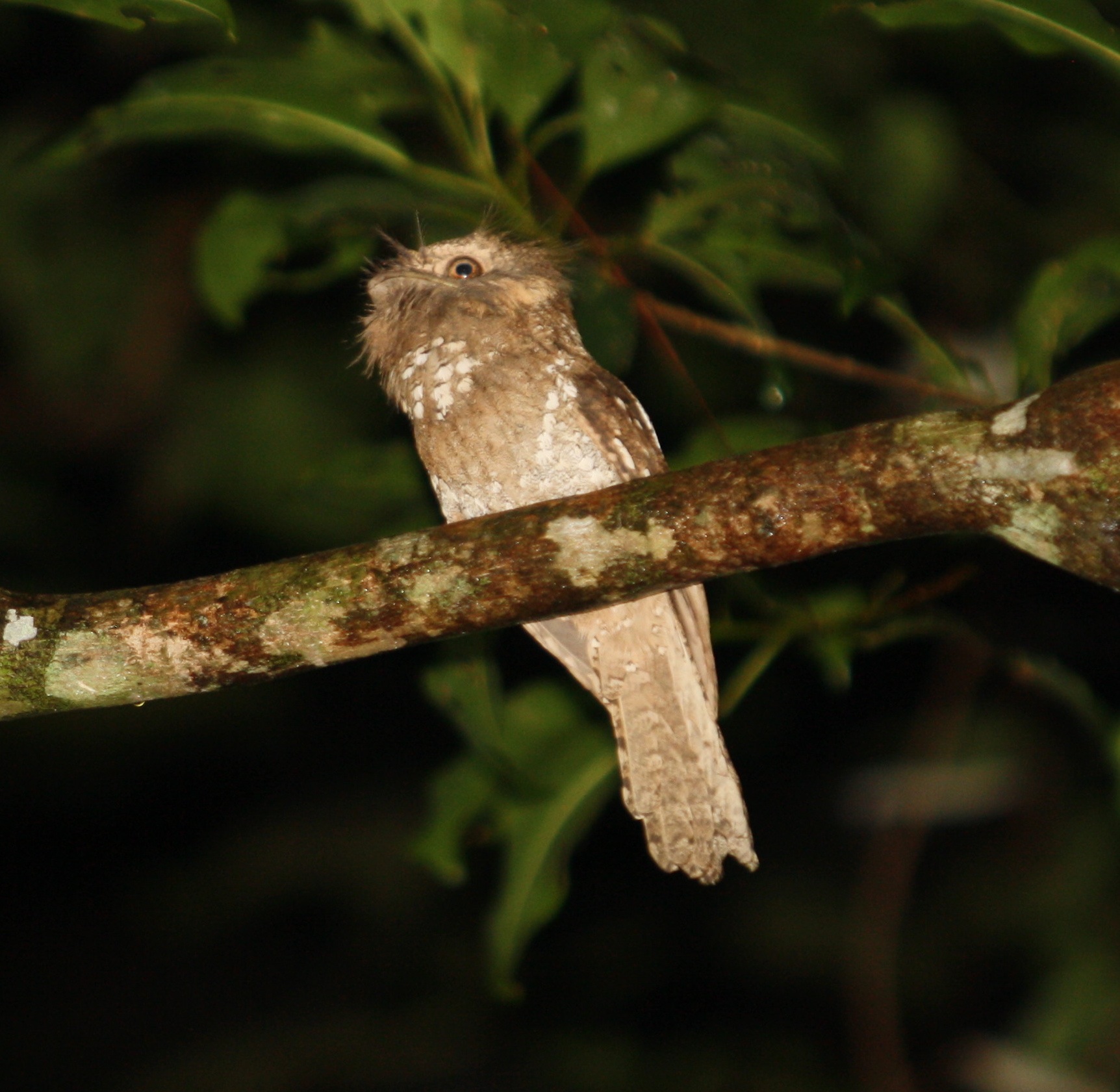
Sri Lanka Frogmouth
After I learned that I would be spending the summer in India, my first move was to buy a guidebook for the birds of the Indian subcontinent. Upon looking through this fantastic book, I noticed that there were quite a few birds that could only be found in Sri Lanka, and I knew right then and there that I had to find a way to see these birds. After talking extensively with my dad about travel arrangements, we decided that at the end of my time in India he would come join me for four days of birding in Sri Lanka with an experienced bird guide. So in early August, my dad met me in the Kerala backwaters, and soon we were off to Sri Lanka.
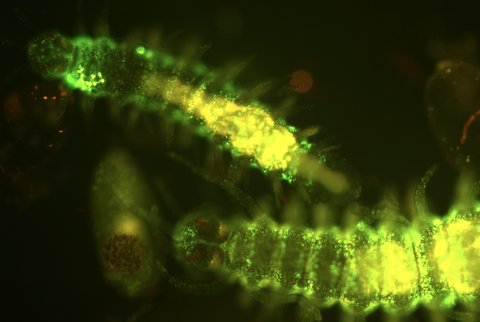
Dimitri Deheyn/Scripps Institution of Oceanography
Columbus may have seen fireworms like these glow green just before making landfall in the Americas.
From today’s Green Blog on the New York Times website a note in honor of Columbus Day (and doctoral student discoveries) click the image above to go to the story:
…At 10 p.m. on Oct. 11, 1492, Christopher Columbus saw a glimmer in the distance as he stood on the deck of the Santa María. The faraway flash was “so small a body that he could not affirm it to be land,” Columbus wrote, referring to himself in the third person. Continue reading
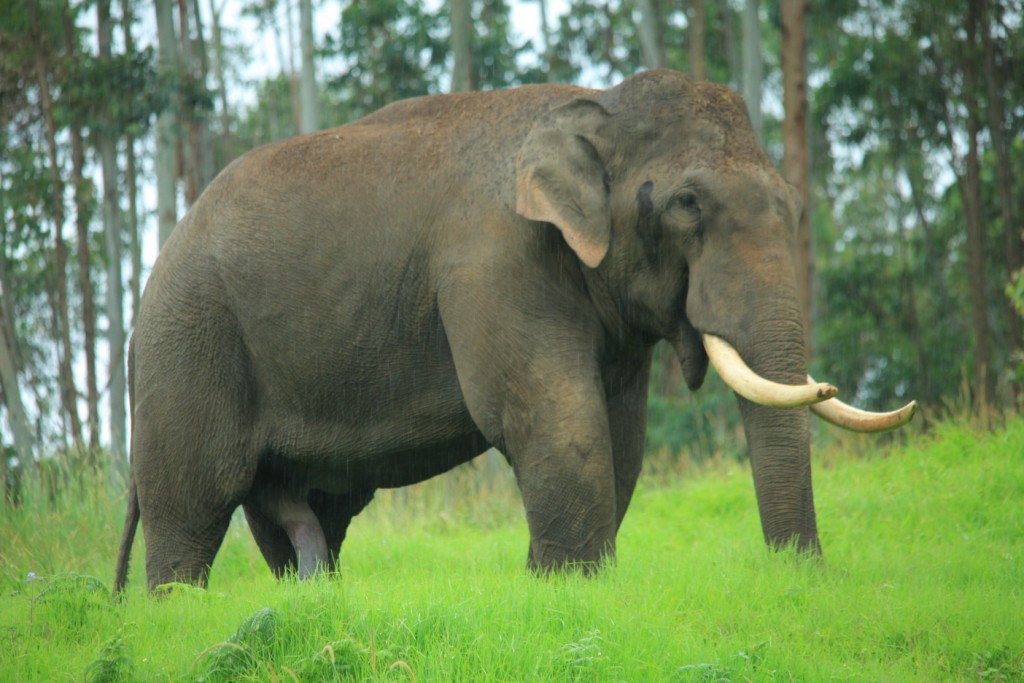
The rich and productive banks of the Periyar reservoir attract Elephants (Elephas maximus) that gather in large numbers to graze on fresh fodder and drink and bath in the waters of the famous lake. In summer, when most other pastures are dry, the lake shore is a constant life source. Elephants are one of the main attractions in Periyar; according to the latest Forest Department census there are about 1300 elephants.

Photo Credit: Ms. Nikitha Vinod Karri

Click the banner above to go to the source:
I am a design technologist living in San Francisco and I have an affinity for iconography. I strongly believe everyone benefits from free, open source creative output and have created a several free icon sets for that purpose.

Honeysuckle is a popular garden plant widely growing throughout the world. The rambling varieties are extremely popular, because they are very adaptable, twining happily around climbing supports, bushes or growing over the ground. Because of their intense fragrance, these flowers are popular in the vicinity of seating areas.
For more on the book, click here. To listen to a podcast of the interview with the author, click here:
Photographer Edward Curtis started off his career at the tail end of the 19th century, making portraits of Seattle’s wealthiest citizens. Continue reading

Photo credit: Stephen Crafts

