A Day Without Shoes

Over dinner one night, I revealed to a few of my fellow interns my fear of feet, specifically adult feet.  We established that I may have podophobia: an irrational fear of feet.  You may think that I should consider taking a quick course in dinner convo dos and don’ts, or consider seeking psychiatric help; however, I guess I feel I have bigger fish to fry than to try to acquit myself of this fear.  We discussed other phobias and how many people overcome theirs by simply “facing” them.  I certainly am not at a place in my life to face my peculiar fear, but I am happy to say that a trip the following day to Meenashki Amman Temple helped me take one step (well, many steps really) towards defeating podophobia.

This beautiful Hindu temple is located in Madurai, Tamil Nadu, India, and devoted to Meenashki, an avatar of Parvati, one of the few female Hindu deities to have a major temple named for her.  Before entering the temple, visitors must remove both socks and shoes to be held outside.  Thousands of devotees and tourists visit this temple daily, and from the lines of barefoot men, women, and children, I and my fellow interns seemed to be visiting on a busy day.  I must admit: at first, I was not keen on sauntering around where so many people have trod, and for some time I tip-toed around to minimize my foot-to-ground contact.  Though, with each step against the granite flooring, my focus shifted to the detailed sculptures and the passionate faces of those around me. Continue reading

Lord Ganesh – Lord of Beginings

Lord Ganesh is the son of Lord Shiva and Goddess Parvati. (The birth order of their children differs based on region: In northern India, Murugan is often said to be the elder, while in the south, Ganesha is considered the first born.)

Ganesh was the beloved son of his mother Goddess Parvati and according to the legends he was made from the dust rubbed from her body mixed with sacred oils during a time when Lord Shiva was away in meditation. Especially Parvati made him for her protection, as a security guard. She created her son in completely human form. The legend behind his elephant head is as follows: Goddess Parvati was taking her bath and Lord Ganesh was asked to not allow anyone to pass until she finished. Lord Shiva returned from his meditation and summoned Parvati to him. Not knowing his father, Ganesh refused him. After several attempts Lord Shiva got infuriated and  cut off Ganesh’s head. When Goddess Parvati found her son dead, she ordered Shiva to restore him. Lord Shiva said he could grant the wish, but that the boy’s head had been destroyed and the only option was to use the head of another on his body. Lord Shiva sent his messengers through the camp to bring him the head of any creature that slept facing north. They found only a sleeping elephant and they returned with its head. Shiva attached it to the body of the boy and restored him to life and Lord Ganesh is recognize by his elephant’s face today. Continue reading

So What’s the Deal with Foie Gras?

Crist’s recent post brought up an interesting and current issue: foie gras. If you’re unfamiliar with what foie gras is, it’s essentially fattened duck or goose liver. It is a French delicacy and widely appreciated for its rich flavor and buttery mouth-feel. But foie gras production has come under fire recently: California has banned the sale of foie gras (effective July 12, 2012), and it is illegal in Israel, Argentina, and several European countries. So what’s the deal with foie gras?

Foie gras: tasty dish or cruel exploitation? You decide.

Continue reading

Guardian Contributors

This slideshow requires JavaScript.

I have mentioned at least once why we like the publication, not least for our sharing some etymological roots with it, name-wise. Its journalism is among the best for helping us keep things in perspective. Sometimes we find entomological common ground as well. Milo, our in-house odonatographer, might have easily found a place for his work in the reader-contributed collection above, but we are just as happy to be the outlet of record for his work.

A Walk Through Beautiful Periyar

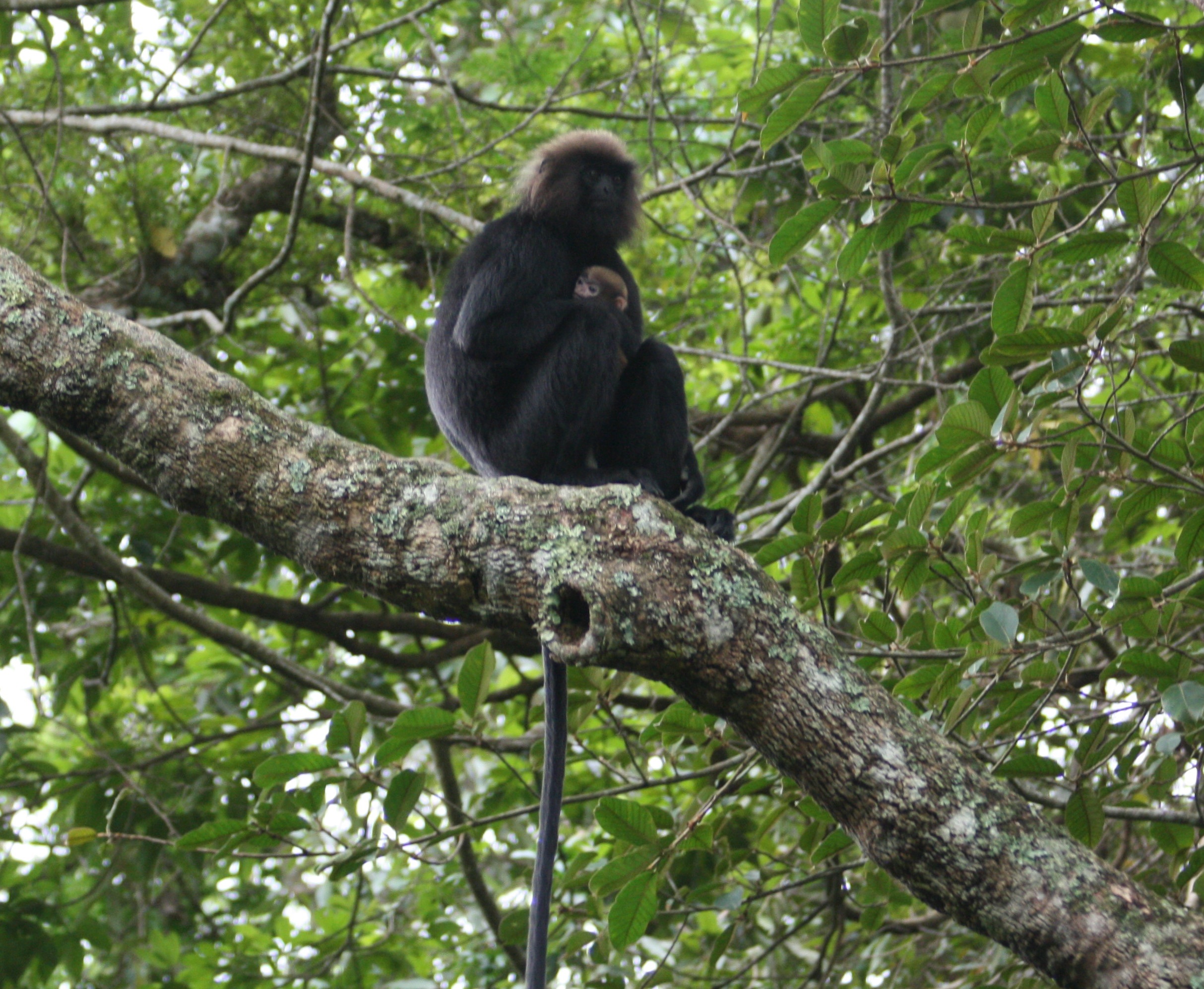
Mama and baby Nilgiri Langur

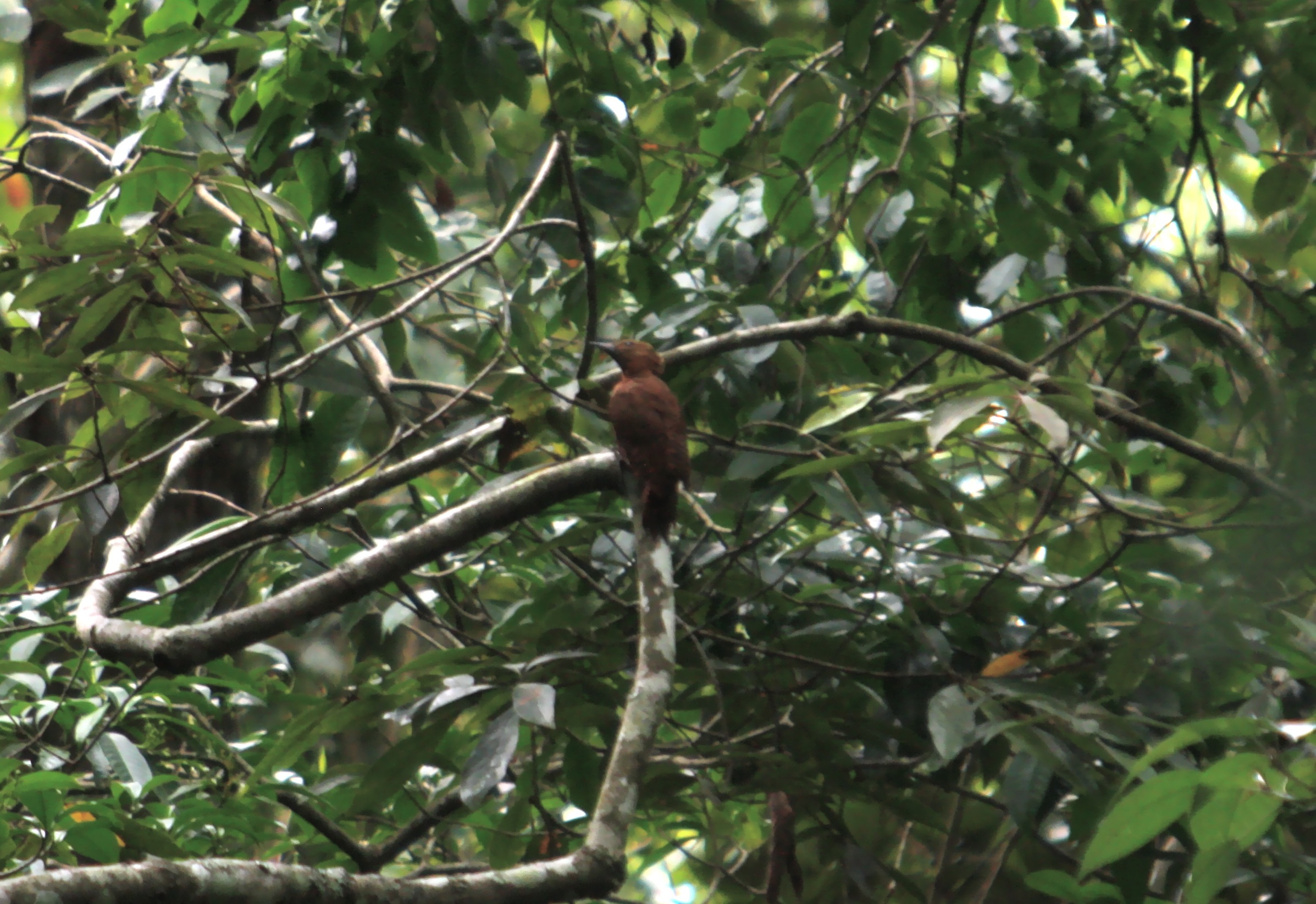
Another one of Cardamom County’s fantastic excursions into the Periyar Tiger Reserve is the Nature Hike.  If you are looking for an easier hike that lasts only a few hours but still provides an opportunity to see amazing animals, especially birds, then this hike is perfect.  The excursion lasts about three hours and is offered at various times between 7:00 and 10:30 AM and between 2:00 and 3:00 PM.   On this walk, you will hear the soundtrack of the inner jungle, as the guide leads you through the forest filled with the calls of Nilgiri Langurs and Bonnet Macaques as well the songs of a large variety of birds.

We arrived at the boat launch at 7:00 AM and were met by our guide, Kuttappan, who was exceptional.  He was extremely knowledgeable about the animals, and he knew the bird songs and calls very well.  He was also very communicative, always pointing out the call of the Malabar Whistling Thrush and the Great Hornbill.  I was very impressed. Continue reading

Learning a New Language: Malayalam

Many Cornell “hotelies” are multilingual; not only bilingual but often speaking three or four languages. Their coursework is in English, they may speak Spanish or French from high school education, and Chinese helps as the number of Chinese travelers increase every year. For example, my good friend from the Cornell Hotel School speaks Spanish because she is from Venezuela, speaks Chinese because her family is a Chinese-origin, speaks English just like all my classmates, and maybe she speaks some other languages that I don’t even know about. Similarly, I speak English, Korean, and some Spanish and Mandarin. So, as an hotelier, I called myself a multilingual and thought I could easily communicate with people anywhere I go. Until I arrived in Kerala.

Learning Malayalam is the first time in my life trying to learn a language that has a totally different alphabets and pronunciation.  So the experience is totally different from learning English, Spanish, or French. One of my colleagues here learned Hindi before she arrived in Kerala for her studies but Malayalam is so different from Hindi that it doesn’t help her communicate. The one thing that saved all of us (Interns from US) is that English is an official second language in Kerala so all of the resort staffs here speak English pretty well. However, most of them speak Malayalam to each other during work and speak English only with foreigners, so I thought that learning Malayalam would be a good idea to get to know the culture and people better.

My first step in learning Malayalam started with memorizing some simple words and phrases so that I can initiate conversation with everyone.  So our journey of learning Malayalam started by asking around for some Malayalam lessons.

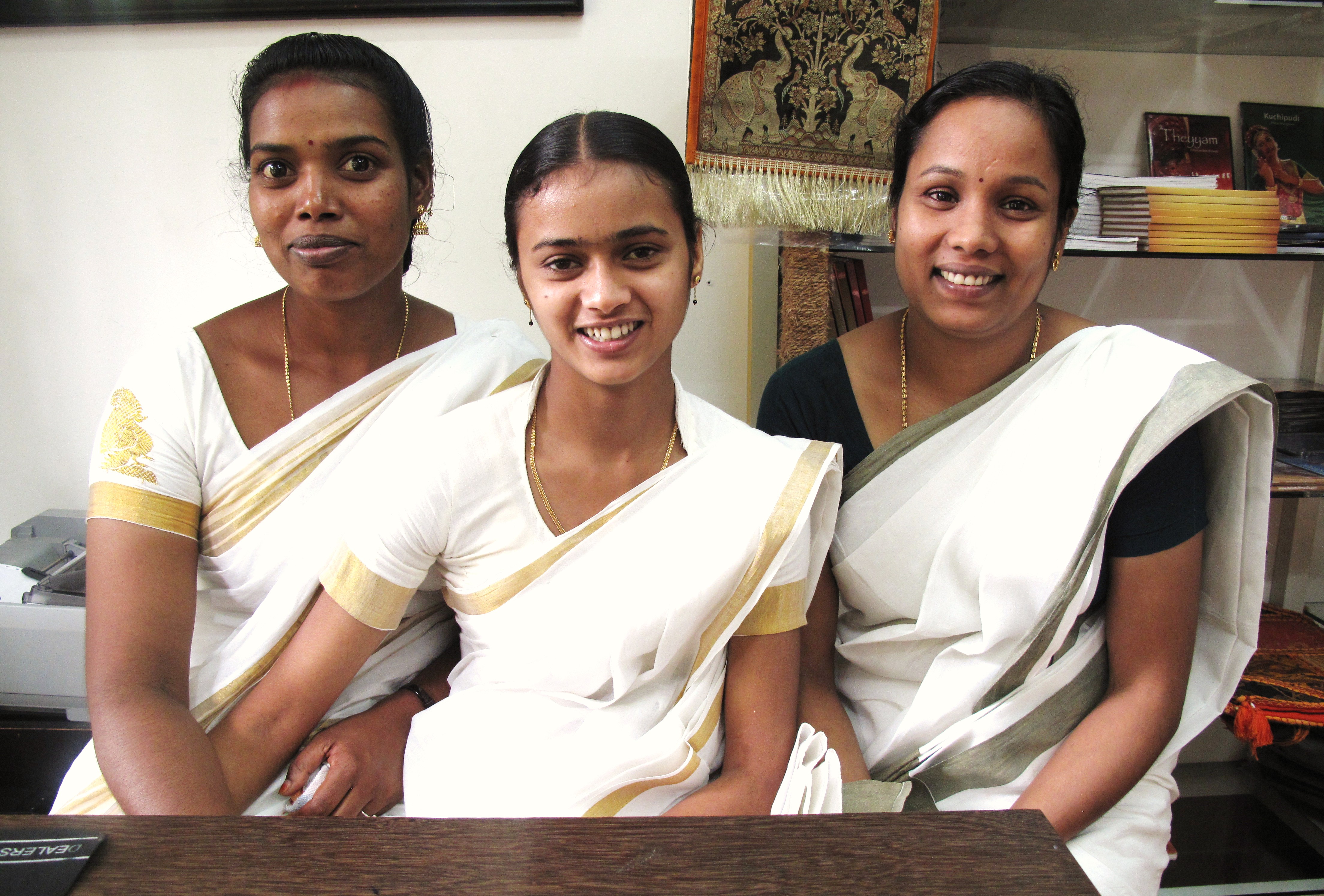
Ayuraveda Therapists & Receptionist

Continue reading

Post-Poned

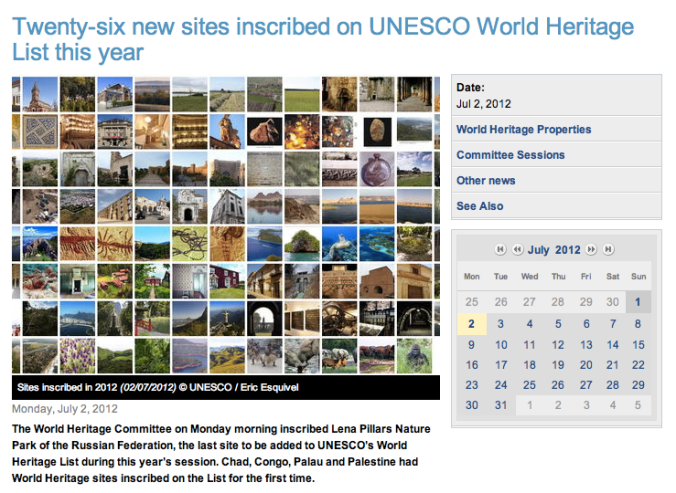
Funny: I was just about to follow up on yesterday’s news about UNESCO’s declaration, with some further explanation for those less familiar with the various definitions/forms of patrimony and heritage considered worthy of protecting.  Then Tim’s post popped up when I refreshed this page.  Then my other tab opened, eerily on its own, to The New Yorker‘s website.  Although it is a site of frequent visitation for my browser, the eery thing was that it chose to open on its own, at that particular moment, and in the most visible spot on the page was this particular blog post:

Rounding out the weekend reading was a piece in Le Monde about the California ban on foie gras—another death notice of sorts. As Dana Goodyear has written, the Californians see the ban as a life-extending measure for ducks and, potentially, for humans who relish their fatty livers, whereas the French fear the demise of their patrimony before its time. “The French producers are furious,” Le Monde wrote, quoting a diplomatic source who reasoned, somewhat shakily, “It’s a subject that can seem anecdotal, but it’s necessary to take it seriously … Foie gras is an important part of our gastronomic heritage, recognized by Unesco.”

I no longer need to write the post I had intended, so I will just link to a post that partially explains my love of heritage, culinary patrimony in particular.  Truth be told, Tim’s compelling post notwithstanding, the above in extra-particular is among my culinary favorites.

The Case Against Red Meat

Are you trying to eat healthier? Then stop eating red meat.

That’s the message that we’ve see in the past few years: dozens of news articles and medical journals tell us the dangers of red meat–beef in particular. The recent scare over pink slime has further increased distaste and caution around ground beef, and the suspicion is beginning to spread to other types of meat as well. Amidst all of the hype about meat in our diets, sustainability- and health-conscious consumers might wonder why scientists are focusing on red meat. Why not chicken, pork, or fish? The answer is two-sided: one relates to health concerns, and the other relates to environmental impacts of cattle-raising. Let’s briefly look at both.

Want to dig in? Not so fast, suggests the results from a study of the Harvard School of Public Health. Eating just a few ounces of red meat every day can increase your risk of colon cancer and heart disease.

Continue reading

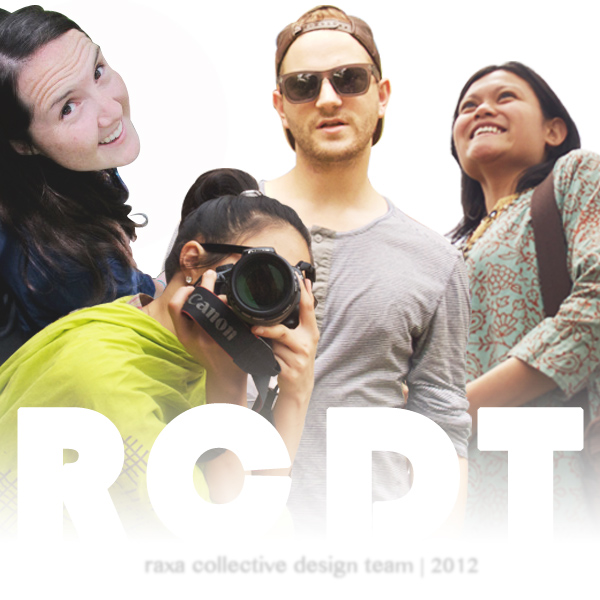
We are the RCDT

We are a group of adventure seekers, lovers of unusual things, and creators of the useful and the beautiful. In short, we are a collection of design and engineering students collaborating this summer to create renovation and design proposals for several projects under the management of Raxa Collective. And together, we make up the first ever RCDT – Raxa Collective Design Team. 

(from left to right)
Siobhan Powers
recently graduated from Cornell University with a degree in environmental engineering and will return for a 1 year master program.

Karen “Chi Chi” Lin is a 5th year architecture student at Cornell University.

Jonathon Dominic Spada is a 2nd year graduate student in interior architecture at the Rhode Island School of Design with a hotel management and facilities design degree from Cornell University.

Rania Mirabueno is a 2nd year graduate student in landscape architecture at Cornell University with an undergraduate dual degree in architecture and music from University of Colorado at Boulder.

The blend of disciplines, skills, talents and personalities bring forth innovative design solutions to several projects under review. The design team is turning out proposals for a renovation and expansion in Fort Cochin, a green field site in Marari Beach, a renovation in Alleppey, and a renovation in Thekkady. Facing sleepless nights, over-consumption of coffee, and the elements in our outdoor studio, these super heroes will stop at nothing to bring good design and environmental friendliness to southern India!

Am I A WWOOFER?

WWOOF, the network of World Wide Opportunities on Organic Farms, helps link volunteers with organic farmers globally. Although their website is quite navigable and clear for those who want to learn more, I’ll briefly describe some aspects here.

The number of little organic family farms around the world is immense, and the amount of them located in beautiful natural areas is, as one might imagine, also quite staggering. Just think of the expansiveness of the French countryside, or the warm welcomes of Latin American campesinos, and project such elements (and dozens of other great characteristics) on hundreds of thousands of farms around the world that could use a helping hand. WWOOF helps put people interested in growing organic crops and farmers who like to teach or need some additional assistance together; especially those of both groups who want to experience international travel, practice another language in an immersive setting, or learn from other cultures directly. Volunteers bring their skills and labor to a farm, and the host family provides housing and food in return.

Continue reading

“I found love when I was 6”: A Story of Tattoos and Love

There are many things I could have named this blog post, but I decided it should sound scandalous, it should sound crazy, it should sound epic. I mean, what is more scandalous, more crazy, and more epic than falling in love when you’re is only 6 years old?

Getting a tattoo? No.

Getting a tatttoo at 6? No.

Getting a tattoo of your true love at 6? Now that, my friends, is crazy.

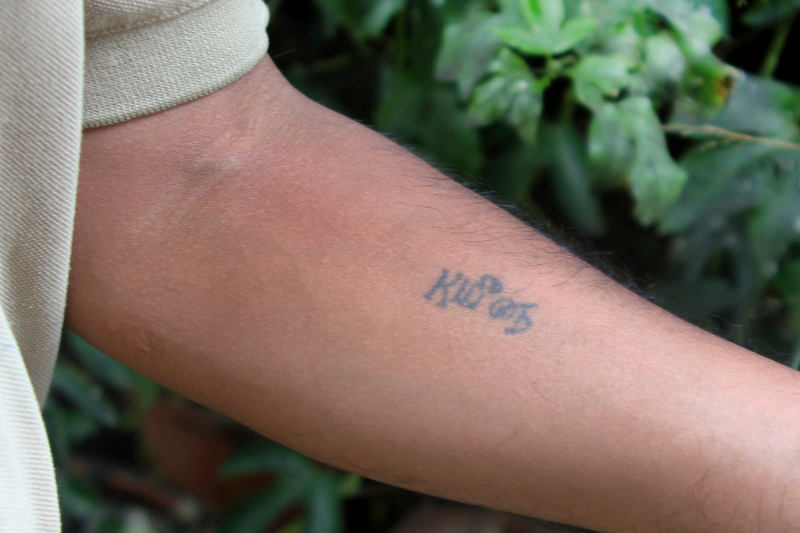
Kamal's Tattoo of his wife's name, Meena

Kamal’s Tattoo of his wife’s name, Meena

Continue reading

Infusion Of Meaning

Today it was announced to the world that the Western Ghats have been designated as a World Heritage Site.  How does that happen?  How does a place, a practice, or a thing, get inscribed?  What infuses meaning in a place?  We spend a lot of time thinking about that, especially with regard to lodging properties that are devoted to the conservation of patrimony.  And especially in the Western Ghats, where Cardamom County is our learning laboratory for entrepreneurial conservation. Continue reading

Cosmos Flowers

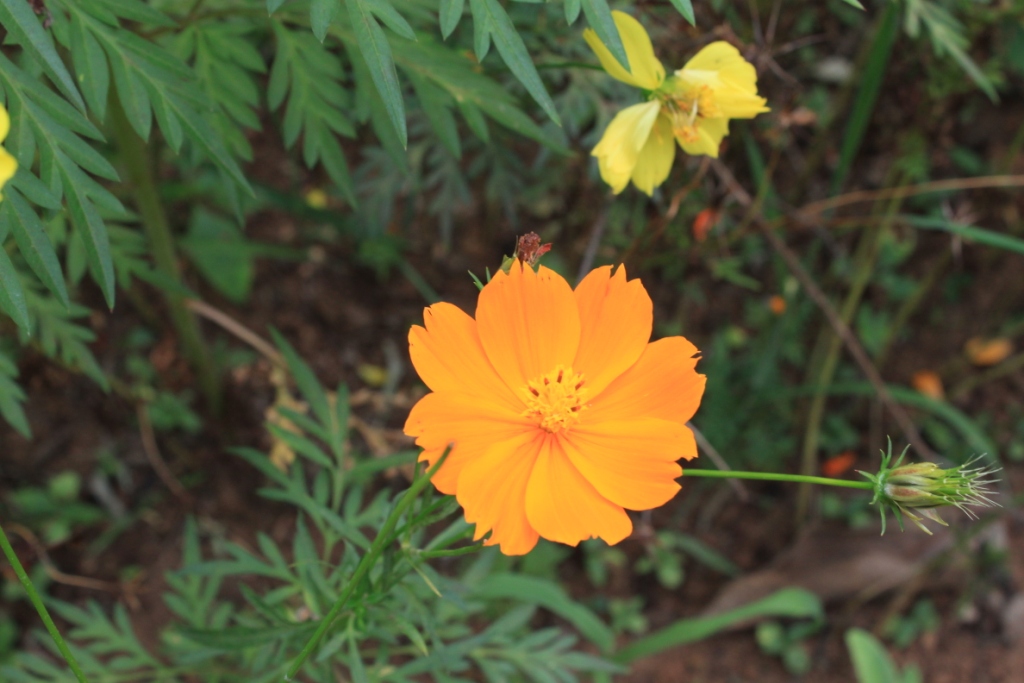
Cosmos are naturalized all over the Western Ghats of India. These flowers are a feast for pollinators such as butterflies and bees. Their frequent use as an ornamental in the gardens of Kerala indicate their popularity among people as well!

Continue reading

Evolution’s Malcontents

Click the image to the right for an accessible discussion of one strain of debate within the field of evolutionary biology:

The best way to distinguish between Professor Dawkins’ waking and sleeping states is probably on the basis of how contentious he is at a given time. Nevertheless, I’m compelled to say something for two reasons. First, this particular fight happens to be taking place right in my proverbial (and professional) wheelhouse; second, I’ve just finished my annual re-reading of Michael Crichton’s Jurassic Park duology.

Man-Machine Collaboration

Click the banner above to go to the source, one of National Public Radio’s many excellent podcasts (this one being among our favorite, as you may have noticed here, as well as here and here, not to mention here):

Here’s a robot from Ishikawa Oku’s physics lab at the University of Tokyo that plays rock, paper, scissor and always beats the human, every single time. Because the team that built it gave it a superpower.

Lord Shiva – Major Hindu Deity

Lord Shiva is one of the three powerful Gods of Hinduism, with Lord Vishnu and Lord Brahma. According to the epics of Hindu tradition he has the power to transform and destroy the creatures in the world.

In ancient times he took many avatars to destroy demons and it is believed that those who worship him regularly will receive his blessings in the form of  “boons”, or wishes granted. He is often represented with the  River Ganga on his head and a snake round his neck, illustrating his powers against poison.  He has an eye in the middle of his forehead which he opens when angered, ejecting a rain of fire. In Malayalam this eye is called  Netrikkan. He is also the father of Lord Ayyapan, the famous deity of Sabarimala temple.