Guest Author: Siobhan Powers
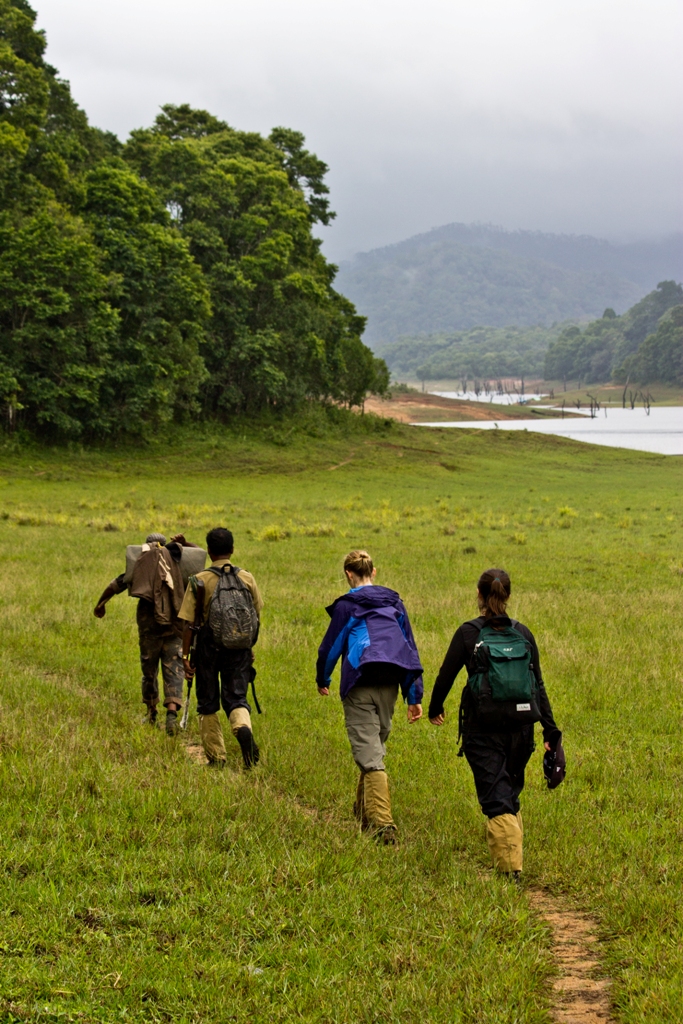
Photo Courtesy of Milo Inman
Before my journey to India, I’d never camped. Sure, I had slept in a tent in my friend’s backyard and gone to Girl Scout camp with my Scooby Doo sleeping bag, but I was feet from indoor plumbing and a roof every time. Where’s the fun in that? When I was belatedly asked to join a few interns on the Tiger Trail overnight trip into the Periyar Tiger Reserve, I was skeptical. My summer nights are usually spent running seafood to a hungry customer or chasing a high-maintenance boy across the beaches of the Jersey shore-therefore my presence in the jungles of Asia is quite ectopic, but I am an adventurous person (sometimes to my detriment). I took the opportunity for what it was- a once-in-a-lifetime chance to snuggle up to some tigers. Continue reading











 Organikos