
Basking Ridge, NJ
Basking Ridge, NJ
Man is a complicated creature. We learn this in our liberal arts education programs. We learn it in our days of being ourselves and of imaging what it’s like to be someone else. He has seasons like his mother Earth. Some are restful, others treacherous, and some are fruitful as the spring.
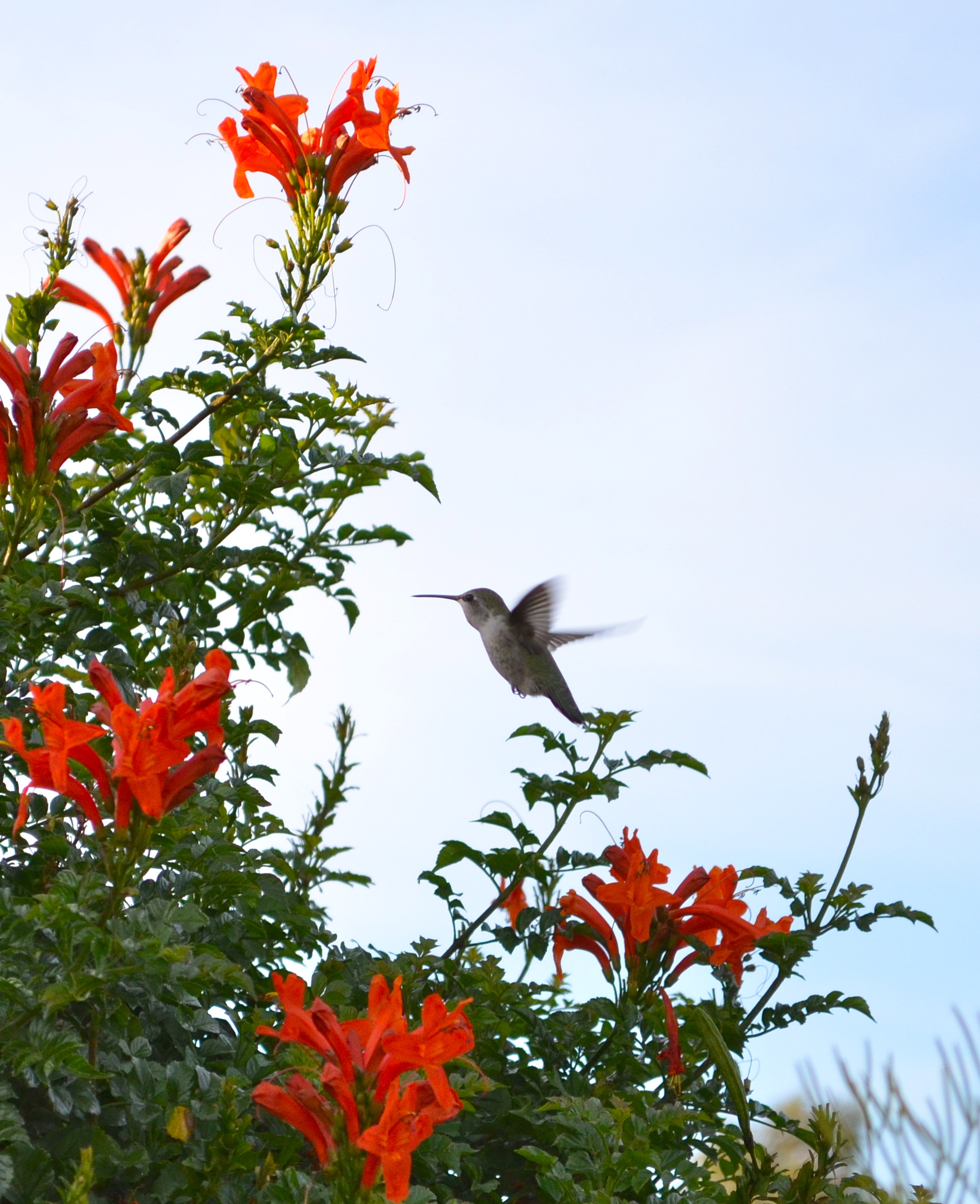
Cape Honeysuckle provides nectar for the hummingbirds
We have yet to “re-understand” how sensitive we are to the winds of change, how linked we are to the ground we stand upon.
Do you ever have a project you keep putting off? And putting off, because the project just feels too all-consuming with no easily defined beginning or end? Welcome to my world of trying to write this brief recollection of my extraordinary experiences in India during the fall of 2011.
This is one of 3 reflections regarding my time in India and my pleasure meeting Amie Inman and visiting two of the Raxa Collective resorts. This first entry focuses on visiting the markets of Cochin and Ernakulum.
Last October my husband Dave and I visited Amie Inman, with Raxa Collective, in Fort Cochin and Ernakulam, in Kerala. At the time, I was the Adult Lifelong Learning Coordinator for the University of Virginia’s Semester at Sea around-the-world voyage. Dave and I had 6 days in Southern India and we didn’t waste a minute. Dave was returning to a region he loves while I was just being introduced, not knowing what to expect. Continue reading

Palos Verdes, CA
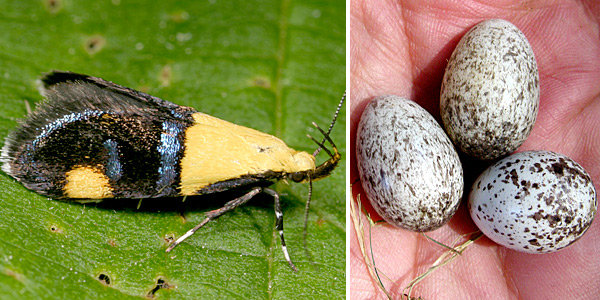
What is it with publications in New York? They catch our attention most weeks, if not most days, with something that helps us understand our natural and/or cultural world a bit more thoroughly. Or interestingly. Click the image above for an example from today’s New York Times. If the wonders of southern India’s traditions were not enough to get your day going, then the plebeian wonders outside your own window might:
I’ve logged thousands of miles to catch a glimpse of one exotic creature or another, to Costa Rica to be dazzled by the bird known as the resplendent quetzal, to Hawaii to admire sea turtles, to Venezuela to spy man-eating anacondas. So it seemed more than a little odd that the one time I made a sighting worthy of a scientific publication, I was looking out of my living room window.
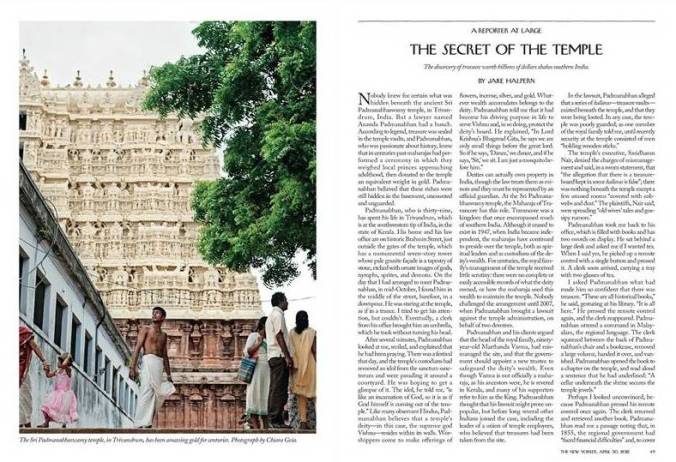
Back at about the time when Michael and Seth had posted their first reflections on this site, and Michael had just encountered his own first truly unusual finding in southern India, the newspapers across India were starting to report on this. It took me months to be sure it was a true story. And finally, about Thanksgiving time (USA holiday calendar) I took a moment to reflect on it. I could not be happier to find that The New Yorker has done the kind of homework I had not had time to do. If you are not yet a subscriber, now might be a good time to reconsider. Continue reading
Greetings from Montreal! I’m posting from Montreal and the Green Meeting Industry Council’s 2012 Sustainable Meetings Conference. I was fortunate to receive the Nancy Zavada Scholarship that enables me to attend this wonderful conference, and I’ve been thrilled to participate in the Future Leaders Forum, which informs current students of the challenges and opportunities of the meetings/events sector. I’m pleased to briefly share some of the things the conference has covered so far.

Strangely enough, the Hilton hotel at which our conference is held does not seem to be very sustainable. A lack of low-flow water fixtures, occupancy sensors, high-efficiency HVAC, and aggressive guest engagement is evident.
Today, baby red-tailed hawks hatched out of their eggs. According to my friend who works at the Cornell Lab of Ornithology, the mom hawk “Big Red” was covered in snow and couldn’t move around because she had to protect her baby from the cold weather (it snows in Ithaca in late April).

Here is a link to the Livestream video of the hawk nest. Enjoy!

Khas Khas is an aromatic, perennial grass growing in wild planes and lower hills which grows to a height of 2 meter. It is native to the Western Ghats of India and is a common source of the well known oil of Vetiver which is used in medicine and perfumery.

Photo: Mr. Manoj Vasudevan
Thousands of people in and around Thekkady including locals, foreign tourists, students and nature lovers enjoyed the decorated show which included nearly 150 varieties of flowering plants such as Marigold, Dalia, Rose, Hibiscus, and Portulaca. The Agri-horticultural Society of Thekkady has been organizing the Flower Show for the past 5 years. This is the sixth edition of the 10 day event, which ended yesterday.

Ding Darling NWR, FL
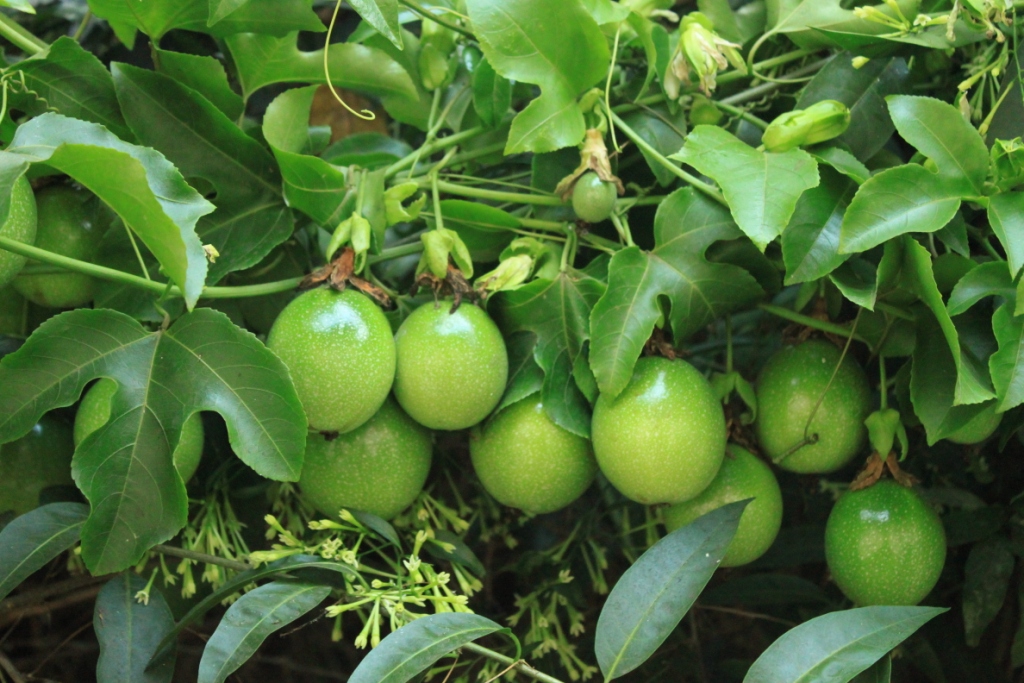
The Passion fruit is a sub-tropical, shallow rooted perennial climber that grows up to 15 to 20 ft tall. It flowers with a flamboyant fragrant blossom, 2 – 3 inches wide which is greenish white on the top and a rich purple color at the base.
Ficus. The word brings to mind many things – the juicy sweetness of a ripe, freshly picked fig; the summer heat of any tropical or Mediterranean setting; fertility. But recently, Ficus means one thing to me: strangler figs. This may sound morbid, and in a branchy way, it is. Many species of ficus begin their lives epiphytically – generally after a seed is dropped by a bird or arboreal mammal onto the upper branches of what will become a host tree. Over time, the seeds will germinate and sprout aerial roots, which make their way to the ground by either hanging freely or by crawling down the host tree’s trunk. It is not at all uncommon in Indian forests to see roots hanging from the canopy.

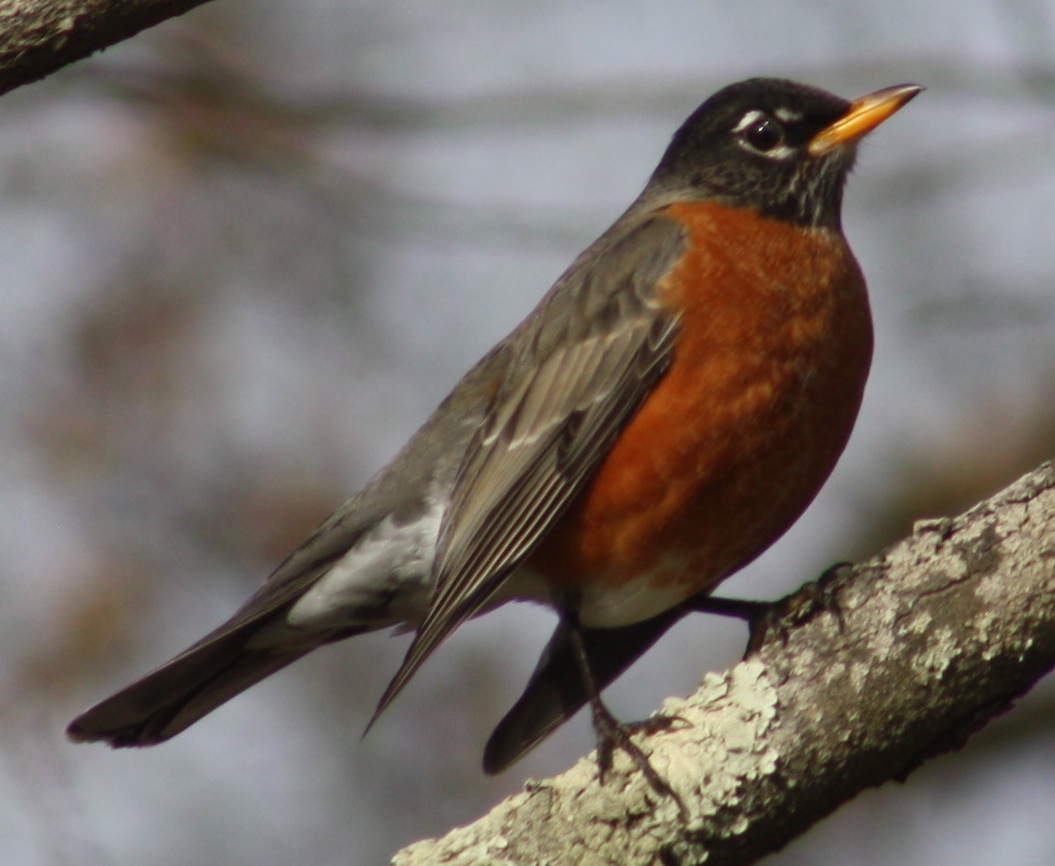
Great Swamp, NJ

Green Jay
Last year, the Cornell Lab of Ornithology’s Team Sapsucker traveled to Texas hoping to break the national record for birds seen in a day. For several years the Sapsuckers competed in the World Series of Birding, an all day birding competition that takes place in New Jersey every May. Recently, however, they have turned their attention to Texas and the national record. Led by captain Chris Wood, the Sapsuckers saw a record 264 birds last year in eastern Texas.
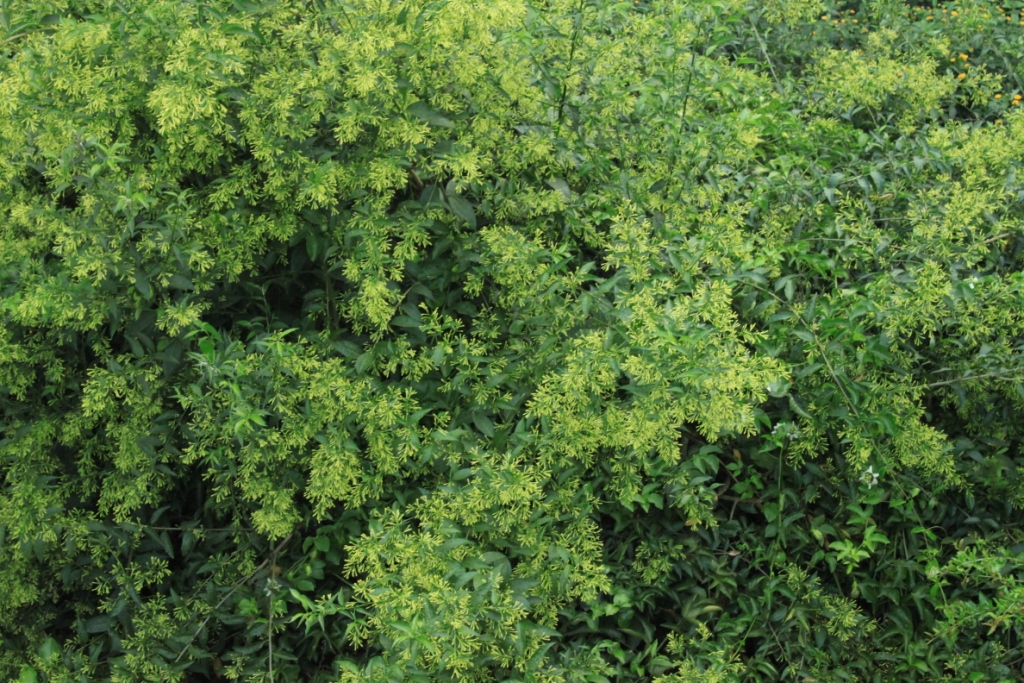
Night blooming Jasmine is an ornamental, evergreen shrub with a woody base that grows up to 13 ft tall. Frequently found in the Western Ghats of India, this nocturnal plant is also known as Lady of the Night or Queen of the Night due its heavily perfumed flowers that can be smelled from the distance of 10 to 15 yards.
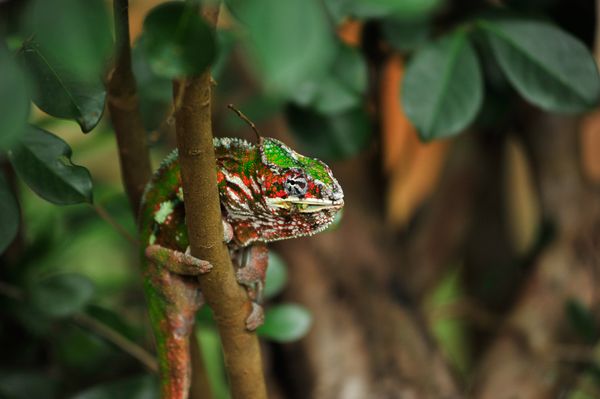
The premise underlying entrepreneurial conservation is that there are good economic reasons to preserve natural and cultural heritage. And when such good reasons present themselves, opportunity dances with need. With natural heritage in particular, in the interest of introducing the dance partners with neither too much fanfare nor scowling, we have taken a light approach to the concept of biophilia, making reference from time to time.
Click the photograph above, by Raul Touzon, to go to National Geographic‘s online coverage of forests under threat, which we link to with entrepreneurial intent. A bit of fanfare (just look at that creature!) and a hint of scowl are inevitable when you read the sampling in this series: Continue reading
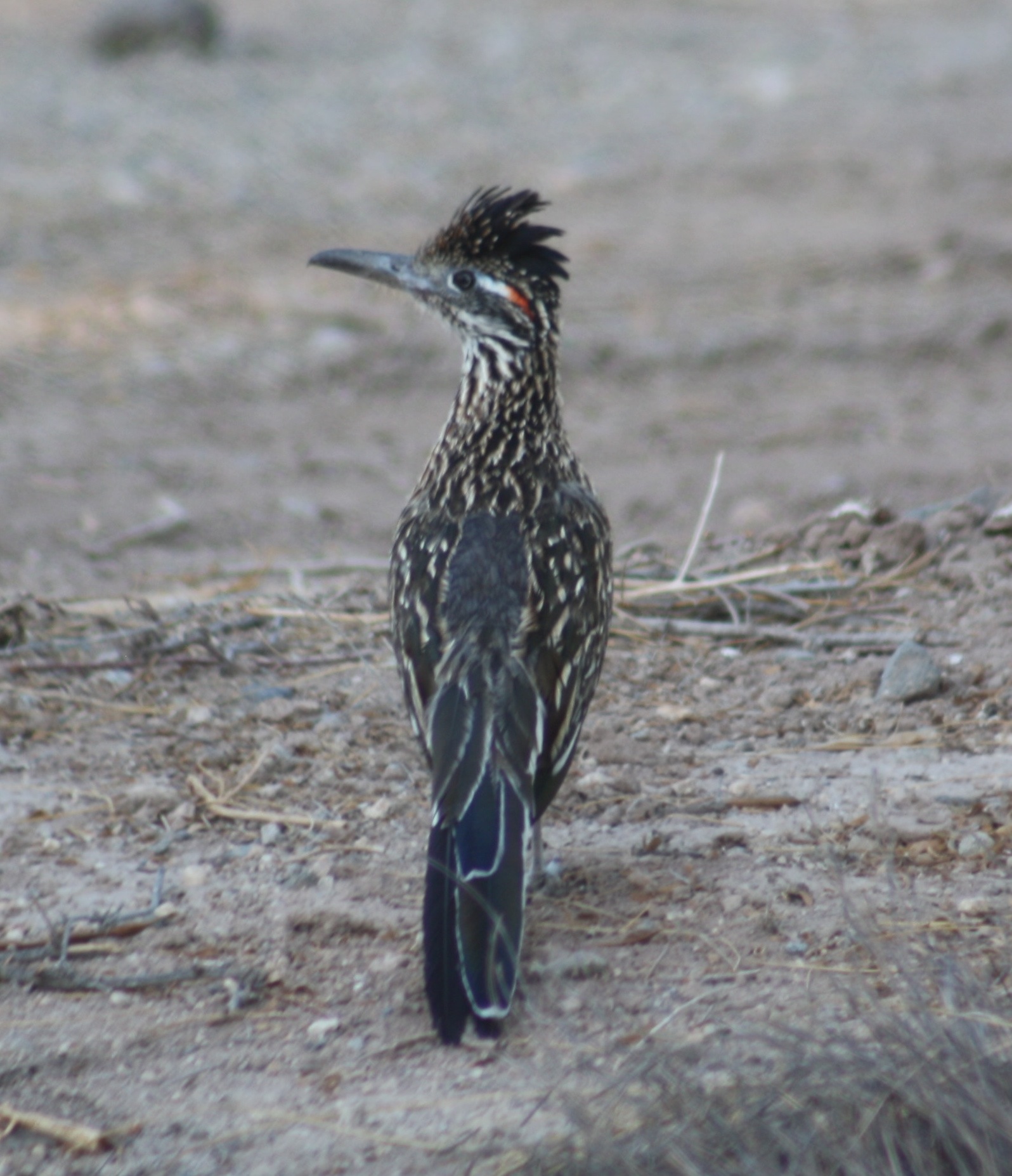
Salton Sea, CA
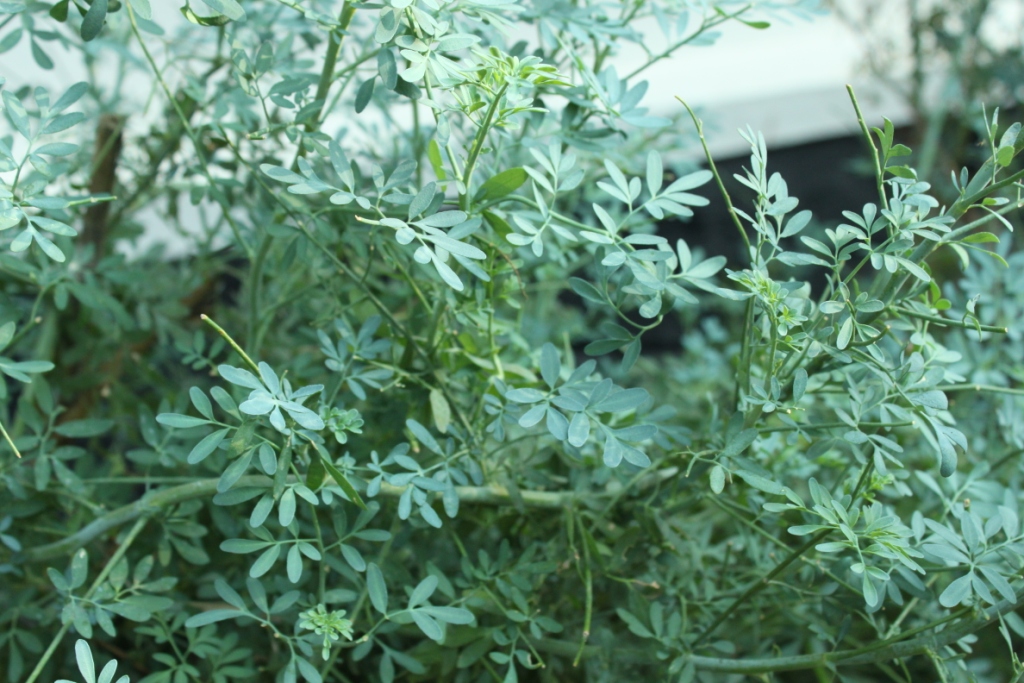
Common Rue is a perennial herb which grows up to 2-3 ft in height. This native of Southern Europe has established well in India’s Western Ghats. Its aromatic, evergreen bluish-green leaves have medicinal qualities, and the yellow flowers and fruits blossom from June to September.

