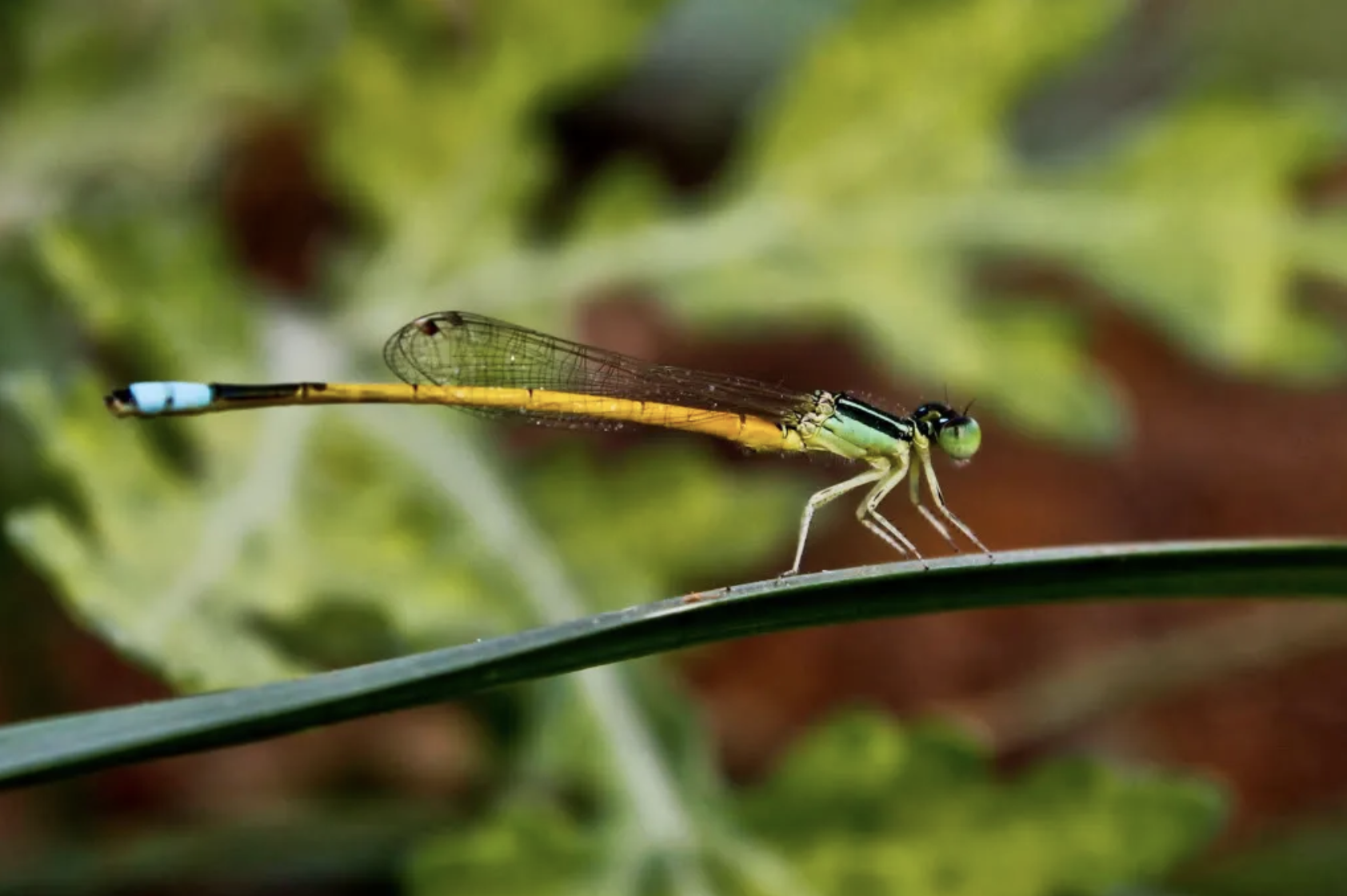
The Truly Golden Dartlet

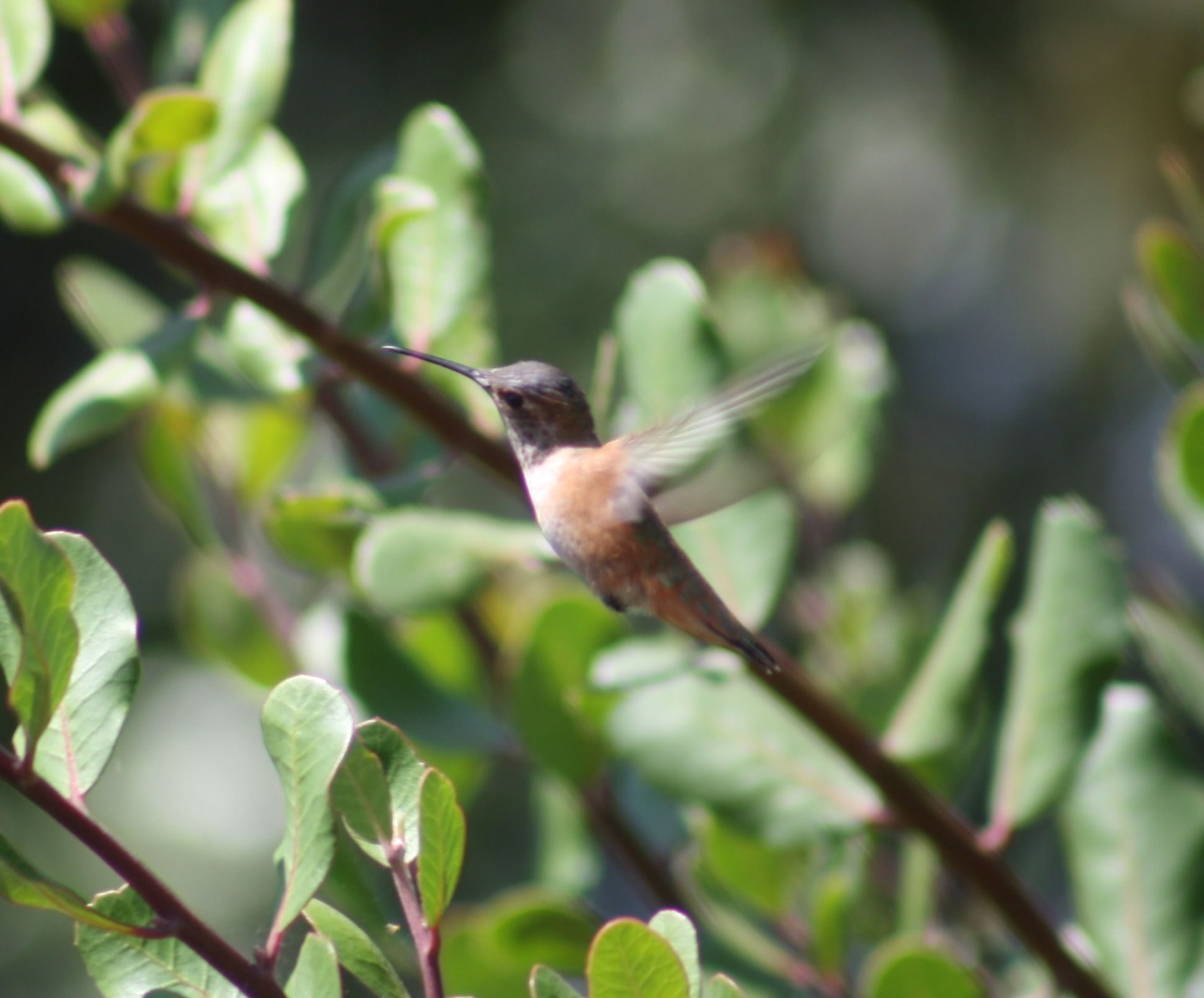
The Golden Dartlet, or Iscnura aurora, is a small species of damselfly that resides in the general vicinity of small streams and ponds. The above photograph was taken several hundred meters from any sizable body of water – a testament to the creature’s rugged and functional, yet beautiful design.  Continue reading

Jacaranda Tree (Jacaranda mimosifolia)

Native to the New World Tropics, the Jacaranda (Jacaranda mimosifolia) is an ornamental tree that grows up to 18 meters. The tree is renowned for its clusters of fragrant purple trumpet shaped blossoms that bloom from March to May.

Continue reading

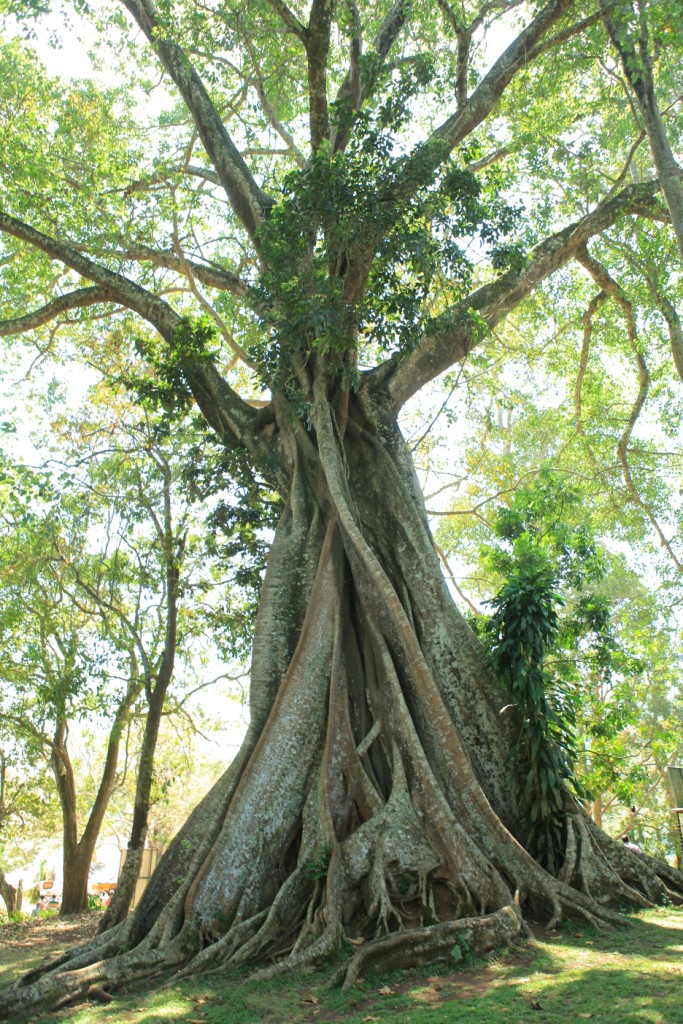
Sacred Fig ( Ficus religiosa)

Ficus religiosa is a semi-evergreen tree that grows up to 30 meters in height with  wonderful wide spreading branches. It is commonly known as Peepal tree, but is also known as Bodhi tree, Bo-tree and Holy tree. The fruit of the sacred fig is a favorite food for birds, monkeys, squirrels and fruit bats.

According to Buddhism (one of the religions of India), the Peepal is sacred because it is  believed that Lord Buddha found enlightenment beneath this tree. Continue reading

Curiouser Than Fiction

Children examine the Automaton during a visit to The Franklin Institute.

About 5 years ago I brought home a curious book called The Invention of Hugo Cabret by Brian Selznick.  Both of my sons had been avid readers and lovers of detailed illustrations since childhood and books like The Eleventh Hour by Graeme Base had been favorites for as long as I could remember, so the elaborate charcoal drawings and almost graphic novel design in this new book were intriguing.

The most fascinating moment came with poking around the history behind the story itself.  Although placed within a work of fiction, both Georges Méliès and automatons are quite real. The Franklin Institute of Science and Technology has one in their collection with a history similar to the one in Selznick’s book:

In November of 1928, a truck pulled up to The Franklin Institute science museum in Philadelphia and unloaded the pieces of an interesting, complex, but totally ruined brass machine. Donated by the estate of John Penn Brock, a wealthy Philadelphian, the machine was studied and the museum began to realize the treasure it had been given. Continue reading

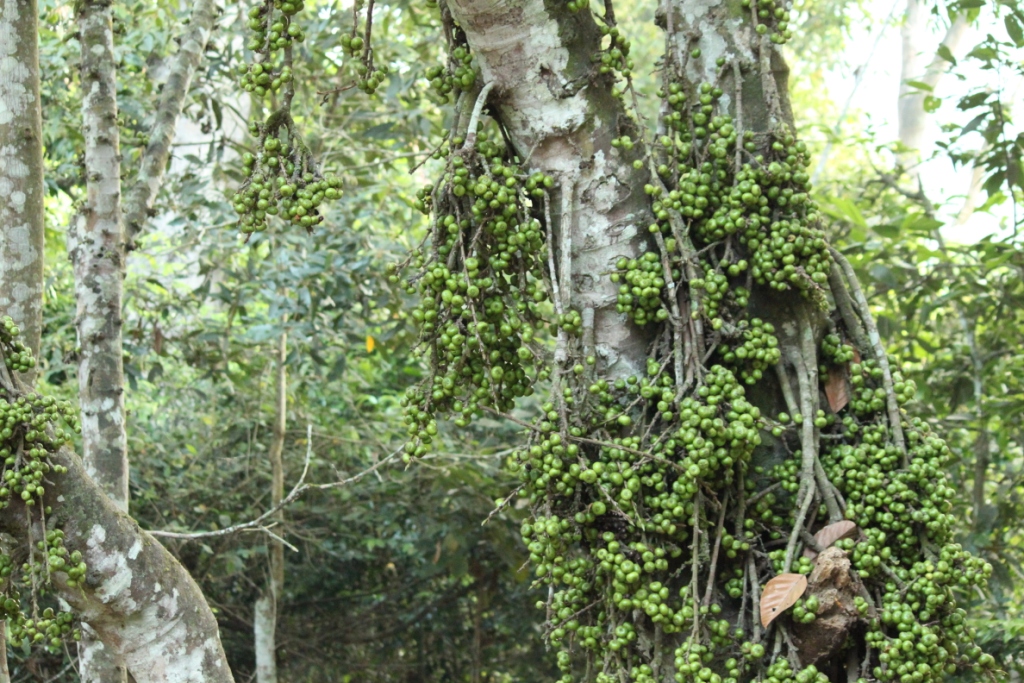
Country Fig (Ficus Glomerata)

The Country Fig is a moderate sized tree with spreading branches and smooth, reddish brown bark. The most distinctive aspect of this tree are the red, furry figs which grow directly out of its trunk in tight clusters. The tree grows abundantly in the southern parts of India, especially in Kerala and Tamil Nadu, where it is known as Athi.

Continue reading

Horticultural Midwifery

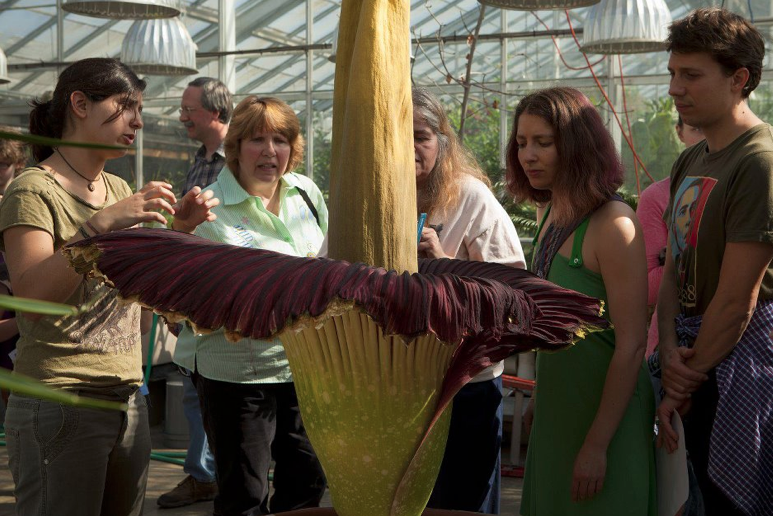
Photo: Robert Barker / Cornell University

At risk of being labeled a “horticultural geek” I feel compelled to continue Audrey‘s story.  (Although I surely should stop calling the plant by that name, but once again, I can’t seem to help myself.)

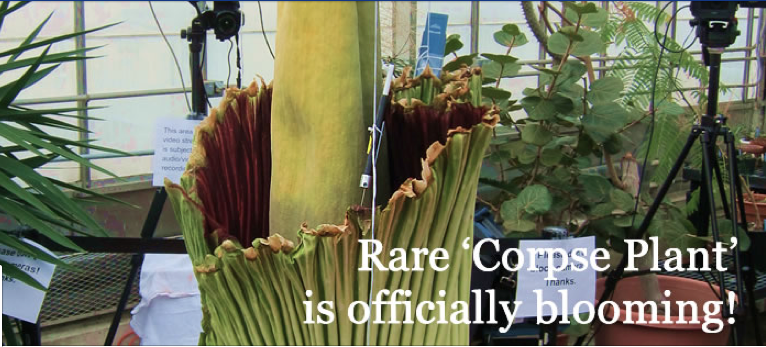
Most plants in cultivation require human pollination in order to remain genetically viable.  The Titan Arum is no acception.  In fact, this plant actually can’t self pollinate because the 450 female flowers that ring the base of the column-like structure (spadix) are receptive days before the the 500 to 1,000 male flowers above them are ready to  shed their pollen. (Even in botany females mature earlier than males!) Continue reading

Green Lifestyle Everywhere You Go in a Concrete Jungle

This will be my first post that I’m writing for Raxa Collective. To be honest, I was waiting for a great idea to jump out at me that will brilliantly catch everyone’s attention. But, now that I think about it, blogs are more about sharing a stream of mind in our daily life, so here I am.
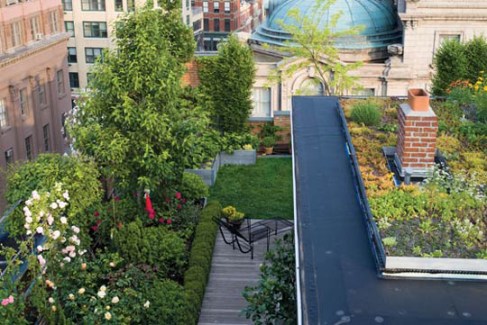
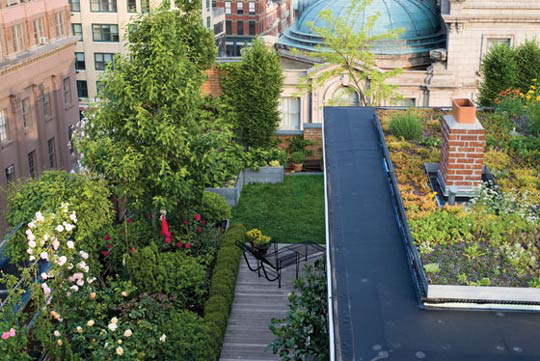
As I’m spending my spring break in NYC, I’ve been observing a range of eco-lifestyles all around me, even in this urban area. You may think that New Yorkers care less about the environment because they live in a “concrete jungle”, but it’s proved to be wrong. In NYC, there are so many organic stores, restaurants that serve organically and locally grown vegetables and fruits, farmers markets, etc. – the list goes on and on. Seriously, there are even farming and gardening classes and programs for both children and adults! Continue reading

The Boar March with Piglets

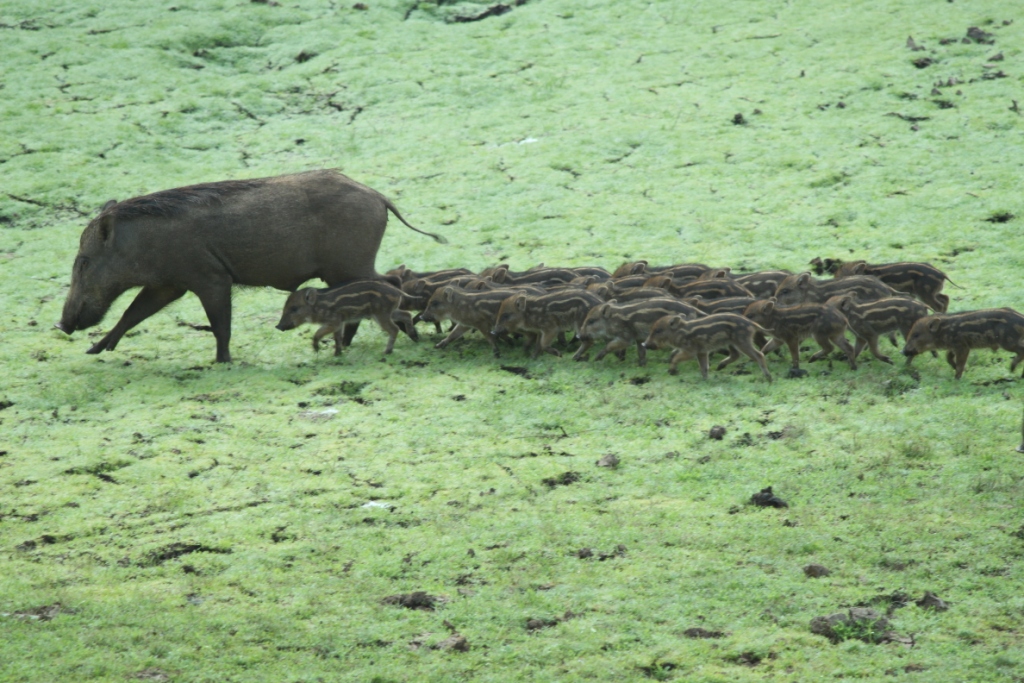
Photo: Salim E.I

Early this morning my friends and I had a walk in the Periyar Tiger Reserve. My friend Mr. Senthil was looking toward the banks of the Periyar Lake when he found a herd of piglets marching with their mother.

Continue reading

“Audrey” Is Open!


Last week I posted about an upcoming blessed event at the Kenneth Post Lab Greenhouses at Cornell University.

Due to the 9.5 hour time difference between US Eastern Standard Time and India Standard Time I wasn’t always able to watch the “Greenhouse Cam” while it was filming, but I checked in whenever there was overlap.

You can tell from the looks on people’s faces, it’s really starting to stink.

What a quote to wake up to!

Continue reading

Places to Bird: Part 3*, Edwin B. Forsythe National Wildlife Refuge

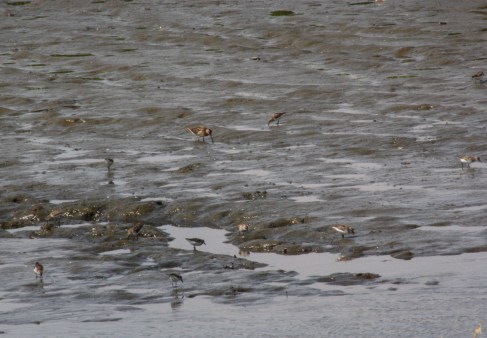
Shorebirds feeding on the Mudflats at Edwin B. Forsythe NWR

A mid-summer early morning drive down the Garden State Parkway generally equates to a weekend at the Jersey shore.  For me, though, it means birding in one of New Jersey’s top birding locations. Edwin B. Forsythe National Wildlife Refuge, commonly known as Brigantine, is located in Oceanville, NJ near Atlantic City.  There are many factors that give “Brig” its reputation:  the flies, the smell, the heat, but also, most importantly, the birds. Continue reading

Cocoa – The Chocolate Tree

Cocoa (Theobroma cacao) grows on a small evergreen tree that reaches up to 13-26 feet and  is native to the forests of Central and South America.  Being a tropical crop, Cocoa is mainly grown in the western ghats region of Kerala.

Continue reading

Thekkady Remembered

This slideshow requires JavaScript.

Our contributor Vijaykumar Thondamon received an extraordinary gift last week: His Highness Marthand Varma of Travancore, who celebrated his 90th birthday March 16th, presented him with his collection of rare photos of Thekkady.  We are honored that Mr. Thondamon is sharing them with us. Continue reading

Indian Laburnum (Cassia fistula)- The State Flower of Kerala

Indian Laburnum (Cassia fistula) is a medium sized deciduous tree which grows up to 10-20 meters in height. Indian laburnum is also known as “Golden Shower” tree native to Southern Asia.

Continue reading

Marketable Faces: Part Three (Melting Pot)

The fringes of society are not the only point of convergence for odd characters. Least of all in India. Confronted by a foreigner with a camera, a man of modest means, excited by said foreigner’s appearance and interest in him, might act rather queerly. Although this response isn’t strictly natural in the general sense, it is by no means posed or artificial, as the subject is acting entirely of their own accord. So when they proffer bananas in shock, or hide their face behind a cup of chai or a cigarette, that’s the reaction I capture. The most frequent response is nervously calling out to friends nearby to “get a load of this”.

Continue reading