In “Kayak Surfing with a Friend,” I described the surfing in words and included a short video. Here is some longer and better footage of the experience, this time including Pierre (brown hair), me (black hair), and Bismar (green shirt). We have concluded, after experimentation with the paddles and waves, that this activity would be a great post-estuary kayak experience if the tide is right. Since I had mentioned this to Bismar (a Morgan’s Rock guide) he decided to join Pierre and me after completing his estuary tour with some guests, so that he could see for himself.
Profile: Varghese & Resource Management
A few days ago I spoke with Varghese, the restaurant manager and head of the food and beverage department here at Cardamom County, who prides himself in running a tight ship and making sure that guests are at their happiest. Varghese is another long-time member of the Cardamom County family, originally arriving here eleven years ago, in 2000. Having taken a two-year hospitality course in Ravipuram in Ernakulam (the same district housing Cochi), at a school that has now shifted to become the Fort Munnar Catering College in the misty mountains of nearby Munnar, and training with Taj Group of Hotels, he arrived to fill the role of a restaurant supervisor.
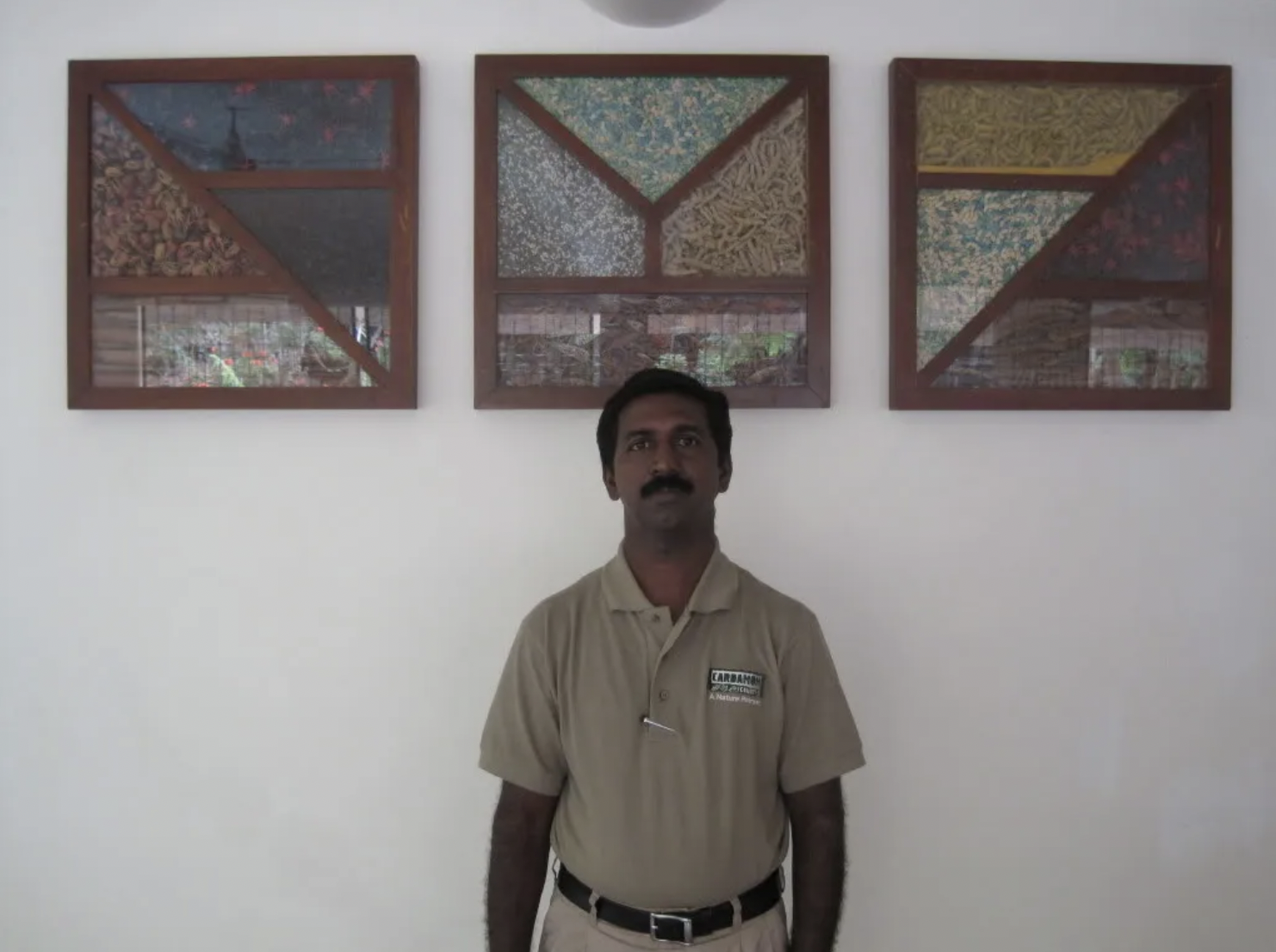 Varghese told me about his Uncle Phillip who was one of the many well-educated people from Kerala who went over to a Gulf country, in this case being Bahrain. We talked about this brain drain, which Varghese mentioned had been going on since as early as the 1970s. The highly educated people and professionals of Kerala go in search of new opportunities, higher living standards, and money to send back home. Varghese also talked about Arabic being a language that is not too difficult to pick up, especially because of the difficulty and speed with which the native tongue of Malayalam is spoken. However, what is interesting to note is the stark contrast of climate between the Gulf countries and Kerala, the former being very dry, arid, and hot with the latter being humid and comfortably cooler especially at higher altitudes near the Western Ghats such as here in Kumily, Idukki. Continue reading
Where’s Michael?
His last post was one week ago. He departed Kerala just two days ago. We miss him already. Does anyone remember the “Where’s Yuri?” series in the early 1980s, at a time when the leader of the Soviet Union was not seen in public for an extended period–a radio host in New York started a daily taunt to the Soviets, asking this in jest…
Reserve @ Morgan’s Rock
El Aguacate, the protected forest at Morgan’s Rock, is part of the Nicaraguan network of private reserves, or La Red de Reservas Silvestres Privadas. Over the past two days, a team of three biologists (one botanist in this forties and two zoologists in their twenties) has been walking through the reserve, photographing and documenting the wildlife they encounter in order to perform a sort of valuation study of the natural resources at El Aguacate. For the past week this team has been in the Rivas/San Juan del Sur area qualitatively assessing the floral and faunal density and diversity at around thirteen different private reserves; similar teams around the country are doing the same according to region.
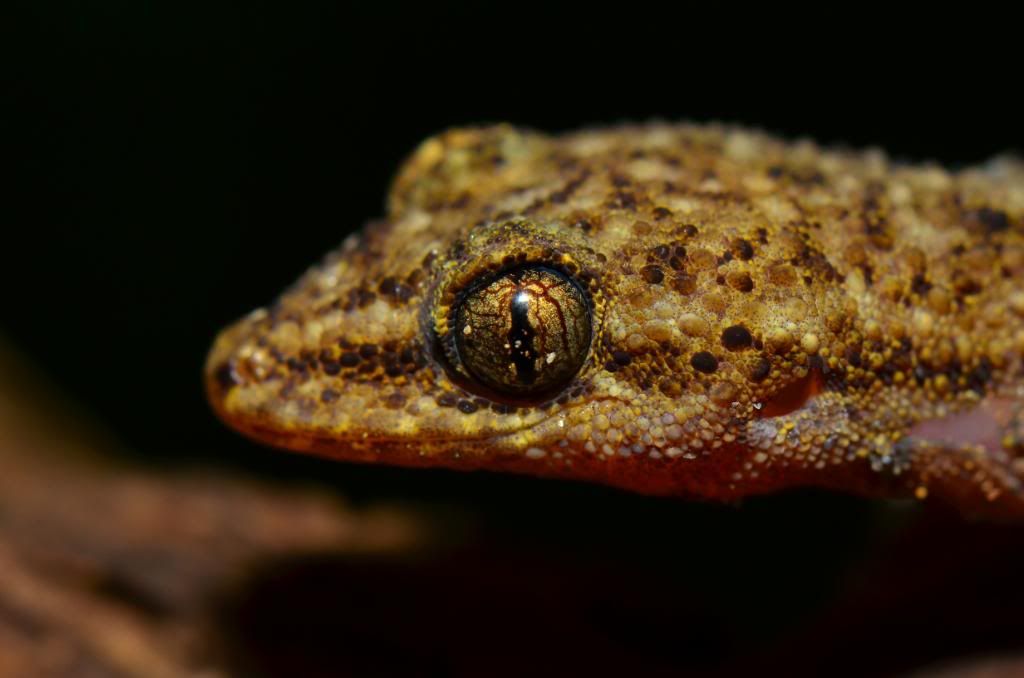
Gecko; species to be identified
José Gabriel Martínez Fonseca, one of the zoologists who also sports a Nikon camera that seems to have a telephoto lens (it looks almost a foot long), calls his photography enterprise Svaldvard Ink., after watching a show on the Svalbard archipelago in Norway on the Discovery Channel as a kid. Interested in the polar bears, he wrote down what he heard and years later preferred his own spelling of the word, adopting it as a username/alias for business. With his camera and skill as a biologist whose job it is to document species of reptiles, amphibians, birds, and mammals, José was able to photograph animals that have evaded my lens during my time at Morgan’s Rock. He was happy to share his images with me, so now I can share some of the best of them: all the photos in this post are his. Continue reading
Wordsmithing: Luxury
Luxury is another word we avoid. Odd since we often eat like epicureans, sleep on fine linens when we can, and comfort is generally a creature we adore. But not odd, considering the work we do, and where we do it. Not all things can or should be available in all places, especially if conservation is the point, and collaborating with communities is the means to the end. Our friend and future Contributor Reyna hints that she will have a thing or two to say about this in the future. With regard to rethinking luxury, the Galapagos Islands provide a superb vantage point.
Why rethink it? That is, why do we avoid this ubiquitous word? OED tells us that this noun refers first and foremost to “lasciviousness, lust”. That is a good enough reason, for starters. By the third entry the definition eases up a bit, to “the habitual use of, or indulgence in what is choice or costly…” but still not much to write home about. The first ray of light is in the fourth entry, depending on a snippet of Dryden to poetically license us to re-visualize luxury: “Hard was their Lodging, homely was their Food; For all their Luxury was doing Good.”
But we do not need to go back 300 years, get too poetic, nor be preachy about it. Liberating this word may start with the therapeutic effects of pristine wilderness areas; the opportunity to disconnect on occasion from our normal, wired modern lives; the privilege of getting to know communities of people whose lives are different from our own. In short, some of the reasons why people travel. And if we can consider this lust for life, luxury is inevitable.
Anteating Howler Butterflies
While walking to Morgan’s Rock’s lobby yesterday morning, Pierre heard some rustling in the bushes on our right. We looked for the source and were stunned to see an anteater standing on its hind legs, spreading its arms and swaying about like a drunkard but in fact trying to dissuade us from attacking it by trying to appear larger (it was bigger than a very fat house cat, but not by much). I immediately pulled my video camera from my pocket and started filming, and although the anteater had ceased his humorous movements and started climbing a very thin sapling, the footage was incredibly fortunate and very entertaining.
Since the tree he decided to grasp was so young, it started to bend as he climbed higher, reminding me of cartoons where characters are catapulted out of the branches after a certain point. The anteater was less than a meter away and at times looked like a teddy bear, but as a wild animal—and one with claws in full display at that—we refrained from touching him and were satisfied with a video. Eventually, the formicary raider descended the sapling and chose a better escape tree (in a pose reminiscent of the boa’s in a previous post), and we left happy with the sighting of what I thought I’d only be able to see in the summer when foliage was less dense. Continue reading
Careful What You Fish For
A recent article in TIME Magazine alerted me to how easy it is for us as consumers to shrug off the warnings of a changing world. I am guilty of it and I have caught myself, and hope that with this change I pledge to make, you might think about it too…
I’m humbled by the cognitive dissonance of knowing how sensitive the planet’s oceans are while hungrily indulging in sushi and fish filets with a comfortable negligence regarding their origins. Food choices like these, the effects of which are typically underestimated as a mere drop in the ocean, are proving to have a bigger ripple effect than we’d like to think. And it’s high time we all thought about the fish on our dish and just how it got there.
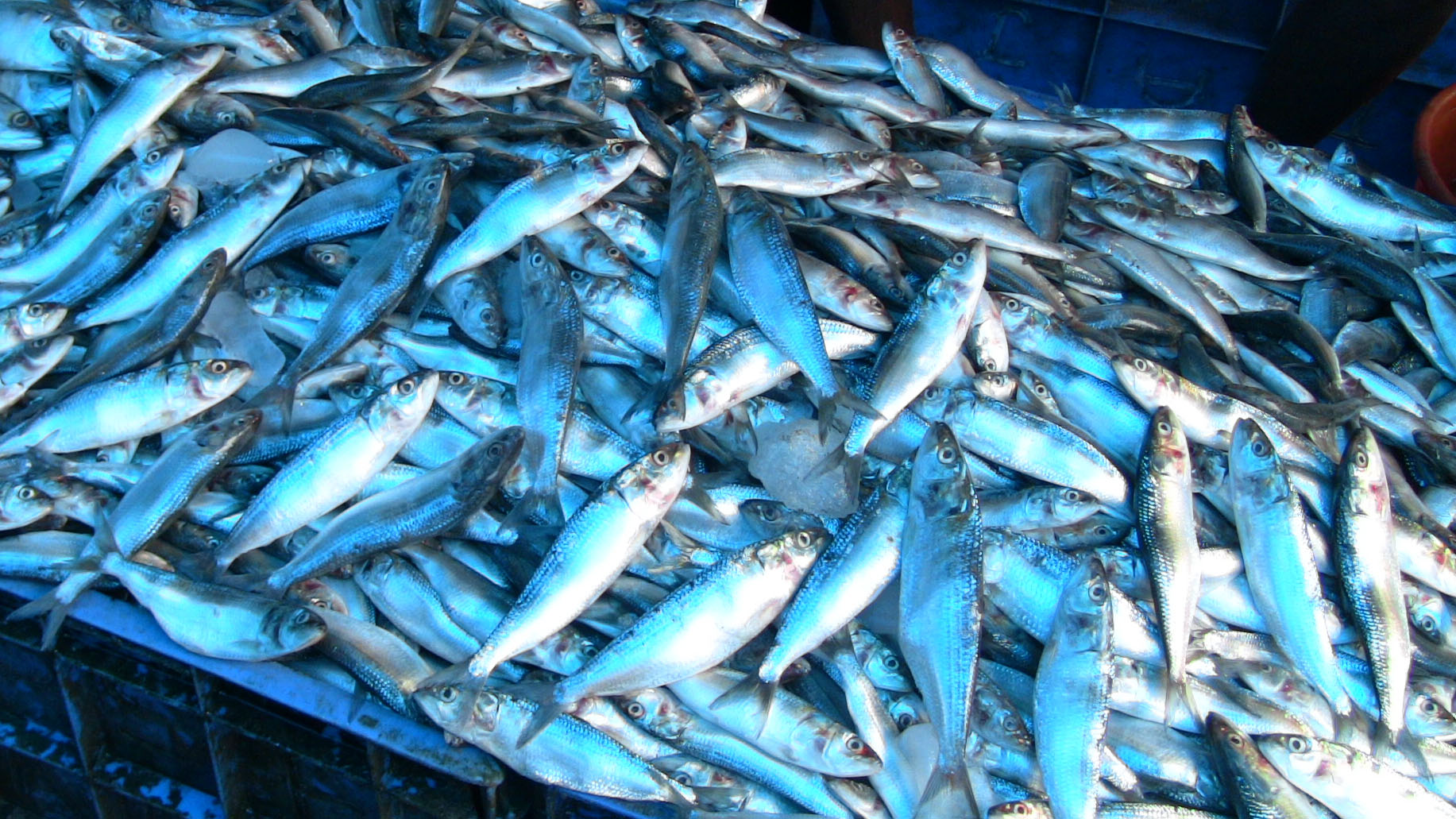
The article in TIME by Bryan Walsh reminded me of a memorable excerpt from a conversation between some friends of mine:
Q: “So what did porcupine taste like? Does it taste like chicken?”
A: “It tastes like… have you ever eaten donkey?”
As hysterical as it was for me at the time, it made me think, is the sometimes absurd variety of the human palate an evolutionary response to a scarcity of resources?
Ok so there’s no imminent extinction of livestock; there is many a happy cow in California, the UK alone consumes nearly 30 million eggs per day, and just look at New Zealand’s sheep-to-people ratio. But what about the animals we still hunt for sustenance? Continue reading
Quito. Hold The Sauce.
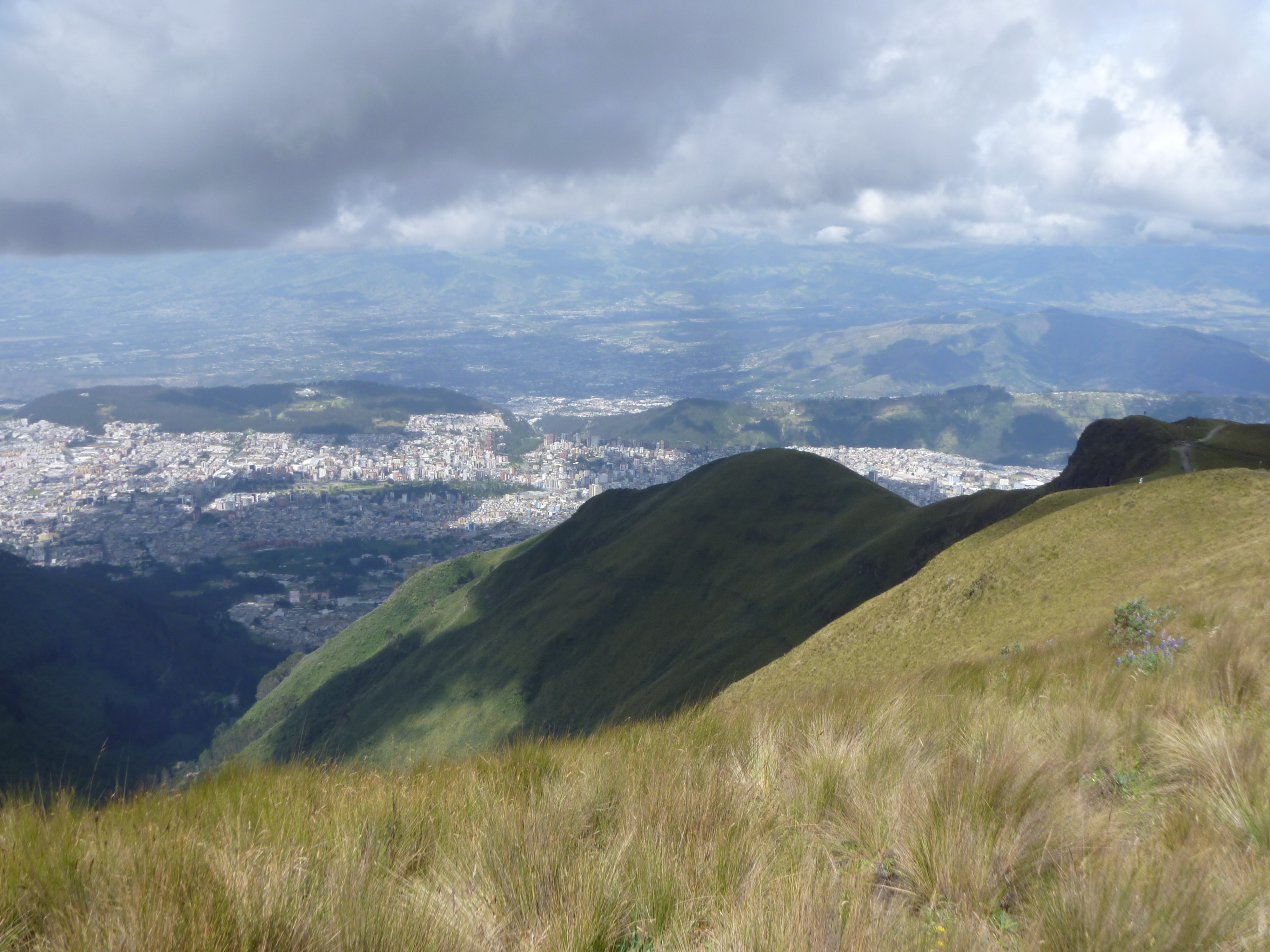
For now, I live in New York City and my brother lives in Quito, Ecuador. A visit to his new apartment last month near Parque Metropolitano, and our subsequent hike up Volcán Pichincha, led to the biggest obvious and most profound difference between Quito and New York: Quito has big mountains and volcanoes and New York doesn’t. Seemingly obvious and superficial (and of course topographical), the reasons started to form in my head while watching the clouds form around me.
The Oldest City in Central America

Pierre and I took a walk around Granada today with Mombotour guide Gustavo, a native of the colonial city. Our first stop was the San Francisco Monastery and Church, the oldest church in Central America, which has been converted (aha) into a museum of colonial and pre-Colombian history. Probably built on the site of an indigenous temple, the monastery later became a school, then the museum. It also recently underwent a restoration project, since earthquakes have especially strong effects on such old architecture as Granada’s churches.
Gustavo led us through each of the rooms containing an exhibit, such as ancient pottery, contemporary art replicating historical or cultural scenes, and zoomorphic stone statues. He explained some of the beliefs held by the indigenous groups, which were often influenced by northern tribes (Mayans, Toltecs, and Aztecs) and South American indigenous nations, as well as the Spaniards’ opinions of them. For example, the rain god was considered to have four sons at the cardinal points. Ritual offerings such as those depicted in this painting were thought to bring fertility to the soils. Spaniards were also quite surprised to see the symbol at the base of this statue, not knowing that it represented the cardinal points and not the savior. Continue reading
A Lesson on Conservation Tourism- the Case of Nairobi’s Animal Orphanages
Yesterday morning, I attempted to visit the David Sheldrick Wildlife Trust, but thanks to Tripadvisor, my taxi driver couldn’t find the location of the elephant orphanage. Instead, I found myself at the Nairobi National Park’s animal orphanage. Surrounded by a swarm of Kenyan school children (who seemed to be more interested in me than in the wild monkeys), I observed the establishment with slight disappointment. The orphanage seemed more like a mediocre zoo than a safe haven for its animals. I was disappointed with the lack of educational materials, tour guides, or remotely enthusiastic staff. Even as I paid my $15 entry fee (which is quite expensive for Nairobi standards), the clerk was rude and could not provide me with any information; he just scurried me along so he could attract more tourists to the booth.
I proceeded and moseyed around, reading the “Educational” signs that hung on the cages and learning a bit more about some of the animals, like the zedonk (zebra/donkey hybrid) or the cheetah. I was curious as to why some of the animals had been there for so long and why they hadn’t been brought back to the wild. Although I know the Nairobi National Park’s Animal Orphanage must do a lot of good for wildlife rehabilitation, I had trouble seeing tangible evidence of it. Unfortunately, the profitability of tourism had clouded the conservation vision and potential education opportunities that Nairobi Animal Orphanage could offer. Sustainable and nature tourism should educate the tourists not hustle and ostracize them.
Laying aside my disappointment from yesterday, I was able to find the David Sheldrick Wildlife Trust today! Since 1987, The David Sheldrick Wildlife Trust has hand-reared more than 90 newborn elephants and released 150 elephants back into the wild at Tsavo National Park. The charity was founded by Continue reading
Sweet NicarAgua
This morning Pierre and I went on a trip facilitated by Mombotours, using Detour bikes and NicarAgua Dulce kayaks. Eddy, our guide from Mombotour, arrived after breakfast and drove us to Detour, the bike rental shop. We picked up three bikes and left Granada’s hub towards the shore of Lake Cocibolca. The Mombotour driver followed behind in the truck in case we had any bike problems or accidents. We hadn’t gone more than two or three kilometers when the truck’s presence became needed. I’d accidentally driven over some glass, and punctured my tire in two places with tiny shards. With the tools and spare tube in the truck we were able to fix this unfortunate damage within twenty minutes, and Eddy’s training made my negligible REI workshop experience unnecessary.
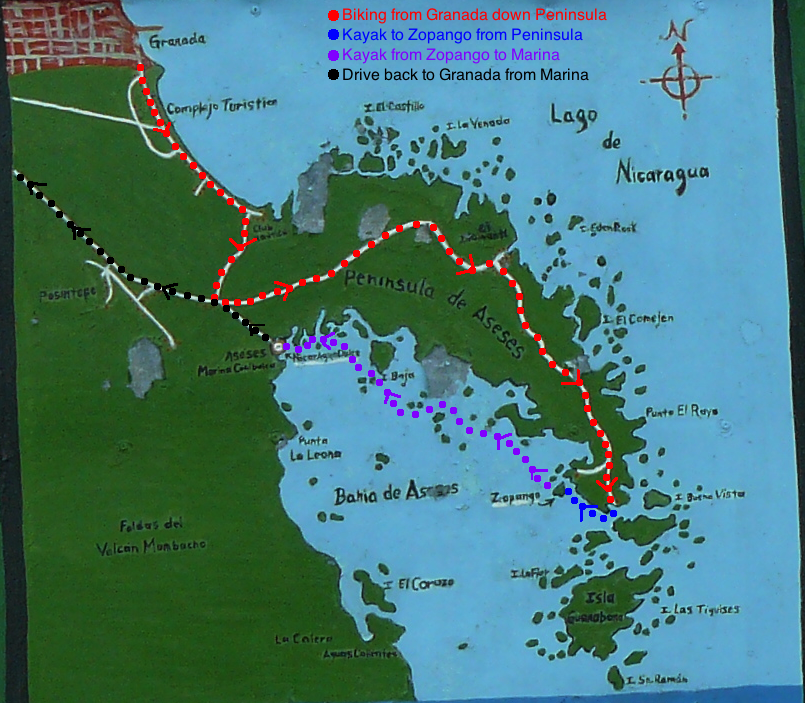
The rest of the bike trip, which lasted about an hour and a half, was without further perforations, and we enjoyed riding up and down muddy dirt roads, dodging stones and chickens along the way. The mountain bikes performed very well and changed gears fluidly, which is always a nice surprise. We rode down along a peninsula till Continue reading
Carpe Fructus!
Recently, after finishing my shopping at the central market we were on the return drive when I glanced to my left and saw a pushcart full of Rambutan and Mangosteen. I quickly asked Shibu to pull over so I could make sure it wasn’t my imagination. I have to acknowledge that this was one of the many market-going moments when I wished I’d remembered to tuck the camera into my bag!
The cart had a pile of each fruit…the rambutan (looking like a Martian lychee covered with rubbery “hairs”) ranging from dark red to brownish maroon, and the mangosteen, a beautiful purple brown bordering on eggplant with little stems attached to a woody cap like a circle of flower petals.

There were more mangosteens strung up like Christmas garlands by their stems. Continue reading
Mombo Jombo
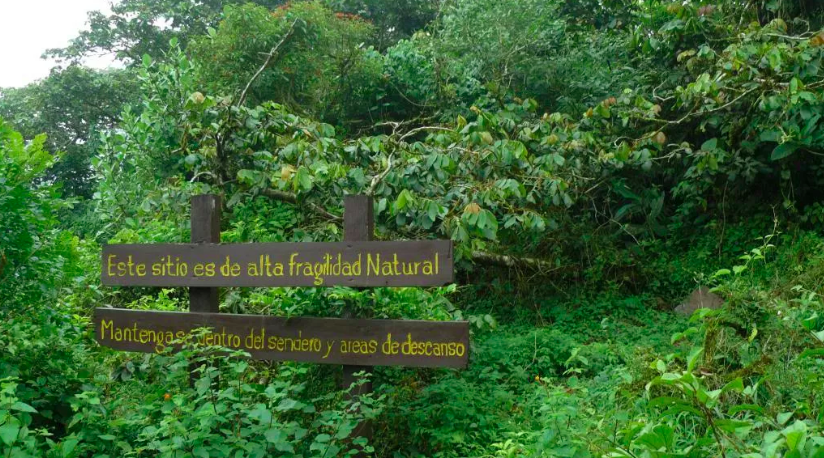
Early this morning Pierre and I set out from Morgan’s Rock towards Granada, which is maybe two and a half hours away. Before reaching the city, we turned onto a road that led to Mombacho Volcano, an inactive peak with several extinct (and some fully collapsed) craters. The volcano is protected by the Mombacho Volcano Nature Reserve, created in 1996 by the several local fincas on the volcano’s foothills that comprise the NGO Cocibolca Foundation. Our time at Mombacho, described in the rest of this post, is part of the exploratory trip that Pierre and I are taking over the next three days, assessing the possibility of connecting Morgan’s Rock’s tour offerings with other operators in the area.
The day’s activities started at the Mombacho Volcano Nature Reserve (MVNR), where we met our guide Jennifer. We decided to take the longest trek, called the Puma Trail, so named because there are some big rocks and even caves that pumas are said to live in, although none have been sighted in a decade. Prior to starting this four-hour hike we stopped by an area called Los Fumalores where Jennifer had fun by daring us to put our hands in a small hole next to the trail, reassuring us that no snakes would be inside. As we placed our hands near the opening in the ground, we could immediately feel a stunning temperature difference. The place is called Los Fumaroles because sulfuric gases rise from volcanic holes and crevasses in hot gushes, heating the surrounding stone to a surprising degree. This area also provides a nice view of Las Isletas, which are known as children of Mombacho because they are islands initially created from a volcanic eruption. I mentioned Las Isletas very briefly here.
The Puma Trail’s path is very well maintained, Continue reading
Profile: Chef Pradeep & Indian Cuisine
Yesterday I met and spoke with another longstanding member of the Cardamom Country crew, Executive Chef, Mr. Pradeep. Having been affiliated with this resort since its inauguration in November, 1999 (in fact starting two months prior to that for training), he serves as a kind of memory box for Cardamom County, not least about its cuisine. But his family heritage is intertwined with this location in a fascinating way too.
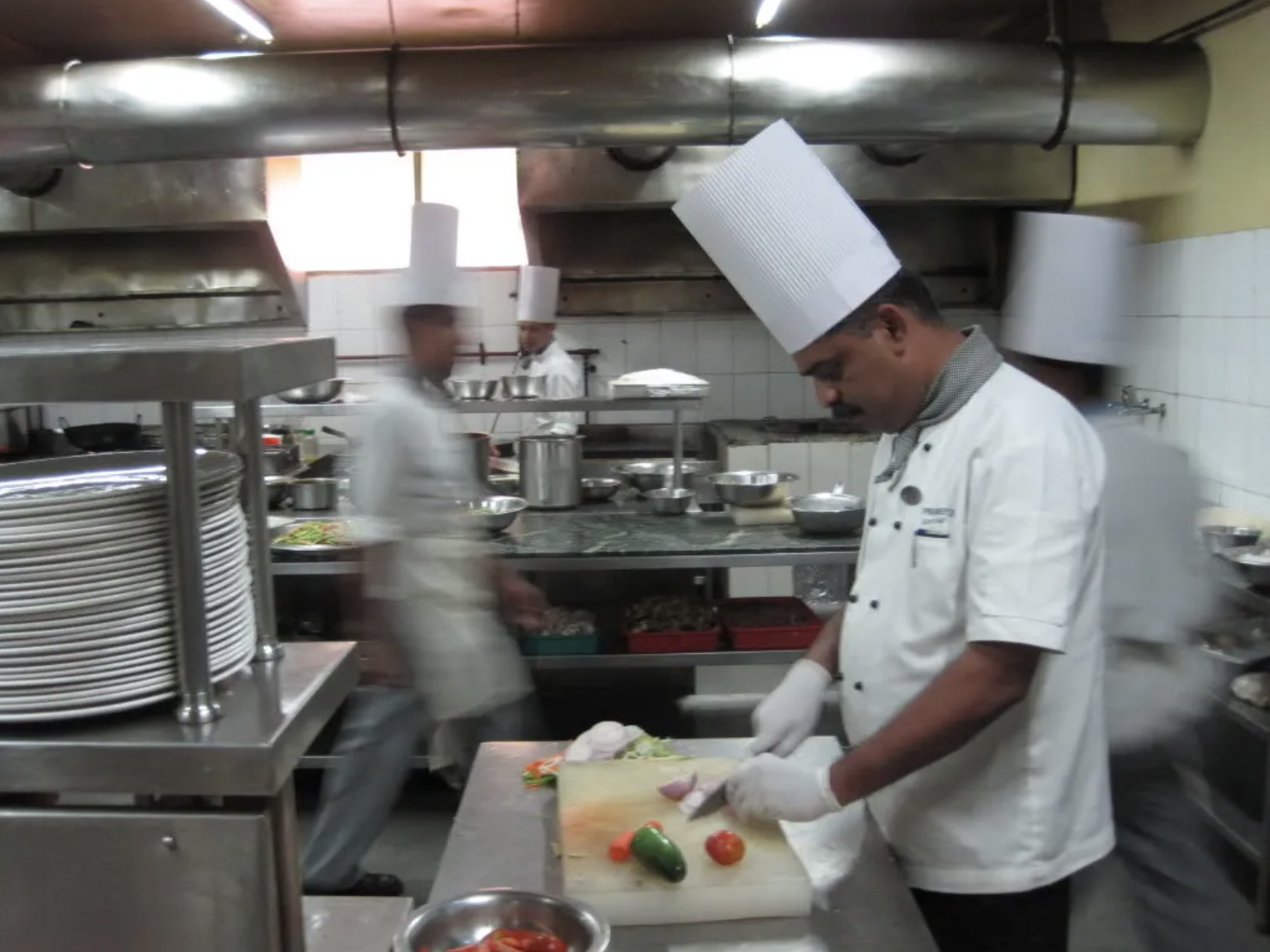
Chef Pradeep explained that his family hails originally from the state of Maharashtra. His maternal grandfather came down to help construct the Mullaperiyar Dam 120 years ago, mentioned in greater detail in Michael’s post Damn Dams and Macaques. Thus, Chef Pradeep was born in Thekkady very close to where Cardamom County was eventually built, although he spent most of his life up until college in Madurai, Tamil Nadu. He moved back to Thekkady after he married his wife and decided to settle down at his place of birth. His wife had a government job, which is held in especially high regard here in Kerala, namely for its stability and the pension received later in life. Continue reading
(Un)expected Visitors, Redux
Normally I would apologize. Writing again about monkeys, considering the abundance of posts we already have on the topic, may seem repetitive. However, after debating it with myself, and looking over my photos, I decided I just have to share these amazing, close-up shots of the Nilgiri langur. Nilgiri langurs, compared to the macaques, are a rare species, and not often sighted outside the official boundaries of the forest. Michael provided a bit more information about them in his earlier post, Unexpected Visitors.
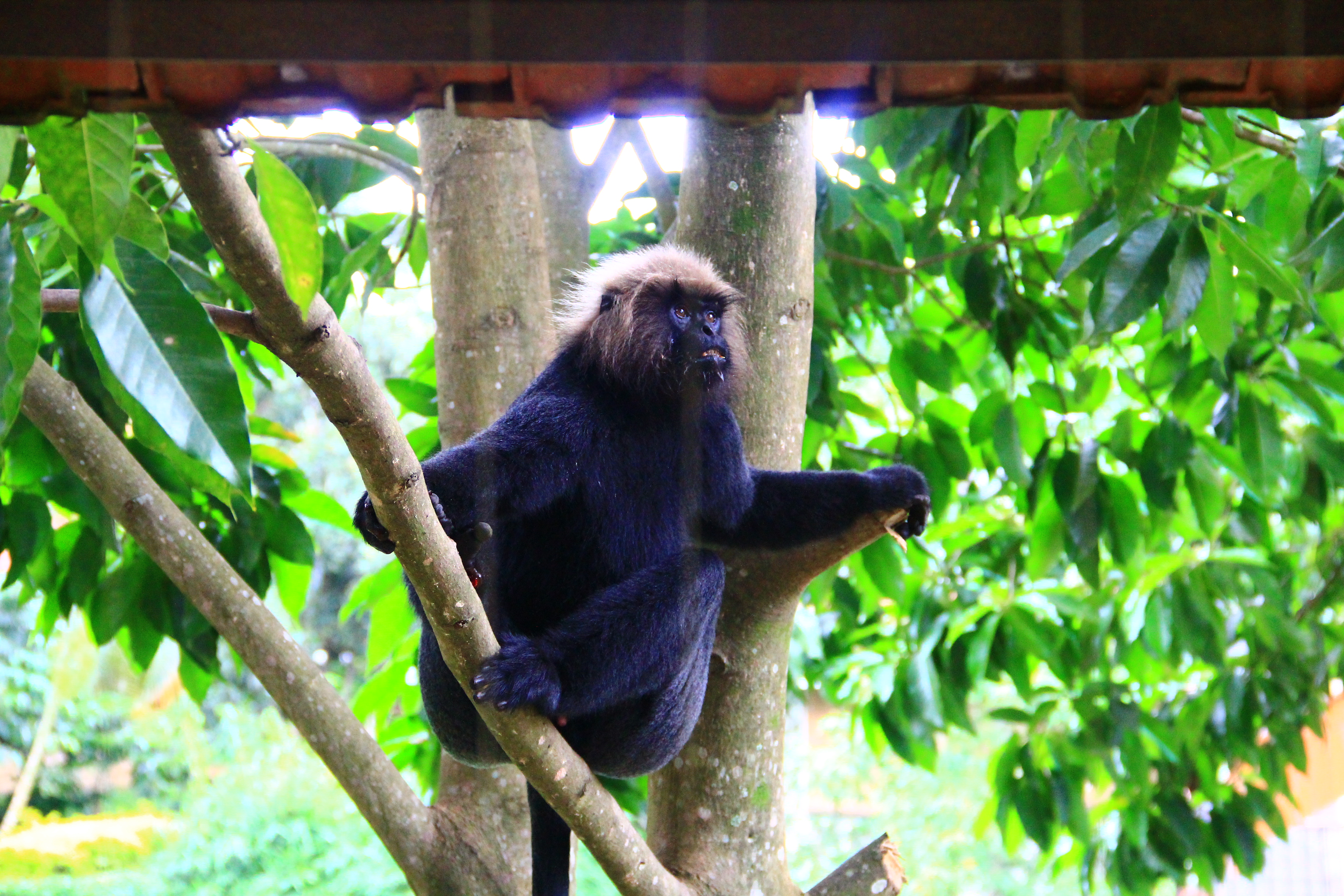
In his post, Michael predicted that we would not see this species again at Cardamom County. Surprisingly, they have returned twice since that post. Their visit during which I took these photos was not so different from the prior one, except that in contrast to their previous avoidance of a scene, this time they cried loudly, and jumped and ran around unusually. One of them even ran right through a gathering group of human admirers! This is remarkable because they are usually very shy and markedly wary of human interaction. But within a few moments, we found out why they were acting so out of character. Continue reading
Building Blocks of Opportunity
The wooden block is probably one of the simplest and most played with toys. However, this iconic block did something unexpected: it has been promoted amongst the complex toys of this generation and sure to last for many generations. With a little entrepreneurial conservation, Tegu has created a block that surpasses most expectations of a toy. It is educational and stimulates children’s creativity and unscripted play (as I mentioned in one of my previous posts), is heirloom quality, helps the planet and its citizens, and is so much fun that adults sneak off and play with them.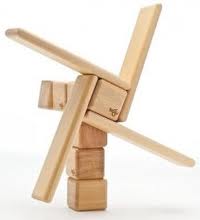
Tegu’s magnetic blocks are built to leave a legacy. They are complex, yet they don’t require any batteries or instruction manuals, just an imagination. The uniqueness of this toy is not just the functional (and inaccessible to children) magnet, but the series of events that follow each block purchase, called the Tegu Effect. Tegu gives every buyer the choice to either donate dozens of trees or donate schooldays for Honduran children. But it is not only the environment and children that benefit; as Tegu grows, the company creates living wage jobs for the Honduran factory workers, and with 65% of the population living currently below the poverty line Tegu offers the people a great opportunity. Continue reading
Unveiling Fungi
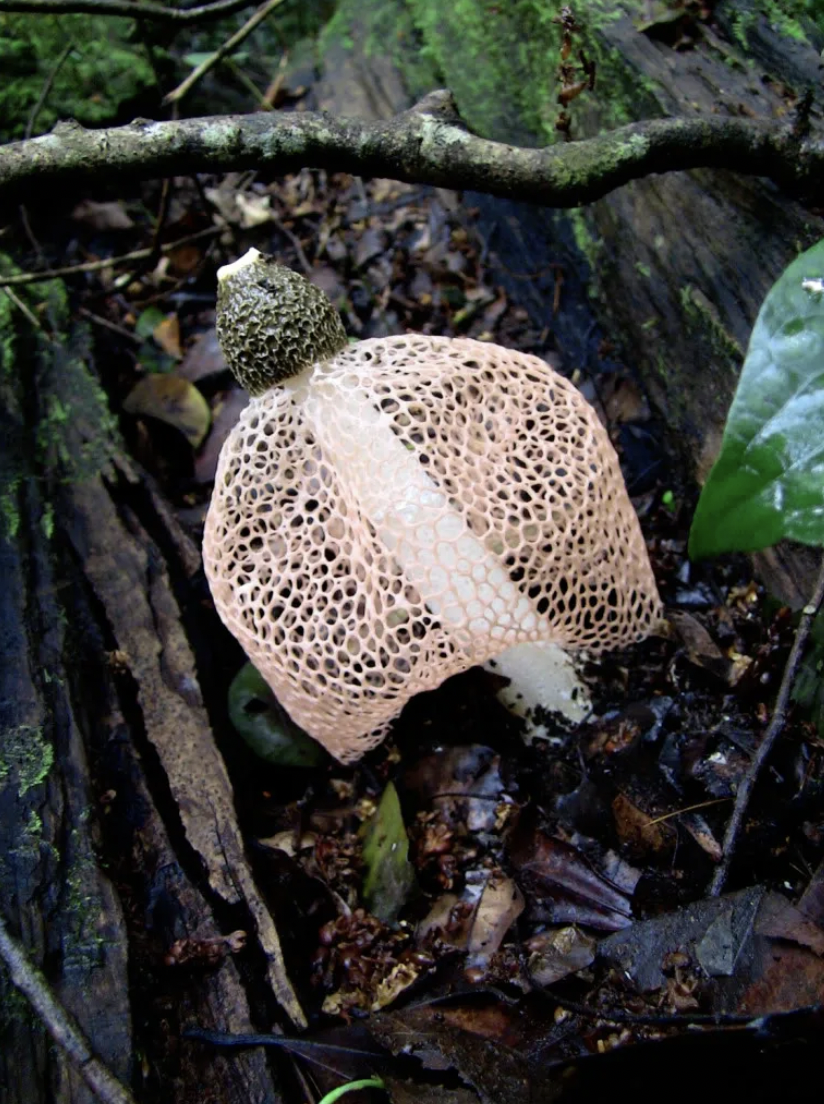
Fungi are some of the most under-appreciated organisms on the planet, and even the most simple forms can be fascinating and capable of enthralling all but the most listless eyes. Most people associate the word ‘mushroom’ with the button-shaped, styrofoam-flavored Agaricus bisporus, also known as Portabella, Crimini, baby bella, et cetera, ad nauseam. The marketing ploys for peddling this poor excuse for a mushroom are legion, and no matter what name comes on the package, it’s always the same. In that light, the purpose of this post is to unveil the magnificent beauty of the Fifth Kingdom.
Wordsmithing: Resort
We do not take the word “resort” lightly. In fact, we have studiously avoided it. Common usage in the past century has gravitated to the sprawling hotel complex associated with mass tourism. But deep down, we love the word and its etymological roots. We hope to liberate it from its lingual prison.
As a noun, this word is defined by the Oxford English Dictionary (hereafter OED) as “something to which a person has recourse; an expedient, a measure.” As a verb it is defined in that dictionary as “recourse to a person or thing for aid, assistance, or the attainment of some end…also from a previous state or condition.”
Raxa, derived from the Sanskrit word (pronounced in that language to sound like “rock-shah”) — defined by the Cologne Lexicon to mean “guarding , watching , protecting , serving” — is a cousin of sorts to the word resort (in its older English usage). So, in the spirit of our commitment to entrepreneurial conservation, we are always on the lookout for innovative resorts by which communities nurture their traditional cultures and are stewards for their natural environments–quite a feat in this modern world, and worthy of celebration. Such resorts are at the heart of our mission–both a means and an end.
How Smart Can Wood Be?
Yesterday I met with Javier López, the forestry engineer for Agroforestal, S.A. This company covers the tree plantations at La Cumplida, Ecoforestal/El Aguacate (Morgan’s Rock’s finca), and El Eden; it is not to be confused with Cafetalera Nicafrancia, which manages the coffee (and the planted trees growing in the coffee fields) at La Cumplida, or MAPIINIC S.A., which administers the forests felled by Hurricane Felix in 2007 at a finca called Rosita.
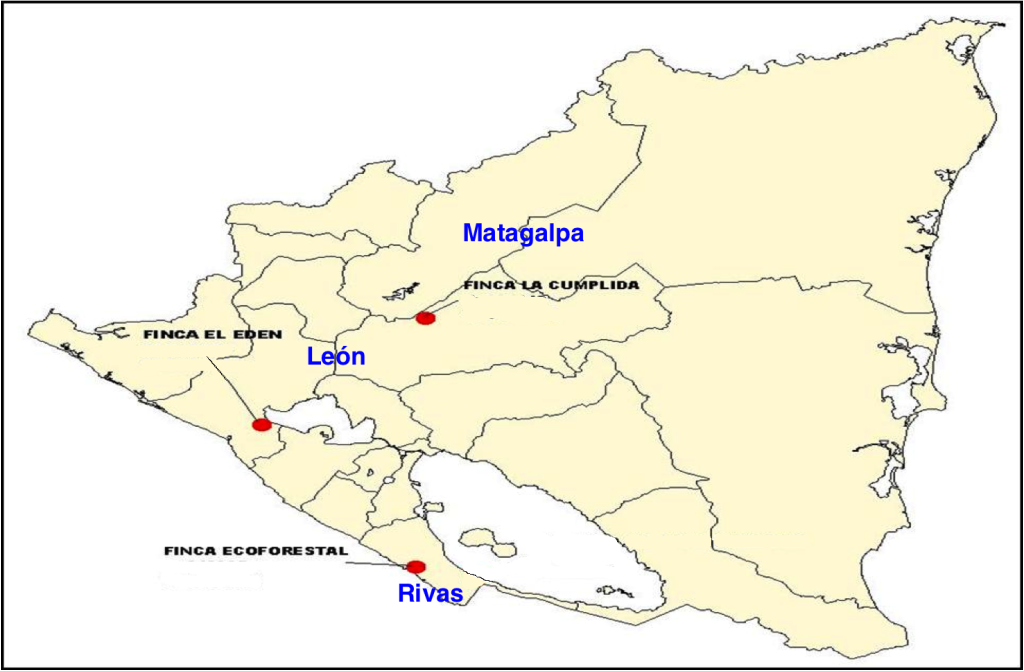
Javier, often known simply as “Prófe,” [PRO-feh] which translates as “Prof” (a nickname for Professor), has worked to get certification from Rainforest Alliance’s forestry auditor SmartWood (and by association the FSC and RA itself)
In 2009 Agroforestal became certified for forest management. To do so the company had to go through the same continuous improvement process that I described a bit in my post about coffee certification. An initial evaluation is made, and subsequent audits over the next 5 years that the certification is valid provide the certifier with evidence of progress and room for improvement. From what I saw of a couple examples, SmartWood seems to emphasize explicit documentation, which makes sense given the nature of the forestry industry: extractive at its most basic, but also focusing on replanting trees as long-term investments.
Some of SmartWood’s requirements are as simple as Continue reading
Soggy Elysian Dreams
Note: this is Part 2 of what will hopefully be a series of posts on the guides of the Tiger Trail, who are former poachers. Part 1 can be found here. Beware: this post is sorta self-serious.
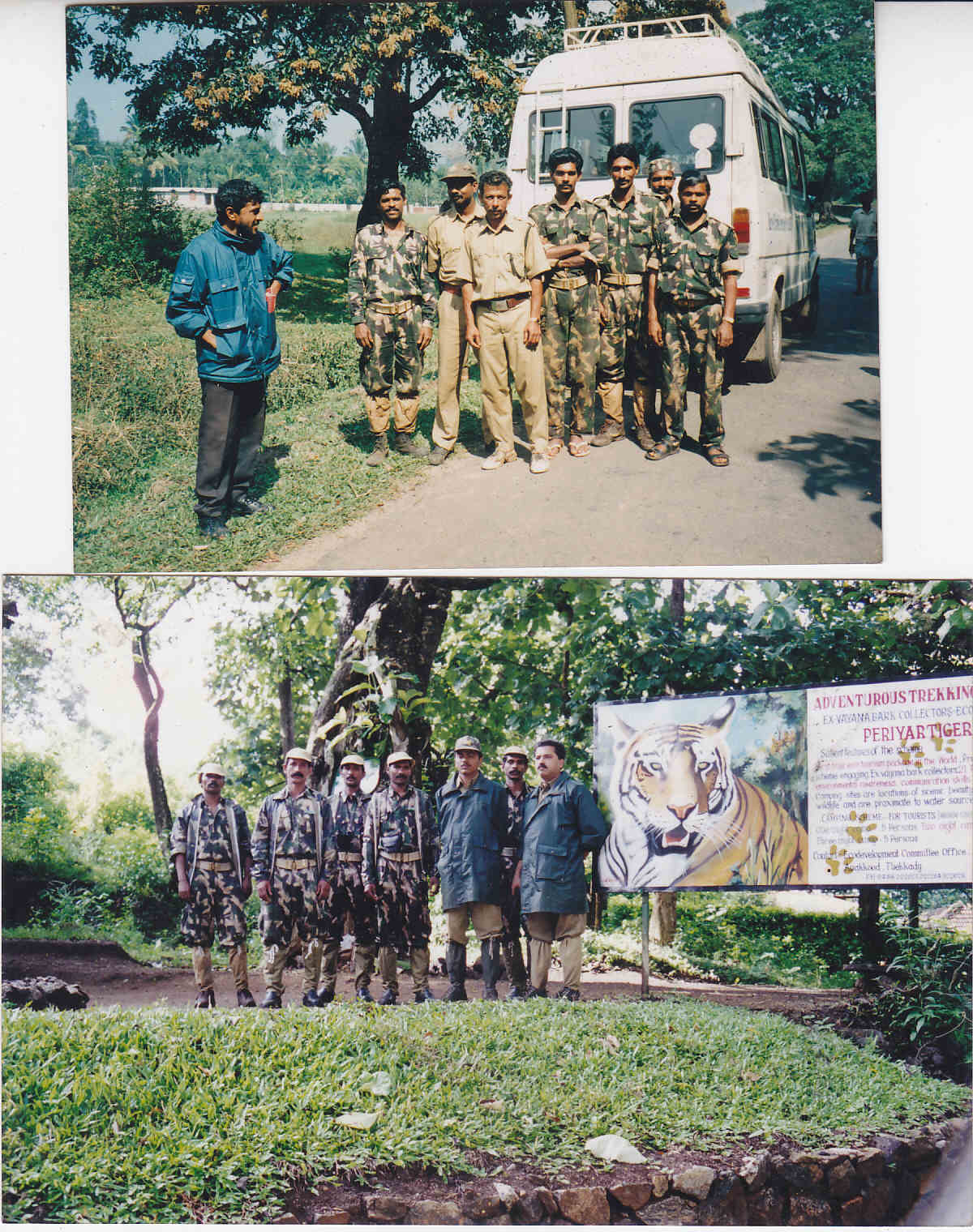
One of the most familiar, persistent, and pervasive myths in the collective-(un)conscious of the ‘West’ is the myth of the ‘noble savage.’ Writers who perpetuate this myth typically structure it along the lines drawn in Genesis: a formerly Edenic, perfectly-ordered society meets a corrupting influence that sullies irrevocably this society’s purity and harmony to the detriment of our current situation. Whatever the devil, be it private property, human temptation, television, the Federal Reserve, etc., the story has one function: it causes us to pine for the good old days—the beginning—before the advent of all this nastiness, which just stinks in comparison.
But if there’s one thing history teaches us, it’s that origins are rarely pretty. Progressions, regressions, and transgressions can happen all at once, and often they coincide in the same event. After all, we can’t get back to how it was then, not because we don’t have a suitably equipped Delorean, but because there was no then. Pardon the Liberal Arts 101, but I think some of us are more duped by this myth than we know. It is more difficult than is fair to exorcise ‘Eden.’ Continue reading
 Organikos