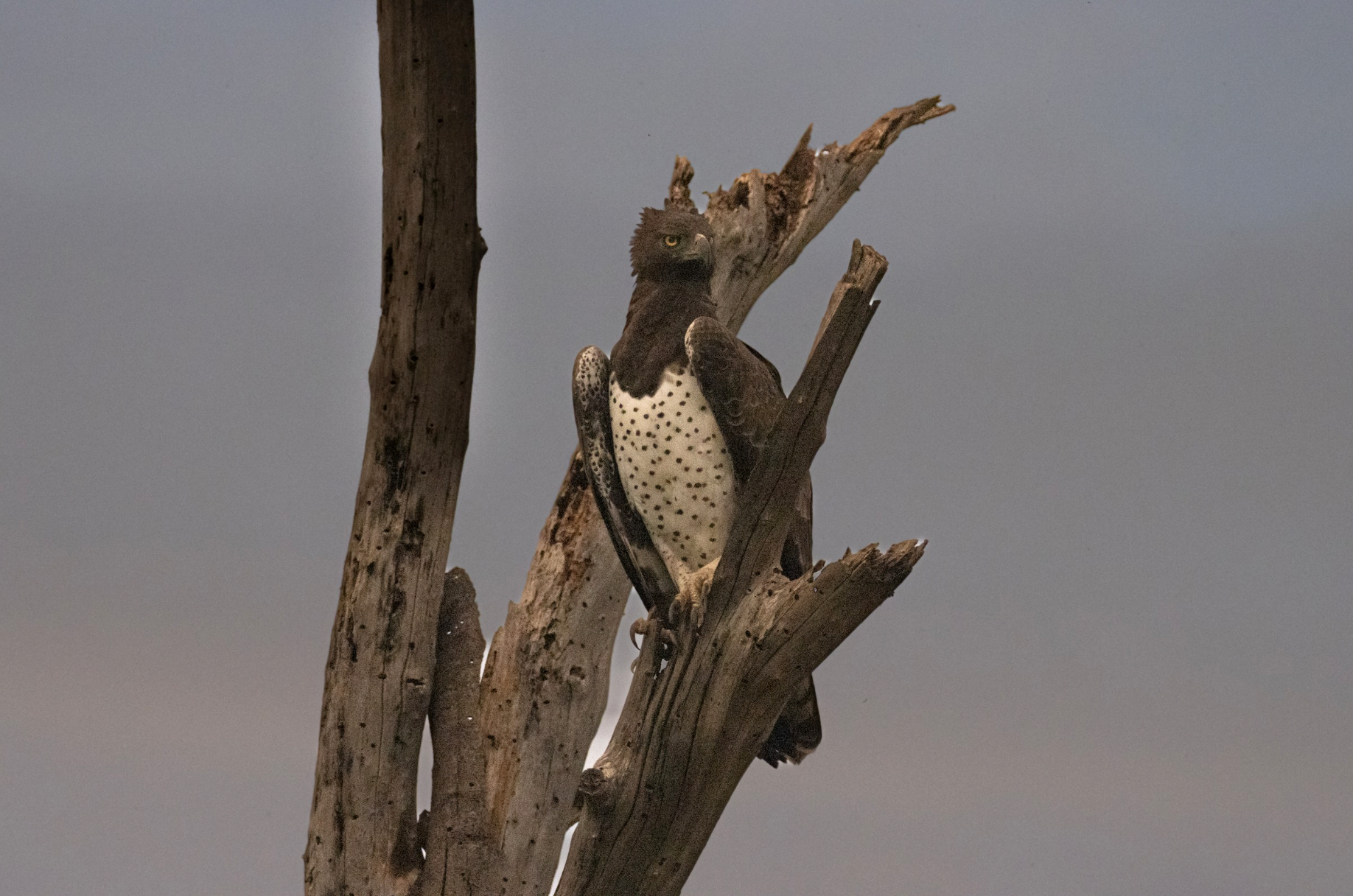
Samburu Nature Reserve, Rift Valley, Kenya
Samburu Nature Reserve, Rift Valley, Kenya
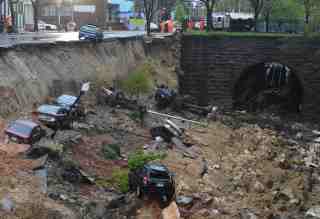
Following record rains in April of 2014, a section of Baltimore street simply collapsed. Now there’s some chance of holding the culprits accountable.
Thanks to Bill McKibben for this legal news following plenty of precursor stories on the same topic:
High court lets cities and states sue Exxon et al
…But something else happened yesterday too, with a price tag that may eventually dwarf that settlement, and with even larger potential implications for the future of the planet. The Supreme Court, also tersely, declined to grant cert in a case brought by oil companies desperately trying to hold off state court trials for their climate crimes. Continue reading
The Lost Tinamou Nature Preserve, Guatemala
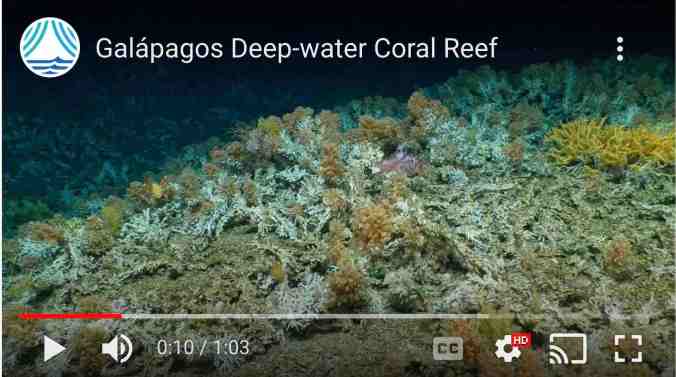
The video is worth a minute of your time, and the short article that follows is as close as we get to nature-related good news these days. Our thanks, as always, to Yale e360:
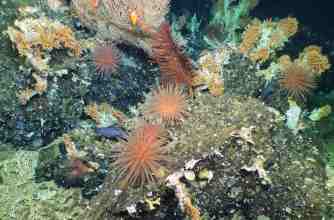
Pristine Deep-Sea Reef Discovered in the Galápagos
The newly discovered deep-sea reef in the Galápagos Marine Reserve. WOODS HOLE OCEANOGRAPHIC INSTITUTION
In Ecuador’s Galápagos Islands, where ocean warming has decimated shallow-water reefs, scientists have discovered a healthy, sprawling coral reef hidden deep under the sea.
“This newly discovered reef is potentially an area of global significance,” Michelle Taylor of the University of Essex, co-lead of the expedition, said in a statement. It is “a site we can monitor over time to see how a pristine habitat evolves with our current climate crisis.” Continue reading
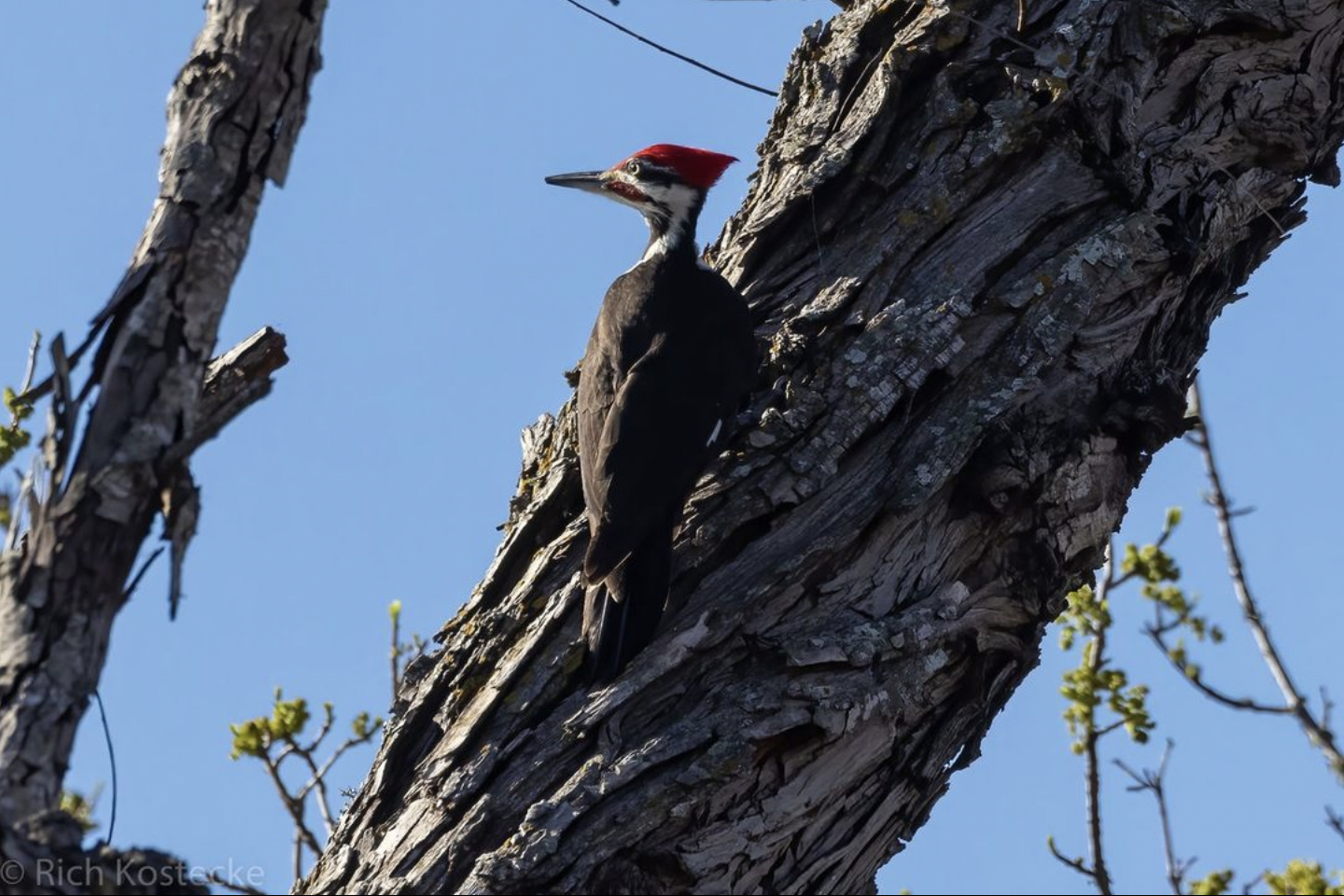
Granger Lake Willis Creek Wildlife Area, Williamson County, TX
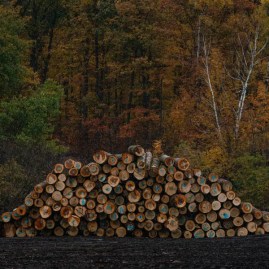
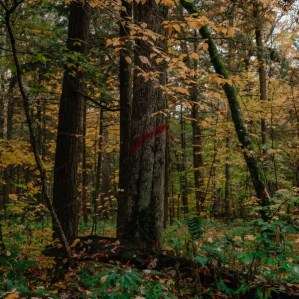
Freshly harvested logs from the Menominee Forest in Keshena, Wis., marked with color to indicate each log’s grade.
Sustainable forestry is a long-running topic in these pages over the years. The previous times we have linked to Cara Buckley stories we have been enriched by the humanity in environmental stories, so here we combine her unique talent to the topic of forestry:
The Menominee tribe has sustainably logged its forest in Wisconsin for 160 years. But that careful balance faces a crisis: too many trees and too few loggers.
A tree marked for cutting. The Menominee harvest only trees that are sick and dying or those that have fallen naturally
MENOMINEE COUNTY, Wis. — Amid the sprawling farmlands of northeast Wisconsin, the Menominee forest feels like an elixir, and a marvel. Its trees press in, towering and close, softening the air, a dense emerald wilderness that’s home to wolves, bears, otters, warblers and hawks, and that shows little hint of human hands.
Yet over the last 160 years, much of this forest has been chopped down and regrown nearly three times. The Menominee Tribe of Wisconsin, its stewards, have pulled nearly two hundred million cubic feet of timber from this land since 1854 — white pine cut into museum displays and hard maple made into basketball courts for the Olympics. Continue reading
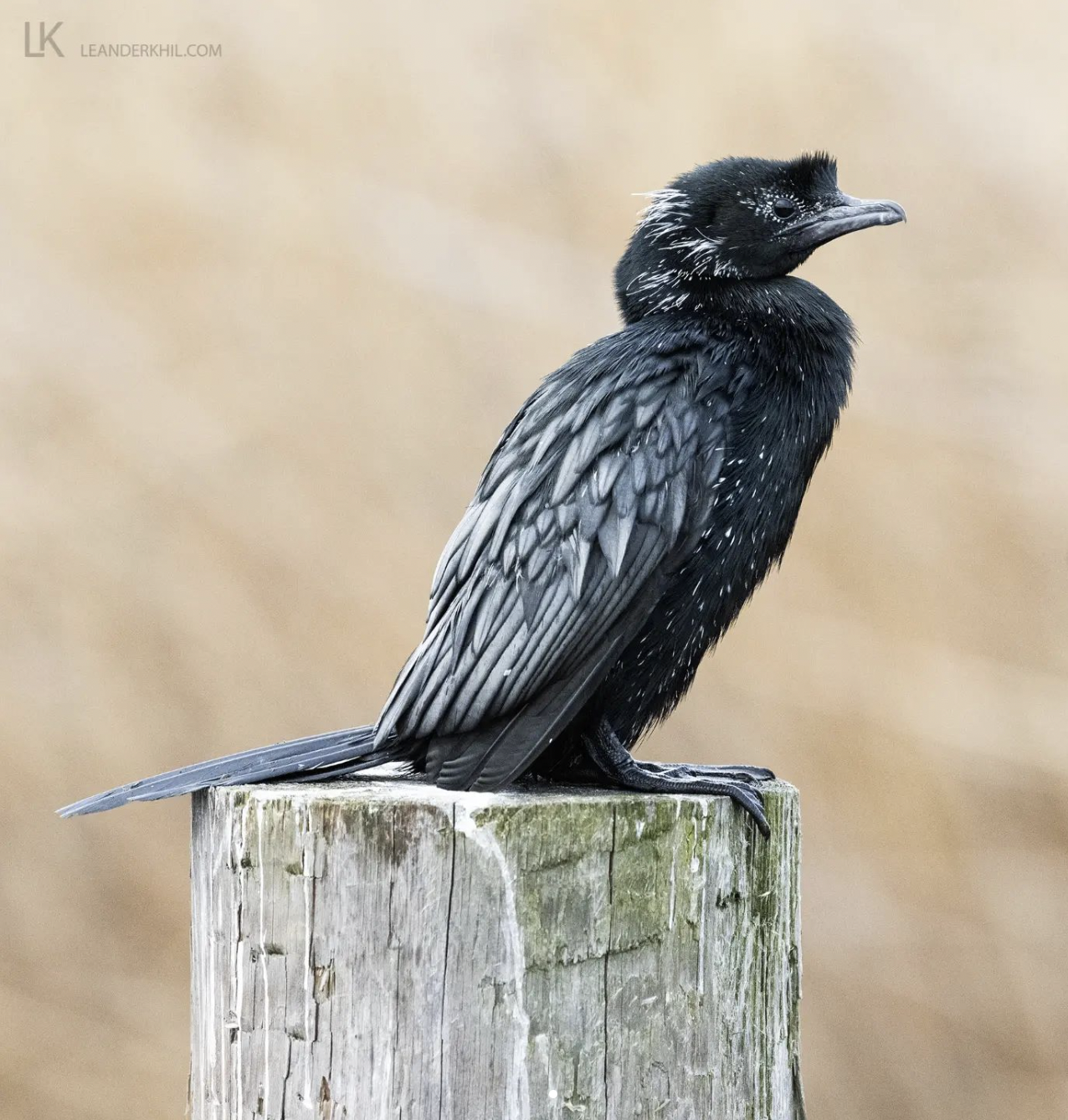
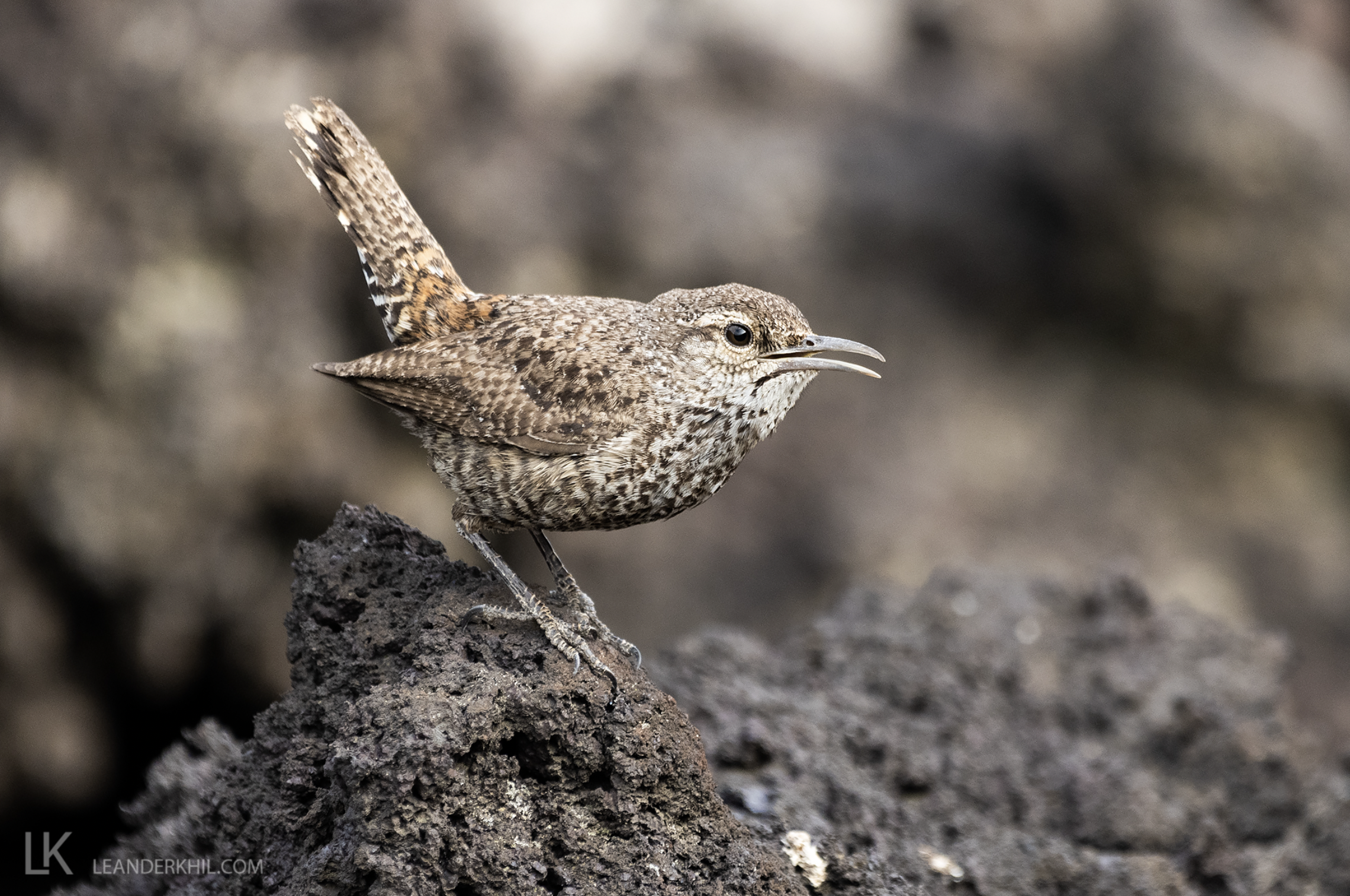
Adult with Breeding Plumage; Leander Khil Photography
Lake Neusiedl, Austria
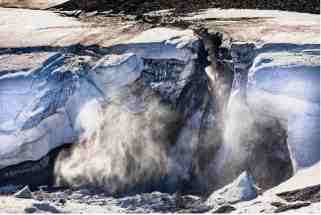
Over the past three decades, the rate of ice loss from Greenland has increased sevenfold. Photograph by Kerem Yücel / AFP / Getty
On yet another Earth Day, whatever those two words mean together in tandem these days, a message from a reliable source:
It’s Earth Day—and the News Isn’t Good
New reports show that ice sheets in Greenland and Antarctica are melting faster than anticipated, and other disasters loom.
The Greenland ice sheet is, quite literally, a relic of the last ice age. It consists of snow that fell year after year, century after century, and never melted; at the very bottom, there are flakes that fell more than a hundred thousand years ago. Continue reading
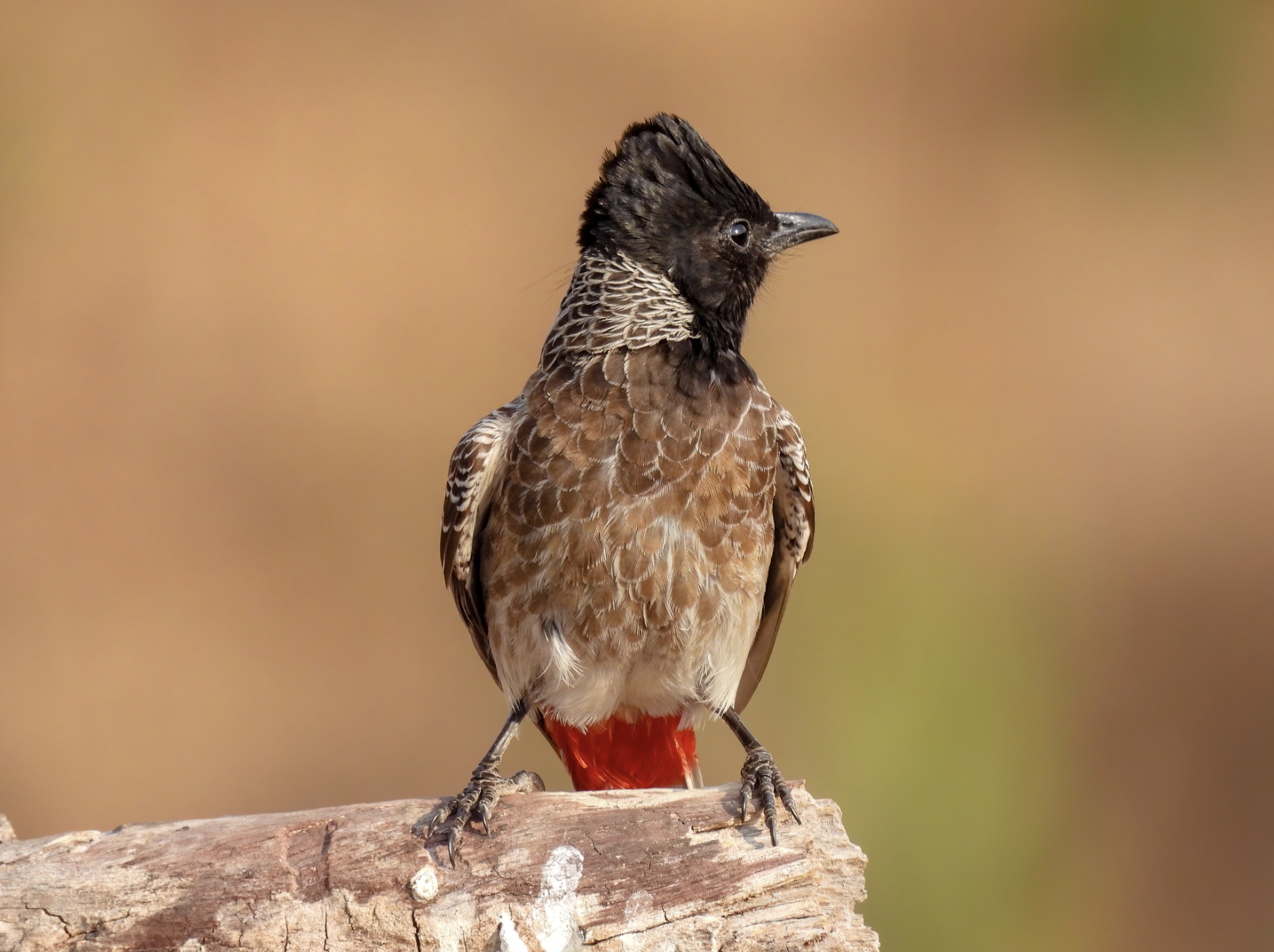
Vijayapura, Karnataka
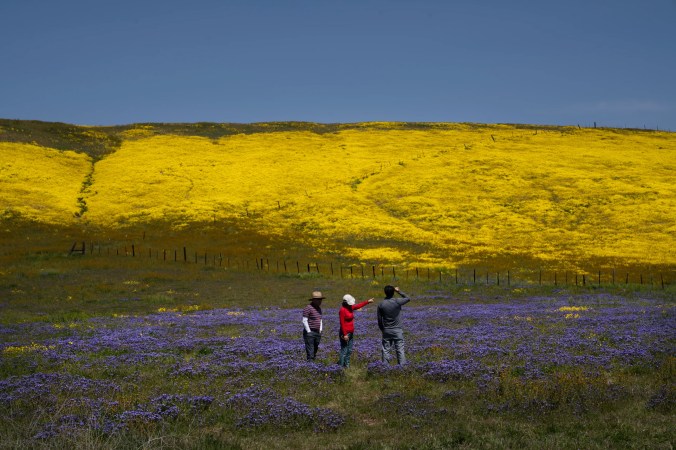
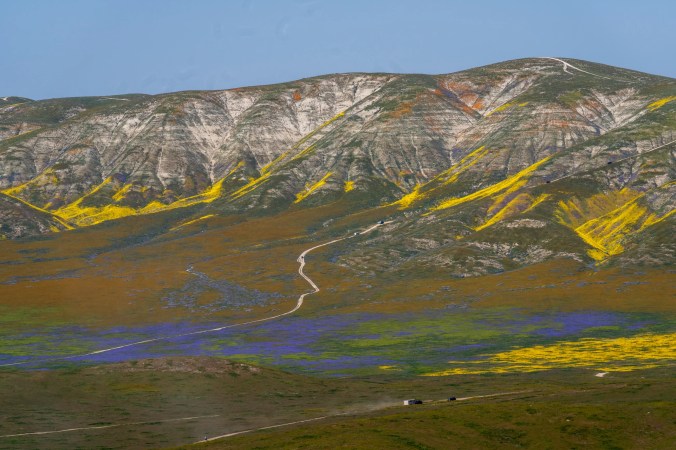
People view fields of flowers at Carrizo Plain National Monument, California’s largest remaining grassland.
Claire Harbage/NPR
When lemons are plentiful, make the best of it:
California’s destructively wet winter has a bright side. You’ll want to see it
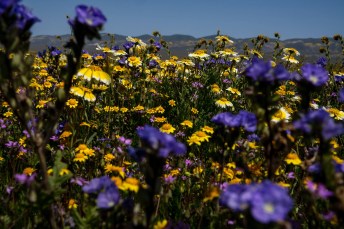
A benefit of California’s wet winter is what is known as a superbloom. Flowers including purple phacelia, yellow goldfields, hillside daisies and tidy tips grow at Carrizo Plain National Monument. Claire Harbage/NPR
CARRIZO PLAIN NATIONAL MONUMENT, Calif. — The roads are still rutted where rainwater carved them and farms are still flooded down the valley, but here in California’s largest remaining grassland, the benefits of the state’s destructively wet winter are on full display.
And they’re spectacular.
Wildflowers — yellow, purple, blue and orange — are splattered across the landscape in sweeps and pools like a clumsy airbrush painting.
Flowers are splattered across the landscape at Carrizo Plain. Claire Harbage/NPR
A superbloom. Continue reading
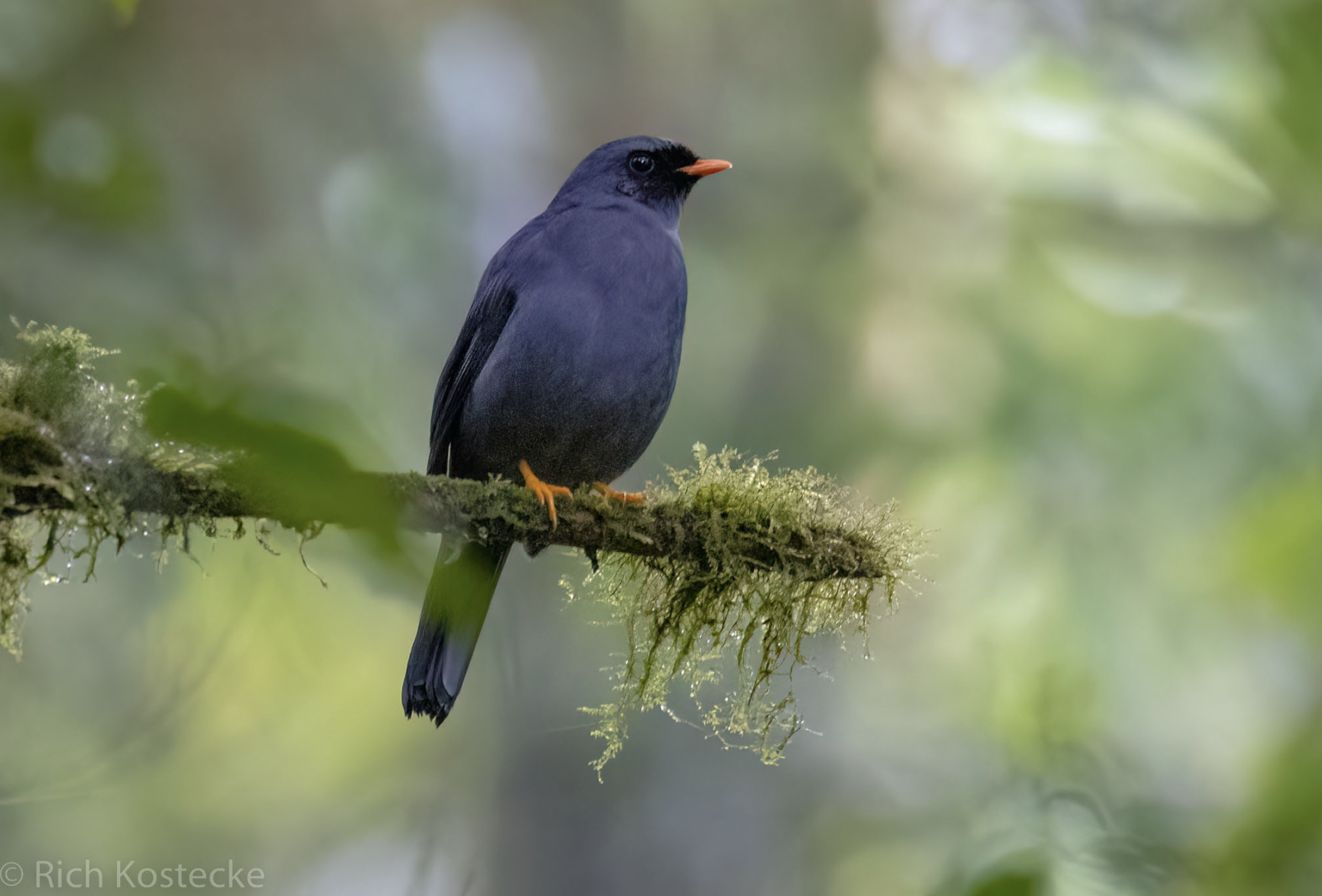
Monteverde Cloud Forest Reserve, Costa Rica
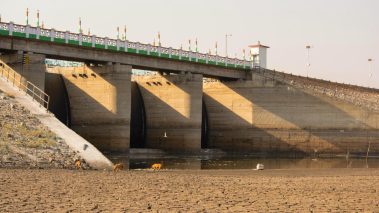
A dried-up reservoir behind a dam in North Karnataka, India. LAKSHMIPRASAD S. / ALAMY STOCK PHOTO
A couple of our earliest posts was about life around a dam in India, so the photo heading this article rings a bell of sorts:
As Projects Decline, the Era of Building Big Dams Draws to a Close
Escalating construction costs, the rise of solar and wind power, and mounting public opposition have led to a precipitous decrease in massive new hydropower projects. Experts say the world has hit “peak dams,” which conservationists hail as good news for riverine ecosystems.
The end of the big dam era is approaching. Continue reading

Bocas del Toro, Panama
 We began featuring food-related stories by employees and interns, plus occasional visiting friends, during our first couple of years living in India. More recently, taste of place considerations first explored in India became for our Authentica shops in Costa Rica a key differentiator.
So my eye is drawn to food writing that overlaps with ethnicity considerations, and Mayukh Sen’s review of Spoiled brings out that book’s relevance to our pages:
A Fresh History of Lactose Intolerance
In “Spoiled,” the culinary historian Anne Mendelson takes aim at the American fallacy of fresh milk as a wonder food.
Six decades ago, Pedro Cuatrecasas, a fledgling resident at the Johns Hopkins School of Medicine, was studying the lives of impoverished residents of Baltimore when he noticed an unsettling trend. In interviews, a number of his Black patients would confess that they found milk repellent. Continue reading
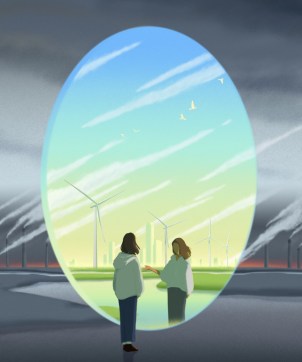
Grace J. Kim
We link to one person more than anyone else, for good reason:
ELECTRIFY EVERYTHING
Yes in Our Backyards
It’s time progressives like me learned to love the green building boom.The United States is on the brink of its most consequential transformation since the New Deal. Read more about what it takes to decarbonize the economy, and what stands in the way, here.
I’m an environmentalist, which means I’ve got some practice in saying no. It’s what we do: John Muir saying no to the destruction of Yosemite helped kick off environmentalism; Rachel Carson said no to DDT; the Sierra Club said no to the damming of the Grand Canyon. Continue reading
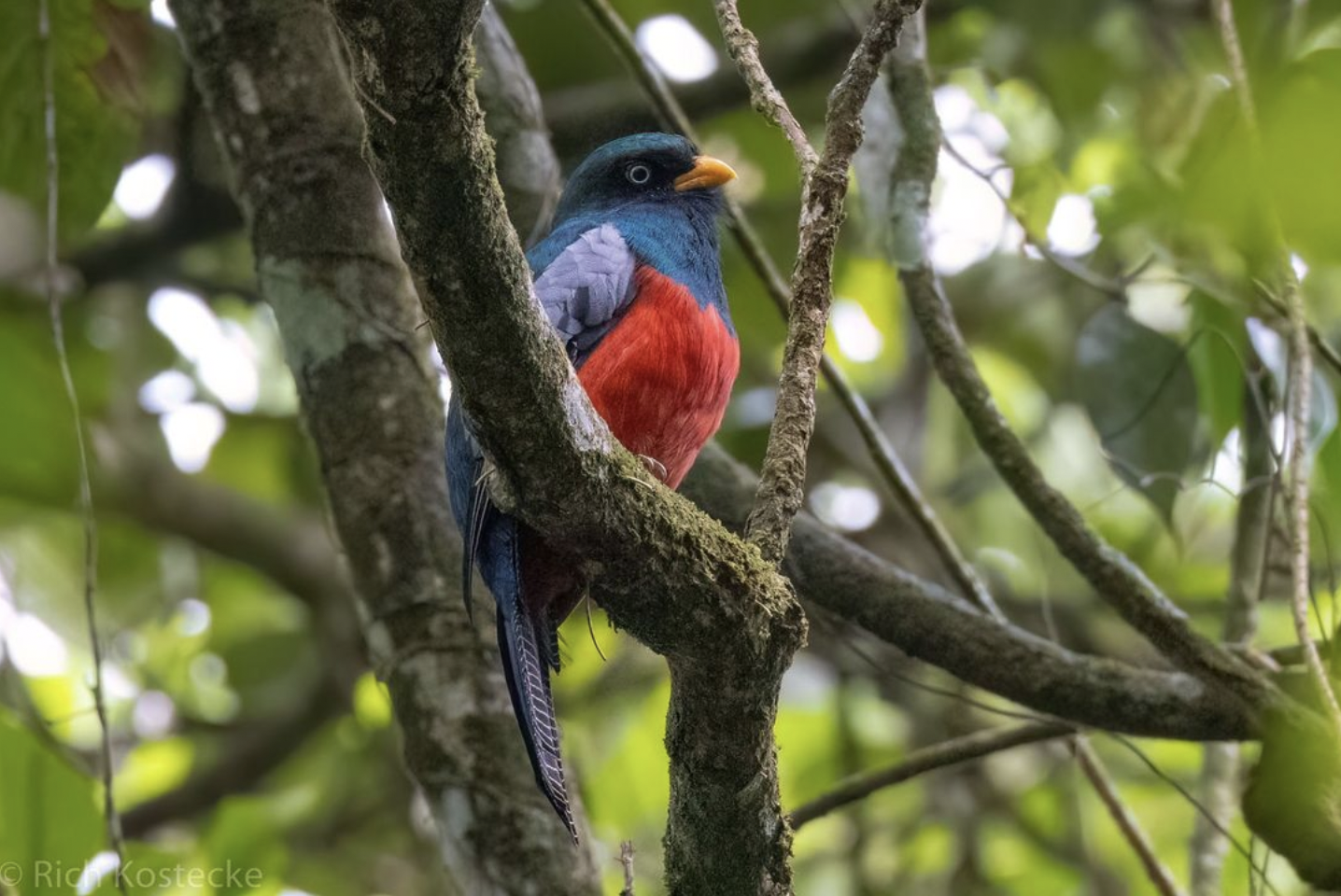
Parque Nacional Braulio Carrillo, Costa Rica
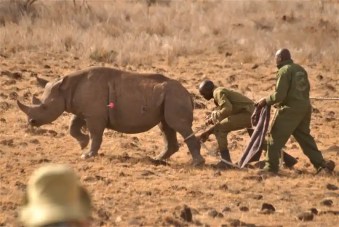
The team secure a darted rhino with nylon rope, then take its temperature and use a pulsemeter to monitor its heart rate and blood oxygenation
We have previous links to articles on tagging animals, but few land animals this big:
How to tag a rhino? Use tech, tact … and plenty of caution – a photo essay
Fewer than 2,000 rhino remain in Kenya, and the country’s wildlife service needs to keep tabs on them to make sure they thrive. It’s a major undertaking, involving a helicopter, 4x4s and a lot of rangers
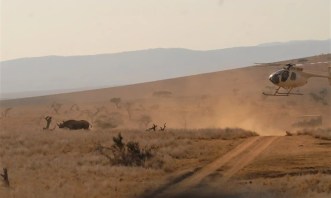
Here comes a chopper … a helicopter is used to dart the highly aggressive black rhino
Kenya has the world’s third largest rhinoceros population: a total of 1,890 including 966 black rhinos, 922 southern white and two northern white. But how to keep track of them and ensure the species are thriving? Every two or three years, Kenya Wildlife Service (KWS) carries out an ear-notching exercise in all rhino sanctuaries in the country to ensure that at least 60% of the animals are uniquely identifiable. Continue reading
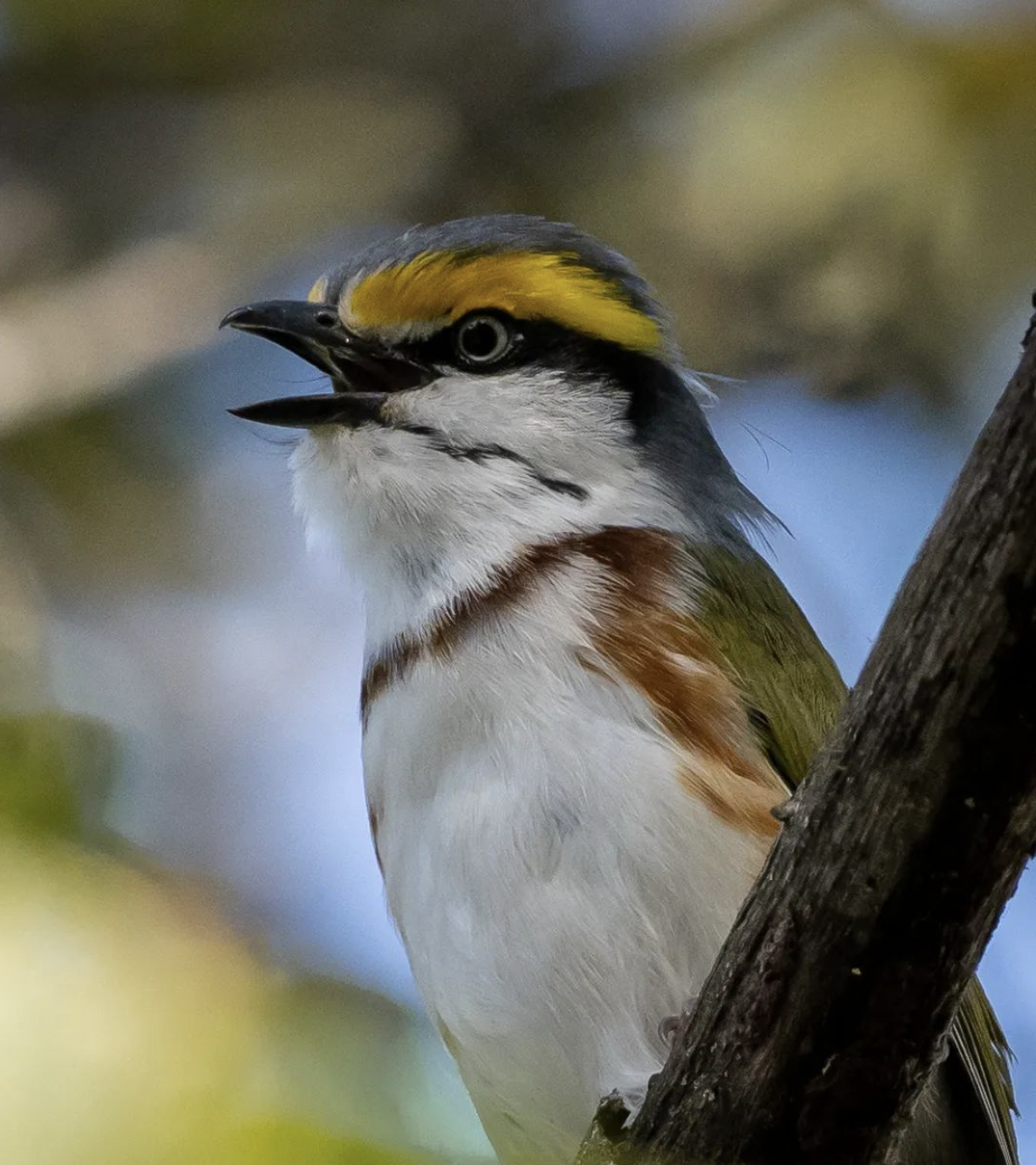
Volcan Toliman, Atitlan Guatemala
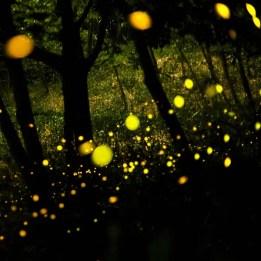
The Asahi Shimbun, via Getty Images
Our thanks, as always, to Margaret Renkl:
Long Live the Fireflies (and the Wildflowers and Mosquitoes, Too)
NASHVILLE — The day we moved into this house, 28 years ago next month, a thunderstorm knocked out the power late in the day. My husband was returning the rental van. Our 3-year-old was safely tucked into his old bed in his new room. As night began to fall in the silent house, I sat down on the sofa to cry. Continue reading

 Organikos