Male
Hotel Castillo del Arenal Gardens, Costa Rica
Male
Hotel Castillo del Arenal Gardens, Costa Rica
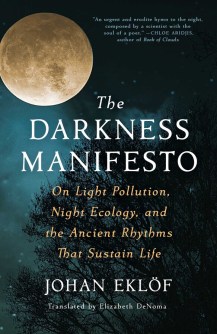 While sunlight gives electricity for the lights we need, there can be too much of a good thing. Thanks to Lisa Abend at the New York Times for this review:
A Manifesto for Loving the Darkness, and Not Metaphorically
Light pollution is disruptive to many species, from corals to bats to the humans who put up all those lights. “The Darkness Manifesto” urges us to reconsider our drive to dispel the dark.
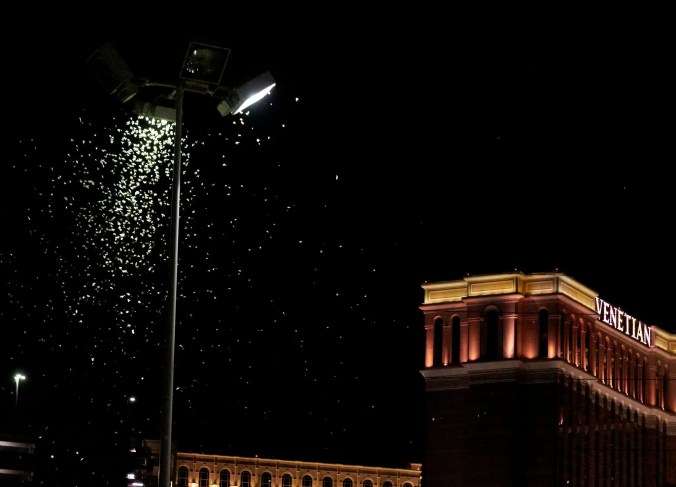
Artificial lights disorient many species, including the grasshoppers that swarmed the powerful lights over the Las Vegas strip in 2019. Bridget Bennett/Agence France-Presse — Getty Images
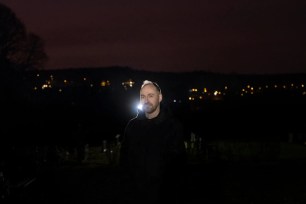
Losing a connection to the night sky is losing our connection to nature, said Johan Eklöf, but it is also losing some of our history. “What we see now is the same sky as our ancestors were looking at and making up stories about.” Nora Lorek for The New York Times
The zoologist Johan Eklöf began to consider the disappearance of darkness in our brightly lit world in 2015, when he was out counting bats in southern Sweden. The surrounding grounds were dark, as they had been decades earlier when his academic adviser had tallied the bat populations in the region’s churches. In the intervening years, however, those churches — whose belfries are famously appreciated by the winged mammals — had been illuminated with floodlights. “I started to think, how do the bats actually react to this?” Eklöf says. Continue reading
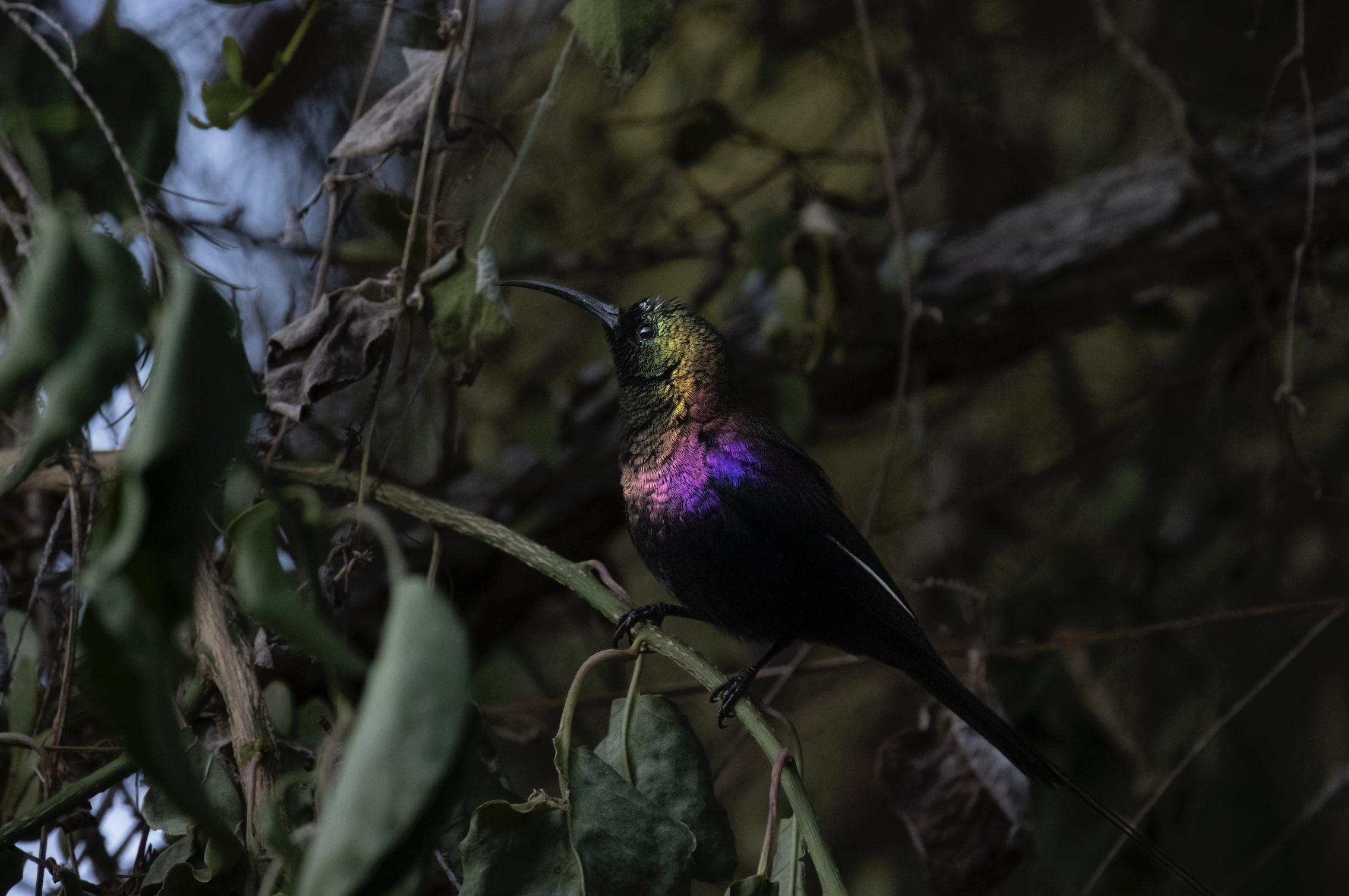
Rift Valley, Kenya

The Noor solar power station near Ouarzazate, Morocco. SEPCO III / XINHUA / ALAMY STOCK PHOTO
Fred Pearce brings us news from the European-African axis of renewable energy:
In Scramble for Clean Energy, Europe Is Turning to North Africa
In its quest for green energy, Europe is looking to North Africa, where vast solar and wind farms are proliferating and plans call for submarine cables that will carry electricity as far as Britain. But this rush for clean power is raising serious environmental concerns.
Solar panels in sun-rich North Africa generate up to three times more energy than in Europe. And North Africa has a lot more room for them than densely populated Europe. Continue reading

Bhitarkanika National Park, Odisha
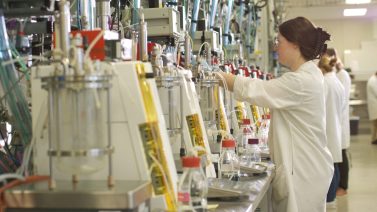
Scientists at San Diego-based Genomatica, which is developing a plant-based nylon. GENOMATICA
We have been watching and waiting for this range of products to have their day, and Jim Robbins delivers an up to date account that gives hope:
From Lab to Market: Bio-Based Products Are Gaining Momentum
A 3D-printed house made from sawdust and other timber industry waste by the University of Maine’s Advanced Structures and Composites Center. UNIVERSITY OF MAINE
Propelled by government investment and shareholder demand, manufacturers are pushing to get bio-based products into the marketplace. These new materials — made from plants, fungi, and microbes — aim to replace those that contain toxins and are difficult to recycle or reuse.
In the 1930s, the DuPont company created the world’s first nylon, a synthetic polymer made from petroleum. The product first appeared in bristles for toothbrushes, but eventually it would be used for a broad range of products, from stockings to blouses, carpets, food packaging, and even dental floss.
Nylon is still widely used, but, like other plastics, it has environmental downsides: it is made from a nonrenewable resource; its production generates nitrous oxide, a potent greenhouse gas; it doesn’t biodegrade; and it sheds microfibers that end up in food, water, plants, animals, and even the clouds.
Laminated timber beams and floors used in the construction of Ascent, a 25-story apartment building in Milwaukee. THORNTON TOMASETTI
Now, however, a San Diego-based company called Genomatica is offering an alternative: a so-called plant-based nylon made through biosynthesis, in which a genetically engineered microorganism ferments plant sugars to create a chemical intermediate that can be turned into nylon-6 polymer chips, and then textiles. The company has partnered with Lululemon, Unilever, and others to manufacture this and other bio-based products that safely decompose. Continue reading
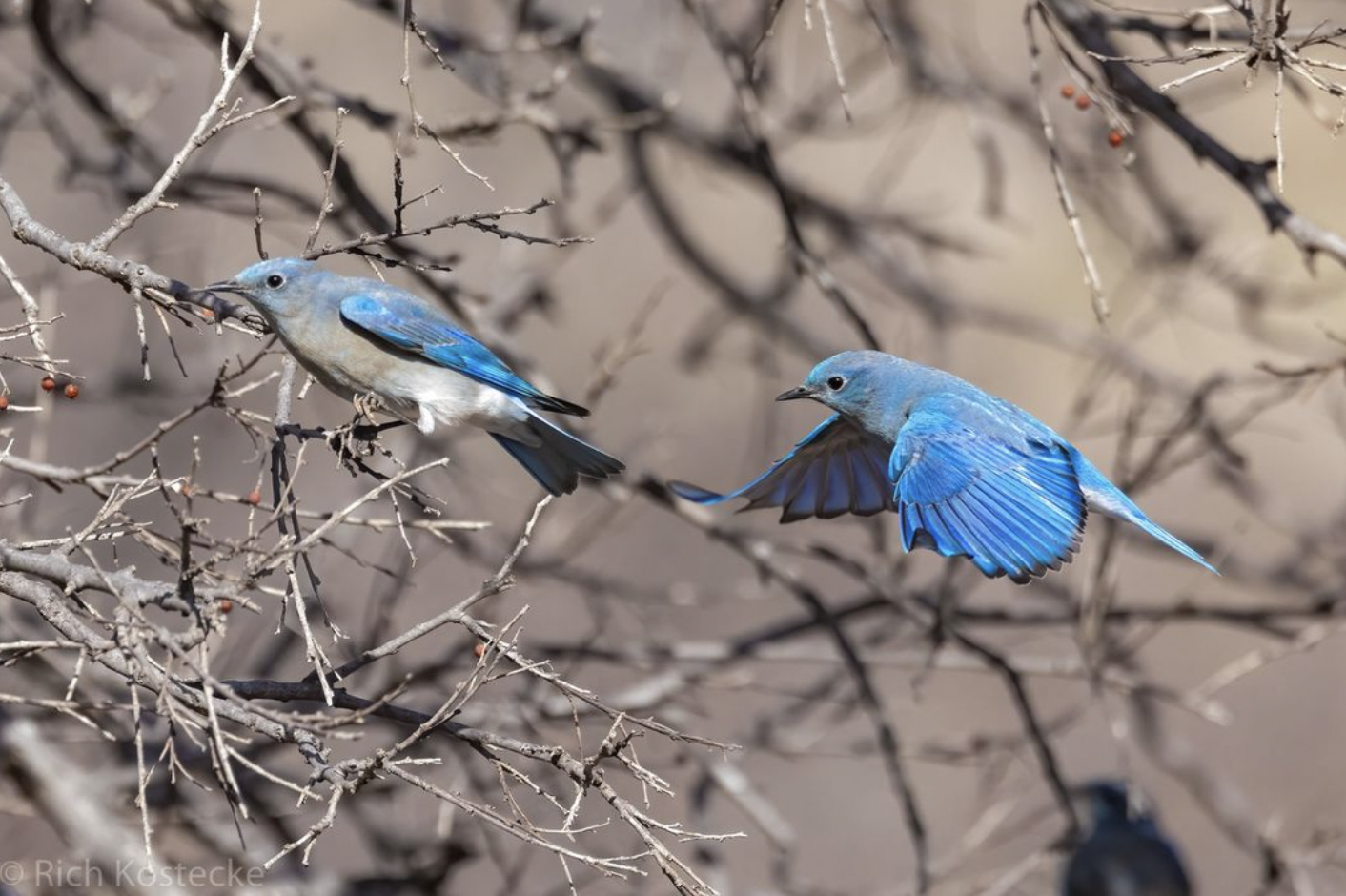
White River Lake, TX

The Parthenon (“Elgin”) Marbles are displayed in the British Museum, London. Credit: Txllxt TxllxT via Wikimedia Commons, CC BY-SA 4.0
This politician, like any, wants to repatriate heritage taken away. We have no insight into his motives, but even if it were just for the bragging rights that is fine. We do not so much care who resolves it, so much as that it happens:
The Secret Meetings on the Parthenon Marbles Exposed by the FT
The Financial Times (FT) reported on Friday the secret meetings on the Parthenon Marbles between Greek PM Kyriakos Mitsotakis and George Osborne, chair of the British Museum. Continue reading
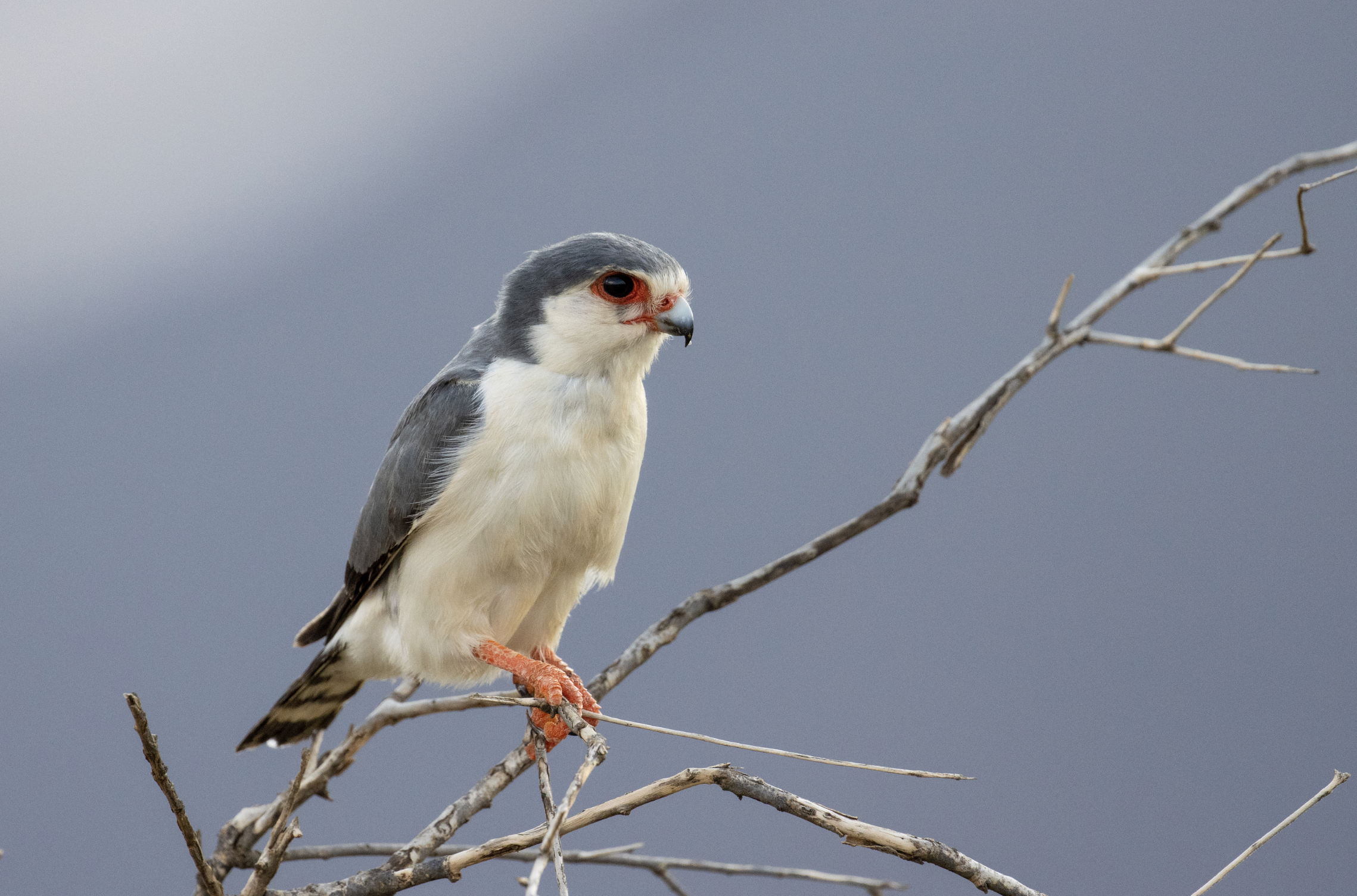
Samburu Nature Reserve, Kenya
PHOTOGRAPH: YUKIKO YAMAMOTO/GETTY IMAGES
We knew that the intersection between renewable energy and birds can be problematic, so we thank Emma Foehringer Merchant for this look at one initiative to address it:
Wanted: Dead Birds and Bats, Felled by Renewables
Scientists say collecting, studying, and storing the carcasses from wind and solar facilities can unlock new insights.
“This is one of the least smelly carcasses,” said Todd Katzner, peering over his lab manager’s shoulder as she sliced a bit of flesh from a dead pigeon lying on a steel lab table. The specimens that arrive at this facility in Boise, Idaho, are often long dead, and the bodies smell, he said, like “nothing that you can easily describe, other than yuck.” Continue reading
Austria

‘It hurts to know that we create so much waste.’ Composite: The Guardian/Getty Images/NASA
We have been clearly on one side of this, but now thanks to Cecilia Nowell and the Guardian we acknowledge a possible reason to reconsider:
Are coffee pods really eco-friendly? The truth behind the surprising findings
Coffee capsules notoriously produce waste – but some experts maintain that reducing how much coffee you use, even with a pod, can decrease emissions
If you drink one of the 2bn cups of coffee consumed each day worldwide, you may have seen headlines last month celebrating the coffee pod, a single-serving container – typically made of plastic or aluminum – that can be inserted into a machine to brew a cup of coffee. Continue reading
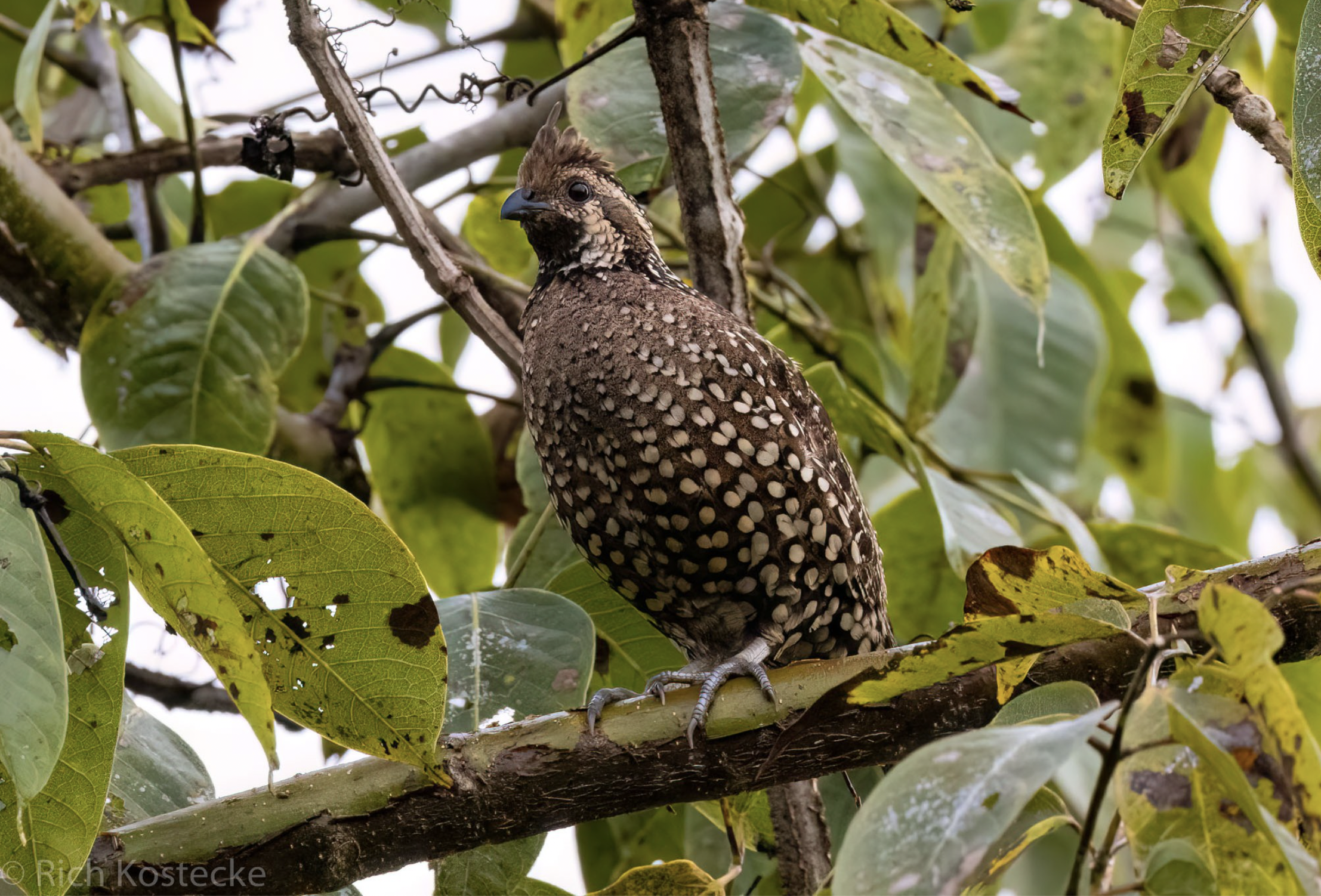
Orotina, Costa Rica
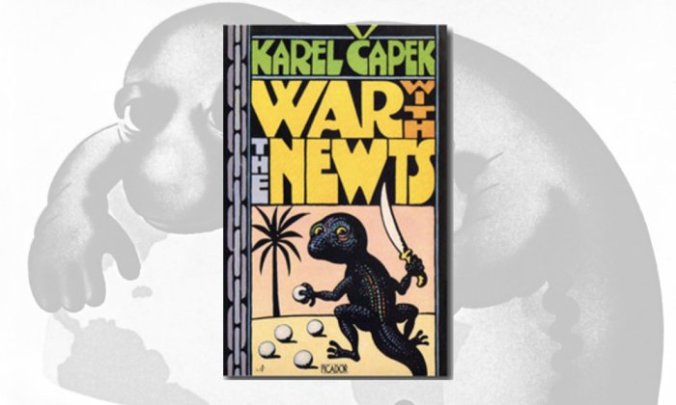
 John Rieder, an emeritus professor of English at the University of Hawai‘i at Mānoa, shares the following, excerpted from the book Uneven Futures: Strategies for Community Survival From Speculative Fiction:
On Karel Čapek’s Prophetic Science Fiction Novel ‘War With the Newts’
The Czech writer’s darkly humorous novel, published in 1936, anticipated our current reality with eerie accuracy.
Karel Čapek’s “War with the Newts,” published in 1936, one of the greatest pieces of science fiction of the 20th century, is a prophetic work. When I say prophetic, I mean it has the gift of seeing the present for what it is — and not only seeing it but also telling the rest of us what we have been looking at. Continue reading

Vijayapura, Karnataka
 With a film review titled It’s easy to focus on what’s bad — ‘All That Breathes’ celebrates the good it would be difficult to resist reading, but spoilers can be annoying; not here:
In Anne Lamott’s book on writing, she tells a great story about facing tasks that seem overwhelming. Her 10-year-old brother was doing a big school project on birds, and as the deadline loomed, he became paralyzed by how much he still had to do. His father put his arm around him and gave him a piece of advice, “Bird by bird, buddy,” he told him. “Just take it bird by bird.”
This useful life lesson takes literal form in All That Breathes, a wonderful new documentary that arrives on HBO and HBO Max garlanded with international awards. Directed by Shaunak Sen — and ravishingly shot by Ben Bernhard — this inspiring film takes us inside the lives of two ordinary seeming Muslim brothers in Delhi who are actually extraordinary in their dedication to doing good in a city teetering on the edge of apocalypse.
The brothers are named Saud and Nadeem, the former friendly, the latter a little grumpy. Continue reading
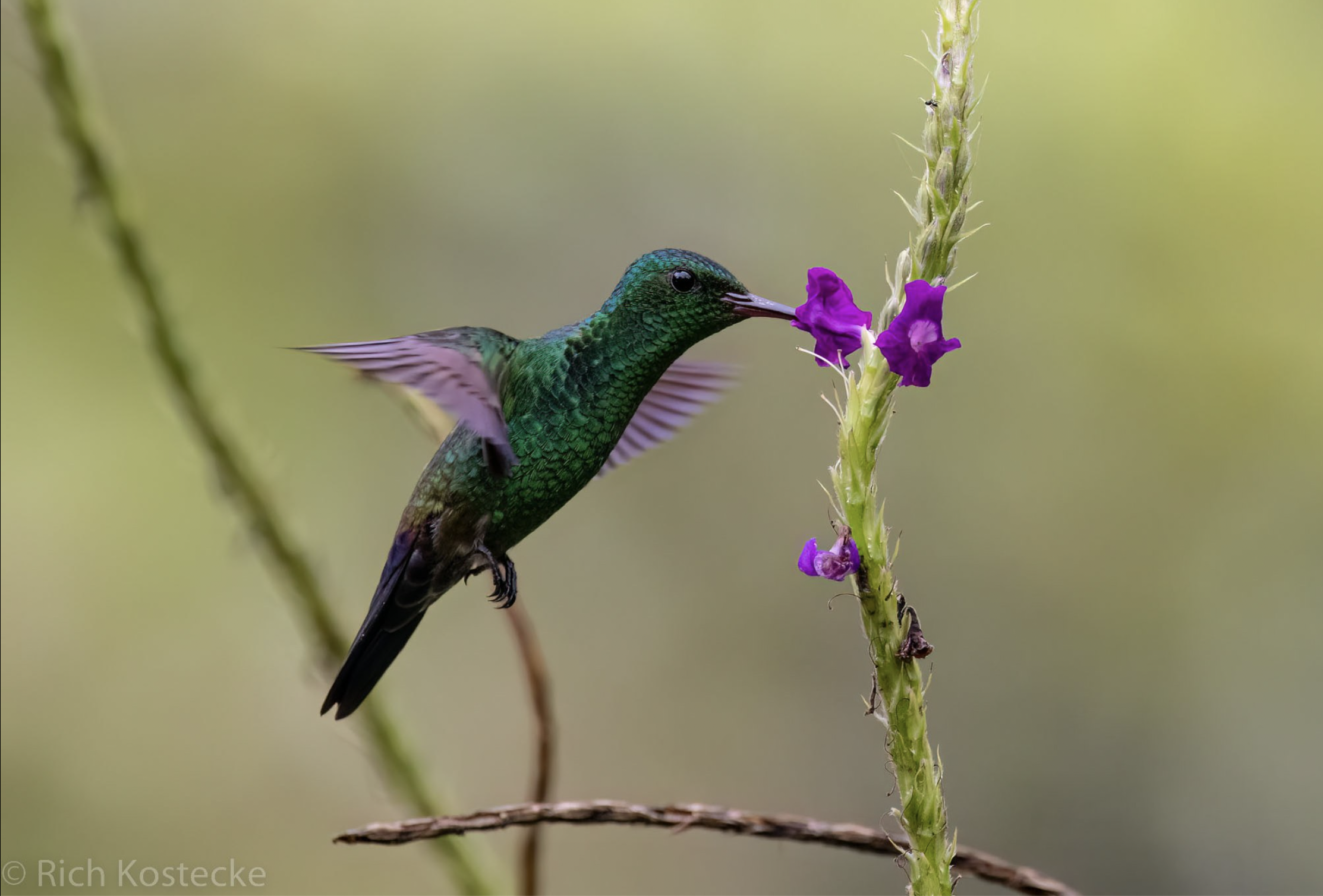
Carara National Park, Costa Rica
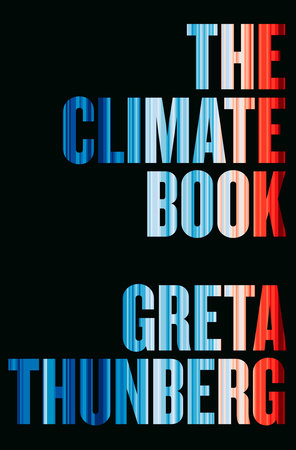 David Wallace-Wells has published a conversation, Greta Thunberg: ‘The World Is Getting More Grim by the Day’, in advance of the publication of the book to the right:
There is genuinely no precedent in the modern history of geopolitics for the climate activist Greta Thunberg.
Four and a half years ago, she began “striking” outside of Swedish parliament — a single teenager with a single sign. She was 15. In just a few months, she had made her mark at the United Nations climate conference in Poland: “You are not mature enough to tell it like it is,” she told the assembled diplomats and negotiators, “even that burden you leave to us children.” Continue reading

Santiago Atitlán, Guatemala
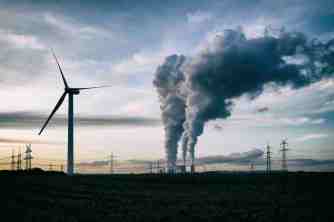
Climate-change straight talk is crucially important as the occurrence of enormous, unnatural disasters coincides with a man-made flood of obfuscation. Photograph from Getty
We look for positive news on the environment without hiding the perils. Bill McKibben, as always, prefers straight talk in all such matters:
The U.N. Secretary-General’s Searing Message for the Fossil-Fuel Industry
Forget diplomatic language—it’s a moment for some home truths.
On Monday morning, at the United Nations, the Secretary-General delivered his annual report on priorities—a kind of State of the Planet address. If you’re struggling to remember the name of the current Secretary-General, it’s António Guterres, who came to the job after, among other things, serving as the Prime Minister of Portugal. We’re used to the idea that “diplomatic language” is filled with euphemisms—“a full and frank exchange of views,” and so on. Continue reading