Savegre Lodge, Costa Rica
Savegre Lodge, Costa Rica

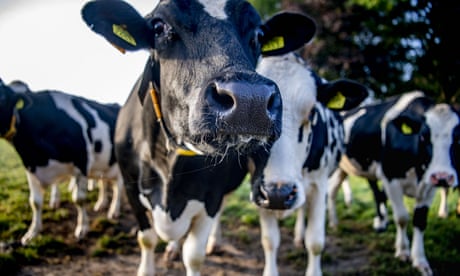
Hundreds of dairy farms across California have sold the rights to their manure to energy producers. Illustration: Ricardo Cavolo/The Guardian
We are always on the lookout for more reasons why reducing beef and dairy consumption makes sense:
Brown gold: the great American manure rush begins
The energy industry is turning waste from dairy farms into renewable natural gas – but will it actually reduce emissions?
Have we reached ‘peak meat’? Why one country is trying to limit its number of livestock
On an early August afternoon at Pinnacle Dairy, a farm located near the middle of California’s long Central Valley, 1,300 Jersey cows idle in the shade of open-air barns. Above them whir fans the size of satellites, circulating a breeze as the temperature pushes 100F (38C). Underfoot, a wet layer of feces emits a thick stench that hangs in the air. Just a tad unpleasant, the smell represents a potential goldmine. Continue reading

Rio Tarcoles, Costa Rica

PHOTOGRAPH: GETTY IMAGES
Whether we want buildings to last longer or not, we now know that reducing the carbon footprint of the materials used is a consideration is important:
The Secret to Making Concrete That Lasts 1,000 Years
Scientists have uncovered the Roman recipe for self-repairing cement—which could massively reduce the carbon footprint of the material today.
ROME’S PANTHEON STANDS defiant 2,000 years after it was built, its marble floors sheltered under the world’s largest unreinforced concrete dome. For decades, researchers have probed samples from Roman concrete structures—tombs, breakwaters, aqueducts, and wharves—to find out why these ancient buildings endure when modern concrete may crumble after only a few decades. Continue reading


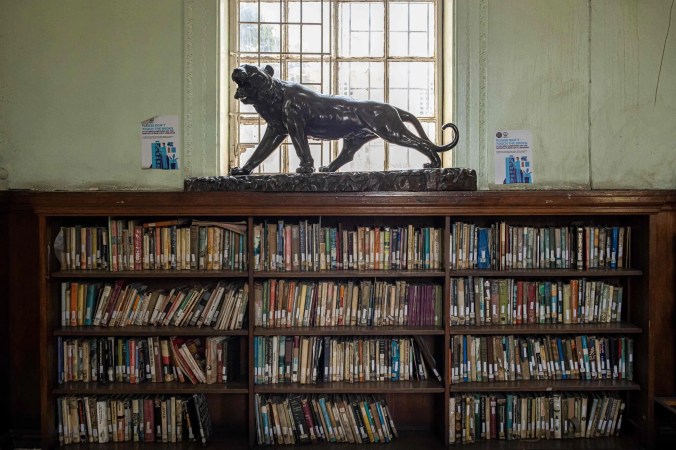
The archives of the McMillan Memorial Library are being digitized. Kenyans are also being invited to bring items such as photographs or letters to create an archive anchored in collective memory. Patrick Meinhardt/Agence France-Presse — Getty Images
Palace is a fine way to think about libraries, and Kenya has a movement to make this metaphor work:
Turning Nairobi’s Public Libraries Into ‘Palaces for the People’
A Kenyan nonprofit is restoring iconic public libraries, leaving behind a segregated past and turning them into inclusive spaces.
A project to preserve libraries such as this one is not a sprint or even a marathon, but a relay, said Lola Shoneyin, a Nigerian novelist. Patrick Meinhardt/Agence France-Presse — Getty Images
In 1931, the first library in Kenya’s capital, Nairobi, opened its doors — to white patrons only. Continue reading

Napo, Ecuador
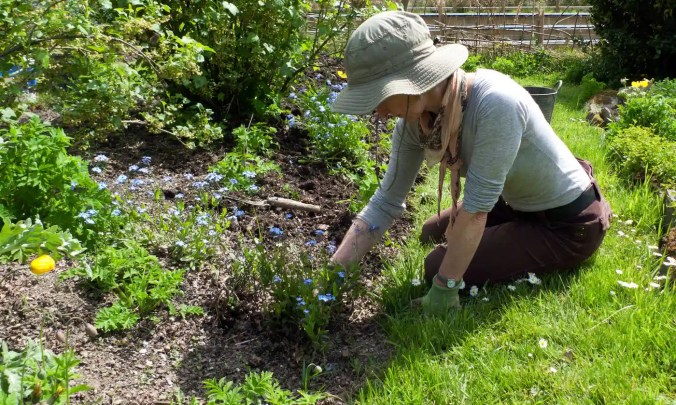
While once gardening was somewhat of a battle against nature, people are now working with native plants and animals. Photograph: Kathy deWitt/Alamy
We are happy to see citizen scientists putting this technology to such use anywhere, but particularly gratified to know that a large organization is encouraging its use for such an important initiative:
RHS asks gardeners to find interesting ‘weeds’ that may be rare plants
People urged to submit specimens to an app as private gardens may be fresh source of scientific discovery
Record the “weeds” that pop up in your garden because they could be a rare plant, the Royal Horticultural Society has said. Continue reading

Savegre Lodge, Costa Rica
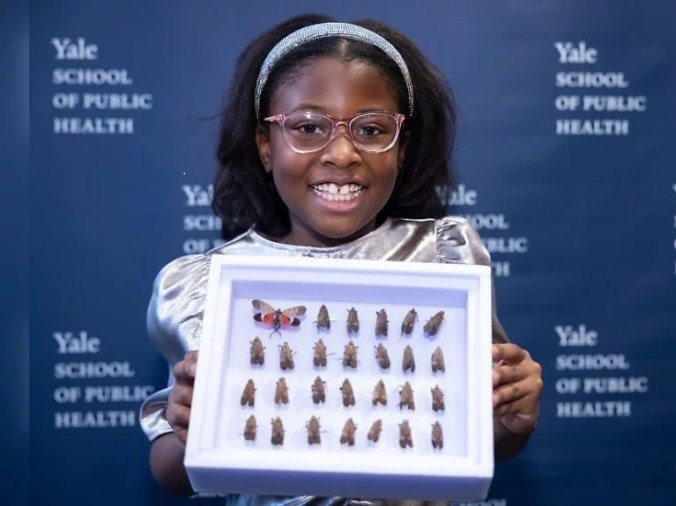
Bobbi Wilson holds her collection of spotted lanternflies as she is honored at the Yale School of Public Health on Jan. 20. Andrew Hurley/Yale University
A young person doing their part, on their own, to help with an environmental scourge. Hats off to that. The unneighborly act aside, this is a story to celebrate (thanks to National Public Radio, USA) and an extra bravo to Yale University for their part in it:
Yale honors the work of a 9-year-old Black girl whose neighbor reported her to police
Nine-year-old Bobbi Wilson may be in the fourth grade, but last month the Yale School of Public Health held a ceremony honoring the budding scientist’s recent work. Continue reading
Etosha National Park, Namibia
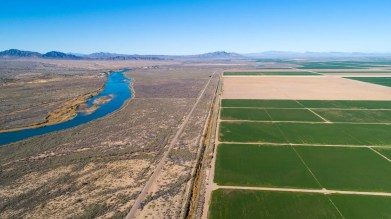
Among the arid lands where water from the Colorado River makes agriculture possible is the Colorado River Indian Tribes reservation, which serves Mohave, Chemehuevi, Hopi, and Navajo peoples. More than 70,000 acres of alfalfa, cotton, potatoes, and other crops are being produced on the reservation. (Image credit: Ted Wood/The Water Desk, CC BY-NC-ND 4.0)
The Colorado River holds our attention for many reasons, but mostly now due to climate impact. Our thanks to Bob Henson at Yale Climate Connection for this:
Wet winter won’t fix Colorado River woes
“One year of good flows doesn’t mean we have a trend,” noted one expert.
Snowpack has been running well above average this winter across the Colorado River watershed. It’s a rare bright spot after 23 years of grinding megadrought brought the driest conditions in 1,200 years to the basin that supplies 40 million people in Arizona, California, Colorado, Nevada, New Mexico, Utah, Wyoming, and Mexico. Continue reading

Orotina, Costa Rica
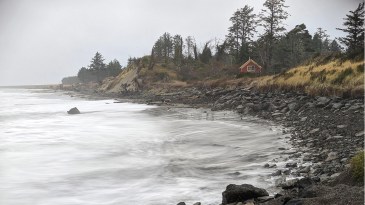
Washington’s seasonal king tides, shown here at Washaway Beach, are becoming more destructive as sea levels rise. Sarah Trent/High Country News
Our thanks to Sarah Trent, an editorial intern for High Country News based in southwest Washington, for the story and to Mother Jones for sharing it more broadly:
This Experiment Could Help Restore Eroding Coastlines
David Cottrell dropped $400 worth of rock on “washaway beach” to see what would happen. Now engineers are watching, too.
David Cottrell stood on what used to be a 14-foot-high cliff at the crumbled end of Blue Pacific Drive. Just a few years ago, this was the fastest-eroding shoreline on the US Pacific Coast; locals here in North Cove, Washington, dubbed it “washaway beach.” Continue reading

Architect Esha Munshi and veterinarian Sherwin Everett, founders of the Feather Library
Over the years we talked about feathers from numerous perspectives, including scientific and artistic. Thanks once again to the Guardian for sharing this inspiring Citizen Science story.
Plucky idea: the feather library providing a visual A to Z of India’s birds
Finding a trapped silverbill during lockdown inspired Esha Munshi to create an invaluable record of species in an uncertain world
Esha Munshi, an architect based in Ahmedabad, has “breathed birds” as far back as she can remember. She has travelled all over India on birding trips and has, she says, spotted 1,060 of the 1,400 bird species in the country.
An Indian golden oriole feather, left, and white-throated kingfisher feathers
But it was at home, during the Covid-19 lockdown in 2020, that she saw an Indian silverbill caught in the protective netting on her balcony, attracting the attention of her cat. Although the bird escaped, some of its feathers were damaged. When Munshi saw the exquisite markings and patterns, she tried to identify the bird, but was struck by how little information there was online.
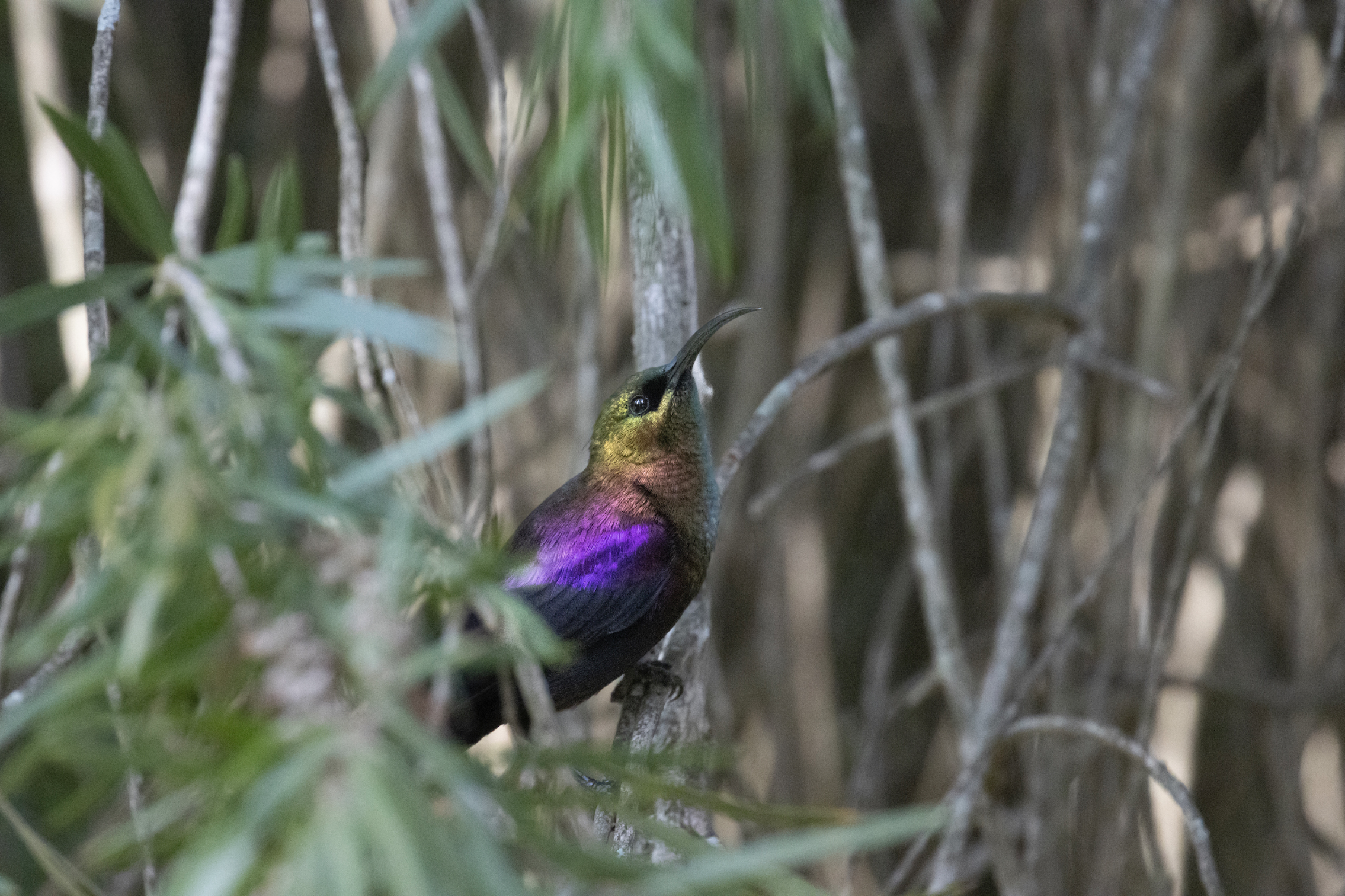
Rift Valley, Kenya

PEXELS
Thanks to Yale e360:
Clean Energy Saw as Much Investment as Fossil Fuels for the First Time in 2022
Solar, wind, electric vehicles, and other clean energy technologies saw a record-high $1.1 trillion in investment globally last year, matching investment in fossil fuels for the first time ever, according to a new report from Bloomberg New Energy Finance. Continue reading
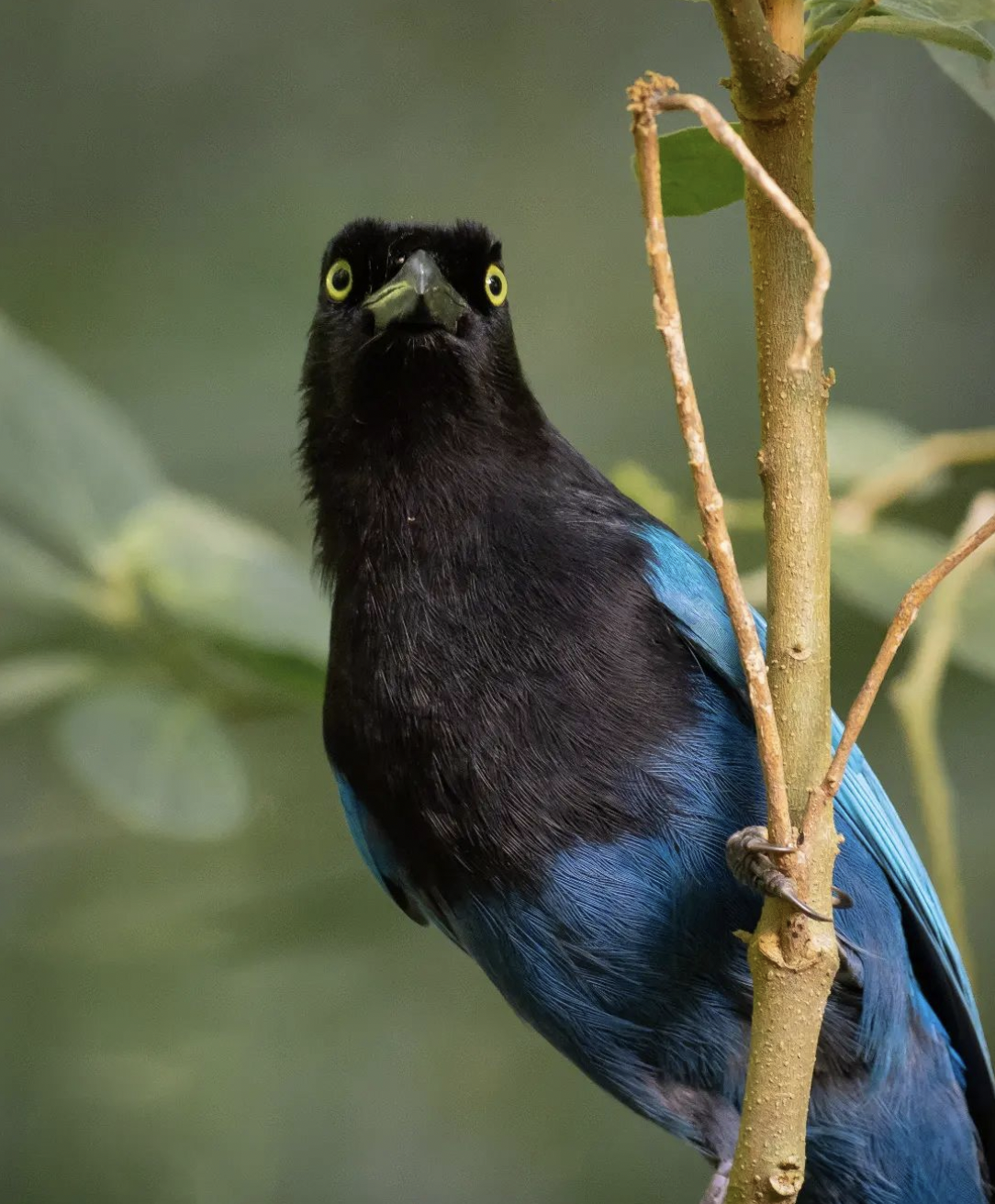
Ciudad de Guatemala, Guatemala

6 months after the Kaziranga trip, I started reading about the birds of India. I was very surprised to learn that we had more than 1,200 species across the country. I ventured out a bit, driving around Bannerghatta National Park and Hesarghatta Lake. Photographing birds isn’t as easy as one would think. They are flighty and fickle. I captured several images of “bird-less” perches and returned home with “bird-less” memory cards as well.
I was 56 years old and time was not on my side. I began to list out important birding areas in the country. This way, I could focus on numbers- my goal being to reach 500 birds before my health deteriorated. I chose birding locations that were easily accessible by car. Gujarat and Uttarakhand had large bird counts and winters were ideal for birding.
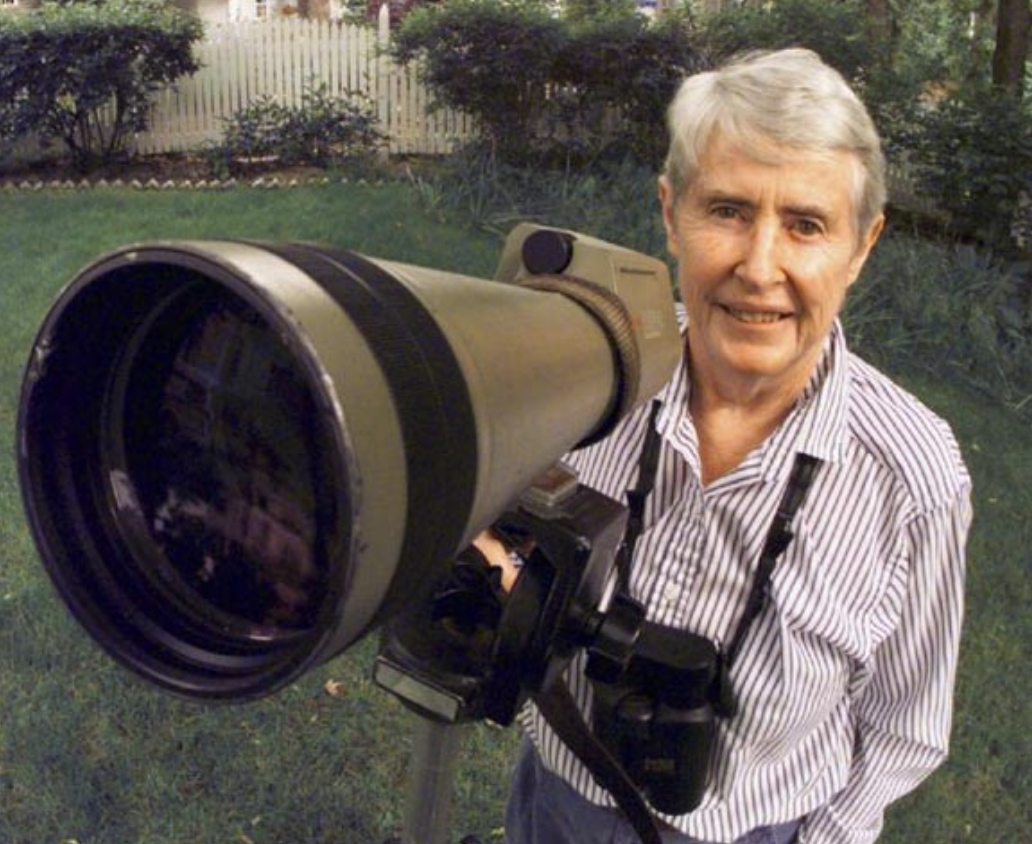
I decided to travel to the Great Rann of Kutch during November 2012. I didn’t want any delay seeing and photographing birds. I needed the right gear and I purchased a Canon 1D mark14 with a 500 mm f4 lens. A friend of mine drove me to Kutch, making it an easier trip for me. We chose a Homestay run by a famous conservationist and bird guide, Sri. Jugal Tiwari. All the rooms were named for beautiful local birds, which was very inspiring. I chose the Grey Hypocolius room just because the name sounded exotic. Most special was the fact that each room had books by the bedside,
mine had two about the world-famous birder, Phoebe Snetsinger.