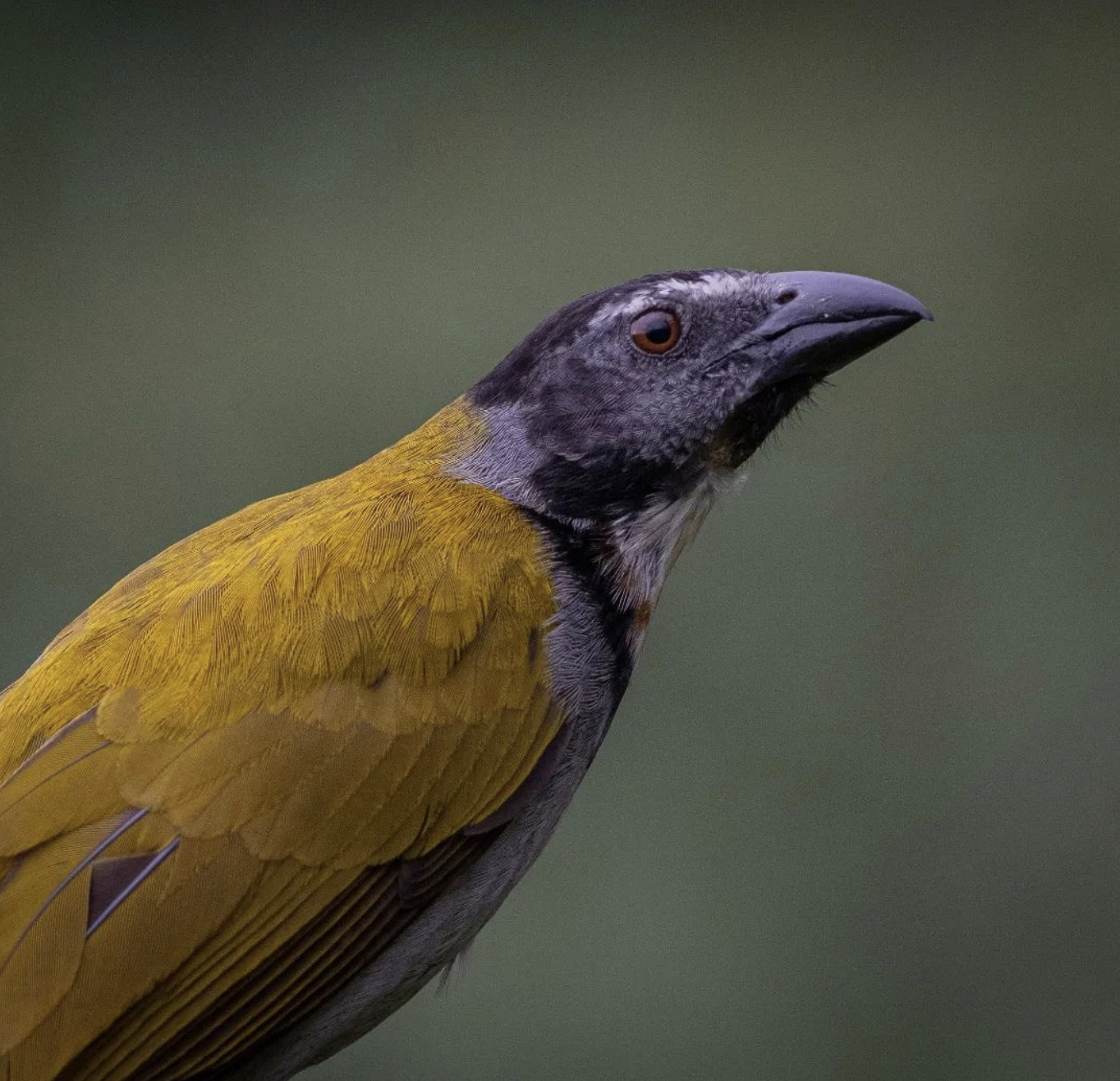
Santiago Atitlán Guatemala
Bird of the Day: Black-headed Saltator
Santiago Atitlán Guatemala
Santiago Atitlán Guatemala
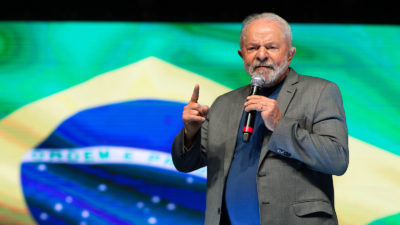
Brazil’s president-elect, Luiz Inácio Lula da Silva, at a rally in July. ANDRESSA ANHOLETE / GETTY IMAGES
We can only hope the answer is yes:
With Lula Back, Can Brazil Turn the Tide on Amazon Destruction?
With his return as Brazil’s president, Luiz Inácio Lula da Silva is promising to reverse the alarming rate of deforestation in the Amazon. But as he heads to key UN climate talks, his ambitious plans to achieve “zero deforestation” will need to find international support.
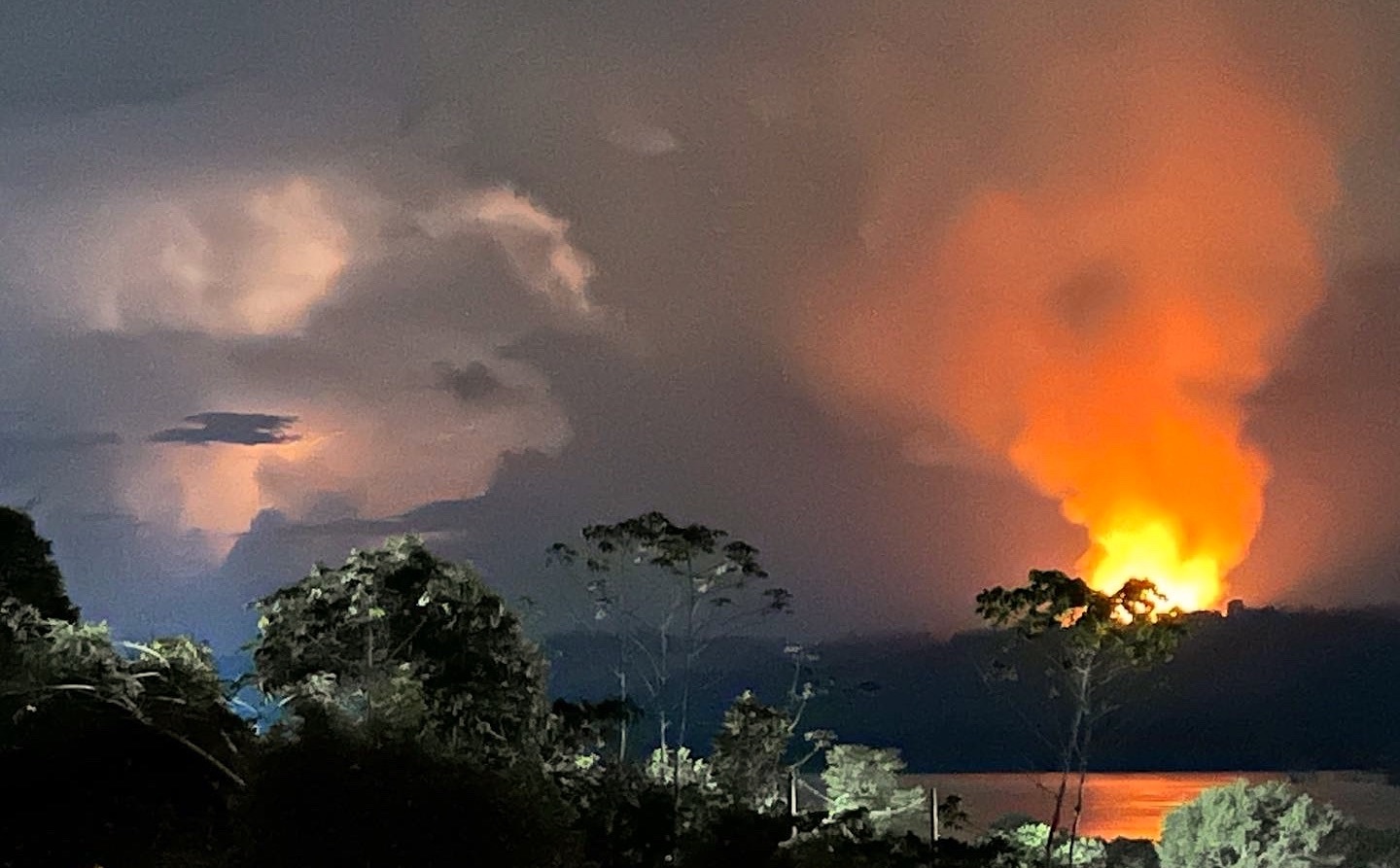
A forest fire burns near the author’s home in Altimira, Brazil last month. JON WATTS
The month before Brazil’s October 30 presidential election was the most brutal of Jair Bolsonaro’s term as president. Landowners rushed to illegally clear forest while they could rely on the impunity that had been a characteristic of the Bolsonaro era. From my home in Altamira, I could see flames on the other side of the Xingu River from a blaze large enough to generate its own lightning. Most other days in September and October, my asthmatic lungs tightened and the horizon was shrouded in haze as a consequence of the rushed burn-off. Continue reading
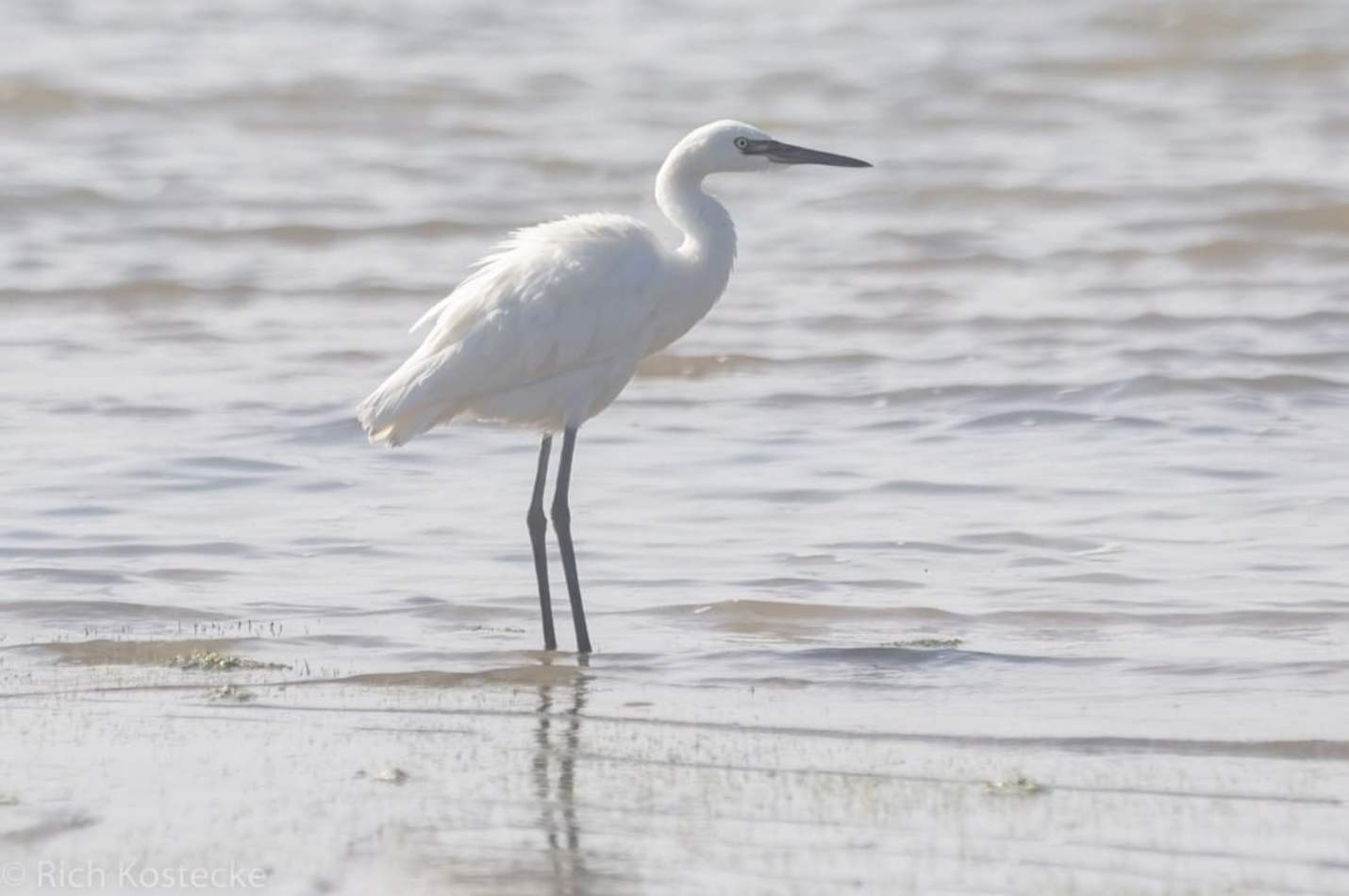
white morph juvenile
Sore Finger Wildlife Area, TX

Take our quiz to find out.
If you subscribe to the tenets of the raw food diet, or even if you don’t, you may have heard the phrase, “When you cook it, you kill it.” Many people believe that applying heat to vegetables — whether by sautéing, boiling, steaming, frying, roasting or grilling — zaps their nutrition. Continue reading
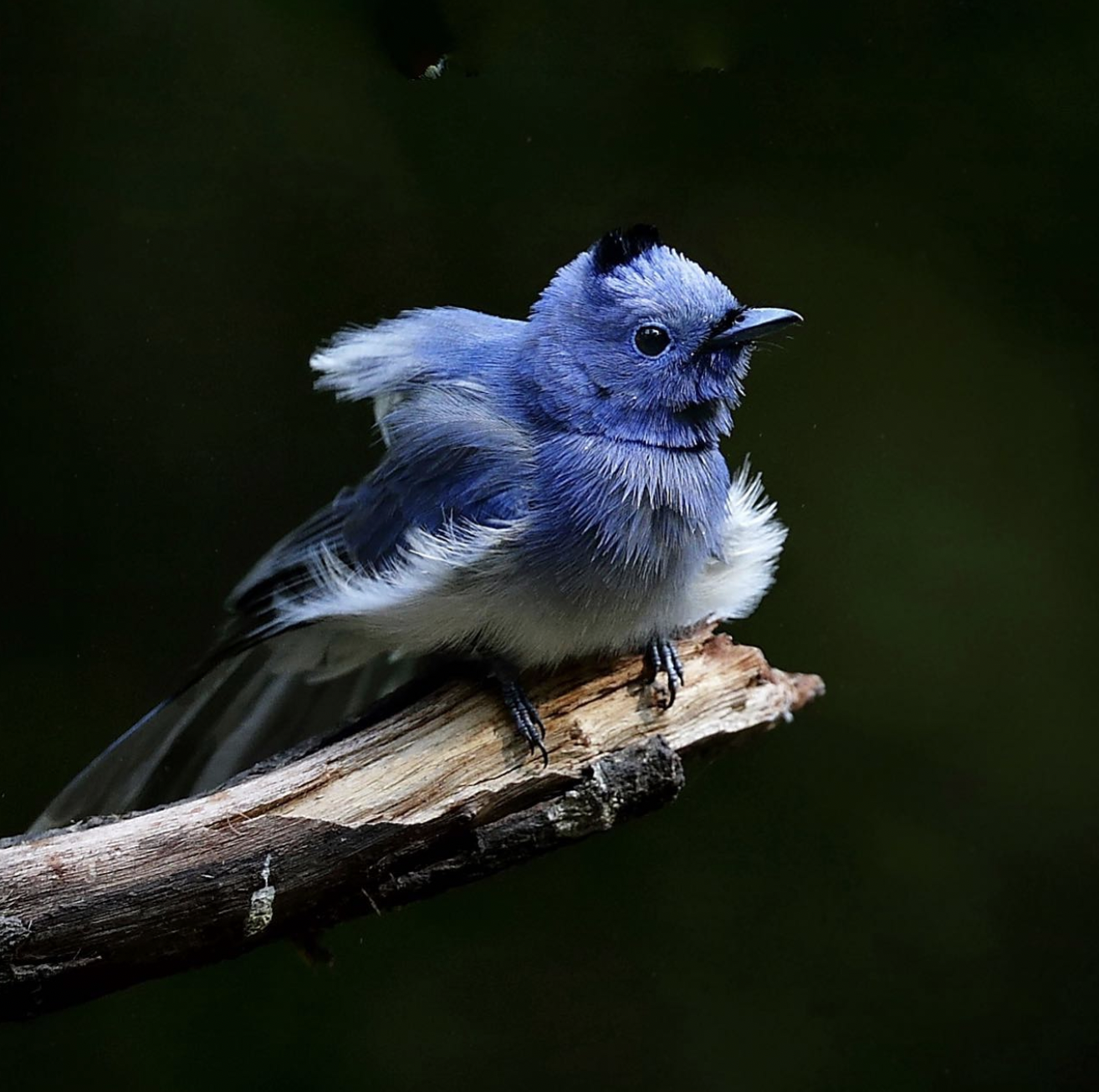
Dandeli, Karnataka
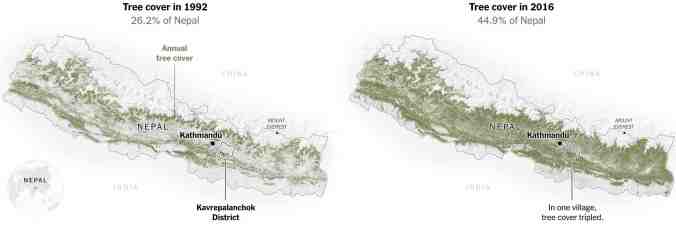
Note: Green areas show land that is mostly covered by trees, based on an analysis of satellite imagery. Source: Jefferson Fox, Jamon Van Den Hoek, Kaspar Hurni, Alexander Smith and Sumeet Saksena.By Pablo Robles
We have shared plenty of stories about Nepal, but until now no story about Nepal involving trees or forests. We welcome this one:
The community forests in Khairahani, Nepal, stretching over several tree-capped hills in March. Karan Deep Singh/The New York Times
How Nepal Grew Back Its Forests
An effort decades in the making is showing results in Nepal, a rare success story in a world of cascading climate disasters and despair
KANKALI COMMUNITY FOREST, Nepal — The old man moved gingerly, hill after hill, cutting dry shrubs until he was surrounded by trees that had grown from seedlings he had planted two decades ago. He pointed to a row of low peaks above the Kathmandu valley that were covered with dense foliage. Continue reading
We have not heard news of Joost Bakker in over a decade, so Max Veenhuyzen’s profile and introduction to the documentary previewed above is most welcome:
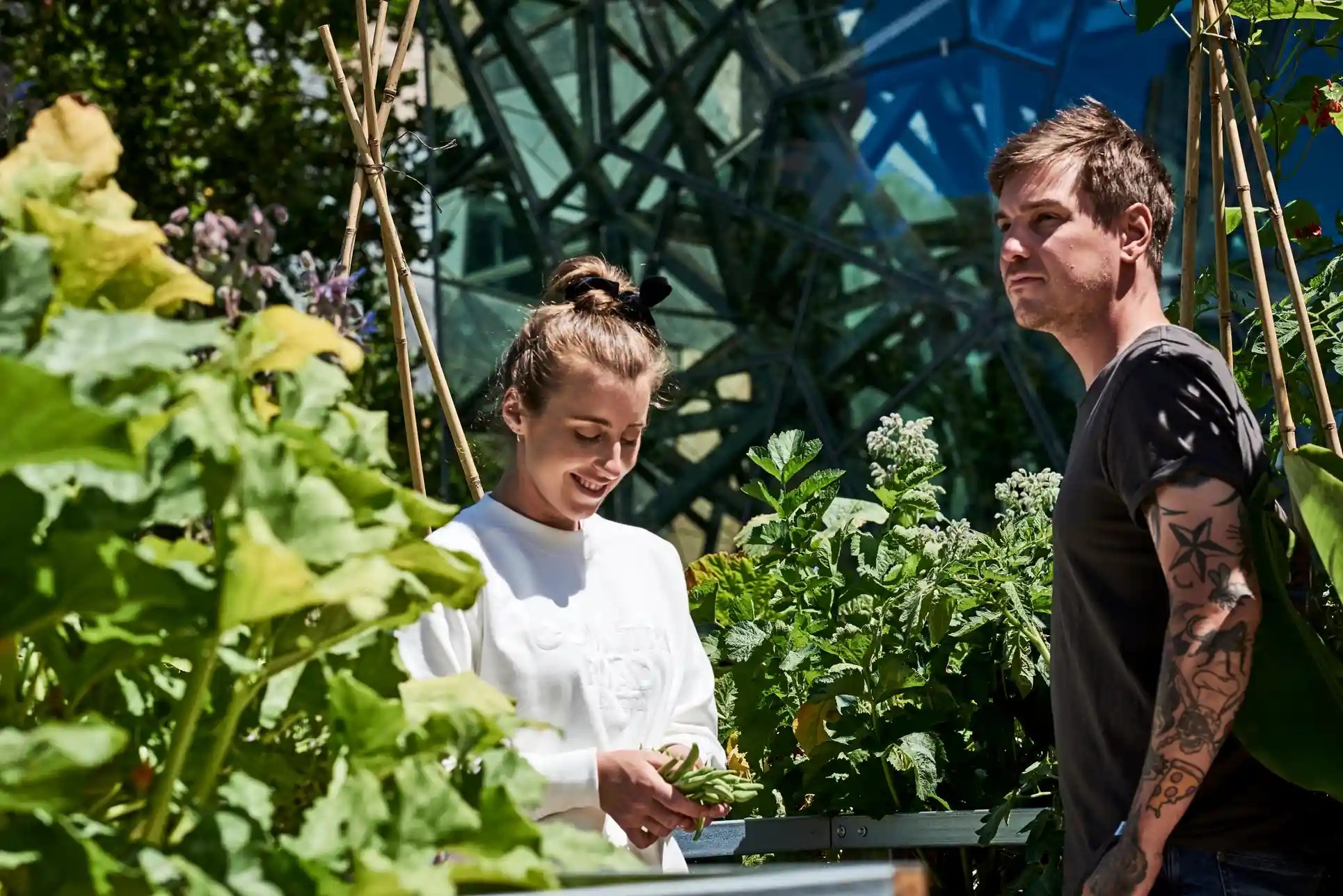
‘We can have houses covered with biology, plants, ecosystems and waterfalls’: Greenhouse by Joost documents the green-thinking initiatives of Future Food System. Photograph: Dean Bradley/Madman Entertainment
Mushroom walls and waste-fuelled stoves: inside the self-sufficient home of tomorrow
Joost Bakker believes a house can be more than a place to live: it can be a self-sustaining weapon against the climate crisis. A new Australian documentary explores his bold blueprint
Future Food System is anchored by self-watering garden beds filled with 35 tonnes of soil. Photograph: Earl Carter Images
“The most destructive things we humans do,” says Joost Bakker, “is eat.”
In terms of sentences that grab your attention, the introduction to new Australian documentary Greenhouse by Joost is right up there. Then again, Bakker – a multi-disciplinary designer, no-waste advocate and the film’s eponymous protagonist – has long been something of a provocateur. Continue reading
Sipacate-Naranjo National Park, Guatemala
 You can read the daily news from COP27 on the official website, and it is useful information but not fully contextualized; for that we have our most reliable scribe who today is giving us one of his rare smiles:
Has the fever broken just a bit?
The view from Egypt: Trumpism, Putinism, Bolsonaroism finally on the defensive
Those of us who have been faithful in bringing the world bad news are perhaps excused if we seize occasionally on the the promising straws in the wind (though always aware that ill winds continue blowing, and not just in Florida where a rare November hurricane made landfall today). I’m thinking globally this afternoon, because I’m at the climate summit in Sharm al Sheikh in Egypt, where dozens of countries have pavilions (it’s the Epcot of carbon mitigation.) And the planet looks just a little better than it did a month ago. Continue reading

Male
Santiago Atitlán, Guatemala
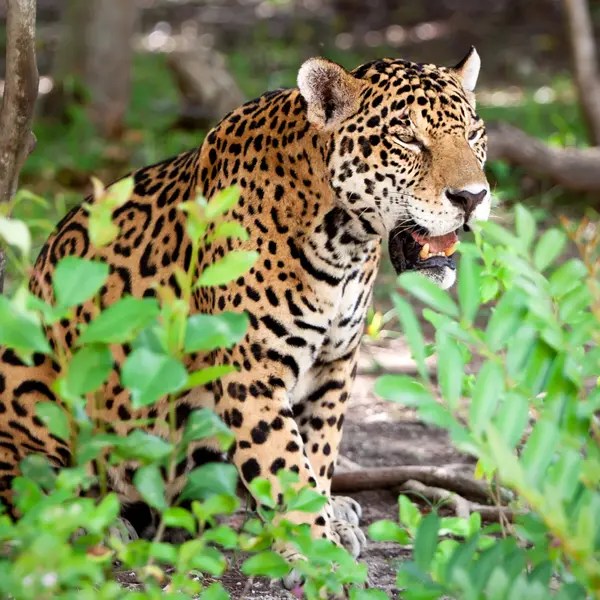
In Calakmul and elsewhere, the fierce jaguar was worshiped as a deity. Ancient rulers and warriors adorned themselves with the animal’s skulls, skins, fangs and claws. Adrian Wilson for The New York Times
Several months ago when we confirmed our plans to attend a wedding in Merida, Mexico on November 5, Calakmul came to mind. We had already explored many famous Maya sites in Central America, most recently in Belize, not to mention Mexico, over the last three decades; and we have also been fortunate with big cat sightings.
We decided against extending our stay, choosing to spend a few days in Mexico City instead (I have been obsessed with Barragán in recent years, so seeing his former home and workshop there was a must). Charly Wilder‘s article in the New York Times, which I am only seeing now, makes me wonder when we will return to see what we neglected in the Yucatan:
The number of jaguars is growing in Mexico, especially in areas of the Yucatán Peninsula. Patryk Kosmider/Getty Images
Thanks to Mexican conservation efforts, the jaguar is making a comeback in the Yucatán Peninsula. A traveler ventures into its habitat in the tropical jungles surrounding an ancient Maya city.
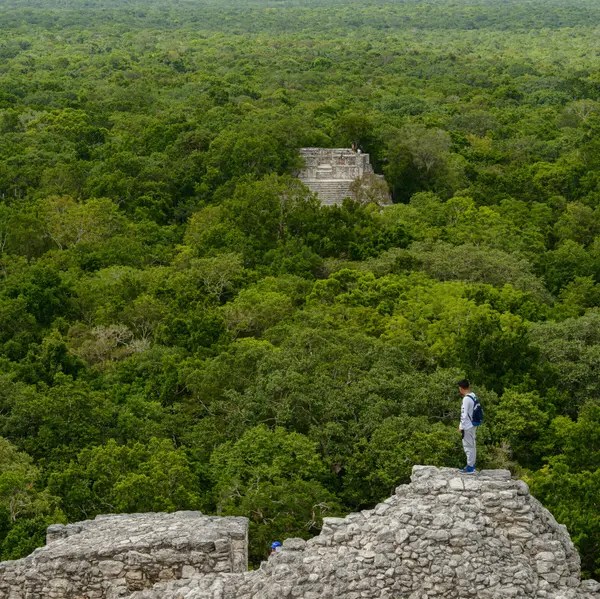
From the top of the great pyramid of the ancient Maya city of Calakmul in the southern Yucatán Peninsula in Mexico, you can see all the way to Guatemala. The jungle stretches out infinitely in every direction, an ocean of green punctuated only by the stepped pyramid peaks of two other Maya temples. Continue reading
Savalsang Grassland, Vijayapura l Karnataka
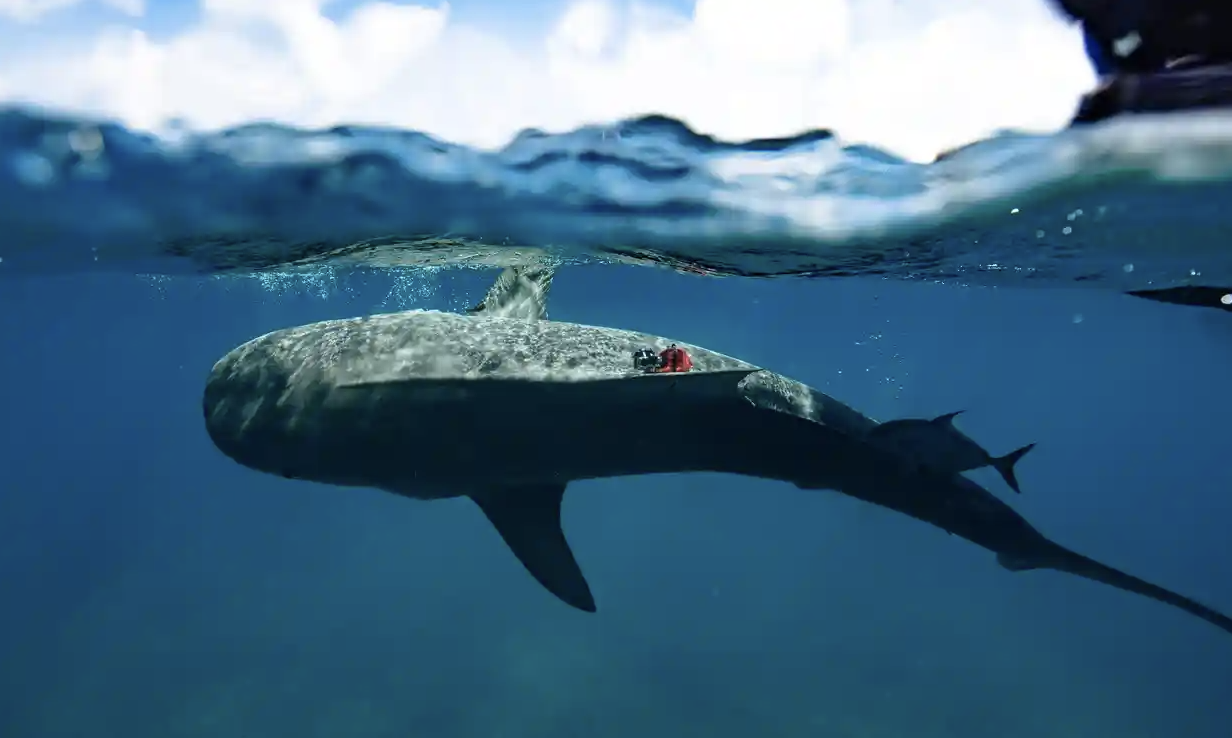
Scientists fixed bio-logger tags equipped with cameras on tiger sharks in the Bahamas to map the ocean’s seagrass meadows. Photograph: Diego Camejo/Beneath the Waves
We thank Laura Paddison for this underwater news, published in the Guardian, that has implication for climate change mitigation:
Scientists discover ‘world’s largest’ seagrass forest – by strapping cameras to sharks
New study, carried out using tiger sharks in the Bahamas, extends total known global seagrass coverage by more than 40%
Tiger sharks are notoriously fierce. The huge animals, which can grow to more than 16ft, are ruthless predators and scared of absolutely nothing – recent research found that while other shark species fled coastal waters during strong storms, tiger sharks “didn’t even flinch”.
But recently they have a new role that could help burnish their reputations: marine scientists. Continue reading
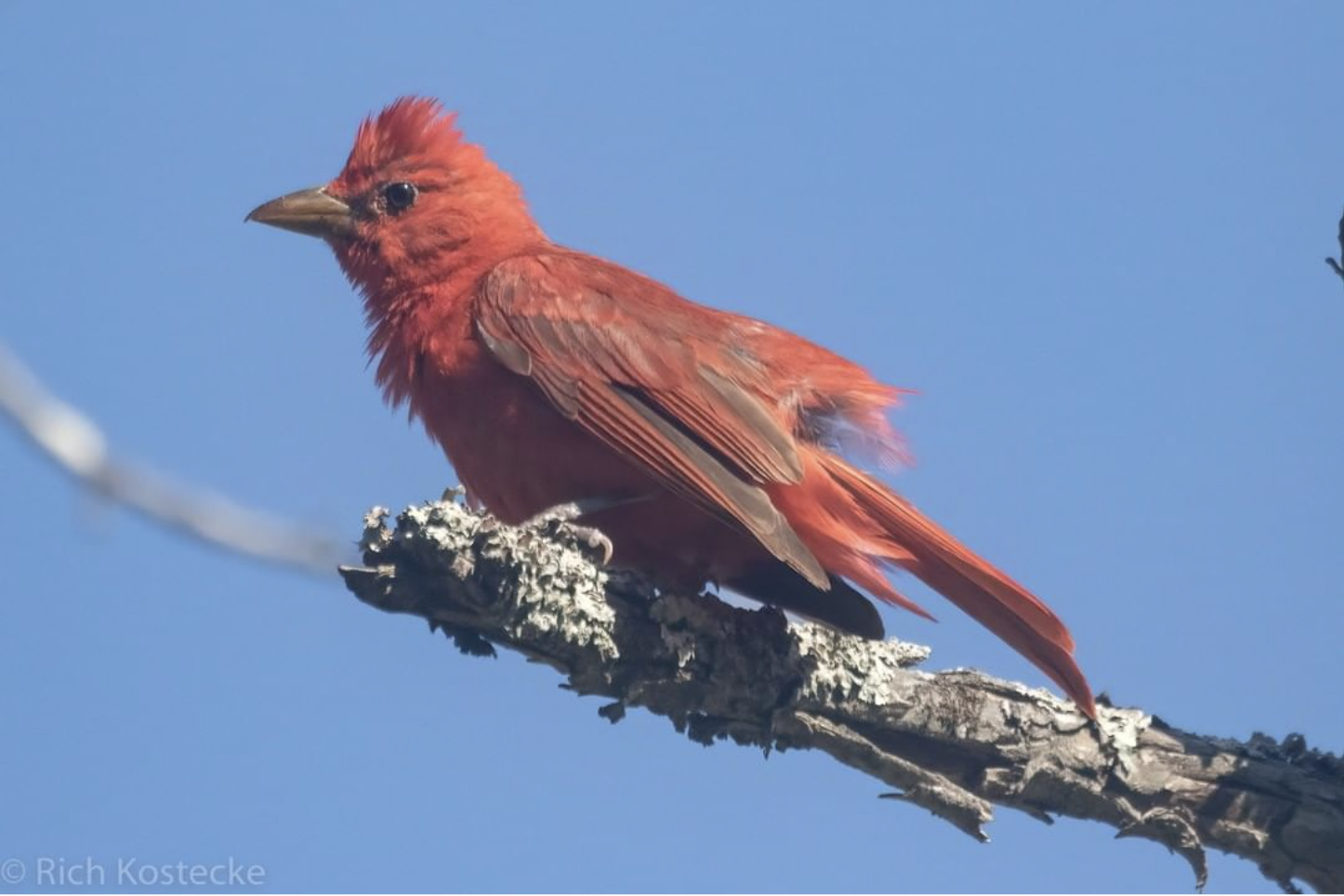 Blanco County, TX
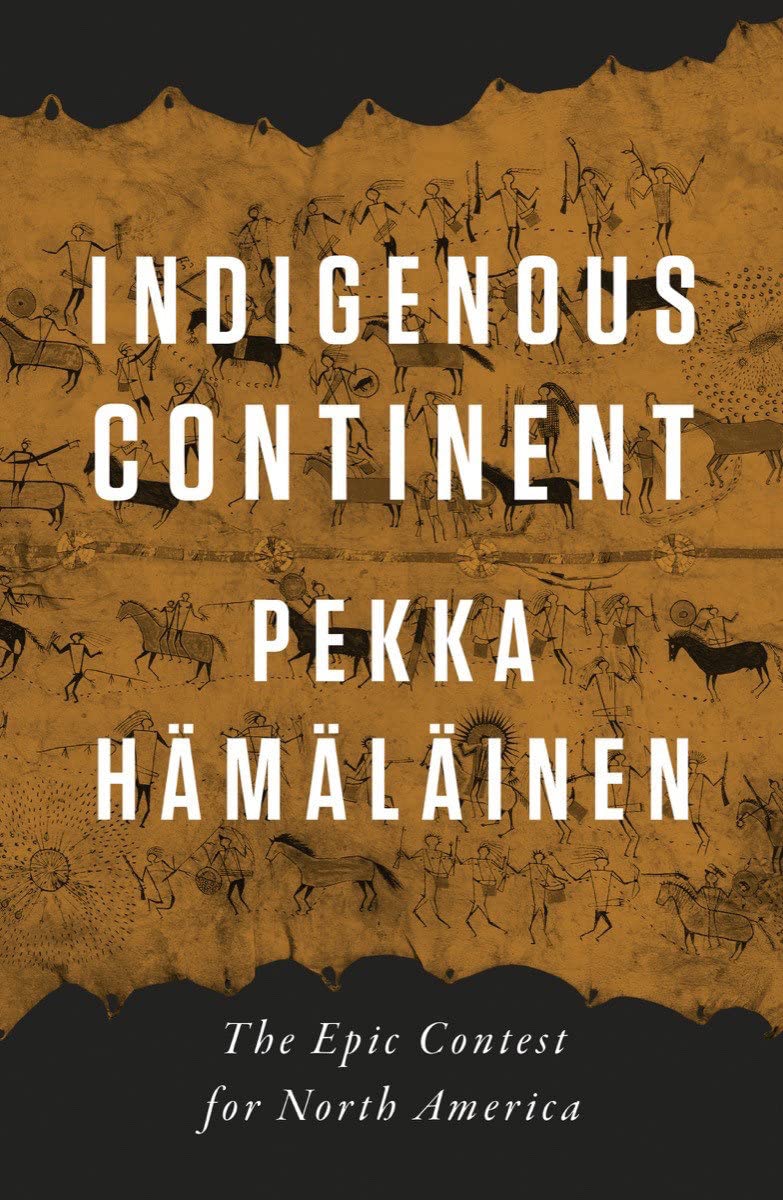 Yesterday, in a post about one type of spoils of victory, we shared some reading about responsibilities. Today, in a discussion of the book Indigenous Continent, we consider a different type of spoil of victory.
The accepted wisdom that history is written by the victors is contestable, and David Treuer seems the perfect person to walk us through this book’s attempt at doing so with regard to the indigenous peoples of what is now called North America:
Do We Have the History of Native Americans Backward?
They dominated far longer than they were dominated, and, a new book contends, shaped the United States in profound ways.
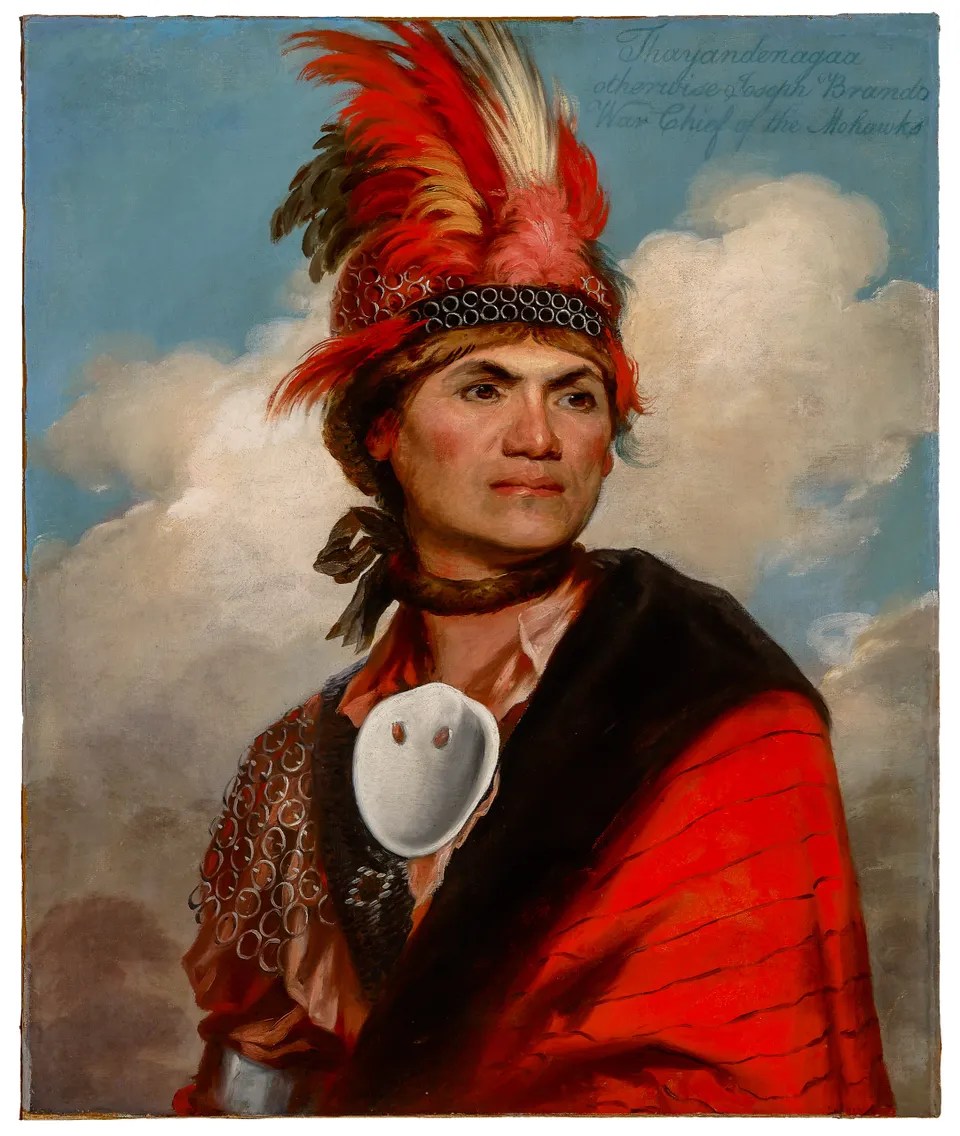
A portrait of Thayendanegea, painted in London, in 1785, by Gilbert Stuart. Art work by Gilbert Charles Stuart / British Museum
I remember when I first encountered what must be the best-selling book of Native American history ever published, “Bury My Heart at Wounded Knee,” by Dee Brown. I was twenty years old, and had made my way from the Leech Lake Reservation, in northern Minnesota, where I grew up, to Princeton, in a part of New Jersey that seemed to have no Indians at all. Since “Bury My Heart” appeared, in 1970, it has been translated into seventeen languages, and sold millions of copies. In the opening pages, Brown wrote, “The greatest concentration of recorded experience and observation came out of the thirty-year span between 1860 and 1890—the period covered by this book. It was an incredible era of violence, greed, audacity, sentimentality, undirected exuberance, and an almost reverential attitude toward the ideal of personal freedom for those who already had it. During that time the culture and civilization of the American Indian was destroyed.” Continue reading
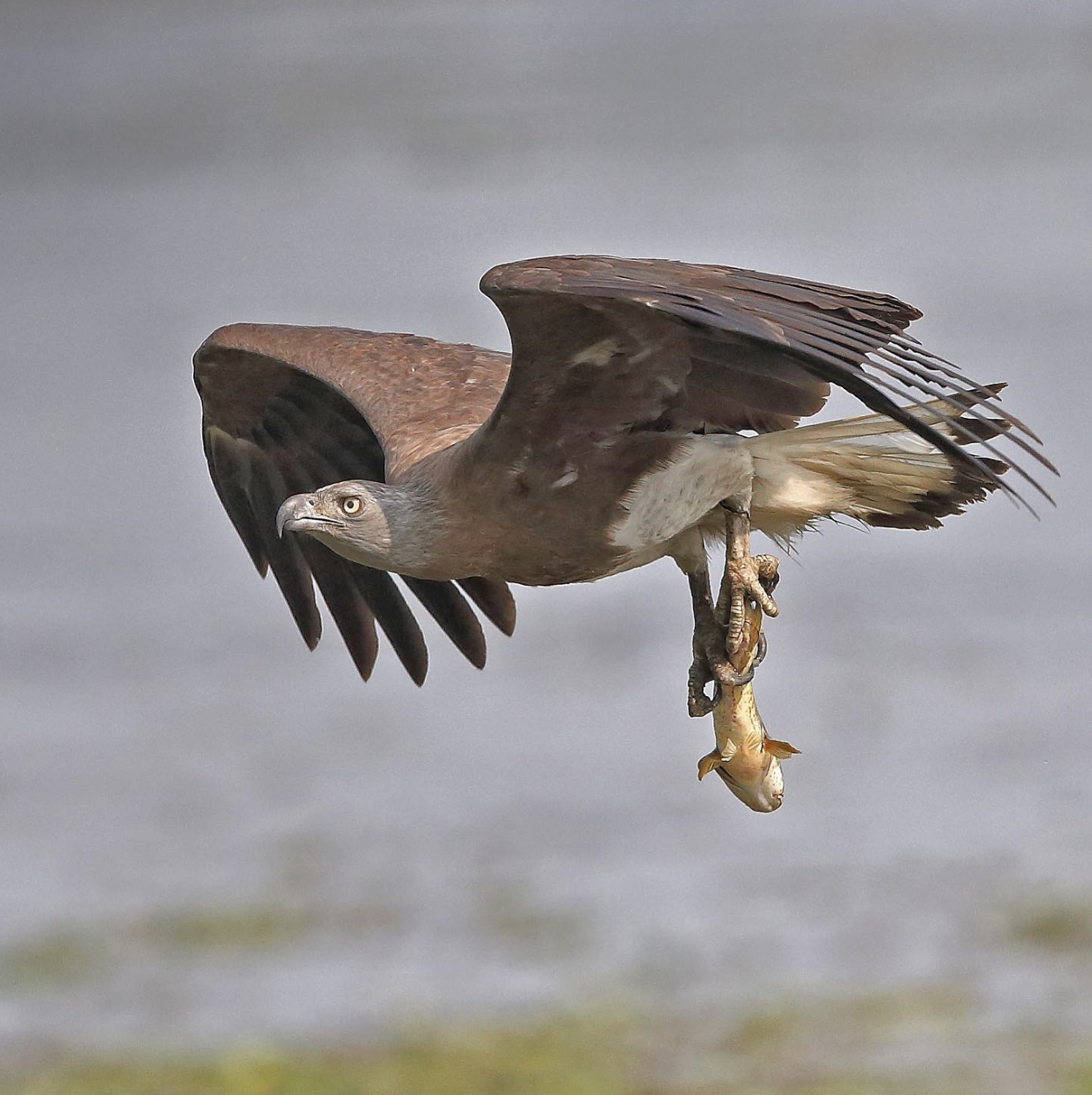
Kaziranga National Park, Assam

Andrew Steer speaking at the World Economic Forum in Davos in May. Photograph: Ciaran McCrickard/World Economic Forum
At first, and even second glance, this argument is reasonable, so we share it in good faith:
Billionaires should not make up climate finance gaps, says Bezos Earth Fund head
Rich countries ‘not living up to obligations’, says Andrew Steer, in charge of $10bn environmental fund
Billionaires can not be expected to make up for climate finance gaps left by rich countries that fail to deliver on promises to the developing world, the head of the Bezos Earth Fund has said…
 The article is worth reading at the source, in the Guardian, and our thanks as always to that newspaper and Patrick Greenfield.
But if you want a different take on what billionaires are responsible for, you might want to read what Anand Giridharadas has to say on the topic.
Or, at least read the review in the Guardian of his 2018 book.
Antigua, Guatemala




 Organikos