Parque Nacional Los Quetzales, Costa Rica
Parque Nacional Los Quetzales, Costa Rica
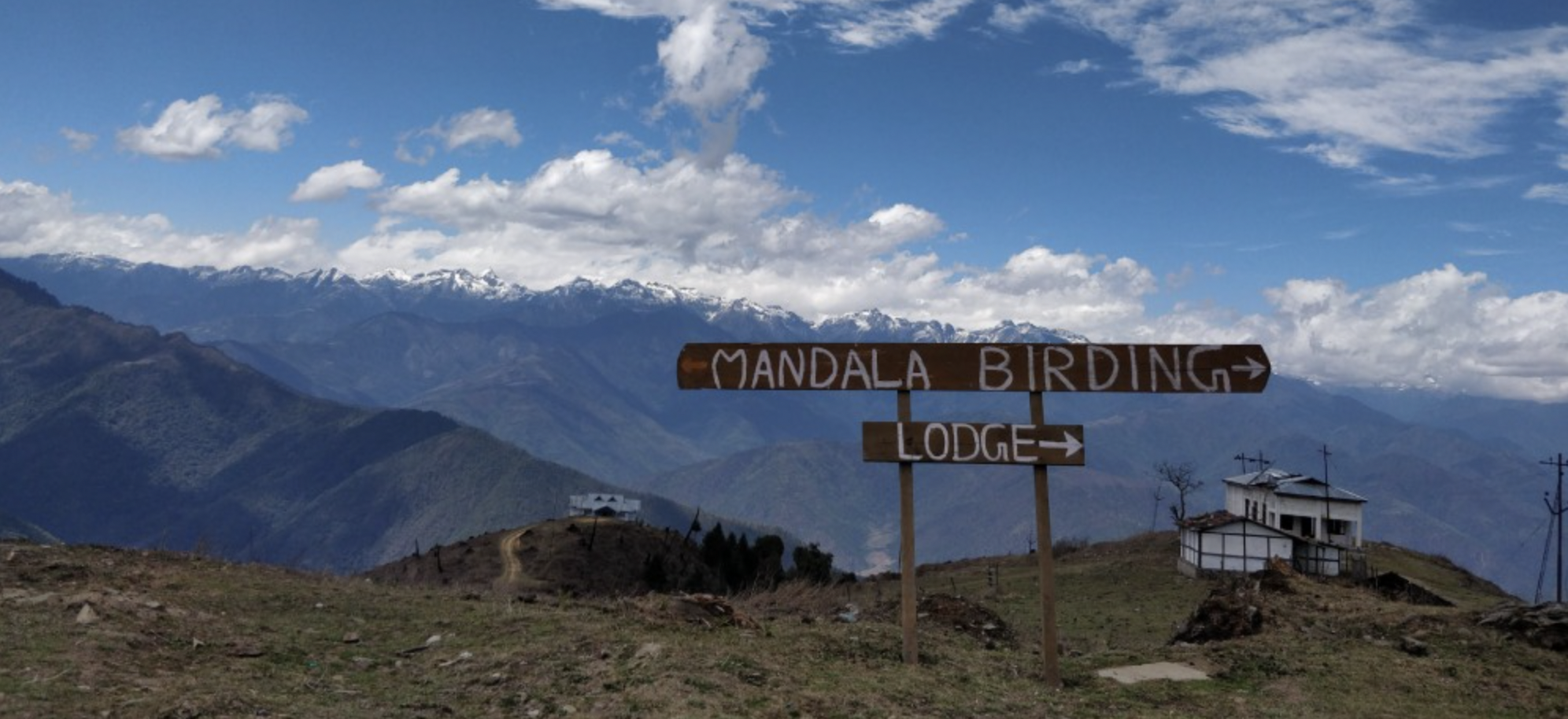
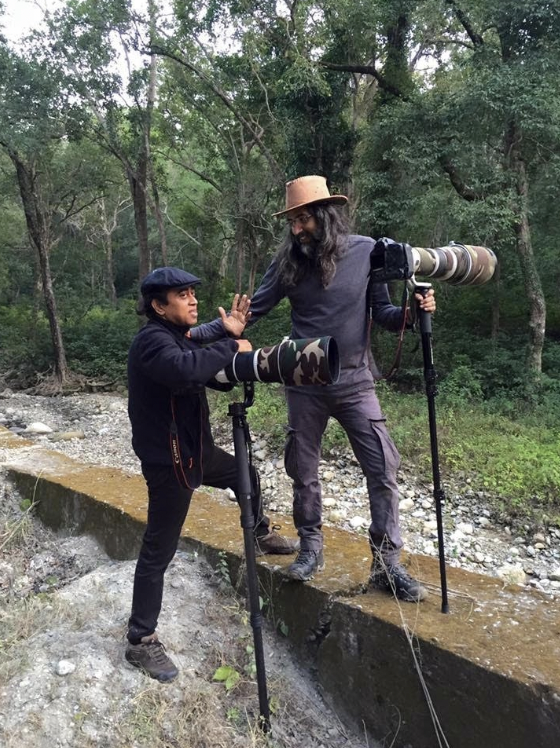
With Gaurav Kataria
When Gaurav Kataria, a birder and tour operator, invited me to go along with him to Eaglenest Wildlife Sanctuary during March of 2015, I had loads of apprehension about the weather, terrain and the proximity to medical assistance. Earlier, before my trip to Namdhapha it was Gaurav who counseled me on similar fears and he egged me on: Namdhapha, a lowland rainforest with “empty forest syndrome” calls out to only a handful who are fortunate to appreciate it, continuing that having managed that, Eaglenest would be a cakewalk for me. In the presence of intense birders, tough itineraries become a joyous holiday. Eaglenest and Bompu camp were no exception. As the jeep, loaded with breakfast and lunch, followed us at intervals, I never felt the need to hop onto it. We would walk with our gear on the shoulders for 6 to 8 hours each invigorating day.
The virgin forests of Mandala, Eaglenest and the trek between Bompu Camp to Haathi Naala and Lower Kellong threw up surprises at each bend. The change in habitat and seeing different flocks or individuals after every 500 meters is a photographer/birder’s delight.
We had Phurpa Arteju as our guide. This kid was a big surprise. He could identify dozen birds in a mixed flock by their calls alone.
Trekking with him we heard and saw 220 species and photographed around 75 species.
The moment you cross into Arunachal Pradesh the change in air quality and visuals is palpable. Cross Balukpong and the festival begins. We were welcomed by the Rufous woodpecker amongst the bamboos and 500 meters later we were wondering which bird to focus on. My jaw just dropped looking at the activity of the hunting flocks.
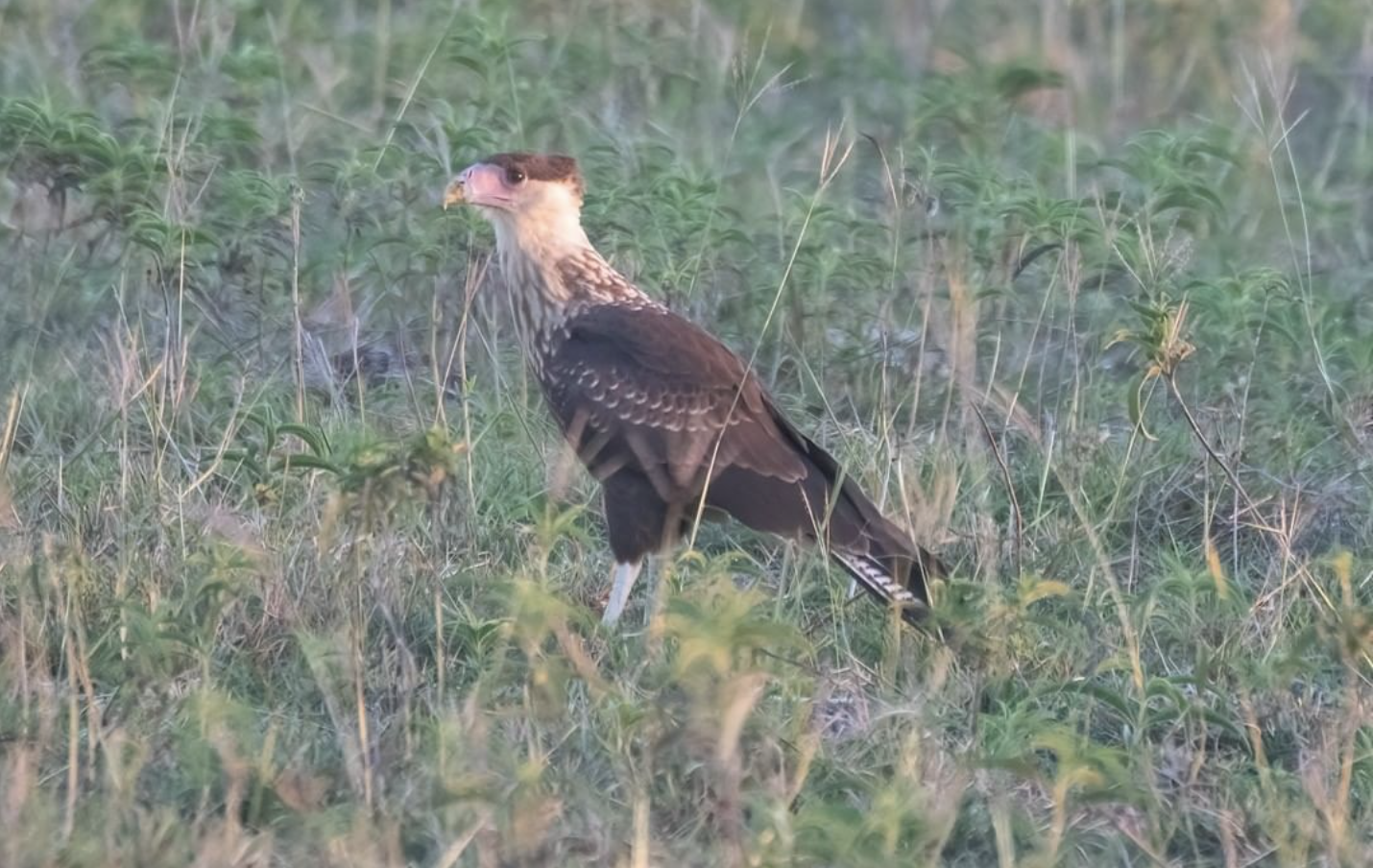
immature
Willis Creek Park, TX
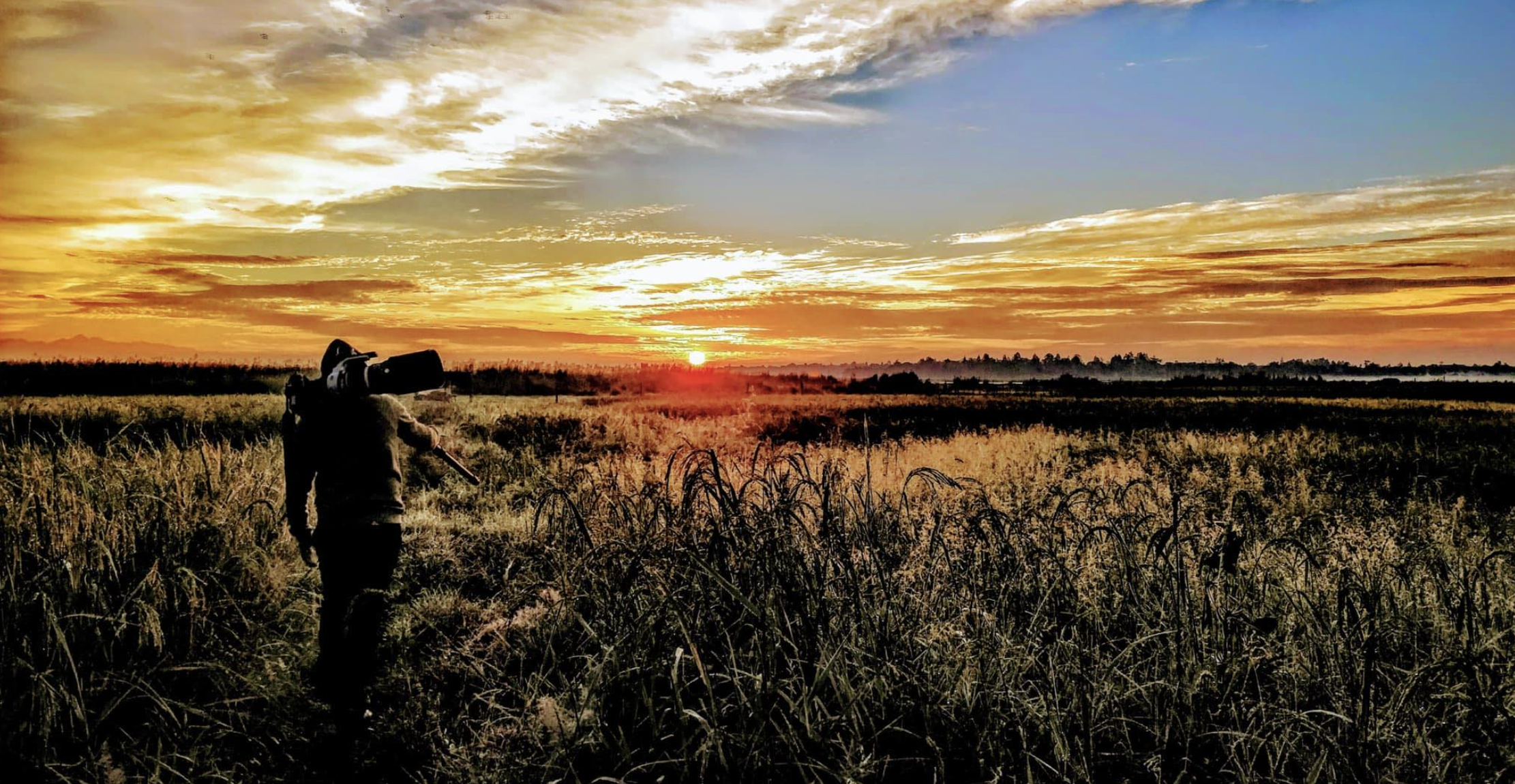
Maguri Beel, Assam – photo credit: Gururaj Moorching
The title of this post are the opening words to photographer Gururaj Moorching’s website, where he expresses his love of India, and passion for the nature and culture within her boarders.
Gururaj and I have never met – not even when I lived in India – but we’ve known each other for over 6 years through his photographs. Coincidentally, almost exactly 4 years ago I wrote about his Birding “Big Year” on this site, acknowledging that through his photos we’ve been chronicling and sharing his adventures with our readers.
This current post is an introduction to a “Stories from the Field” series that will more directly share his birding experiences.
Stay tuned!
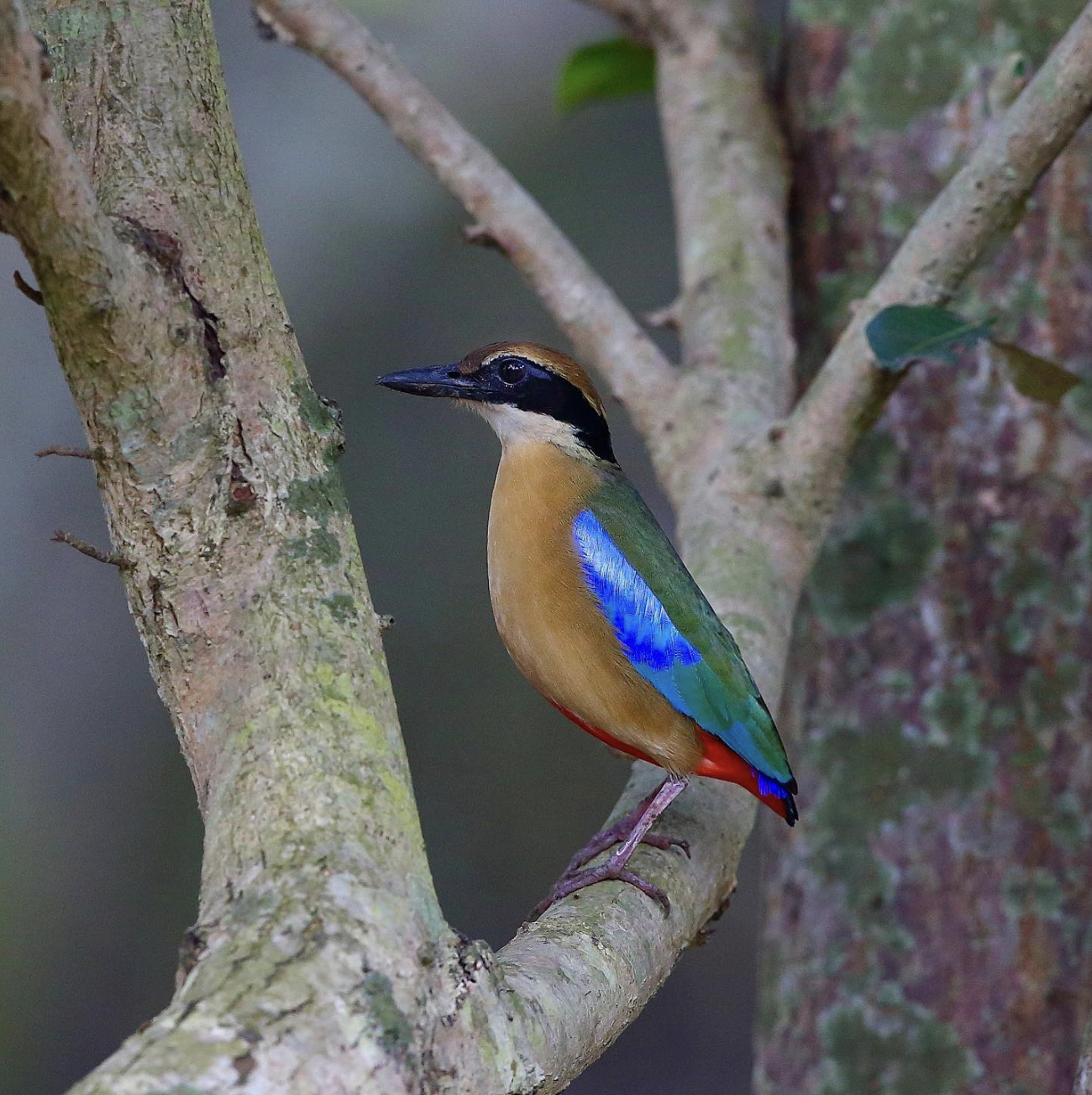
Bhitarkannika, Orissa

A digital illustration of a network of satellites around the Earth. Visual: Andriy Onufriyenko/Moment via Getty Images
Our thanks to Undark for this:
Earth’s Orbit Is About to Get More Crowded
The military is launching a fleet of small, interconnected satellites to collect data, track missiles, and aim weapons.
SOMETIME THIS COMING March, a network of 10 small satellites winged with solar panels is scheduled to launch into Earth’s low orbit. Continue reading
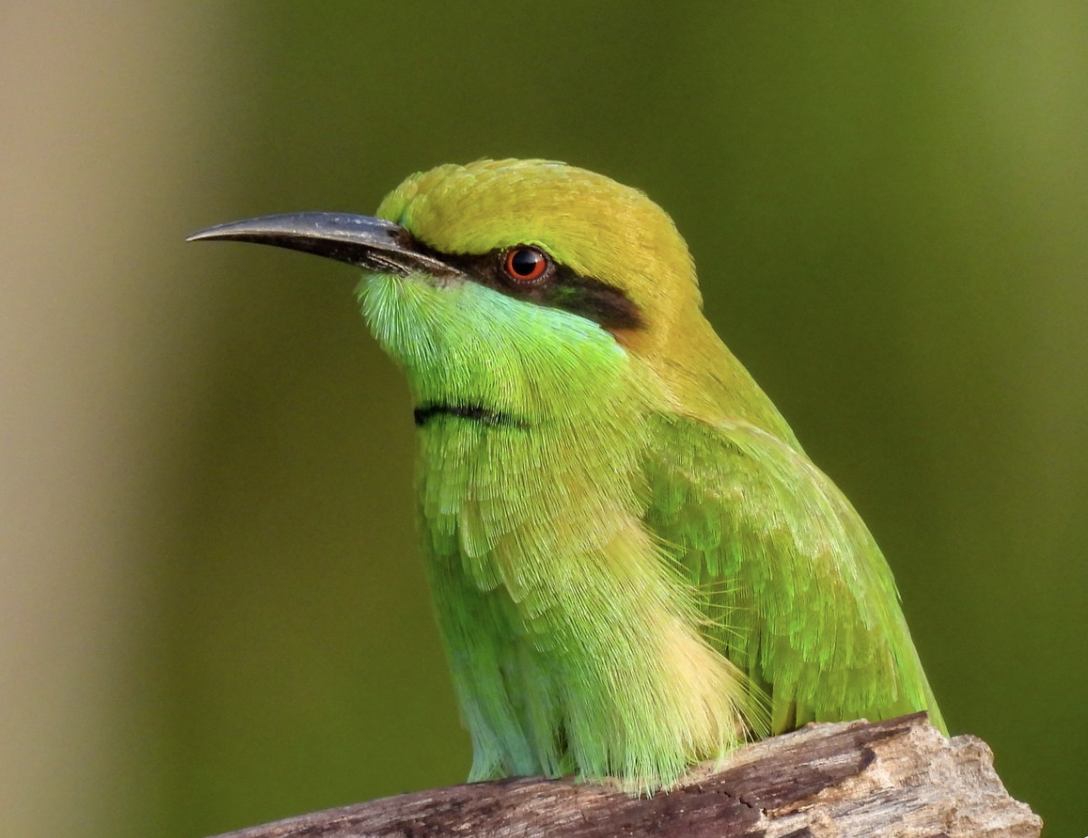
Savalsang Grassland, Karnataka
Illustration by Max Guther
The Amazon is one of those big topics that we come back to again and again for a reason. We all depend on these lungs of the earth, so it would be strange to not be obsessed with the subject:
Has the Amazon Reached Its ‘Tipping Point’?
Some Brazilian scientists fear that the Amazon may become a grassy savanna — with profound effects on the climate worldwide.
Illustration by Max Guther
One of the first times Luciana Vanni Gatti tried to collect Amazonian air she got so woozy that she couldn’t even operate the controls. An atmospheric chemist, she wanted to measure the concentration of carbon high above the rainforest. To obtain her samples she had to train bush pilots at obscure air-taxi businesses. The discomfort began as she waited on the tarmac, holding one door open against the wind to keep the tiny cockpit from turning into an oven in the equatorial sun. When at last they took off, they rose precipitously, and every time they plunged into a cloud, the plane seemed to be, in Gatti’s words, sambando — dancing the samba. Then the air temperature dipped below freezing, and her sweat turned cold. Continue reading
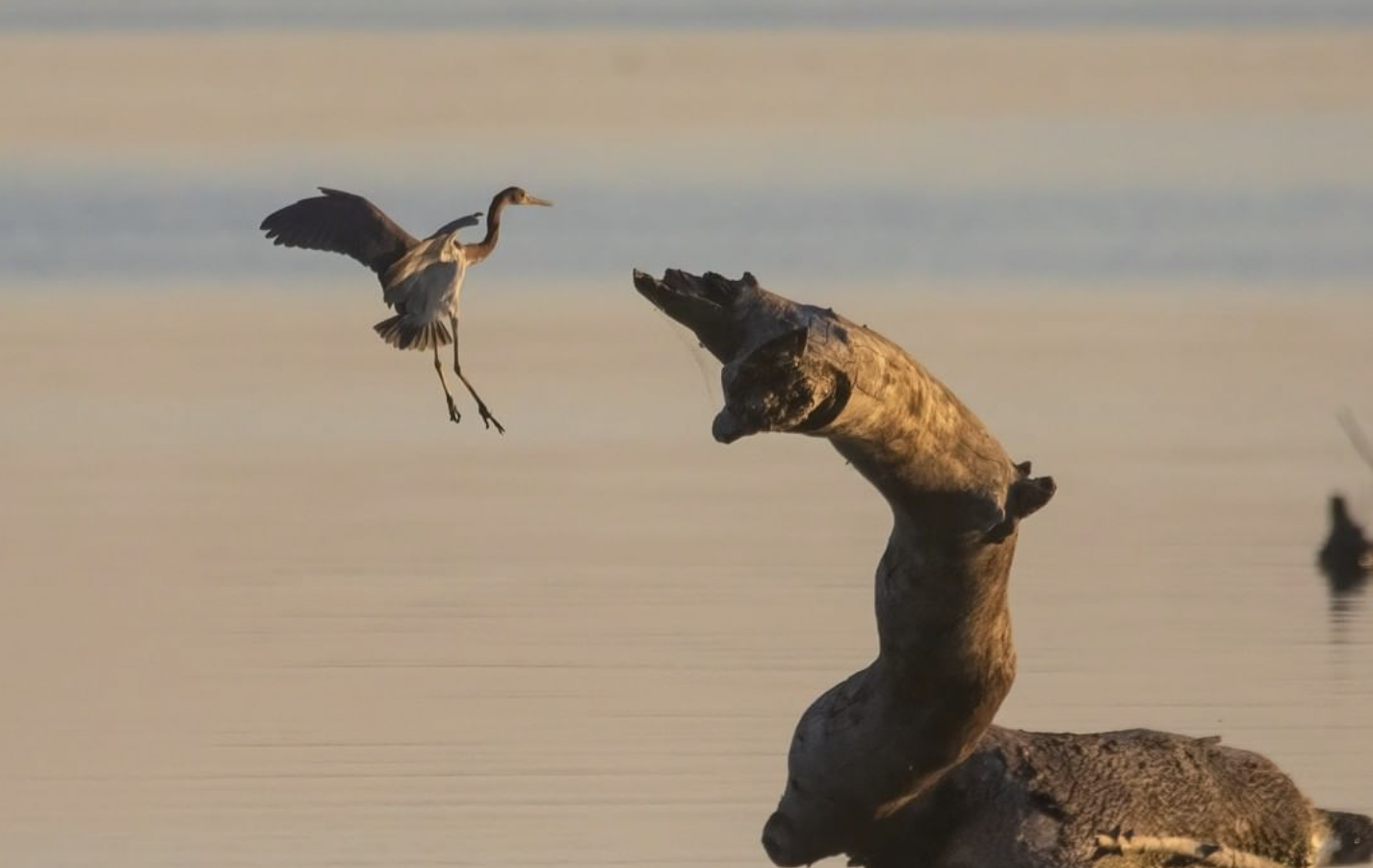
Willis Creek Park, TX
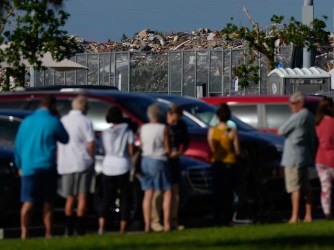
A pile of debris from Hurricane Ian rises behind a line of people waiting to vote in Fort Myers, Fla., in November 2022. Research suggests support for some climate policies increases immediately after climate-driven disasters such as Ian.
Rebecca Blackwell/AP
If you are not (yet) concerned about climate change there is no time like the present:
How our perception of time shapes our approach to climate change
Most people are focused on the present: today, tomorrow, maybe next year. Fixing your flat tire is more pressing than figuring out if you should use an electric car. Living by the beach is a lot more fun than figuring out when your house will be underwater because of sea level rise. Continue reading
Los Tarrales, Guatemala
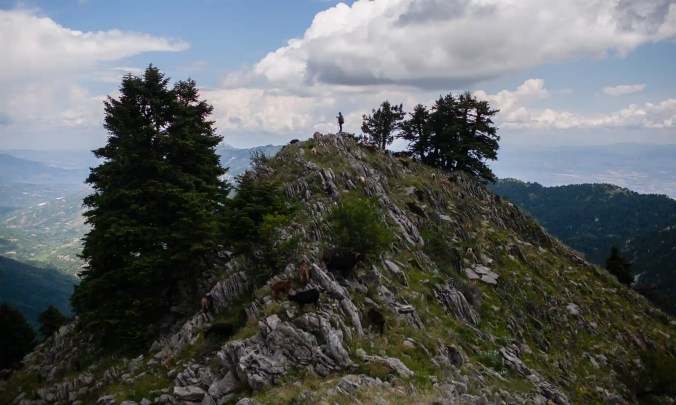
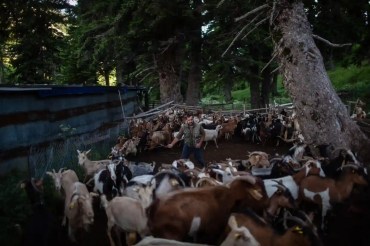
Kostas Papastavros and his goats on the top of the Koziakas mountain, part of Pindus range on mainland Greece. Photograph: Vasileios Tsiolis
I appreciate the comment about the heart beat in Katy Fallon’s portrait of a particular form of pastoral life in northern Greece. It comes just as we start dreaming of making an overdue visit back to the country I would most likely choose to live, if not for Costa Rica’s strong pull:
Kostas leading the goats back to the family’s makeshift summer barn on Koziakas mountain
‘My heart beats up here’: Greece’s nomadic herders on life in the hills – a photo essay
For hundreds of years the Vlach herders in Greece and the Balkans have moved livestock to high mountain pastures for the summer months. But their numbers are dwindling as their arduous existence is threatened by soaring costs and a lack of state support
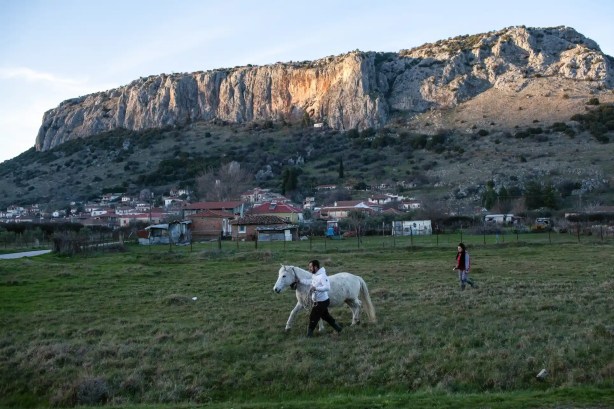
Kostas and Fotini walk with the family’s mare in front of the prehistoric cave of Theopetra village
Every spring in the Thessalian plains of central Greece, in the shadow of the mountains, an ancient and sacred migration of humans and goats takes place. Continue reading
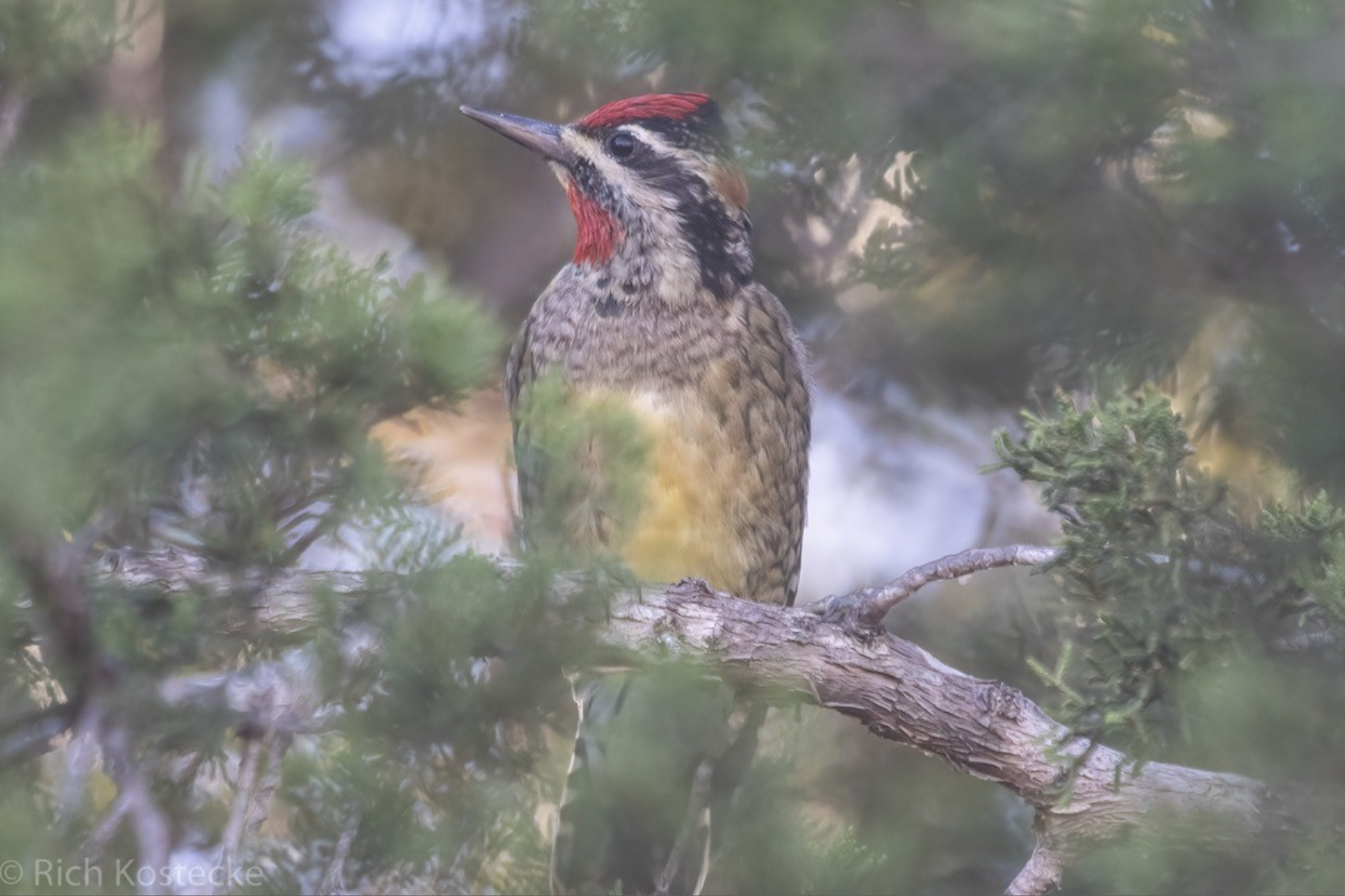
Sutton County, TX

After the opening years helped us strengthen our resolve, 2022 was the year we expanded Authentica beyond the first two locations. I will feature images of the new shop, in Manuel Antonio, in a later post. For now, just a look at the signage art in front of the new shop.

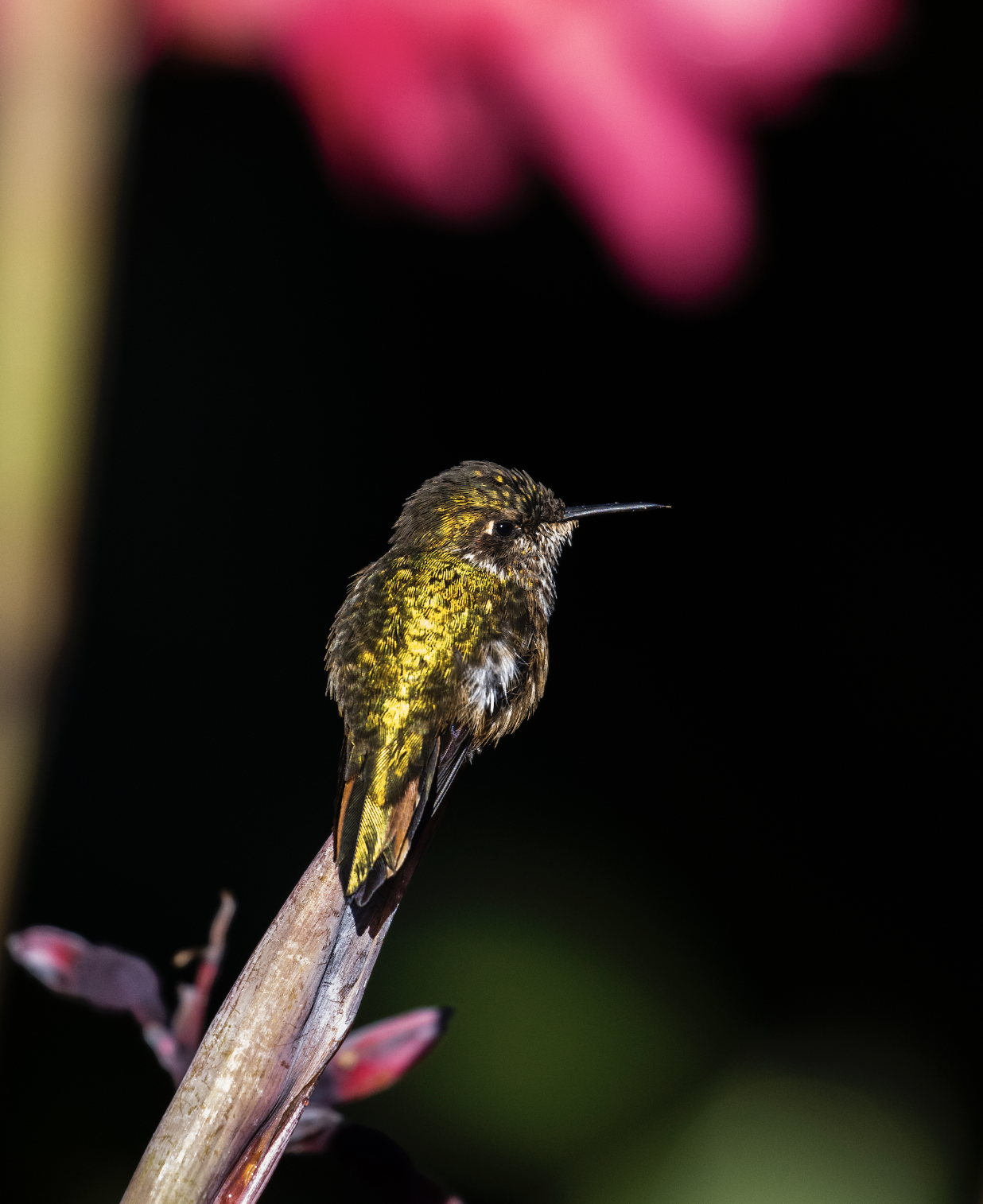
Savegre Lodge, Costa Rica
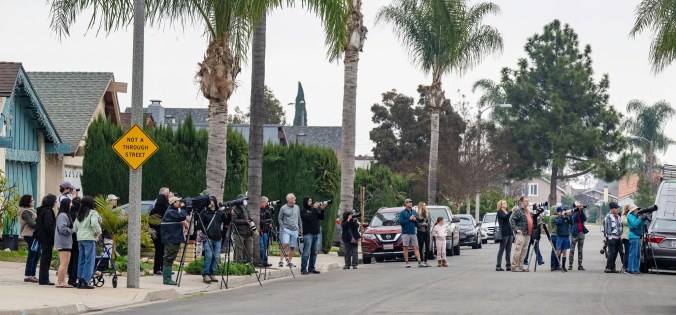
Bird-watchers and photographers on the lookout for the snowy owl. Mark Rightmire/The Orange County Register.
Closing out 2022 with a story that all in our bird-centric community will enjoy, I know from firsthand experience what unexpected encounters with birds can do:
Neighbors have come to notice a pattern with the bird, which seems to take off in the evenings before reappearing sometime later. Mark Rightmire/The Orange County Register
‘Extremely Rare’ Snowy Owl Sighting Transfixes a California Suburb
What brought the owl to the city of Cypress, in Orange County, remains a mystery.
The forbidding frozen wilderness of the high Arctic tundra is the natural home of the snowy owl, a great predator perfectly adapted to hunting its primary food source, lemmings. Continue reading
Los Tarrales, Guatemala

Levi Sucre Romero at the UN biodiversity conference in Montreal last week. ANDREJ IVANOV / AFP VIA GETTY IMAGES
Carbon credit brokers are busier than ever, and that is welcome news, but Levi Sucre Romero’s concerns give pause:
Forest Equity: What Indigenous People Want from Carbon Credits
To Indigenous leader Levi Sucre Romero, carbon credit markets have failed to respect Indigenous people and their key role in protecting their lands. In an e360 interview, he talks about how carbon brokers have taken advantage of local communities and why that must change.
Indigenous protesters at the opening ceremony of the UN biodiversity conference in Montreal this month. ANDREJ IVANOV / AFP VIA GETTY IMAGES
In a world where carbon credit markets are taking advantage of Indigenous people and their forests, the United Nation is losing its leadership on combating climate change, says Indigenous leader Levi Sucre Romero.
In an interview with Yale Environment 360, Romero, who is from Costa Rica and is coordinator of the Mesoamerican Alliance of Peoples and Forests, calls out the “carbon cowboys” — the brokers who he says are wrecking efforts to allow Indigenous communities to have ownership of the carbon credits generated on their land, and who, by acting unscrupulously and secretively, are undermining global hopes of using nature to mitigate climate change. Continue reading
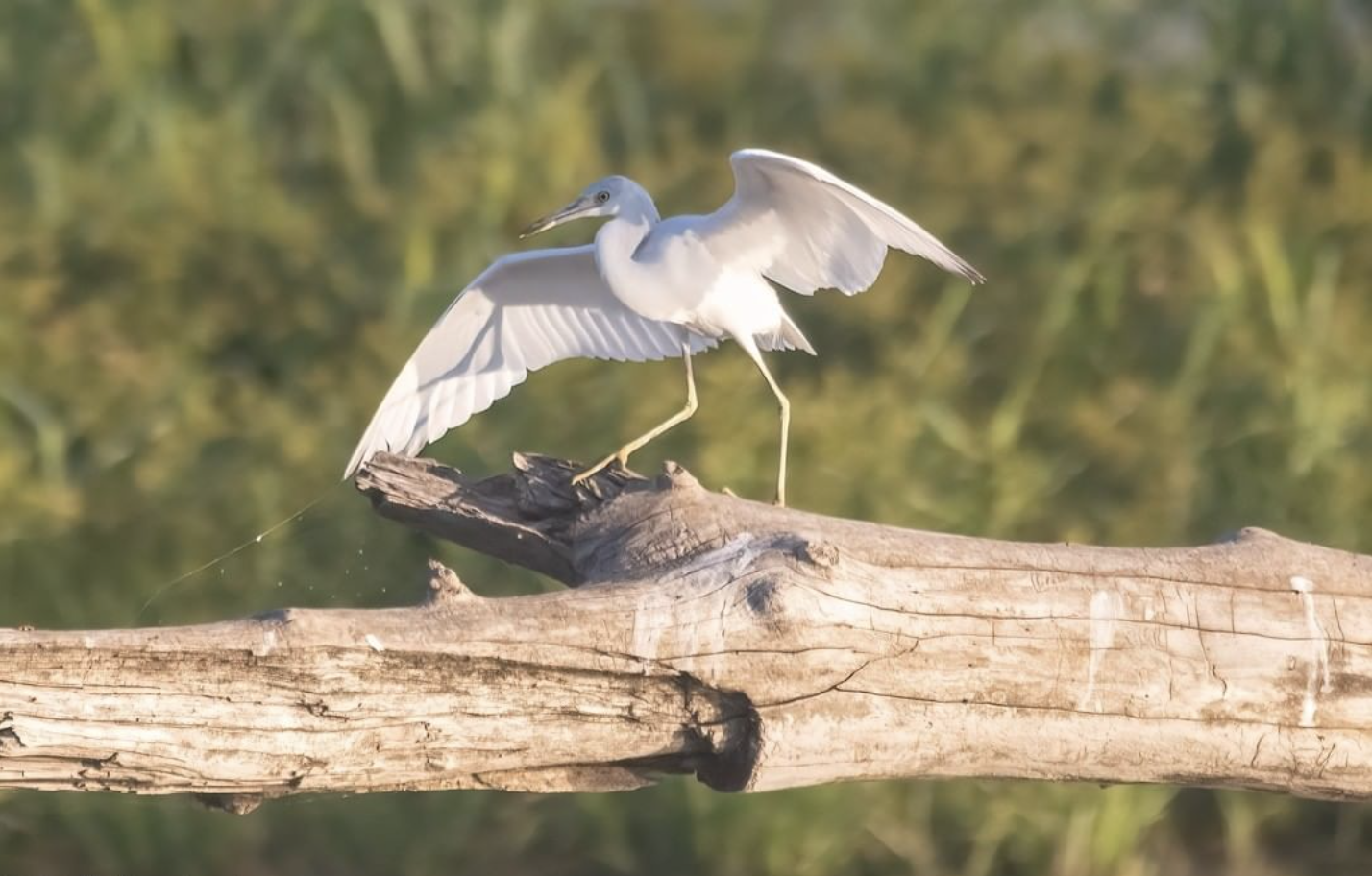
immature
Willis Creek Park, TX

A Rivian R1T electric pickup truck at the company’s factory in Normal, Illinois. JAMIE KELTER DAVIS / BLOOMBERG VIA GETTY IMAGES
I had no reason to bet against Tesla until now, but I did wonder whether it was good for anyone (other than its shareholders) for that one company to dominate its market over the longer term. Now, happily, it looks like the market will do what we need it to do, which is get robust:
For U.S. Companies, the Race for the New EV Battery Is On
Spurred by federal mandates and incentives, U.S. manufacturers are pushing forward with developing new battery technologies for electric vehicles. The holy grail is a battery that is safer, costs less, provides longer driving range, and doesn’t use imported “conflict” minerals.
Sixteen years have passed since engineer Martin Eberhard unveiled his futuristic custom-designed sports car before a crowd of investors, journalists, and potential buyers in a Santa Monica Airport hangar. Continue reading