Outskirts of Bangalor, Karnataka
Outskirts of Bangalor, Karnataka
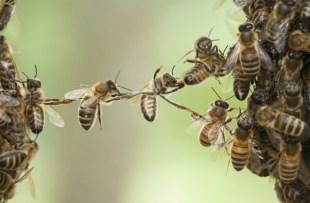
(Credit: Viesinsh/Shutterstock)
We appreciate Conor Feehly’s article in Discover, expanding our understanding of and ability to measure the intelligence of our co-inhabitants on this planet:
How Intelligence Is Measured In The Animal Kingdom
As understandings of human intelligence evolve, so, too, do understandings of animal intelligence.
Human beings — with our big brains, technology and mastery of language — like to describe ourselves as the most intelligent species. After all, we’re capable of reaching space, prolonging our lives and understanding the world around us. Over time, however, our understanding of intelligence has gotten a little more complicated. Continue reading

Parque Nacional Yaxha, Peten, Guatemala
Martha Nussbaum has never appeared in our pages, nor has this podcast series. Moral philosophy is usually (but not always) outside the range of topics we pay attention to. But when the topic is animal justice, we are in. If you want a primer prior to the discussion, this profile helps:

“What I am calling for,” Nussbaum writes, is “a society of citizens who admit that they are needy and vulnerable.” Photograph by Jeff Brown for The New Yorker
Martha Nussbaum’s far-reaching ideas illuminate the often ignored elements of human life—aging, inequality, and emotion.
Martha Nussbaum was preparing to give a lecture at Trinity College, Dublin, in April, 1992, when she learned that her mother was dying in a hospital in Philadelphia. She couldn’t get a flight until the next day. That evening, Nussbaum, one of the foremost philosophers in America, gave her scheduled lecture, on the nature of emotions. “I thought, It’s inhuman—I shouldn’t be able to do this,” she said later. Then she thought, Well, of course I should do this. I mean, here I am. Why should I not do it? The audience is there, and they want to have the lecture. Continue reading
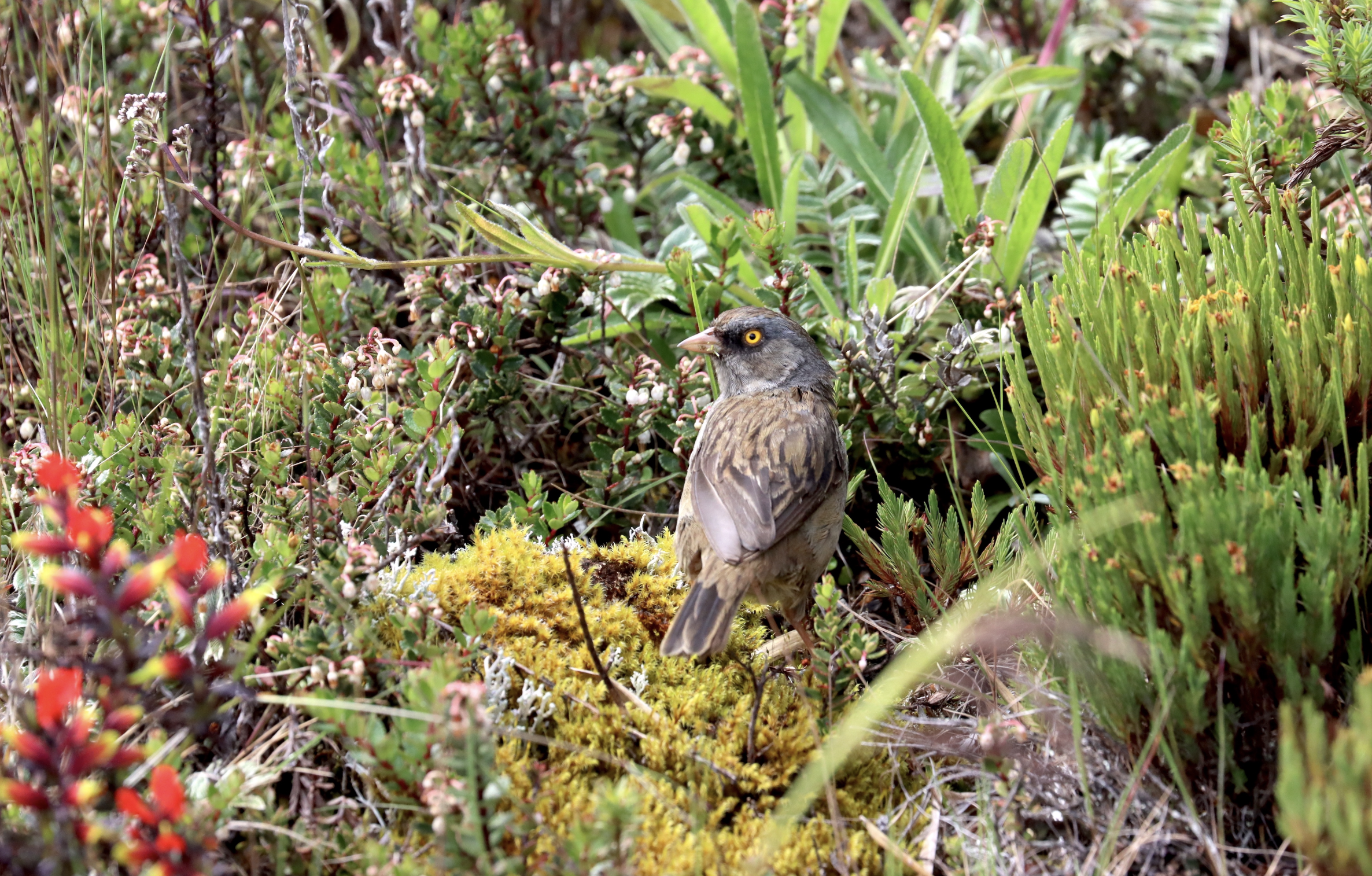
Parque Nacional Los Quetzales, Costa Rica
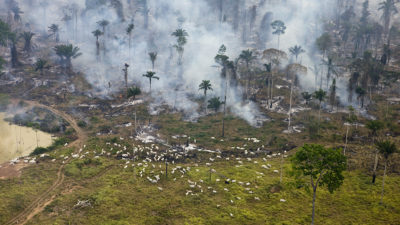
A fire set to clear land for farming in Pará state in the Brazilian Amazon. DANIEL BELTRÁ / GREENPEACE
We were very happy with the alternative resulting in a radical change of government in Brazil, but never expected an easy solution:
Amazon Under Fire: The Long Struggle Against Brazil’s Land Barons
Journalist Heriberto Araujo spent four years reporting on the destruction of the Brazilian Amazon. In an interview with Yale Environment 360, he talks about his new book, which explores the complex web of issues underpinning the deforestation of the world’s largest rainforest.
Heriberto Araujo. HERIBERTO ARAUJO
Last October, when former President Luiz Inácio Lula da Silva defeated the far-right incumbent, Jair Bolsonaro, in Brazil’s national election, environmentalists around the world breathed a sigh of relief. Under Bolsonaro, who had weakened environmental protections and pushed to open Indigenous lands to commercial exploitation, deforestation in the Amazon had exploded. Lula has pledged to safeguard his country’s rainforests, but, as Spanish journalist Heriberto Araujo says in an interview with Yale Environment 360, the job won’t be easy.
For his new book, Masters of the Lost Land, Araujo spent four years traveling from his home in Rio de Janeiro to Rondon do Pará, a town in the eastern Brazilian Amazon, to understand how, in less than 60 years, the largest rainforest on the planet has been transformed into an engine of economic growth. Tracing the story of land rights activist José Dutra da Costa, or “Dezinho,” who, before his assassination in 2000, led a revolution among landless peasants, Araujo comes to see how a handful of ranchers managed to grab huge swaths of pristine rainforest and why deforestation, violence, and lawlessness remain pervasive in the region. Continue reading
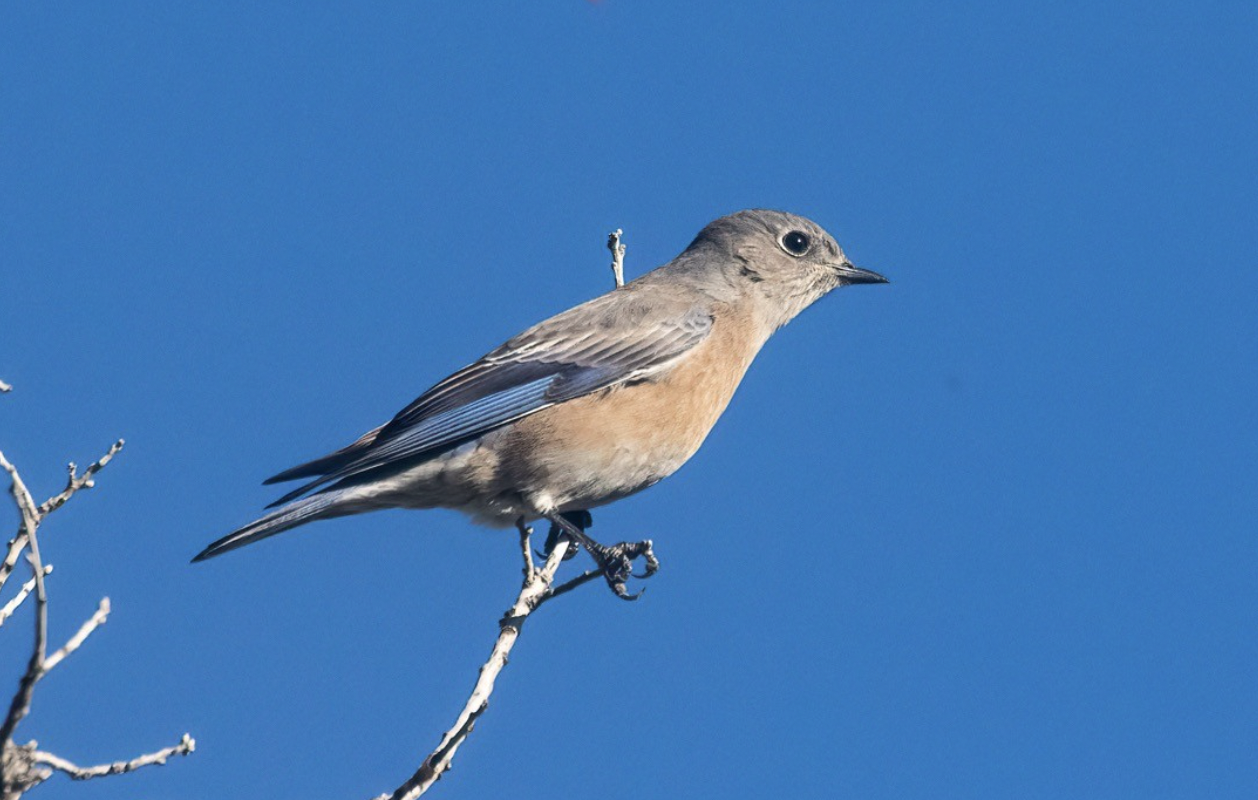
Davis Mountain Preserve, TX
Insects started showing up in these pages early on and as years passed we saw them as equally interesting as other parts of the natural world; but only in more recent years did we start paying attention to insects as food. Today, one more entry.

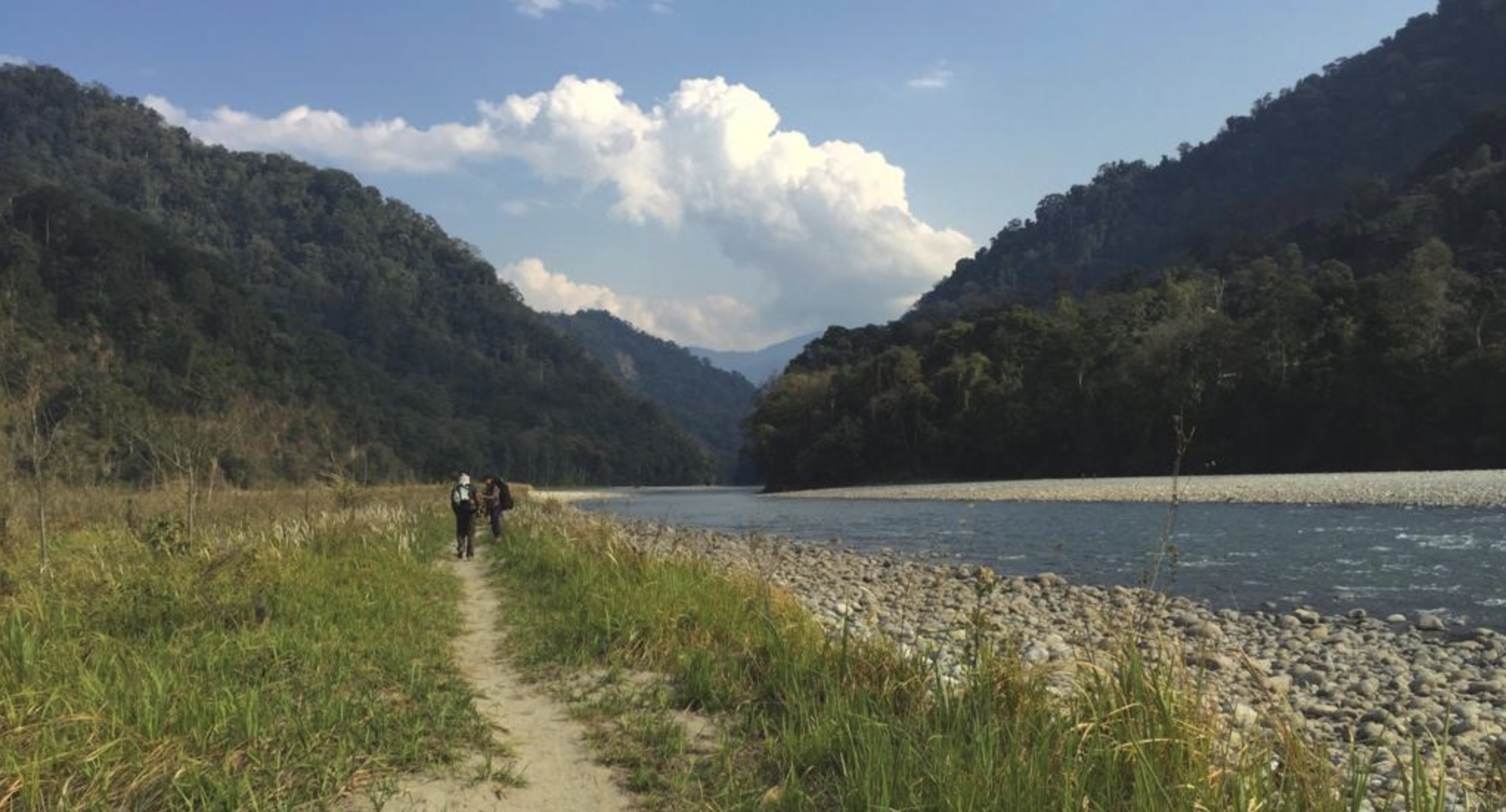
I now realize that when I posted about my experience at Eaglenest Wildlife Sanctuary, I had gotten ahead of myself, because the germ of that visit began at Namdapha National Park. Namdapha…the name flirts and rolls around to fill your mouth, just as trekking there fills your senses.
I first met with Shashank Dalvi in March 2015 when he had organised a trek to Namdapha. After my initial foray into Kutch, I traveled every month of the year and covered the Central Himalayas extensively. I badly wanted to photograph the colourful birds of the North East and grow my list to 1000 birds of India. I had covered most parts of India by the time I was ready to travel to Namdapha.
I was seeking solitude and needed to take life at an easy pace during 2015. All the travel around the rest of India was done at a frenetic pace. Namdapha was that perfect place to bird at a gentle pace and that solitude came from the serene and silent forest. A perfect place to be lost inside a forest that totally separates you from rest of the world.
I had heard from every corner about Shashank Dalvi and especially about his work in Doyang, Nagaland. He and his team had put a stop to the annual culling of Amur Falcon’s in Nagaland, especially in Doyang.
We had heard rumors of large-scale bird hunting around the Doyang Reservoir in Nagaland some time ago. In September 2012, Bano Haralu, Ramki Sreenivasan, Rokohebi Kuotsu and I decided to investigate. What we saw shocked us – a massacre of thousands of Amur Falcons. Roko and I spent the next couple of days filming the slaughter and interacting with the hunters to understand the extent and nature of the hunt. It remains the most difficult and emotionally harrowing experience of my career.
Since then, I always wanted to bird alongside this man and learn his skill and patience. When you are in love with all creatures around you and understand their roles and impact on universal relationships you become patient in your role towards contributing toward their conservation.
I became a bit more patient. 7 days in Namdapha and surroundings gave ample time to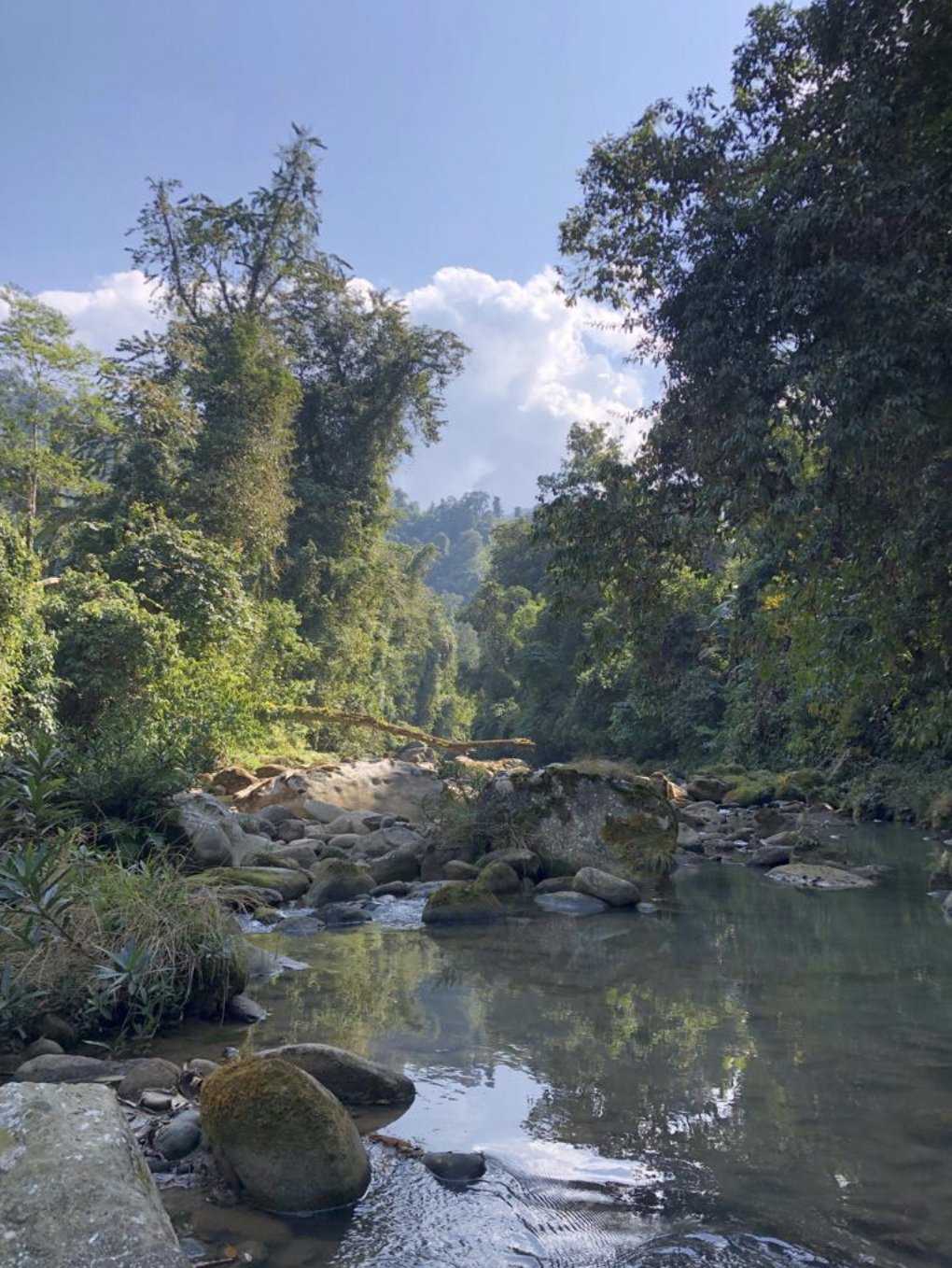 listen about snakes, and behaviour of many mammals.
Namdapha is declared a Project Tiger Reserve. It is also known as the land of four big cats. The only place on earth to host them all in one forest. This is also the place for rare mammal like the Takin, Musk Deer and the veryrare Slow Loris. The fragrant Agarwood is also found here. With an area of 2000 square kilometers, Namdapha is the largest virgin forests of India. Continue reading

Ibrahim Rayintakath
At this point we should not be surprised but the momentum is still stunning:
Electric Vehicles Keep Defying Almost Everyone’s Predictions
It is striking that in the same year that Tesla’s stock price dropped by about two-thirds, destroying more than $700 billion in market value, the global market for electric vehicles — which for so long the company seemed almost to embody — actually boomed. Continue reading

Medio Queso Wetlands, Alajuela, Costa Rica
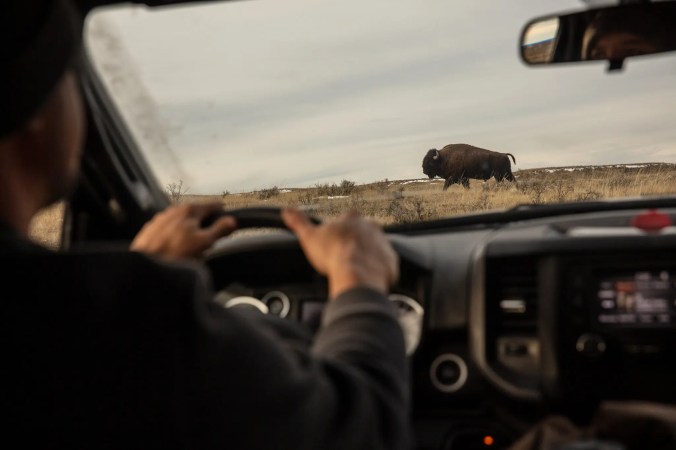
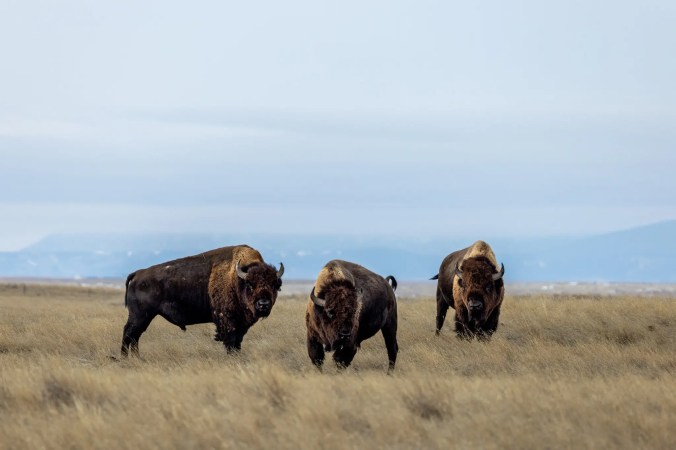
Scott Heidebrink, the director of bison restoration for the American Prairie Reserve in northeast Montana, checks on a herd. “There are ways that bison were impacting the landscape that we haven’t even thought about,” he said.
Bison restoration has been on our radar, primarily stories from the western USA, but also from the European context, where there has been considerable progress in recent years. Here is a good look at a conservation organization focused on habitat restoration, and the multi-species benefits:
Where the Bison Could Roam
Bison once numbered in the tens of millions in the United States. Now, a nonprofit is working to restore the shortgrass prairie, where the American icons and their ecosystem can thrive again.
MALTA, Mont. — Around 200 chocolate-brown bison raise their heads, following the low growl of a pickup truck slowly motoring across the sagebrush-studded prairie. Continue reading
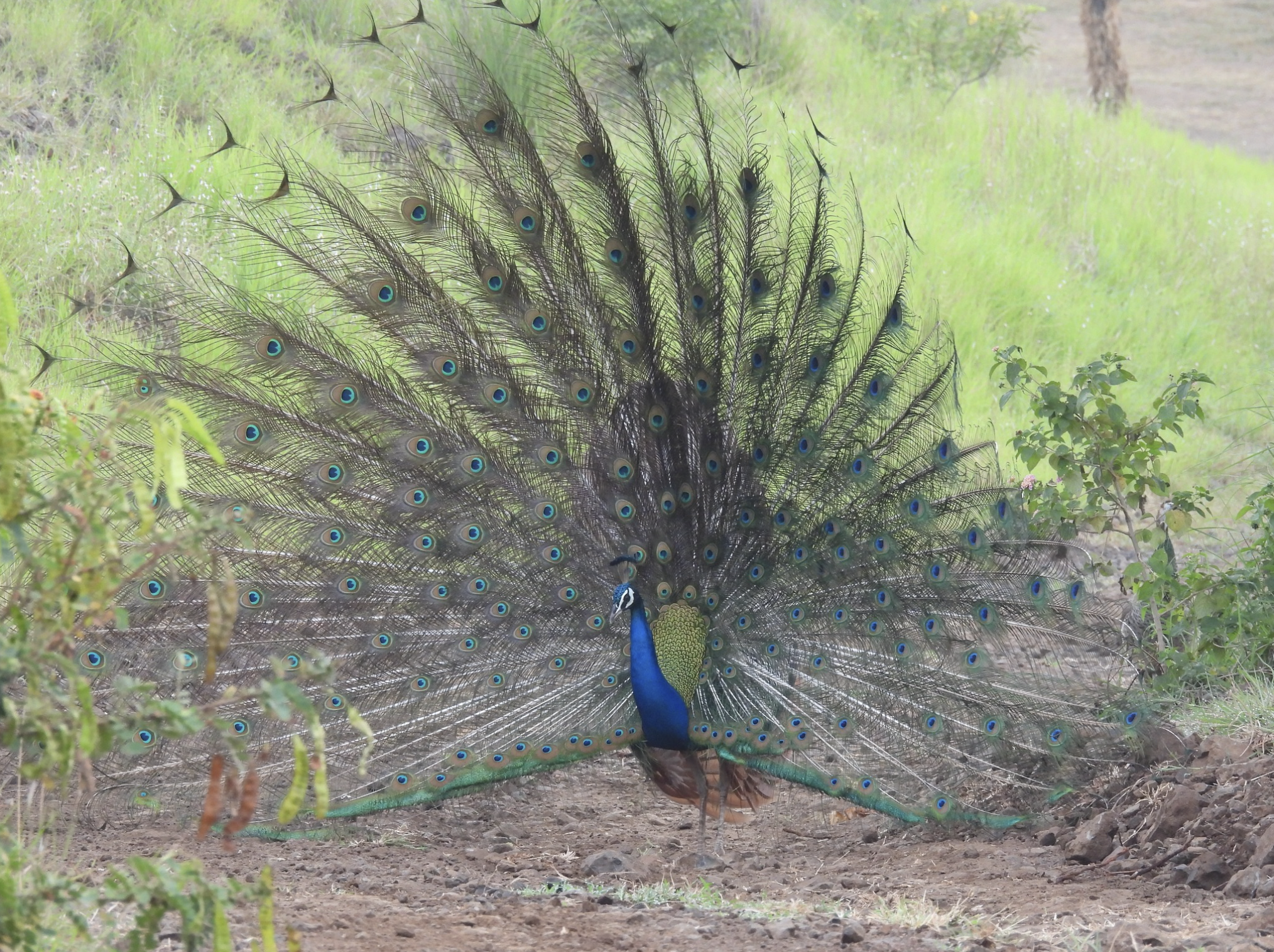
Savalsang Grassland, Vijayapura

A refrigerator factory in 2018 in Xingfu, China, an area that defied restrictions on ozone-depleting CFC-11 until a government crackdown. Gilles Sabrié for The New York Times
Any time we see even the slightest sign of meaningful change, it is worth pausing, noting it, and getting back to work:
Restoration of the Ozone Layer Is Back on Track, Scientists Say
Rogue emissions from China of ozone-depleting chemicals had threatened to delay recovery by a decade. But the emissions were stopped, according to a U.N.-backed report.
The protective ozone layer in the upper atmosphere could be restored within several decades, scientists said Monday, as recent rogue emissions of ozone-depleting chemicals from China have been largely eliminated. Continue reading
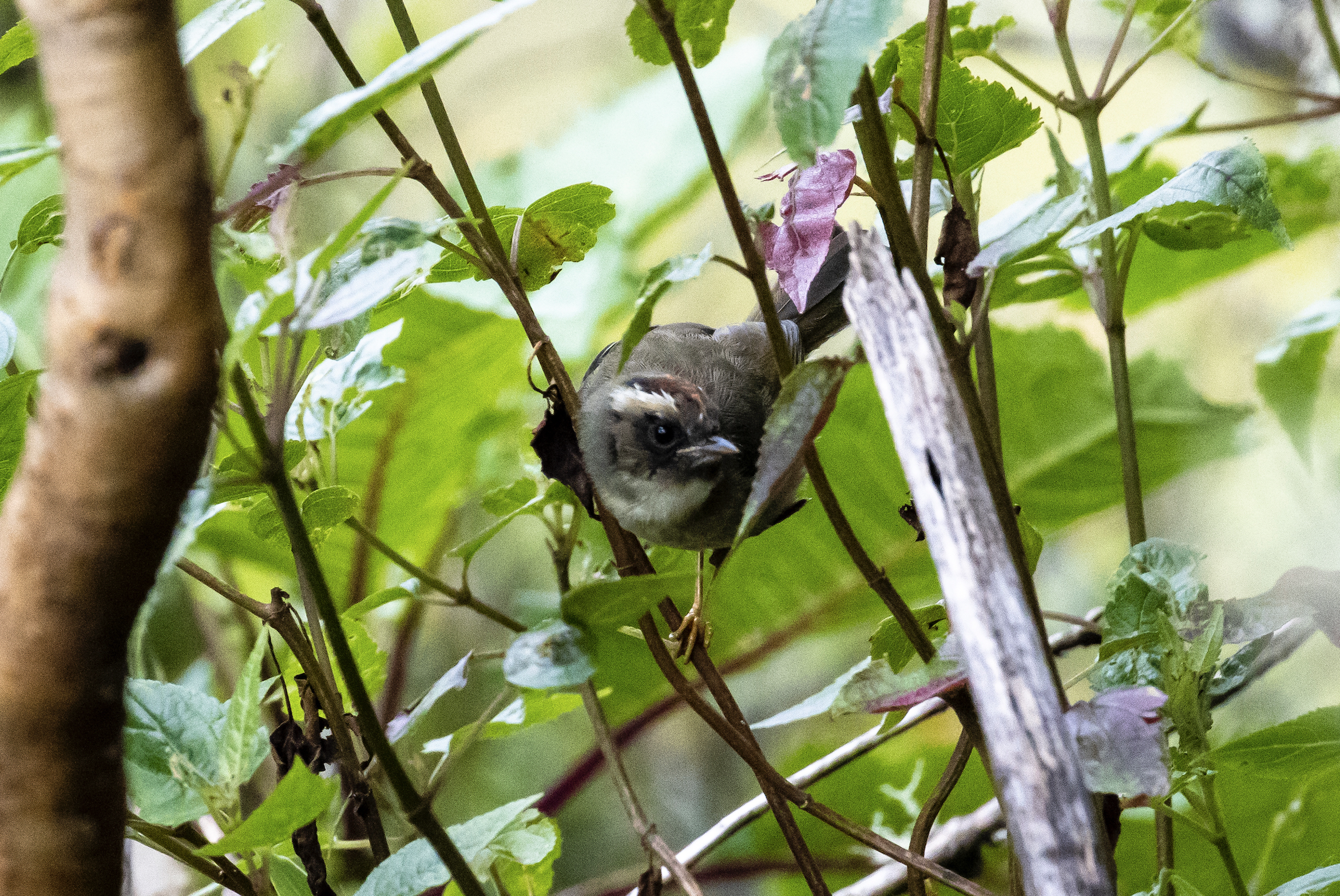
Parque Nacional Los Quetzales, Costa Rica

About 60 vehicles waited near the Mara River in Kenya as wildebeests and zebras gathered in August to cross the waterway as part of their migration on the Serengeti Plain. Simon Espley
We have Maria Cramer and Costas Christ to thank for this reminder about our responsibilities as producers and consumers of travel experiences:
The Cheetahs Made a Kill. Then the Safari Trucks Swarmed In.
A video showing dozens of vehicles moving in on a pair of big cats in a Kenyan game reserve highlights how “aggressive tourism” can put endangered animals at even greater risk.
The video surfaced online around October. Filmed from a distance, it shows an antelope grazing on the African plain. Suddenly, two cheetahs race toward it and the antelope takes off, running toward the camera. But the cats are too fast. They converge on it and bring it down. They begin to feed. Continue reading
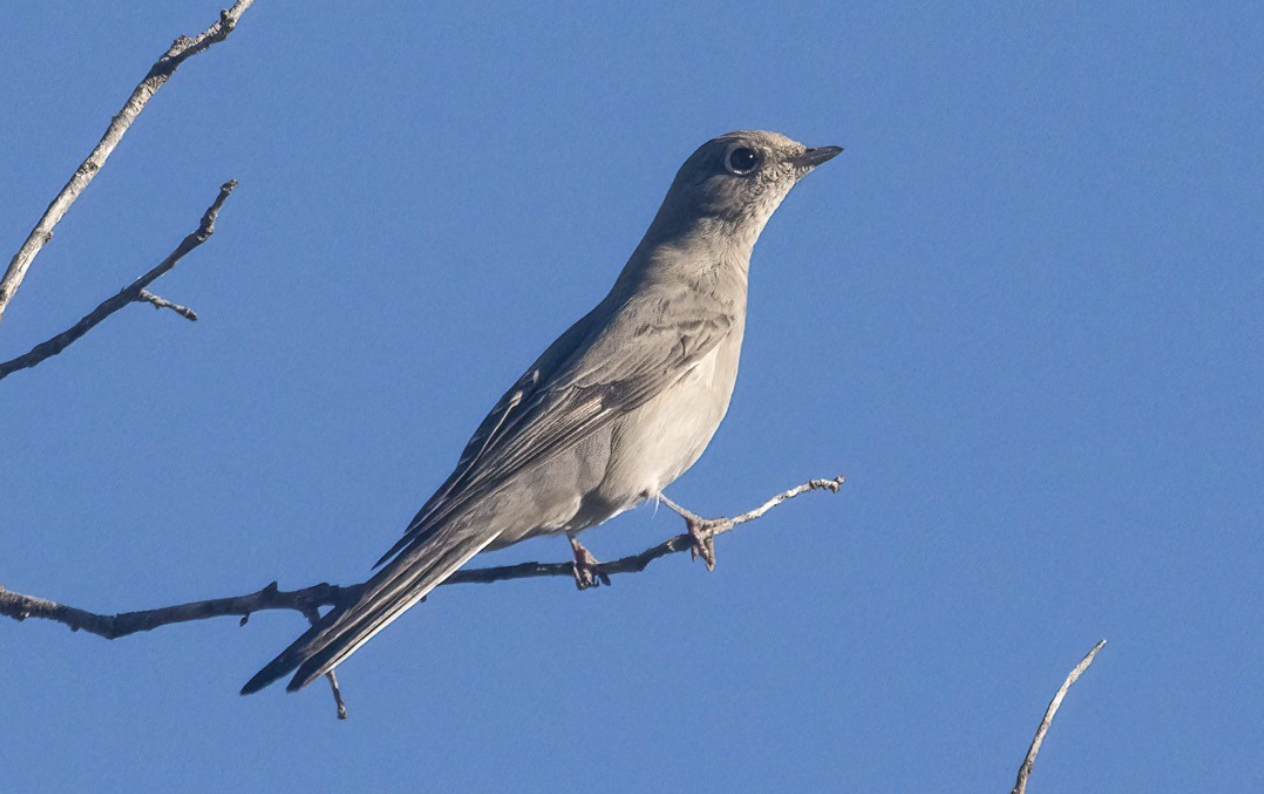
Davis Mountain Preserve, Tx
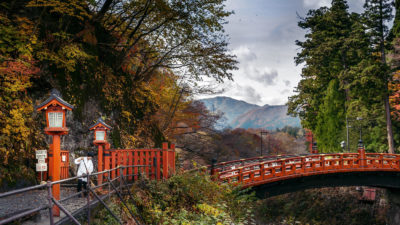
The Futarasan Shrine in Nikkō, Japan. Ancient forests surrounding Japan’s Shinto temples cover more than a quarter-million acres. NORTOPHOTO / ALAMY STOCK PHOTO
We are agnostic when it comes to how conservation of nature is motivated, and how it is accomplished. Thanks as always to Fred Pearce:
Sacred Groves: How the Spiritual Connection Helps Protect Nature
From Ethiopia’s highlands to Siberia to the Australian rainforest, there are thousands of sacred forests that have survived thanks to traditional religious and spiritual beliefs. Experts say these places, many now under threat, have ecological importance and must be saved.
Governments from across the world made grand promises last month at the biodiversity conference in Montreal to save nature by protecting 30 percent of the planet’s land and oceans by 2030. Continue reading