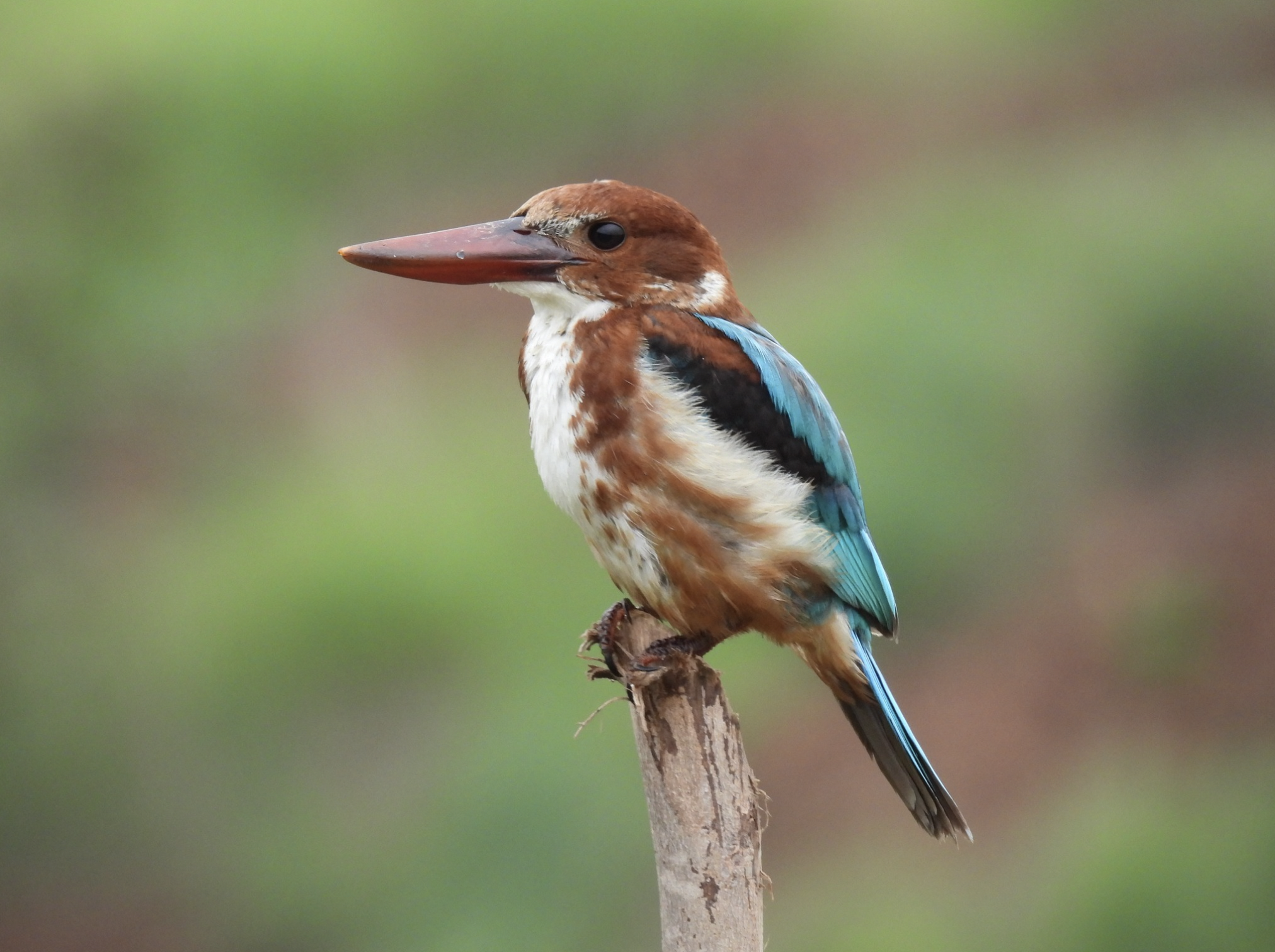
Savalsang Grassland, Vijayapura
Savalsang Grassland, Vijayapura
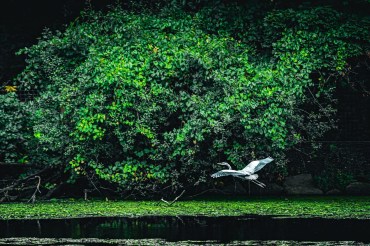
Van Cortlandt Lake, one of the many places popular with birds — and those who watch them.
Early in our life together, in the early/mid-1980s, Amie and I lived in two of the five boroughs that make up New York City. We never lived in the one that today, we learn, has had the most nature all along (we thank David Gonzalez for both the photographs and text of this article).
While we are not giving up the greener pastures we chose decades ago to be our home base, we are happy to know that The Bronx is so green, and can even picture making a special trip to visit this often unheralded part of New York City:
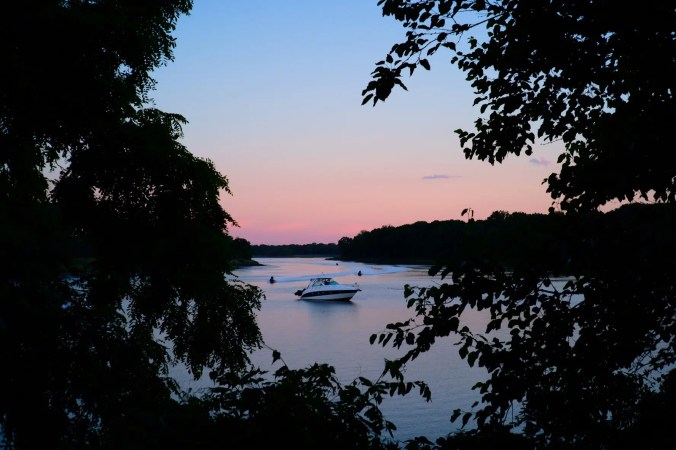
The lagoon at Pelham Bay Park.
Soundview Park
What Is New York’s Greenest Borough? Probably Not the One You Think.
If you said Brooklyn, Manhattan, Staten Island or Queens, guess again.
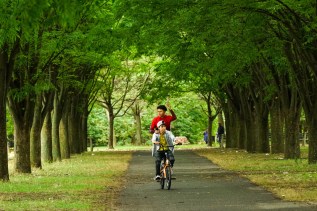
From hidden coves tucked along the Orchard Beach marshes to wide promenades covered by regal arches of trees in Soundview, there is a lot more green to the Bronx than the zoo or the infield at Yankee Stadium. The pastoral vibe might make you think you’re upstate, but as they said in the classic ’80s hip-hop movie “Beat Street,” this is the Bronx. Continue reading
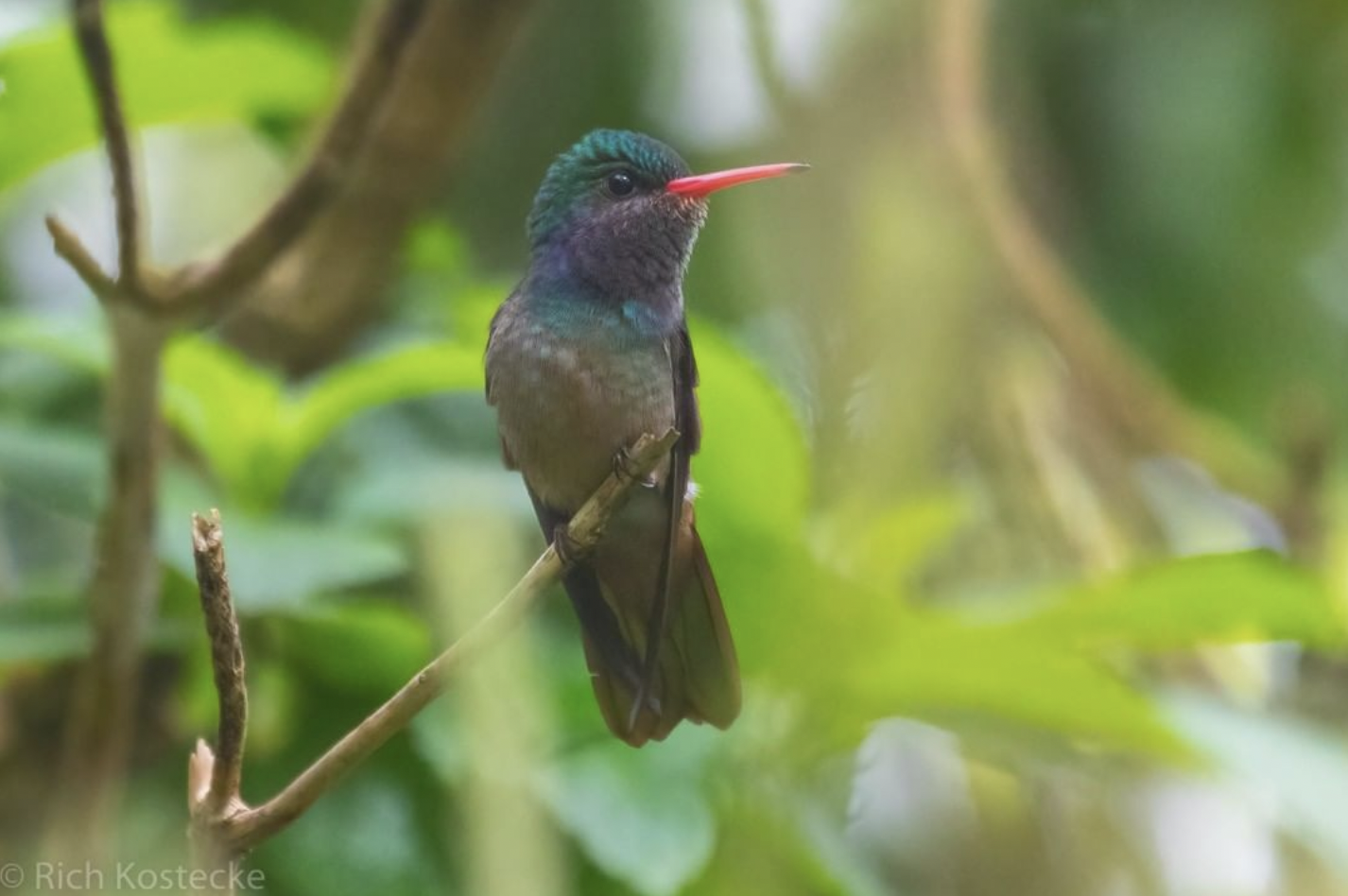
Bijagua, Costa Rica
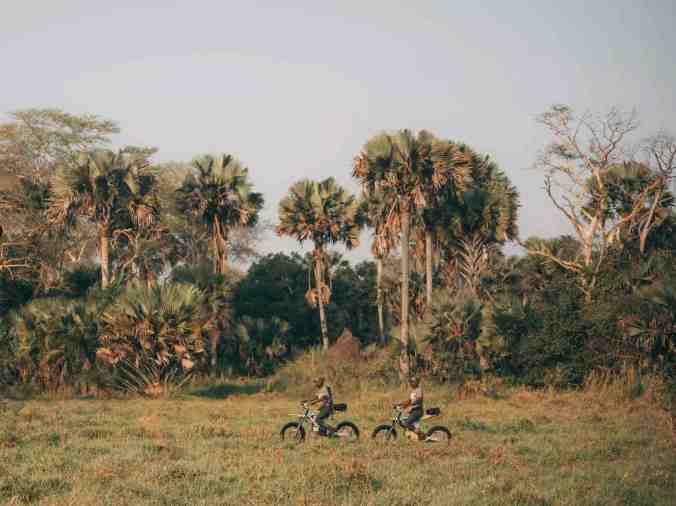
PHOTOGRAPH: JUSTIN SULLIVAN/CAKE
We have always had a soft spot for creative approaches to reducing, if not ending, poaching. And now this, thanks to Andy Jones at Wired:
Park Rangers Are Using Silent Ebikes to Catch Poachers
A Swedish electric bike is helping Mozambique’s park rangers protect game and reducing the need for fossil fuel infrastructure in Africa’s remotest areas.
AT THE END of 2021, a group of night poachers in a Mozambique national park—using torchlight to blind antelopes—were suddenly the ones left stunned in the dark. Continue reading

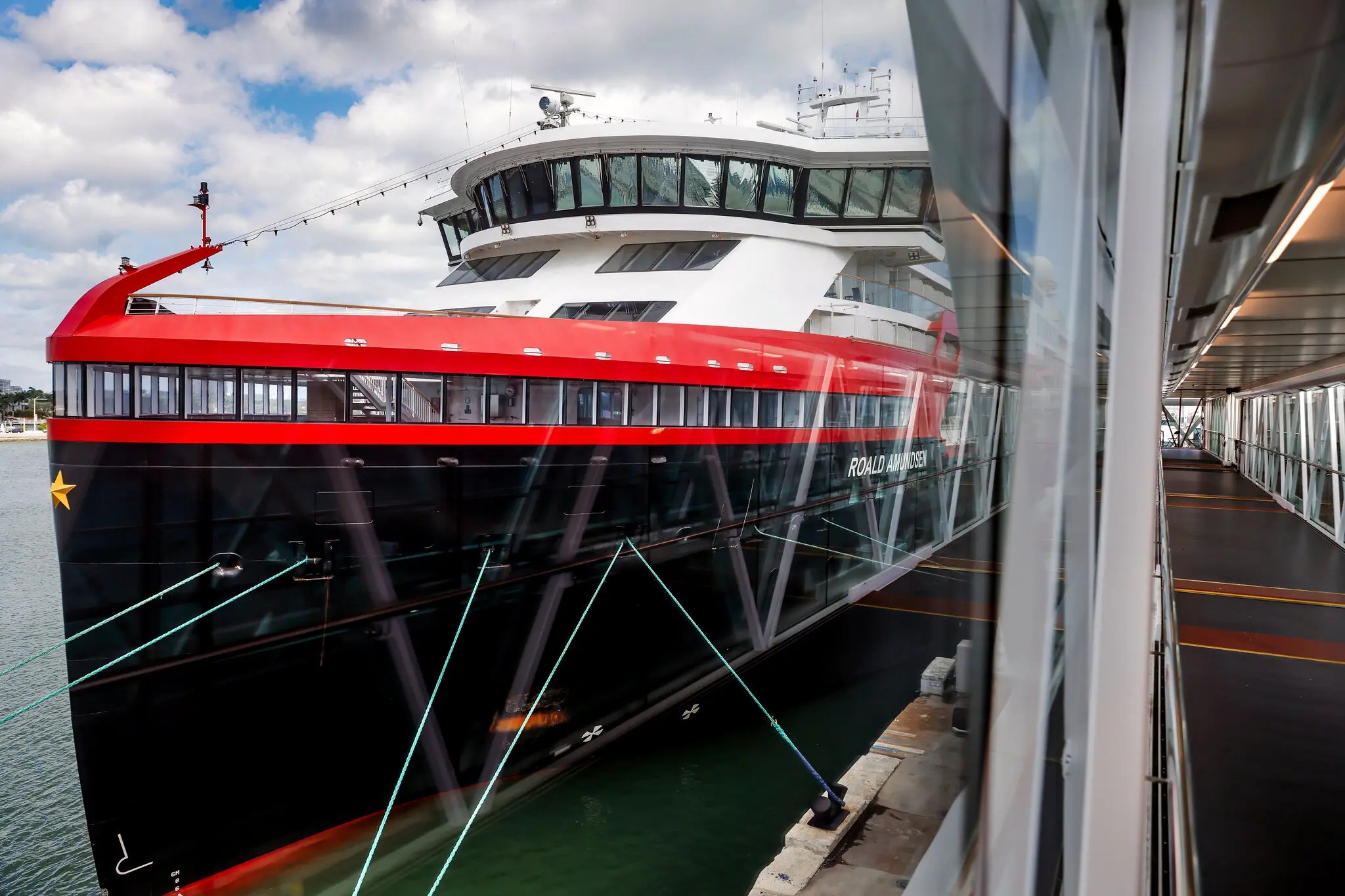
Cruise ship tourism is unfortunately not disappearing as we might have hoped. Are the ships evolving to be more environmentally and socially responsible? Our thanks to Maria Cramer for asking and attempting to answer the question:
How Green is Your Cruise?
As cruise companies head into their busiest season, they say they have ambitious plans to curb greenhouse emissions and find cleaner sources of fuel. But critics say the progress is too slow.
In the Caribbean, many cruise companies have bought islands and turned them into private resorts for the exclusive use of cruise passengers who cavort in enormous wave pools, rush down 135-foot water slides with names like Daredevil’s Peak, and zip-line across wide beaches. Continue reading
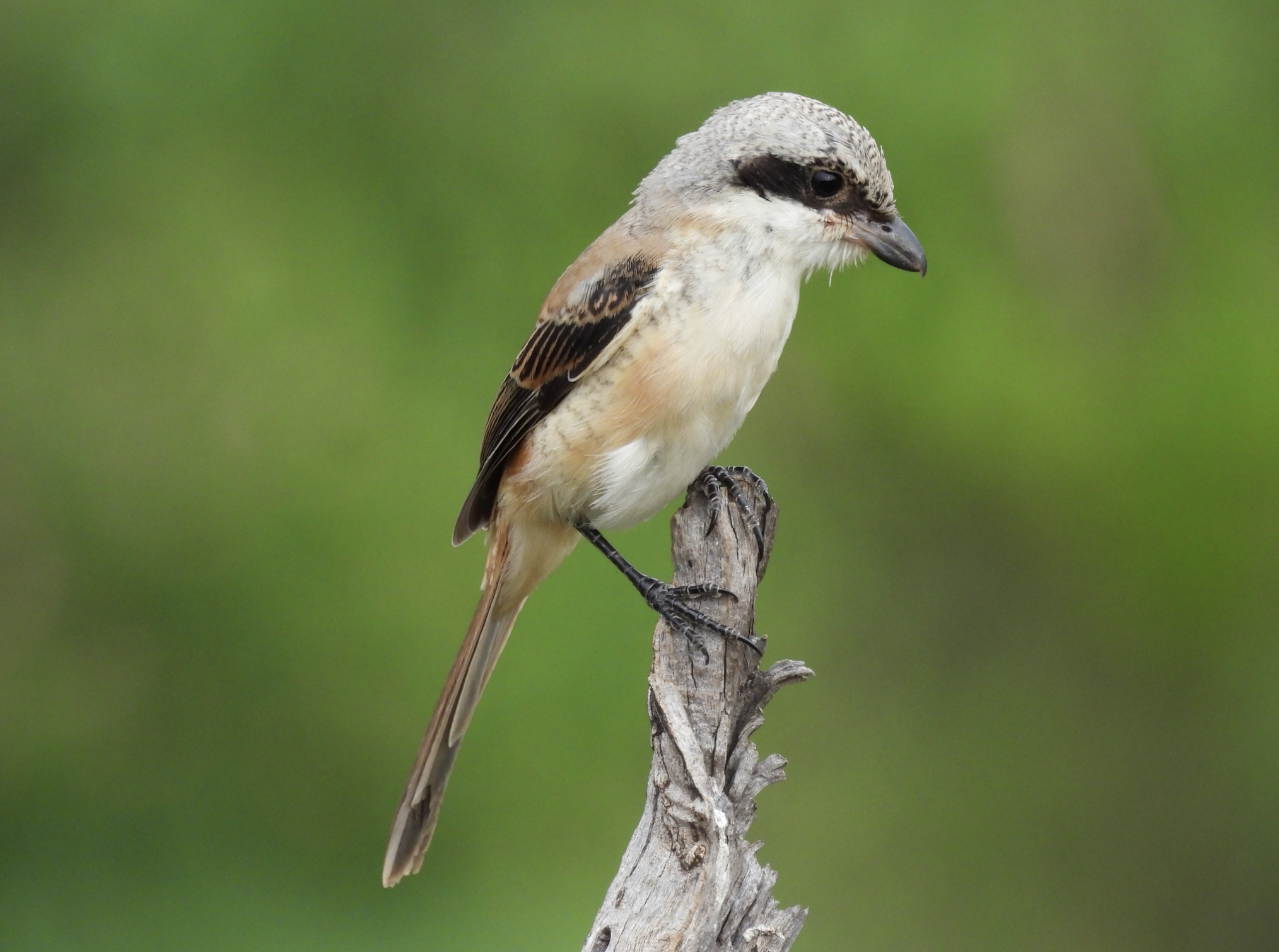
Immature
Vijayapura, Karnataka
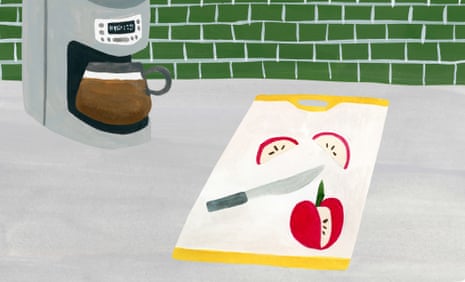
Your cutting board, utensils and coffee maker are among the long list of items in your kitchen that could be leaching dangerous chemicals. Illustration: Julia Louise Pereira/The Guardian
Wooden spoons and glass mugs: how to avoid toxic chemicals in your kitchen
Tom Perkins has reported widely on the potential risks of toxic chemicals. Here’s his guide to help you find safe alternatives for your kitchen
Chemicals are the invisible guests in our kitchens. You can’t see them but they are everywhere. Continue reading
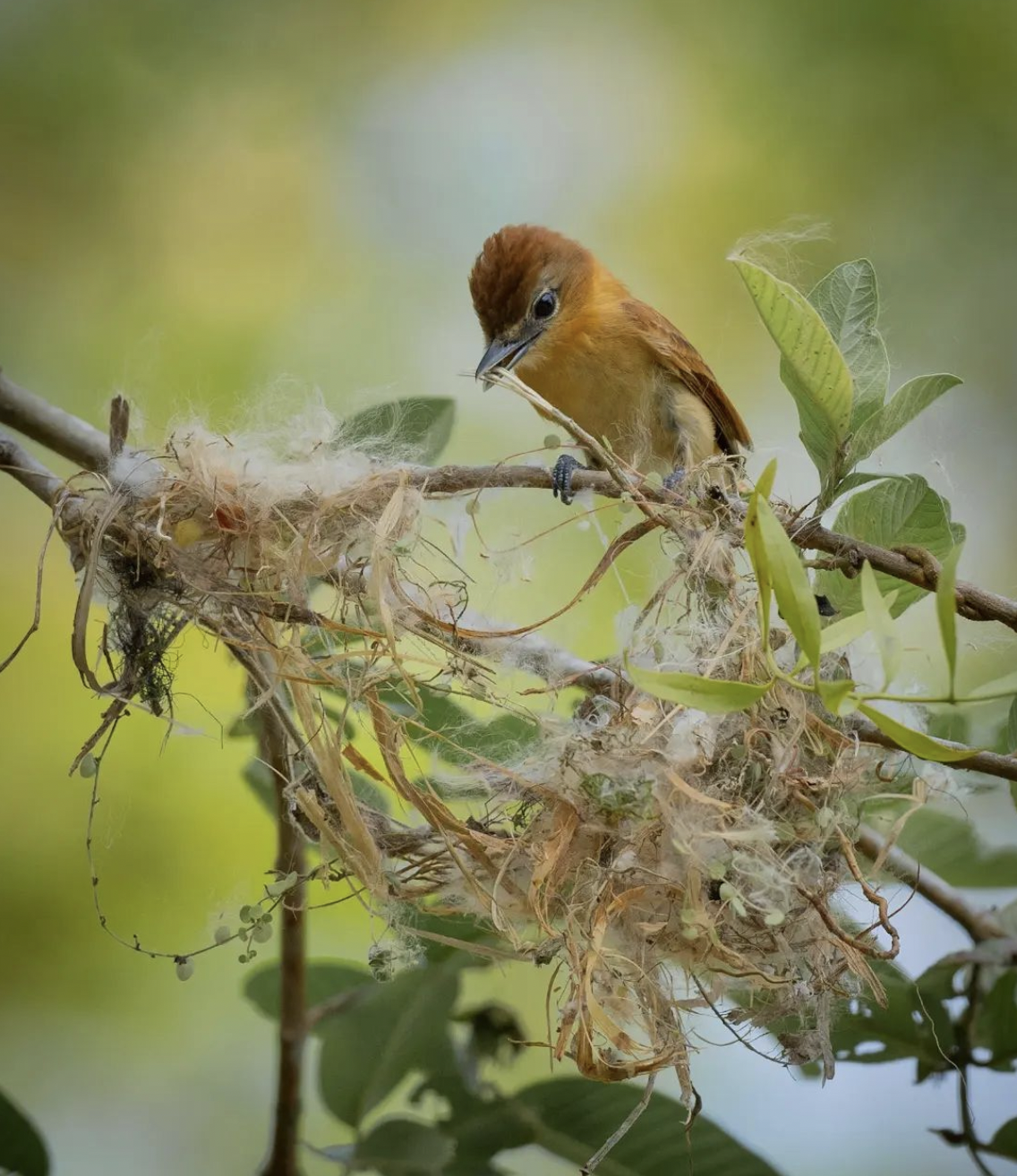
Parque Nacional Sierra Lacandona, Peten Guatemala
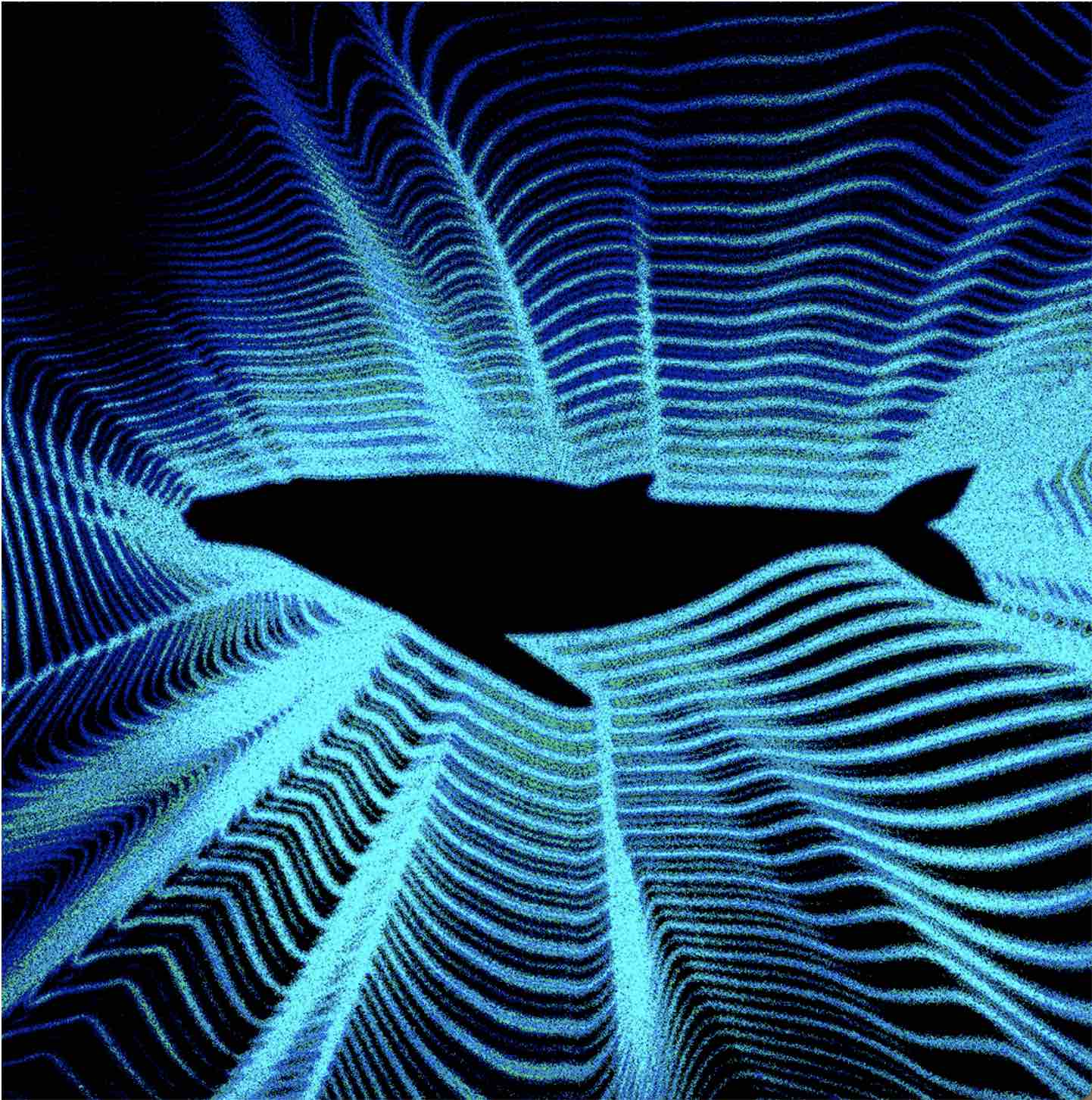
Illustration by Nicholas Konrad / The New Yorker
We thank the New Yorker for this note about Sara Niksic’s whalesong remixing, as described by Matthew Hutson:
How a Marine Biologist Remixed Whalesong
Sara Niksic, a lover of whales and electronic music, has merged her passions.
In 1971, in the journal Science, two scientists, Roger S. Payne and Scott McVay, published a paper titled “Songs of Humpback Whales.” They began by noting how “during the quiet age of sail, under conditions of exceptional calm and proximity, whalers were occasionally able to hear the sounds of whales transmitted faintly through a wooden hull.” Continue reading

Sore Finger Wildlife Area, TX
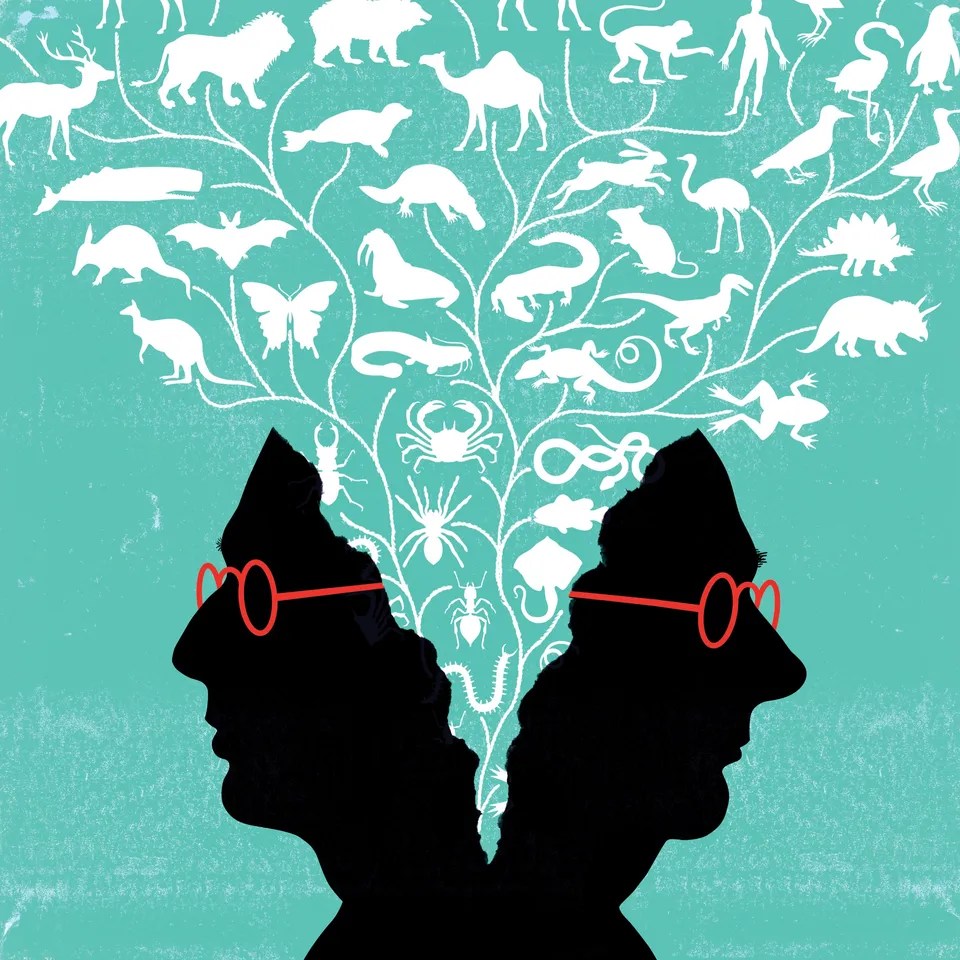
A family of scientist-writers recast religion and ethics in light of evolution. Illustration by Melinda Beck
We are all fortunate that the Huxley family produced no slouches:
How the Huxleys Electrified Evolution
Defending Darwinism from both clerical and scientific opponents, T. H. Huxley and his grandson Julian shaped how we think about the past and future of our species.
Thomas Henry Huxley almost skipped the showdown of his life. It was the fourth day of the 1860 meeting of the British Association for the Advancement of Science. He was tired. Continue reading

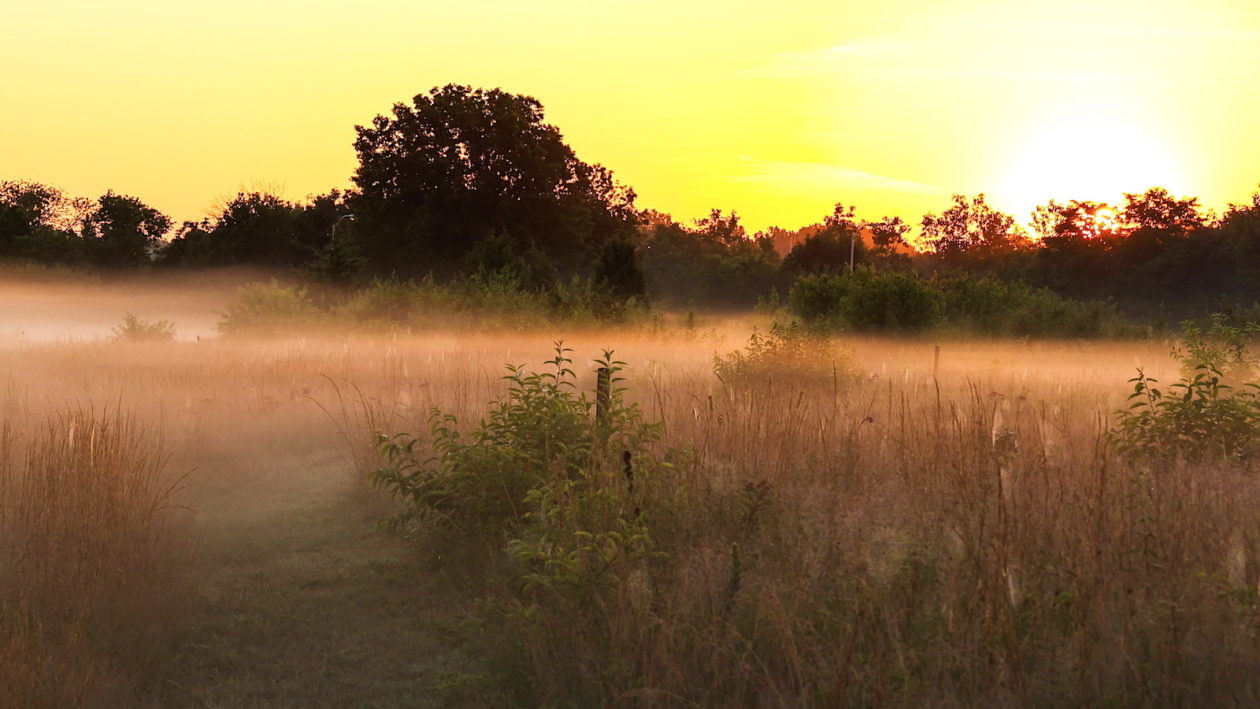
Sunrise at the Hempstead Plains on Long Island, New York. STEVE PFOST / NEWSDAY RM VIA GETTY IMAGES
Thanks to Yale e360’s Janet Martinelli:
Amid the Sprawl, a Long Island Prairie Makes a Quiet Comeback
Tucked into quintessential suburbia, the Hempstead Plains Preserve is a small sliver of the grassland that once covered a vast area of Long Island. New research shows that thoughtfully planted yards and gardens can bolster the biodiversity in such urban wildland fragments.
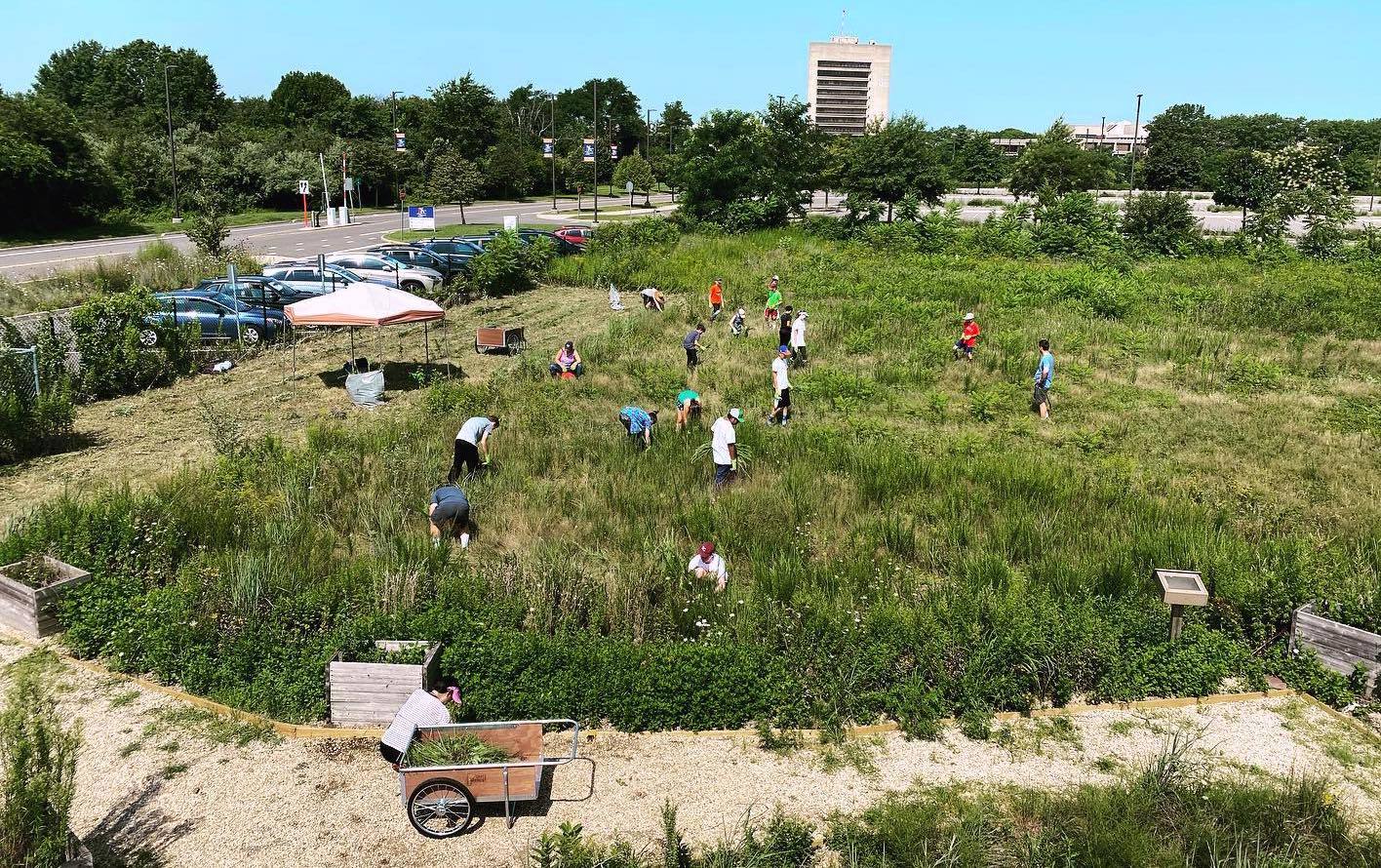
Volunteers remove invasive Chinese bushclover from the Hempstead Plains Preserve at Nassau Community College. FRIENDS OF HEMPSTEAD PLAINS
The Hempstead Plains Preserve is a place where you can imagine the presence of creatures past. Birdfoot violets, now gone, once colored the landscape with a wash of purple in spring. The heath hen, a large grouse that went extinct 90 years ago, performed its elaborate courtship dances on the Plains.
On a late afternoon in October, the slanting autumn sun lit up in a blaze of gold the grasses and wildflowers on this narrow, 19-acre sliver of land — almost all that is left of the tallgrass prairie that once covered more than 50 square miles at the heart of Long Island, New York, a fish-shaped island that stretches east into the Atlantic Ocean. Continue reading

Female
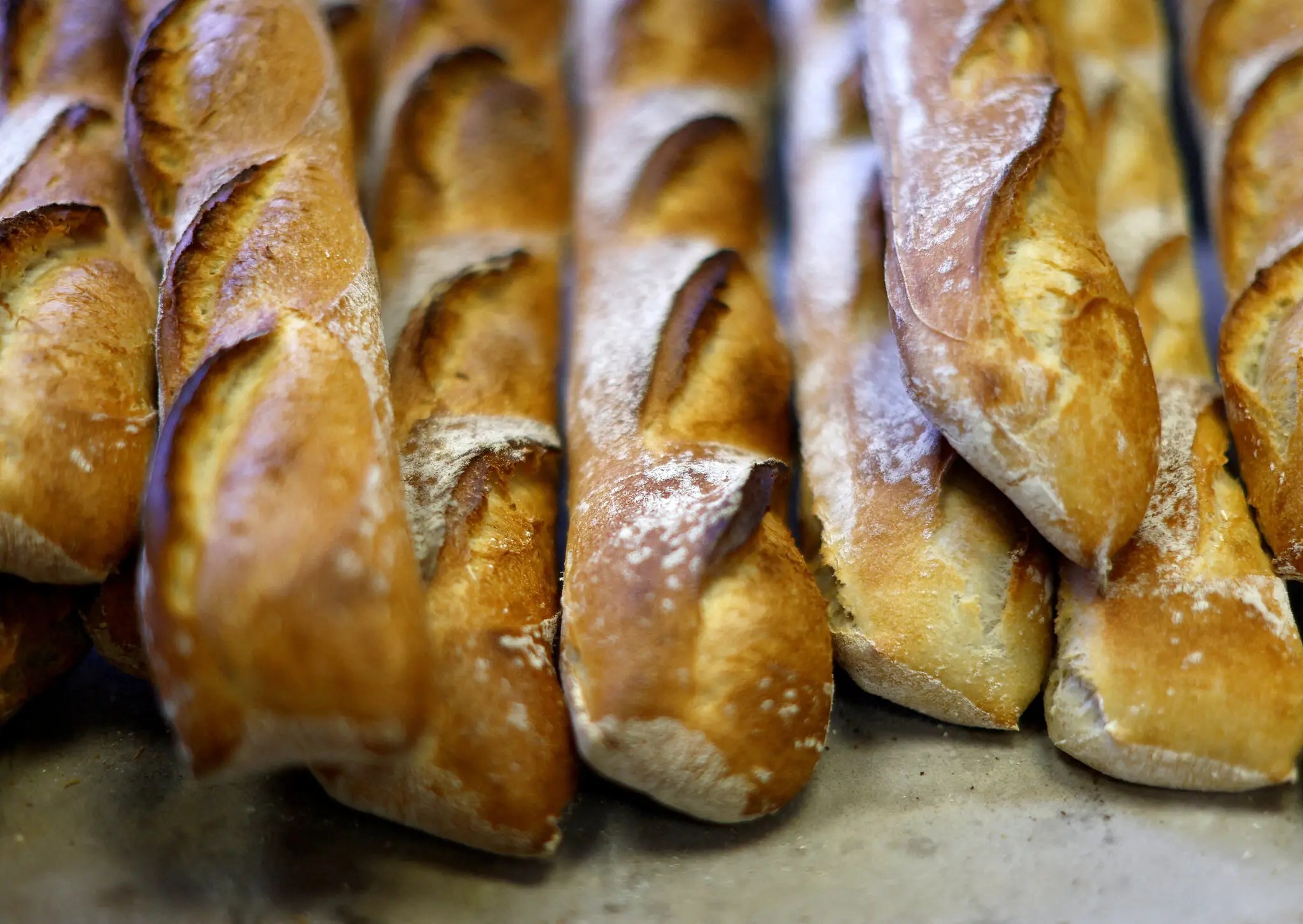
President Emmanuel Macron of France described the baguette as “250 grams of magic and perfection in our daily lives.” Eric Gaillard/Reuters
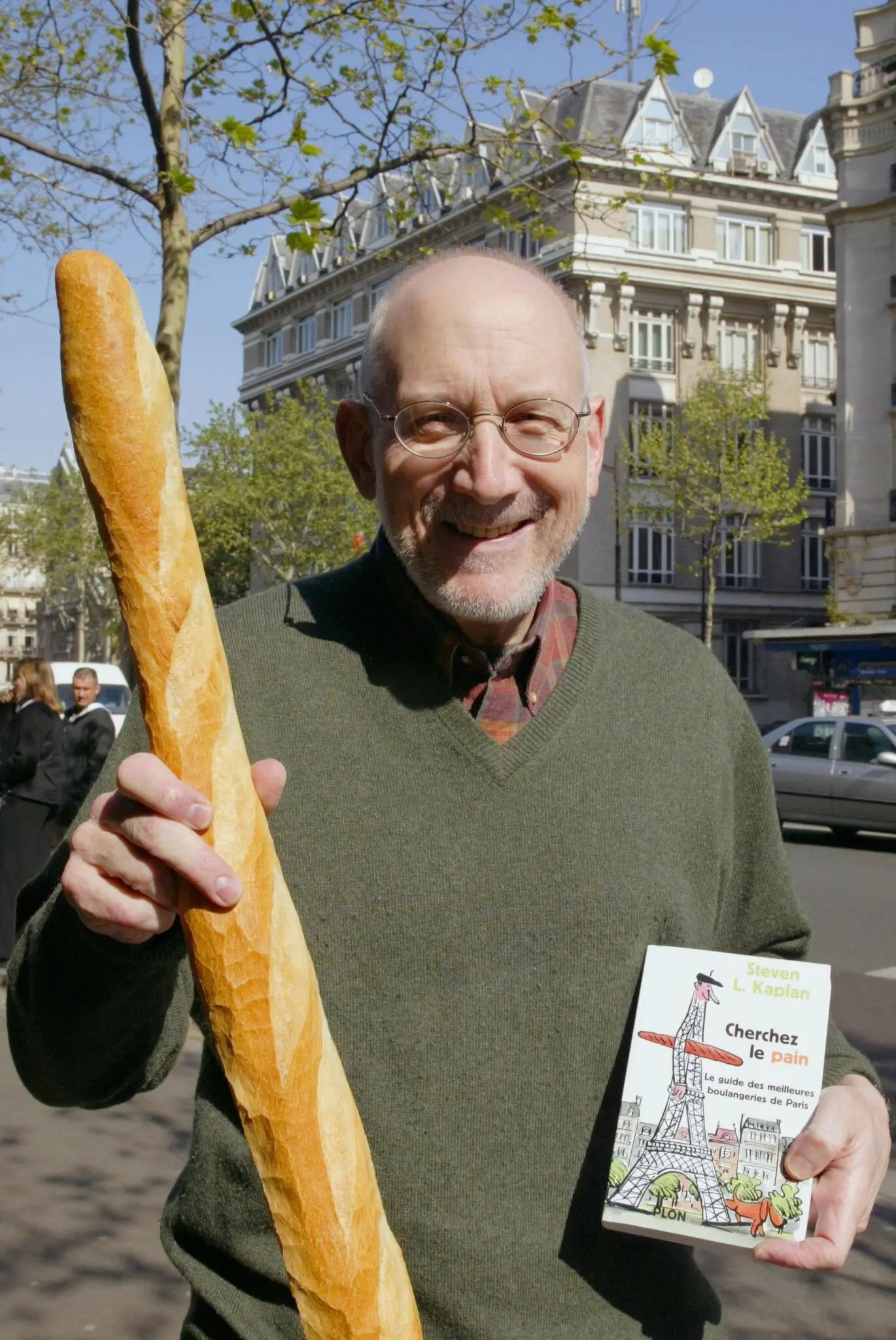
When the baguette was a daily part of our family’s life, we were fortunate to have a personal connection to the best guide, whose photo in the story below is as fitting as the photo above:
Steven Kaplan, perhaps the baguette’s most dedicated historian, says the bread has “little sites of memories” that “testify to a sensuality.” Daniel Janin/Agence France-Presse — Getty Images
A Slice of France, the Baguette Is Granted World Heritage Status
More than six billion baguettes are sold every year in France. But the bread is under threat, with bakeries vanishing in rural areas.
PARIS— It is more French than, perhaps, the Eiffel Tower or the Seine. It is carried home by millions each day under arms or strapped to the back of bicycles. It is the baguette, the bread that has set the pace for life in France for decades and has become an essential part of French identity.
On Wednesday, UNESCO, the United Nations heritage agency, named the baguette something worthy of humanity’s preservation, adding it to its exalted “intangible cultural heritage” list. Continue reading

Santiago Atitlán, Guatemala

Photo illustration by Todd St. John
We have barely scratched the surface on the ecological or the social implications of online retailing’s growing share of the economy. Until now, no attention to the boxes, specifically, so today we are happy to find excellent reporting focused on that. Cardboard is an increasing part of the lives of most of us living in digital economies, so thanks to Matthew Shaer for letting us know more about it:
Where Does All the Cardboard Come From? I Had to Know.
Entire forests and enormous factories running 24/7 can barely keep up with demand. This is how the cardboard economy works.
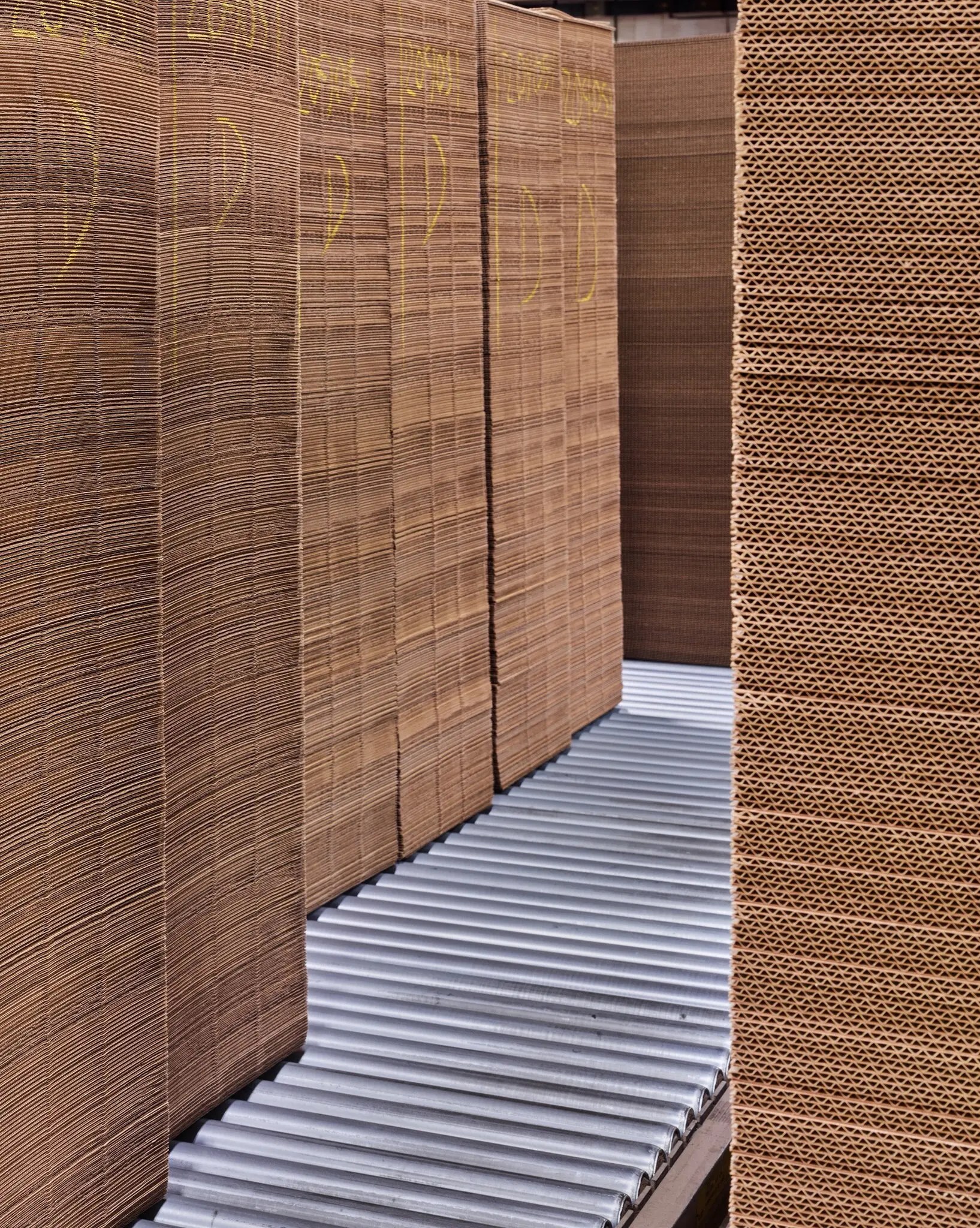
Stacks of unprinted, uncut cardboard at the International Paper factory in Lithonia, Ga. Christopher Payne for The New York Times
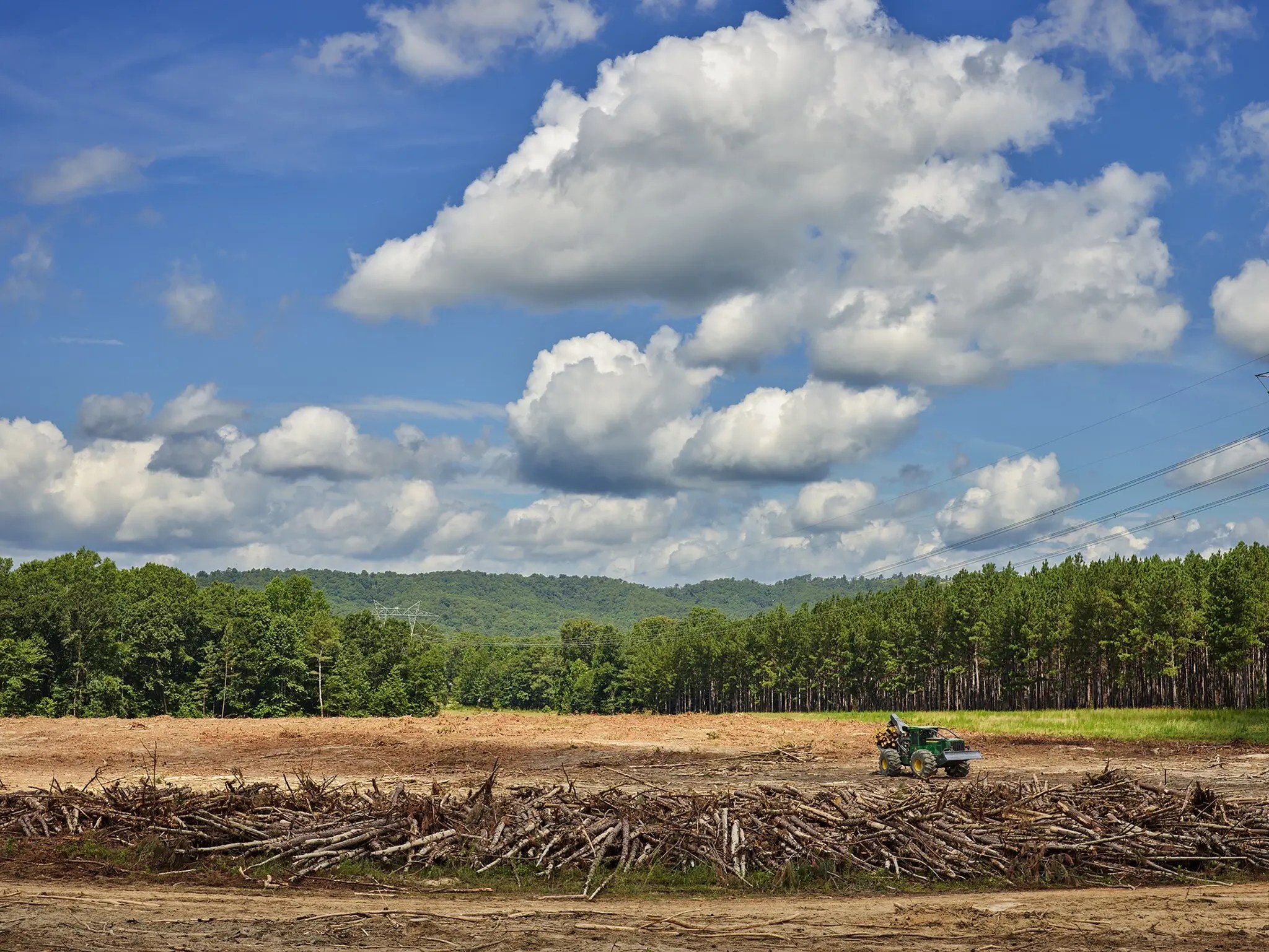
Before it was the cardboard on your doorstep, it was coarse brown paper, and before it was paper, it was a river of hot pulp, and before it was a river, it was a tree. Probably a Pinus taeda, or loblolly pine, a slender conifer native to the Southeastern United States. “The wonderful thing about the loblolly,” a forester named Alex Singleton told me this spring, peering out over the fringes of a tree farm in West Georgia, “is that it grows fast and grows pretty much anywhere, including swamps” — hence the non-Latin name for the tree, which comes from an antiquated term for mud pit. “See those oaks over there?” Singleton went on. “Oaks are hardwood, with short fibers. Fine for paper. Book pages. But not fine for packaging, because for packaging, you need the long fibers. A pine will give you that. An oak won’t.”
A timber farm in Rome, Ga., that supplies I.P. Christopher Payne for The New York Times
Singleton, who is 54, with a shaved head and graying beard, has spent the past few years as a fiber-supply manager for International Paper, or I.P., a packaging concern headquartered in Memphis. Continue reading
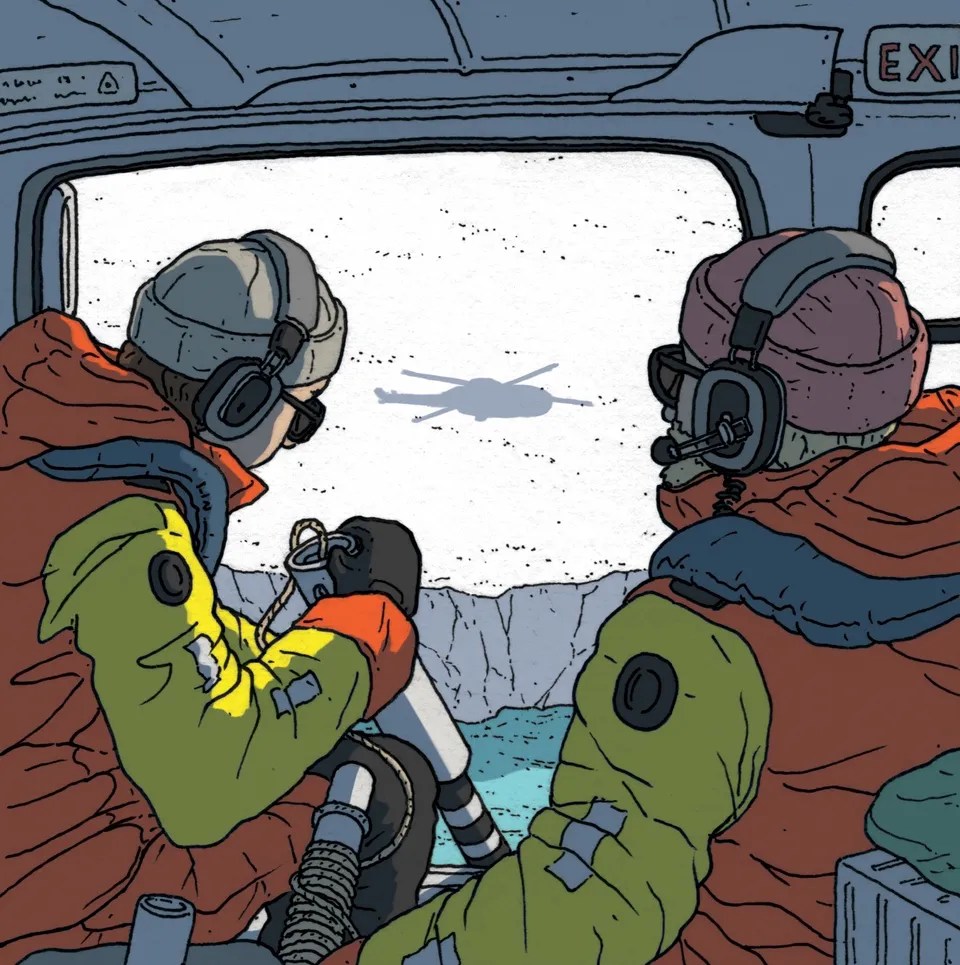
Probes beneath the ice could shed light on the fate of the world’s coastlines. Illustration by Owen D. Pomery
Most of us do not spend much time thinking about what is happening there, but Antarctica’s future is now very much entwined with the future of the rest of the planet. All of us. So, thanks to David W. Brown for this travelogue:
Journey to the Doomsday Glacier
Thwaites could reshape the world’s coastlines. But how do you study one of the world’s most inaccessible places?
I first saw our icebreaker, the RV Araon, when we were due to leave for Antarctica. The largest icebreakers are more than five hundred feet long, but the Araon was only the length of a football field; I wondered how it would handle the waves of the Southern Ocean, and how it would fare against the thick sea ice that guards the last wilderness on Earth. Continue reading