Sore Finger Wildlife Area, TX
Sore Finger Wildlife Area, TX
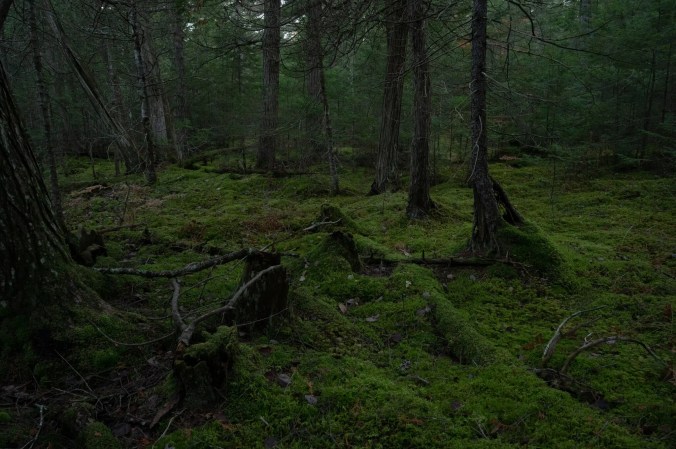
Dawn rises over a forest outside Orono, Me. Researchers want to understand what leads mice, voles and other small animals to bury seeds that become forests.
There really are coincidences that have nothing to do with the overreach of internet companies who see what you are reading in one place and put something in front of you instantly, and for a long time following, based on that first subject. In this case, I was reading about the endless quest for a better mousetrap, and then came upon this fascinating article about the ecosystem services that mice convey. This was as smile-inducing a juxtaposition as my reading has provided me lately. I hope I am correct that this pure chance and not some creepy algorithm, which would wilt my grin:
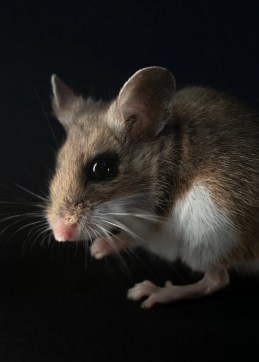
A deer mouse, temporarily captured for a behavioral test before being rereleased to the grounds of a study site at the University of Maine in late October.
Meet the Mice Who Make the Forest
Scientists are unearthing a quiet truth about the woods: Where trees grow, or don’t, depends in part on the quirky decisions of small mammals.
It’s easy to look at a forest and think it’s inevitable: that the trees came into being through a stately procession of seasons and seeds and soil, and will replenish themselves so long as environmental conditions allow.
Hidden from sight are the creatures whose labor makes the forest possible — the multitudes of microorganisms and invertebrates involved in maintaining that soil, and the animals responsible for delivering seeds too heavy to be wind-borne to the places where they will sprout. Continue reading
Rift Valley, Kenya
Leaving aside the question of why so many of the world’s most important historical artifacts are in London, rather than where they originated, the curator in the video above is charming. And the man in the photo just below to the right is his counterpart in the place where this particular artifact originated. My interest in board games is much less well informed, but like Mr. Mofaq I have an interest in their revival, so Deb Amlen’s article in the New York Times is appreciated:
Hoshmand Mofaq, an Iraqi artist, pondered his next move on one of the Royal Game of Ur boards he designed. Mr. Mofaq is part of a group who hope to popularize and return the game to the Iraqi people as part of their cultural heritage. Shwan Mohammed/Agence France-Presse — Getty Images
The Royal Game of Ur: How to Play the Oldest Board Game on Record
For 4,600 years, a mysterious game slept in the dust of southern Iraq, largely forgotten. The passion of a museum curator and the hunger of young Iraqis for their cultural history may bring it back.
It is the end of a long, hot day of selling your wares in a market in ancient Mesopotamia, around 2,400 B.C., and you are looking for a way to unwind.
Netflix will not be invented for another four and a half millenniums, but as luck would have it, a pub lies ahead in the distance. A beer and a round of the Middle East’s favorite game is just the thing to pick you up. The thrill of the game is irresistible: It is impossible to predict who will win in this race to get your pieces to the end of the board, even in the last few moves.
One of the boards of the Royal Game of Ur excavated in the 1920s, on display at the British Museum. The British Museum, via Commons.wikimedia.org
You sit down across from your opponent, who offers you the first turn. You pick up the four-sided dice and shake them in your fist. Maybe this time the rumored fortunetelling aspect of the game will bless you with a spate of good luck and prosperity. Continue reading
Parque Nacional Carara, Costa Rica

Pinnacle turbines dot the skyline in Keyser, West Virginia, where, according to Andrew Cosner, a twenty-one-year-old technician, some residents remain hostile to the new wind farm: “They say it ruins the landscape and it’s ugly.”
It is to each of us whether we find the view attractive or not, and there was a time when I found large man-made structures an imposition on pastoral beauty.

Smith stands in the nacelle of one of the turbines just before daybreak.
As time passes I find myself drawn more to such a view as that in the photo above as a signal of progress. It is not because the view is in a place far away from me– on the mountain ridge above where I live there is a row of such turbines and I am constantly gazing at that horizon. Published in the print edition of the November 28, 2022, issue of the New Yorker, with the headline “Blade Runners,” D.T. Max provides some context, but the photos do the heavy lifting:
THE BLADE RUNNERS POWERING A WIND FARM
In West Virginia, a crew of five watches over twenty-three giant turbines.
The Pinnacle wind-power plant extends for roughly four miles in the northeastern corner of West Virginia. Continue reading
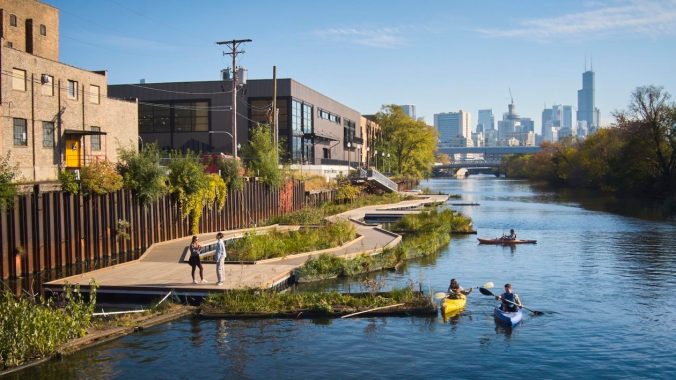
Floating wetlands along the Chicago River’s Wild Mile. DAVE BURK / SOM
Thanks to Susan Cosier and Yale e360 for this:
How Floating Wetlands Are Helping to Clean Up Urban Waters
As cities around the world look to rid their waterways of remaining pollution, researchers are installing artificial islands brimming with grasses and sedges. The islands’ surfaces attract wildlife, while the underwater plant roots absorb contaminants and support aquatic life.
Five small islands roughly the size of backyard swimming pools float next to the concrete riverbank of Bubbly Creek, a stretch of the Chicago River named for the gas that once rose to the surface after stockyards dumped animal waste and byproducts into the waterway. Continue reading
Orange Walk, Belize
Illustration: Eleanor Shakespeare/The Guardian
It is the first time we are seeing these two words together, and George Monbiot has this to say about the potential implied:
Embrace what may be the most important green technology ever. It could save us all
Never mind the yuck factor: precision fermentation could produce new staple foods, and end our reliance on farming
So what do we do now? After 27 summits and no effective action, it seems that the real purpose was to keep us talking. If governments were serious about preventing climate breakdown, there would have been no Cops 2-27. The major issues would have been resolved at Cop1, as the ozone depletion crisis was at a single summit in Montreal. Continue reading
Santiago Atitlán Guatemala
 We link to essays and articles, as well as profiles and book reviews from this magazine constantly, but never previously to a cover and only once, by reference, to cartoons. The cover of this week’s issue merits consideration:
Birgit Schössow’s “The Future Is Here”
The artist talks about incorporating environmental themes in her work, and the historical inspiration behind her cover for the Climate Issue.
Françoise Mouly, Birgit Schössow
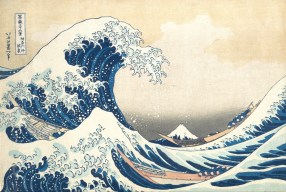
Hokusai’s “Under the Wave off Kanagawa,” circa 1830-32, is said to have inspired Debussy’s piece “La mer” (The Sea) and Rilke’s poem “Der Berg” (The Mountain).
In her new cover, the Germany-based artist Birgit Schössow drew inspiration from an artistic masterpiece. Starting in the late seventeen-hundreds, the Japanese artist Katsushika Hokusai created woodblock prints in a genre called ukiyo-e, part of an artistic movement known as “the floating world.” One of Hokusai’s best-known works is one of a series called “Thirty-six Views of Mount Fuji” that shows a giant wave cresting in the foreground. The wave’s dramatic curve and stature, topped with a skim of frilly foam, are so eye-catching that you might miss the slender fishing boat it’s about to topple onto. Continue reading
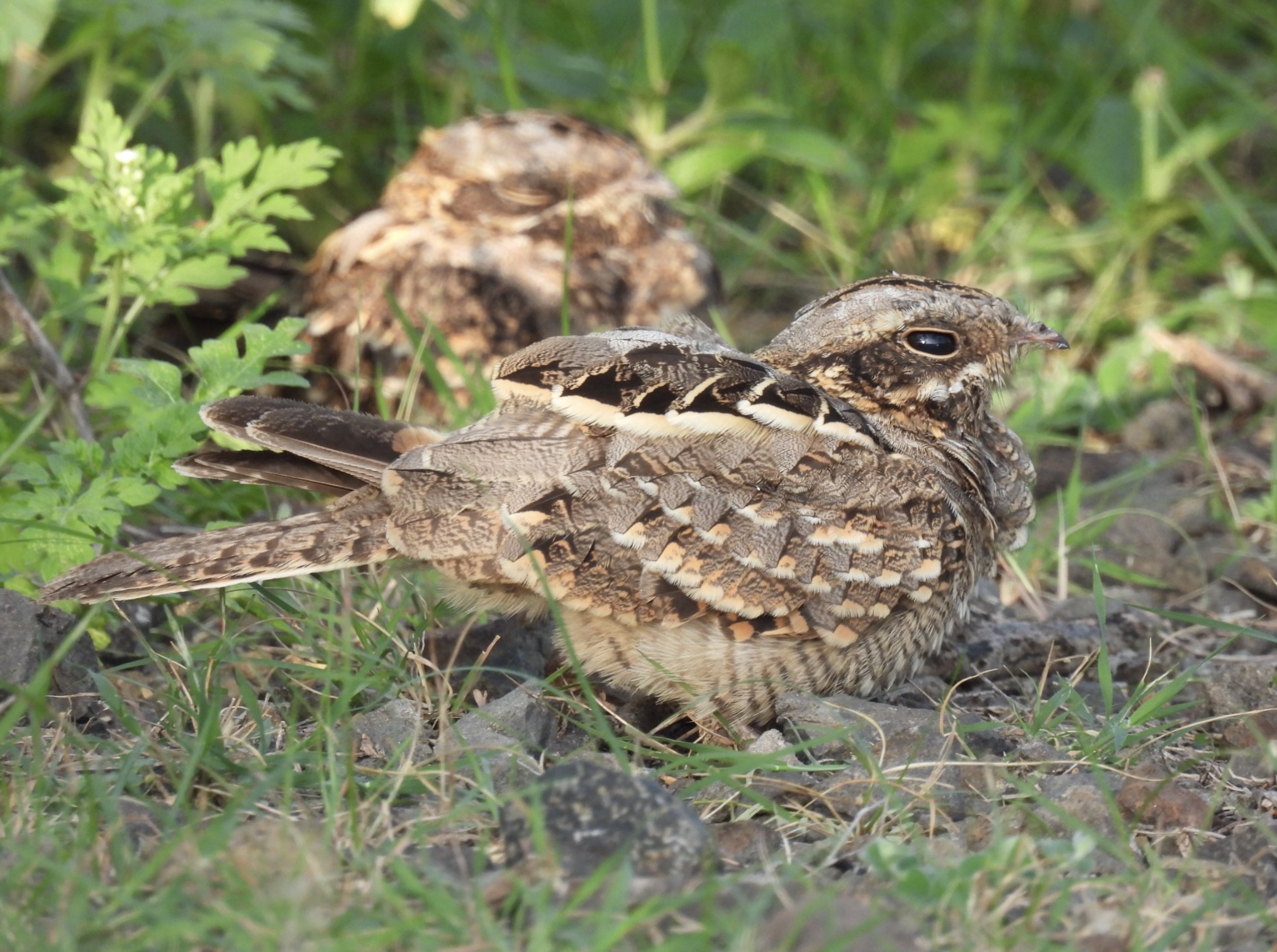

Harvard Forest (pictured) was included in a study that looks at how New England forests can be better utilized in the fight against climate change.
Stephanie Mitchell/Harvard Staff Photographer
We had no clue how much forest area that region has, nor how much capacity to absorb carbon that would translate to:
New England forests, new strategies can offset most regional emissions over 30 years, report says
Study, led by Harvard ecologist, lays out five policies to boost levels of absorption as six states lower emissions
A major new report suggests that with a handful of strategies New England’s 32 million acres of forests, which cover about three-quarters of the region, could eventually come close to absorbing 100 percent of all the carbon produced by the six states. Continue reading
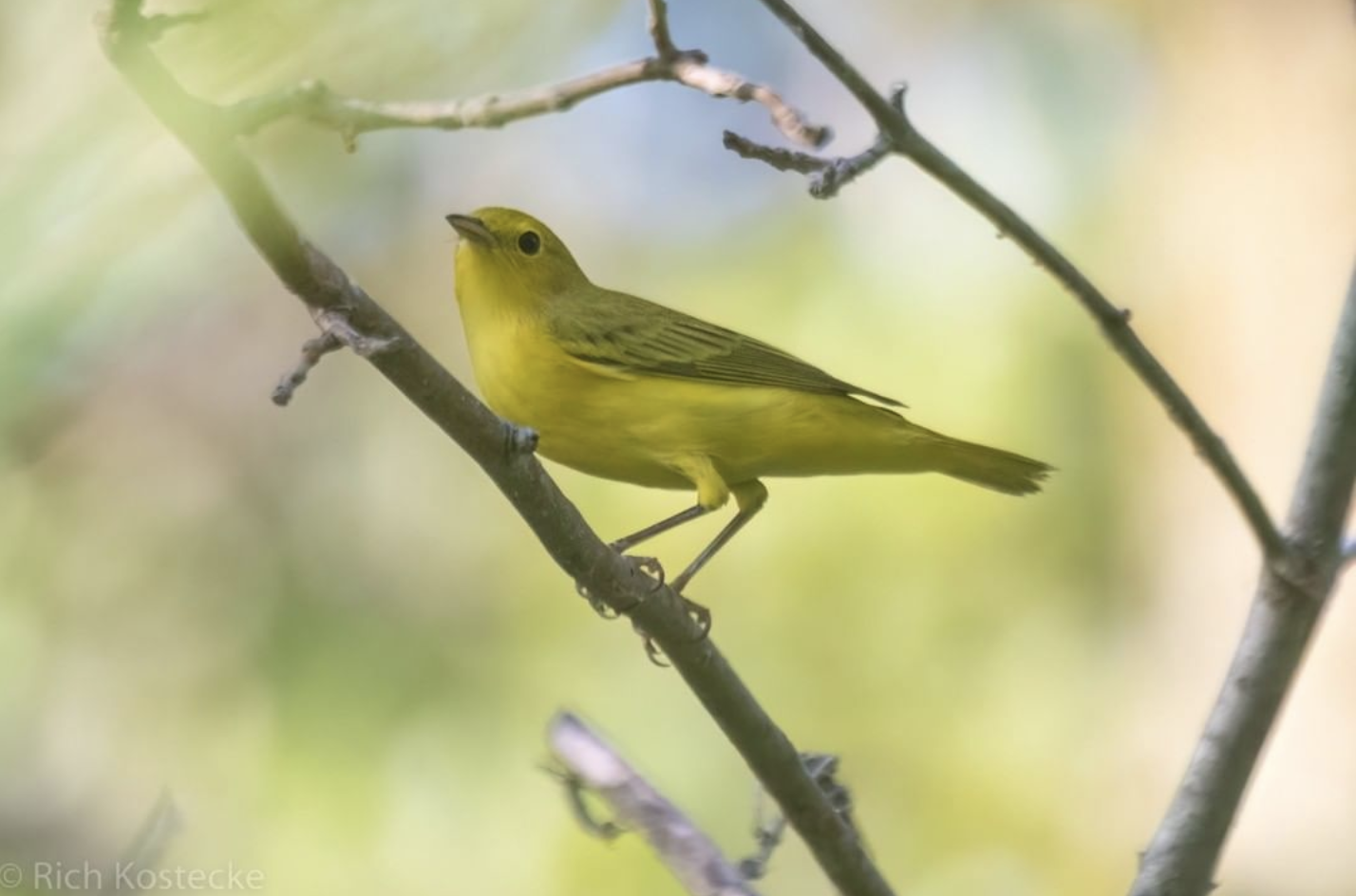
Sore Finger Wildlife Area, TX

Corals in the waters of the Ras Mohammed National Park in the Red Sea near Sharm el Sheikh, Egypt, home to one of the only reefs in the world that can tolerate heat. Sima Diab for The New York Times
Our thanks to Jenny Gross and Vivian Yee reporting from Egypt:
Attendees of the United Nations climate conference took breaks from negotiations to see the corals for themselves.Credit…Mohammed Abed/Agence France-Presse — Getty Images
The Red Sea’s Coral Reefs Defy the Climate-Change Odds
As warming waters devastate coral around the world, the sea’s stunningly colorful reefs have been remarkably resilient. But pollution, mass tourism and overfishing put them at risk.
SHARM El SHEIKH, Egypt — The vast majority of the world’s coral reefs are likely to be severely damaged in the coming decades if the planet keeps warming at its current rate. Continue reading

Jekyll Island, Georgia

Blake Votilla at the top of a spruce tree, collecting cones that will be replanted to help restore forests decimated by wildfires.
Thanks to Hilary Swift (last seen in these pages as a photographer, now also as a writer) and the New York Times for this series:
In Utah, Restoring Spruce Forests One Cone at a Time
Seasonal workers climb tree after tree to collect seeds that will eventually help regrow forests, an effort that could get the country closer to its climate goals
Some of the cones collected get sent to a nursery outside of Boise, Idaho, where the seeds from the cones are stored or replanted.
MOAB, Utah — Blake Votilla stared up at the 120-foot spruce tree. He strapped braces with four-inch spurs to his shins and clipped two large red plastic sacks on his climbing harness. Reggaeton blasted from a portable speaker on his hip.
Then he embraced the tree with his gloved hands, sticky from sap, lifting his left leg up first, driving the spur into the cracks of the bark to hoist himself up. Continue reading
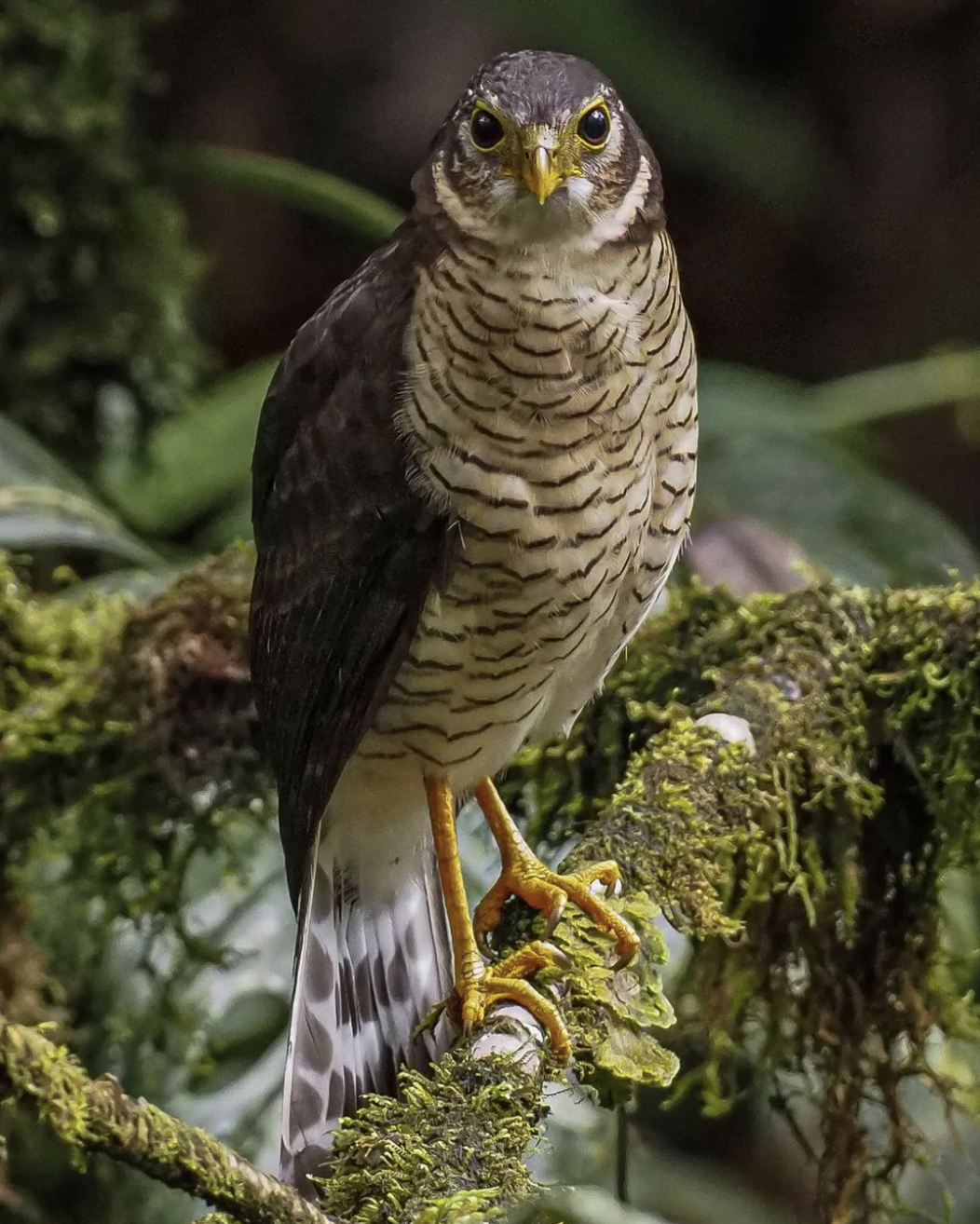
Juvenile
Guatemala

Stelios Trilyrakis, the chef behind Ntounias in Crete, pats one of his heritage cows, a rare Cretan species called Gidomouskara. SteMajourneys
I have a longstanding habit, in an article like this one listing travel experiences including 5. Savor an Unforgettable Lunch at Ntounias in Western Crete, of skimming to find whether the writer(s) have been to anywhere that I know firsthand; if they write something meaningful about a place I know, I read the entire article. These days I have less interest in going to places I do not already know (between 57 and 60 countries where I have had meaningful experiences, ranging from a few days to living there for a year or more).
When I see Crete, I am all in, for reasons I have made plain previously. In this case I want to abandon all responsibilities and get on a plane.
Since that is not possible I am left to desk-travel, which is what I did to learn more about this place. I see now that on the two occasions when I have mentioned Xania I have spelled it two different ways. With the X my spelling was transliterating into English the letter used in the Greek alphabet for spelling that town’s name; otherwise the dipthong of Ch is necessary to produce the sound of the Greek letter that looks like an elongated X. Now that I have excused my spelling discrepancies, and daydreamed of a meal on the island of Crete at a later date, I will get on with my responsibilities.