Ending Lawn Sprawl

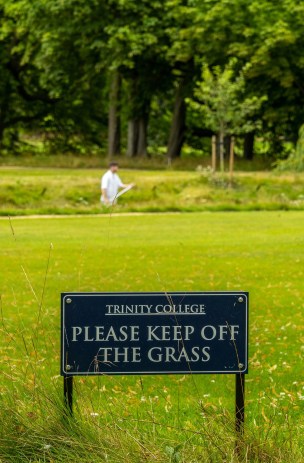
Grow wild Ordinarily only academics can walk on the grass courts of Cambridge’s colleges. Peter Dench

Tom Banham’s article in 1843, a masterpiece of longform writing on the topic of lawns, is preaching to the converted (me, at least). I live in a location with abundant rain and grass is more of a pest than the mainstay of beautifully manicured sprawling lawns (for which I am a sucker as much as anyone is).

We just planted the first couple dozen of 1,000+ coffee saplings and the grass on the hills where they are being planted plays a role in soil retention but we want the soil’s nutrients focused on the coffee. But there are plenty of more important reasons to be concerned about grass sprawl elsewhere:

The going gets turf: do lawns have a future in the age of drought?

Our gardens are sterile deserts that guzzle water and chemicals. Perhaps it’s time to let them be

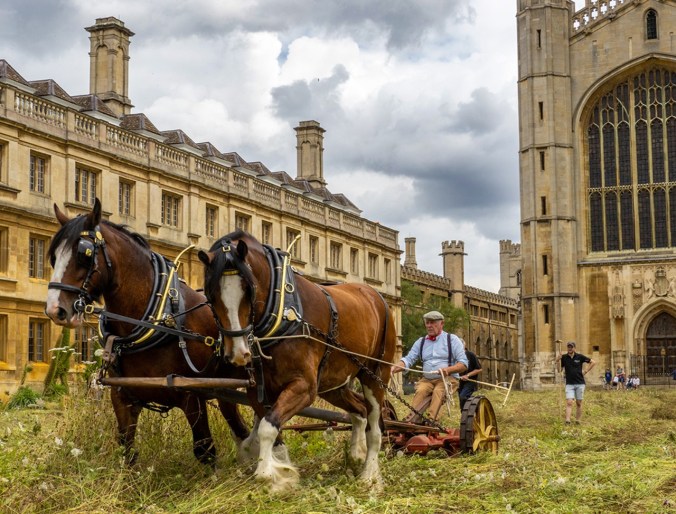
The harvesting in August 2021 of the wildflower meadow planted at King’s College, Cambridge. Peter Dench

The lawns at Tusmore House, a neo-Palladian mansion 15 miles north of Oxford, are so perfectly flat and exactingly shorn that they induce a kind of vertigo. Continue reading
Carbon Burial Venturing

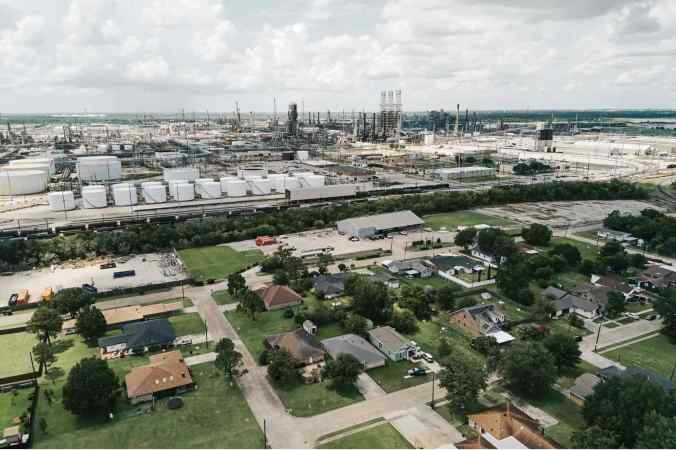
Port Arthur’s Motiva Oil Refinery.PHOTOGRAPH: KATIE THOMPSON

The capturing of carbon is a concept we have been working to understand, but questions about where it goes  and how it is stored, have been fuzzy until now (thanks to Jeffrey Ball at Wired):

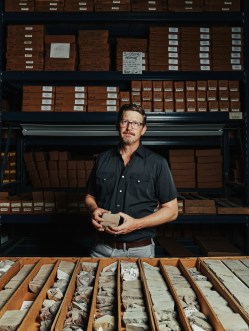
Tip Meckel holds a sandstone sample. PHOTOGRAPH: KATIE THOMPSON

The Big Business of Burying Carbon

The porous rock beneath the Gulf Coast launched the petroleum age. Now entrepreneurs want to turn it into a gigantic sponge for storing CO2.

SOMETIME AFTER THE dinosaurs died, sediment started pouring into the Gulf of Mexico. Hour after hour the rivers brought it in—sand from the infant Rockies, the mucky stuff of ecosystems. Year after year the layers of sand hardened into strata of sandstone, pushed down ever deeper into the terrestrial pressure cooker. Continue reading
England’s Green And Pleasant Land

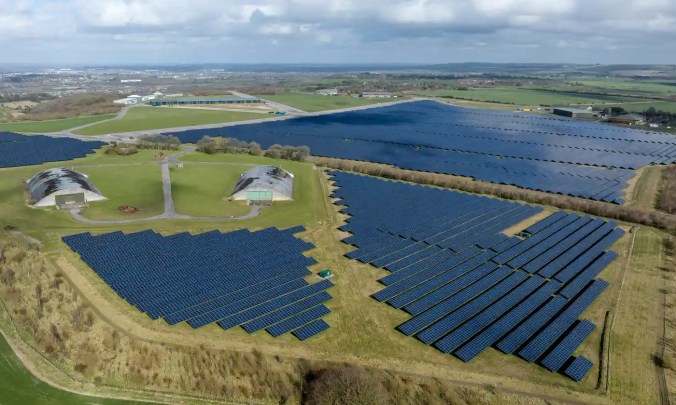
Solar farm in Wroughton, England. Planning permission for 23 solar farms has been refused across England, Wales and Scotland between January 2021 and July 2022. Photograph: Chris Gorman/Getty Images

Nature gets disrupted even by the most sensitively planned green solutions. Here is a parallel story to yesterday’s, with solar replacing wind and England replacing Western USA, illustrating the challenges facing renewable energy:

Exclusive: Projects which would have cut annual electricity bills by £100m turned down

Solar farms are being refused planning permission in Great Britain at the highest rate in five years, analysis has found, with projects which would have cut £100m off annual electricity bills turned down in the past 18 months.

Continue reading
Western Wind Power’s Impacts

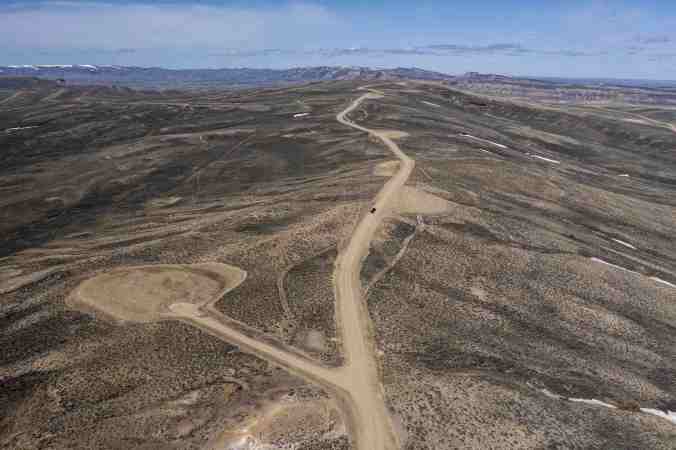
Pads have been cleared in preparation for massive wind turbines at Overland Trail Ranch. (Robert Gauthier / Los Angeles Times)

Wind power is part of our future. Full stop. But it is worth thinking about how the infrastructure for that power will change places of vast beauty and tradition.

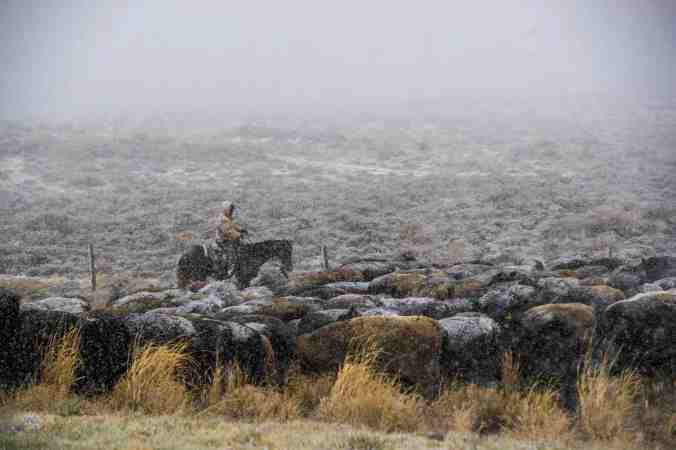
A worker herds cattle at Overland Trail Ranch as a snowstorm moves in. (Robert Gauthier / Los Angeles Times)

This article by Sammy Roth, with photography by Robert Gauthier, is a worthy thought piece on what we gain, what we give up, and who decides how and where wind energy comes to town:

This power line could save California — and forever change the American West

PacifiCorp’s Ekola Flats wind farm has 63 turbines, most of them rated at 4.3 megawatts — almost six times as much power as some of the old steel-lattice wind towers in the California desert outside Palm Springs. (Robert Gauthier / Los Angeles Times)

I know the wind turbine blades aren’t going to kill me. At least, I’m pretty sure.

No matter how many times I watch the slender arms swoop down toward me — packing as much punch as 20 Ford F-150 pickup trucks — it’s hard to shake the feeling they’re going to knock me off my feet. They sweep within a few dozen feet of the ground before launching back toward the heavens, reaching nearly 500 feet above my head — higher than the highest redwood.

They’re eerily quiet, emitting only a low hum. But in the howling wind, the tips could be barreling past at 183 mph. Continue reading
When Is Enough Enough In The Outer Banks?

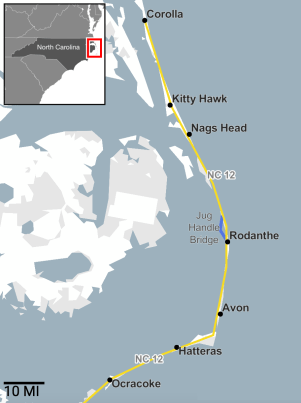
North Carolina’s Outer Banks. YALE ENVIRONMENT 360

Gilbert M. Gaul, a two-time Pulitzer Prize winner and author of the book The Geography of Risk: Epic Storms, Rising Seas and the Cost of America’s Coastsoffers this assessment of coastal development that shows some folks do not seem to know when to stop:

Shifting Sands: Carolina’s Outer Banks Face a Precarious Future

Despite the risks of building on barrier islands, developers kept constructing homes on North Carolina’s Outer Banks. Now, as sea level rises and storms become more frequent and powerful, the famed vacation spot is fighting an increasingly difficult battle to keep from washing away.

Rounding the corner near the village of Rodanthe, there is a stretch of highway known as the S-Curves because of its twisting loops and turns. It is, by almost any measure, one of the most vulnerable sections of roadway in North Carolina, if not the nation. Continue reading
Alpine Hydroelectricity

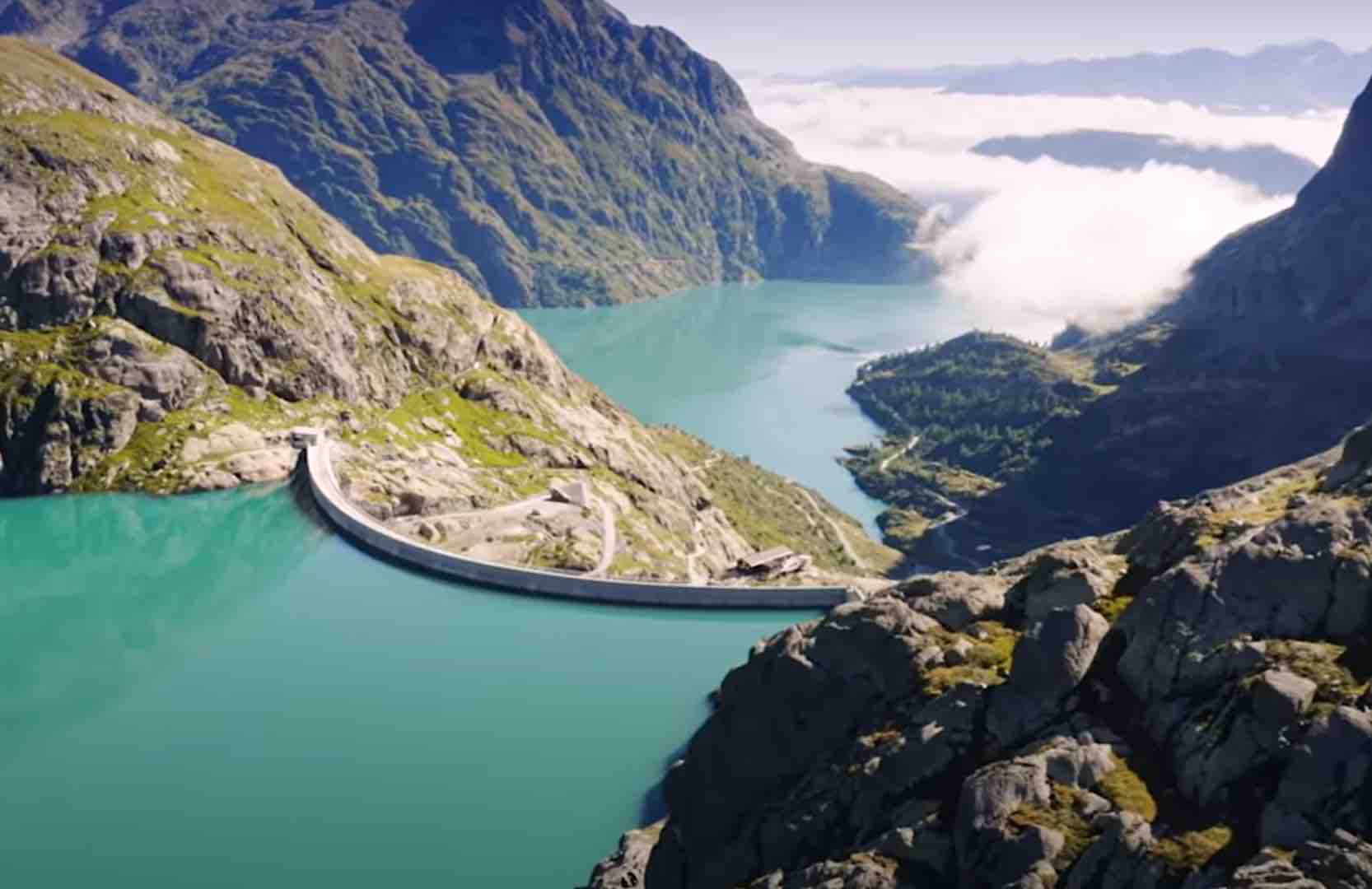
The Nant de Drance pumped hydropower project. NANT DE DRANCE

Especially with news of rivers drying up across Europe, this is a welcome, if surprising story:

Massive Pumped Hydro Facility to Open This Summer in the Swiss Alps

One of the world’s largest pumped hydropower projects, with an electricity storage capacity equivalent to 400,000 electric vehicles, is set to begin operations soon in the Swiss Alps. Continue reading

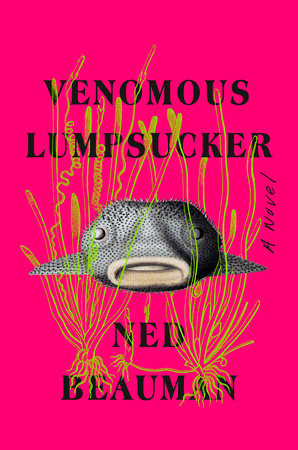
Ned Beauman’s Venomous Lumpsucker

The reviews are  coming in, and especially this one by David Annand in TLS makes Ned Beauman’s new book look worthy of this moment in human history:

Whimsical and cruel

A tale of capitalism, penance and species extinction

In the 1980s the American literary critic Tom LeClair identified what he called the “systems novel”, a genre of fiction concerned with the characters, acts and situations of the conventional novel while simultaneously speculating on the complex social structures – Continue reading

When Is Organic The Worst Option?

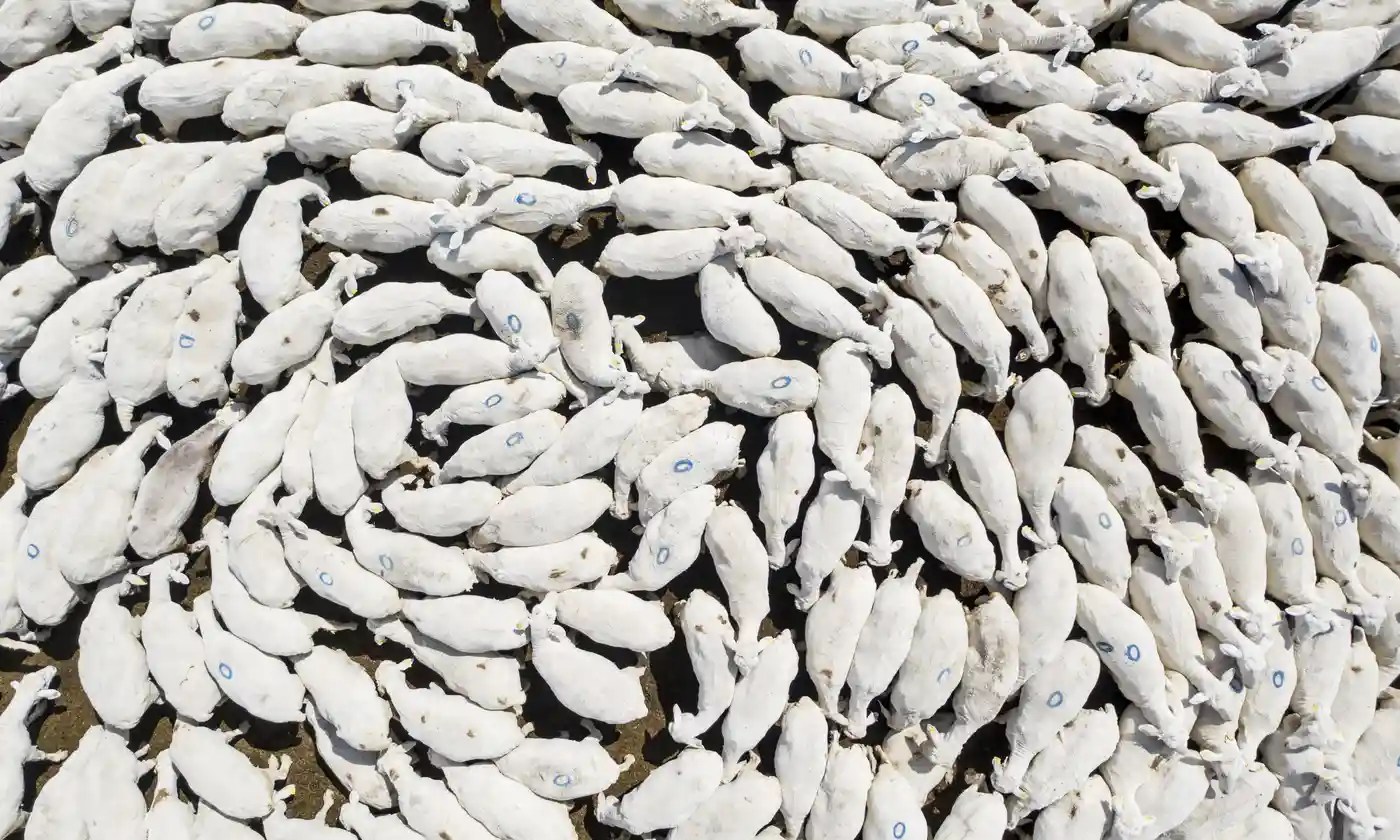
Some 28% of the world’s land is used for grazing. Photograph: Anadolu Agency/Getty Images

We favor organic, for our coffee, for just about everything, almost always. And yet George Monbiot offers a fully obvious answer to the counterintuitive question in the title:

The most damaging farm products? Organic, pasture-fed beef and lamb

You may be amazed by that answer, but the area of land used for grazing is vast compared with the meat and milk produced Continue reading

McKibben With 2022 Perspective

If Timothy Egan thinks that one day Bill McKibben may win a Nobel prize, do not bet against it–only ask whether it will be for his contribution to literature or instead to world peace:

In his writings, his many speeches and bullhorn exhortations, Bill McKibben comes across as one of the least cynical people on the battlefield of public opinion. He’s passionate about solving problems others have given up on, about building a better world and particularly about climate change, the issue that has made him the Paul Revere of alarm about our fevered planet. Continue reading

Crickets Rising

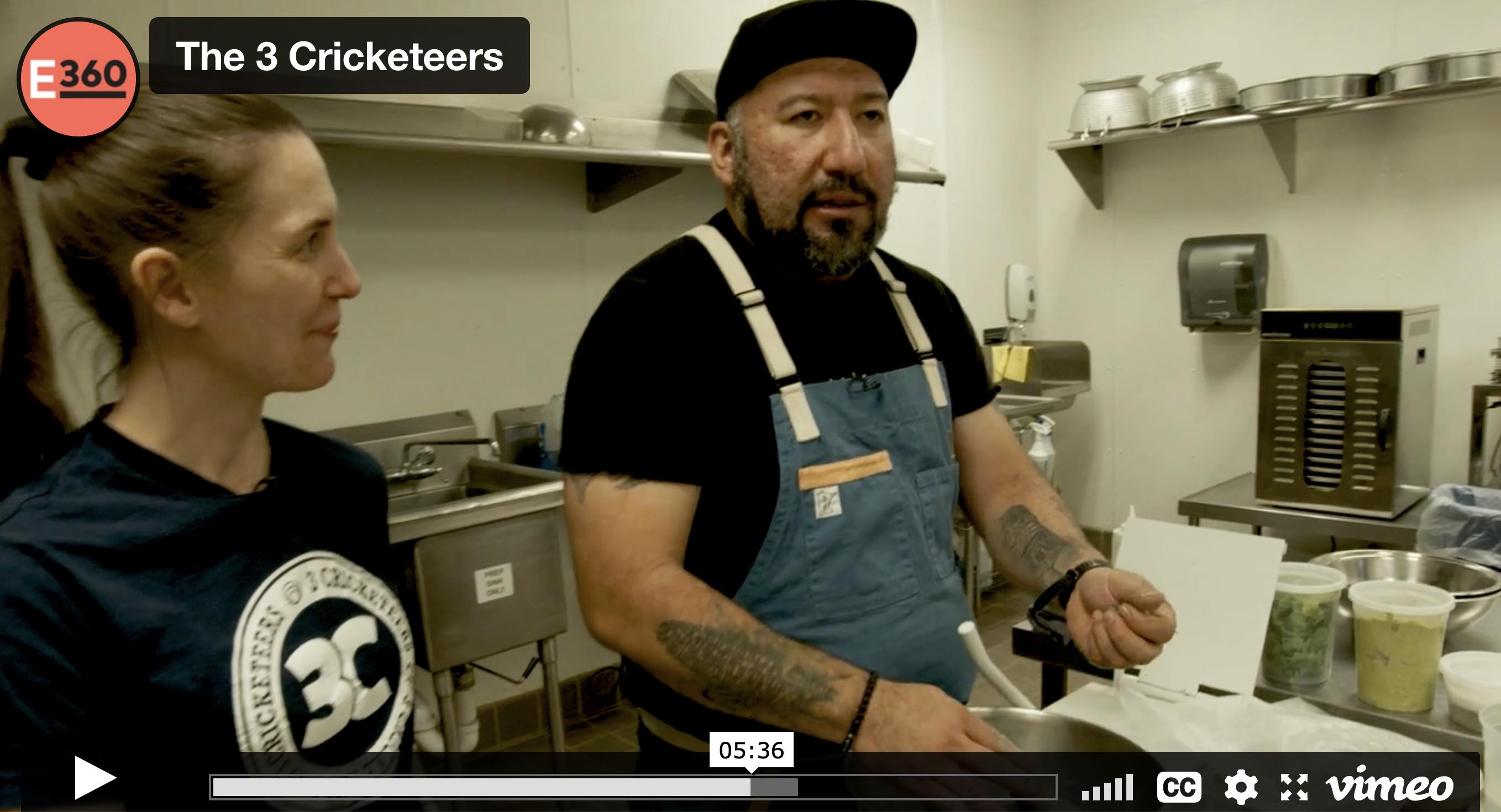
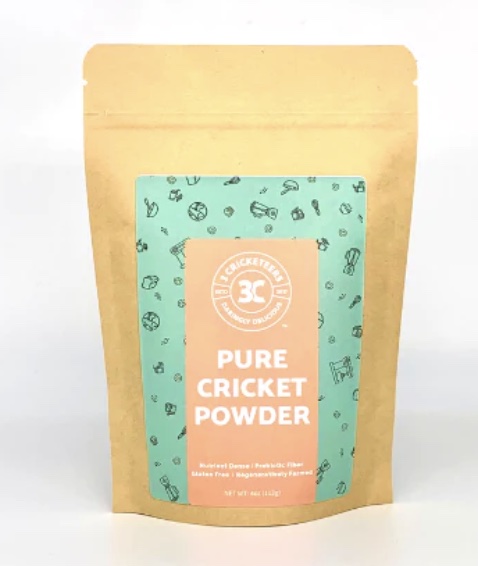
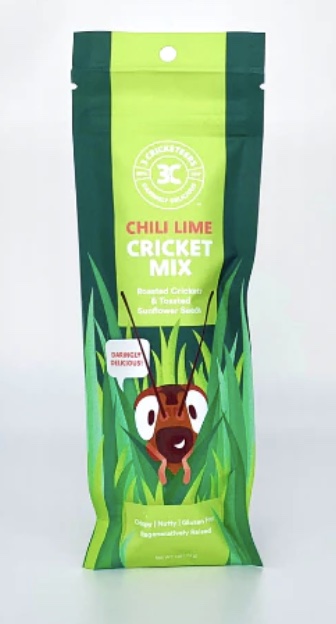
Personal testament: I have eaten protein bars made from cricket meal; I like the bars but do not picture myself transitioning to cricket dinner dishes. I am not yet sure that pure cricket powder is a product for me.

But I have been surprised by the success of Gricket bars in the Authentica shops–we clearly underestimated how culinarily adventurous the travelers visiting Costa Rica might be. Meanwhile, much further north, I am happy to see this family’s work and the success of the film they entered into this contest run by one of our most important sources of environmental news and opinion during the last decade:

The Three Cricketeers: Betting on Bug Food to Help the Planet

A family in Minnesota wants to put crickets on your dinner plate. In the First Runner-Up in the 2022 Yale Environment 360 Film Contest, they explain how the insects are a high-protein food that can help reduce the massive emissions produced by livestock and large-scale farming.

For Claire Simons and her husband, Chad, it all started when their son brought home a snickerdoodle made of cricket flour one Earth Day. Continue reading