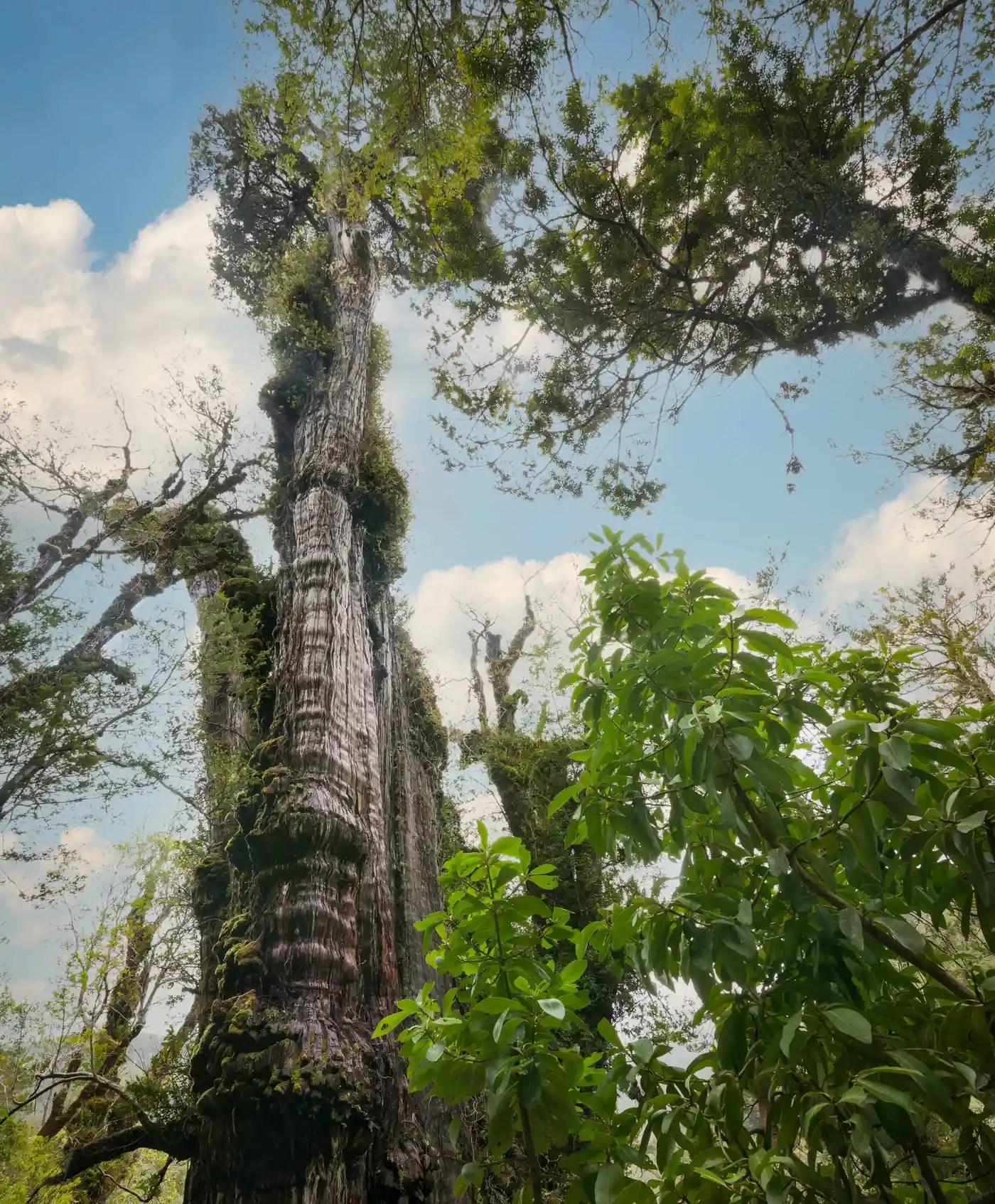
The Treefest Walks

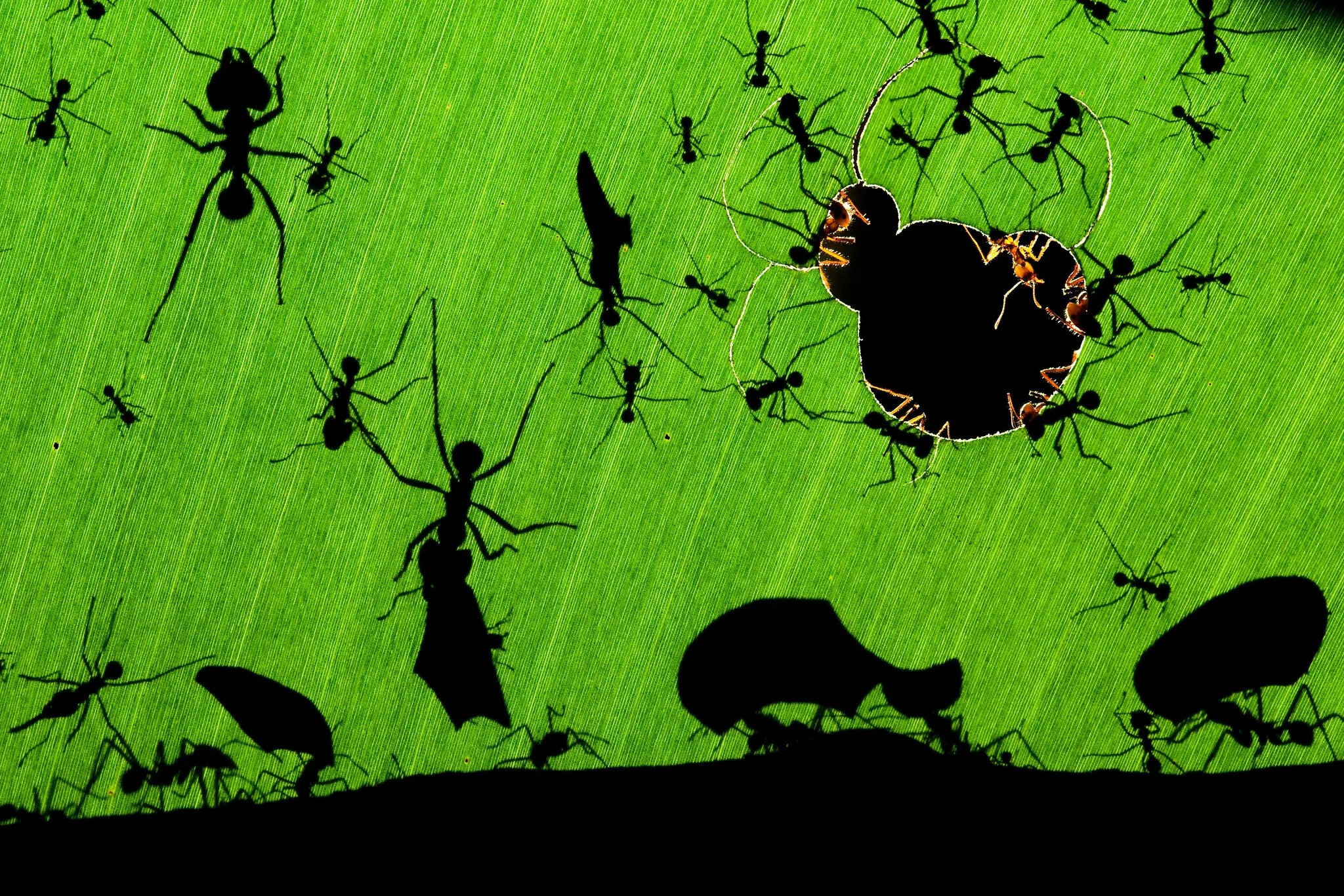
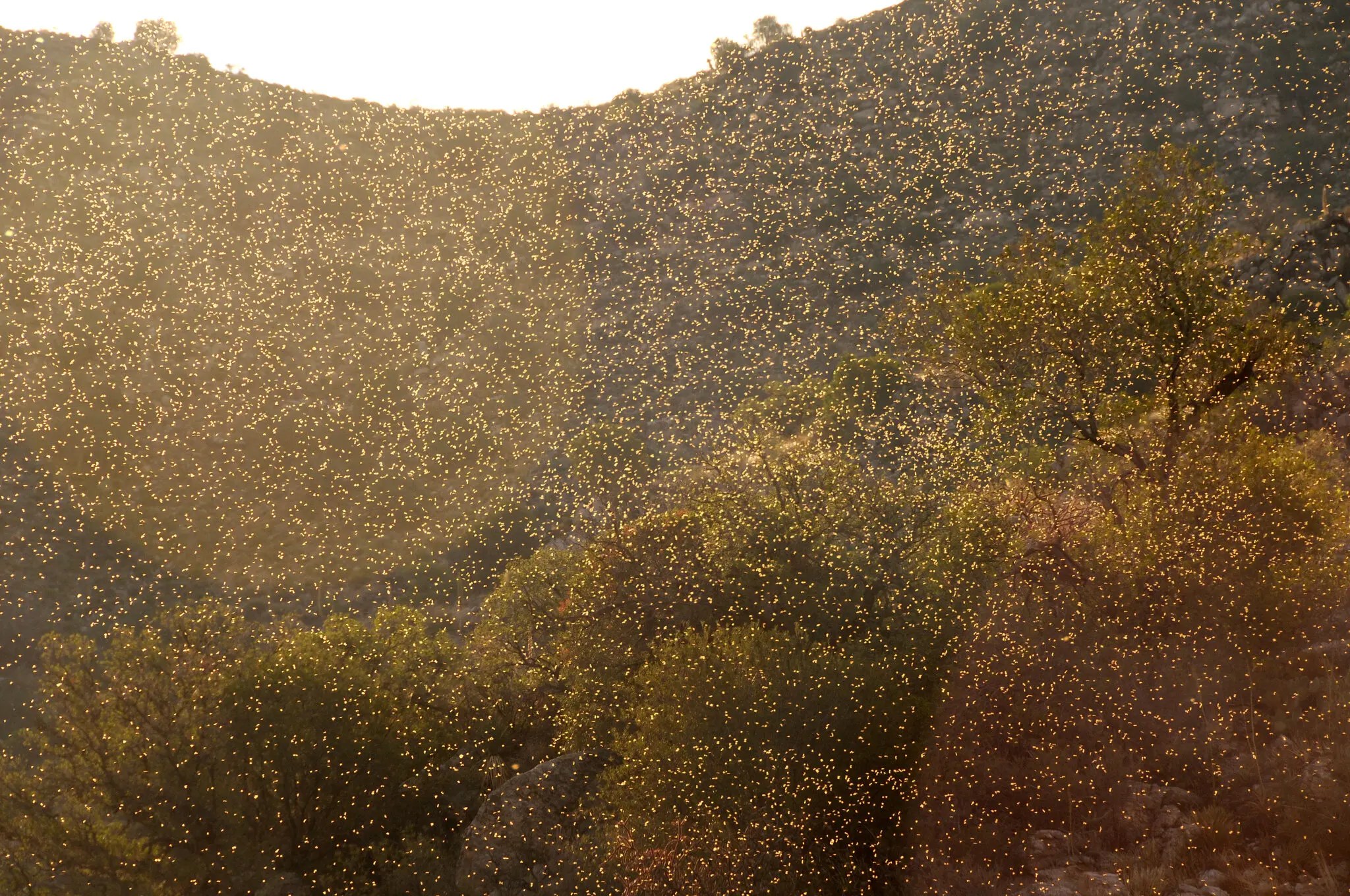
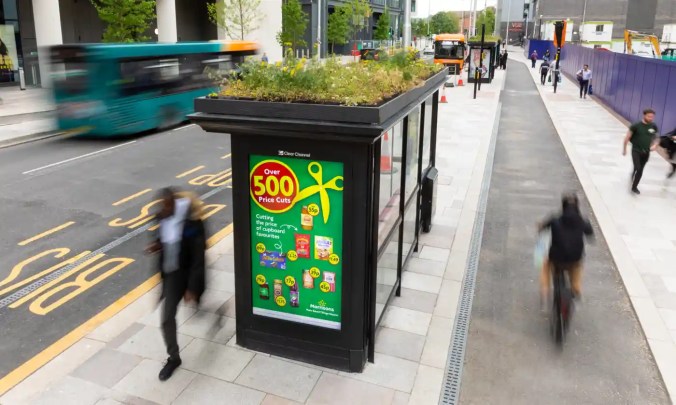
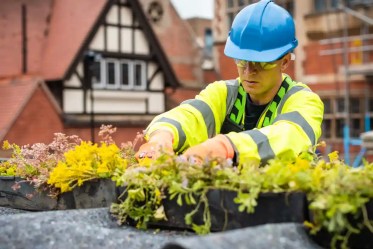
The Treefest walks are part of a £14.5m research quest investigating how to secure public benefits from forested landscapes. Photograph: Fabio De Paola/The Guardian

When is a walk in the woods more than just a walk? One answer might be biophilia, for starters. Our thanks to Miles Richardson for his work and to Patrick Barkham, as per his usual breadth of attention, for bringing another important story to our attention:

‘I’m glowing’: scientists are unlocking secrets of why forests make us happy

Research project aims to discover how age, size and shape of woodlands affect people’s happiness and wellbeing

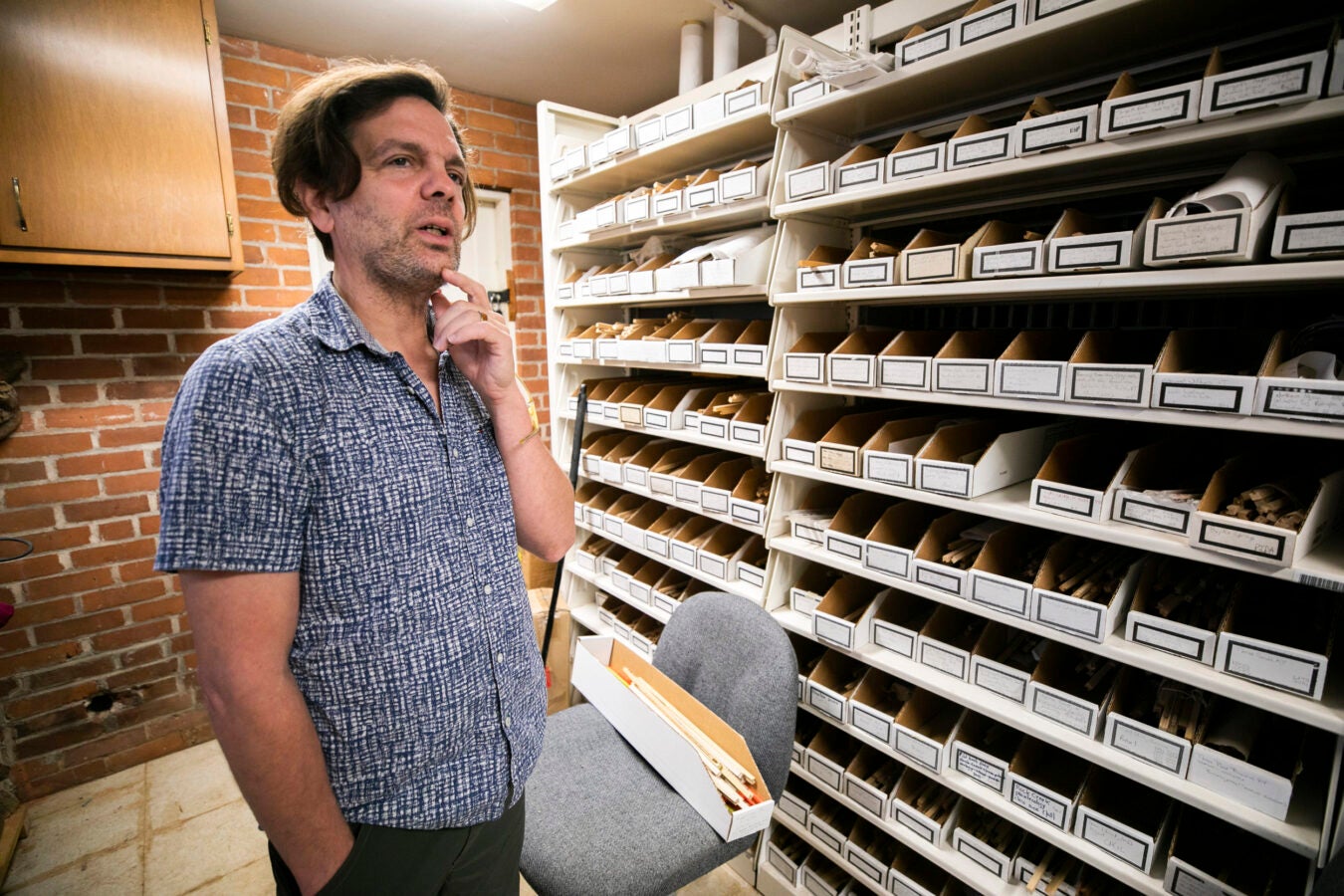
Miles Richardson is gathering data from the Treefest research walks to examine how biodiverse spaces benefit wellbeing. Photograph: Fabio De Paola/The Guardian

How happy do you feel right now? The question is asked by an app on my phone, and I drag the slider to the space between “not much” and “somewhat”. I’m about to start a walk in the woods that is part of a nationwide research project to investigate how better to design the forests of the future.

Volunteers are being sought to record their feelings before and after eight walks on a free app, Go Jauntly, which could reveal what kind of treescapes most benefit our wellbeing and mental health. Continue reading

Really, Washington Post?

Before we compromise further on planet earth, the question Really? is often a good place to start. Let’s be sure our revered journalists and the publications they work for call apples as apples, and oranges as oranges, says Bill McKibben:

A pipeline is not a windmill

Rally Thursday Against Manchin’s Dirty Deal–and Do Some Lobbying in the Meantime!

The Washington Post, which has done remarkable climate reporting in recent years, had a less successful story in this morning’s paper. Continue reading

Alaska, Goosefoot Farm & The New Frontier

Either before or after reading the article below, please click on the image to the right. If it is early morning where you are, it will get you started on the right foot. If it is the middle of the day, the website will refresh you. And if it is night time, sweet dreams will almost certainly follow.

Our coffee CSA, combined with our regenerative activities, are only a  couple of reasons why this article is of personal interest to me. Work in Yakutia increased my wanting to visit Alaska, which started with the fact that my wife Amie was born there. Most of all, it is Alaska! The reasons are compounding, but time is not. Many thanks to Yasmin Tayag for this article in the New Yorker:

The Surreal Abundance of Alaska’s Permafrost Farms

Illustration by Nicholas Konrad / The New Yorker

In a place where the summer sun shines for twenty-one hours a day, climate change is helping to turn frozen ground into farmland.

In 2010, Brad St. Pierre and his wife, Christine, moved from California to Fairbanks, Alaska, to work as farmers. “People thought we were crazy,” Brad said. “They were, like, ‘You can grow things in Alaska?’ ” Their new home, not far from where Christine grew up, was as far north as Reykjavík, Iceland, and receives about sixty inches of snow each year. Continue reading

Sticks + Time = Hummingbirds

remaining branches of treacherous spine bush

14 months ago the pandemic still allowed, which is to say forced, creative use of abundant time and limited budget, so I took a day or so to rethink this pile of rocks. It curves around where we park our car and had been covered by a gigantic bush.

build back better

That bush produced spines abundantly and flowers sparingly. While spines may offer ecosystem services I have not yet learned about (other than self-protection for the plant itself), we are focused on regenerating bird habitat, so flowers count more in our calculus. In June, 2021 I cut the bush back to the short branches seen in these photos above.

Spearmint, which can be seen growing straight up on the lower right side of this photo, is for scent, and then for tea; the rest is for the winged folk.

The treachery removed, the slate was blank, and the opportunity to build back better was clear. Hummingbirds and butterflies focus on the bushy abundance covering most of the area.

The bushes producing these orange flowers are slower to fill in

I went through the exercise that Ari described yesterday, trimming back a couple of bushes that hummingbirds and butterflies favor. I cut the branches into one foot long stalks and stuck about 100 of them into the soil in between all those rocks. 14 months later, here is what we have. Difficult to see from the macro view, flowers are constantly available for the pollinators. Every day, dozens of hummingbirds and numerous species of butterflies can be seen in these flowers. With a camera phone I am not well equipped to capture good photos of those, but when someone else does so we will share here.

Sticks + Time = Hummingbirds

The Enlightenment of a Naive Intern

The moment I first stepped foot in the natural rustic paradise that is the Inman abode, any doubts that the next few weeks would prove to be a new fruitful adventure were immediately swept away in the calm afternoon breeze. Chirping birds and a little stream flowing smoothly down a hill nearby were, needless to say, far more pleasant sounds to wake up to than the polluting sputter of truck engines and concoction of beeps and honks that were native to my home city of New York. 

However, for all that an atmosphere can do to bring peace to the mind, for one to truly find purpose in an unfamiliar environment one must give back to what has given you a fresh opportunity in a new world. Fortunately for me, I did not have to look far to find fulfilling work aiming at giving back as the Inmans were well armed with brilliant ideas for new projects and ventures to toss at me. 

My first task initially appeared innocent enough: trim plant stems and branches to shorter foot long sticks. However, with my limited knowledge of much to do with planting and growing flora, the justification for the performing of a task that became odder and odder the more I did it was something that kept eluding me as the hours passed. And then, just as my doubts had become to start crawling back, there was Crist, there to reveal to me what would immediately blow my mind, as, I would find out, it had done to his when I first found it out—for this specific type of plant, one did not need to plant seeds and wait for a sapling to grow in perfect conditions as most other plants would need, as all that was necessary was to find a good sturdy stick around 1 foot long and stick it firmly in the ground for massive growth to follow. This baffled me, and yet, when he showed me a group of massively overflowing plants with long vines and an abundance of beautiful purple flowers and revealed to me that he had planted them only 1 year previous, every chop of a branch that I had done in the hours preceding this moment were no longer empty contractions of my hand devoid of meaning, they were now a source of pride and appreciation for the magnificence of nature. 

More Insects In Our Diet

Mealworms, the larval form of the yellow mealworm beetle, have been cooked with sugar by researchers who found that the result is a meat-like flavoring. Photograph: image BROKER/Alamy

Thanks again to Oliver Milman, after a long while,  for this article in the Guardian. The photo is clickbait, so try not to let it get in the way. The story is worthy of attention, unless you are vegan, because of its prediction about how commonplace eating insects will be for most of us in the not too distant future; or should be:

Flavorings made from mealworms could one day be used on convenience food as a source of protein

Insects can be turned into meat-like flavors, helping provide a more environmentally friendly alternative to traditional meat options, scientists have discovered. Continue reading

Re-Organizing In Northern Spain

Landscape of Mondragon. Workers eating from a roast capitalist pig that is being carved by a mechanical arm.

Illustration by James Clapham

With all the problems created by the status quo business practices and economic models, alternatives for organizing business are worthy of our consideration. Nick Romeo offers a look into the challenges facing the most important worker-owned company in the world:

How Mondragon Became the World’s Largest Co-Op

In Spain, an industrial-sized conglomerate owned by its workers suggests an alternative future for capitalism.

Jorge Vega Hernández, a mechanical engineer working in northwestern Spain, returned from a business trip and started to feel sick. It was March, 2020—the beginning of the pandemic—and so he called a government help line. Continue reading

Ending Lawn Sprawl

Grow wild Ordinarily only academics can walk on the grass courts of Cambridge’s colleges. Peter Dench

Tom Banham’s article in 1843, a masterpiece of longform writing on the topic of lawns, is preaching to the converted (me, at least). I live in a location with abundant rain and grass is more of a pest than the mainstay of beautifully manicured sprawling lawns (for which I am a sucker as much as anyone is).

We just planted the first couple dozen of 1,000+ coffee saplings and the grass on the hills where they are being planted plays a role in soil retention but we want the soil’s nutrients focused on the coffee. But there are plenty of more important reasons to be concerned about grass sprawl elsewhere:

The going gets turf: do lawns have a future in the age of drought?

Our gardens are sterile deserts that guzzle water and chemicals. Perhaps it’s time to let them be

The harvesting in August 2021 of the wildflower meadow planted at King’s College, Cambridge. Peter Dench

The lawns at Tusmore House, a neo-Palladian mansion 15 miles north of Oxford, are so perfectly flat and exactingly shorn that they induce a kind of vertigo. Continue reading

Carbon Burial Venturing

Port Arthur’s Motiva Oil Refinery.PHOTOGRAPH: KATIE THOMPSON

The capturing of carbon is a concept we have been working to understand, but questions about where it goes  and how it is stored, have been fuzzy until now (thanks to Jeffrey Ball at Wired):

Tip Meckel holds a sandstone sample. PHOTOGRAPH: KATIE THOMPSON

The Big Business of Burying Carbon

The porous rock beneath the Gulf Coast launched the petroleum age. Now entrepreneurs want to turn it into a gigantic sponge for storing CO2.

SOMETIME AFTER THE dinosaurs died, sediment started pouring into the Gulf of Mexico. Hour after hour the rivers brought it in—sand from the infant Rockies, the mucky stuff of ecosystems. Year after year the layers of sand hardened into strata of sandstone, pushed down ever deeper into the terrestrial pressure cooker. Continue reading

England’s Green And Pleasant Land

Solar farm in Wroughton, England. Planning permission for 23 solar farms has been refused across England, Wales and Scotland between January 2021 and July 2022. Photograph: Chris Gorman/Getty Images

Nature gets disrupted even by the most sensitively planned green solutions. Here is a parallel story to yesterday’s, with solar replacing wind and England replacing Western USA, illustrating the challenges facing renewable energy:

Exclusive: Projects which would have cut annual electricity bills by £100m turned down

Solar farms are being refused planning permission in Great Britain at the highest rate in five years, analysis has found, with projects which would have cut £100m off annual electricity bills turned down in the past 18 months.

Continue reading