
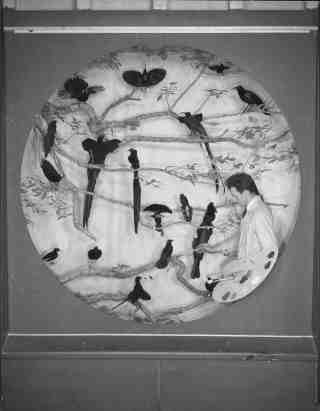
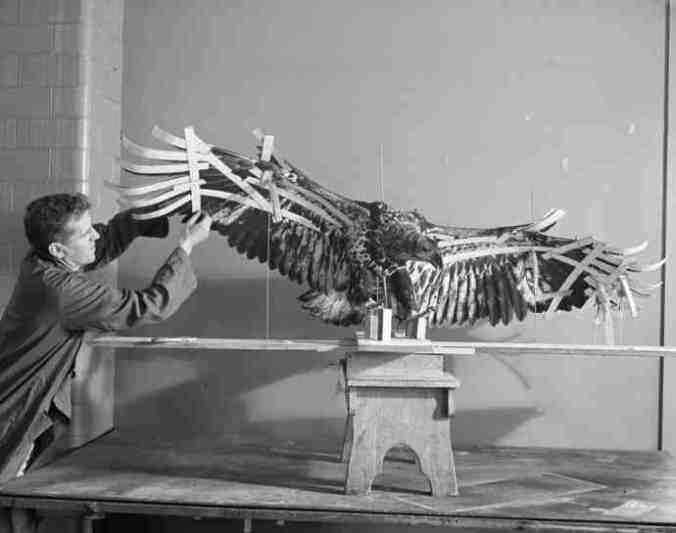
An image from 1957, when the cross and square design was still legible. American Museum of Natural History
We have featured so many natural history museums in our pages over the years that one more might have been redundant; but no:

A new aerial photo shows the museum today, as a crazy quilt of buildings from many eras, with Gilder on the right. Iwan Baan
The article below, by Michael Kimmelman with photographs and video by Peter Fisher, allows us to imagine the experience of a new view on natural history in New York City.
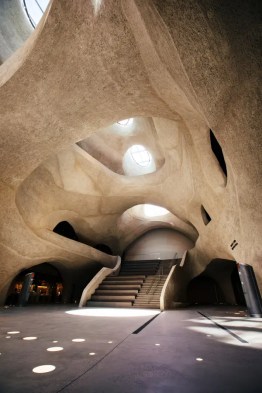
The view at the entrance toward the monumental staircase with bleacher seats.
We are ready to be awed:
Wonder and Awe in Natural History’s New Wing. Butterflies, Too.
The stunning $465 million Richard Gilder Center for Science, designed like a canyon, is destined to become a colossal attraction.
When plans for it first surfaced, I wondered if the new Gilder Center at the Natural History museum might end up looking overcooked.
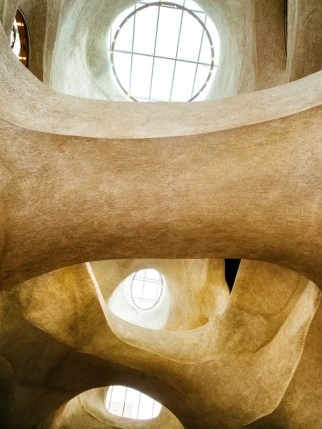
From the outside it’s a white-pink granite cliff with yawning windows shaped a little like the openings to caves, nestling the museum’s wonderful Romanesque Revival addition from the turn of the last century. Past the front doors, that cliff face morphs. It becomes an atrium in the guise of a towering canyon, a city block deep.
Skylights and balconies in the atrium of the new Richard Gilder Center for Science, Education and Innovation.
For its architects, Jeanne Gang and her team, Gilder was clearly a gamble and leap of faith, bucking today’s innocuous norms, almost begging for charges of starchitectural self-indulgence.
Now that it’s built, I love it.
I wouldn’t go so far as to equate it with the curvaceous genius of Gaudi or with Saarinen’s groovy TWA Terminal, but it’s in the family. Like them, Gilder is spectacular: a poetic, joyful, theatrical work of public architecture and a highly sophisticated flight of sculptural fantasy. New Yorkers live to grouse about new buildings. This one seems destined to be an instant heartthrob and colossal attraction. Continue reading












 Organikos