Animal Prints & Entrepreneurial Conservation

Conservation-minded scholars hope to harness the cultural power of animal prints. Illustration by Na Kim

It is difficult to judge from Rebecca Mead’s article Should Leopards Be Paid for Their Spots whether and how the idea has a practical future, although the exemplary collaboration between Panthera and Hermes has allure. The concept has plenty of merit, from my vantage point 26 years into an entrepreneurial career that shares some common ground.

If travelers are willing to pay a premium to support the conservation of a place; if they buy things to take home because those things support artisans and farmers; and continue to buy the coffee when back home because it funds bird habitat regeneration (customers tell me via email that in addition to the coffee being excellent, this is a motivator), then why not this too:

Style-setters from Egyptian princesses to Jackie Kennedy to Debbie Harry have embraced leopard prints. Proponents of a “species royalty” want designers to pay to help save endangered big cats.

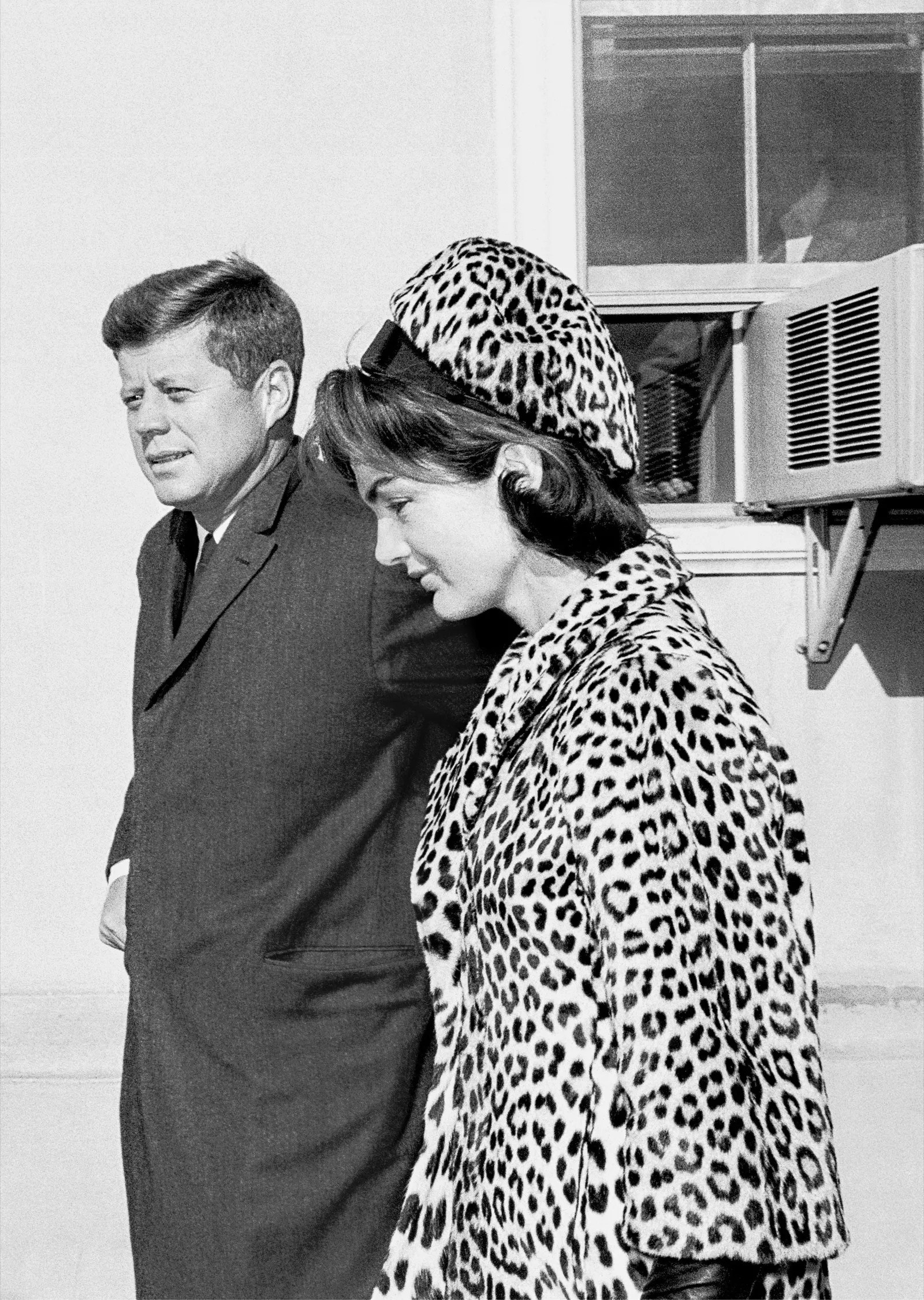
Jacqueline Kennedy, in 1962. Photograph from Getty

When Jacqueline Kennedy was living in the White House, in the early sixties, she relied upon the taste of Oleg Cassini, the costume designer turned couturier, to supply her with a wardrobe that would befit her role as First Lady, one of the most photographed women in the world. In 1962, Cassini provided her with a striking leopard coat. Knee-length, with three-quarter sleeves and six buttons that fastened across the chest, the coat was not made from a synthetic leopard-patterned fabric. Continue reading

Fashion’s Fatal Flaw

Cattle grazed on land burned by farmers in Brazil in August 2020. Andre Penner/Associated Press

In 10+ years we have occasionally mentioned the bags we use to tote things or to package things. We occasionally notice that fashion branded handbags have not received their fair share of attention (maybe because we do not use them).

Anyway, we aim to correct that, as we point to climate and other environmental issues and potential solutions. Thanks to Whitney Bauck for this article titled Did Your Handbag Help Destroy the Rainforest? It gives us good reason to pay more attention to fashion’s footprint:

A recent report examines the links between fashion brands and Amazon deforestation.

The rainforest and the runway may seem worlds apart, but deforestation in the Amazon is partly fueled by something that’s on display in every fashion capital this month: leather. Continue reading

Making Silk Non-violent

Kusuma Rajaiah displaying a sari made from 'Ahimsa Silk'. Photo: Balachander Goud

Kusuma Rajaiah displaying a sari made from ‘Ahimsa Silk’. Photo: Balachander Goud

Do you know how many silkworms are normally killed to make a five yard silk sari? Kusuma Rajaiah, a 55-year old government officer from India’s Andhra Pradesh state, does: “Around 50,000.” Rajaiah estimates that around 15 silkworms are normally sacrificed to produce a gram of silk yarn. For years, he’s been battling against what he describes as the “cruel killing of millions of innocent worms.” And has come up with an alternative. He realized the lure of silk was too strong to persuade people to give it up altogether so he came up with a technique that spares the life of the silkworm.

Ahimsa silk derives its idea and the brand name from Mahatma Gandhi, who was also critical of the conventional method of silk production. In fact, he had written to the Silk Board of India to explore ways of producing silk without hurting any living being. For Rajaiah, it’s a matter of pride to have fulfilled that wish; a pride shared by those who use the fabric.

Continue reading

Six Yards of Handwoven History

An understated tourist destination, Chanderi and its looms are often missed on the route to nearby Orchha and Khajuraho. PHOTO: Gaatha

An understated tourist destination, Chanderi and its looms are often missed on the route to nearby Orchha and Khajuraho. PHOTO: Gaatha

You must have heard of India’s ubiquitous piece of clothing that is the sari. Graceful, flattering, stately – several are the adjectives used to describe this six yards of fabric. But have you heard its story? From the threads and to the loom, to the people striving to uphold the dignity of working by hand and keeping the powerloom lobbies at bay? Then, the story of the Chanderi sari is for you to read, courtesy the Outlook:

The softly shimmering legacy of many hands lingers in its weave, the gorgeous rustle of cotton and silk hails its arrival: the handloom sari, timeless showcase of India’s heritage textile, gathered from all over the country to drape the Indian woman. From Delhi living room conversation piece to subtle South Indian wedding showstopper, the handloom sari has always kept standards high. Parrot green, frighteningly pink, marvellously magenta, from Kancheepuram in Tamil Nadu to Sambalpuri in Orissa, it wends its way into trousseaus, staple sari collections and 100 Sari Pacts (the most recent trend in sari preservation has women vowing to wear a hundred saris and commemorate the traditional garment). Its weavers are craftsmen, their outlines blurred by the sheer number of people involved in the creation of one long, winding stretch of cloth.

Continue reading

Vote now for the contest Sarifixation: a redesign challenge !

 sari collector on her way to work Ahmedabad, India (January, 2013) via sarifixation.comA sari: five yards of unstitched fabric ingeniously wrapped and draped. Nowadays, with the exhausting rhythm of fashion, tons of unwanted secondhand saris are discarded every day and collected by India’s informal rag-picker community who resell these fabrics. This task has gotten harder and harder to do as India’s GDP per capita rises along with a distaste for secondhand.

Back in 2010, Bijal Shah was working on slum development issues as a fellow of the AIF-Clinton Foundation for the NGO SAATH in Gujarat, India. In a sea of beautiful second hand sari fabric, she had the idea to turn secondhand Indian saris into one of a kind, exciting products. Continue reading