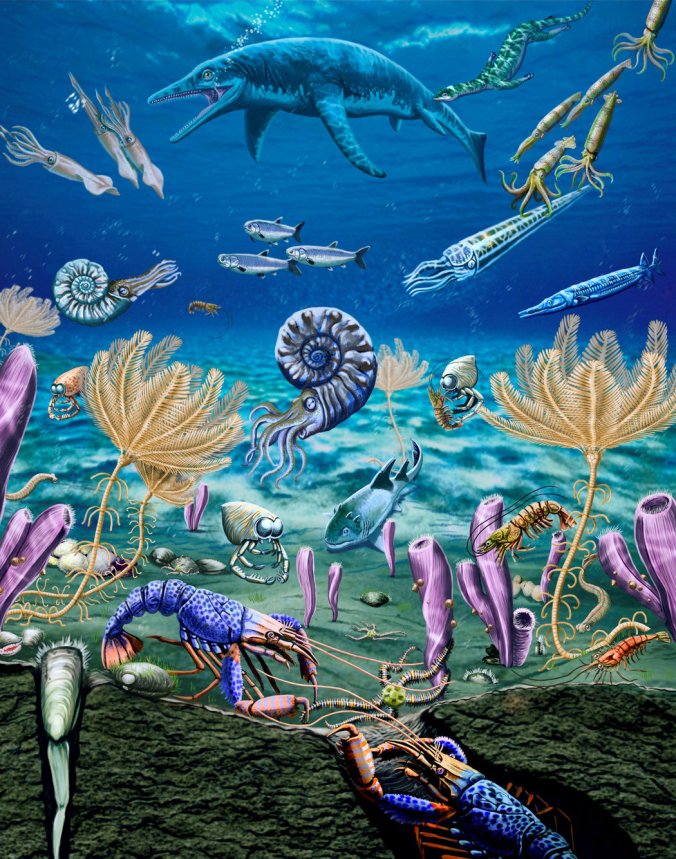
Evidence of marine life that was thriving about 1.3 million years after the largest mass extinction on Earth has been found in what is now Paris Canyon in Idaho. Credit Jorge Gonzalez
The moment I saw this illustration above I was taken back to the books of my childhood–the ones my parents knew I liked the best, and a favored gift on birthdays, with fantastic illustrations of prehistoric creatures. These books also taught me the value of a public library, where I could triple my inventory for weeks at a time, and they kept my flashlight in use after lights out. Thanks to illustrator Jorge Gonzaelez for this memory, and for providing another reason to appreciate the importance of the work of Nicholas St. Fleur and his contemporaries, the new generation of science writers who bring natural history to life:
After Earth’s Worst Mass Extinction, Life Rebounded Rapidly, Fossils Suggest
By Nicholas St. Fleur
One day when L. J. Krumenacker was a teenager, he left his home to hunt for fossils. He drove about an hour and a half to Paris Canyon in Bear Lake County in southeastern Idaho and stopped at a foothill covered in sagebrush. Mr. Krumenacker got out of his car, picked up the first large rock he saw and smashed it with a hammer, uncovering seven or eight fossilized shark teeth. Continue reading


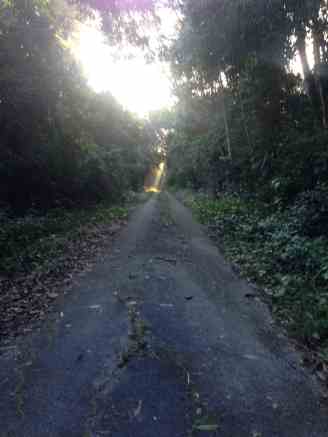
 Recently I have been on morning walks extending miles across the waters from Thevara (the land on the left across the water in the photo above) our neighborhood starting in 2010.



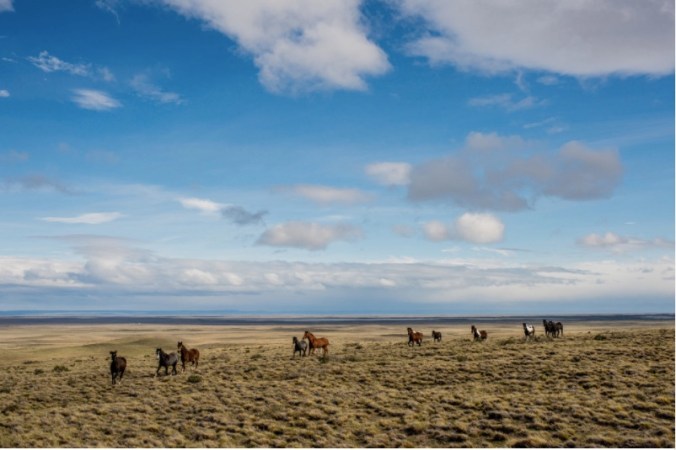
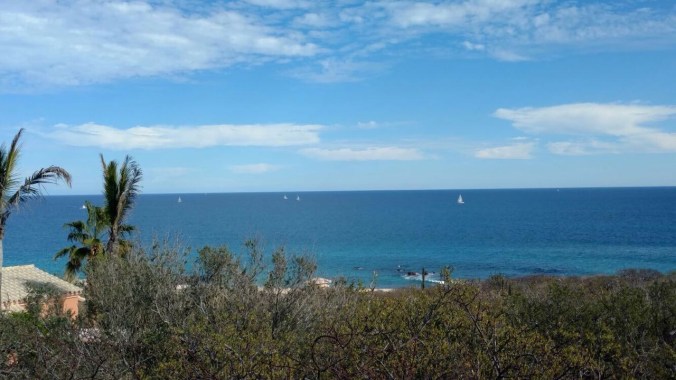

 Donkeys do that. A walk at dawn is the best way to know a place–at its quietest, and as per donkey logic, in the best possible light. I had arrived at Villa del Faro after a visit at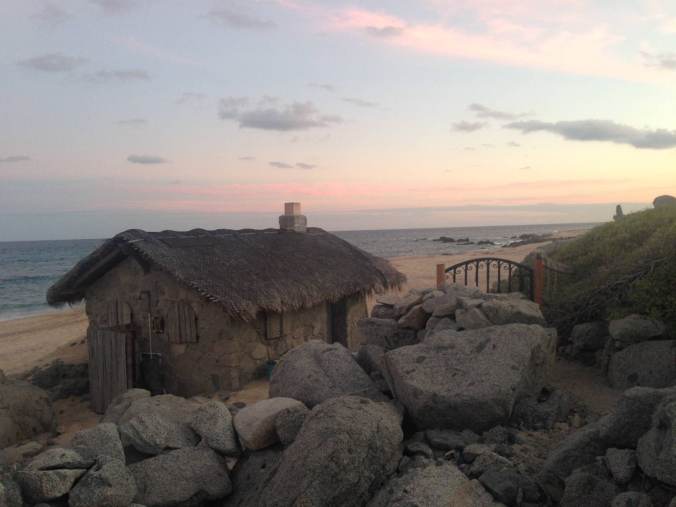


 Organikos