Iceland, History, Moving Forward

Screen Shot 2016-07-04 at 11.33.11 AM

 A scholar of the Icelandic Presidency swiftly became a Presidential front-runner. ILLUSTRATION BY JASU HU

This article had me in the first sentence, naming Iceland and mentioning historian together. Seth educated himself, with the help of a great university and its incredible historical archives on Iceland, to be a historian of the bachelor variety.  What he learned from those archives and some well structured thinking have served him well since then in Costa Rica.

In his next posting, in Baja California Sur (Mexico), I expect the foundation in history, combined with these last two years of applied practice, will be even more valuable. You will hopefully start hearing about that this week, but meanwhile have a read about current events in Iceland:

ICELAND’S HISTORIC CANDIDATE

How a scholar of the nation’s Presidency swiftly became its Presidential front-runner.

By

When I heard that the historian Guðni Jóhannesson was running for President of Iceland—not only running but entering the final weeks of the campaign as the clear favorite—I was intently curious to be present when and if he won. Continue reading
The Chumbawamba Principle Illuminated

jps_1_custom-46f5ed44c65bca033c8c555328e154e8183d6de3-s1400-c85

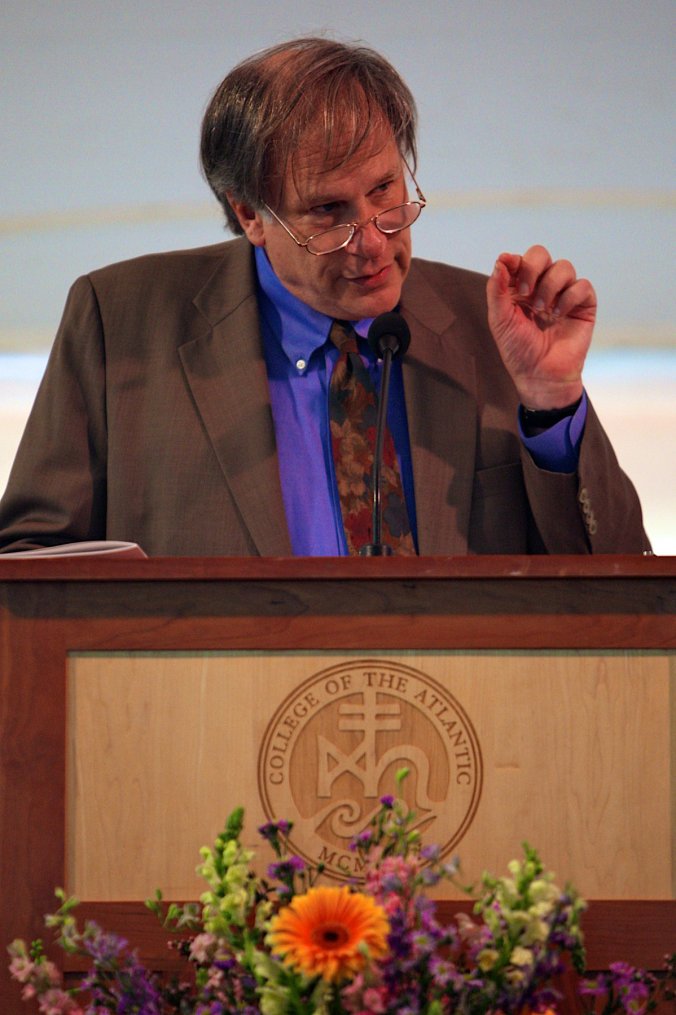
Nearly four years ago we posted about this commencement address that we still love for The Chumbawamba Principle it espoused. Until today I could not have recognized any piece of music belonging to Chumbawamba, but now, surprisingly, that has not only changed but I feel richer for it.   Continue reading

I’ll Just Take The Banjo

RStanley

We have not mentioned the banjo much around here. Shame on that! I am fond of the instrument for some of the same reasons I am fond of, say, an arboretum. The banjo is an instrument akin to other instruments of entrepreneurial conservation: the more it gets played well, the more it keeps alive a tradition, and even can improve on the tradition. An arboretum, well conceived, well kept, helps species survive in isolation that might otherwise have been lost from the planet entirely.

I see a reference here and there, for example mention of the Seeger family, who I have loved for many reasons my whole life. And Bela Fleck is Exhibit A in the case to be made for the banjo entrepreneurship; Steve Martin and Edie Brickell could be said to support that case as well. They all would acknowledge Dr. Ralph Stanley as essential to their craft’s survival and thriving, so it is with that in mind that I highly recommend you listen to or read this brief interview with him:

…GROSS: How did you get your first banjo?

STANLEY: My first banjo? My mother’s sister, my aunt, lived about a mile from where we did, and she raised some hogs. And she had – her – the hog – the mother – they called the mother a sow – of a hog. And she had some pigs. Well, the pigs were real pretty, and I was going to high school and I was taking agriculture in school. And I sort of got a notion that I’d like to do that, raise some hogs. And so my aunt had this old banjo, and my mother told me, said, which do you want, the pig or a banjo? And each one of them’s $5 each. I said, I’ll just take the banjo…

Continue reading

Environment, Rights & Responsibilities

Okeowo-Rebecca-Martin-Fights-Niagara-Bottling-1200.jpg

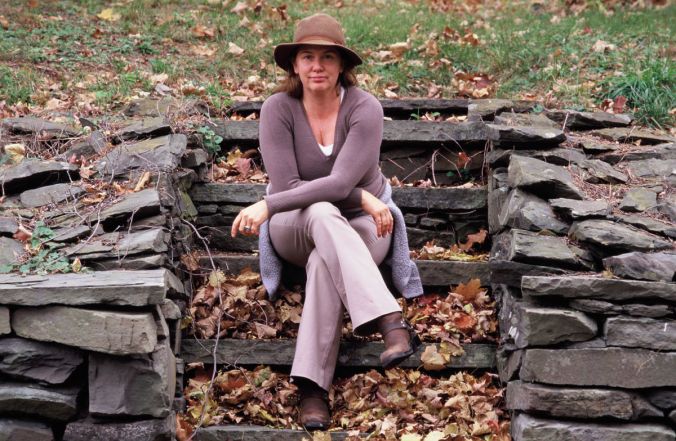
The singer Rebecca Martin helped keep Niagara, a water-bottling company, from tapping a reservoir near her adopted home, in upstate New York. “What’s more important than drinking water? Nothing,” she says. PHOTOGRAPH BY PAT KEPIC

Thanks to Alexis Okeowo for this note about actions our fellow citizens take, a reminder of our rights and responsibilities:

A JAZZ SINGER FIGHTS NIAGARA BOTTLING

By Alexis Okeowo

For years, Rebecca Martin was used to being transient, without a permanent home or commitments. As a jazz musician who performed both solo and with a band named Once Blue, Martin spent much of her time on the road touring and performing, while being loosely based in New York City. When she decided, almost fifteen years ago, to move to Kingston, ninety miles north of the city on the Hudson River, she felt a sense of relief. She had “really lost touch with the idea of community and responsibility to one another,” she said, and took the chance to grow her family and settle down. She started noticing ways that her new town could improve. There was a shop in her neighborhood that was selling large knives, big enough to be called swords, near two schools. Continue reading

Gallon Jug, Conservation The Belizean Way

Screen Shot 2016-07-01 at 8.46.22 AM

Two months ago I had the opportunity to visit Chan Chich Lodge in Belize, something I had wanted to do for decades.  Sometime in the 1990s I first heard of it, from various visionaries in Costa Rica who considered it to be a model on which to base development, both at the property level and for the destination as a whole. Chan Chich was mentioned frequently in conversations, in Costa Rica and throughout Mesoamerica, when the notion of sustainable tourism was first being developed. Continue reading

#12 Of One Dozen Love Letters About Xandari

IMG_0040

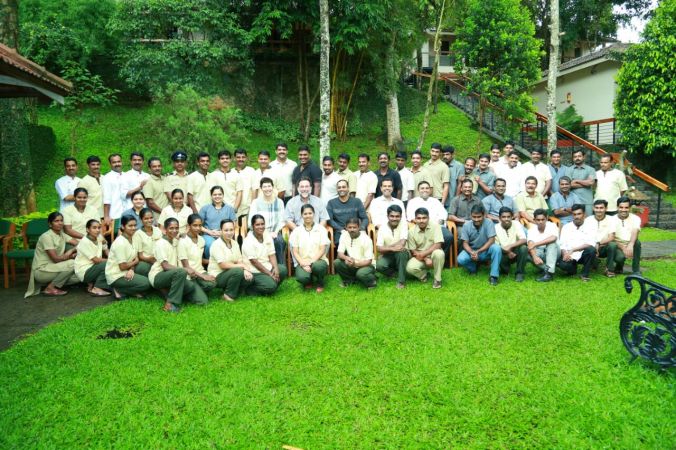
After our visit to Cardamom County last weekend to bid farewell to our colleagues there, Amie suggested that I amend my dozen Xandari love letters writing engagement to a baker’s dozen: Cardamom County has been so integral to our time in Kerala that it would not be proper to reflect only on Xandari in this manner. Continue reading

The Sense Of A Place

20150513SAVOY-slide-LLBP-jumbo

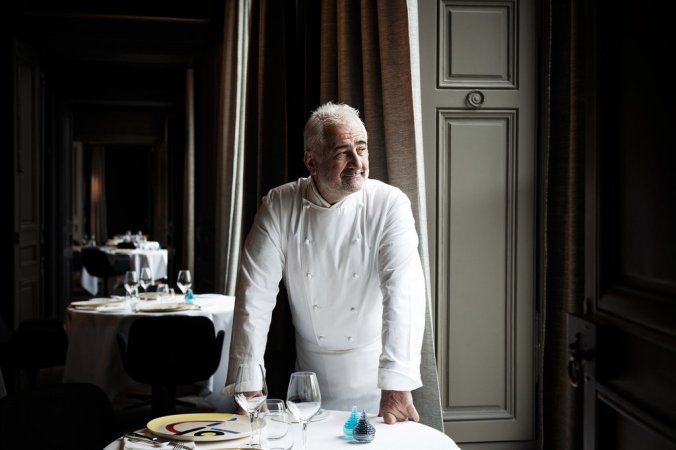
One of the finest food writers, Bee Wilson surprised me by choosing this moment to pen What Brexit Means for British Food, and to post it when most of us continue to consume information and analysis about the “more mportant” implications of that referendum one week ago. But then I read it, and was even more surprised. I expected her to mention how improved UK cuisine is after decades of exchange with the Continent’s great chefs, especially those like Guy Savoy who mentored more than one of today’s UK celebrity chefs. None of that. Much more interesting. I should not be surprised.

Read that post. Ironically, perhaps, it reminded me of this article from more than one year ago that I neglected to share here. Ironic because it seems quaint in light of current headlines from Europe and around the world. But the distraction seems timely. More than three decades ago I worked in restaurant Guy Savoy, in my hometown of Greenwich, CT (USA). Today we would call it a pop-up but in the early 1980s it was what I would call a miracle. He flew the Concorde weekly from Paris to operate this outpost for just a couple years and at the height of its success, shuttered it. His renewed focus on his Paris restaurant was surely what earned him the third Michelin star, which he has retained ever since.

I still do not tire of reading news about him, especially about how he keeps reinventing his home restaurant while retaining something essential. The chef-entrepreneur was one of the first to establish an outpost in the USA while maintaining his home base in France. It has been more than one decade since Amie and I enjoyed a meal as a guest in his rue Troyon restaurant. But not many days go by without my sensing the influence that working for him had on me. So, after reading Bee Wilson’s post, I also recommend that you have a look here:

Restaurant Guy Savoy Has a Striking New Home in Paris

Continue reading

Queens, NY Entrepeneurial Conservation

Queens

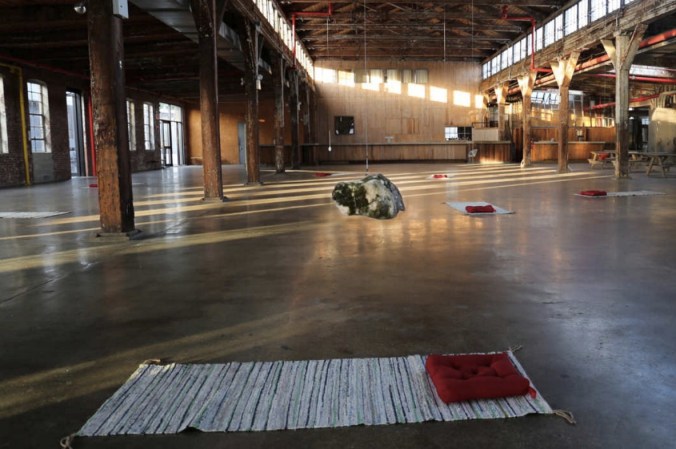
Architecture intersecting with cultural conservation–that is a topic that will always get my attention. When I read this article it reminded me a bit of the early days of scouting out the location that would become Xandari Harbour’s restaurant, 51. Hard to resist reading, based on the title, and the article does not disappoint:

Never Has My Breath Been Taken Away Like It Was at Knockdown Center

By


#11 Of One Dozen Love Letters About Xandari

XWebsite.jpg

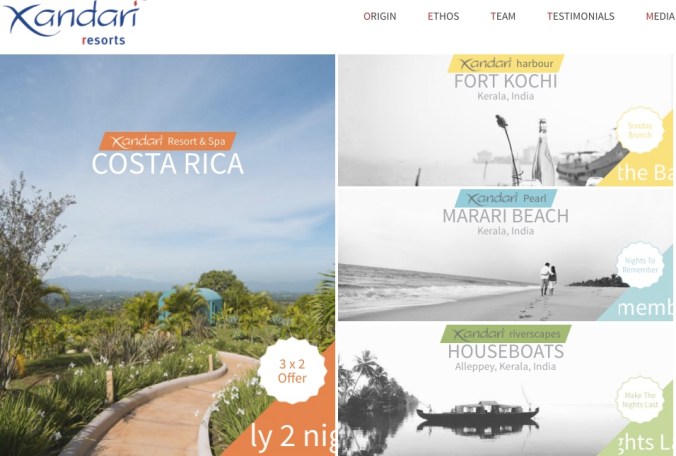
It is that time of year. Monsoon in Kerala, and what we like to call green season in Costa Rica. The rains are delicious, and give the sense of abundance and replenishment, refreshment. It is the ideal time for ayurveda in Kerala. Or just pure relaxation with a book, escaping the news and other distractions–digital detox–and any of the four properties shown above can help you achieve that bliss.

For one more day La Paz Group will be responsible for ensuring that Xandari delivers that bliss. July 1 onward George M George and his team will be in that role. In making the rounds to all the properties this week we have been experiencing a sensation that maps on almost perfectly to the sensation that has come with two decades of nomadic life. Continue reading

#10 Of One Dozen Love Letters About Xandari

ADXHArchitectural Digest is not the reason we do what we do. But when they take note, in any manner, we feel the love. Xandari Harbour soft-opened, and within a very short time got an inordinate amount of good press even before the formal opening. Yet the AD mention, which was neither a cover story nor even a particularly huge feature, had a different level of impact on those of us on the team that developed it.
George M George, the visionary who saw the potential in the run down property and particularly the crumbling godown (waterfront warehouse) featured on the left above post-restoration, was that team’s source of energy, inspiration, encouragement–this would not have happened without his excellent leadership. Continue reading

#9 Of One Dozen Love Letters About Xandari

XCRMSN1

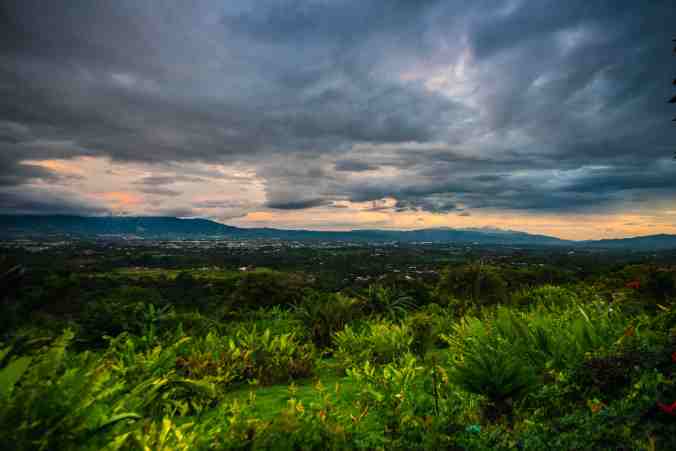
Two years ago I had the pleasure of meeting a family at Xandari in Costa Rica who were on their first vacation in Costa Rica and at Xandari. The father in the family was a photographer by avocation and he shared various photographs with me that he had taken on that visit. He captured views from the property that I consider to be classic favorites of the guests who know Xandari the best. I asked permission to use his photographs, which he granted, but this is the first chance (oops) I have had to share them.

Then one year ago I had the good fortune to meet them again on their second vacation at Xandari–good fortune in the sense that I do not spend alot of time at the Costa Rica property, and so meeting them again was just funny good luck. Ray showed me more photographs. I noticed his scope and scale had changed this time around. Continue reading

#8 Of One Dozen Love Letters About Xandari

12974425_1230966180264955_2655848184739776256_n

Photo and pendant by Milo Inman

While we were in the early stages of shaping the look of Xandari Pearl, we had a team of design interns, and these highly creative collaborators sent us a constant stream of design feedback on the evolving Marari pearl concept. Little did I know that at that same time Milo, who at that time I thought of as a photographer-to-be, was developing another artistic talent. The photo above shows one example of that talent.

I consider that pendant as good an artifact of Xandari’s aesthetic legacy as any.  Continue reading

#7 Of One Dozen Love Letters About Xandari

XP

Dear Xandari Pearl circa 2026,

I hope the day this photo was taken (yesterday as I type this) will be remembered. Amie wept. Saji shared some wisdom–and we all embraced in the hopeful spirit of looking forward to this lovely property’s prosperity. I shared recollections of my first visit to this property  years before moving to India, and wanted each of the team members to know why this property is the most important work so far in my lifetime. It had to do with this location’s personal meaning to George M George, and how that meaning influenced the design process. Xandari Costa Rica was a big part of that process as well, and the Xandari community should be aware of that special link. Continue reading

Words, Nature, Ideas

From today’s New York Times, whose lead headline is the largest in my lifetime that I remember, yet (with apologies to all those affected by the cause of those headlines) I find this editorial more urgent and hope Mr. Egan will not mind my sharing it here:

#5 Of One Dozen Love Letters About Xandari

Photo credit: Milo Inman

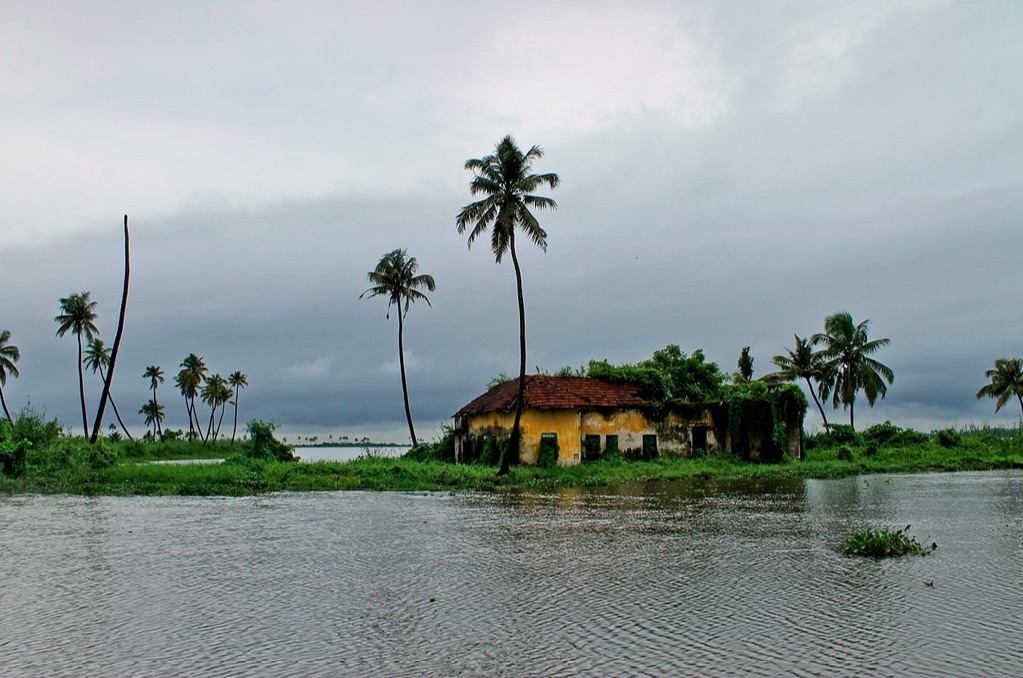
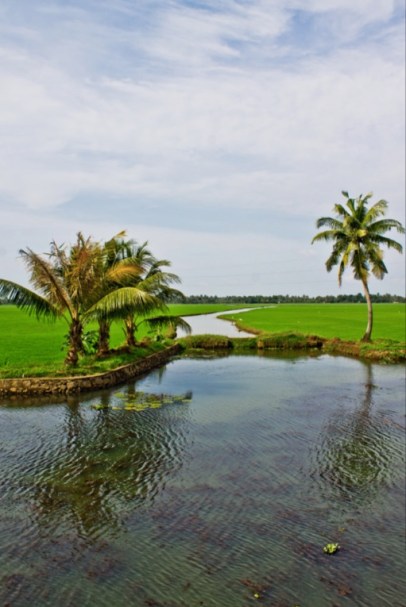
When the conversation about bringing the Xandari concept to India was in the early stages, Milo was in the early stages of mastering the camera. We spent a large percentage of our time in the backwaters in those days, working with our team at River Escapes, and this gave Milo time with his craft in an astounding setting. My father was a photographer, and his father painted landscapes, but for some reason their visual acuity skipped a generation and Milo got it. He saw in composition and captured with camera what escaped me. A  collection of these photographs has adorned our office walls since they were taken in 2011.  And they have influenced our thinking about what is now called Xandari Riverscapes.

XR2

Photo credit: Milo Inman

The houseboat operation has been written about many times in these pages over the years, but in the archival diving of the last week I discovered some fascinating correspondence related to my first visit to Kerala.

George M George had taken me to the backwaters and showed me the first houseboat under construction. The craftsmen were doing something I had no idea was possible, stitching together a hull with no nails; and then afterwards the artistry of the upper deck, and all that we have written about elsewhere.

I have just reread a letter I wrote to Sherrill Broudy after that first visit to Kerala a dozen years ago, and had shared my snapshots with him, saying that what I saw reminded me of Xandari with the curvaceous, organic feel.

Continue reading

Changing Our Eating Habits

impossible-foods-6_edited_custom-7dc5fbab4da8c072dcd7f800ee14c96766bb0f58-s1400-c85

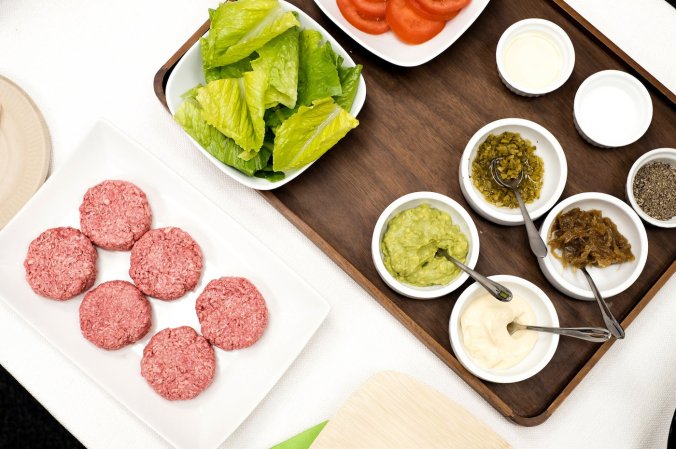
Silicon Valley-based Impossible Foods has taken a high-tech approach to creating a plant-based burger that smells and tastes like real meat. At the company’s headquarters in Redwood City, Calif., chef Traci Des Jardins served the Impossible Burger (pictured uncooked) with vegan mayo, Dijon mustard, mashed avocado, caramelized onions, chopped cornichon, tomato and lettuce on a pretzel bun. Maggie Carson Jurow

Full disclosure first: we operate restaurants that serve meat. It is always the best quality meat we can source, and best includes the most humane and most ecologically sensitive growing conditions. But still, it is meat, and meat is problematic. So, we tread lightly when we speak about our behaving responsibly, and try to minimize judgementalism.

When we get reminders of the importance of reducing meat consumption we know it is true, but we still ensure all our guests are able to get, within reason, the best of what they want food-wise.  I spent more time, and consumed more calories than I care to count, taste-testing for the new menus at three hotel restaurants in the last two years; that is my own sin to bear, and I am in penance mode now, trust me.

So, when I see a good feature story related to vegetarianism, or to vegetarian innovations, I am all in. Here is one from the Salt show on National Public Radio (USA) and I look forward to taste-testing it:

This summer, diners in New York, San Francisco and Los Angeles will get their hands on a hamburger that has been five years in the making.

The burger looks, tastes and smells like beef — except it’s made entirely from plants. It sizzles on the grill and even browns and oozes fat when it cooks. It’s the brainchild of former Stanford biochemist Patrick Brown and his research team at Northern California-based Impossible Foods. Continue reading

Shoutout To Tyler Gage & His Runa Crew

RunaLast time I spoke with Tyler, he was just a couple years into his startup. He and I both participated in a program to share our experiences in the form of a live case study shared with social entrepreneurship students at Brown University, which inspired me for quite some time. Still does. Tyler was kind enough to contribute on this site back when he had time. Look at him now. Wow. This story in Scientific American is worth the read:

Can Tea Help Save the Amazon?

An effort in Ecuador might point the way to a more sustainable future for the rainforest and people

Continue reading

#4 Of One Dozen Love Letters About Xandari

The Sri Padmanabhaswamy temple, in Trivandrum, has been amassing gold for centuries. PHOTOGRAPH BY CHIARA GOIA

What I love most about Xandari is this fact: over nearly two decades, several tens of thousands of guests have trusted Xandari with their valuable vacation time, and that faith has been reciprocated with such authentic hospitality that Xandari has one of the most loyal clientele of any hotel I know of. Most guests coming to Xandari today are related through kinship or friendship to guests who have already been at Xandari before. That loyalty is like treasure buried deep inside of Xandari. Continue reading

Defacing Nature In The Name Of Art

21tmag-holzeribiza-slide-MY3A-master768

It is such an innocuous headline, in the Arts section, that it would be easy to pass it by without notice:

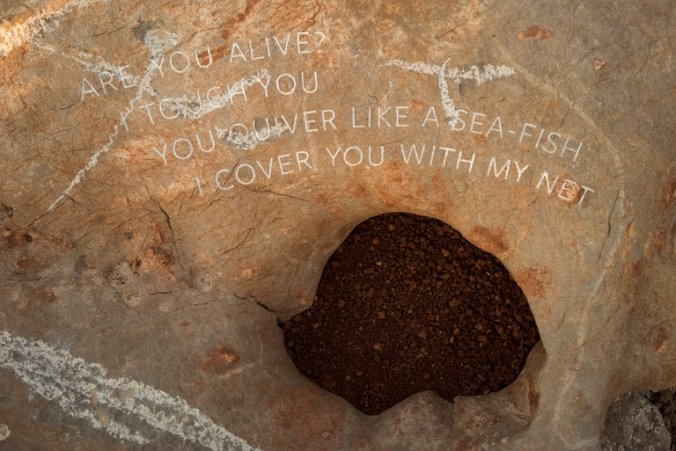
Jenny Holzer’s Unexpected New Canvas: The Boulders of Ibiza

But then, what?!?! Continue reading