Democracy In Places Big And Small


Luis Guillermo Solis, presidential candidate of the Citizens' Action Party (PAC), smiles during a walk in San Jose April 4, 2014. Costa Rica's center-left presidential candidate Solis is expected to cruise to victory in the run-off election on April 6 after his ruling party rival quit campaigning in a bizarre twist last month. REUTERS/JUAN CARLOS ULATE

Luis Guillermo Solis, presidential candidate of the Citizens’ Action Party (PAC), smiles during a walk in San Jose April 4, 2014. REUTERS/JUAN CARLOS ULATE

Raxa Collective is at home in India, which begins the world’s largest democratic elections this week, and in Costa Rica which just concluded its own national elections. We cannot point to many similarities between India and Costa Rica given the differences in size, population, history and just about every other dimension you can think of. But since the late 1940s both have been outlier democracies in their own ways. And maybe that is part of the reason we feel at home in both countries.

We congratulate Mr. Solis and all Costa Ricans on their recent election, and in India, as they say, may the best candidate win. Thanks to Reuters for this update on the election run-off in Costa Rica, and we will highlight as appropriate India’s election results:

A center-left academic who has never held elected office easily won Costa Rica’s presidential election on Sunday, ousting the graft-stained ruling party from power after its candidate quit campaigning a month ago.

Former diplomat Luis Guillermo Solis, of the Citizen Action Party (PAC), won with around 78 percent of votes by tapping in to public anger at rising inequality and government corruption scandals.

His win dislodges a two-party dynasty that has governed the coffee-producing country for decades. It is also another victory for Latin America’s center-left parties, which have steadily gained ground across the region in recent years. Continue reading

Better Brewed Beer

foamy-beer

A time-honored artisanal endeavor is quietly articulating a 21st century version of industrial production

When we have links to articles reviewing the literature of vegetarian cooking and/or first-person stories, told in multiple parts about the ecological benefits of eating invasive fish species, it is only fitting that we offer information about ecologically sensitive beverages. The community of craft beer producers in the USA in particular has undergone nothing less than a renaissance. Thanks to the magazine website of Conservation for this story:

From the outside, the New Belgium Brewery, located on 50 acres near downtown Fort Collins, Colorado, appears to be an environmentalist’s dreamscape. Company-issued bicycles surround the facility. A parking lot next to the brew house has an electric car charging station. Solar panels layer the roof of the bottling plant. A well-worn biking path snakes across the property. Continue reading

Vegetarian Cookbooks For Carnivores

Chefs are rapidly turning vegetables into the cash cow of the cookbook trade. Illustration by Serge Bloch.

Chefs are rapidly turning vegetables into the cash cow of the cookbook trade. Illustration by Serge Bloch.

If you are a New Yorker subscriber and a foodie, you look forward to the Food issue, which comes out in November each year, and anything written, at any time, by Jane Kramer. For good reason, the latter. Case in point:

Three years ago, I retired the chili party that I used to give in Italy at the end of August. This was a shame, because I liked my party, and thought that the chili made a nice reprieve from the ubiquitous barbecues of summer. Two of the twenty-four regulars at my party were vegetarians—one reluctantly, under a doctor’s orders. A doable number, it seemed to me: for years, I put out a bowl of pasta al pesto just for them. Then, from one chili party to the next, everything changed.  Continue reading

Bad Behavior Gets Curiouser And Curiouser


Sony Dong was charged with smuggling songbirds into the United States by strapping fourteen of them to his legs and trying to walk out of the Los Angeles International Airport.

Sony Dong was charged with smuggling songbirds into the United States by strapping fourteen of them to his legs and trying to walk out of the Los Angeles International Airport.

Click the image above to go to this story, with podcast, at National Public Radio (USA), which covers the illicit wildlife trade story we linked to yesterday from a different angle:

Exotic animal trafficking is big business, and Southern California is a hub.

In March, Cheng Zhuo Liu of Chula Vista, Calif., pleaded guilty to smuggling frozen sea cucumbers over the Mexico border. The 100 pounds of sea cucumbers, worth up to $10,000, were found in the spare tire compartment of Liu’s Hyundai.

Fish and Wildlife Service agent Erin Dean says there are many ways to traffic wildlife in Southern California. She says smuggling avenues include LAX, the sixth-busiest airport in the world; the Port of Los Angeles, the busiest port in the nation; and the Mexican border. Continue reading

Duchamp Design Du Jour

tumblr_mjnoeg7QzL1qz5g9bo1_1280

Our thanks to Mel Duarte for this referral of a design idea that has artistic legs and history, but is as fresh as ever:

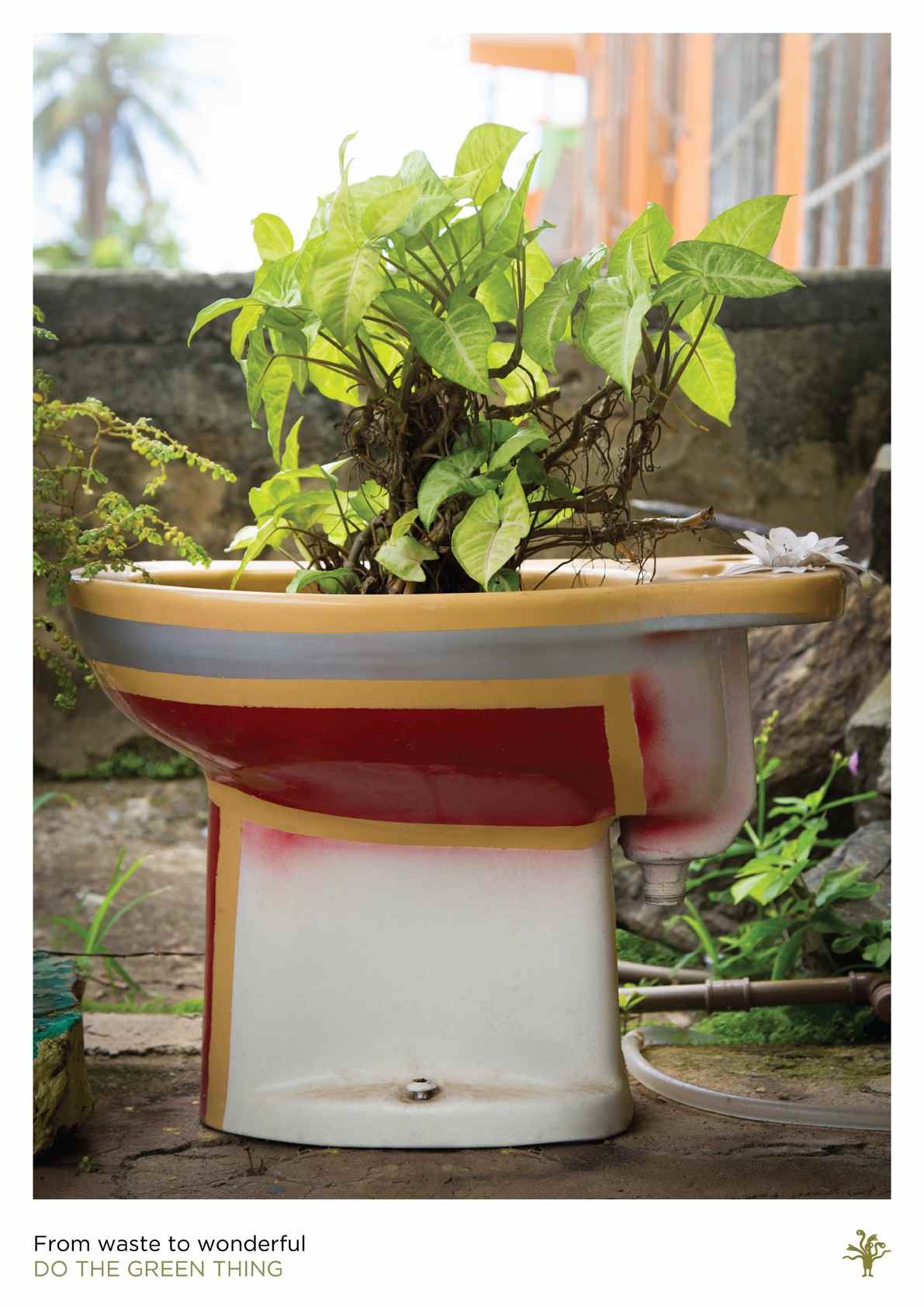
In a small Brazilian village, artist and photographer Mel Duarte came across this great example of turning an old thing into a new thing.

“I really like the idea of creative recycling, and hope to inspire people with the potential it offers. With this in mind, I took the chance when I was in a little town in Bahia, Brazil, called Serra Grande, to wander through the village looking for something that could express this idea. That’s how I came across the recycled toilet bowl – it’s such a lovely example of how waste can be turned into something funny and beautiful.” Continue reading

Terrible Trade

Photo © Matt Reinbold

Photo © Matt Reinbold

Thanks to Miles Becker for this summary of an article that touches on a theme we have highlighted in the past–sourced from Bush, E.R. et al. 2014. Global trade in exotic pets 2006-2012. Conservation Biology doi: 10.1111/cobi.12240— at Conservation Magazine‘s website:

Pet stores are filled with colorful critters originating from the wilds of other continents. All the cages and terrariums stay well stocked while many prized species decline in their native habitat. Does the global fascination with exotic pet species hasten their extinction?

One way to find out is to compare the list of traded species with a list of species in trouble. The Convention on International Trade in Endangered Species (CITES) maintains records of reported legal exports from its 180 member countries. The conservation status of species are listed on the red list curated by the International Union for Conservation of Nature and Natural Resources (IUCN). Both datasets were analyzed by conservation biologists for a seven-year period of international trade in bird, reptile, and mammal species. Continue reading

Better Driving

tumblr_mo9zu18bZf1qz5g9bo1_1280

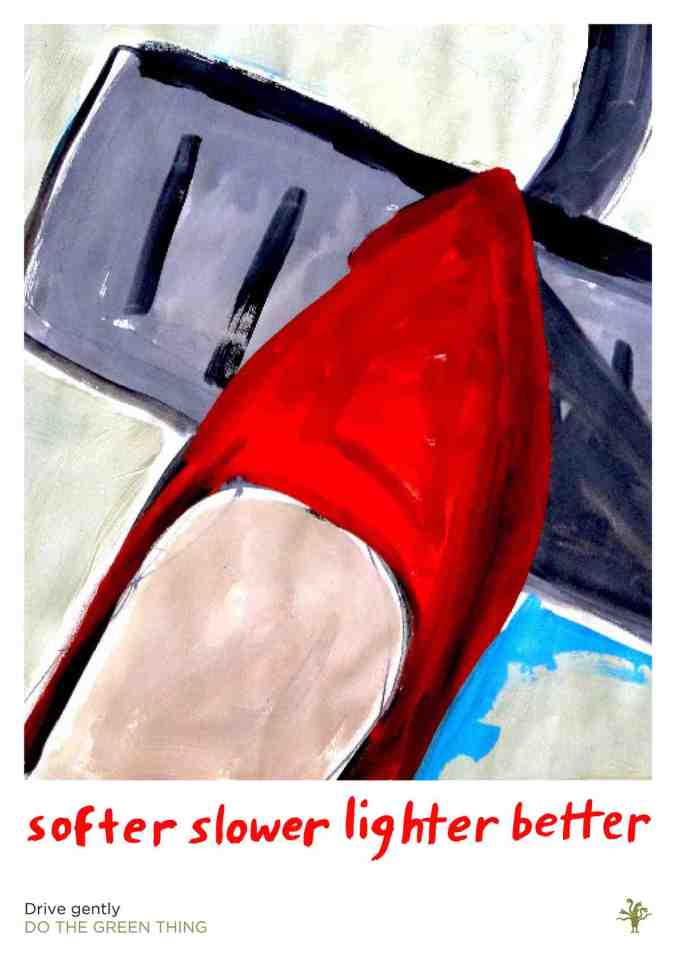
No matter how you view it, driving more fuel-efficiently is a worthy goal, but in a world with more than enough aggression already we think “Softer Slower” by Huntley Muir sends just the right visual reminder of another reason why driving more gently is a worthy goal:

Su and Donna, the two halves of artist duo Huntley Muir, have painted a poster that encourages people to be more tender on the accelerator.

“We decided to cut our speed by 10 miles an hour to save fuel and cut pollution and noise. It really works – we do use less fuel, it’s safer, less stressful and we don’t even notice the difference. And we are below the legal speed limits as well. Such goody two shoes. Continue reading

Thank You, Australia

An elephant seals basks on Heard Island. Photograph: Australian Antarctic Division, HO/AP

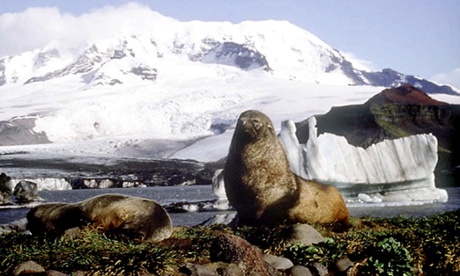
An elephant seals basks on Heard Island. Photograph: Australian Antarctic Division, HO/AP

Thanks to the Guardian for their coverage of environmental issues around the world. We give credit where due, and this is continued good news for marine conservation without any qualifications (not even going to mention mining policies):

The government has created Australia’s largest fully protected marine reserve near two far-flung islands, in a move which environmental groups say will help safeguard rare whale species.

The Heard Island and McDonald Islands Marine Reserve has been expanded by 6,200 sq km following a scientific assessment of its conservation values.

The reserve now spans 71,200 sq km of ocean. Heard and McDonald Islands, an Australian external territory located 4,100km south-west of Perth, are barren, uninhabited outposts considered among the most remote places on Earth. Continue reading

Perchance To Dream

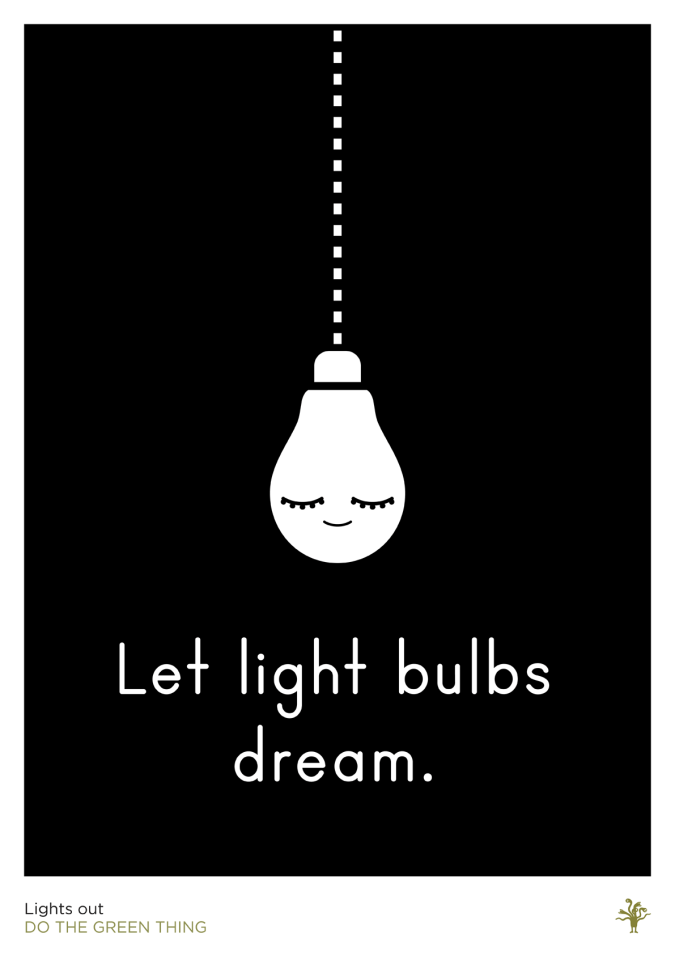
Endearing, yes, unless “Lights Out” makes you think the way Philip K. Dick did about dreaming while inanimate, or even as Shakespeare did; dark stuff that, but we get the point of our friends at this great initiative:

Design company Hudson-Powell have created this rather endearing poster, encouraging us to show light bulbs a bit of compassion.

“In the Shinto religion inanimate objects are often given a persona or spirit to help people relate to them in a more humanistic way and to create a dialog with the object. Taking this idea and applying it to light bulbs, making them delicate living things that need rest and can dream seemed like a playful way of getting people to remember to turn them off.”

Why? Continue reading

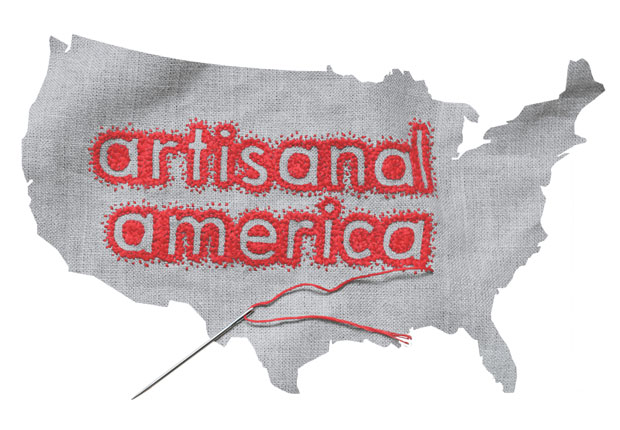
Artisan Trending

artisanal_image_main_HArticle

Details is not one of our regular go-to publications, and trendy is not our thing, but this story is worth a read if only for the fascinating graphics:

This is a handcrafted story. Assembled according to the time-honored traditions of the delightfully anachronistic magazine industry, it was carefully conceived by a small group of experienced editors, then slowly stitched together around locally sourced quotes, each word expertly tailored to your reading enjoyment (stitched—a nice word, isn’t it?). The author, emerging from the seclusion of his quiet work warren, submitted the piece only after it had met his exacting specifications and according to no schedule but that dictated by the work itself.

Continue reading

Bring Your Own Bottle

tumblr_mrzmgv3ZXg1qz5g9bo1_1280

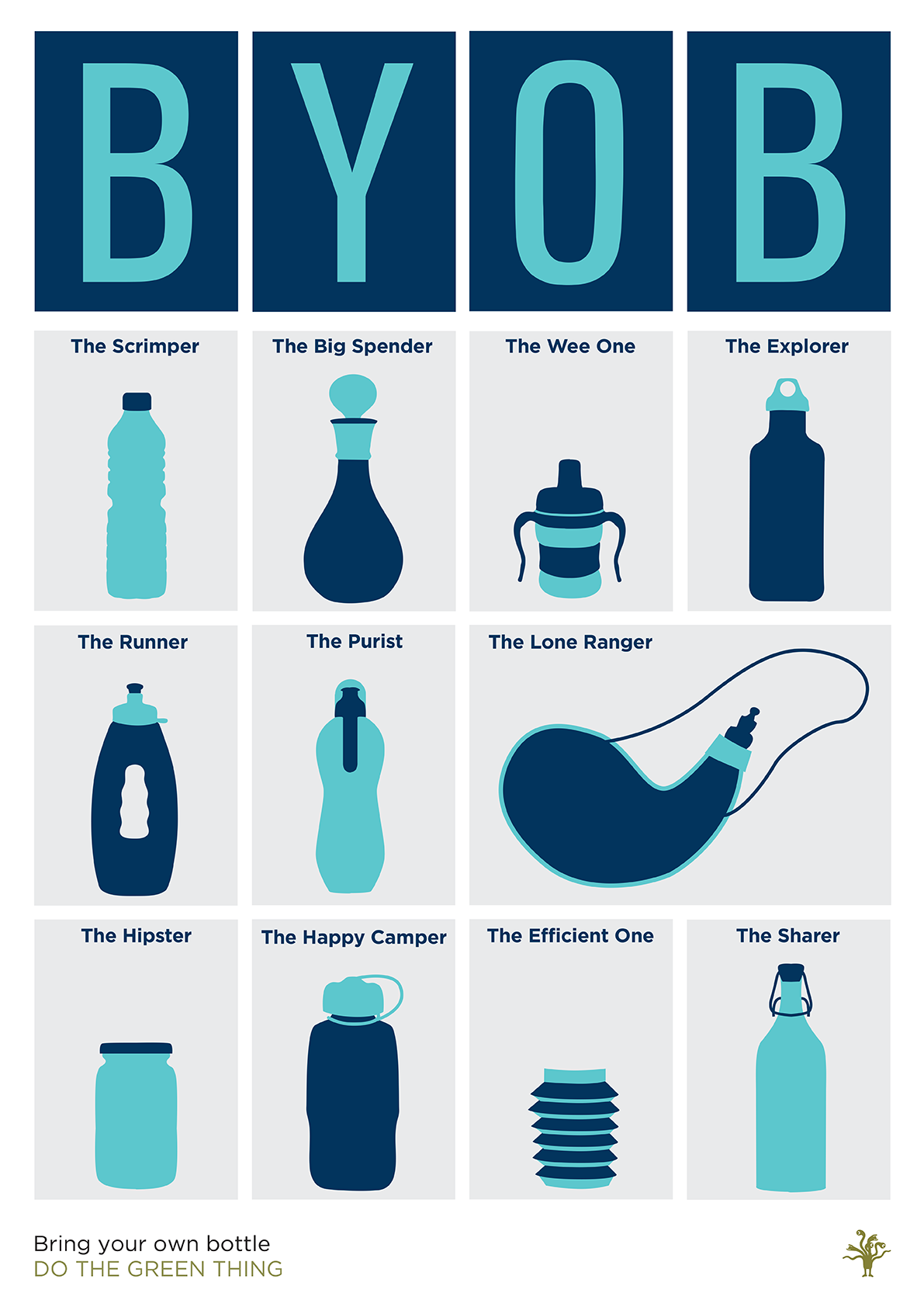
The image above is a reminder for us, as much as it is a pass along to you. After finally securing, in early 2013, a supply of beautiful glass water bottles for all of our restaurants and guest rooms in Kerala, Raxa Collective has been working for the last year to source a reusable and conveniently portable water bottle. The Earth Hour original purpose of the series of which the above poster is a part has a long tail of utility. Today we give thanks for “BYOB” by Rebecca Penmore, one of the altruistic designers at Pentagram giving us more clarity on why we should re-use:

On a hot summer’s day when hydration was the name of the game, Pentagram designer Rebecca Penmore noticed that our bottles of tap water are much more than liquid containers – they are an extension of our personality.

“The aim of my poster is to encourage people to carry their own bottle of tap water and avoid countlessly re-buying mineral water. I have used the well known acronym BYOB as a simple and straightforward way to communicate this message,” says Rebecca. “Bringing your own bottle is not only an easy way to reduce your global footprint, but it can be a great form of self expression!”

Why? Continue reading

If You Happen To Be In Philadelphia

This slideshow requires JavaScript.

We are on a Prosek roll…Currently, through June in Wood Gallery 227 at the Philadelphia Museum of Art, you can experience an exhibition dear to the heart of many members of Raxa Collective’s team in South Asia, and travelers from around the world, from the artist’s 2008 work:

The Peacock and the Cobra, a portfolio by artist and naturalist James Prosek (American, born 1975), forms the centerpiece of this exhibition. Also on view are a variety of painted pages and other objects from the Museum’s rich collection of art from India and Pakistan. While Prosek is not himself South Asian, the narratives that compose The Peacock and the Cobra invoke a range of ideas and images from the subcontinent. Continue reading

Prosek’s “Wall Of Sillhouettes” Mural

This slideshow requires JavaScript.

James Prosek, who more than a year back we invited to Kerala, has completed the mural that the Cornell Lab of Ornithology commissioned:

Science meets art at the Cornell Lab of Ornithology as the Lab moves toward its centennial celebration in 2015. Artist, writer and naturalist James Prosek’s “Wall of Silhouettes” mural spans the full length of the north wall in the Lab’s visitor center.

The mural of life-sized silhouettes acknowledges the importance of the culture of bird watching to the scientific study of birds, and celebrates the blurred lines between hard science and the intangible beauty of personal experience in the field. Continue reading

Make The Pledge by Nikki Miles

tumblr_mwb61wXD4G1qz5g9bo1_1280

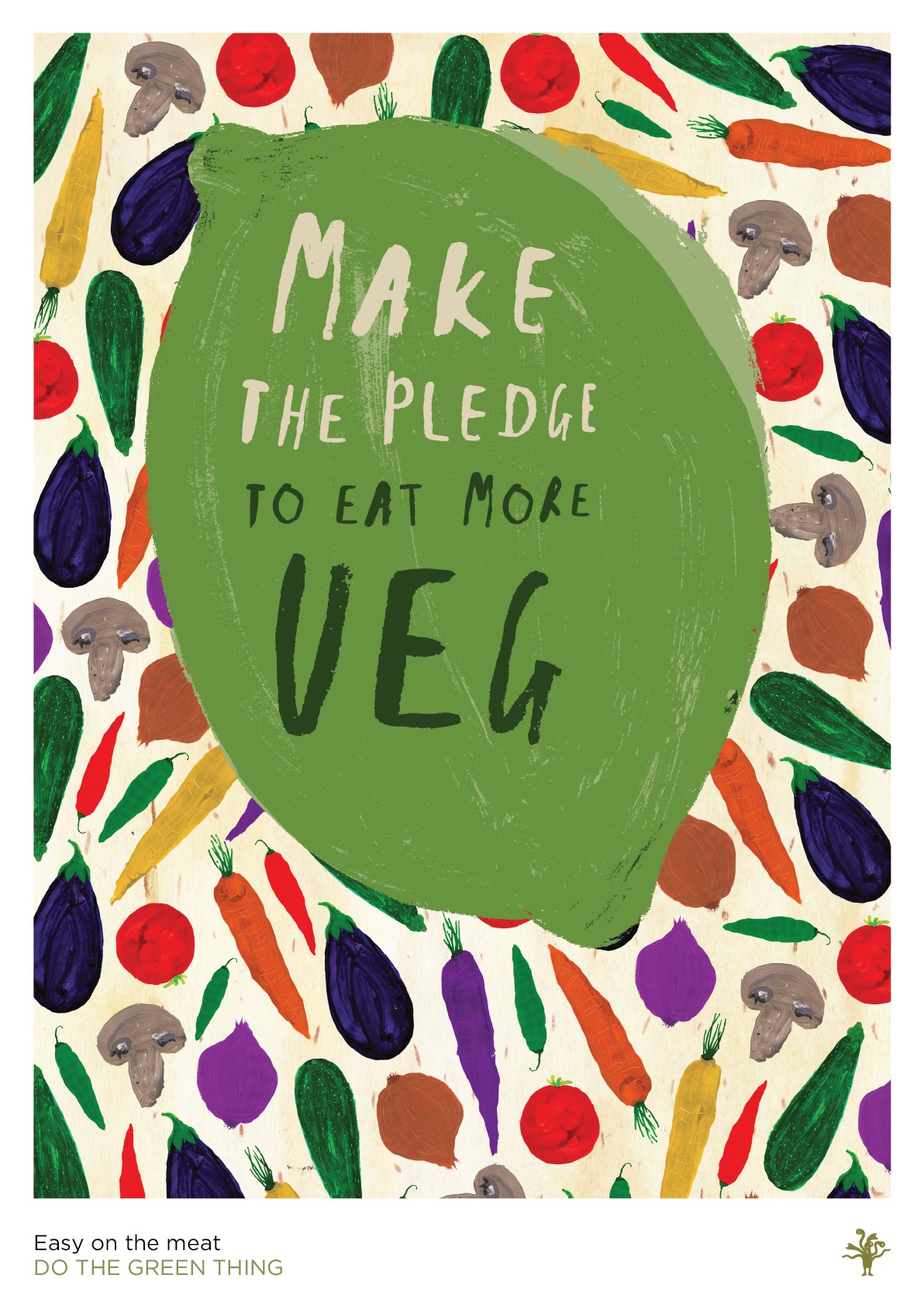
The day has come. Come! During the last month of food trials at 51, we were looking forward to the day–yesterday–when the doors officially opened and we could invite both vegetarian and non-vegetarian friends to dine, and in particular feast on a roasted vegetable dish rooted in Malabar Coast vegetables and Eastern European foodways. Thanks to another of the Young Creatives for this encouragement on getting non-vegetarians to pledge to add more vegetables to their diet–all it takes is better-tasting veggies, we think, and some creative promotion:

With this playful painting, illustrator Nikki Miles is urging us to make a pinky promise to go easy on the meat and its carbon consequences and enjoy some veg instead.

“I don’t eat a lot of meat but I’m not strictly a vegetarian either,” says Nikki. I have tried being a vegetarian in the past but I found it to hard to give up the odd bacon sandwich or roast dinner with beef gravy.  I only eat meat around once or twice a week because vegetables are yummy too! Eating more veg and less meat is a simple way to make a big difference to your health and the environment.” Continue reading

Climate Change Preparedness

Photograph by Ed Kashi/VII.

Photograph by Ed Kashi/VII. On Monday, the United Nations Intergovernmental Panel on Climate Change released a report on the impacts of global warming, for which it says the world is ill prepared. Elizabeth Kolbert wrote about a leaked draft of the report in this piece, originally published on November 5, 2013.

Not everything we read pleases us. So not everything we post on this site, in spite of our overriding mission to report positive news about conservation wherever we can find it, is meant to draw a smile. Wouldn’t be prudent, as someone once said. Nor would it be prudent to assume someone, somewhere, or anyone anywhere, has taken appropriate measures to even catalogue ways in which we should be preparing for the consequences of climate change. Not if, as some greedy doubt-mongers want people to wonder, but when. Thanks to Elizabeth Kolbert, our favored dismalist on climate change, for this Comment on the New Yorker‘s website:

Late last week, a Web site that claims that there is no scientific consensus on global warming published a leaked draft report on the impacts of global warming. The leak was apparently intended to embarrass the authors of the report, which is the latest installment from the Intergovernmental Panel on Climate Change. However, it seems mostly to have had the opposite effect: Continue reading

Lunchtime, 51

51 LunchAs this post goes up, it is time to step in through the front door of 51. On Bazar Road, neighboring the spice merchants who have been plying their trade for centuries here in the Mattanchery neighborhood of Fort Kochi, you will see this sign on the left side of the road passing from the Brunton Ferry in the direction of the Dutch Palace.

Continue reading

Font Innovation, Greening Government

We like all the dots that can be connected in this story.  First, for our friends at Thought Factory Design, another story about font innovations. Second, the fact that at 14 years old this fellow is thinking about waste reduction in such inventive ways means he may be a candidate for membership on the Young Creatives dream team. Third, a bit of home team pride for several hundred members of Raxa Collective, some of the stories that ran after CNN first reported this mention that Suvir is from a family of Indian origin:

(CNN) — An e. You can write it with one fluid swoop of a pen or one tap of the keyboard. The most commonly used letter in the English dictionary. Simple, right?

Now imagine it printed out millions of times on thousands of forms and documents. Then think of how much ink would be needed.

OK, so that may have been a first for you, but it came naturally to 14-year-old Suvir Mirchandani when he was trying to think of ways to cut waste and save money at his Pittsburgh-area middle school.

It all started as a science fair project. As a neophyte sixth-grader at Dorseyville Middle School, Suvir noticed he was getting a lot more handouts than he did in elementary school. Continue reading

If You Happen To Be In Kerala

_MG_6975

We have been posting “If You Happen To Be In…” stories since March 30, 2012. They are, like many posts on this site, incidental stories about exhibitions, readings, and other events that we believe are of interest to travelers who relate well to Raxa Collective’s mission. Coincidentally, that was about the time when we first briefed a team of architects on our plan to restore and revitalize a property in Kerala’s historic harbor town, Fort Cochin. Today, the last day of the current fiscal year in India, a day before the Fools’ pranks of April, we considered to be an auspicious day to open our doors. So, after two years of recommending other places, openings and things to see around the world, today we welcome you to visit on our turf. It is a quiet opening. No fanfare, no parties; just genuine welcome and hospitality. Continue reading

The Lights Are On by Sylvia Moritz

tumblr_n0msx5vlNw1qz5g9bo1_1280

As noted yesterday, we will continue highlighting the best of the Young Creatives for the Do The Green Thing campaign. Raxa Collective’s operations teams at various properties can relate to Sylvia’s challenge to all of us to collaborate on conservation of electricity, whether in the hospitality community, the traveler community, in our residential home community or wherever:

Graphic designer and illustrator Sylvia Moritz wants to spell an end to the stupidity of leaving lights on in empty rooms.

“Electricity is a daily comfort we take for granted,” says Sylvia. “It is our sun when it is night, it is our means of living out our modern daily lifestyles. To recklessly exhaust this energy source, to squander something so integral to our survival, is wasteful. I hope this illustrated idiom can switch people’s behaviour.” Continue reading