Nature’s Sobering Scenes Challenge Our Simple Wonder

Matt Williams

James Gorman‘s nature and scientific work has appeared so many times in our pages that we can say his style of writing mixes sobriety and wonderment. This essay’s message– birdwatching is not all rainbows and unicorns–is an amplification of that mixture:

From sibling murder to snakes for breakfast, birds’ lives may be darker than you imagine.

I saw a couple of crows dining on roadkill the other day as I was driving by and wondered, Does this count as bird-watching?

I think it should. I know that birding is having a moment. It was something you could do outside without catching Covid at the height of the pandemic. Continue reading

2024 Winners, British Wildlife Photography Awards

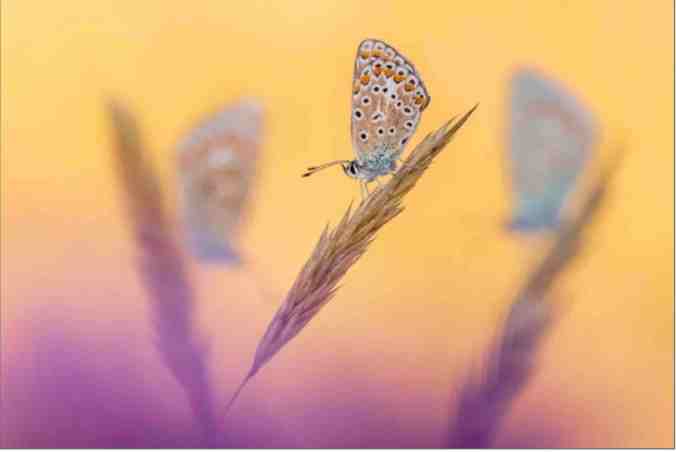
Three’s a Crowd. Hidden Britain, Winner. “I think I have a slight addiction to photographing blue butterflies—I just love them! They are such beautiful little insects, and they enhance any wildflower meadow or garden they inhabit. Blues are quite social insects, and they can often be found roosting quite close together—or even on the same grass or flower. I found a dozen or so blues all resting close together one evening last summer.” 
© Ross Hoddinott / British Wildlife Photography Awards

Our annual thanks to Alan Taylor for these selections:

Organizers of the 2024 British Wildlife Photography Awards just announced their collection of winners and runners-up. More than 14,000 images were submitted in 11 different categories, celebrating the wildlife and wild spaces found across the United Kingdom. Competition organizers were kind enough to share some of this year’s amazing images below. Captions were provided by the photographers.

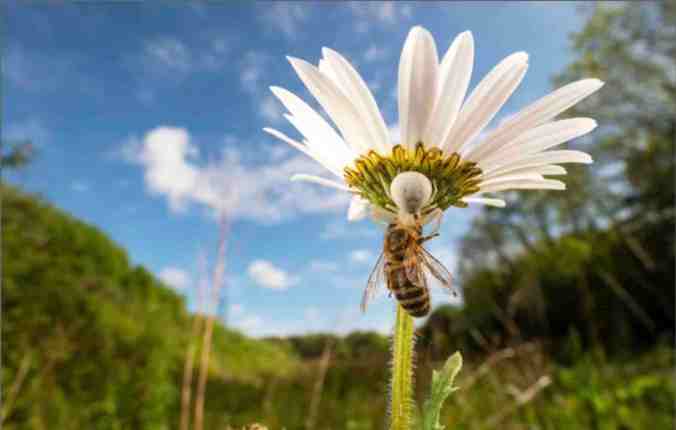
Daisy Danger. Hidden Britain, Runner-up. “This photo was taken in a patch of land along the A30 in Devon that has been left untouched for a long time, making it a haven for wildflowers and the wildlife that inhabits it. Using the Laowa wide-angle macro lens, I aimed to capture this scene. While walking, I came across a flower crab spider wrestling with a bee on an ox-eye daisy.” # © Lucien Harris / British Wildlife Photography Awards


Notes From A Pennsylvania Garden

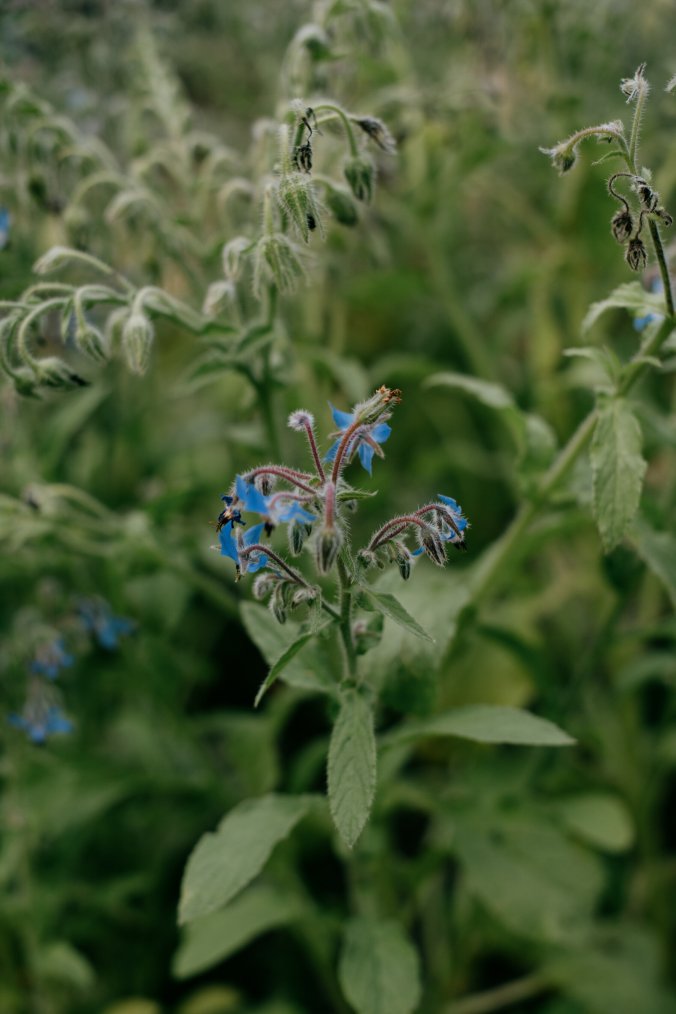
Borage

The thoughts and images in this article inspire pre-dawn work on that soil I mentioned yesterday. We do not have the heat here that she does there, but the nudge to go out in the dark is welcome. My attention has been solely focused on regeneration below for the coffee that once  thrived above ground. Time to start thinking of accent colors and other edibles:

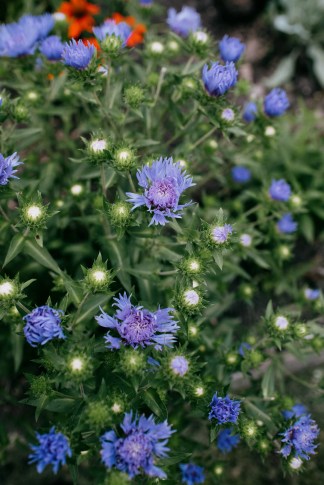
Stokes asters

What You Discover When You Garden at Night

Daytime heat forced a writer with a green thumb to change her routine. She found unexpected pleasures.

When it’s too hot to garden during the day, what is there to do but garden at night? Neither floppy hat nor gobs of sunscreen will lure me into the glare of a hot and humid, possibly record-breaking, 90-plus-degree day. Or, as our local meteorologist reports: one with a heat index of 103. So instead, I venture out into the garden after dinner, dogs in tow, surveying the raised beds in the coolness of evening.

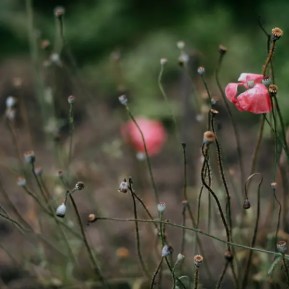
Poppies that have gone to seed, bringing to mind “the coming glory of red, white, and pink blooms” next season.

I carry a basket full of seeds, green string to tie the tomatoes higher, and wooden stakes and black markers to record once again what I have sown, some new crops and others a repeat of those planted earlier in the season. It is midsummer now and the lettuce, radishes, and shallots are fading, but the basil and tomatoes, beans and zucchini are finally coming into their own. A little more rain and warmth and I will be able to make my first tomato sandwich, one of the driving forces, no doubt, behind planting a vegetable garden. Continue reading

Weed Is A Weed Is A Weed

Weeds are classified subject to norms, we have read; thanks to Rivka Galchen for reminding us, and reference to this book:

What Is a Weed?

The names we call plants say more about us than they do about the greenery that surrounds us.

Steve Brill’s first stop was the greenery behind the bike racks. Brill, who is known as Wildman Steve, picked up a weed with heart-shaped seed pods and a small, four-petalled white flower. About thirty of us were gathered for a three-hour foraging tour through Prospect Park, in Brooklyn.

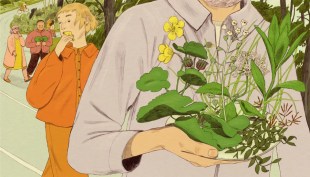
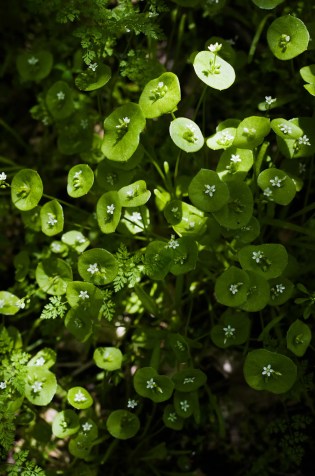
Illustration by Karlotta Freier

The plant was shepherd’s purse, a name that references the seed pods’ resemblance to the containers shepherds used to make from the bladders of sheep. “It’s in the mustard family,” Brill said. “Most all of the flowers in the mustard family are four petals in the shape of a cross.” He encouraged everyone to take a bite, and to tell him what vegetable it tasted like. Continue reading

About That Bloom

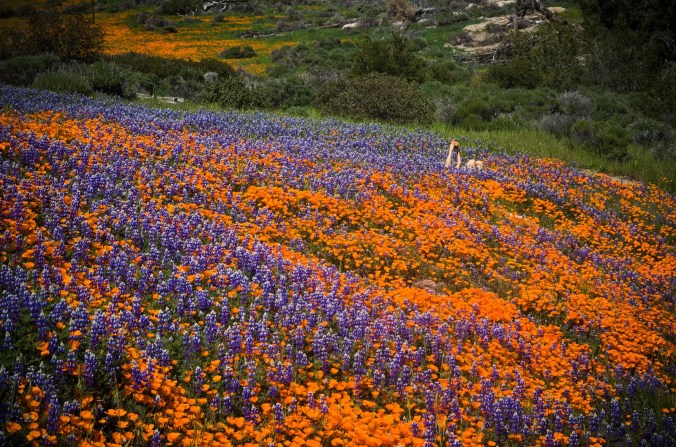
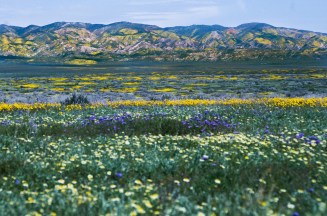
Figueroa Mountain. April, 2023.

We had a quick look at this phenomenon recently, but Dana Goodyear is just the person to give it this depth of follow up that is worth a read and luxuriant gazing:

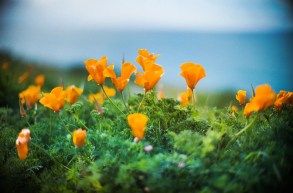
Point Buchon Trail, Montaña de Oro State Park. February, 2023.

The Superbloom Is a Glimpse of California’s Past

This year’s rains reversed, temporarily, more than a decade of catastrophic drought. Some of the seeds that caused the bloom have lain dormant for years.

This winter, it rained in California. Ten inches in San Francisco in the ten days after Christmas alone. Thirty-one atmospheric rivers—columns of vapor that move water from the tropics. Record-breaking snow at Mammoth Lakes. Los Angeles measured its wettest year on record since 2004-05, the year I moved here.

Carrizo Plain National Monument. April, 2023.

My memories from that first winter are of driving in a rental car on slick gray roads, weaving around Jurassic-looking fallen palm fronds; my elderly neighbor calling, terrified, as the water rushed from my basement office toward her house; a picture on the front page of the paper showing a swimming pool sliding off a hill.

Pinnacles National Park. April, 2023.

People hunkered down; red tags went up, flagging damaged buildings. I had left all my sweaters in New York, and froze. I learned the city through a veil of rain. Looking at the mountains, downtown is to the right, and the coast is to the left.

By April, the rain had stopped, and nasturtiums, not muddy rivers, were cascading down the hillsides. Seussian red bottlebrush trees and violet jacarandas made the days vivid, and at night the white blooms emanated perfume.

So this was Los Angeles: abundant, intoxicating, unmoored. It must have been a Superbloom, though I don’t remember anyone calling it that then. I didn’t know that it would be eighteen years before I would see this Los Angeles again. Continue reading

The Birds Of Australia, Interactive Exhibition Of John & Elizabeth Gould’s Illustrations

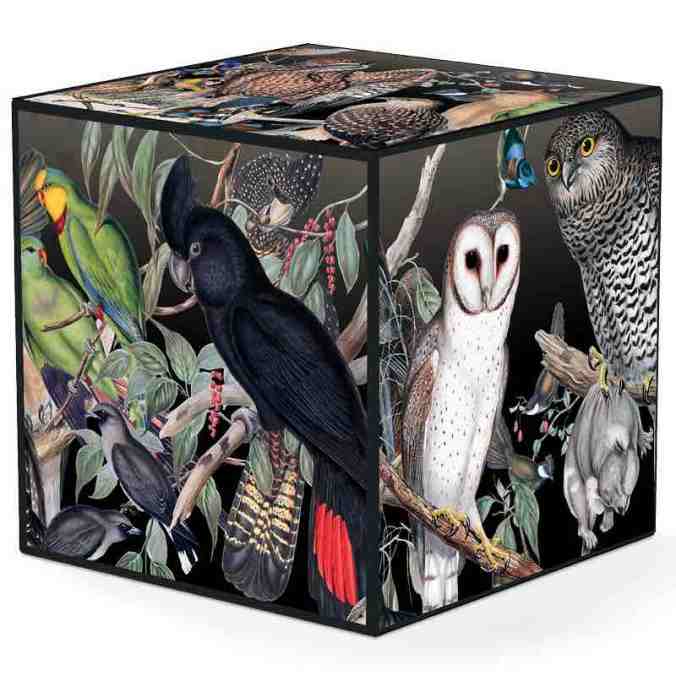
A new exhibition showcasing the incredible world of Australia’s birdlife will launch in Newcastle. Presented on STORYBOX, an interactive storytelling cube, The Birds of Australia, brings to life the iconic bird illustrations of John and Elizabeth Gould together with First Nations storytelling and knowledges.

We have linked to stories about both John Gould and his wife Elizabeth, and now there is a museum exhibition honoring both together, so if you happen to be in Australia:

Touring exhibition: The Birds of Australia

Trace the journey of English ornithologist John Gould and his wife Elizabeth, as they travelled across New South Wales in the 1800s on one of the most significant birding expeditions in history, helping inform contemporary knowledge and conservation of Australian birds. The Goulds described and illustrated over 300 birds that were completely new to science, including the Pied Butcherbird (Cracticus nigrogularis) and the now extinct Paradise Parrot (Psephotellus pulcherrimus). It was an astonishing record of observation and sustained hard work. Continue reading

Collaborative Cataloging of Feathered Finery

Architect Esha Munshi and veterinarian Sherwin Everett, founders of the Feather Library

Over the years we talked about feathers from numerous perspectives, including scientific and artistic. Thanks once again to the Guardian for sharing this inspiring Citizen Science story.

Plucky idea: the feather library providing a visual A to Z of India’s birds

Finding a trapped silverbill during lockdown inspired Esha Munshi to create an invaluable record of species in an uncertain world

Esha Munshi, an architect based in Ahmedabad, has “breathed birds” as far back as she can remember. She has travelled all over India on birding trips and has, she says, spotted 1,060 of the 1,400 bird species in the country.

An Indian golden oriole feather, left, and white-throated kingfisher feathers

But it was at home, during the Covid-19 lockdown in 2020, that she saw an Indian silverbill caught in the protective netting on her balcony, attracting the attention of her cat. Although the bird escaped, some of its feathers were damaged. When Munshi saw the exquisite markings and patterns, she tried to identify the bird, but was struck by how little information there was online.

Continue reading

Whalesong Remix

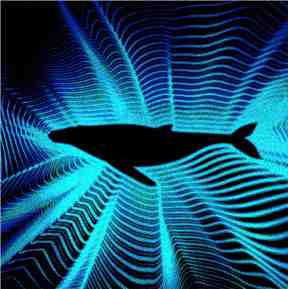
Illustration by Nicholas Konrad / The New Yorker

We thank the New Yorker for this note about Sara Niksic’s whalesong remixing, as described by Matthew Hutson:

How a Marine Biologist Remixed Whalesong

Sara Niksic, a lover of whales and electronic music, has merged her passions.

In 1971, in the journal Science, two scientists, Roger S. Payne and Scott McVay, published a paper titled “Songs of Humpback Whales.” They began by noting how “during the quiet age of sail, under conditions of exceptional calm and proximity, whalers were occasionally able to hear the sounds of whales transmitted faintly through a wooden hull.” Continue reading

If You Happen To Be In New York City

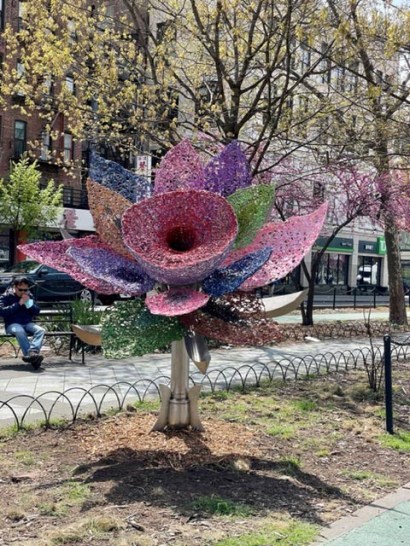
Installed in several locations on the Allen Street Malls between Broome and Hester Streets, this group exhibition features four artworks by five artists addressing themes of nature. Artists include Elizabeth Knowles and Eric David Laxman, Elaine Lorenz, Judith Peck, and Michael Wolf.

While at Cornell University last month I got my fill of early autumn florals and educational signage. While in the Botanic Gardens I was struck by a floral sculpture, a type of art I am not often moved by. But that one worked. And so, looking through the Art in the Parks section  of the New York City Department of Parks & Recreation  website,  the  image to the right caught my  attention.  And scrolling further through that collection I saw the image  below, which on a day after hurricane-driven rains  in  Costa  Rica,  with  the  morning sky clear of clouds,  hits the spot:

Naomi Lawrence, Tierra Fragil

September 25, 2022 to September 10, 2023
Morningside Park, Manhattan

Description:Tierra Fragil, depicts endangered insects and birds with the flowers and plants imperative to their survival. The mural informs and encourages the preservation of familiar species whose presence we may have taken for granted.

Tierra Fragil is made possible in part with public funds from Creative Engagement a regrant program supported by the New York City Department of Cultural Affairs in partnership with the City Council and the New York State Council on the Arts with support of the office of the Governor and the New York State Legislature, UMEZ Arts Engagement a regrant program supported by the Upper Manhattan Empowerment Zone Development Corporation and administered by LMCC. Additional funding was provided by the Friends of Morningside Park.

Bee Bus Spots

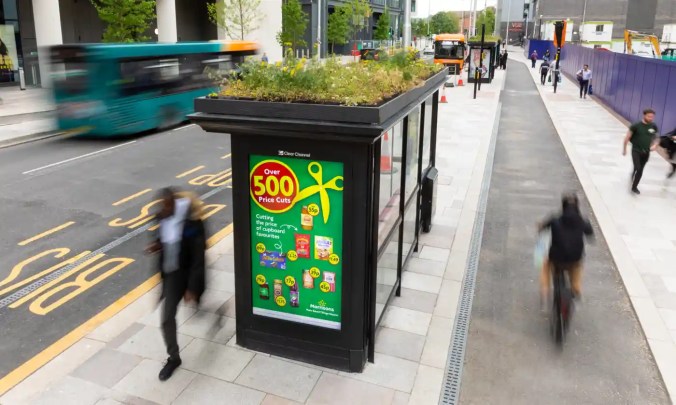
A living roof in Cardiff planted with pollinator friendly plants. Photograph: Clear Channel

Phoebe Weston brightens our day with this story:

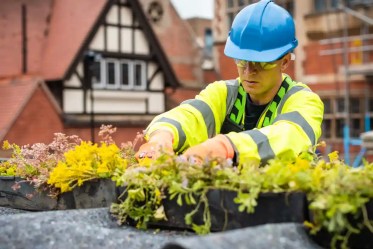
Planting at one of 30 bee bus stops in Leicester. Photograph: Clear Channel

Buzz stops: bus shelter roofs turned into gardens for bees and butterflies

Bee bus stops first appeared in the Dutch city of Utrecht. Now the UK is planning for more than 1,000 and there is growing interest across Europe and in Canada and Australia

Butterflies and bees are getting their own transport network as “bee bus stops” start to pop up around UK cities and across Europe. Humble bus shelter roofs are being turned into riots of colour, with the number of miniature gardens – full of pollinator-friendly flora such as wild strawberries, poppies and pansies – set to increase by 50% in the UK by the end of this year. Continue reading

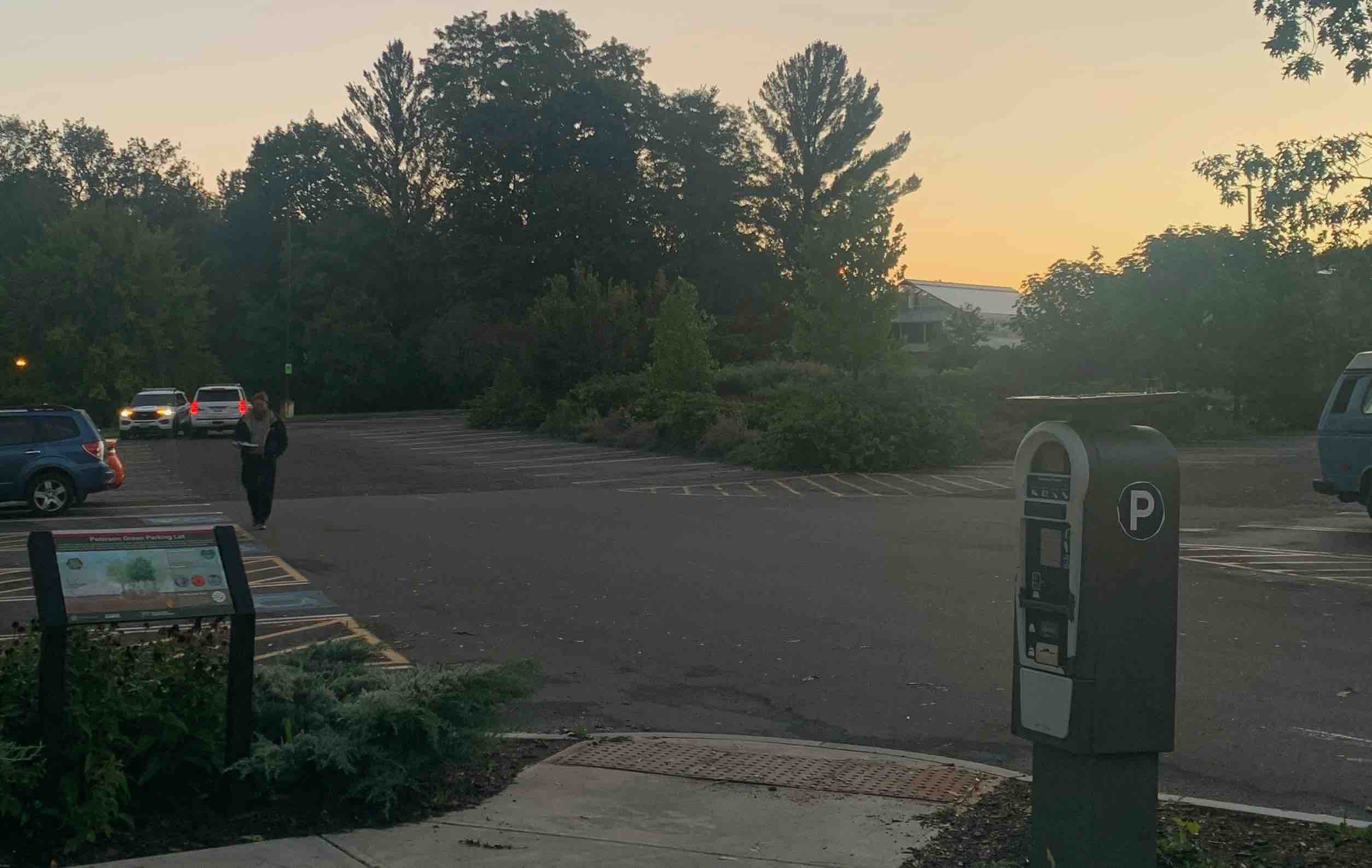
Cornell Parking Learning Hotspots

On my final morning of this visit to the Cornell campus I started a walk at sunrise. I discovered that parking lots around campus now have learning embedded in them. Continue reading

Sticks + Time = Hummingbirds

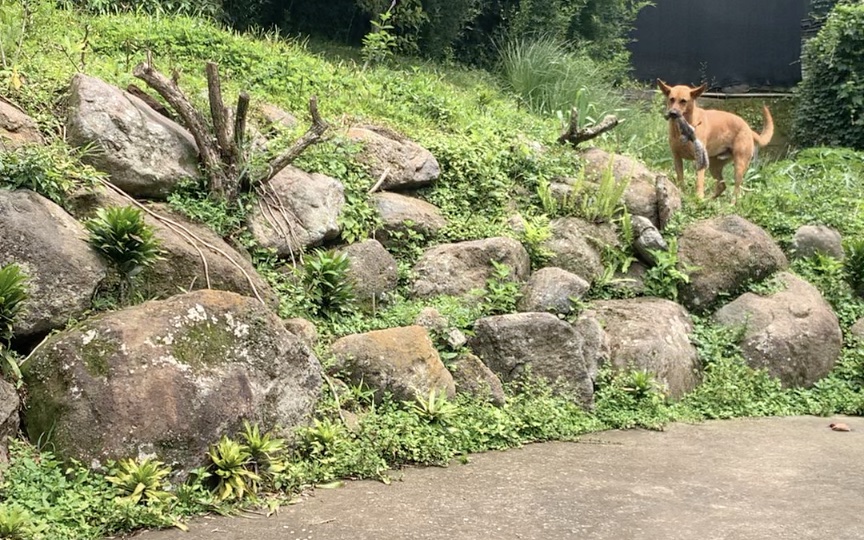
remaining branches of treacherous spine bush

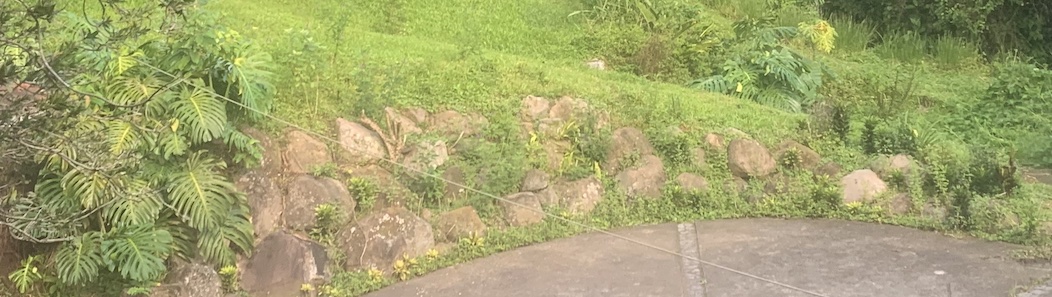
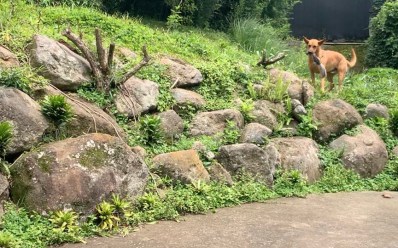
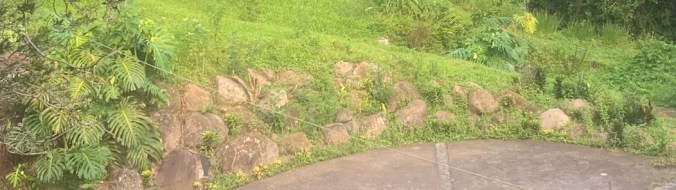
14 months ago the pandemic still allowed, which is to say forced, creative use of abundant time and limited budget, so I took a day or so to rethink this pile of rocks. It curves around where we park our car and had been covered by a gigantic bush.
build back better

That bush produced spines abundantly and flowers sparingly. While spines may offer ecosystem services I have not yet learned about (other than self-protection for the plant itself), we are focused on regenerating bird habitat, so flowers count more in our calculus. In June, 2021 I cut the bush back to the short branches seen in these photos above.
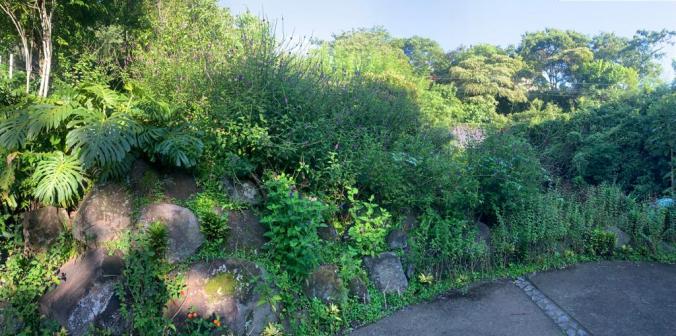
Spearmint, which can be seen growing straight up on the lower right side of this photo, is for scent, and then for tea; the rest is for the winged folk.

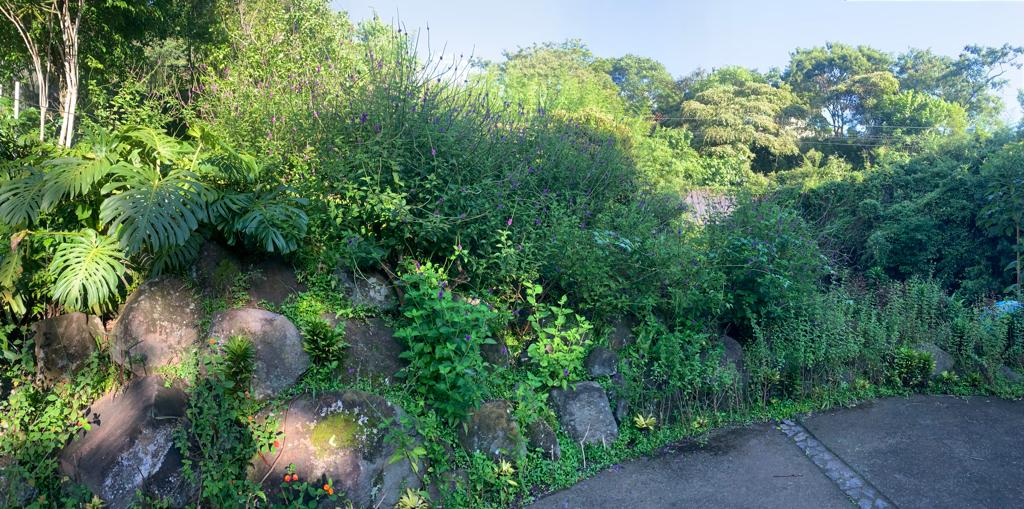
The treachery removed, the slate was blank, and the opportunity to build back better was clear. Hummingbirds and butterflies focus on the bushy abundance covering most of the area.

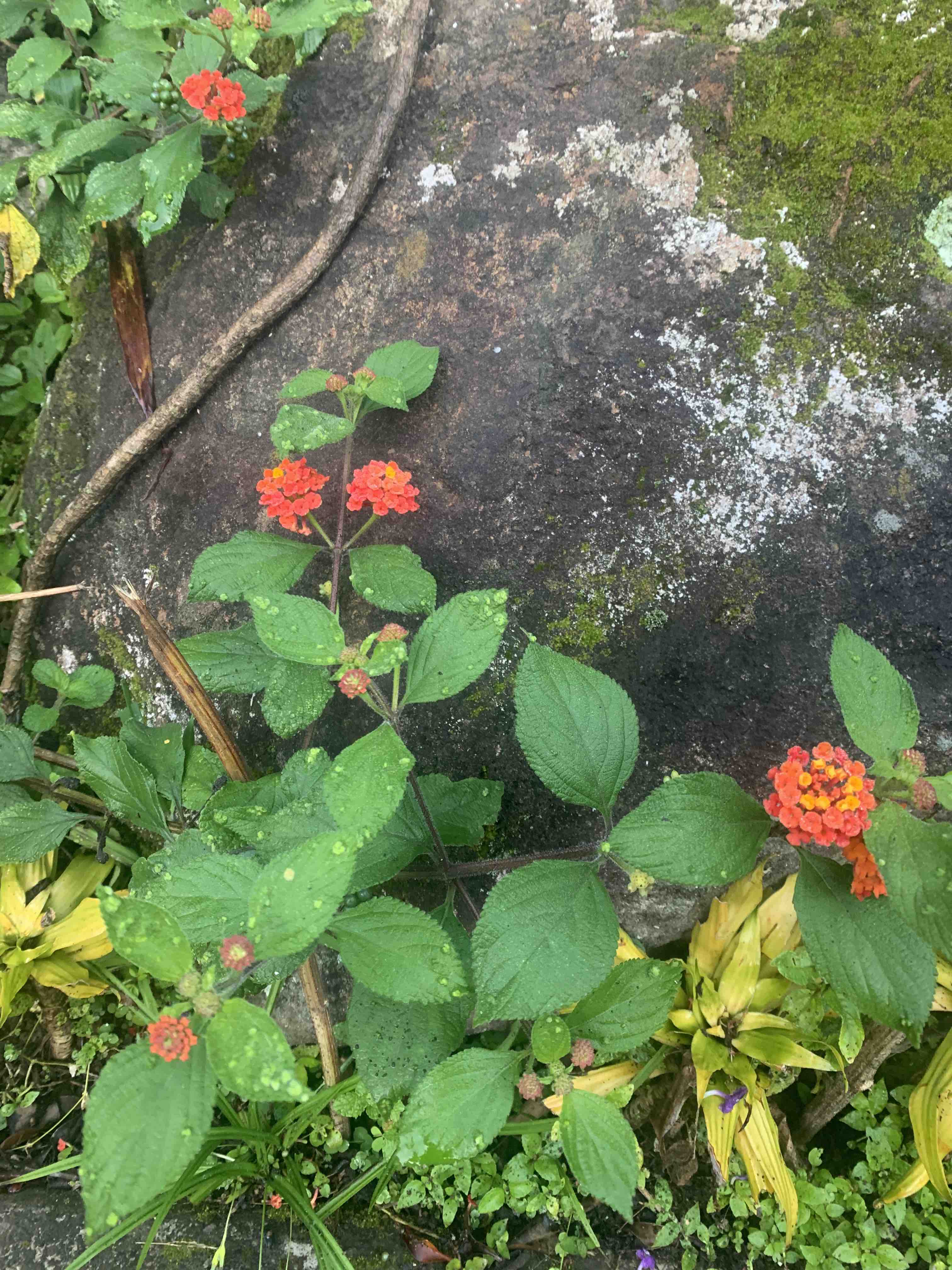
The bushes producing these orange flowers are slower to fill in

I went through the exercise that Ari described yesterday, trimming back a couple of bushes that hummingbirds and butterflies favor. I cut the branches into one foot long stalks and stuck about 100 of them into the soil in between all those rocks. 14 months later, here is what we have. Difficult to see from the macro view, flowers are constantly available for the pollinators. Every day, dozens of hummingbirds and numerous species of butterflies can be seen in these flowers. With a camera phone I am not well equipped to capture good photos of those, but when someone else does so we will share here.
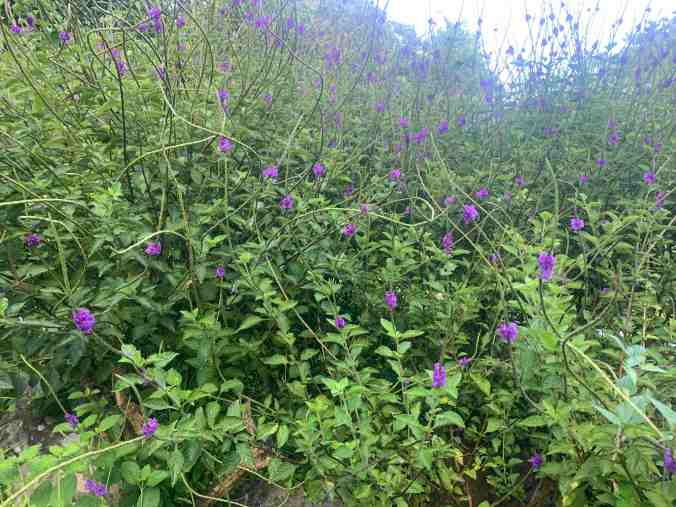
Sticks + Time = Hummingbirds

2022 Nature TTL Winning Photographs

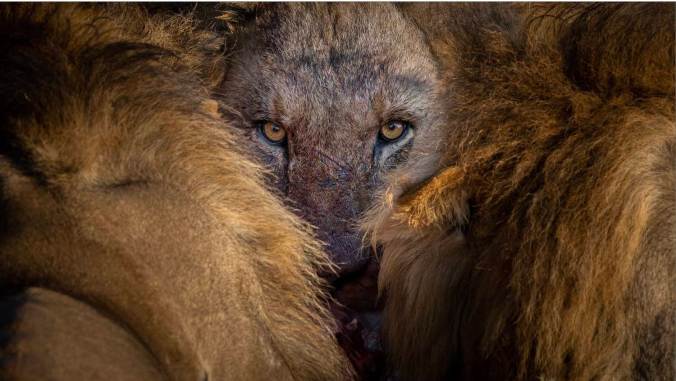
I See You. Wild Portraits winner. When a huge lion looks you right in the eyes, you immediately forget that you are sitting safely in a car. Instinctively, you cower and slowly retreat deeper inside the car so as not to provoke a predator. Fortunately, he and his brothers were busy consuming a young buffalo that had been hunted several minutes earlier. # © Tomasz Szpila / Nature TTL

Alan Taylor and others offer relief through nature photography contests each year, and we thank them all for that; and to Atlantic this year for sharing these from the Nature TTL contest:

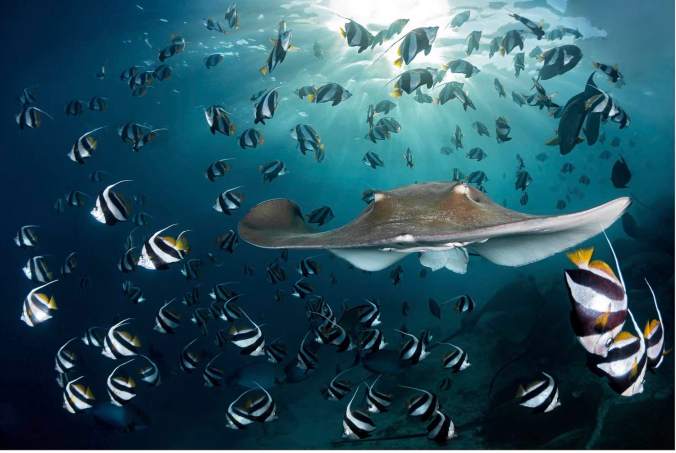
Sunset Ray. Underwater winner. A pink whipray splits a school of bannerfish, photographed against the setting sun on a late afternoon at the famous “Tuna Factory” dive site located close to Malé, the capital of the Maldives. # © Andy Schmid / Nature TTL

Winners of the Nature TTL Photographer of the Year 2022

This year’s photography competition attracted more than 8,000 entries in eight different categories celebrating the natural world: Animal Behavior, Camera Traps, Landscapes, Small World, The Night Sky, Underwater, Urban Wildlife, and Wild Portraits. Contest organizers at Nature TTL were kind enough to share some of the winners and runners-up below. The captions were written by the photographers and lightly edited for style.

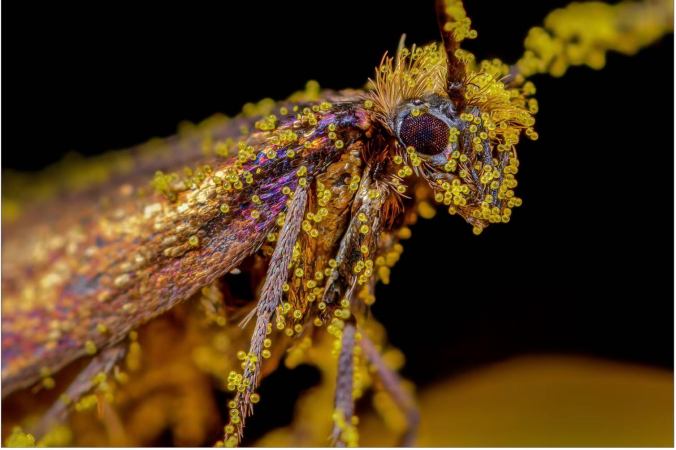
Pretty in Pollen. Small World runner-up. A micro-moth (Micropterix calthella) is covered in golden balls of pollen from a creeping buttercup flower found in Mutter’s Moor near Sidmouth, Devon, United Kingdom. # © Tim Crabb / Nature TTL

See all of them here.

Ocean, The Book

It has been a long time since our last links to a favorite coffee table book publisher. Next month, it could be yours. And inside we see a page with homage to Rudolf and Leopold Blaschka, old favorites:

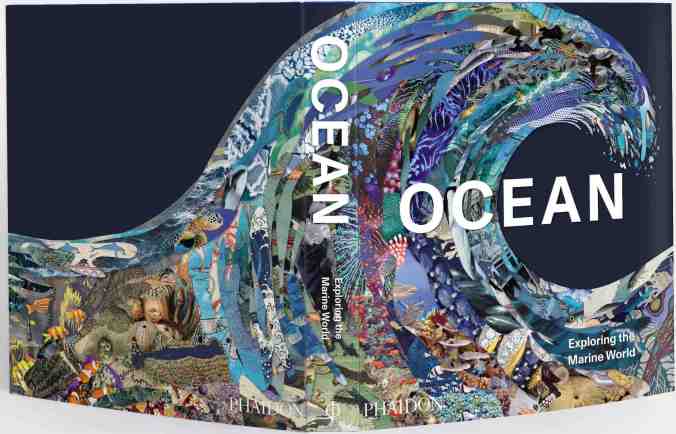
Ocean, Exploring the Marine World: (Pre-order)Phaidon Editors, with an introduction by Anne-Marie Melster

Price£44.95

About the book

Pre-order now. This title will ship from September 8th, 2022.

Experience the force, mystery, and beauty of the ocean and seas through more than 300 images – featuring underwater photography, oceanographic maps and scientific illustrations, as well as paintings, sculptures and popular films.

Oceanography and art collide in this visual celebration of humans’ relationship with the marine world. Continue reading

If You Happen To Be In New York City

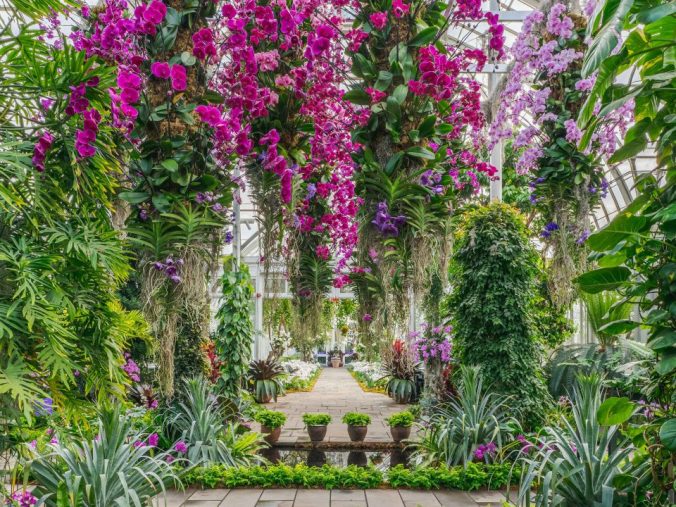
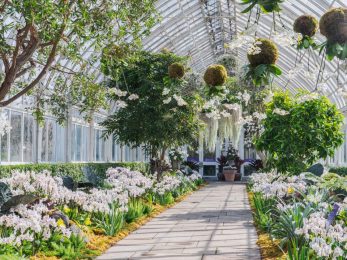
If you have are in New York City with some time on your hands, immerse yourself in The Orchid Show: Jeff Leatham’s Kaleidoscope .

We who live in Costa Rica, or other places where orchids are abundant, are fortunate but can only dream of this sort of abundance on display in one location:

February 26 – May 1, 2022

10 a.m. – 6 p.m. | At the Garden

Experience Famed Designer Jeff Leatham’s Bold and Colorful Vision

The dazzling floral creations of Jeff Leatham, famed artistic director of the Four Seasons Hotel George V in Paris and floral designer to the stars, return for The Orchid Show’s 19th year. Continue reading

Other Sides Of Svalbard

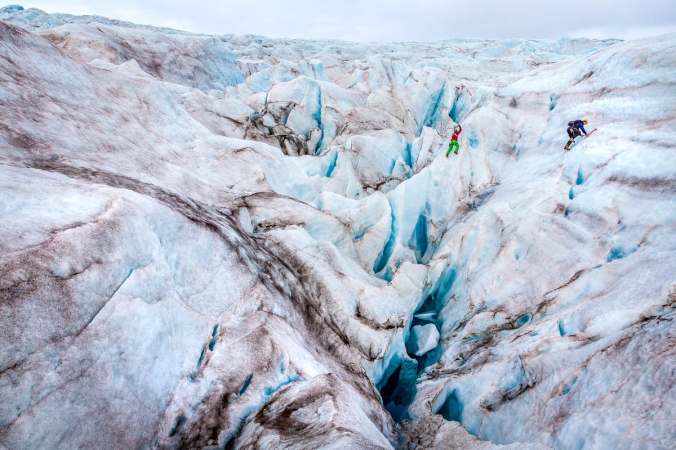
Among the land-based activities available on Svalbard, glacier hiking and ice climbing are perhaps the most challenging — and rewarding. Just watch where you put your feet and your ice axe.

Starting 7+ years ago, each previous mention of Svalbard in our pages has focused on the vault until an article two years ago got us to look up and around. Now again this week we have good reason for looking beyond the vault. Marcus Westberg wrote an article, with stunning photos he took, Bearing Witness to Svalbard’s Fragile Splendor:

The strong summer sun melts the top layer of ice on Austfonna, Svalbard’s largest ice cap and Europe’s third-largest glacier, creating myriad gushing waterfalls.

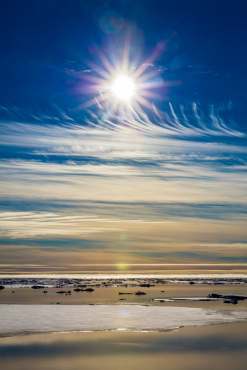
A never-setting sun very quickly muddles one’s ability to tell time. This photograph was taken just before 11 p.m.; without a watch and regular mealtimes I could have easily mistaken it for any other time of day.

To visitors, the Norwegian archipelago can seem both ethereal and eternal. But climate change all but guarantees an eventual collapse of its vulnerable ecosystem.

Mesmerized, I would lean against the railing at the front of the ship, alone, for hours on end. Over the course of 10 days, no two moments were the same. The Arctic world was constantly shifting and changing around me as we slowly made our way through ice and open sea, past whales, walruses, birds and bears.
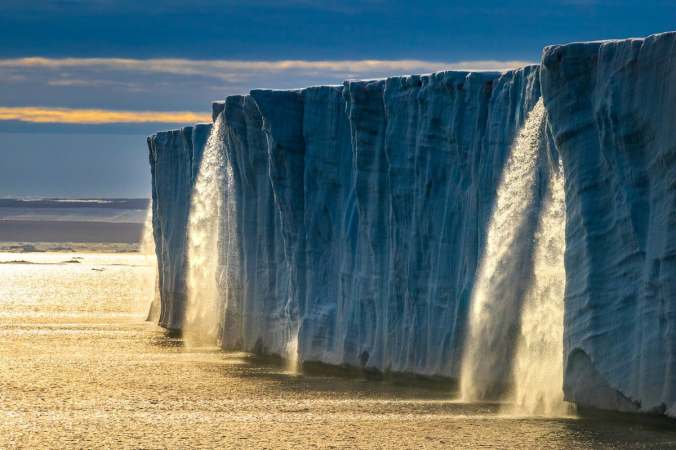
Except to keep track of mealtimes, watches were irrelevant; in the summer, this far north of the Arctic Circle, the sun never goes anywhere near the horizon. Continue reading

If You Happen To Live In A Place With Little Or No Light Pollution

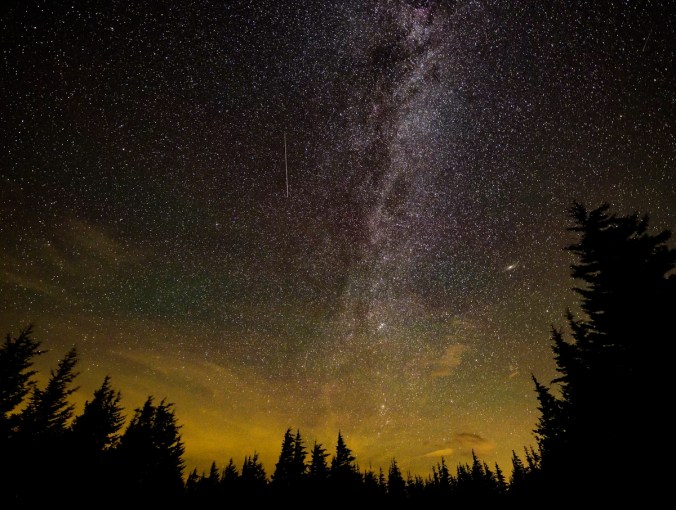
In this 30-second exposure, a meteor streaks across the sky during the annual Perseid meteor shower in Spruce Knob, W.Va. Bill Ingalls/NASA via Getty Images

Tonight is the best night for viewing this spectacle. Thanks to National Public Radio (USA) for this heads up:
The ‘Best Meteor Shower Of The Year’ Is Peaking Soon. Here’s How You Can Watch
The Perseid meteor shower is upon us, peaking this week, and it will fill the night sky with streaks of light and color until Aug. 24. Continue reading

Adventures In Blue

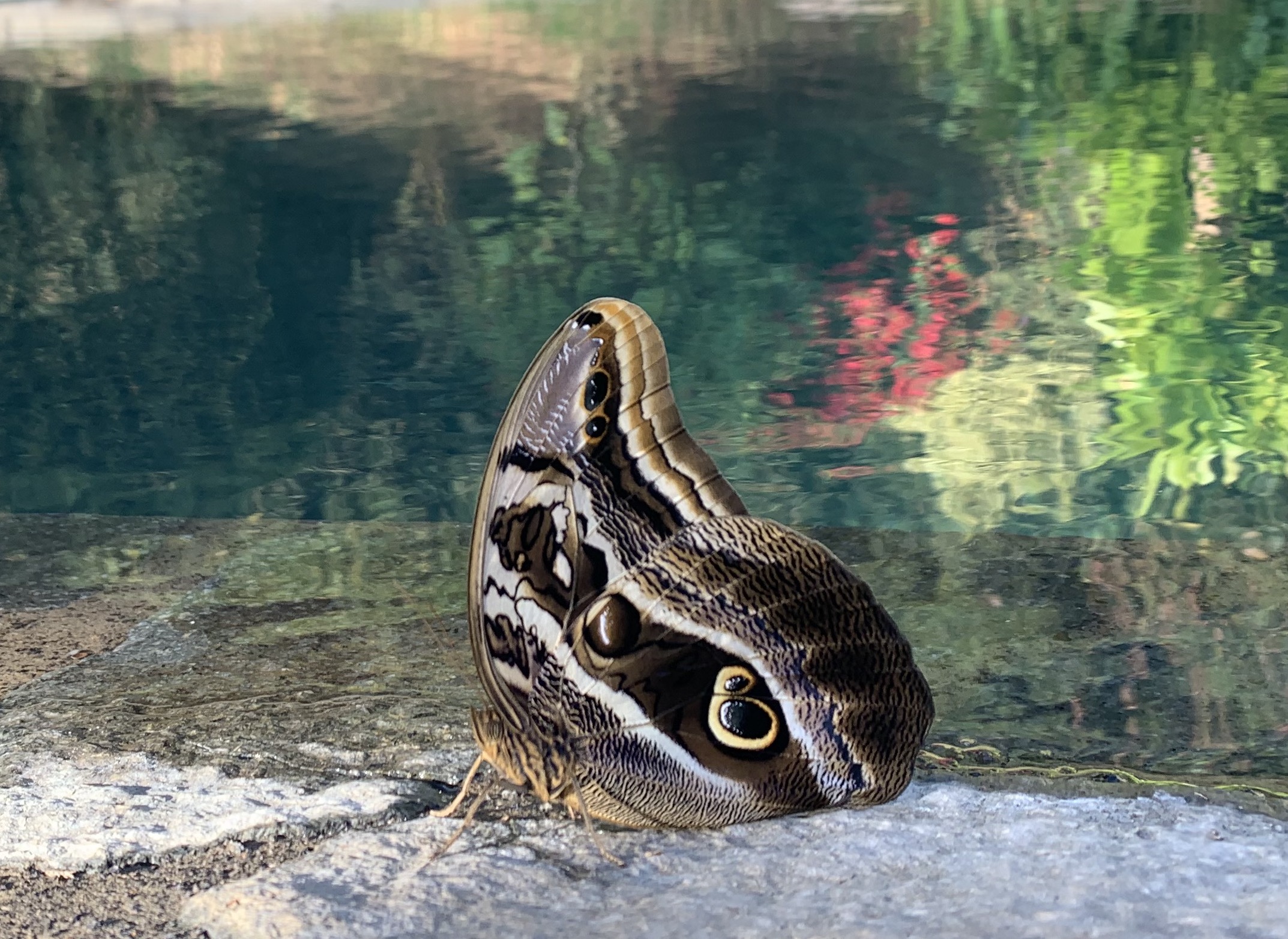
Blue morpho butterfly

The last time I posted about a blue insect you could see the blue. In the case of this butterfly above, all the blue is on the upper side of the wings, hidden in this view. To wrap up the thoughts started a couple days ago, I share a few more photos that for me qualify as visual micro-adventures.

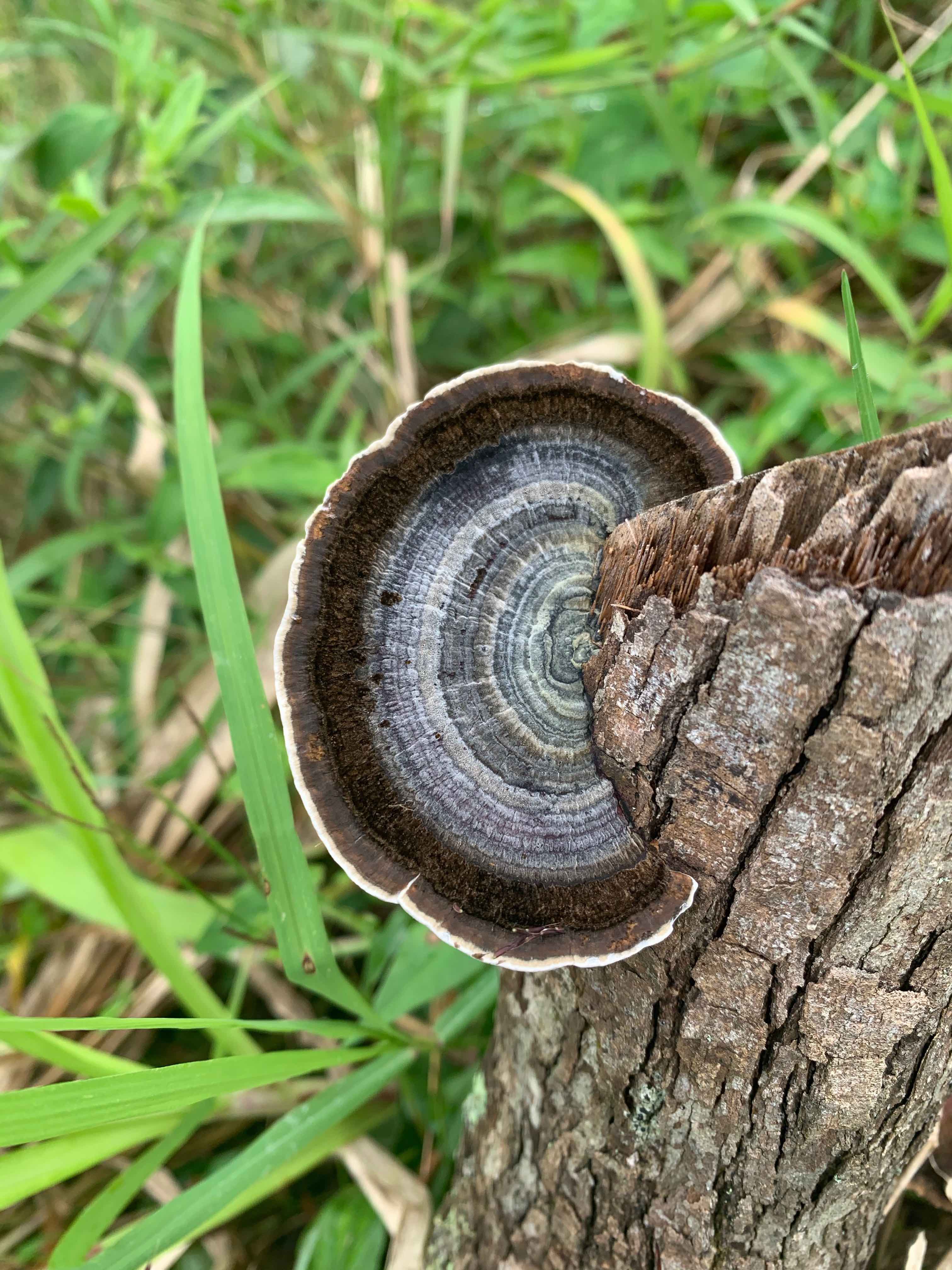
Probable identification: one of the 50 or so species of the Trametes genus of fungi

I do not know the species of this fungi, but I find it remarkable that it comes to my attention just after the surprise of seeing a blue morpho butterfly, not commonly seen on this land in Escazu. Remarkable because some of the colors in common, including an unexpected hint of blue.

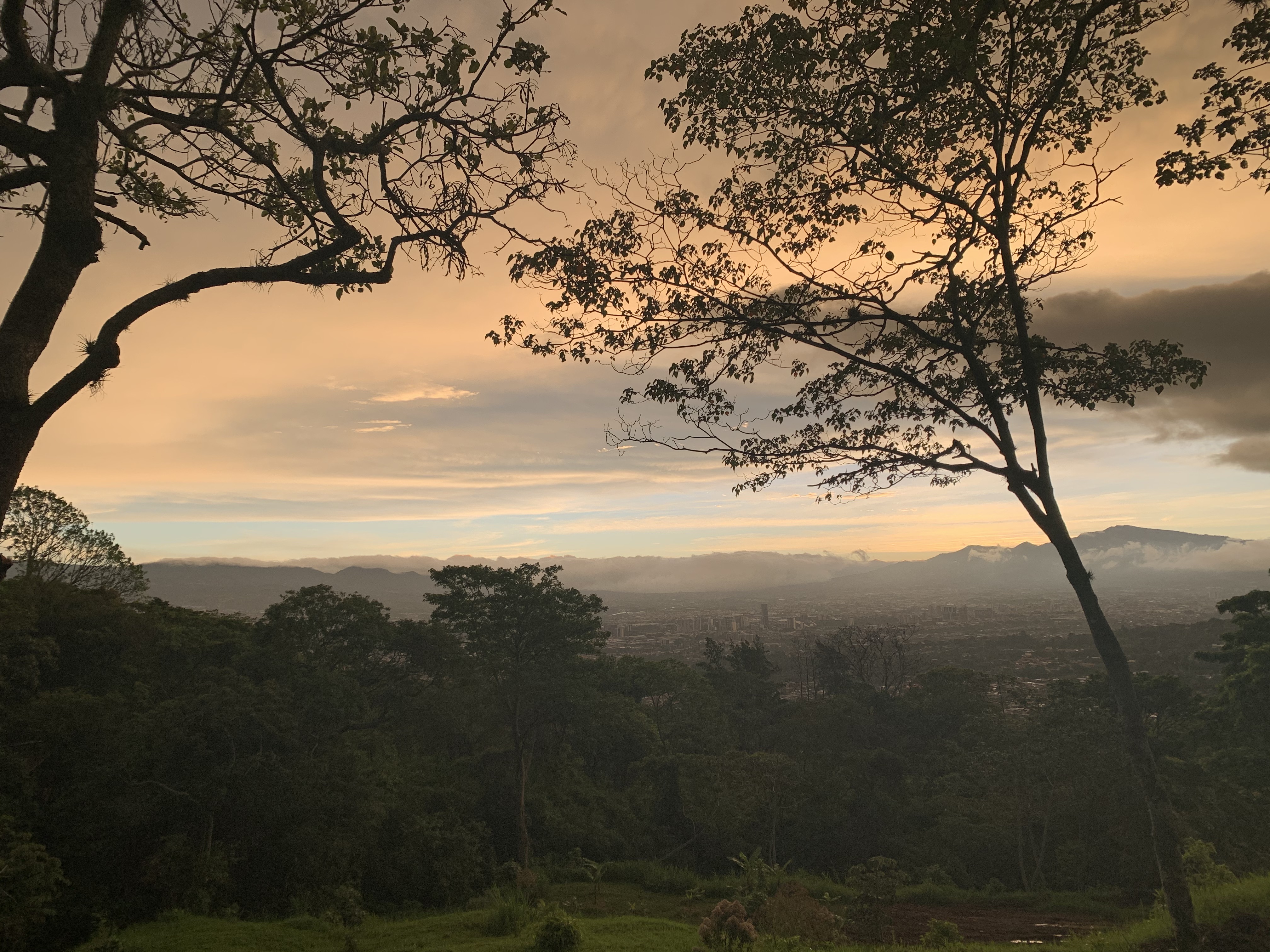
View to the east from Escazu as sun sets

Likewise, by the end of a day on this land, dusk may not produce a classical awe, but in the context of the various shades of brown it is something to still see some blue.

Forest Solitude, A Germanic Tradition

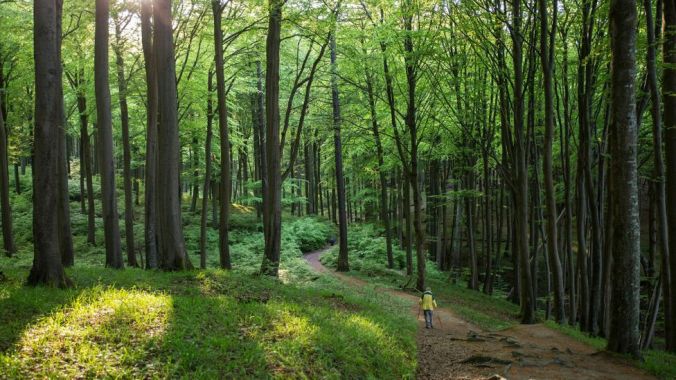
With forest making up around 33% of Germany’s land area, woodlands have become a central part of German culture (Credit: Westend61/Getty Images)

Thanks to the BBC for this article about the Germanic tradition of waldeinsamkeit:

Waldeinsamkeit is an archaic German term for the feeling of “forest loneliness” (Credit: Marco Bottigelli/Getty Images)

Everybody is at it in Germany. They’re doing it in the trees in the Black Forest. Out in the magical Harz Mountains. In the national parks of Bavaria when silhouetted in the moonlight. And in the city centre woodlands of Berlin and Munich. Continue reading

The Mural Is The Thing

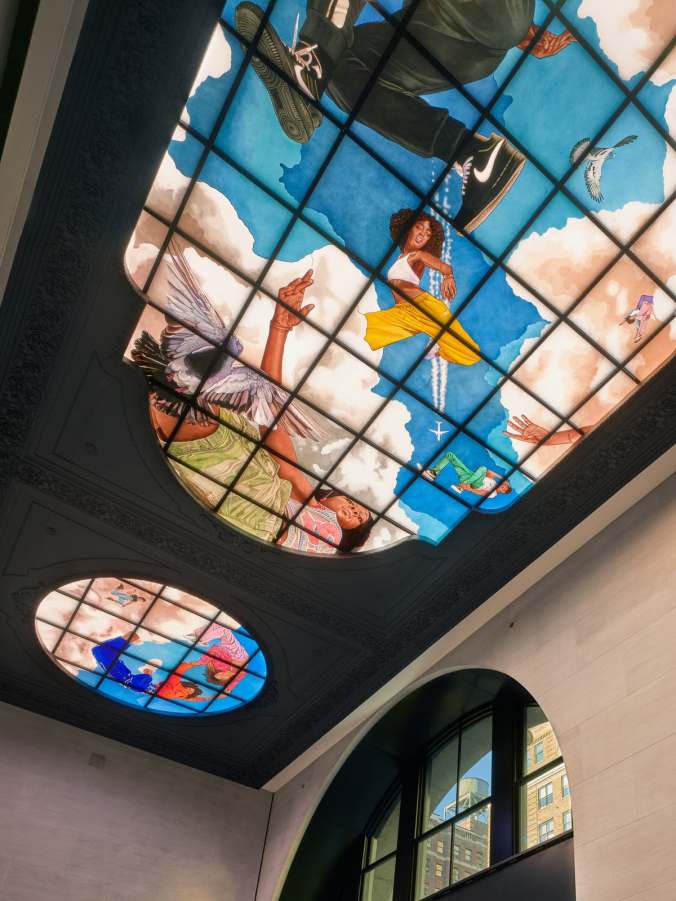
Kehinde Wiley’s backlit, hand-painted, stained-glass triptych called “Go” depicts sneaker-clad break dancers who appear to float across a blue sky. The woman’s pointing finger nods to the Sistine Chapel’s “Creation of Adam.” Andrew Moore for The New York Times

In the mid-1980s we lived a few blocks south of Penn Station, and avoided it studiously. If I could right now, I would rush to see it, thanks to Ian Volner’s essay below. I recommend reading it in full because it is neither puff piece nor fashion statement, but a comment on important issues of our day. Like the two essays I referenced earlier by Casey Cep, this essay makes me believe in the importance of this project, as if the project itself is a public statement of intent. The description of the stained glass mural was more than sufficient, but still I had to find an image of it (the one above is from a review I missed a few weeks ago in the New York Times).

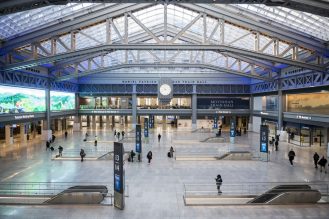
The Moynihan Train Hall’s Glorious Arrival

The new transit hub redeems the destruction of the original Penn Station. Photograph by Mark Kauzlarich / Bloomberg / Getty

The film noir “Killer’s Kiss,” from 1955, is an almost perfect dud. But because it was filmed on location in New York—and because its director was a twenty-seven-year-old photographer named Stanley Kubrick—it’s worth watching for the first scene and the last, which occur in the same place: the passenger concourse of the original Pennsylvania Station in Manhattan, where the protagonist, having escaped from shadowy thugs, waits impatiently for his lover. Kubrick captures the hero from a low angle, and, overhead, the arched trusses holding up the station’s glass-and-iron roof seem impossibly high. The building looks very dirty, but the ambient soot in the air catches the sunshine as it streams down from above, making the light appear more abundant, almost solid. Continue reading