Honeybee Facts & Figures

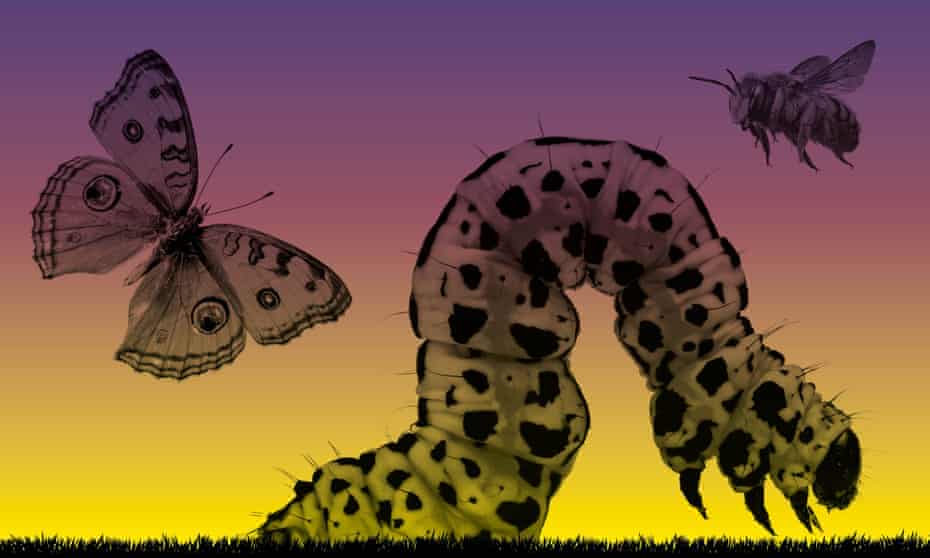
Illustration by Matteo Giuseppe Pani. Source: Getty.

We have done our part to share, perhaps erroneously, that honeybees are in trouble. We hope we have been wrong:

The Great Honeybee Fallacy

For years, people have understood them to be at imminent risk of extinction, despite evidence to the contrary. Why?

Everyone, for so long, has been worried about the honeybees. Continue reading

Honeybees & Salvation

Sarah Kliff

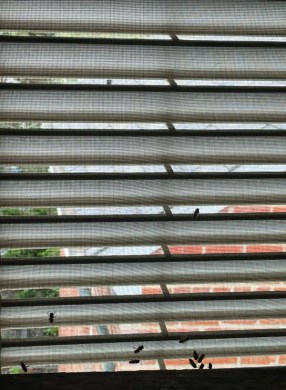
We had an experience with honeybees in our home in Costa Rica that echoes the one related below. We did get someone to help us extract the colony from under our roof and re-situate it as you can see in this photo. We were fortunate to find that man who did the extraction, but my takeaway was not that honeybees do not need saving. Read on:

Honeybees Invaded My House, and No One Would Help

Responding to fears of a “honeybee collapse,” 30 states have passed laws to protect the pollinators. But when they invaded my house, I learned that the honeybees didn’t need saving.

I noticed the first bee one afternoon as my dog gleefully chased it around the house. When the pest settled on a window by the stairwell, I swatted it with a cookbook and cleaned up the mess. Continue reading

Melipona Bees, A Peruvian Wonder

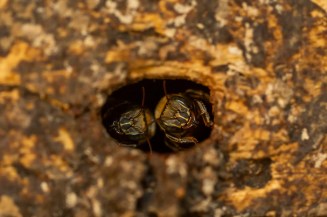
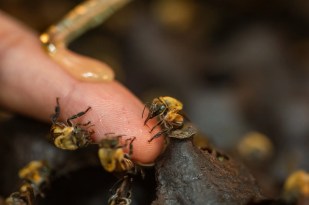
Melipona eburnea, a species of bee, is native to the Amazon. Unlike the more familiar but invasive honey bees from Africa and Europe that have spread through the Americas, these bees don’t sting. Ana Elisa Sotelo for National Geographic

The countless wonders of bees, as well as the many problems they now face, have made Melipona bees, also known as stingless bees, of particular interest to our daily scan for news stories:

Native to the tropics, these pollinators are taking a lead role in one of the latest efforts to conserve the Amazon rainforest.

More Honey & Bees, Also

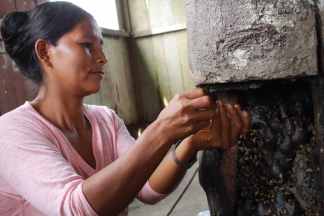
Tarkis Ríos Ushiñahua harvesting honey from stingless bees in a tree-trunk hive, at her home in Puerto Huamán in the Peruvian Amazon, 2019. [Hannah Hutchinson]

Along with anything else to get 2024 off to a good start, an article by Andrew Wingfield and Michael P. Gilmore that we missed from last year. The topic is one that we have only briefly touched on a couple times. The wider world of honey and the bees responsible for it are topics we hope to share more of this year.

To begin, let this bring some joy:

A Sweet and Potent Harvest

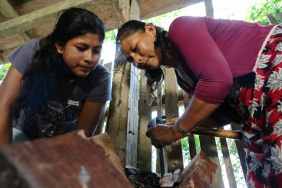
Tarkis Ríos Ushiñahua teaches her daughter to divide a hive, 2022. [Dylan Francis]

For the Maijuna of the Peruvian Amazon, harvesting honey from stingless bees is bringing prosperity and empowerment. Local beekeeping might also help preserve a vast ancestral forest.When Tarkis Ríos Ushiñahua collects honey from one of her beehives, she wears no protective clothing and uses just one tool, a large plastic syringe. 1 As she lifts the lid from the wooden box housing the hive, the bees swarm. They buzz around her face, land on her back, and settle in strands of her straight black hair, but they do no harm — these bees are stingless.

The bee yard of Loida Ríos Tamayo and Saúl Peterman Mosoline, 2021. [Enrique Redondo Navarro]

The slender tip of Ríos Ushiñahua’s syringe fits neatly inside the hive’s honeypots, brownish, papery-looking pouches that the bees have fashioned from wax and plant resins. Continue reading

Bee Surprised, Again

Bees have long been held to be prophetic—messengers to another realm. Photographs by Alice Zoo for The New Yorker

When reading a couple of days ago that there could be such thing as too many beekeepers, the surprise was sufficient to make me go back through all earlier posts to see if I was merely forgetting having read this before. There were no previous mentions of too many, and if anything it was reasonable to assume from all my readings on colony collapse disorder that more beekeepers might be part of the solution. And now this article is full of more surprises, including the most fundamental question: Is Beekeeping Wrong?

Gareth John, a natural beekeeper, tending a hive.

Parasites and pesticides have brought chaos to bee colonies throughout the world. Natural beekeepers want to transform our relationship to the hive.

On a hot, pollen-dazed morning this summer, I stopped by the house of Gareth John, a retired agricultural ecologist, who lives on a quiet lane above a river in Oxfordshire, to take a look at his bees. In British beekeeping circles, John, who has a white beard and a sprightly, didactic manner, is well known as a “natural beekeeper,” although he acknowledged right off the bat that this was a problematic term. “It’s an oxymoron, right?” he said. John cares for perhaps half a million bees, but he does not think of himself as keeping anything. “I wouldn’t call myself a dog-keeper,” he said. “But I have a dog.” Continue reading

Honey Bee Dangers & Mythology

Gorazd Trusnovec inspects a beehive at the B&B Hotel Ljubljana Park in Ljubljana, Slovenia.

Thanks to this article by David Segal, with photographs and video by Ciril Jazbec, we realize now that even after our dozens of links to articles about bees, one key point was never on our radar. Our beekeeping/honey-making friends in Costa Rica inform us that the opposite is an issue here–in the entire country there are only 800 beekeepers and most of them are small scale hobbyists, and that a national authority (SENASA) controls the density of hives per area:

Mr. Trusnovec at home. “I would say that the best thing you could do for honey bees right now is not take up beekeeping,” he says.

In Slovenia and around the world, conservationists try — and mostly fail — to combat the widespread belief that honey bees are in danger.

When the B&B Hotel in Ljubljana, Slovenia, decided to reinvent itself as an eco-friendly destination in 2015, it had to meet more than 150 criteria to earn a coveted Travelife certificate of sustainability. But then it went step further: It hired a beekeeper to install four honey bee hives on the roof. Continue reading

The Mind Of A Bee

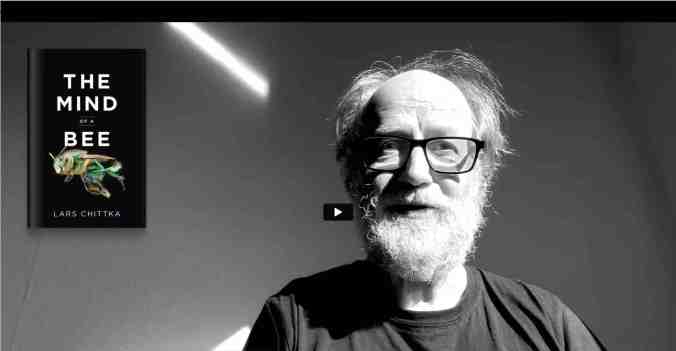
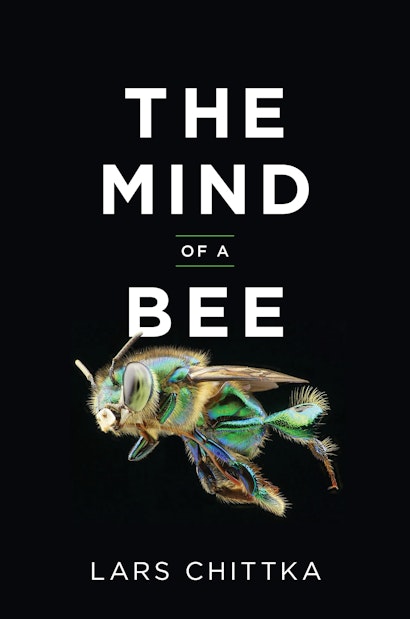
Bees’ brains are always of interest, and both the publisher below and the author above makes a good case for why this book matters:

Most of us are aware of the hive mind—the power of bees as an amazing collective. But do we know how uniquely intelligent bees are as individuals? In The Mind of a Bee, Lars Chittka draws from decades of research, including his own pioneering work, to argue that bees have remarkable cognitive abilities. He shows that they are profoundly smart, have distinct personalities, can recognize flowers and human faces, exhibit basic emotions, count, use simple tools, solve problems, and learn by observing others. They may even possess consciousness. Continue reading

Notes From A Pennsylvania Garden

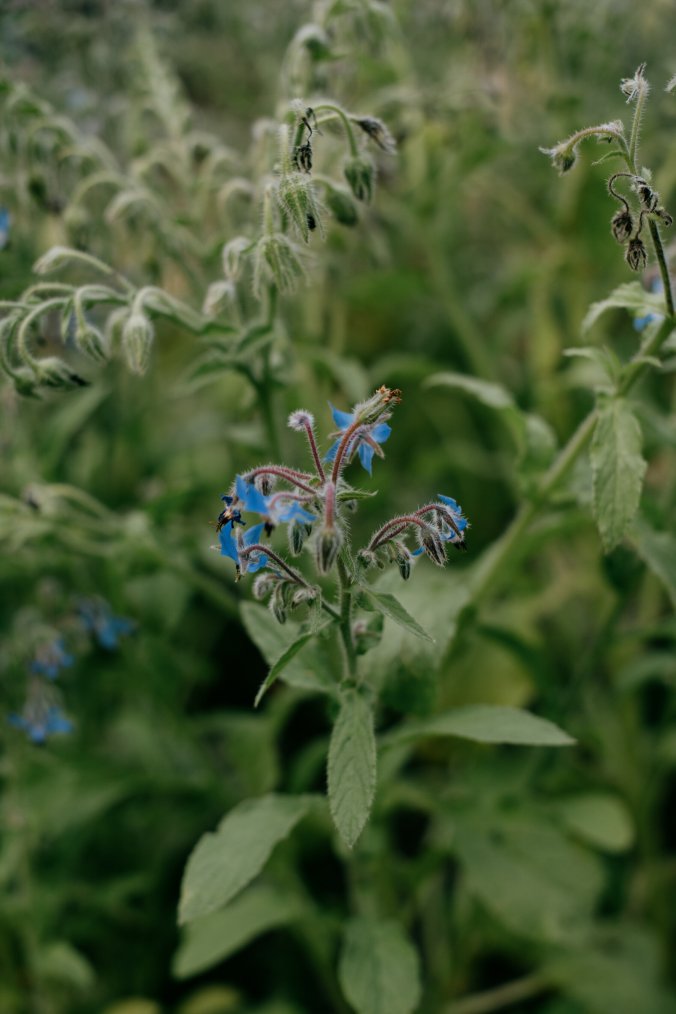
Borage

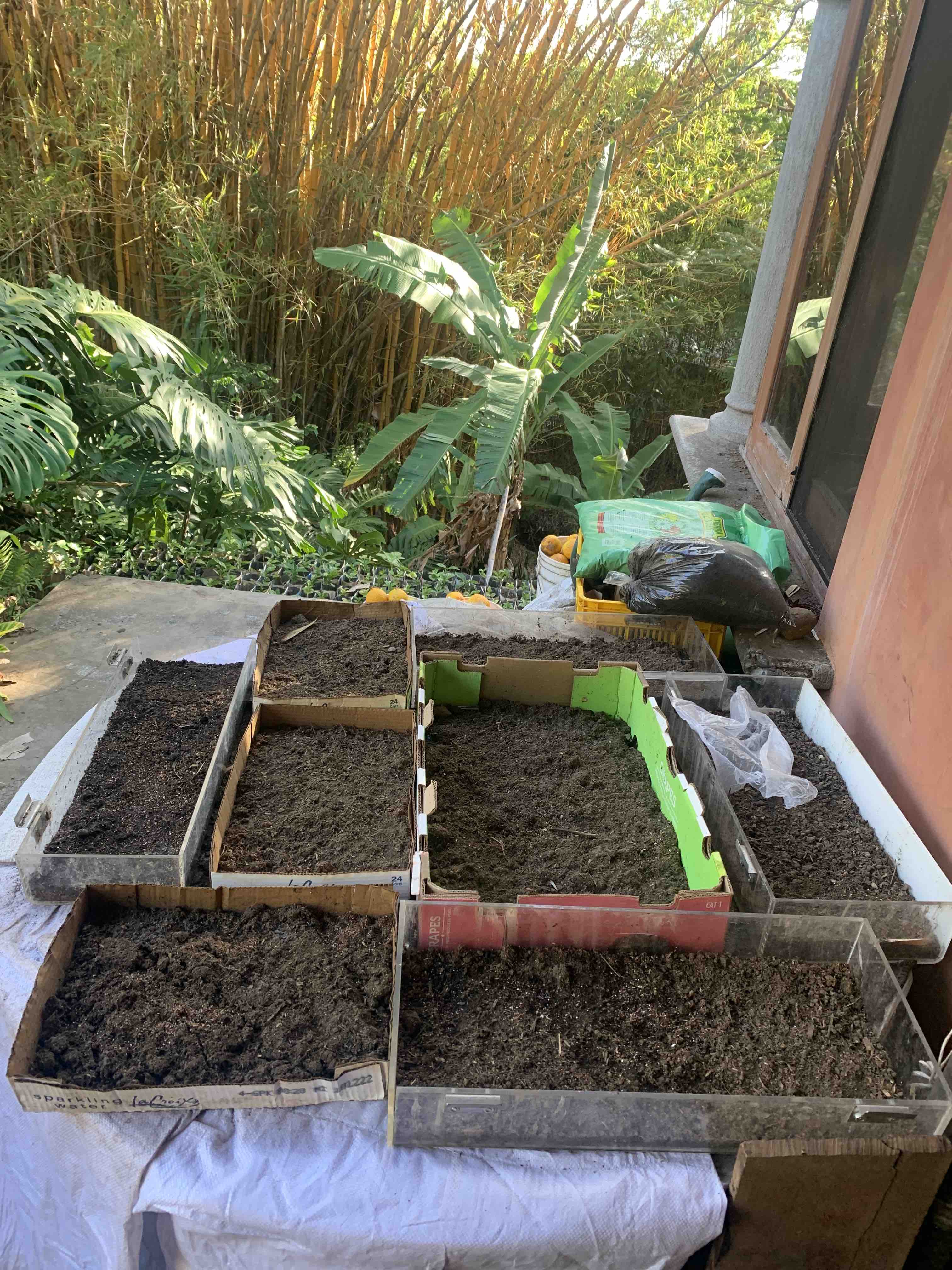
The thoughts and images in this article inspire pre-dawn work on that soil I mentioned yesterday. We do not have the heat here that she does there, but the nudge to go out in the dark is welcome. My attention has been solely focused on regeneration below for the coffee that once  thrived above ground. Time to start thinking of accent colors and other edibles:

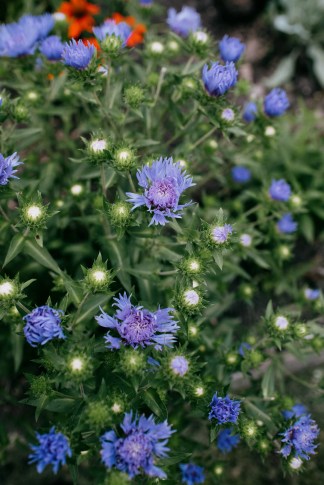
Stokes asters

What You Discover When You Garden at Night

Daytime heat forced a writer with a green thumb to change her routine. She found unexpected pleasures.

When it’s too hot to garden during the day, what is there to do but garden at night? Neither floppy hat nor gobs of sunscreen will lure me into the glare of a hot and humid, possibly record-breaking, 90-plus-degree day. Or, as our local meteorologist reports: one with a heat index of 103. So instead, I venture out into the garden after dinner, dogs in tow, surveying the raised beds in the coolness of evening.

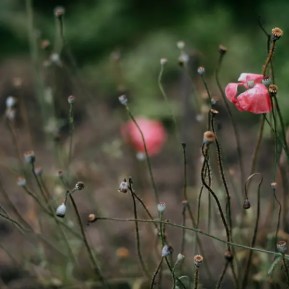
Poppies that have gone to seed, bringing to mind “the coming glory of red, white, and pink blooms” next season.

I carry a basket full of seeds, green string to tie the tomatoes higher, and wooden stakes and black markers to record once again what I have sown, some new crops and others a repeat of those planted earlier in the season. It is midsummer now and the lettuce, radishes, and shallots are fading, but the basil and tomatoes, beans and zucchini are finally coming into their own. A little more rain and warmth and I will be able to make my first tomato sandwich, one of the driving forces, no doubt, behind planting a vegetable garden. Continue reading

The Diligence Of Local Bees

Native Bees Yield Hardier Flowers Than Honey Bees, Research Finds

Bees getting the scientific attention they deserve, our thanks to Yale e360 for summarizing and sharing these findings:

Native Bees Yield Hardier Flowers Than Honey Bees, Research Finds

Flowers pollinated by native bees produce fitter offspring than flowers pollinated by honey bees, according to a new study carried out in San Diego, California. Continue reading

California Bumble Bee Atlas

Leif Richardson examines a queen bee. Grace Widyatmajda/NPR

Bumble bees need help and the California Bumble Bee Atlas Project is on it. Thanks to National Public Radio (USA) for bringing it to our attention:

Krystle Hickman, a bee photographer and volunteer for the Bumble Bee Atlas Project, carefully places a bee onto a flower.
Grace Widyatmadja/NPR

Nets, coolers and courage: A day in the life of a volunteer bee conservationist

I never realized how fuzzy a bumble bee is until I got to hold one between my fingertips. It feels like a furry black and yellow bear, buzzing with its tiny body, wriggling with its legs.

The conservation biologist Leif Richardson, who handed me this bee a moment ago, has some advice for holding it. “You’re going to squeeze harder than you think you need to, but not so hard that you hurt him.” Continue reading

Bees’ Brains

Bees are in a class by themselves as pollinators, a role that requires a sophisticated mind, says one expert. Photograph: Alamy

Stories about bees in our pages are the proverbial bees knees, again, this time with some information on their sense of the world:

‘Bees are sentient’: inside the stunning brains of nature’s hardest workers

‘Fringe’ research suggests the insects that are essential to agriculture have emotions, dreams and even PTSD, raising complex ethical questions

When Stephen Buchmann finds a wayward bee on a window inside his Tucson, Arizona, home, he goes to great lengths to capture and release it unharmed. Continue reading

Protecting Insects Requires More Effort

The large marble butterfly is now locally extinct in some places. Rick and Nora Bowers/Alamy

Insects matter, and our thanks to Catrin Einhorn for making it more clear why:

Are Butterflies Wildlife? Depends Where You Live.

A legal quirk leaves officials in at least a dozen states with little or no authority to protect insects. That’s a growing problem for humans.

It’s tough being an insect. They get swatted, stomped and sprayed without a thought. Their mere presence can provoke irrational panic. Even everyday language disparages them: “Stop bugging me,” we say. Continue reading

Bee Bus Spots

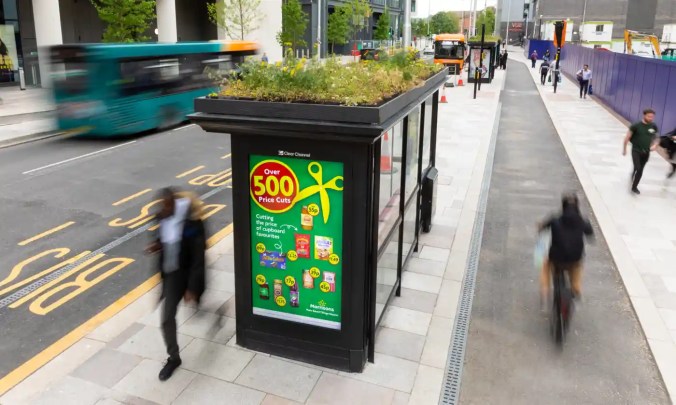
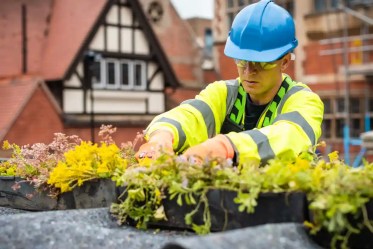
A living roof in Cardiff planted with pollinator friendly plants. Photograph: Clear Channel

Phoebe Weston brightens our day with this story:

Planting at one of 30 bee bus stops in Leicester. Photograph: Clear Channel

Buzz stops: bus shelter roofs turned into gardens for bees and butterflies

Bee bus stops first appeared in the Dutch city of Utrecht. Now the UK is planning for more than 1,000 and there is growing interest across Europe and in Canada and Australia

Butterflies and bees are getting their own transport network as “bee bus stops” start to pop up around UK cities and across Europe. Humble bus shelter roofs are being turned into riots of colour, with the number of miniature gardens – full of pollinator-friendly flora such as wild strawberries, poppies and pansies – set to increase by 50% in the UK by the end of this year. Continue reading

Cornell Botanic Gardens & Promises Fulfilled

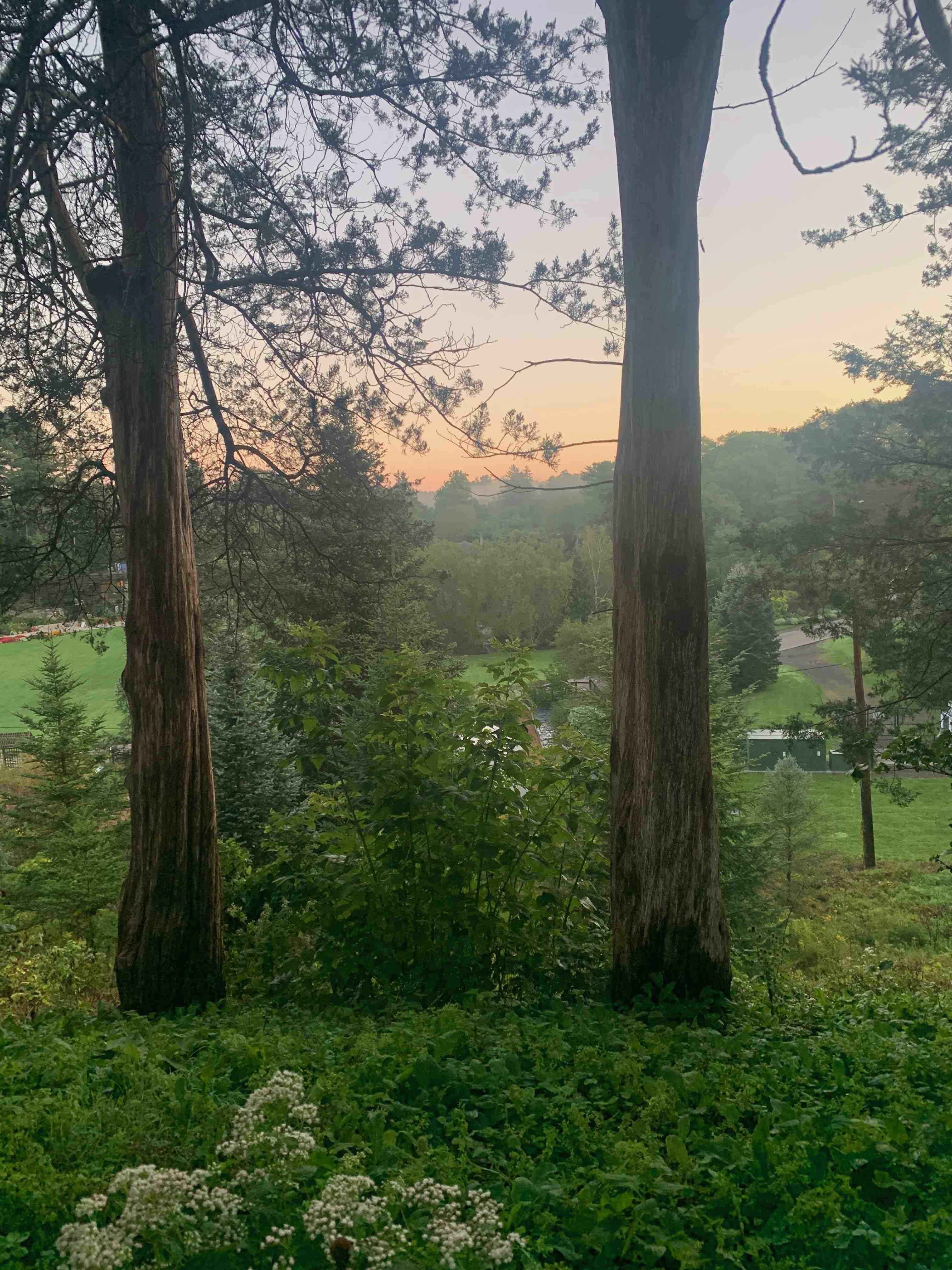
Picking up where I left off yesterday, this group of photos captures the essence of my morning walk. Destination: the Botanic Gardens on the campus of Cornell University. The photo above is from one of the main campus roads, looking down onto my destination. Continue reading

Cornell Parking Learning Hotspots

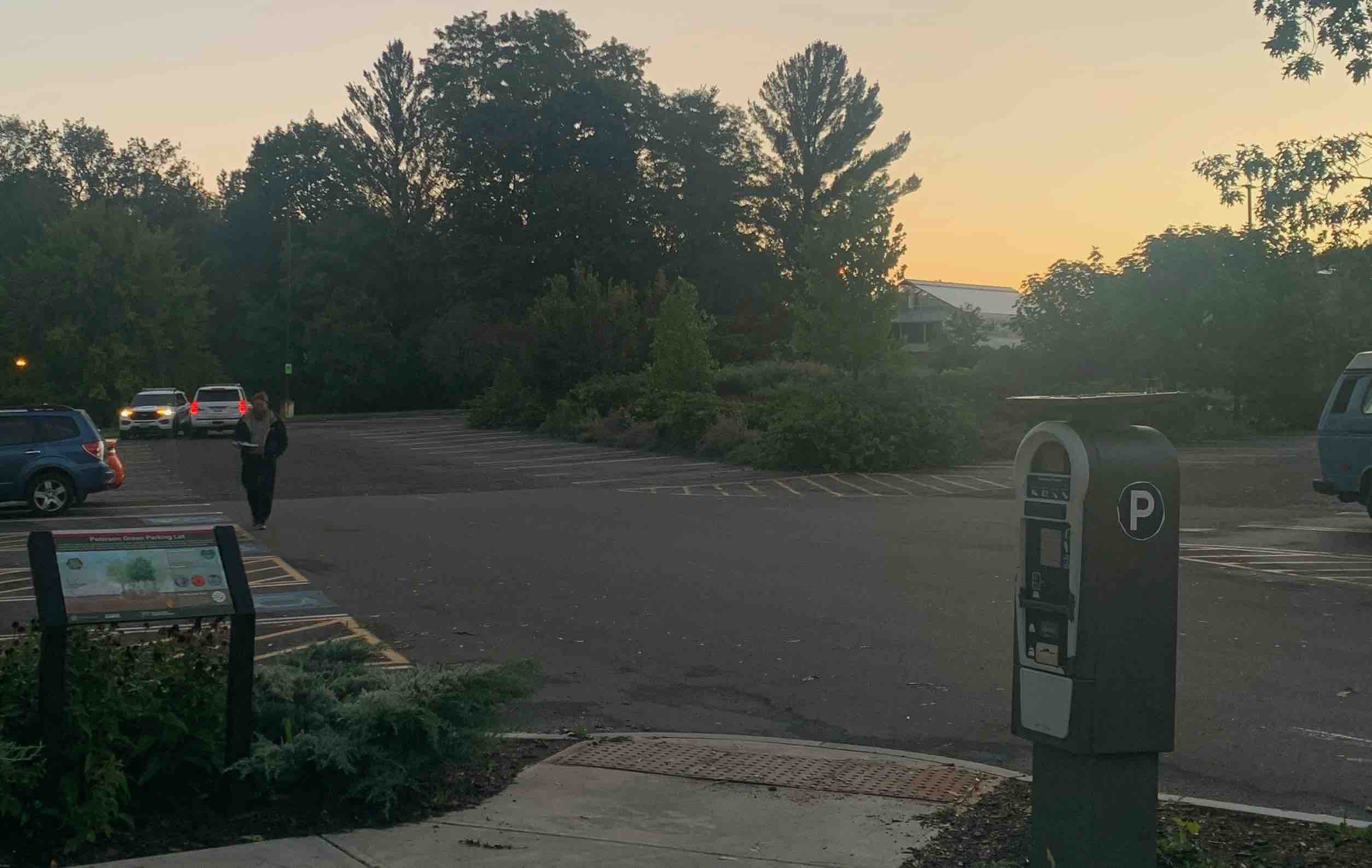
On my final morning of this visit to the Cornell campus I started a walk at sunrise. I discovered that parking lots around campus now have learning embedded in them. Continue reading

Sticks + Time = Hummingbirds

remaining branches of treacherous spine bush

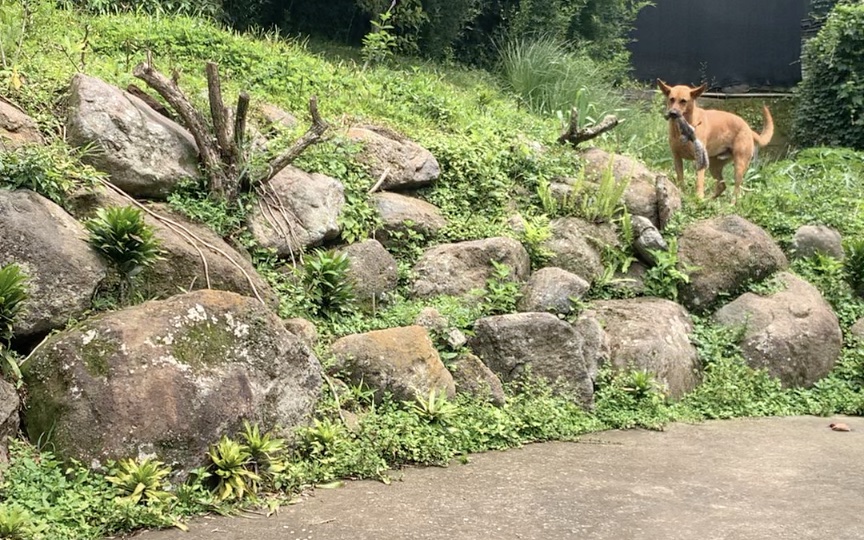
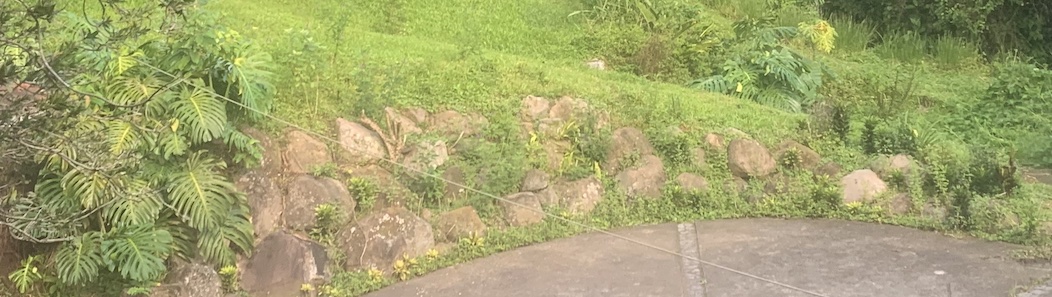
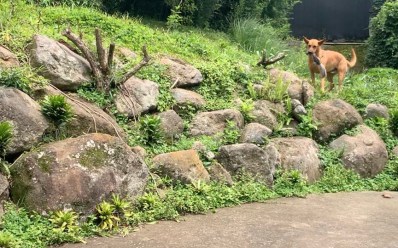
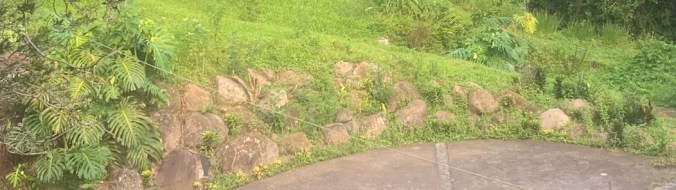
14 months ago the pandemic still allowed, which is to say forced, creative use of abundant time and limited budget, so I took a day or so to rethink this pile of rocks. It curves around where we park our car and had been covered by a gigantic bush.
build back better

That bush produced spines abundantly and flowers sparingly. While spines may offer ecosystem services I have not yet learned about (other than self-protection for the plant itself), we are focused on regenerating bird habitat, so flowers count more in our calculus. In June, 2021 I cut the bush back to the short branches seen in these photos above.
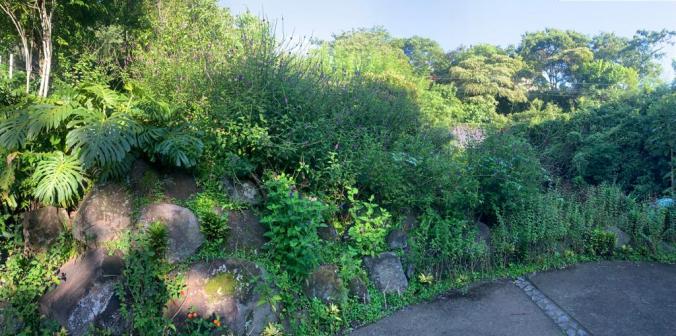
Spearmint, which can be seen growing straight up on the lower right side of this photo, is for scent, and then for tea; the rest is for the winged folk.

The treachery removed, the slate was blank, and the opportunity to build back better was clear. Hummingbirds and butterflies focus on the bushy abundance covering most of the area.

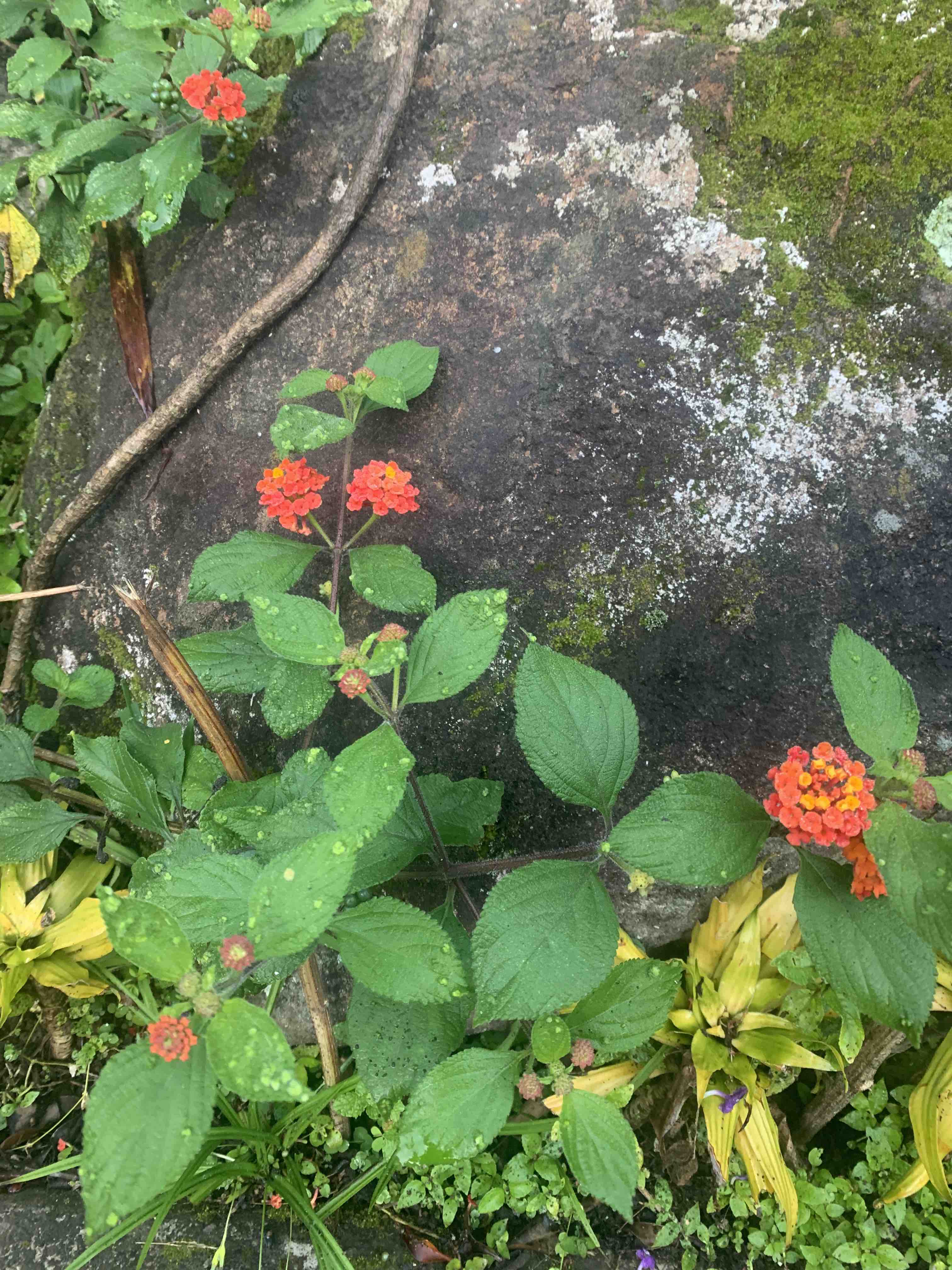
The bushes producing these orange flowers are slower to fill in

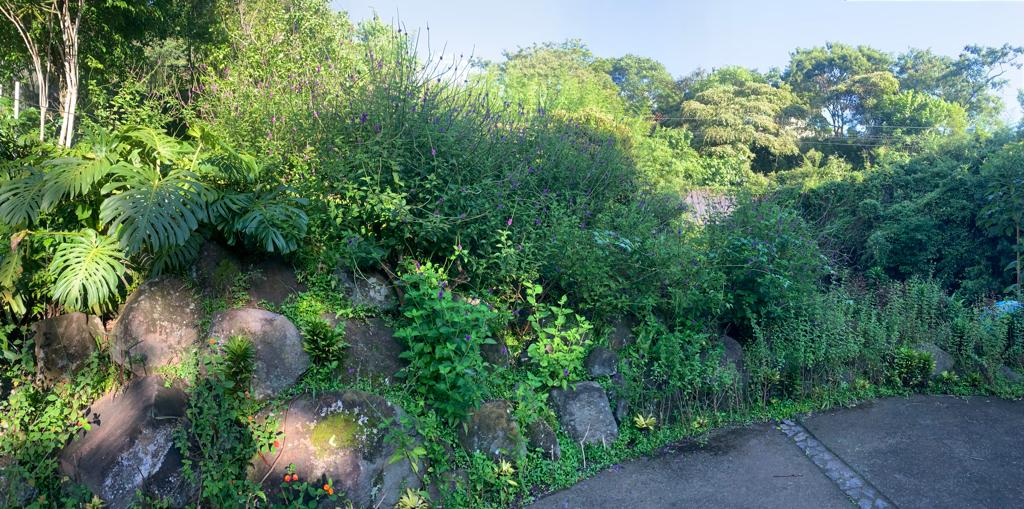
I went through the exercise that Ari described yesterday, trimming back a couple of bushes that hummingbirds and butterflies favor. I cut the branches into one foot long stalks and stuck about 100 of them into the soil in between all those rocks. 14 months later, here is what we have. Difficult to see from the macro view, flowers are constantly available for the pollinators. Every day, dozens of hummingbirds and numerous species of butterflies can be seen in these flowers. With a camera phone I am not well equipped to capture good photos of those, but when someone else does so we will share here.
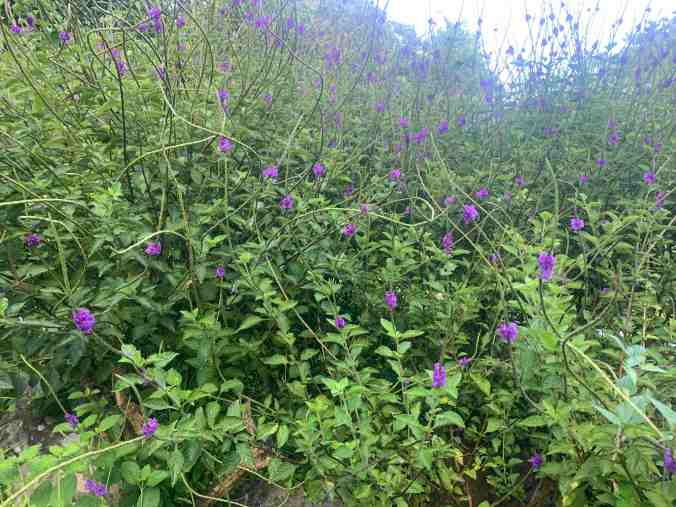
Sticks + Time = Hummingbirds

Coffee, Birds & Bees

Seedlings from coffee picked in early 2021

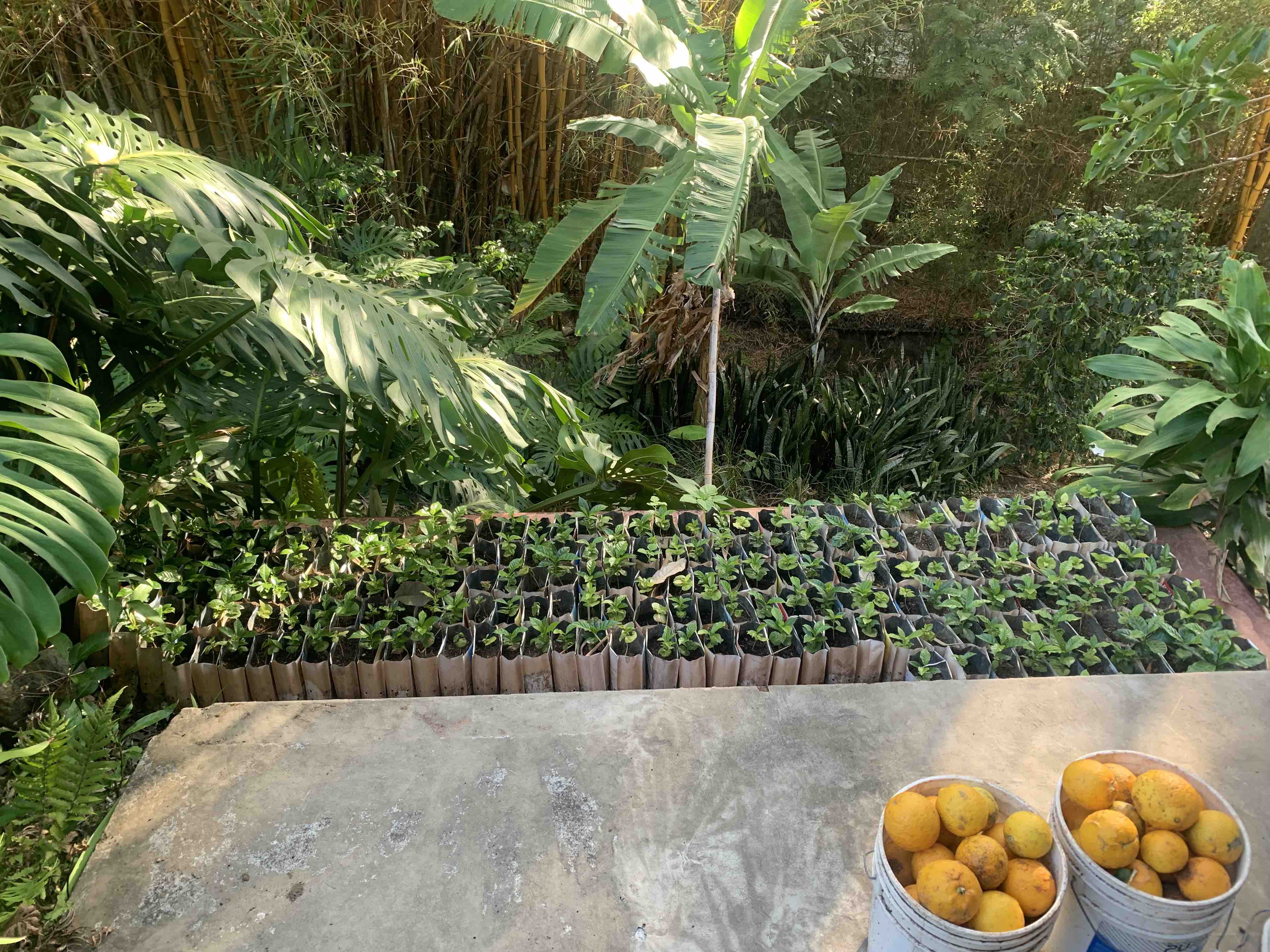
On a couple of acres of mountain land in Escazu, on property that once was part of a larger coffee farm, we have been preparing to plant a thousand or so coffee saplings, which will eventually become trees among trees. Above are the thriving seedlings from 2021 germination, and below the early stage of germination from this year’s pickings.

Germination of coffee picked in early 2022

Coffee culture has been a long time in the making, so the slow pace of the Organikos arc has not intimidated me. And yet, if I could speed it up, I would because of the variety of beneficiaries.

Today an article by Cristen Hemingway Jaynes on the website EcoWatch brings to my attention a team of researchers who I will pay more attention to. Some are here in Costa Rica, at CATIE; the others at University of Vermont. Their work makes me appreciate the value of getting on with this:

Birds and Bees Make Better Coffee, Study Finds

Birds and bees work together as pollinators. DansPhotoArt on flickr / Moment / Getty Images

For many people, one rich, pleasant smell signals the start of a new day more than any other: coffee. Different techniques have been used to get the best cup of the caffeine-rich liquid, from a French press to the pour-over method.

A unique new study has found that the secret to better coffee is really in control of the birds and the bees. Continue reading
Care For The Little Ones Among Us

Illustration of insects

Thanks to the Guardian for providing this biologist the platform to explain to us why insects matter so much:

The insect apocalypse: ‘Our world will grind to a halt without them’

Insects have declined by 75% in the past 50 years – and the consequences may soon be catastrophic. Biologist Dave Goulson reveals the vital services they perform

I have been fascinated by insects all my life. One of my earliest memories is of finding, at the age of five or six, some stripy yellow-and-black caterpillars feeding on weeds in the school playground. I put them in my empty lunchbox, and took them home. Eventually they transformed into handsome magenta and black moths. This seemed like magic to me – and still does. I was hooked. Continue reading
Bombus Polaris, An Adaptive Winner

PHOTOGRAPH: KATIE ORLINSKY/NEW YORK TIMES/REDUX

Arctic bumblebees came to our attention nearly five years ago, and this story below reminds us that while climate change is not a zero sum game–it is more like a game of perpetual loss, which is more like what we have witnessed with bees in general–there are some winning adaptations in some locations:

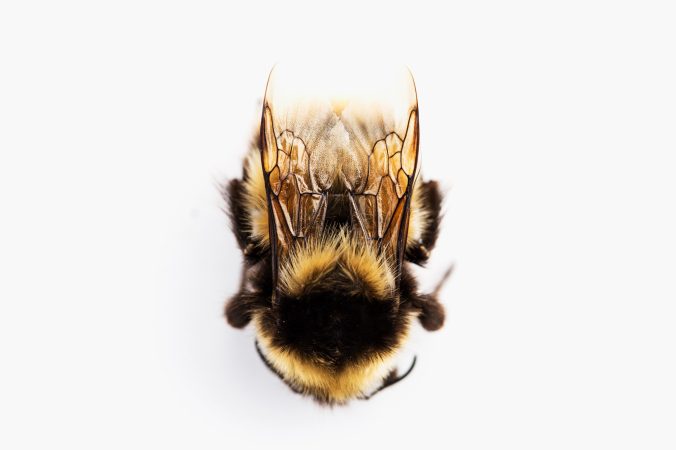
The Quest to Tally Alaska’s Wild ‘Warm-Blooded’ Bumblebees

Extreme environments offer them an unexpected paradise. Now researchers and conservationists want to get a head count.

“People don’t come to Denali and other parks in Alaska to look at bumblebees, but they should,” says Jessica Rykken, entomologist for Denali National Park and Preserve. The “Last Frontier” state may be known for supersized wildlife, from bears to moose, but on a smaller scale, the diversity of bumblebees (or bumble bees, depending on whom you ask) there is unusually high, and powers entire ecosystems. Continue reading

New Methods For Bee Species Protection In Photos

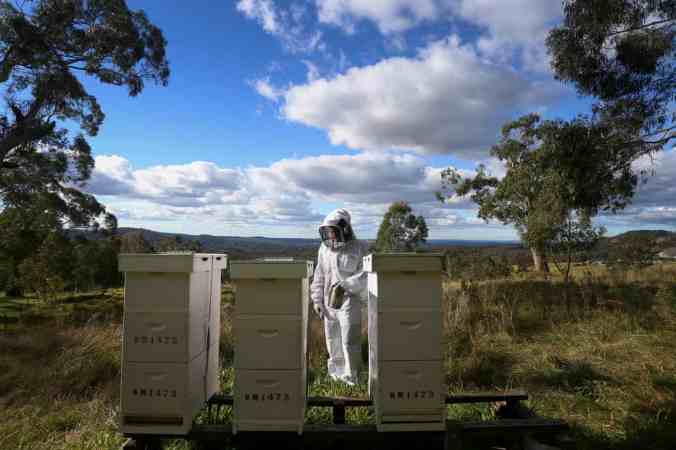
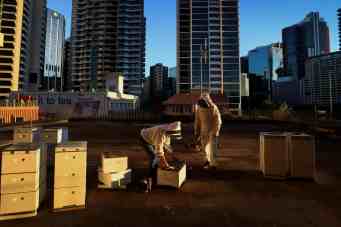
Apiarist Darryn McKay of Bowral Bees inspects hives in Bowral. McKay is a ‘farm to gate’ beekeeper with a number of hives hosted in the southern highlands. He also provides bee swarm collection and runs workshops.

Thanks to the Guardian: