Tapir Encounter @ Chan Chich Lodge

IMG_7001

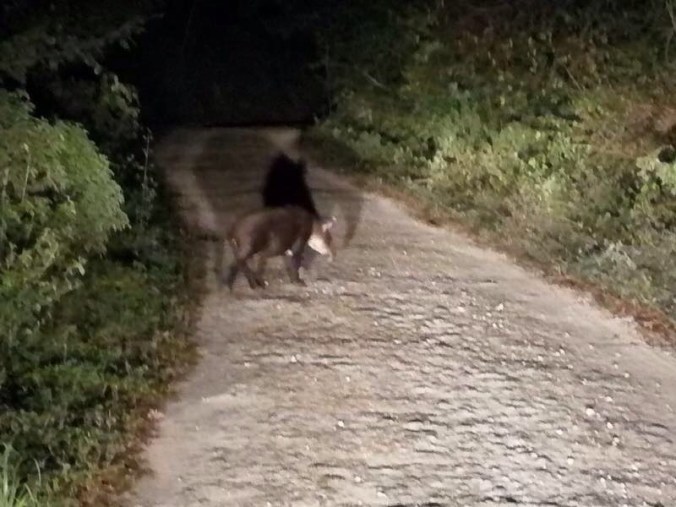
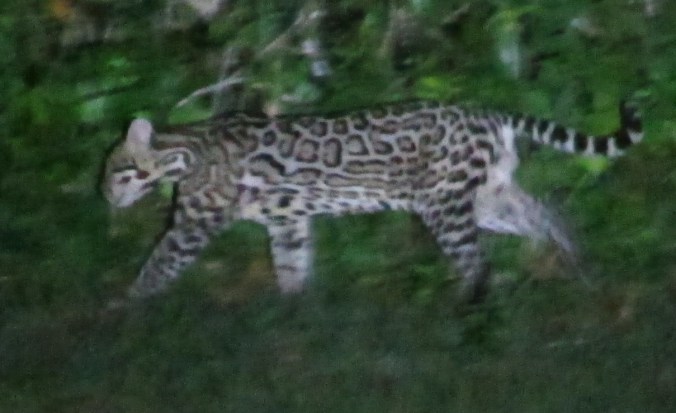
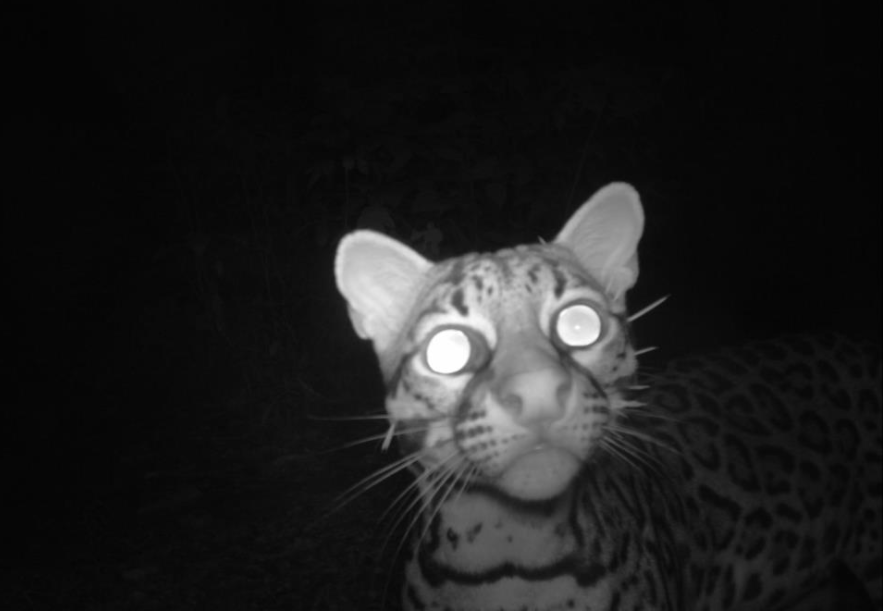
Over the last couple weeks we have had a pretty full range of the animals guests most hope to see. Although the jaguars have been elusive, puma and ocelot have been wandering the nearby forests allowing occasional sightings. But we can guess the jaguar are there because of this:

IMG_6994 Continue reading

Happy 20th Anniversary, Meg!

543092After posting this quick thought about foraging, I sent a link to Meg, and she reminded me that she had not only been to Belize but that there is a book about her time here.

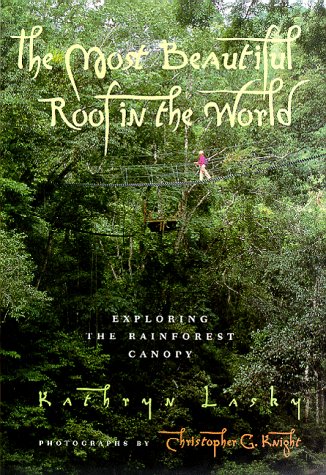
As I explored the book I realized that it was first published 20 years ago, incidentally the year when I first visited Belize. I also discovered that the book is in wide circulation among educators in the USA, for hopefully obvious good reasons:

Journey along with Dr. Meg Lowman, a scientist who, with the help of slings, suspended walkways, and mountain-climbing equipment, has managed to ascend into one of our planet’s least accessible and most fascinating ecosystems–the rain-forest canopy. “Fresh in outlook and intriguing in details, this book will strengthen any library collection on the rainforest.”–Booklist Continue reading

Newtonian Moment At Chan Chich Lodge

ForageCCL.jpgEach morning at dawn, and then again at dusk, I walk the trails at Chan Chich Lodge. The walks serve multiple purposes, but they also serve no particular purpose; and when I get that just right, ideas present themselves.

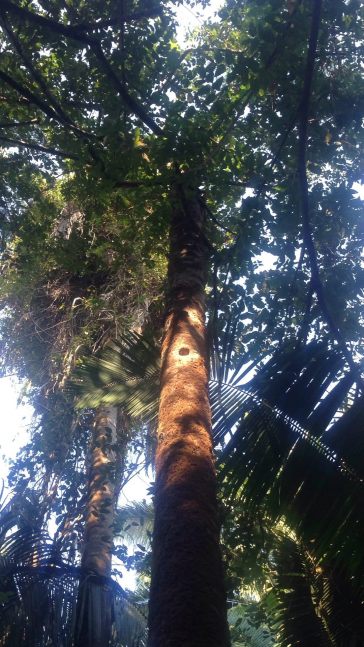
This tree, not a standout in any way I can see, is a marker for me now. It is on a trail where I have had some wonderful wildlife sightings, the best of which, camera-less, was with a tapir. More recently, a troupe of peccaries was snouting around the base of this tree.

And most days there are two species of primate in the vicinity, each challenging the other for territory in their own way–one with grunting howls and the other by shaking clusters of branches vigorously to appear more intimidating than their common name, spider monkey, would imply. Yesterday, a Newtonian inspiration, tailored to my own interests, came to me right here. I saw these bursts of light on the tree trunk at the same moment that I heard a plop in the leaves on the ground right in front of the tree.
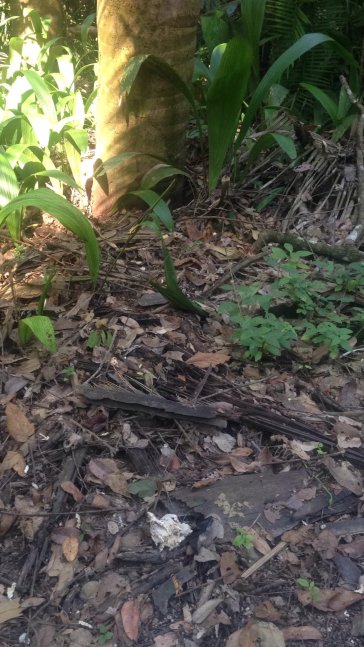
ForageCCL2Instead of an apple, and instead of my head, it was some sort of a fungus, a cluster of mushrooms by the look of it, that fell from the canopy into the ground cover. Gravity already having had its heyday of consideration, I instead turned my thoughts to the possibility of a new dimension to the Chan Chich Lodge food program.

I had never heard of mushrooms growing in the forest canopy, but why should I not expect such a thing? I know from our friend Meg, among others, that the vast majority of biodiversity in a rainforest is concentrated in the canopy. So, hmmmm. Is it an edible one?

I snapped these photographs and sent them to one of the two fellows who I always consult on these matters. Answer: too dry to make a positive id. Don’t eat. Of course I will not! But, and here’s the closest I will get to a Newtonian moment of inspiration… Continue reading

Keeping Those Scarlet Macaws Out Of Harm’s Way

web_camilla-cerea_au0117_sm_049

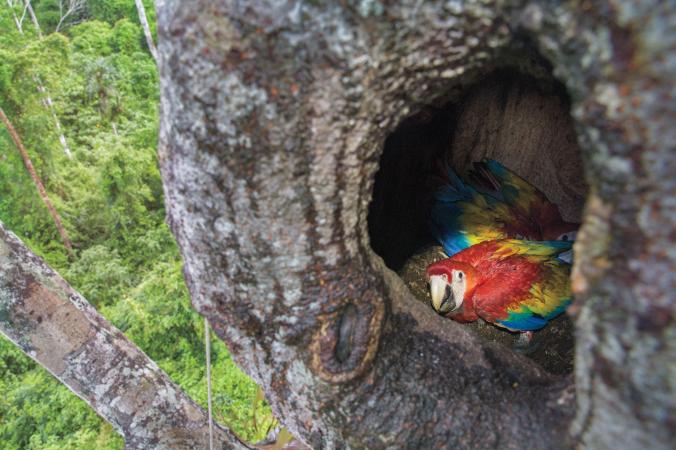
Two Scarlet Macaws chicks sit in their nest in the cavity of a quamwood tree in Belize’s Chiquibul Forest. Photo: Camilla Cerea/Audubon

Thanks to the neighbors of Chan Chich for bringing to my attention this article by Martha Harbison in the current issue of Audubon Magazine, which touches on the topic I referenced back here, not far from Chan Chich Lodge as the bird flies (so to speak):

…To keep macaw chicks safe, a team of rangers spends night and day watching over the birds’ nests and homes.

The Scarlet Macaw’s last, best defense against wildlife poachers doesn’t look like much: just a ramshackle collection of tarps, makeshift tables, plastic five-gallon buckets, jungle hammocks, and a cook fire, hidden in the dense understory of a tropical hardwood forest near the fraught and uncomfortably porous border between Belize and Guatemala. Continue reading

Why We Use eBird, A How-To Primer Explaining Our Motivations

Chan-Chich-Lodge-logoThis article published by Audubon (click their banner below to go there) continues to provide fresh illumination on the basics of eBird; also on why we have made eBird central to our birding activities for guests in recent years, and why Chan Chich Lodge is collaborating with the Lab of Ornithology this Global Big Day event .

AudubonLogo

Since its launch in 2002, eBird has revolutionized the way birders worldwide report and share their observations. A joint project by the Cornell Lab of Ornithology and Audubon, eBird is a free online program that allows birders to track their sightings, while other birders watch and search in real-time. Articles have been written about eBird with mind-bending titles like, “eBird Changed My Life” and “The Agony and Ecstasy of Surrendering to eBird.” In a front-page science headline in 2013, The New York Times called it “Crowdsourcing, for the Birds,” and concluded that eBird is “a revelation for scientists” and gives birders “a new sense of purpose.” Continue reading

Ocelot Dreaming At Chan Chich Lodge

MargayDream.jpg

Thanks to our guests, Yvonne & Martin Ryves of Cork, Ireland for these snapshots taken on the night safari Wednesday after dinner. The one above looks like an ocelot in a dreamscape. Below, as crisp a couple of shots as you are likely to get on the go in the dark in this part of the world. Continue reading

Global Big Day 2017, Belize

BigDayDonate

You have plenty of options of where to spend the day, but we are hoping to share the entire week leading up to May 13 with lots of old friends of Chan Chich Lodge–not only dedicated birders, but especially them. And not only old friends–we welcome the opportunity to introduce new folks to birding. So think about joining us that week in particular.

In our work around the world in recent years we have tried to support the Cornell Lab of Ornithology’s mission, focused through ebird in this worthy call to action, in as many ways as possible. If you do not know about the Lab, start with what they say about themselves and if it strikes you as relevant click on the banner above to make a pledge on one key initiative:

The Cornell Lab of Ornithology is a world leader in the study, appreciation, and conservation of birds. Our hallmarks are scientific excellence and technological innovation to advance the understanding of nature and to engage people of all ages in learning about birds and protecting the planet. Continue reading

Come See, Enjoy, & Count With Us!

LeanderOcelot

We had the good fortune some weeks ago to host one of Europe’s finest birder-guide-photographers at Chan Chich Lodge. His bird photos are wow quality (see below for an example) but my favorite of all his photos is the one above of an ocelot. We are gearing up for Global Big Day at Chan Chich Lodge. Our primary goal is simple. Follow the leader, and lead by example. Our secondary goal is kind of competitive, related to the program’s own details:

Details

For the past two years, the second Saturday in May has been the biggest day of the year for birds: Global Big Day. More than 6,000 species of bird. Tens of thousands of people. 153 countries. Immeasurable fun. Continue reading

Preparing For Global Big Day On May 13, 2017

Cornell_Lab_Global_Big_Day_Map-625px

Global Big Day map painted by Luke Seitz, a Bartels Science Illustration intern and member of the Redheads student birding team.

We have about two months to prepare, and this third year of Global Big Day could be epic. When we started participating in this annual event in 2015 our work still mostly focused on the Western Ghats region of southwest India, but we were migrating back to the Mesoamerica region so our attention has been shifting. Now we are all in at Chan Chich Lodge and we want to help ensure that this year Belize is as strong a contributor as possible to the goals of this program:

In our ongoing effort to push the boundaries of a Big Day, we’re inviting everybody around the world to join together and participate in our Global Big Day to support global conservation.

How to Participate

Submit Your Data to eBird on May 13

It’s that simple. If you submit your birds to eBird they count. Learn how to take part. Don’t worry — you don’t need to be a bird expert, or to go out all day long. Even a half hour checklist from your backyard will help. Of course, you are welcome to spend the entire day in the field, but know that it is not required! Please enter your data as soon as you can, preferably by Tuesday, May 16. Continue reading

Keeping It Green At Chan Chich Lodge

CCLSnake3.jpg

When I see a face like this I can only smile. I am not sure why, and I do not like to anthropomorphize animals, but this creature looks friendly, even a bit happy. Maybe because I am partial to the color green? Continue reading

Norms At Chan Chich Lodge

CCLMar10.jpg

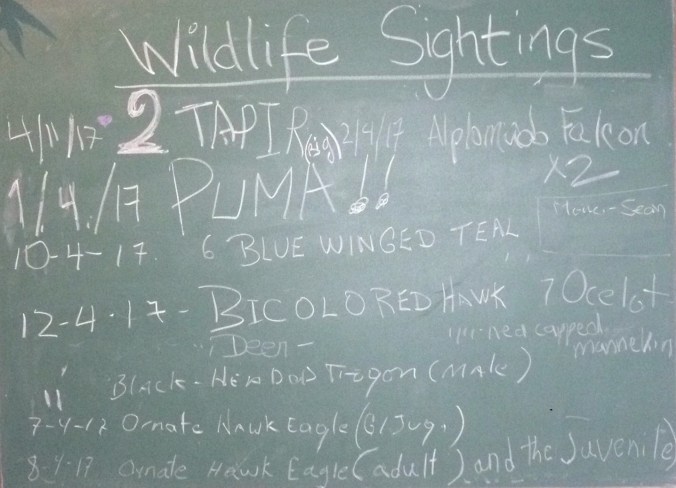
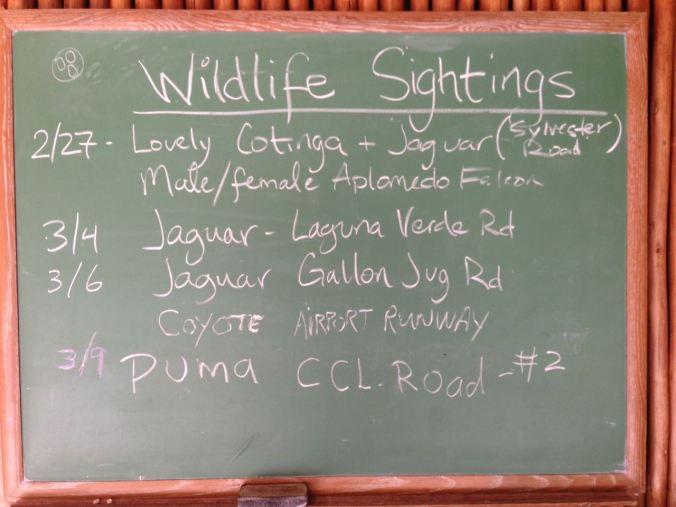
Norms have developed on the sightings board at Chan Chich Lodge over the years; unusual birds and apex predators get most of the attention most of the time.

CCLHowler.jpg

howler monkey

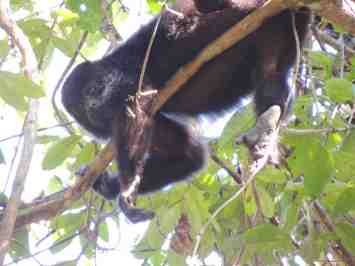
And for good reason. But on a day to day basis, monkeys are almost always in the trees in close proximity to the lodgings. The variety to the left is a noisy one, territorial and vocal in a manner that you will recognize from the soundscape of whatever King Kong movie you might have seen. Urbanite guests seem to favor that noise, we have noticed. Continue reading

Merlin Flying Further Afield

We’ve written about this amazing APP on our pages before, and it’s exciting to watch it’s evolution and expansion of both technology and territory.

Our work has yet to expand to Mexico, but birds don’t acknowledge national borders, so the majority of the species in the Yucatan  can be found in all 3 countries that make up the peninsula – Belize, Guatemala and of course, Mexico.

We look forward to having our marvelous guides try it out just for fun!

 Merlin Expands to Mexico

We’ve spent the last few months working to expand coverage of Merlin, and we’ve just released a new bird pack for the Yucatan Peninsula. Research at the Cornell Lab of Ornithology repeatedly points to the Yucatan Peninsula as a vital wintering ground for many of our favorite breeding birds in the United States. It’s also home to many dazzling birds unique to the Neotropics. Continue reading

Sense & Sensibility Off Grid

170313_r29532-600

“Sanditon” is robust, unsparing, and alert to all the latest fashions in human foolishness. Illustration by Rutu Modan

It has been nearly two decades since we adopted and adapted the two words, made meaningful as a study in contrasts and complementary values by a favored novelist, to remind us of what we are out to accomplish.

In recent weeks at Chan Chich Lodge the senses have been stimulated by wildlife sightings. Meditation on and in nature seems to fix, if momentarily, everything.

Apart from those meditations our guests find time to relax in a hammock, reading. Whether on paper (we prefer its off grid feel), or even on modern devices (on which there are some clear advantages) reading is a perfect complement to the day’s action. The quiet contemplation is a perfect counterpart to the nature excursions, so we are pleased to see Jane Austen has more to say than any of us knew:

On March 18, 1817, Jane Austen stopped writing a book. We know the date because she wrote it at the end of the manuscript, in her slanting hand. She had done the same at the beginning of the manuscript, on January 27th of that year. In the seven weeks in between, she had completed eleven chapters and slightly more than nine pages of a twelfth—some twenty-three thousand five hundred words. The final sentence in the manuscript runs as follows: Continue reading

Coming To A Lodge Near You

08CORNEDBEEF4-master675

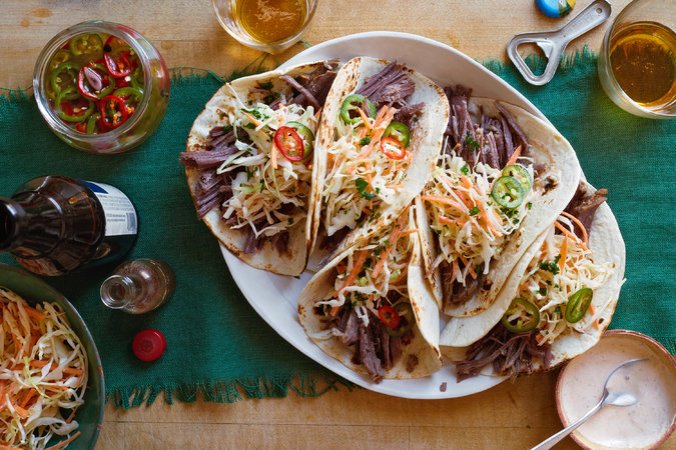
A bright cabbage slaw and a flour tortilla complement corned beef’s fatty saltiness. Credit Melina Hammer for The New York Times

Vegetarians, look away. Guests who have enjoyed the food program at Chan Chich Lodge, and have visited Gallon Jug Farm, normally come to know our commitment to fresh, all natural menu items. Including some of the finest beef in the world. And fresh tortillas. And bright cabbage slaw. Habaneros nearby. And a cold Belikin beer to accompany the meal. As Chef Ram explores all the options that the farm allows for his kitchen, we can imagine him making good use of the book below, brought to our attention by the Food Editor at the New York Times:

What if You Could Make Great Corned Beef?

By

51gO0bcPi8L._SL500_AA300_.jpg…You can do it easily, said Michael Ruhlman, a passionate advocate of the process and the author, with Brian Polcyn, of “Charcuterie: The Craft of Salting, Smoking and Curing.” You need only start by corning your own beef. “You can achieve tastes that aren’t available in the mass-produced versions,” he said. “Also, it’s a genuine thrill to transform plain old beef into something so tangy and piquant and red and delicious.”

Corned beef takes its name from the salt that was originally used to brine it, the crystals so large they resembled kernels of corn. Curing and packing plants in Ireland used that salt in the 19th century to cure slabs of beef that went into barrels, later cans, and onto ships to feed, among others, British colonists, troops, slaves and laborers across the globe. Eventually someone in Boston or the Bahamas fished out a cut of beef neck or a brisket and boiled it into submission with a head of cabbage, and that was dinner. Continue reading

Marvelous Marvin’s Magical Mysteries

17039220_1419637051415082_6579151992410107862_o

At Chan Chich Lodge, in the northwest of Belize, something brings loyal guest back year after year, sometimes multiple times a year. There are many guests who have been coming to Chan Chich year after year for decades; there are more than a handful of guests who have had more than 200 total night stays at the Lodge, one couple approaching 300 nights and at least one couple approaching 400 nights. Having grown up in this business and knowing no other business, I do not have metrics to compare this level of loyalty to any other kind of business. Continue reading

Her Majesty’s Secret

adolescjags

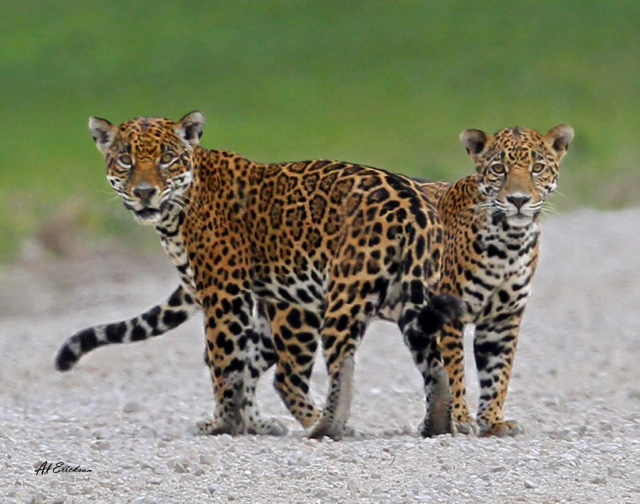
The guests of Chan Chich Lodge who had the good fortune to see her majesty last week were kind enough to share their photos. Thanks again to Al Erickson for his follow up visit the day after the mother jaguar was spotted, back to the same general location; this time he spotted these two adolescents wandering on the road. They must have been out of sight the day prior, mother guarding her secret while she posed for a portrait. This day, no secrets. Only pride.

Same Jaguar, Different Camera

ccljag1

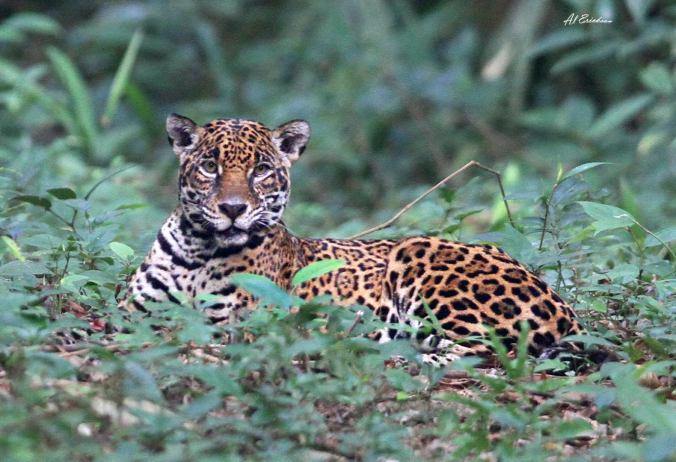
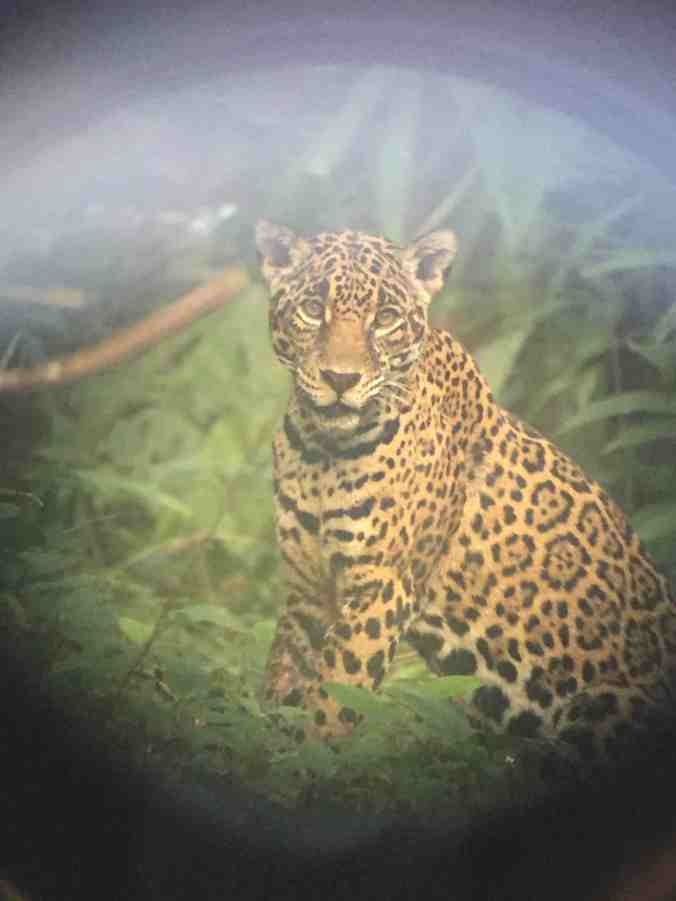
Yesterday I posted a couple images from a guest’s phone camera, including one of the cat above seen through the lens of a scope. What I did not know when I posted that was that another guide, Marvin who was with two other guests, had come upon the cat first and had signaled to Luis to bring his two guests to see the cat, which seemed quite relaxed in this location. Al Erickson, who is at Chan Chich primarily for photographing birds, took the photo above. Incidentally, he and his wife were the ones who pointed us to Bird Tales.

Jaguar & Other Surprises At Chan Chich Lodge

CCLJaguar.jpg

I was just starting to think how surprisingly awesome broccoli is, when a guest at Chan Chich Lodge showed me the photo he took about an hour ago. It was taken using his phone, through the scope that our guide Luis had while they were on the morning Gallon Jug tour. That complements well, to say the least, the photo the guest took with just his phone last night. Continue reading

Chef Ram At Chan Chich Lodge

Chef Ram2.jpg
Chef Ram and I have multiple chef colleagues and foodie friends in common, but this is the first chance that he and I have had to work together. I have been looking forward to this opportunity for quite some time.

He will be expanding and strengthening the farm to table program that Chan Chich Lodge started nearly three decades ago. He will work primarily with Amie, whose success with food programming (and places where that food is enjoyed, which has also been widely appreciated) in India since 2010 made sure that the projects got attention. You will see those ideas here, so stay tuned. Continue reading

From Behind the Camera Trap

Ocelot curious about the red light of the camera

Ocelot curious about the red light of the camera

For years the camera traps at Chan Chich Reserve have been capturing images of wildlife both day and night. In addition to helping to document the size and health of the population of a specific species within the reserve, the cameras also capture the particular behavior of the species.

Continue reading