Gallon Jug’s Bird Friendly Coffee

CoffeeConsvtn.jpg

I am back at Chan Chich, with one goal before I start focusing on my plan to go to graduate school. A recurring theme in my work for La Paz Group, especially at Xandari, has been the intersection of birds and coffee. And now I have some months to think about how this may relate to what I will study in graduate school. One of the programs I am considering applying to is the Masters in Environmental Management at the Yale School of Forestry. Can I link what I have learned while working to what I would study there? If so, maybe I could link that to what I do after grad school.

This other post today reminds me of the value of geeking out from time to time. Most of my attention to coral reef comes from Phil Karp’s posts on this platform and I admit to preferring stories featuring real people and their entrepreneurial approaches to conservation. But science is the other best friend of conservation. Today my attention is turning to coffee, in advance of the arrival this week of an intern coming from Cornell University’s College of Agriculture and Life Sciences.

Just one of the many topics for an intern, with science and research on her side, to help us tackle over the next ten weeks, bird-friendly coffee has been on been on my mind since last year but I have been waiting for the perfect moment to focus. Nothing like the arrival of an intern to focus your mind. And so today in my task-oriented wanderings I came across this website (click the banner above), which I loved immediately for sharing this news on capsules, but the rest of the site is a great resource for present purposes as well:

A short round-up of coffee news.

The Value Of Coral Reef

ReefEcon.jpg

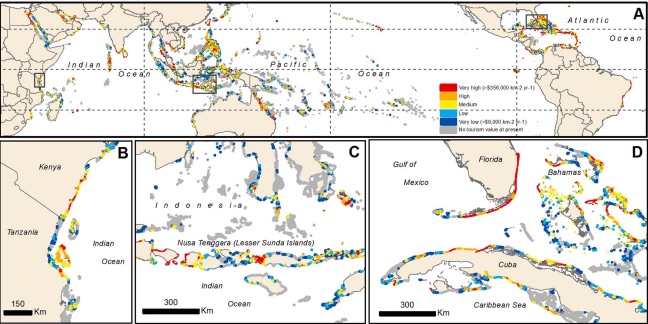
Economic value of coral reefs for tourism (A). This figure summarises the combined dollar values of expenditures for on-reef and reef-adjacent tourism. Reefs without assigned tourism value are grey; all other reefs present values binned into quintiles. Lower panels show Kenya and Tanzania (B), South-central Indonesia (C), and Northern Caribbean, with part of Florida, Cuba and the Bahamas (D). (Further maps can be seen in Appendix A and online at maps.oceanwealth.org

A country that depends on its coral reef to attract visitors, as Belize does, has every reason to pay attention to the various sciences paying attention to those reefs. Mostly marine biologists, perhaps, but also economists. Geeks and wonks are heroically gathering information, processing it, publishing it and if not for The Nature Conservancy’s efforts some of us might not ever see it.

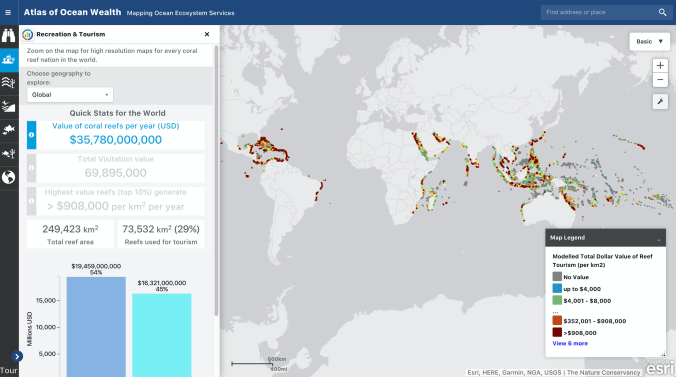
The August, 2017 issue of Marine Policy, an academic journal, carries the article “Mapping the global value and distribution of coral reef tourism” by the scientists Mark Spalding, Lauretta Burke, Spencer A. Wood, Joscelyne Ashpole, James Hutchison, and Philine zu Ermgassen and TNC’s Cool Green Science has a summary in common language. Also they complement the academic illustration above with one of their own:

Screen-Shot-2017-05-26-at-12.09.02-PM.png

Screen shot from the Atlas of Ocean Wealth showing global reef value to tourism. © The Nature Conservancy

If it’s true that people reveal their true values by how they spend their money, coral reefs are very valuable indeed. In fact, according to a new study in the Journal Marine Policy coral reef tourism generates $36 billion (U.S) in global value every year. Continue reading
Farmers, Loggers & Biodiversity

5184 (1)

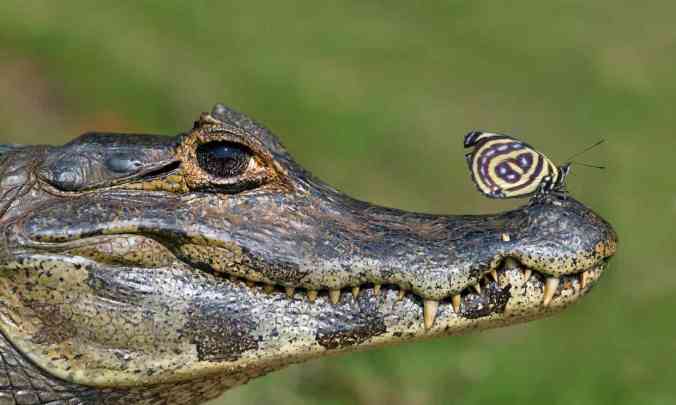
Serro Ricardo Franco is in one of the world’s biggest and most diverse ecological reserves. But reality on the ground is different, putting many animals at risk, such as Yacare caiman and giant river otters. Photograph: Angelo Gandolfi/Getty Images/Nature Picture Library

Sometimes, sitting in a glass house, reading the news makes me want to throw a stone. The glass house where I live includes a farm in an extremely biodiverse area. It is surrounded by nearly half a million acres where logging happens. But there is farming, as you can read about in the news below, and there are plenty of better ways of farming; there are loggers like those in the news below, and there are forests where extraction happens according to standards such as those set and enforced by the Forest Stewardship Council.

Instead of throwing a stone, I get up every day and make sure the glass around here is as transparent as possible, because we can demonstrate a better way of supplying food, of harvesting wood, and doing so with the protection of wildlife in constant view. Meanwhile, I do read the news from elsewhere and continue to share it here (thanks to the Guardian’s Jonathan Watts in Vila Bela da Santíssima Trindade for this one):

Wild Amazon faces destruction as Brazil’s farmers and loggers target national park

The Sierra Ricardo Franco park was meant to be a conservation area protecting rare wildlife

To understand why the Brazilian government is deliberately losing the battle against deforestation, you need only retrace the bootmarks of the Edwardian explorer Percy Fawcett along the Amazonian border with Bolivia.

During a failed attempt to cross a spectacular tabletop plateau here in 1906, the adventurer nearly died on the first of his many trips to South America. Back then, the area was so far from human habitation, the foliage so dense and the terrain so steep that Fawcett and his party came close to starvation.

He returned home with tales of a towering, inaccessible mesa teeming with wildlife and irrigated by secret waterfalls and crystalline rivers. By some accounts, this was one of the stories that inspired his friend Arthur Conan Doyle to write The Lost World about a fictional plateau jutting high above the jungle that served as a sanctuary for species long since extinct elsewhere. Continue reading

Leading Legumes To A Better Place


Anthropocene’s Emma Bryce has summarized the science of Building a better soybean:

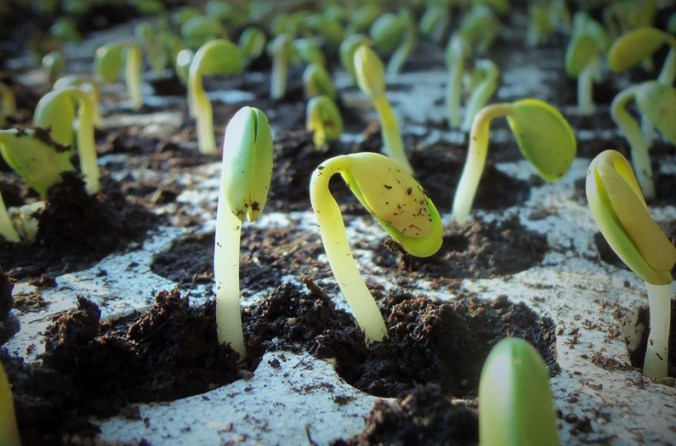
What will it take to build crops that can withstand future climate changes? A group of plant biologists think they might be on to a solution for soybeans. Using genetic engineering, they’ve created a plant whose yields remain unaffected by high-stress conditions. The key lies in a genetic tweak that makes the plant overexpress a particular enzyme, which is thought to boost the efficiency of their photosynthesis cycle and enhance seed production. Continue reading

Svalbard Improvements

4186766563_7bab19f5c2_b.jpg

The Svalbard Global Seed Vault in Norway. (Credit: Mari Tefre/Svalbard Globale frøhvelv)

Our favorite doomsday machine, which we never tire of hearing about and sharing on this platform each time it has demonstrated its visionary worthiness, is back in the news. Discover Magazine brought this to our attention today: Continue reading

Naming For The Sake Of Conservation

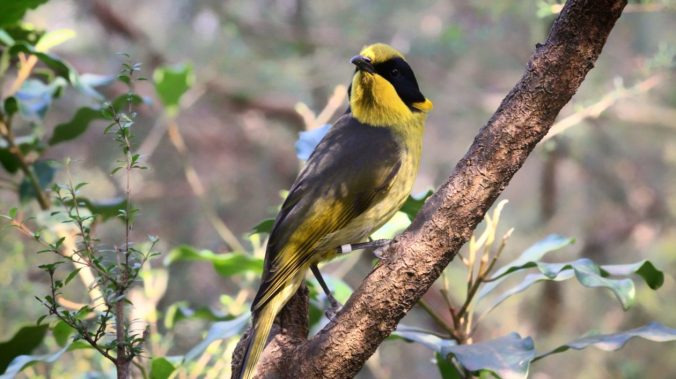
Helmeted_Honeyeater_at_Healesville_Sanctuary_in_Healesville_Victoria_Australia._Birds_are_being_bred_under_a_captive_breeding_program_for_reintroduction_into_the_wild_over_time-1260x708

The Helmeted Honeyeater, a subspecies of the Yellow-tufted Honeyeater and the state bird of Victoria. Photo © Dylan Sanusi-Goh / Wikimedia Commons

Thanks to the Nature Conservancy for its conservation and scientific work in Australia, and for this finding shared on Cool Green Science:

…Recognizable common names are often critical for species protection, but subspecies miss out on this public perception benefit. A new paper argues that standardized English names are key to conservation success for Australia’s fantastic avifauna, and creates a definitive list for every subspecies on the continent. Continue reading

Sometimes Less Is More

Nijhuis-The-Many-Meanings-of-Biodiversity_01-640.jpg

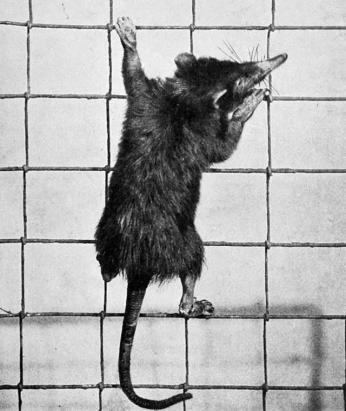
In a new paper, researchers argue that oddball animals like the Cuban solenodon should be more aggressively protected. COURTESY NEW YORK ZOOLOGICAL SOCIETY / WIKIMEDIA COMMONS

Our focus is on developing and managing entrepreneurial opportunities to protect natural areas. More protection is better than less, we naturally assume. That is why we are intrigued by this blurb about a new scientific finding: “a small but strategic increase in protected lands could triple the amount of bird and mammal species preserved worldwide.”

The headline to this short item–CONSERVATIONISTS COULD BE SAVING MORE BIODIVERSITY IN LESS SPACE–has us clicking, and we thank the New Yorker’s commitment to science writing, and specifically Michelle Nijhuis for it:

Magnifying Whale Scale Science

24TBwhale-4-superJumbo

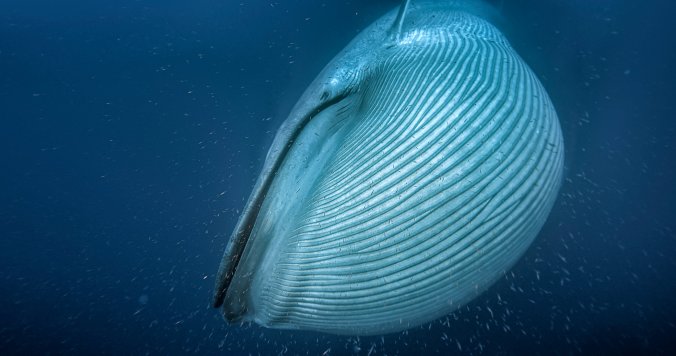
A blue whale off the coast of California. CreditSilverbackFilms/BBC

Ed Yon’g posting on the Atlantic website pursued the same natural history question as Nicholas St. Fleur’s How Whales Became the Biggest Animals on the Planet, and both science writers provide their specific source as seen here in the Times article:

…In a study published Tuesday in the journal Proceedings of the Royal Society B, a team of researchers investigated gigantism in baleen whales, the filter-feeding leviathans that include blue whales, bowhead whales and fin whales. The marine mammals became jumbo-size relatively recently, they found, only within the past 4.5 million years. The cause? A climatic change that allowed the behemoths to binge-eat…

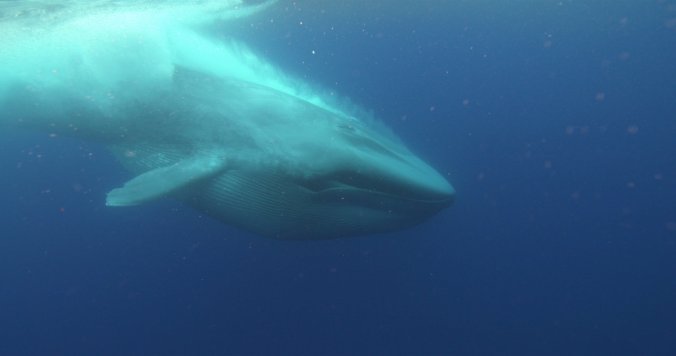
The number of written words in both is about the same, and the quality of writing is comparable, but the photos in the Times article magnify the words there by, it seems, a thousand times, which explains why we are linking to another whale scale story a second day in a row:

24TB-whale3-superJumbo.jpg

Baleen whales became big around the same time as when ice sheets began covering the Northern Hemisphere. CreditSilverbackFilms/BBC

Continue reading

Whale Scale Explained

Thanks as always to Ed Yong, who keeps the fires under our wonder about whales well stoked:

Why Did The Biggest Whales Get So Big?

… and perhaps more importantly: when?

Five years ago, on a boat off the southern coast of Sri Lanka, I met the largest animal that exists or has ever existed. Continue reading

Ladybugs, Awe & Design Inspiration

19tb-ladybugs01-superJumbo.jpg

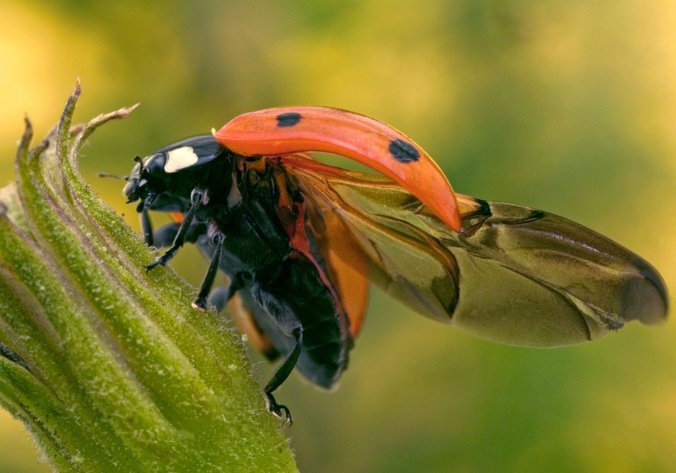
After ladybugs fly, they tuck their wings into a sliver of space between their abdomen and the colorful outer wings for which they are best known. Credit Jean-Michel Labat/Science Source

Even without words this item from the Science section would tell a full story just with the gif below, which captures what any of us might remember being awed by as a kid. Thanks to Joanna Klein for this:

Ladybugs Pack Wings and Engineering Secrets in Tidy Origami Packages

The ladybug is a tiny insect with hind wings four times its size. Like an origami master, it folds them up into a neat package, tucking them away within a slender sliver of space between its abdomen and the usually polka-dotted, harder wings that protect it. Continue reading

James Prosek, Come to Chan Chich Lodge!

ProsekSweden.jpg

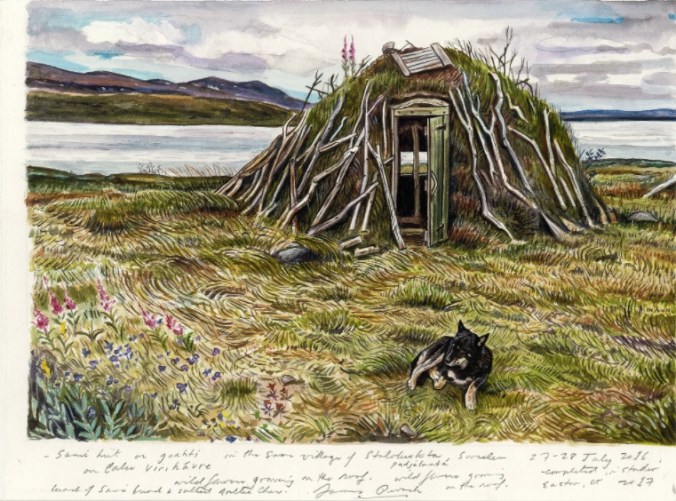
A Sami reindeer herders’ hut on Lake Virihaure in Padjelanta National Park. Credit Paintings by James Prosek, courtesy of the artist and Schwartz-Wajahat, New York

We had a tradition from the moment we arrived in Kerala, inviting some of our favorite people to come see what we were doing there. This one’s work at Cornell was a lovely coincidence because of Seth’s work at the Lab of Ornithology. But mainly, a conservation-oriented naturalist illustrator seemed a perfect fit for what we do. So, seeing what he has contributed to the Travel section of the New York Times today I realize we are due to extend another invitation, this time for him to join us at Chan Chich Lodge in Belize:

A Botanist in Swedish Lapland

By

The plan was to retrace part of a journey that Carl Linnaeus made in 1732 when he was 25, from Uppsala, just north of Stockholm, to the northernmost region of Sweden, known as Swedish Lapland. Linnaeus kept a detailed journal of his travels, often called his “Lapland Journal,” with maps of the mountains, rivers and lakes, drawings and his squiggly handwriting. Continue reading

Strengthening Our Birding With Citizen Science

team-belize-720x405.jpg

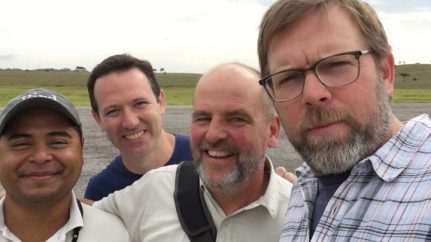
Team Belize finished with 242 species. From left: Roni Martinez, Andrew Farnsworth, Steve Kelling, Brian Sullivan.

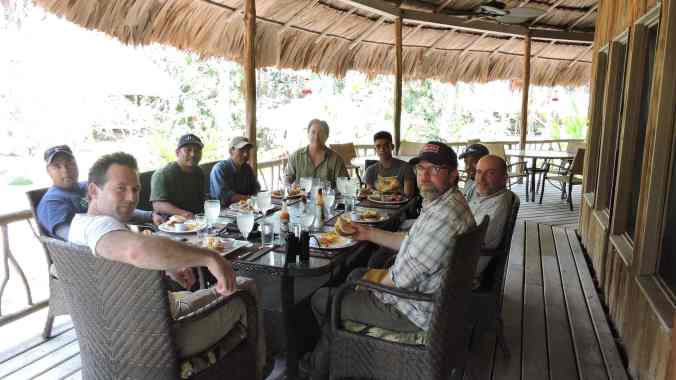
Seth, since his time working for the Cornell Lab of Ornithology, and even after his time in Ithaca, has helped me to see how important the Lab’s work is to what our company has been doing since he was an infant. Citizen science is an essential component, and at Chan Chich Lodge guests have responded to the passion the guides have for eBird, which is why we put so much attention into this year’s Global Big Day. And it is why we are already planning the next collaboration with the Lab, a collaboration Seth will lead on our side. For now, a final roundup of stories from last weekend, starting with our favorite team:

…After pooling their lists, the teams ended the day with a whopping 327 species combined—reflecting not just great birding but the region’s importance to an immense diversity of birds. Team Belize topped the friendly group competition with 242 species (including 40 species the other teams didn’t find); Team Mexico found 224 species (with 43 unique to their list); and Team Guatemala tallied 213 (with 23 unique)…

58126301-520x611

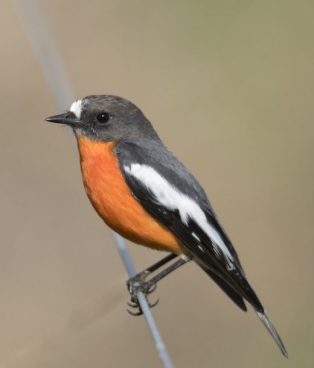
Flame Robin by John Cantwell/Macaulay Library, taken on Global Big Day

Also, the final numbers are in and news published late yesterday confirmed what I suspected as day was breaking in Belize, titled Global Big Day 2017: birding’s biggest day ever:

…On 13 May 2017, almost 20,000 birders from 150 countries around the world joined together as a global team, contributing more than 50,000 checklists containing 6,564 species—more than 60% of the world’s birds. This is a new record for the number of bird species reported in a single day, Continue reading

The Bells & Whistles Of The Forest At Daybreak

GBD2017ResultsWed.jpg

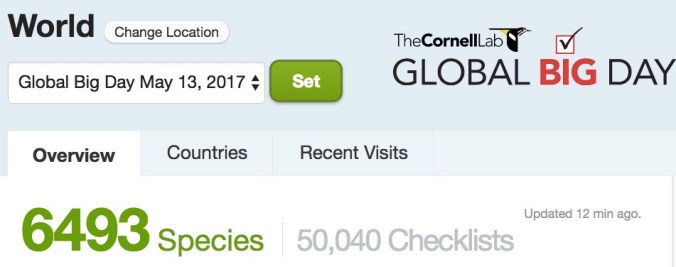
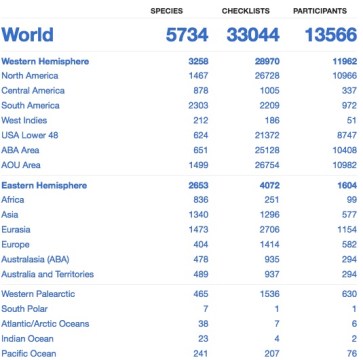
We post a few times a day, sharing information about initiatives in our own realm of work and frequently observations on news links that we find interesting. For the record, here is a bit of news worth celebrating. As I type this at 5:30a.m. Belize time, the Global Big Day page on eBird shows the latest tally of the species count as seen above. At the same time, on the eBird Facebook page I am looking now at the last post, dated May 15 midday, that says:

The #GlobalBigDay total is now 6,255, less than 100 away from a new record for a single day of birding!

Looks to me like a new record has been set. Where are all the bells and whistles? They are outside my door right now, where the wildlife is whirring, cling-clanging, whooping and shrieking as the forest lights up…

Sticking To Mission & Unintended Consequences

GBD2017Result1

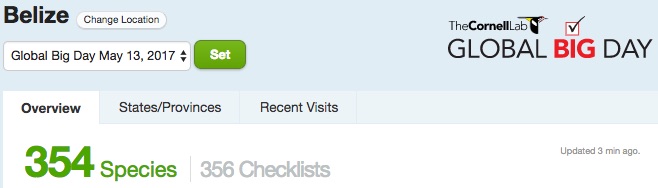
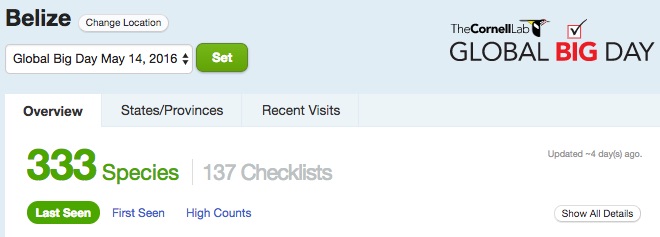
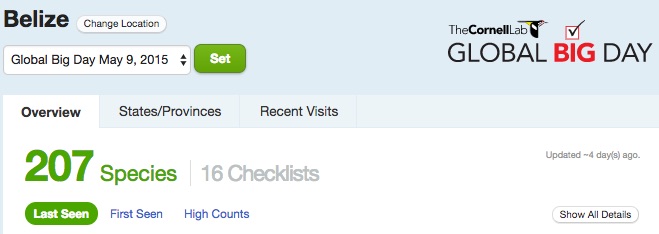
In recent months, as we prepared to host Team Sapsucker Belize at Chan Chich Lodge, our goals were focused on the citizen science mission. Using a couple simple metrics, the event was a clear success, comparing the number of species counted in Belize this year versus last year, and especially looking at the number of checklists submitted.

GBDResult16.jpg

If you look at this as the third iteration of an event that we hope to grow in future years, the progress from beginning to present is promising. As I type this there are still more than 40 hours of data entry remaining for this year’s event, so the increase in this year’s participation and species identification will likely grow larger by this time Wednesday.

GBDResult15.jpg Continue reading

Global Big Day 2017, Results

GBD2017b.jpg

When I left Team Sapsucker late last night it was pouring rain, a perfect punctuation to the day, telling them to stay under cover on Chan Chich’s deck since no bird would be out in the deluge. They were reviewing their lists, waiting to see if the rain would pass, allowing one final outing of the 24-hour period. I did not ask the final number, but I could tell they were happy with the day.GBD2017Result

As I type this at 5am the rain has long since stopped, the early birds are out in full sonic force, competing with the howler monkeys it seems, and results on eBird’s website look impressive. My eye is drawn to the Central America numbers. Partly because I moved to the region two decades ago and have worked in each country. Partly also because the region has embraced its ornithological importance, and yesterday provided one more metric for that embrace. But mainly, because I am here in Belize and the Lab team we had here was exactly as expected, not only as birders but as people.

The Chan Chich guide team had an amazing day with the Team Sapsucker on Friday, and over lunch that day they all celebrated several firsts, the details of which escape me now, but they involved two new species being added to Chan Chich’s list on eBird (a big deal) and our guide Ruben adding a life list bird that day to his nearly two decades of birding accomplishments at the Lodge.

GBD@CCL.jpg

The Lab team explained the rules of the game for the following day. No assistance of any kind would be possible after midnight. Continue reading

Introducing The Team Prepping For Global Big Day At Chan Chich Lodge

GBD1On day two in Belize with Team Sapsucker introductions are due. The photo to the left, taken at about 5am today in front of Chan Chich Lodge’s reception area, shows two of them. The best information I could find to share with you about Andrew Farnsworth is on Songbird SOS Productions, where he says:

“I like the challenge of trying to figure out how to go birding when there’s a traffic jam on first avenue. It’s cool to be able to study birds in a city… Some people have seen technology as the end of all things natural, but there’s a whole other side to it that gives us access to a world that we would otherwise not have seen.” Continue reading

Lost Rice, Found Alive

image005_custom-74fcf2c593047698233b11f237300862d88e143a-s1400-c85.jpeg

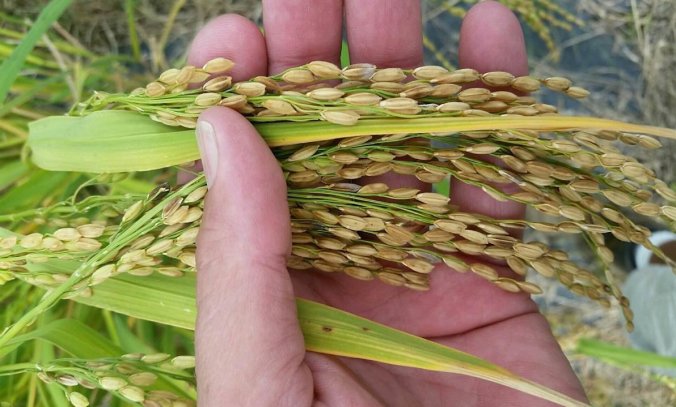
An upland rice strain. Courtesy of Brian Ward

Thanks to the salt and National Public Radio (USA) for this story about the strain of a grain means so much to billions of people around the world:

A grain of rice, like a grain of sand, sifts through your hands with a mysterious and lovely sameness. Mostly white or tan, hundreds or thousands of grains pour smoothly out of buckets, out of burlap, into bowls, with a sound like small waterfalls. Rice seems so simple, really. And yet, because it plays a central role in world cuisines, these modest grains can carry the weight of history. Sometimes that history is deeply surprising. Continue reading

Baja Desert Birds

As I approach my 100th checklist submitted to the Villa del Faro eBird hotspot, I’ve been putting together video compilations of footage taken over the last seven months here. The one in this post happens to be about birds, and most of them are, but I’ll also be sharing some whale breaches, ray jumps, and non-avian desert animal behavior. In the video below you can see two Greater Roadrunners (filmed months apart), a California Quail, and a Gray Thrasher (endemic to the Baja Peninsula) recorded at or ten minutes from Villa del Faro.

Make sure you have the volume up for the Greater Roadrunner section in particular, as the first individual engages in some interesting bill-clacks, and the second one was vocalizing in a low toot that I’ve only heard the one time so far, but seems to be a mating call.

Continue reading

Community, Collaboration & Conservation in Mozambique

Thanks to contributor Phil Karp for sharing this great example of how peer-peer knowledge exchange can help to replicate and scale up innovative solutions.

For communities, by communities

Experience from around the world shows that managing fisheries and marine resources works best when responsibility is placed in the hands of local communities. This is particularly true in low-income countries, where there is often limited capacity and infrastructure for fisheries management and conservation.

Locally Managed Marine Areas (LMMAs) are areas of ocean managed by coastal communities to help protect fisheries and safeguard marine biodiversity. Found throughout the world’s tropical and subtropical seas, and encompassing diverse approaches to management and governance, their sizes and contexts vary widely, but all share the common theme of placing local communities at the heart of management.

Continue reading

Counting Down To Global Big Day

Global-Big-Day-map

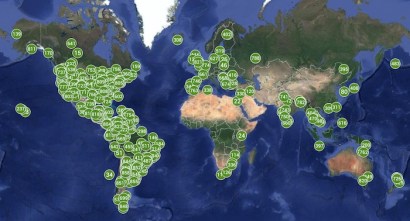
A world of birders has already marked out where they’ll be on 13 May. Where’s your place? Add it today!

Thanks to eBird for the one week marker until Global Big Day, which we look forward to supporting at Chan Chich Lodge. Click the map to the left to mark your territory, so to speak. This countdown notice uses one species to illustrate a conceptual premise of the annual event, and we are happy to report that this species is frequently seen at Chan Chich Lodge on birding walks, and excursions to Gallon Jug Farm, where the barns are accommodating:

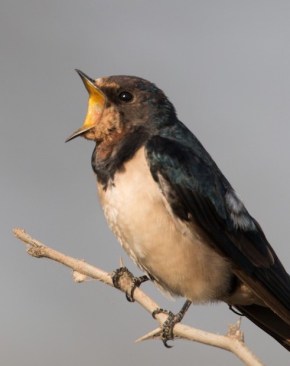
The familiar Barn Swallow (right) has been recorded in eBird from 222 countries. You can hope to spot a Barn Swallow almost anywhere on the planet, from Alaska to Argentina, Siberia to Australia, Iceland to South Africa. Barn Swallows criss-cross the equator and traverse the Eastern and Western Hemispheres. Their movements not only span an entire planet of birds, but connect a worldwide community of birders.

In the same way, Global Big Day and eBird connect all of your local birds with the rest of the world, making a real difference in the collective understanding of birds worldwide. On 13 May, every bird that you report contributes to the global team total for an unprecedented snapshot of our planet’s bird diversity. Every bird counts.

To join the Global Big Day team from more than 150 countries, all you have to do is go birding on 13 May!  Continue reading